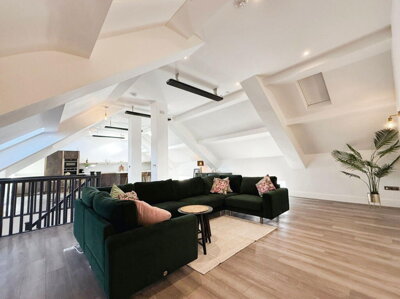
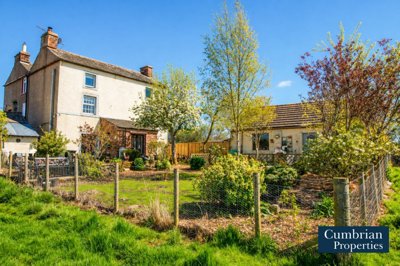
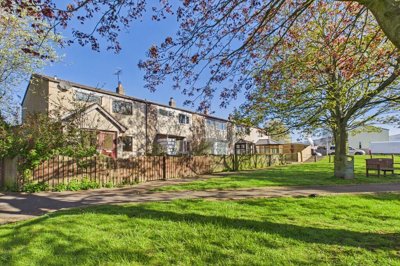
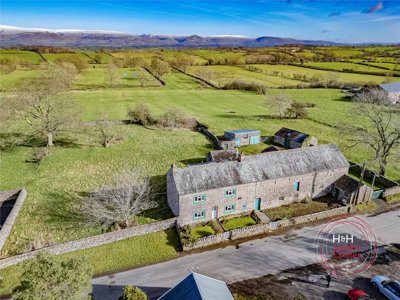
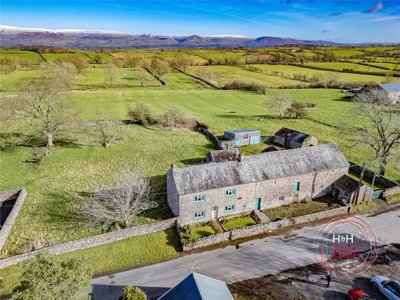
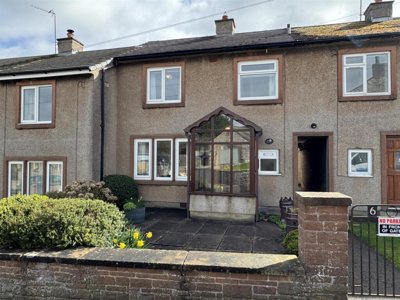
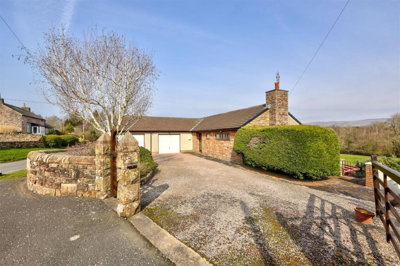
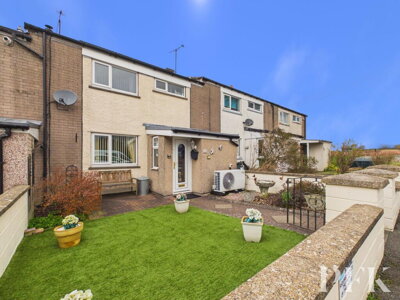
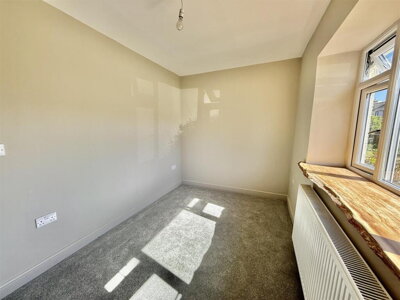
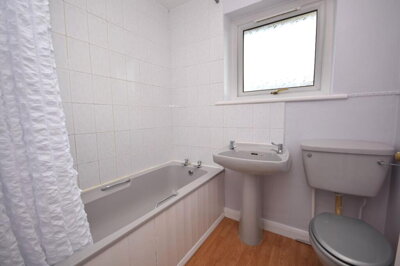
Browse 18 homes for sale in Bolton from local estate agents.
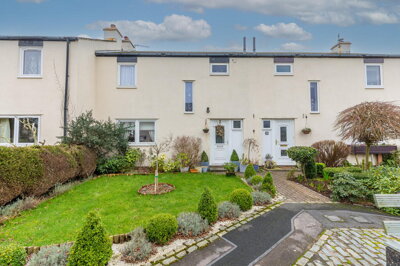
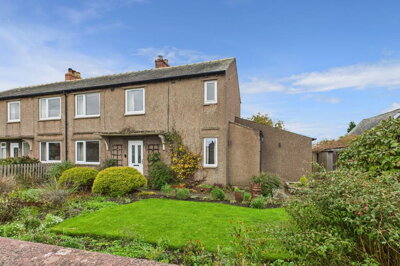
Three bedroom properties represent a significant portion of the Bolton housing market, offering space for families with multiple reception rooms and gardens in many cases. Browse detached, semi-detached, and terraced options ranging from period character homes to contemporary developments.
Bolton, in Westmorland and Furness, has its own feel, a small Cumbrian village with real appeal. As of February 2026, the overall average house price stands at £329,125, with detached properties commanding an average of £625,000, semi-detached homes at £273,333, and terraced properties at around £195,000. This pricing structure makes Bolton a place where character and value sit side by side.
Over the past twelve months, the CA16 postcode area has seen prices hold steady, with a 0.00% change recorded. That points to a market with some resilience, rather than the sharp swings often seen in larger towns and cities. Only 2 property sales have been recorded in the area over the past year, so turnover is limited, yet demand remains consistent. Because the village is small and traditional stone homes dominate, stock comes up rarely, and early registration with local agents is wise for buyers with specific requirements.
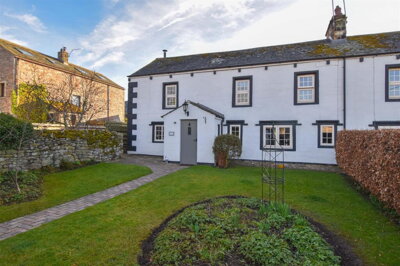
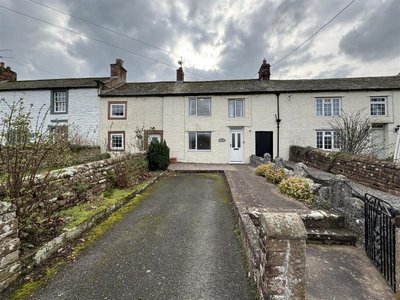
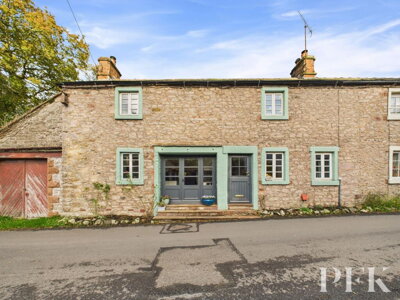
New build activity in Bolton itself is slight, and any recent construction is most likely to be a single plot or a very small development rather than a larger estate. As a result, buyers in Bolton mainly purchase character homes, many of them generations old and built in the sandstone style associated with the Eden Valley. For those who want modern convenience alongside historic charm, that mix brings both hurdles and opportunities, best assessed with a local property specialist.
Because transactions are few and far between, Bolton properties can sometimes sell for a premium compared with similar homes in busier places, especially when they have wide Eden Valley views or direct frontage on the River Eden. We would advise moving quickly when the right house appears, as strong competition can emerge for the best homes in the village, driven by buyers drawn to rural Cumbrian life.

Daily life in Bolton, Westmorland and Furness follows the rhythm of rural England, with a pace that feels far removed from urban pressure. The village has an estimated population of 478 people, so it is a close-knit place where neighbours know one another and local events bring people together through the year. Its civil parish reaches into the surrounding countryside too, giving residents walking routes through farmland, meadows, and along the banks of the River Eden, which runs through the heart of the village.
Agriculture remains central to the local economy of Bolton and the wider Eden Valley, with farming still important for jobs and for managing the landscape. Tourism has a strong role as well, since the village sits close to the Lake District National Park and draws visitors all year round, which supports local firms and services. Appleby-in-Westmorland, just 4 miles away, is the main service centre for Bolton residents, with shops, pubs, restaurants, and essentials such as a GP surgery and primary school.
Bolton, Westmorland and Furness shows its heritage clearly in both its buildings and its community spirit. There are 14 listed buildings within the village, among them All Saints Church and Crossrigg Hall, Grade II* listed, giving the area a rich architectural history shaped by centuries of settlement. The village’s ancient origins mean residents live among buildings of real historical importance, where heritage and ordinary life sit comfortably together. Facilities are limited by the village’s scale, but there are local pubs and places to gather, and those spaces play a part in seasonal events and the strong social links typical of Cumbrian rural life.
Evenings and weekends in Bolton are centred on the pub, local walks, and community get-togethers rather than commercial entertainment, which suits the village’s rural character. The Appleby-in-Westmorland area also hosts regular farmers markets and community events, giving residents extra social options for a short trip into town. Many people in Bolton play an active role in village life through the parish council, local conservation groups, or one of the clubs and societies that meet across the Eden Valley.

For families thinking about a move to Bolton, Westmorland and Furness, schooling is mainly centred in nearby Appleby-in-Westmorland, about 4 miles away. Appleby Grammar School serves secondary pupils from Bolton and across the Eden Valley, taking students from Year 7 through to Sixth Form. It has long served the local area well, although families should check current performance data and judge how the school’s offer fits their children’s needs and plans.
Primary schooling is available in Appleby-in-Westmorland, where the local primary school covers Reception through Year 6. For early years provision, there may be smaller settings in the village or the immediate surrounding area, although choice is naturally tighter than in larger towns. Rural schools often mean smaller class sizes and closer teacher-pupil relationships, and many families moving from urban areas find that personal attention particularly appealing once they settle into village life.
Parents should keep in mind that reaching secondary schools beyond Appleby Grammar may involve transport planning, especially if options in Penrith or other nearby towns are preferred. School transport and catchment boundaries are handled by Westmorland and Furness Council, so prospective buyers should check the current position directly with the local authority. For families who want broader educational choice, Bolton’s position also gives access to several independent schools across Cumbria and North Yorkshire, opening up alternative routes for children’s education.
The school run from Bolton to Appleby-in-Westmorland is short enough that families can enjoy a useful balance, calm village living at home and access to town-based schooling nearby. Many parents come to know the drive along the A686 through the Eden Valley very well, and it can even become a pleasant part of the routine, especially in autumn when the surrounding countryside turns vivid with colour.

Roads carry most of the burden for connectivity in Bolton, Westmorland and Furness, with the village lying on local routes that link out to the A66, the main arterial road through the Eden Valley. From there, the A66 connects to the M6 motorway at Penrith to the north and gives access to the A1(M) corridor heading east. For people commuting to regional centres, that road network keeps places such as Penrith, Carlisle, and even Newcastle within reach, although journey times reflect the rural setting.
Rail travel is available from Penrith station, which has regular services to major cities including London Euston, approximately 3 hours, Edinburgh, around 2 hours, and Manchester, approximately 1.5 hours. By road, the trip from Bolton to Penrith takes about 30 minutes, so residents can reach the rail network for longer commutes or occasional travel with relative ease. Appleby-in-Westmorland also has its own station on the Settle-Carlisle line, giving another rail option, particularly for journeys north and south along that scenic route through the Yorkshire Dales and into Cumbria.
Local bus services, run by Stagecoach and other providers, link Bolton with Appleby-in-Westmorland, Penrith, and the surrounding villages, although frequencies are modest compared with urban routes and are usually aimed at school travel and market day links. Anyone without a car should look closely at those timetables before relying on them for daily commuting or regular trips. Cycling is popular too, helped by quiet country lanes that make for enjoyable leisure rides and the odd commute, while the Cumbria cycle network connects into wider routes across the county.
For home workers, Bolton offers a strong quality of life, with mobile networks providing good connectivity and broadband in the village becoming more reliable. Many residents have embraced rural living while keeping careers that no longer depend on a daily commute, using the calm setting to support both productivity and work-life balance. With open countryside close at hand for breaks and recreation, the village is an appealing base for remote workers wanting a change from urban or suburban life.

We would begin by looking closely at the Bolton, Westmorland and Furness property market. Register with local estate agents covering the CA16 area and Appleby-in-Westmorland, because they will have the earliest sense of homes due to come to market. A clear grasp of Eden Valley housing, local price points, and the types of property available will help sharpen the search from the outset.
Before you start viewing, get a mortgage agreement in principle from a lender or broker. It shows how much you can borrow and tells sellers that you are financially ready and serious about buying. In a rural market like this, having the finances lined up gives you an edge when the right property appears in this small village community.
View homes that fit your brief, but pay close attention to the construction and condition of each building. Many Bolton homes are built in traditional sandstone and may be listed buildings, so specialist judgment is often needed. Take account of proximity to the River Eden and any flood risk issues, along with access arrangements and rural connectivity matters that differ from urban purchases.
Before you proceed, book a detailed RICS Level 2 Survey so the property’s condition is properly assessed. Homes in Bolton are often older and built using traditional methods, which makes professional inspection especially useful. The survey will pick up defects, structural concerns, or renovation work that could affect your decision or the way you negotiate.
Choose a conveyancing solicitor with experience in rural Cumbrian property transactions. Our solicitor will deal with legal searches, review contracts, and manage the transfer of ownership. Because Bolton includes listed buildings and may also involve conservation area considerations, experienced legal advice is particularly valuable.
Once searches come back satisfactorily and the finances are confirmed, our solicitor will coordinate exchange of contracts and agree a completion date. On completion day, the remaining funds are transferred and you receive the keys to your new Bolton, Westmorland and Furness home.
Buying in Bolton, Westmorland and Furness means keeping an eye on the particular issues that come with rural Cumbrian villages and historic properties. With 14 listed buildings in the village, many homes may be listed, either Grade II or higher, and that brings specific duties around maintenance and alterations. Buyers should be aware that listed building consent may be needed for certain works, and ordinary renovation projects may call for more careful planning and specialist contractors who know historic building rules.
The local geology is another point worth considering for prospective buyers. In the Eden Valley, the underlying strata include Permo-Triassic sandstones and mudstones, with substantial deposits of glacial till and boulder clay in the superficial layers. That clay content points to the possibility of shrink-swell ground movement, which can affect homes with older foundations. A thorough building survey by a qualified surveyor with experience of traditional Cumbrian construction will help identify current or possible issues tied to ground conditions.
Flood risk matters in Bolton, given the village’s position on the River Eden. Homes close to the river or in lower-lying spots may be exposed to fluvial flooding during heavy rainfall or snowmelt, and surface water flooding can also happen where drainage struggles. Prospective buyers should ask for flood risk information from the Environment Agency and weigh that carefully when looking at individual homes and their positions within the village.
Building materials and construction methods in Bolton usually reflect Eden Valley traditions, with local sandstone and render common, and older homes often built with solid walls instead of cavity insulation. Those methods give the village much of its character, but they can affect thermal performance and energy costs. Homes without modern insulation may need renovation work to improve efficiency while keeping historic character intact, a balance that needs careful planning and, at times, listed building consent.
Typical defects in older Eden Valley homes include damp linked to solid wall construction, roofing problems such as slipped slates or worn lead flashing, and timber defects affecting structural elements. Electrical systems in older properties often need updating to current safety standards, and drainage can differ from modern setups. A detailed RICS Level 2 Survey gives a proper assessment of these possible issues, helping buyers account for repair costs in their plans and negotiate accordingly with sellers.

The full cost of buying in Bolton, Westmorland and Furness goes beyond the purchase price. Stamp Duty Land Tax, SDLT, is payable on completion, although the current thresholds offer some useful relief at this price level. For a property at the area average of £297,500, standard buyers pay nothing on the first £250,000 and just £2,375 on the amount between £250,001 and £297,500, making the total SDLT £2,375. First-time buyers benefit from higher thresholds, which may reduce this to nil depending on their circumstances.
Other buying costs include solicitor fees for conveyancing, usually £500 to £1,500 depending on the complexity of the deal and whether the property is freehold or leasehold. With listed buildings in Bolton, extra legal work around consents and restrictions may push costs up a little. Survey costs also need to be budgeted for, with RICS Level 2 Surveys generally coming in at £400 to £800 depending on the size of the property, while larger traditional stone homes may sit towards the top end of that range.
There are more costs to think about too, including mortgage arrangement fees, often 0.5% to 1% of the loan amount, lender valuation fees, and searches such as local authority, environmental, and water drainage checks. Buildings insurance must be in place from exchange of contracts, and removals costs add to the final bill. As a rule, buyers should budget an extra 3% to 5% of the purchase price for these ancillary expenses, so they are financially ready when the right Bolton home comes along.
Properties in Bolton can also bring costs linked to historic status, especially where listed buildings need specialist surveys or conservation-approved contractors for renovation work. We would factor those possible future costs into the wider budget if a home needs modernisation or upgrading. Energy performance certificate assessments are mandatory for all sales, and our surveyors can arrange this alongside any structural assessment we are asked to carry out.

As of February 2026, the average house price in Bolton, Westmorland and Furness, CA16 postcode area, stands at £297,500. Detached properties average £397,500, semi-detached homes around £275,000, and terraced properties approximately £200,000. The market has shown no change over the past 12 months, which points to stable conditions in this rural Eden Valley village. With limited transaction volume, prices can still vary quite a lot depending on condition, size, and whether the property is listed.
Bolton, Westmorland and Furness falls under Westmorland and Furness Council, formerly Eden District Council. Most rural Cumbrian homes, especially older stone properties, tend to sit within Bands A through D, with many traditional houses placed in lower bands because of historic valuation methods. The exact band for any property can be checked through the Valuation Office Agency website or during conveyancing searches with a solicitor.
Formal schooling in Bolton itself is limited, with primary education available at Appleby-in-Westmorland Primary School, around 4 miles away. Secondary pupils are served by Appleby Grammar School, a traditional school for the Eden Valley. Small rural class sizes often bring strong individual attention, and the school also acts as a centre for community activity beyond the classroom.
Public transport from Bolton is limited, as you would expect in a rural village. Local bus services run to Appleby-in-Westmorland, Penrith, and the surrounding villages, though departures are modest. Penrith station, about 30 minutes by road, gives access to London, Edinburgh, and Manchester, while Appleby railway station on the Settle-Carlisle line is nearer but has fewer services. Most residents depend on private vehicles for day-to-day travel.
Bolton, Westmorland and Furness will appeal most to buyers looking for lifestyle value rather than high rental yields. Its character, lovely setting, and closeness to the Lake District attract people in search of second homes or retirement properties. Values have stayed steady, and the limited number of homes coming to market points to ongoing demand. Even so, the small transaction volume and rural location mean sales can take longer, so expectations for capital growth should stay grounded.
Stamp Duty Land Tax rates for England (2024-25) apply. The rate is 0% on the first £250,000, 5% on £250,001 to £925,000, 10% on £925,001 to £1.5 million, and 12% above £1.5 million. First-time buyers get relief on the first £425,000 at 0%, with 5% on £425,001 to £625,000. At the average property price of £297,500, most buyers would pay no stamp duty or only a small amount, although higher-value homes will attract more.
Bolton’s position on the River Eden creates a fluvial flood risk for homes in low-lying areas near the river. Surface water flooding can also happen during heavy rain. Buyers should request flood risk data from the Environment Agency and think carefully about the property’s exact location and elevation. Homes with a history of flooding may need suitable insurance arrangements, and any flood resilience measures already installed should be noted during the survey.
While viewing homes in Bolton, give close attention to the condition of traditional sandstone walls, roof coverings, and any signs of damp or timber deterioration that are common in older Cumbrian properties. Check the age and condition of electrical systems, heating systems, and drainage arrangements. Properties near the River Eden should also be assessed carefully for flood risk indicators and any flood resilience measures already in place. If a property is listed, check what works have been carried out with the proper consents and allow for any maintenance it may need when making an offer.
From 4.5% APR
We compare mortgage deals from leading lenders for a Bolton purchase.
From £499
Our expert conveyancing solicitors handle Bolton property purchases.
From £400
Comprehensive condition survey for your Bolton home
From £80
Energy performance certificate for your Bolton property
Properties for Sale In London

Properties for Sale In Plymouth

Properties for Sale In Liverpool

Properties for Sale In Glasgow

Properties for Sale In Sheffield

Properties for Sale In Edinburgh

Properties for Sale In Coventry

Properties for Sale In Bradford

Properties for Sale In Manchester

Properties for Sale In Birmingham

Properties for Sale In Bristol

Properties for Sale In Oxford

Properties for Sale In Leicester

Properties for Sale In Newcastle

Properties for Sale In Leeds

Properties for Sale In Southampton

Properties for Sale In Cardiff

Properties for Sale In Nottingham

Properties for Sale In Norwich

Properties for Sale In Brighton

Properties for Sale In Derby

Properties for Sale In Portsmouth

Properties for Sale In Northampton

Properties for Sale In Milton Keynes

Properties for Sale In Bournemouth

Properties for Sale In Bolton

Properties for Sale In Swansea

Properties for Sale In Swindon

Properties for Sale In Peterborough

Properties for Sale In Wolverhampton

Enter your details to see if this property is within your budget.
Loans, cards, car finance
Estimated property budget
Borrowing + deposit
You could borrow between
Typical borrowing
Monthly repayment
Est. at 4.5%
Loan-to-value
This is an estimate only. Your actual budget may vary depending on interest rates, credit history, and personal circumstances. For an accurate affordability assessment, speak to one of our free mortgage advisors.
This calculator provides estimates for illustrative purposes only and does not constitute financial advice. Your home may be repossessed if you do not keep up repayments on your mortgage. Estimates based on 4.5% interest rate, repayment mortgage. Actual rates depend on your circumstances.
Homemove is a trading name of HM Haus Group Ltd (Company No. 13873779, registered in England & Wales). Homemove Mortgages Ltd (Company No. 15947693) is an Appointed Representative of TMG Direct Limited, trading as TMG Mortgage Network, which is authorised and regulated by the Financial Conduct Authority (FRN 786245). Homemove Mortgages Ltd is entered on the FCA Register as an Appointed Representative (FRN 1022429). You can check registrations at NewRegister or by calling 0800 111 6768.

We use cookies to show you personalised content and improve your experience of our website. Find out more in our Privacy policy and Cookie policy.