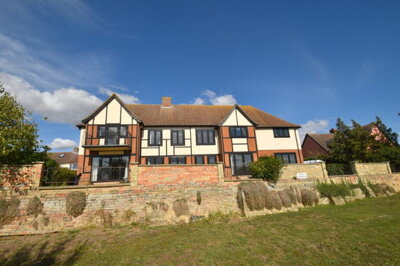
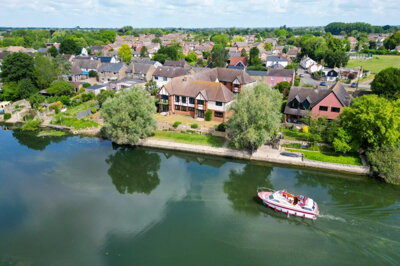
Browse 2 homes for sale in Bluntisham, Huntingdonshire from local estate agents.
Studio apartments feature open-plan living spaces without separate bedrooms, incorporating sleeping, living, kitchen, and bathroom facilities. The Bluntisham studio market includes properties in modern apartment complexes, converted Victorian and Georgian buildings, and purpose-built developments.
£0k
0
0
0
Source: home.co.uk
Showing 0 results for Studio Flats for sale in Bluntisham, Huntingdonshire.
Bluntisham’s property market has held up well, even with the wider national swings. House prices in the village are currently 5% up on the previous year, although they still sit 21% below the 2022 peak of £469,722. That pullback from the pandemic-era highs has opened the door for buyers who want value in this appealing Cambridgeshire village. home.co.uk records an overall average price of £477,708, while homedata.co.uk reports £477,708, showing the breadth of homes on offer. For buyers who missed the 2022 peak, today’s prices are a more practical way into this popular village setting.
Bluntisham has property types to suit a fair spread of needs. Detached homes average £591,429 and bring the kind of space and gardens that families tend to want. Semi-detached properties average £260,000, giving buyers a workable balance of size and affordability. Terraced homes average £385,000 and are the cheapest route into ownership in the village. Flats are less common in this mainly village environment, though they do appear in converted buildings or newer schemes. Census 2021 data shows that almost 8 in 10 households nationally live in houses or bungalows, and Bluntisham reflects that same low-density residential feel.
New build activity in Bluntisham has been especially lively. Orchard View on Station Road (PE28 3LL), a development of 26 homes completed by Accent Housing in partnership with Minster Property Group and Seagate Homes, was finished in October 2025. It includes seven affordable rent properties, among them bungalows with wet rooms for accessibility, plus 19 shared ownership homes starting from just 10% initial share. Mill Gardens on Mill Lane has four-bedroom detached houses priced between £800,000 and £825,000, sitting at the top end of the local market. A new barn-style end terrace at White Towers on Wood End is on the market for offers over £295,000. Looking ahead, Barratt Redrow PLC has submitted outline planning for up to 140 homes on land north of Station Road, and a separate application for 90 homes on Colne Road is still waiting for Huntingdonshire District Council to decide.

Bluntisham’s character is tied closely to its farming past and its distinctive buildings. The village sits in a largely agricultural part of Huntingdonshire, where arable crops such as winter-sown wheat and oil seed rape dominate the surrounding fields. In earlier years, large orchards gave seasonal work to local residents, although farming has changed a great deal since then. The village name itself comes from Old English, which fits its long settled history on the edge of the Fens. In practical terms, the rural setting still defines Bluntisham, with farmland visible from almost every street.
The Bluntisham Conservation Area, designated by Huntingdonshire District Council on 13 October 1980, protects much of the village’s historic feel. It has a linear layout following the High Street and includes old farmhouses on the western side. Building materials used across the village include gault brick, plain tiles, slates, and clay pantiles. There are also several thatched cottages with whitewashed render, especially along East Street and Colne Road, where four buildings, including Horseshoe Cottage and The Gables, keep their original thatched roofs. These heritage features do a lot to shape the village’s look and sense of place, which is why the conservation area remains one of Bluntisham’s main draws for buyers after character homes.
Everyday life in Bluntisham is supported by a decent spread of local amenities. The village has a petrol station, convenience supermarket, local gym, fish and chip shop, and hairdresser. Social life tends to revolve around the village hall, playing fields, and two churches, including St Mary’s Church, which dates from the 14th and 15th centuries, and the Baptist church. Local pubs add places to eat and meet. There is also a car repair workshop, so basic motoring needs are covered nearby. For more choice in shops, culture, restaurants, and entertainment, residents usually head to St Ives or Huntingdon, both within easy reach.

Education in Bluntisham centres on the village primary school, which serves children in early years and Key Stage 1 and 2. It gives local families a nearby option, so younger children do not need to travel into larger towns for primary schooling. For secondary education, pupils normally go on to schools in St Ives or Huntingdon, where there are several options, including grammar schools for families who want selective education. Because Cambridgeshire operates a selective system, families thinking about Bluntisham should look carefully at grammar school entry requirements and admission arrangements, as places can be keenly contested.
The presence of strong schools has a real effect on the Bluntisham housing market, because many families put education first when deciding where to live. Parents looking at homes in Bluntisham should check the latest school performance data and admission rules directly with Cambridgeshire County Council, as catchment areas and school numbers can change the outcome. The village sits in a county generally known for educational standards, though individual ratings and results vary from year to year. House hunters with school-age children also need to think about travel time and transport, since secondary school journeys may involve buses or lifts from parents to nearby towns.
For families with older children, Cambridgeshire offers excellent further and higher education choices, with Cambridge home to world-renowned universities and further education colleges. Bluntisham’s position means commuting to Cambridge can work for some older students, although many choose to board or rent closer to their course. St Ives School gives secondary provision within a reasonable travelling distance, and Huntingdon adds further options including Hinchingbrooke School and St Peter’s School. It pays to plan education needs carefully while house hunting in the village, especially around secondary school selection and transport.

Transport from Bluntisham combines village calm with useful access to major road and rail links. The village sits close to the A1123 and is well linked to the A14, which crosses Huntingdonshire and gives access to Cambridge to the south and the East Coast ports to the east. For commuters working in Cambridge, Peterborough, or further afield, the A14 is a major route. Access to the M11 is available via Cambridge, which connects Bluntisham residents to London and the wider motorway network. By car, journeys to Cambridge city centre usually take around 35-40 minutes, so daily commuting is realistic for those working in the university city or its business parks.
Rail travel from nearby stations gives another option for people working in bigger cities. Huntingdon and St Ives both connect into the national rail network, with direct services to Cambridge and Peterborough. From Huntingdon station, trains to London King’s Cross take about 50 minutes, which keeps Bluntisham viable for commuters who want village living without giving up access to the capital. Anyone without a private car should check bus timetables and routes carefully before moving to Bluntisham, because public transport commuting can take more planning and longer journey times than driving.
Most residents rely on private cars for day-to-day travel within the village, and parking is generally manageable in this low-density rural setting. Cycling also works well for local trips, helped by the flat Cambridgeshire landscape that suits most fitness levels. National Cycle Routes run through the area, so there are options for leisure rides and longer journeys too. For air travel, London Stansted Airport and London Luton Airport are both within roughly 90 minutes’ drive, while Cambridge Airport has limited commercial flights. Bluntisham gives buyers a neat balance of rural peace and practical links, which is a big part of the appeal.

Start by looking at local house prices, neighbourhoods, and what your mortgage budget will actually stretch to. With average prices around £477,708, it helps to know your borrowing limit and to allow for stamp duty, solicitor fees, and surveys. An agreement in principle before viewings can strengthen your position as a serious buyer and gives you a clear framework for the search in this Cambridgeshire village.
We would speak to estate agents listing homes in Bluntisham and arrange viewings of properties that match your brief. It is sensible to look across different price brackets so you can see what each level buys. Check the property’s condition, age, and any signs of maintenance issues, especially in older homes where defects can crop up more often. If possible, view in different weather, so you can judge heating performance and any damp problems common in older village properties.
Once an offer is accepted, we would commission a RICS Level 2 Survey before exchange of contracts. With Bluntisham’s mix of historic homes and new builds, a professional survey can pick up defects or structural issues that might affect the purchase. Properties in the Conservation Area or listed buildings may need the more detailed RICS Level 3 Building Survey because of their construction and heritage features. Survey costs for a typical three-bedroom property average around £420 nationally, though prices vary depending on value and access.
We would also appoint a solicitor to deal with the legal side of the purchase. The solicitor will carry out searches with Huntingdonshire District Council, check ownership, and manage the transfer of funds. Conveyancing usually starts from £499 for standard purchases, though it costs more for leasehold homes, shared ownership schemes, or transactions involving listed buildings. Allow 8-12 weeks for the conveyancing process, although complicated sales can take longer.
After the searches come back clean and the mortgage offer is in place, you exchange contracts with the seller and pay a deposit, usually 10% of the purchase price. Completion normally follows within 1-2 weeks, when the remaining funds are sent and the keys to your new Bluntisham home are handed over. Ownership should then be registered promptly with the title register so the legal title is recorded correctly.
Flood risk is a serious point to consider when buying in Bluntisham. The village is covered by flood alerts and warnings for the River Great Ouse, with properties near Needingworth Road particularly affected where annual flood risk is above 1%. Bluntisham Parish Council has recorded a number of flooding locations across the village, and residents have reported flash floods and drainage problems during heavy rainfall. Properties on Rectory Road have suffered notable flooding in recent years, and surface water flooding adds to the risk in lower-lying spots. A RICS Level 2 Survey will look at flood risk and any evidence of water damage to the structure, which helps you make a proper decision before you commit to the purchase.
Clay soils in Bluntisham bring a possible shrink-swell subsidence risk, because clay-rich ground changes volume as moisture levels rise and fall. The village’s historic brick-making industry, which used local clay deposits during the 17th century, confirms that these soils are part of the local geology. Homes with large trees nearby, or with poor drainage, can be more vulnerable to ground movement over time. If a property has significant vegetation or sits on clay soils, a specialist foundation assessment may be worth having before purchase. Newer homes should have been built to modern standards that take these conditions into account, but older homes with shallow foundations need closer inspection by our qualified surveyors.
Homes within the Bluntisham Conservation Area come with planning restrictions, so planning permission is needed for certain alterations and extensions. The designation protects the village’s historic character, but it also brings responsibilities for homeowners thinking about renovations or changes. Listed buildings, including Grade II* Bluntisham House on Rectory Road and a number of Grade II listed cottages, need Listed Building Consent for works that could affect their character or fabric. Buying a listed property brings the pleasure of living in a heritage asset, but also the duty to keep its historic features in approved condition. Those obligations should be built into both the buying decision and the budget, because specialist surveys and heritage-led renovation work can push up overall costs.

The average sold price for properties in Bluntisham over the past twelve months is £477,708 according to homedata.co.uk, with home.co.uk recording £477,708. Detached homes average £591,429, semi-detached houses £260,000, and terraced homes £385,000. Prices are 5% higher year-on-year, yet still 21% below the 2022 peak of £469,722, which creates room for buyers who missed the pandemic-era high point. In the PE28 3LQ postcode specifically, prices have dropped by 1.2% over the past year, which shows there is local variation within the wider village market.
Bluntisham properties fall under Huntingdonshire District Council, with council tax bands from A through to H assigned on the basis of 1991 property value. You can find the band for a specific home through the Valuation Office Agency website or ask your solicitor during conveyancing searches. For current banding and estimated costs on any property you are considering, contact Huntingdonshire District Council directly. Council tax affects the ongoing cost of ownership, so it needs to sit alongside mortgage payments and utility bills in the budget.
Bluntisham has a primary school serving the local community through early years and Key Stage 1 and 2. For secondary education, families usually look to schools in St Ives and Huntingdon, with Cambridgeshire’s grammar school system offering selective places for academically able pupils at schools including St Ives School and Hinchingbrooke School in Huntingdon. Check current Ofsted ratings and admission policies directly with the schools or Cambridgeshire County Council, because performance data and catchment boundaries change over time and can have a big effect on children’s education.
Local bus routes serve Bluntisham and link it with nearby towns including St Ives and Huntingdon, although services are less frequent than in urban areas. Rail travel is available via Huntingdon and St Ives stations, with trains to Cambridge and Peterborough and journeys to London King’s Cross taking around 50 minutes from Huntingdon. The A1123 and A14 provide the road links, with the A14 acting as a key route for commuters to Cambridge and beyond. Anyone relying entirely on public transport for the daily commute should check service frequencies and journey times before buying, because village buses will not match city timetables.
Bluntisham has a few features that may appeal to property investors looking for longer-term returns. House prices have recovered some ground with 5% annual growth, while major new housing at Orchard View, completed in October 2025, and proposed schemes for 140 and 90 homes point to further investment in local infrastructure. The village’s rural character and its closeness to Cambridge make it appealing to commuters who want cheaper housing than the city centre. Flood risk and the limited rental market in small villages still need careful thought, and first-time buyers may find shared ownership homes at Orchard View a more manageable way in than buying outright.
For 2024-25, stamp duty land tax on residential purchases is charged at 0% on the first £250,000 of value, 5% on £250,001 to £925,000, 10% on £925,001 to £1.5 million, and 12% above £1.5 million. First-time buyers buying under £625,000 get relief on the first £425,000, then pay 5% between £425,001 and £625,000, with no relief above that level. For a typical Bluntisham property at £477,708, a standard buyer would pay no stamp duty on the first £250,000 and 5% on the remaining £227,708, which comes to £11,385.40 in stamp duty costs.
With Bluntisham’s mix of older homes and newer builds, our surveyors often pick up dampness, roof damage, structural movement, and drainage issues during surveys. Older properties may not have modern damp-proof courses or adequate waterproofing, especially given the village’s history of flash flooding and drainage problems. Roof condition matters a great deal in listed homes with traditional clay tiles or thatch, because replacement materials must match the original specification for heritage reasons. Homes with large trees nearby can be prone to subsidence because of the clay soils in the area, and electrical systems in pre-1980s properties may need updating to meet current safety standards.
Bluntisham has a strong heritage stock, including Grade II* Bluntisham House, formerly The Rectory, on Rectory Road, built circa 1720 with later 18th and 19th-century additions. The Bluntisham Meeting House and Sunday School is Grade II listed and stands within a large graveyard with red brick construction. Four properties in the north-east corner of the Conservation Area have thatched roofs, among them Horseshoe Cottage and The Gables on East Street and Colne Road. A number of other Grade II listed buildings are scattered through the village, including homes at 6 Rectory Road, 18 and 38 High Street, and 59 and 59a Woodend. Buying a listed property means Listed Building Consent is needed for alterations, along with a commitment to keep historic features in approved condition.
From 4.5%
Compare competitive mortgage rates from leading lenders
From £499
Expert legal services for your property purchase
From £400
Professional property survey for standard homes
From £600
Comprehensive survey for older or complex properties
Getting to grips with the full cost of buying in Bluntisham matters if you want a realistic budget. On top of the purchase price, buyers need to allow for stamp duty land tax, solicitor fees, survey costs, and possible mortgage arrangement fees. For a typical Bluntisham property at the current average price of £477,708, a standard buyer without first-time buyer relief would pay £11,385.40 in stamp duty. That is made up of nil duty on the first £250,000 and 5% on the remaining £227,708. First-time buyers purchasing under £625,000 qualify for relief on the first £425,000, which could cut their stamp duty to nil on this purchase and make homeownership easier to reach in this Cambridgeshire village.
Conveyancing fees usually start from £499 for standard purchases, although the price rises for leasehold homes, shared ownership schemes, or transactions with complications such as a chain or listed building issues. Extra disbursements include local authority searches with Huntingdonshire District Council, title registration fees, and electronic transfer fees, which usually come to £300-500 in total. A RICS Level 2 Survey for a three-bedroom property averages around £420 nationally, rising to £437 for four-bedroom homes. Listed buildings or non-standard construction homes with thatch or timber frames need the more detailed RICS Level 3 Building Survey, which starts from £600 upwards because it calls for more specialist expertise.
Mortgage arrangement fees differ widely between lenders, ranging from zero to £2,000 or more, and they are often added to the mortgage rather than paid upfront. Valuation fees, which check the property as security for the lender, are usually £200-400 depending on value. Life insurance and buildings insurance need to be in place from completion, with buildings cover for Bluntisham homes typically costing £150-400 a year depending on property value, construction type, and flood risk. Putting aside around 5-10% of the purchase price for extra costs helps buyers avoid surprises during the transaction and move through to completion with their finances under control.

Properties for Sale In London

Properties for Sale In Plymouth

Properties for Sale In Liverpool

Properties for Sale In Glasgow

Properties for Sale In Sheffield

Properties for Sale In Edinburgh

Properties for Sale In Coventry

Properties for Sale In Bradford

Properties for Sale In Manchester

Properties for Sale In Birmingham

Properties for Sale In Bristol

Properties for Sale In Oxford

Properties for Sale In Leicester

Properties for Sale In Newcastle

Properties for Sale In Leeds

Properties for Sale In Southampton

Properties for Sale In Cardiff

Properties for Sale In Nottingham

Properties for Sale In Norwich

Properties for Sale In Brighton

Properties for Sale In Derby

Properties for Sale In Portsmouth

Properties for Sale In Northampton

Properties for Sale In Milton Keynes

Properties for Sale In Bournemouth

Properties for Sale In Bolton

Properties for Sale In Swansea

Properties for Sale In Swindon

Properties for Sale In Peterborough

Properties for Sale In Wolverhampton

Enter your details to see if this property is within your budget.
Loans, cards, car finance
Estimated property budget
Borrowing + deposit
You could borrow between
Typical borrowing
Monthly repayment
Est. at 4.5%
Loan-to-value
This is an estimate only. Your actual budget may vary depending on interest rates, credit history, and personal circumstances. For an accurate affordability assessment, speak to one of our free mortgage advisors.
This calculator provides estimates for illustrative purposes only and does not constitute financial advice. Your home may be repossessed if you do not keep up repayments on your mortgage. Estimates based on 4.5% interest rate, repayment mortgage. Actual rates depend on your circumstances.
Homemove is a trading name of HM Haus Group Ltd (Company No. 13873779, registered in England & Wales). Homemove Mortgages Ltd (Company No. 15947693) is an Appointed Representative of TMG Direct Limited, trading as TMG Mortgage Network, which is authorised and regulated by the Financial Conduct Authority (FRN 786245). Homemove Mortgages Ltd is entered on the FCA Register as an Appointed Representative (FRN 1022429). You can check registrations at NewRegister or by calling 0800 111 6768.

We use cookies to show you personalised content and improve your experience of our website. Find out more in our Privacy policy and Cookie policy.