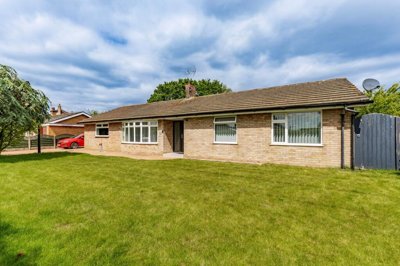
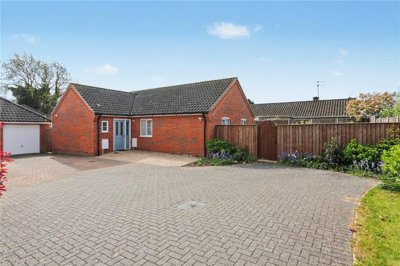
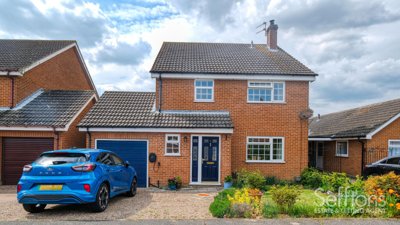
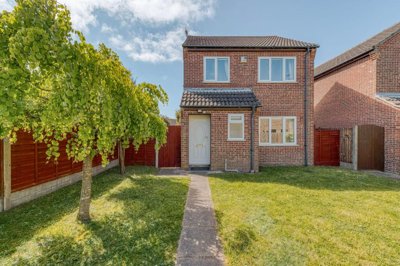
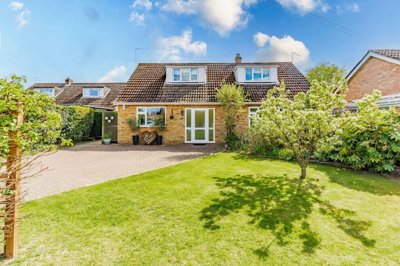
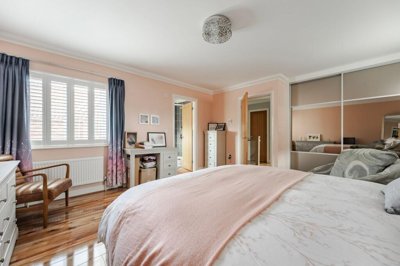
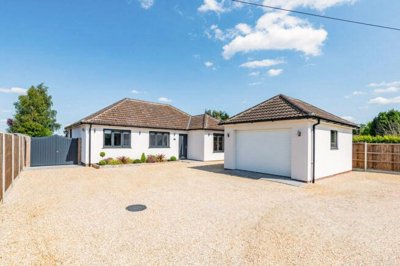
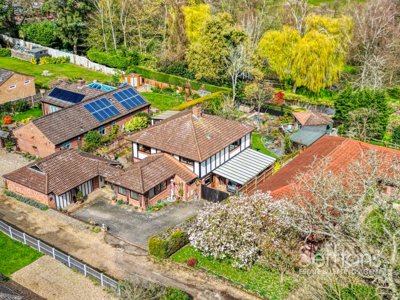
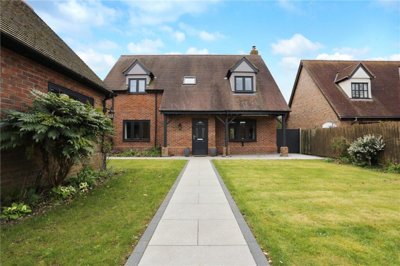
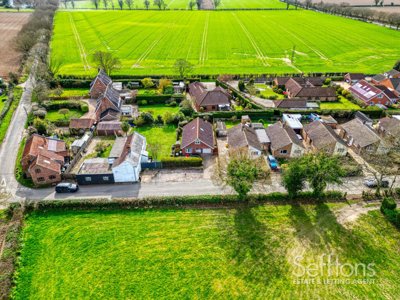
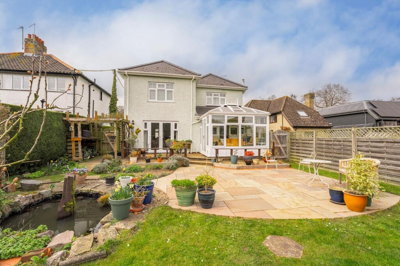
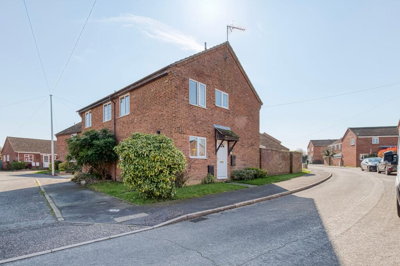
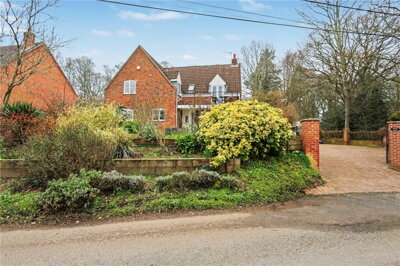
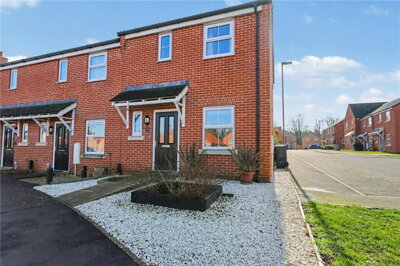
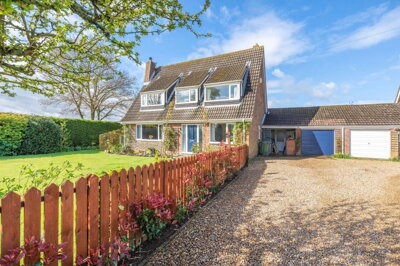
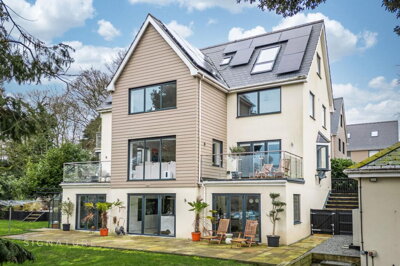
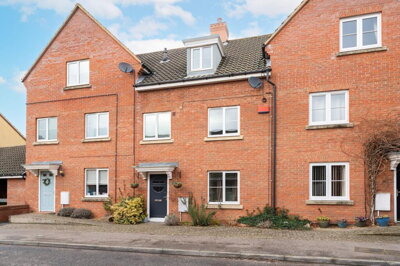
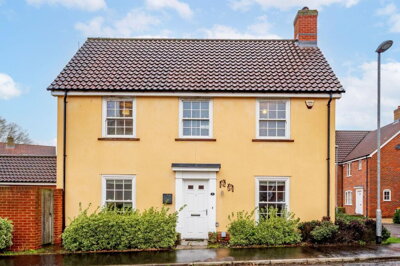
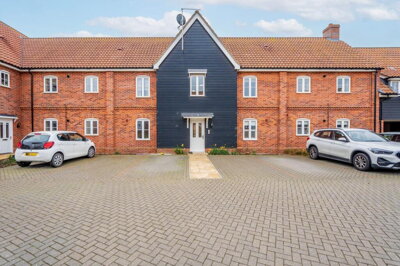
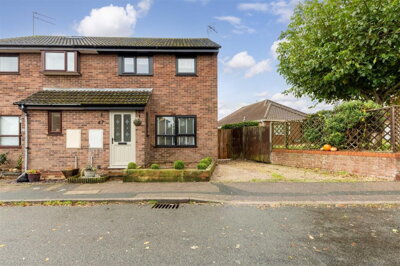
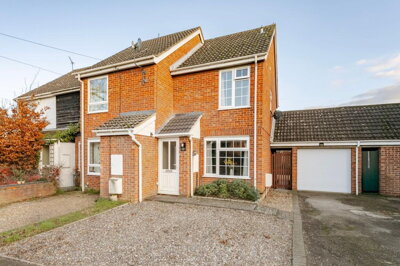
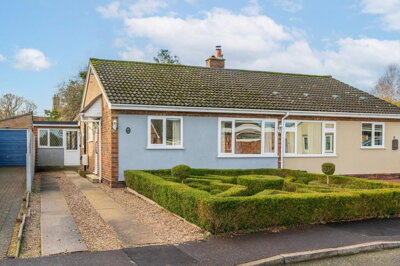
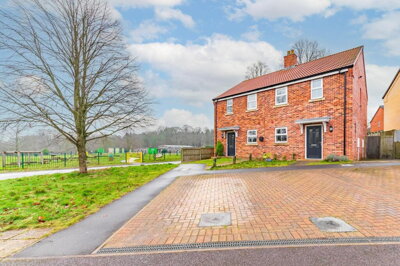
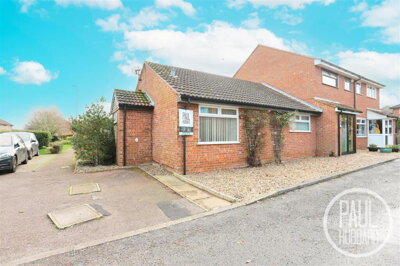
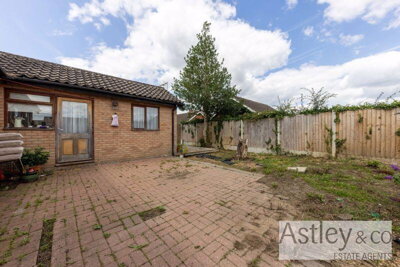
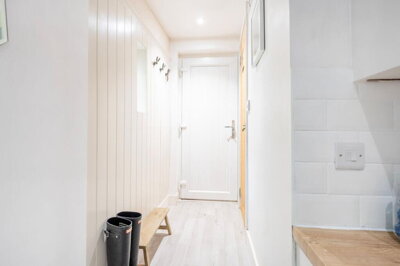
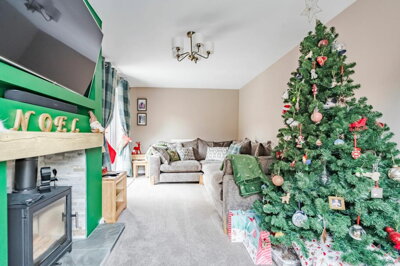
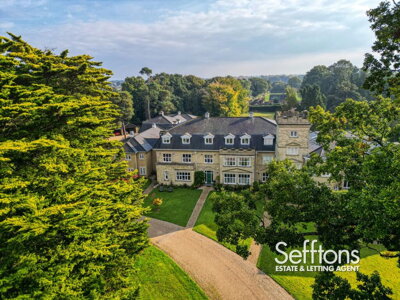
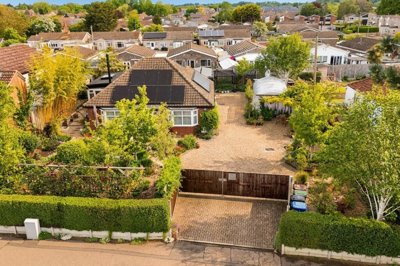
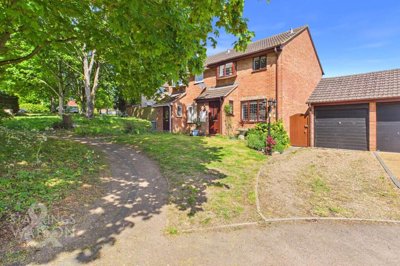
Browse 203 homes for sale in Blofield, Broadland from local estate agents.
£397k
46
2
92
Source: home.co.uk
Source: home.co.uk
Detached
19 listings
Avg £532,579
Detached Bungalow
6 listings
Avg £370,000
Terraced
6 listings
Avg £335,000
Barn Conversion
3 listings
Avg £606,667
Bungalow
3 listings
Avg £430,000
Town House
3 listings
Avg £346,667
Character Property
1 listings
Avg £390,000
Cottage
1 listings
Avg £385,000
Equestrian Facility
1 listings
Avg £2.95M
House
1 listings
Avg £525,000
Source: home.co.uk
Source: home.co.uk
£385,846
Average Price
£485,714
Detached Average
£290,000
Semi-Detached Average
30
Properties Sold (12 months)
3,460
Population
Blofield's market spreads across every price bracket, with detached homes sitting at the top at an average of £485,714. Semi-detached properties come in around £290,000, terraced homes usually sell for about £250,000, and flats are still the most affordable choice in the village at roughly £175,000. That mix gives Blofield something for buyers at both ends of the market, from those taking their first step to families wanting generous detached space.
Detached houses make up approximately 45.1% of Blofield's homes, a figure that reflects the village's semi-rural feel and steady demand for family accommodation. Semi-detached properties account for 30.2%, terraced houses for 15.3%, and flats and apartments for 9.4%. It is a stock profile that leans heavily towards houses rather than flats, which fits the character of a Norfolk village.
**PASSAGE 1:** Blofield's market spreads across every price bracket, with detached homes commanding the highest values at an average of £489,348. Semi-detached properties sit around £296,250, terraced homes usually sell for about £346,364, and apartments are still the lowest-cost option in the village at roughly £150,000. That spread leaves room for first-time buyers on tighter budgets as well as families looking for larger detached accommodation.
**PASSAGE 2:** Over the past year, prices have shifted by just 1% across all property types, so buyers looking at this Broadland village are not facing a wildly moving market. homedata.co.uk data puts the average sold price at £447,197 over the same period, which sits closely alongside home.co.uk figures. That level of steadiness makes Blofield appealing to owner-occupiers and investors alike, especially those after a well-connected village with solid long-term fundamentals.

Blofield manages to mix rural charm with practical day-to-day amenities, which is why it suits families, professionals, and retirees so well. According to Census 2021 data, the parish has a population of approximately 3,460 residents across 1,450 households, so it still feels close-knit without the anonymity of a larger town. Along the high street, you will find the basics covered, with a convenience store, post office, and several pubs serving local ales and hearty meals.
Brick is the defining material here, and Blofield's homes often show the red and buff tones so familiar across East Anglia. The village centre sits within a Conservation Area, protecting the historic character around The Street and the Grade I listed St Andrew and St Peter's Church, which dates from the medieval period and remains a strong community landmark. Beyond that, the Norfolk countryside opens up into footpaths and bridleways through farmland and towards the nearby Norfolk Broads.
Within the Joint Core Strategy for Broadland, Norwich and South Norfolk, Blofield is classed as a Key Service Centre, so it continues to benefit from investment in services and infrastructure. That status supports the shops, schools, and community facilities people rely on day to day, without forcing them into larger towns for every errand. Brooms Boats, operating from nearby Ludham and Potter Heigham, runs ferry services through the Norfolk Broads for leisure and tourism, while village fetes and Christmas markets give newcomers and long-settled locals plenty of chances to meet.

Most properties in Blofield are brick-built, usually in the red and buff shades that suit traditional Norfolk architecture. From the early 20th century onwards, those homes often use cavity wall construction, which brings decent thermal performance and helps them stand up to the weather. Older houses may still have solid walls, while newer developments are turning more to timber frame methods for quicker build times and better energy efficiency.
Across Blofield, roof structures are generally timber trusses finished with clay tiles or slate, depending on the age and style of the house. Traditional homes tend to carry clay tile roofs that work well with the brickwork, while some period properties include more decorative slate details. Construction type matters when it comes to maintenance, because older timber roofs can be vulnerable to rot, especially where loft conversions or insulation upgrades have reduced ventilation.
The local ground conditions need a careful look in Blofield. The village sits on superficial deposits of glacial till, commonly called boulder clay, over chalk bedrock. That clay-heavy base creates a moderate to high shrink-swell risk for foundations, so movement can occur as moisture levels shift through the seasons. Norfolk, along with the wider South East of England, is identified as a high-risk area for subsidence because of these clay-rich soils, and climate change is likely to bring sharper wet and dry spells that could mean more claims in future.
Inside the Conservation Area, exterior alterations, extensions, and demolition can all face extra planning controls. Works to listed buildings, or properties within the Conservation Area, usually need careful thought and often pre-application advice from Broadland and South Norfolk Council. Those limits help keep Blofield's historic character intact, though they can shape renovation plans and should be part of any decision on a period home.
Families in Blofield are served by education options for children at every stage, with primary provision in the village and secondary schools in nearby towns. Blofield Primary School takes children from Reception through to Year 6 and serves the local community with a curriculum centred on core subjects and creative learning. Smaller class sizes are another plus, giving teachers more scope to offer individual attention and support.
For secondary education, the wider area includes primary and upper schools in towns such as Great Yarmouth, Acle, and Lingwood, all reachable by school transport or local bus services. Families looking at grammar school education also have nearby selective options, with assessment taking place during Year 6. Post-16 choices are available at colleges in Norwich and Great Yarmouth, where A-levels and vocational qualifications cater to a range of career plans.
School access has a clear effect on values in Blofield, and homes near Blofield Primary School often draw a premium from families focused on education. Properties within walking distance are especially sought after, since children can get to school safely without parents having to arrange transport. The University of East Anglia in Norwich is also within commuting distance for older students heading into higher education.

Commuters find Blofield easy to live with, thanks to transport links that make Norwich straightforward to reach. Just off the A47, Norfolk's main arterial road, the village gives direct access to Norwich city centre, which is approximately 8 miles to the northwest. Outside peak hours, the drive usually takes around 20-25 minutes, which is a big reason the village appeals to people who work in the city but prefer a more rural base. The A47 also runs east towards Great Yarmouth, opening up coastal jobs and amenities too.
Buses run through Blofield to Norwich, Great Yarmouth, and surrounding villages, with regular services throughout the day. From Norwich railway station, direct trains reach London Liverpool Street in around 2 hours, and there are also connections to Cambridge, Birmingham, and Liverpool. By car, Cambridge station is usually about 90 minutes away via the A47 and A11 route. For those who cycle, local paths and quiet country lanes offer a calmer route, especially in the summer months.
Norwich is the main employment centre for the area, with jobs in retail, professional services, education, and healthcare. The Norfolk and Norwich University Hospital, one of the county's largest employers, is easy to reach from Blofield for anyone working in healthcare. The University of East Anglia adds academic and research roles, while the city centre covers a wide spread of other sectors. Brooms Boats, operating from nearby Ludham and Potter Heigham, runs ferry services through the Norfolk Broads for leisure and tourism.

Start by looking through properties on Homemove and getting a feel for the Blofield market. Compare property types, price brackets, and how close each home is to schools, transport links, and village amenities. A visit at different times of day can tell you a lot, and speaking to residents often gives the clearest picture of village life. Our platform brings together detailed listings, property prices, and local facilities to help narrow the search.
Before you book viewings, sort out a mortgage agreement in principle with a lender. It confirms what you can borrow and gives your offer more weight if a seller is weighing up interest from several buyers. Our mortgage partners can provide quotes that fit your financial circumstances, and having the paperwork ready shows serious intent in a competitive market.
Once you have a shortlist, schedule viewings for homes that match what you are after. Make notes on condition, natural light, room sizes, and any signs of maintenance issues, and take a proper look at the street scene and neighbouring properties as well. A second viewing can be worthwhile before you decide, especially at a different time of day so you can judge noise levels and parking.
Found the right house? Put in your offer through the estate agent. It helps to be ready to negotiate on price and to include practical points such as a flexible completion date. Sellers tend to look closely at buyers whose finances are already in order, and in Blofield the better-priced homes often move fast, so a prompt response can make a real difference.
For homes over 50 years old, or those of any age, we recommend booking a Level 2 Survey so the condition is properly checked and any defects are picked up early. With Blofield's clay soils and older housing stock, this is particularly useful for spotting possible subsidence, damp, or structural issues. Our inspectors know the local construction methods and the defects that turn up most often in Blofield properties, so the assessment is grounded in the village's housing stock.
Ask a solicitor to handle the legal side, including searches, contracts, and land registry matters. Once everyone is ready, contracts can be exchanged and completion arranged. On completion day, the keys to your new Blofield home are handed over. We advise having buildings insurance in place from the point of contract exchange, so the purchase is protected.
Buyers in Blofield should keep an eye on a few location-specific issues that can affect an investment. The geology matters, because the village sits on glacial till and boulder clay over chalk bedrock, which creates a moderate to high shrink-swell risk for foundations. Properties with shallow foundations or large trees nearby may be prone to subsidence or heave as soil moisture levels change. Root-induced clay shrinkage is a major cause of subsidence, accounting for around 60% of insurance claims nationally.
Some low-lying parts of Blofield are affected by surface water flooding, especially homes beside watercourses and drainage ditches. The village is not on a major river, though its link to the Broads system means water levels can rise after heavy rainfall. Newer developments often include surface water drainage ponds to manage that risk, while older homes can be more exposed. We recommend checking Environment Agency flood risk maps and talking through any concerns with the vendor or their solicitor before you proceed.
Homes within the Conservation Area can face extra planning restrictions on exterior alterations, extensions, or demolition, and that can shape what you do with the property later. Because a significant proportion of Blofield's housing stock is over 50 years old, likely exceeding 60-70%, careful inspection is sensible for common age-related defects. Older brick-built properties may suffer from rising damp where the damp-proof course has failed or is absent, particularly if ground levels have been raised over the years. Roofs on period homes deserve close attention too, since slipped tiles and worn pointing can let in water and cause structural damage and mould growth. Properties built before the 1980s can also have outdated wiring and consumer units that need upgrading to current standards, which adds to renovation costs. A RICS Level 2 Survey is a sensible step before you commit, as our inspectors understand the specific challenges of Blofield's ageing housing stock.

**PASSAGE 3:** New build activity is strong in Blofield, with several active developments bringing modern homes into the village. Blofield Gardens, developed by Norfolk Homes off Plantation Road, offers 2, 3, 4, and 5-bedroom homes priced from £299,950 to £695,000. Blofield Park by Abel Homes adds further new build choices from £295,000 to £650,000, while Orbit Homes' The Pastures development offers 2, 3, and 4-bedroom homes from £275,000 to £475,000. For buyers after premium country homes, the Fairways development by Hatch Homes on Yarmouth Road has nine exclusive 5-bedroom properties. These schemes give buyers the chance to secure modern construction, energy efficiency, and developer warranties.
Broadland and South Norfolk Council handle properties in Blofield. Council tax bands run from A to H depending on value, and most family homes in the village fall into Bands C, D, or E. The exact band can be checked through the local council's online valuation tool or on the property's listing details. Homes within Blofield's Conservation Area can also carry different valuation considerations because of their historic character and protected status.
Blofield Primary School covers Reception through Year 6 and is known for supportive teaching and a strong sense of community involvement. Secondary choices in the surrounding towns include schools in Acle, Great Yarmouth, and Lingwood, all reached by school transport. Acle Academy offers secondary education for students from the Blofield area. Nearby towns also provide grammar school options for families who want selective education, with assessment taking place during Year 6.
Bus services link Blofield with Norwich, Great Yarmouth, and neighbouring villages throughout the day, so public transport is practical rather than patchy. Norwich railway station gives direct services to London Liverpool Street in approximately 2 hours, along with connections to major UK cities. The village sits just off the A47, which gives straightforward road access to Norwich city centre in around 20-25 minutes by car, and that is one of the reasons commuters who work in Norwich are drawn to village living here.
Blofield has clear investment appeal, helped by its closeness to Norwich, the limited supply of new land, and steady demand from commuters who want village living. The village's Key Service Centre status in the Joint Core Strategy points to continuing support for local services and infrastructure. Four active new build developments also show developer confidence in the area, while the Conservation Area and limited turnover in the housing stock help homes keep their character and value over time.
**PASSAGE 4:** Recent home.co.uk listings data puts the average house price in Blofield at £447,197, and homedata.co.uk reports a matching average sold price of £447,197. Detached properties average £489,348, semi-detached homes around £296,250, terraced properties approximately £346,364, and apartments around £150,000. Prices have fallen by approximately 1% over the last 12 months, which gives buyers a more comfortable entry point into this sought-after Broadland village.
Blofield's clay ground brings possible risks of subsidence and heave, particularly for homes with large trees nearby or foundations that are not especially deep. Root-induced clay shrinkage is a major cause of subsidence, accounting for around 60% of insurance claims nationally. Older properties often develop damp problems where the damp-proof course has failed or ventilation is poor, and roof condition on period homes needs proper inspection because slipped tiles and failing pointing can lead to leaks. Homes built before the 1980s may also have outdated wiring and plumbing that need bringing up to standard. A thorough RICS Level 2 Survey can pick up these matters before you commit to purchase.
Some low-lying parts of Blofield are affected by surface water flooding, especially homes beside watercourses and drainage ditches. The village is not on a major river, although its link to the Broads system means water levels can rise after periods of heavy rainfall. Newer developments usually include surface water drainage ponds to manage the risk. We recommend checking Environment Agency flood risk maps for any particular property and speaking with the vendor or their solicitor about any concerns before you move forward.
From £450
Identify property defects before purchase
From £600
Detailed structural survey for complex properties
From £85
Energy performance certificate
From 3.89%
Competitive mortgage rates
From £499
Solicitors for property purchase
**PASSAGE 5:** For 2024-25, stamp duty is 0% on properties up to £250,000, 5% between £250,001 and £925,000, 10% between £925,001 and £1.5 million, and 12% above £1.5 million. First-time buyers get relief on the first £425,000, then pay 5% between £425,001 and £625,000. With Blofield's average price at £447,197, most properties would mean little or no stamp duty for first-time buyers, which makes the village easier to reach for those taking their first step on the property ladder.
**PASSAGE 6:** Getting the full buying costs clear from the start helps with budgeting and cuts down on surprises during the purchase. Alongside the property price, buyers need to account for stamp duty, solicitor fees, survey costs, and other expenses that can add several thousand pounds to the total bill. For a typical family home in Blofield priced around the village average of £447,197, stamp duty will vary quite a lot depending on buyer status. First-time buyers purchasing homes up to £425,000 can benefit from relief, which can reduce costs significantly compared with buyers who already own a home.
**PASSAGE 7:** Mortgage arrangement fees usually fall somewhere between £0 and £2,000, depending on the lender and the product chosen. Many buyers choose to add these fees to the mortgage rather than pay them up front. In Blofield, survey costs for a RICS Level 2 HomeBuyer Report generally run from £450 to £750, with larger detached homes tending towards the higher end of that range. Conveyancing fees from a solicitor usually start at around £499 for straightforward transactions, though new builds and leasehold properties can push the cost higher.

Properties for Sale In London

Properties for Sale In Plymouth

Properties for Sale In Liverpool

Properties for Sale In Glasgow

Properties for Sale In Sheffield

Properties for Sale In Edinburgh

Properties for Sale In Coventry

Properties for Sale In Bradford

Properties for Sale In Manchester

Properties for Sale In Birmingham

Properties for Sale In Bristol

Properties for Sale In Oxford

Properties for Sale In Leicester

Properties for Sale In Newcastle

Properties for Sale In Leeds

Properties for Sale In Southampton

Properties for Sale In Cardiff

Properties for Sale In Nottingham

Properties for Sale In Norwich

Properties for Sale In Brighton

Properties for Sale In Derby

Properties for Sale In Portsmouth

Properties for Sale In Northampton

Properties for Sale In Milton Keynes

Properties for Sale In Bournemouth

Properties for Sale In Bolton

Properties for Sale In Swansea

Properties for Sale In Swindon

Properties for Sale In Peterborough

Properties for Sale In Wolverhampton

Enter your details to see if this property is within your budget.
Loans, cards, car finance
Estimated property budget
Borrowing + deposit
You could borrow between
Typical borrowing
Monthly repayment
Est. at 4.5%
Loan-to-value
This is an estimate only. Your actual budget may vary depending on interest rates, credit history, and personal circumstances. For an accurate affordability assessment, speak to one of our free mortgage advisors.
This calculator provides estimates for illustrative purposes only and does not constitute financial advice. Your home may be repossessed if you do not keep up repayments on your mortgage. Estimates based on 4.5% interest rate, repayment mortgage. Actual rates depend on your circumstances.
Homemove is a trading name of HM Haus Group Ltd (Company No. 13873779, registered in England & Wales). Homemove Mortgages Ltd (Company No. 15947693) is an Appointed Representative of TMG Direct Limited, trading as TMG Mortgage Network, which is authorised and regulated by the Financial Conduct Authority (FRN 786245). Homemove Mortgages Ltd is entered on the FCA Register as an Appointed Representative (FRN 1022429). You can check registrations at NewRegister or by calling 0800 111 6768.

We use cookies to show you personalised content and improve your experience of our website. Find out more in our Privacy policy and Cookie policy.