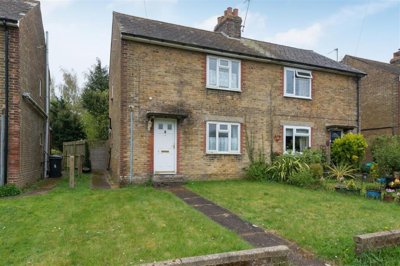
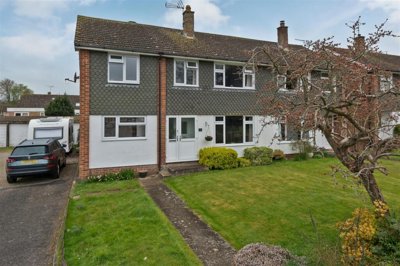
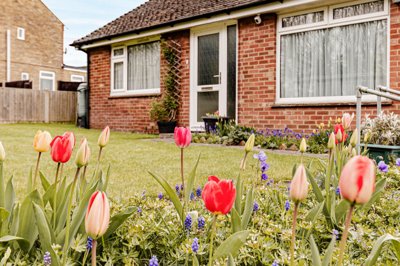
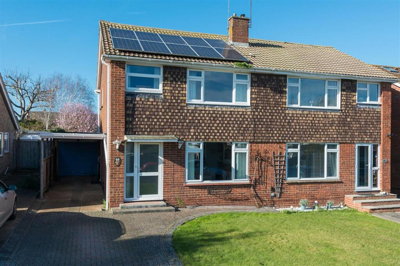
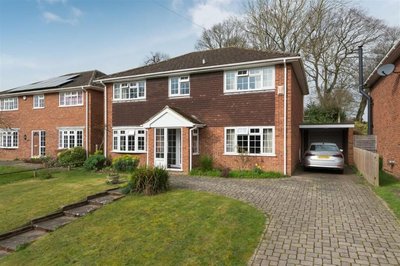
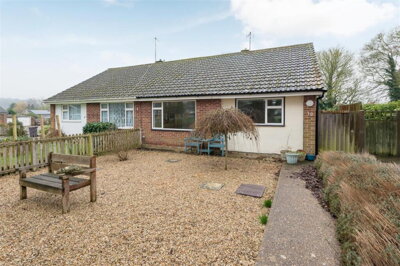
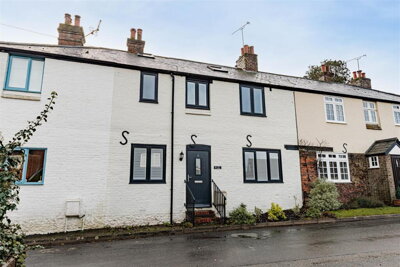
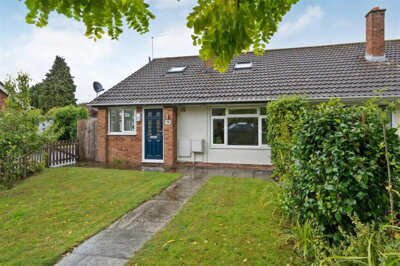
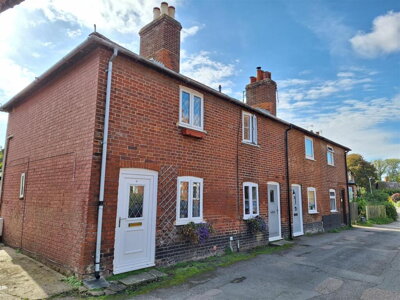
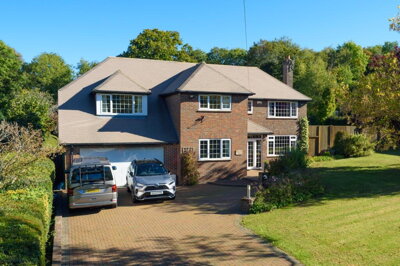
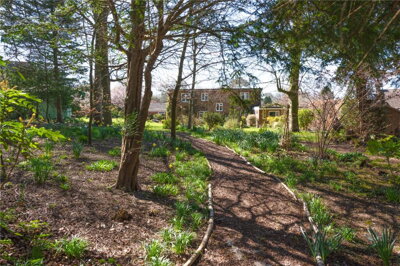
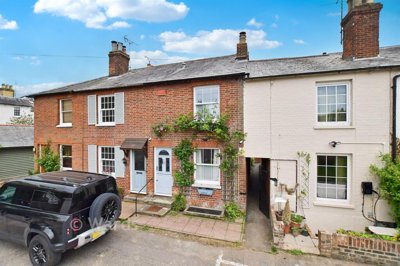
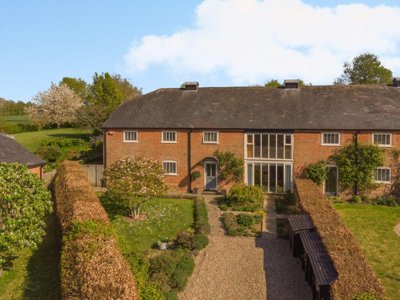
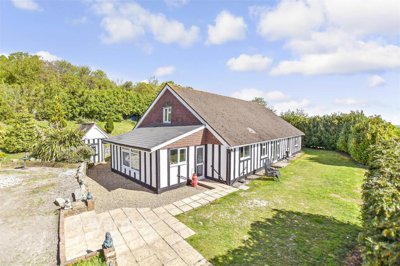
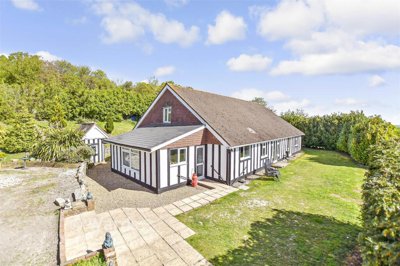
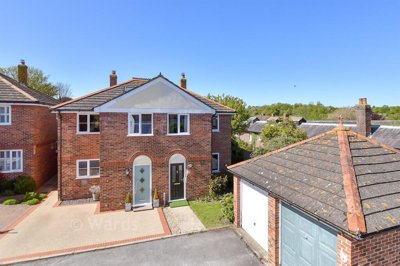
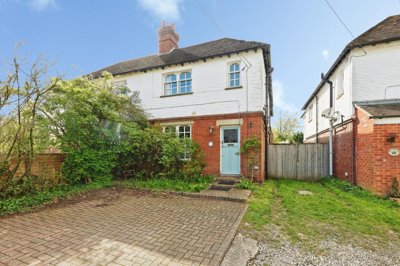
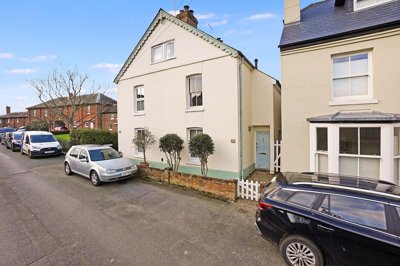
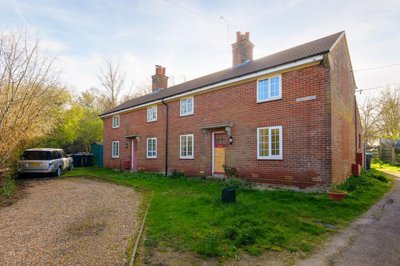
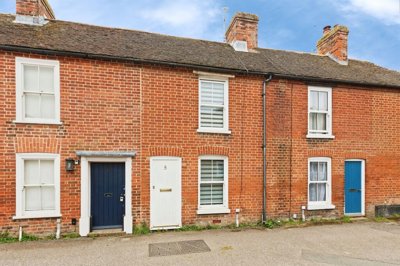
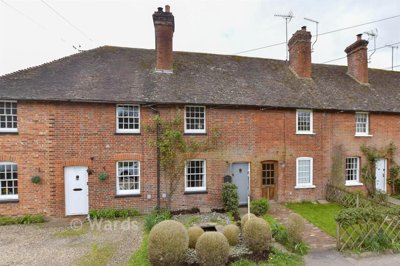
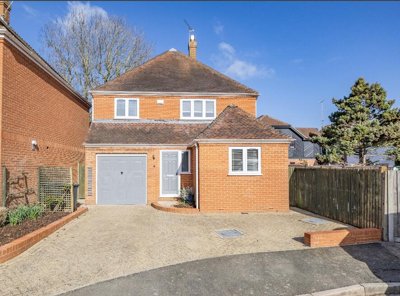
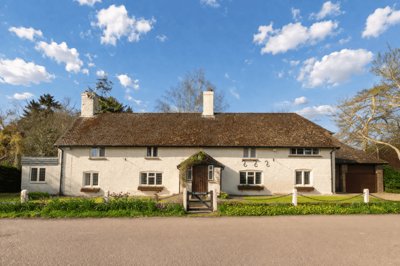
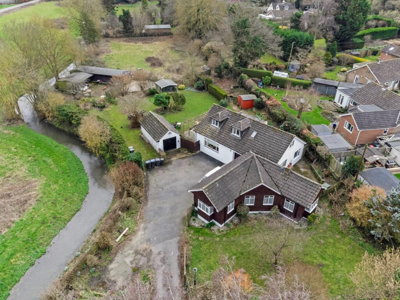
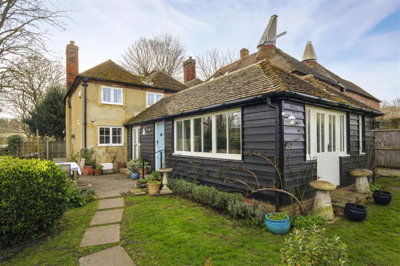
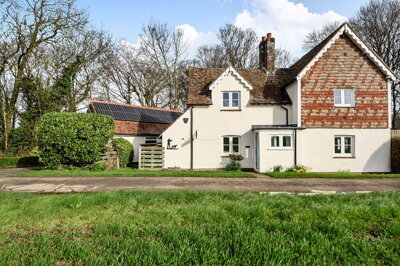
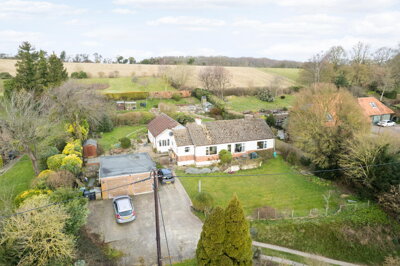
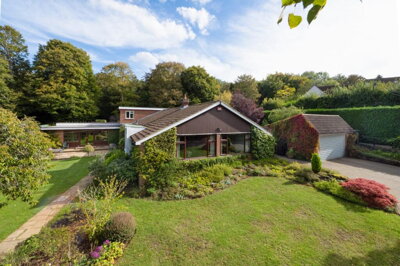
Browse 48 homes for sale in Bishopsbourne, Canterbury from local estate agents.
The Bishopsbourne property market offers detached, semi-detached, and terraced houses spanning various price ranges and neighbourhoods. Each listing includes detailed property information, photographs, and direct contact with the marketing agent.
£500k
1
0
45
Source: home.co.uk
Showing 1 results for Houses for sale in Bishopsbourne, Canterbury. The median asking price is £500,000.
Source: home.co.uk
Terraced
1 listings
Avg £500,000
Source: home.co.uk
Source: home.co.uk
Bishopsbourne is a small, character-led market where individual houses have more influence than volume. homedata.co.uk records an overall average of £989,400 over the last two years, while the latest year reached £1,900,000, which shows how a limited run of high-value sales can shift the headline figure. Detached homes accounted for 71.43% of sales and averaged £1,525,000, so that is where the market has been deepest. Semi-detached homes averaged £357,000 and terraced homes averaged £240,000, which leaves a wide spread in entry points by property type.
The price path is just as telling. Bishopsbourne moved from £350,000 in 2022 and 2023 to £946,166 in 2024, then jumped again to £1,900,000 in 2025. In a market this thin, a handful of larger country houses changing hands can produce exactly that kind of movement. No active new-build developments were verified in the Bishopsbourne CT4 area, so most buyers should expect period homes, detached family houses and the occasional smaller property, rather than a steady stream of fresh stock. Patience helps here, especially when buyers need a very particular layout or plot size.
We would not judge this village on asking price alone. Condition, plot and setting matter just as much, because two rural homes that look similar at first glance can differ sharply on access, land ownership, parking, servicing and renovation potential. Our team usually suggests checking the sale history for the exact street or lane, then matching that against the property type and plot size. In a place with a modest sales sample, where one premium home can skew the average, that extra comparison work really helps.

Bishopsbourne feels like a Kent village before it feels like a property market. It is rural, low-density and shaped more by lanes, walks and nearby market towns than by busy high streets. Families, downsizers and commuters often come here for the space, the quieter pace and the extra privacy. For plenty of buyers, that village setting matters every bit as much as the house itself.
Daily life usually leans on Canterbury, because amenities in the village itself are limited. Food shopping, healthcare appointments, meals out and cultural trips often happen in the city or in nearby settlements, while Bishopsbourne provides the quieter base in between. Many buyers are happy with that balance, as they get countryside surroundings without feeling cut off from a larger urban centre. It tends to suit people who do not mind planning ahead instead of having everything on the doorstep.
The housing stock mirrors that rural identity. Detached homes made up 71.43% of recent sales, and with them come larger plots, private gardens and more individual architecture. That is part of the draw, but it also means each house needs judging on its own merits. Buyers who choose villages like Bishopsbourne are often thinking about setting, privacy and how they will use the space over the long term, which can keep demand steady even where the market is less liquid than a commuter town.
Schooling usually means looking beyond the village itself. Bishopsbourne is small and has limited on-site provision, so Canterbury becomes the main education hub, with access to primary schools, secondary schools and Kent's selective grammar system. Catchment areas deserve close attention, because a rural address can alter the realistic school choice more than many buyers expect. We also advise checking transport links to each school before committing to a purchase, especially for term-time routines.
Distance, admissions rules and the school run all need to work together here. A village home can suit school-age children very well when a family is comfortable driving or taking buses into Canterbury, but we always suggest testing the journey at peak times first. Buyers aiming for selective education should also get clear on application deadlines and any test requirements well in advance. A bit more planning at the start can make a Bishopsbourne move far easier.
For older children, it is sensible to look at sixth-form and further education across the wider Canterbury area as well. What matters most is often not the nearest option, but the one that works best with transport and timetable needs. We recommend weighing school data, travel time and admissions policies together, not as separate choices. That gives a much truer sense of what everyday family life will look like after the move.

One of Bishopsbourne's biggest practical advantages is road access. The village is within easy reach of Canterbury, and the wider Kent network links in through local roads, with the A2 and M2 providing the usual routes for longer journeys. For drivers, that creates a straightforward connection into the city and onwards towards Dover, Ashford and London corridors. Parking is often easier than it would be in a denser urban setting, though long drives, narrow lanes and rural turning space still need checking house by house.
There is no village station to rely on, so rail journeys are usually built around Canterbury's stations. For commuters heading to London or elsewhere in Kent, that can work perfectly well, but it does add a drive or bus leg that a town-centre address would not. Bus services may be thinner than city routes, so we would always check timetables before depending on them for work or school runs. For anyone travelling several days a week, the route from front door to platform matters as much as the rail time.
Walking and cycling can be a real plus here, for leisure and for shorter errands, but country lanes bring their own limits. They can be quiet, narrow and exposed to traffic, which suits some buyers more than others. Families with younger children should think carefully about safe routes, even if the setting is appealing. We often find that a peak-time test drive and a daylight walk reveal a lot about access, visibility and junctions, especially in a village where convenience changes from one lane to the next.
We suggest comparing Bishopsbourne with nearby Canterbury and other Kent villages, so you can judge whether the quieter setting, plot size and price point genuinely fit your shortlist.
Before we book viewings, it makes sense to have a mortgage agreement in principle ready, as sellers and agents are more likely to treat an offer seriously when the finance is already in place.
Parking, lane access, garden orientation, broadband options and the walk or drive into Canterbury all deserve a proper check, because those details shape daily life in Bishopsbourne.
Older or character homes in village settings are well suited to a RICS Level 2 survey, so damp, roof condition and boundary issues can be picked up early.
We would ask a conveyancer to go through the title documents, access rights, drainage, restrictive covenants and any rural-use points before the transaction gets too far along.
Once the searches, survey findings and mortgage checks are in, the next step is to work through exchange and completion with a realistic move date and a clear final cost plan.
Rural village houses call for a different checklist from urban flats or new estates. In Bishopsbourne, access and setting can carry as much weight as the rooms inside, so we look closely at lane width, turning space, drainage and the condition of any private drive. Where a house sits on an older plot or behind a long driveway, it is important to confirm who owns and maintains each section of the approach. Small details on paper, but they can affect daily use and later resale value.
Older homes need proper scrutiny, particularly where age, extensions and maintenance history have built up over time. Even without a verified local flood or geology issue in the research, we still think buyers should ask about damp, roof coverings, guttering, external walls and any signs of movement. It is also wise to check whether past alterations had the right consent, since village homes are often added to in stages and the paperwork is not always complete. A thorough survey is usually money well spent when the purchase is a main investment rather than a quick step up the ladder.
Flats are not the main feature of this market, but any leasehold purchase still needs careful review. Service charges, ground rent, lease length and building insurance all matter, and they can matter even more in a thin market where resale buyers may be selective. Conservation controls, listed-building rules and local planning restrictions may also affect what can be changed after completion, so we would ask those questions before assuming an extension or window replacement will be straightforward. That simple check can save a lot of trouble later.
According to homedata.co.uk, the average house price in Bishopsbourne over the last year was £1,900,000. That is 408% higher than the previous year and 180% above the 2016 peak of £677,500. The two-year average is lower at £989,400, which underlines how sharply the latest year moved. Because the market is small, one or two high-value sales can shift the average quite noticeably.
Bishopsbourne sits within the Canterbury City Council area, so council tax depends on the property's valuation band. Homes may fall anywhere between Band A and Band H, depending on assessed value, size and type. In villages like this, we would not guess, because detached houses and larger plots can easily sit in higher bands. It is best to confirm the band on the listing or directly with the council before setting a budget.
Most families look towards Canterbury for the broadest range of primary, secondary and selective schooling. Kent's grammar system is a key part of that, so admissions tests and catchment areas often shape the shortlist. The right choice depends on age, travel time and whether a selective route is needed. We always suggest checking schools directly, then matching that information against the daily journey from the village.
Bishopsbourne works better by road than by direct rail. Most train journeys begin with a drive or bus trip into Canterbury, which keeps the village workable for commuters but adds another stage to the day. Bus services are likely to be less frequent than in the city, so timetable checks really matter. Where public transport is important, we would test the route at the exact time it would actually be used.
For some buyers, this is exactly the appeal, scarcity, village character and a market with long-term pull. Detached homes accounted for 71.43% of recent sales, pointing towards larger family housing rather than fast-turnover stock. The trade-off is lower liquidity, so resale can take longer than it might in a busier town. We would keep the focus on condition, plot and access, not just the headline price, especially for an investment purchase.
On a main residence, the current SDLT bands are 0% up to £250,000, 5% from £250,000 to £925,000, 10% from £925,000 to £1.5 million and 12% above £1.5 million. For a £1,900,000 purchase, that works out at about £139,250 before any additional-home surcharge. First-time buyer relief only runs up to £625,000, so at Bishopsbourne's higher values it will not usually make a difference. A solicitor or mortgage broker can confirm the exact figure for the purchase in question.
Our research did not verify any active new-build developments in Bishopsbourne. In practice, that means buyers are more likely to be choosing from existing homes, village houses and properties with character. Anyone set on new-build efficiency may need to widen the search to nearby areas. For buyers drawn to renovation potential, though, Bishopsbourne can be a useful place to concentrate.
Getting a mortgage agreement in principle sorted before booking viewings is sensible, especially in a market where a well-positioned home can attract quick interest. We also think it helps to price up travel, parking and maintenance before getting attached to any one property. The village may be attractive, but those practical costs matter just as much when a first purchase budget is tight. Where there is uncertainty, comparing Bishopsbourne running costs with a nearby town home can be a good reality check before making an offer.
Many buyers are surprised by the tax bill here, simply because Bishopsbourne prices sit comfortably above the lower SDLT thresholds. The current main-home rates are 0% up to £250,000, 5% from £250,000 to £925,000, 10% from £925,000 to £1.5 million and 12% above £1.5 million. First-time buyer relief applies only up to £425,000, with 5% from £425,000 to £625,000 and no relief above £625,000. At local price levels, most purchasers should expect standard SDLT rather than relief.
For a £1,900,000 purchase, the standard stamp duty figure is about £139,250 before any surcharge for second homes or additional properties. That is only one element of the overall buying cost, so we would also budget for survey fees, legal fees, mortgage arrangement charges and moving expenses. A rural house may bring extra spending too, on drainage checks, maintenance, insurance and any works needed after completion. The strongest position is to build the full budget before committing, not once the offer has been accepted.
We always recommend speaking to a broker and solicitor early, because the tax position and legal structure can change the real cost of the move. Where the purchase is an additional home, or where the property needs significant work, the final bill can shift again. That is one more reason to have a mortgage agreement in principle secured before serious viewings begin. With the budget clear from the outset, it is much easier to focus on the right Bishopsbourne home and avoid hidden gaps later on.
Properties for Sale In London

Properties for Sale In Plymouth

Properties for Sale In Liverpool

Properties for Sale In Glasgow

Properties for Sale In Sheffield

Properties for Sale In Edinburgh

Properties for Sale In Coventry

Properties for Sale In Bradford

Properties for Sale In Manchester

Properties for Sale In Birmingham

Properties for Sale In Bristol

Properties for Sale In Oxford

Properties for Sale In Leicester

Properties for Sale In Newcastle

Properties for Sale In Leeds

Properties for Sale In Southampton

Properties for Sale In Cardiff

Properties for Sale In Nottingham

Properties for Sale In Norwich

Properties for Sale In Brighton

Properties for Sale In Derby

Properties for Sale In Portsmouth

Properties for Sale In Northampton

Properties for Sale In Milton Keynes

Properties for Sale In Bournemouth

Properties for Sale In Bolton

Properties for Sale In Swansea

Properties for Sale In Swindon

Properties for Sale In Peterborough

Properties for Sale In Wolverhampton

Enter your details to see if this property is within your budget.
Loans, cards, car finance
Estimated property budget
Borrowing + deposit
You could borrow between
Typical borrowing
Monthly repayment
Est. at 4.5%
Loan-to-value
This is an estimate only. Your actual budget may vary depending on interest rates, credit history, and personal circumstances. For an accurate affordability assessment, speak to one of our free mortgage advisors.
This calculator provides estimates for illustrative purposes only and does not constitute financial advice. Your home may be repossessed if you do not keep up repayments on your mortgage. Estimates based on 4.5% interest rate, repayment mortgage. Actual rates depend on your circumstances.
Homemove is a trading name of HM Haus Group Ltd (Company No. 13873779, registered in England & Wales). Homemove Mortgages Ltd (Company No. 15947693) is an Appointed Representative of TMG Direct Limited, trading as TMG Mortgage Network, which is authorised and regulated by the Financial Conduct Authority (FRN 786245). Homemove Mortgages Ltd is entered on the FCA Register as an Appointed Representative (FRN 1022429). You can check registrations at NewRegister or by calling 0800 111 6768.

We use cookies to show you personalised content and improve your experience of our website. Find out more in our Privacy policy and Cookie policy.