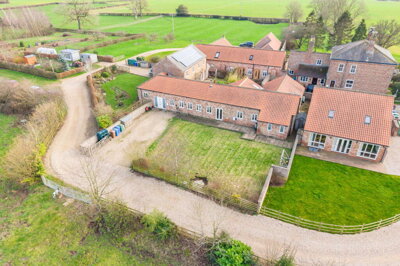
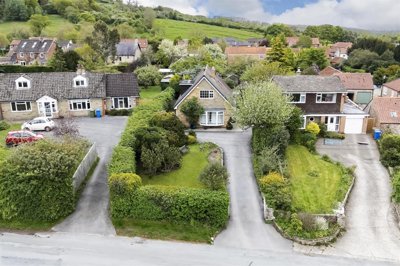
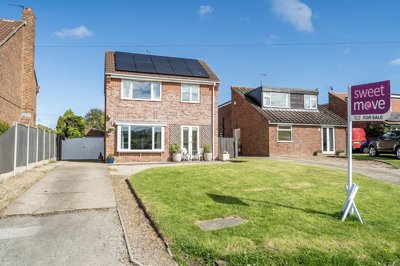
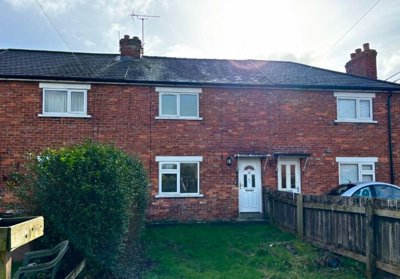
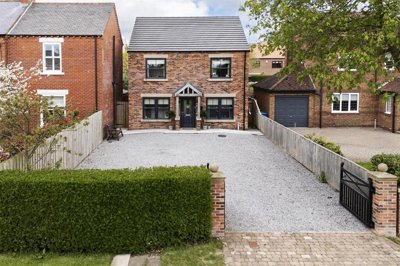
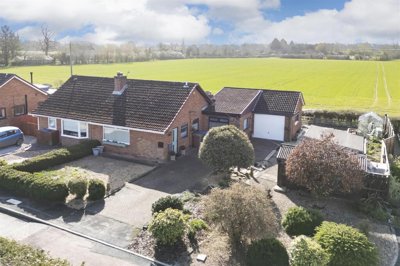
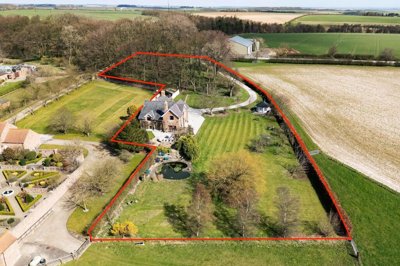
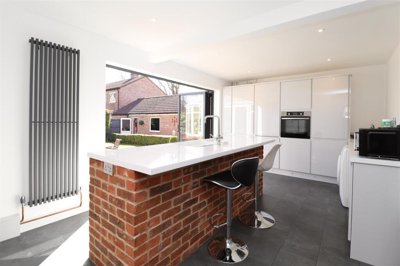
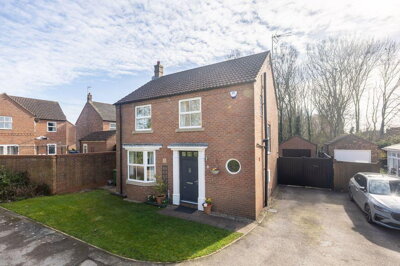
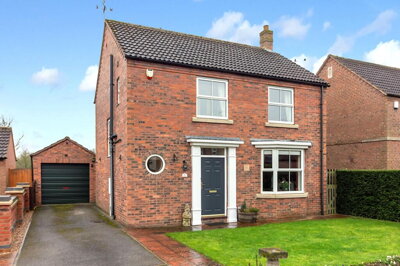
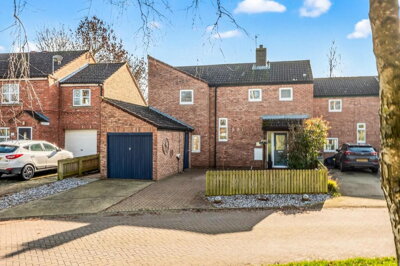
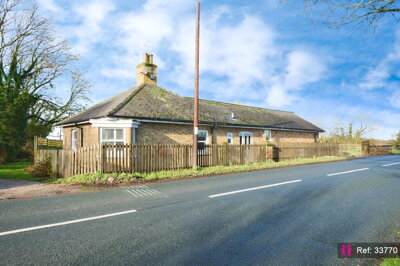
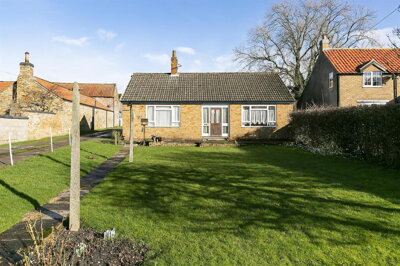
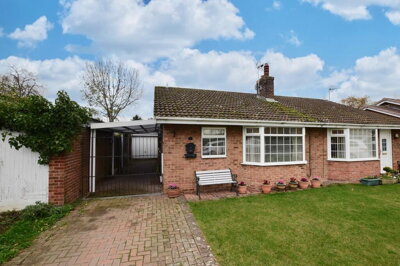
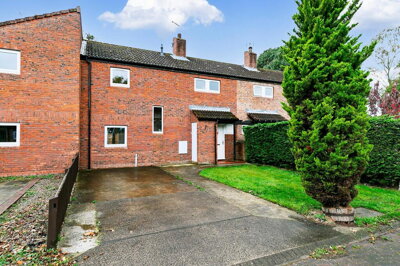
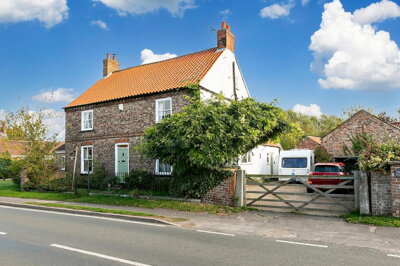
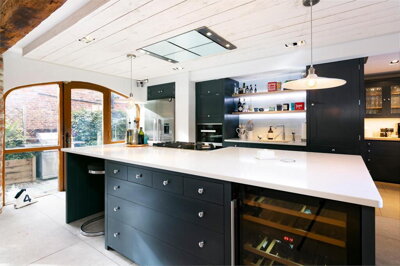
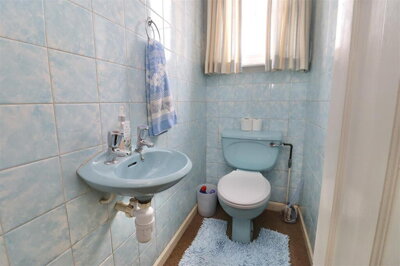
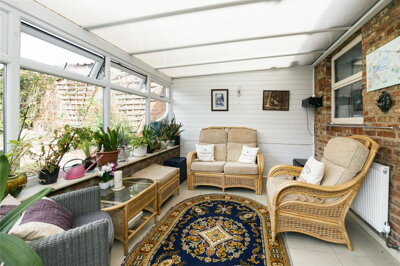
Browse 22 homes for sale in Bishop Wilton from local estate agents.
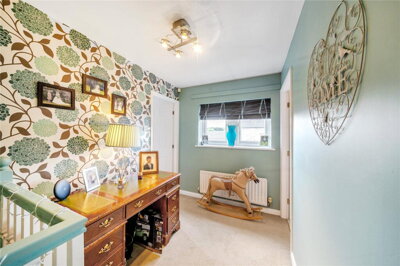
The Bishop Wilton property market offers detached, semi-detached, and terraced houses spanning various price ranges and neighbourhoods. Each listing includes detailed property information, photographs, and direct contact with the marketing agent.
Bishop Wilton’s property market gives buyers a strong case for rural Yorkshire living with decent long-term prospects. House prices in the village have risen steadily, up 1.4% over the past twelve months according to home.co.uk listings data. That modest climb fits the wider pull of the Yorkshire Wolds, where people want to put down roots, and it is backed by the tight supply of homes that come to market in this small but well-regarded village.
Detached homes sit at the top end of the Bishop Wilton market, with average prices of £437,500. They usually come with generous plots and the privacy and room that many families look for once they leave the city. Semi-detached properties average £265,000, which gives a more affordable route into village life without losing the appeal that makes Bishop Wilton so sought after. Terraced houses, many from the Victorian or Edwardian era, average £220,000 and often still have the period detail that defines the village Conservation Area. No purpose-built flats were recorded in the local market data, because the stock here is mainly houses with private gardens.
New build activity in the Bishop Wilton postcode area is still thin on the ground, with no active developments found in recent searches. For buyers after modern construction, that often means widening the search to Pocklington or York, or looking at older homes with renovation potential. It also helps keep the village’s historic feel intact, with many properties sitting inside the designated Conservation Area that protects Bishop Wilton’s distinctive streetscape.

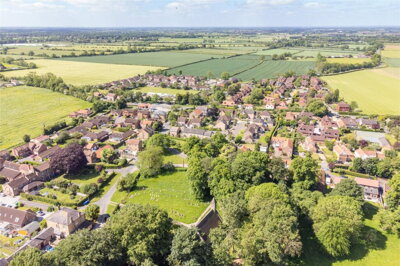
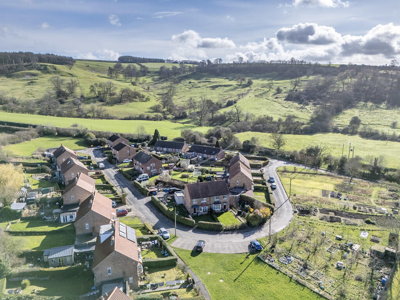
Bishop Wilton holds a particular place in the Yorkshire Wolds, an Area of Outstanding Natural Beauty that brings walkers and countryside visitors from across the region. The village gathers around the old church and village green, and the housing is mainly built from local brick, with older stone buildings adding a reminder of its medieval roots. Conservation Area status means new work has to respect the scale and materials already there, which keeps the village looking timeless for buyers wanting a break from urban life.
According to the 2011 Census, the village has a population of approximately 673 residents, which gives Bishop Wilton the close-knit scale of a real village while still keeping links to larger towns and cities. Agriculture sits at the centre of the local economy, with nearby farms shaping both jobs and the landscape around the settlement. Many people move here for the rural Yorkshire lifestyle, combining home working or commuting with good pubs, local producers, and the kind of community that smaller places naturally foster.
Day to day, the village has a modest number of local amenities, while nearby Pocklington covers the essentials, from supermarkets and healthcare to independent shops. The wider area also brings in the Yorkshire Wolds Way National Trail, Burnby Hall Gardens, and the ruins of York, all within easy reach. For families, that mix of good schools, quiet streets, and open countryside is hard to match in larger towns.

The education picture around Bishop Wilton matches the family profile found in many Yorkshire Wolds villages. Younger children can reach several local primary schools with relative ease, including settings in Helperby, York, and Pocklington. Parents often point to primary schooling as one of the main reasons for moving to the Bishop Wilton area, with small classes and committed teaching staff giving children a solid start.
Secondary education is handled by respected comprehensive schools in nearby market towns, with Pocklington School especially well known among local families. This historic independent school teaches pupils from nursery through to sixth form, posts strong academic results, and offers a wide range of extracurricular activities. For state-educated children, secondary catchment areas are set by the East Riding of Yorkshire local authority, and buyers should check the latest arrangements with the council before they commit, as places can be tight in popular rural areas.
York College and the University of York give Bishop Wilton easy access to further and higher education. That means families can plan for the full journey, from primary school through to university graduation, without the long commutes that often come with rural living. The strength of that provision plays a big part in the village’s appeal for families and helps support property values over time.

Connectivity from Bishop Wilton balances the calm of rural Yorkshire with practical links to major routes. The village sits about 15 miles east of York, and the A1079 gives a direct road into the city and on towards Hull. That corridor links the village to jobs, shopping, and the intercity rail services at York station. For commuters heading into York or nearby, it is a straightforward setup, countryside living with reliable road access.
York railway station opens up direct services to London, Edinburgh, Leeds, Newcastle, and plenty of other destinations on the East Coast Main Line. Journeys to London King’s Cross usually take around two hours, so Bishop Wilton can work for regular capital commuting despite the rural setting. If work is in Leeds or across West Yorkshire, the A64 offers another route into the motorway network. Driving into York from Bishop Wilton usually takes 30-40 minutes, though public transport is more limited and needs a bit of planning.
Bus links do run in the surrounding area, tying the villages to market towns and giving a basic option for anyone without a car. Frequencies are typical of rural Yorkshire, with services thinner than in town and clustered around peak times and market days. Cycling is popular across the Wolds, helped by quiet lanes and signed routes that suit riders of moderate ability. For flights, Leeds Bradford Airport and Robin Hood Airport Doncaster Sheffield offer European connections, while Manchester Airport gives a wider spread of long-haul options.

Before you commit to buying in Bishop Wilton, spend time in the village at different times of day and on different days of the week. That gives a clearer sense of the local community, noise levels, and any issues that may not show up at first glance. Check the Conservation Area boundaries, read the local development plan, and look at recent property prices so your budget lines up with the market.
Start with a mortgage broker or lender and get an Agreement in Principle before you begin viewing. It shows how much you can borrow and gives your offer more weight when the right place comes up. With detached homes averaging £437,500 in Bishop Wilton, many buyers will need substantial borrowing, so having finance in place signals seriousness to sellers.
Viewing homes in Bishop Wilton calls for a close look at the details that come with rural Yorkshire properties. Check the building materials, the age of the house, and any features linked to older homes, such as Conservation Area limits or listed building status. Ask about recent improvements, utility bills, and any planning permissions held by the current owners.
Many Bishop Wilton homes are more than 50 years old, so a thorough RICS Level 2 Survey is a sensible step before purchase. That kind of inspection picks up defects common in older local properties, including damp, roof problems, timber defects, and the state of period features. Survey fees in the Bishop Wilton area usually sit between £400 and £800, depending on the size of the property.
A conveyancing solicitor with rural property experience is worth appointing for a Bishop Wilton purchase. They will carry out local searches on flood risk, planning history, and any environmental issues linked to the East Riding of Yorkshire. They will also deal with Land Registry paperwork and check that all required consents are in place for listed or Conservation Area homes.
Once the surveys come back clean and the legal work is complete, your solicitor will handle exchange of contracts with the seller’s side. A standard deposit of 10% is due on exchange, with the rest of the money and the title transferring on completion day. In Bishop Wilton, completion dates often fit around school terms or agricultural calendars, which reflects the rhythm of village life.
Buying in Bishop Wilton means paying attention to the factors that set rural Yorkshire houses apart from urban ones. The local geology brings its own issues, since the chalk bedrock and overlying glacial till can contain shrinkable clay soils that affect homes with shallow foundations. Seasonal moisture changes may show up as cracks in walls or doors that stick in humid weather, so a proper survey should look at any movement and check whether the foundations are adequate.
Flood risk deserves a careful look, even though Bishop Wilton is not on a major river. Surface water flooding can still happen in rural places during heavy rain, especially in lower-lying spots or where drainage is limited. The Environment Agency provides detailed flood maps for specific properties, and buyers should ask whether a home has flooded before and what resilience measures are already in place. Houses on higher ground in the village usually face less surface water risk.
Many Bishop Wilton properties fall within the Conservation Area, which brings planning controls that limit certain alterations and extensions. Anyone buying inside the Conservation Area should check permitted development rights and get Listed Building Consent for work that affects the character of historic structures. Some homes in the village are individually listed, with the Grade I All Saints Church the most important, and those buildings carry extra maintenance and restoration duties. Your solicitor should spell out the listed status and any impact on future ownership.
Building materials in Bishop Wilton follow the local habit of using red and brown brick, with some stone houses adding variety. Older homes may have solid walls without cavity insulation, so they heat differently from newer properties. A few historic buildings include timber-framed elements, and these need checking for rot or woodworm. Older roofs often use slate or traditional tiles and may need replacement in time, so any sign of earlier roof work or leaks should be picked up during viewings.

home.co.uk listings data puts the current average house price in Bishop Wilton at £349,999. Detached homes average £437,500, semi-detached properties average £265,000, and terraced homes average £220,000. Prices have moved up by 1.4% over the past twelve months, which points to steady demand for rural homes in the Yorkshire Wolds. With only approximately 10 property sales completing in the past year, the market is small but still active among buyers who want village life.
East Riding of Yorkshire Council handles council tax for Bishop Wilton properties. The band depends on value and appears on the listing details, or it can be checked through the Valuation Office Agency website. Higher-value rural homes, especially detached houses on larger plots, usually sit in the upper bands. Buyers should check the exact band for any property they are considering, as it sits alongside mortgage payments and utility bills as part of the ongoing cost of ownership.
There is no school on site in Bishop Wilton itself, but primary options are available in nearby villages and in Pocklington. Pocklington School is a notable independent choice, teaching from nursery through sixth form and holding a strong reputation with local families. For state secondary places, catchment areas are managed by East Riding of Yorkshire Council, so parents should check the latest arrangements. The University of York and York College also sit within a reasonable commuting distance.
Public transport from Bishop Wilton is limited, which is no surprise for a small rural village. Bus services link the area to nearby market towns such as Pocklington, but they are less frequent than town services and mainly run around peak periods. York is the nearest railway station, about 30-40 minutes away by car, with East Coast Main Line services to London, Edinburgh, and the major northern cities. Most residents depend on private cars for everyday travel, so owning one is close to essential for comfortable living in Bishop Wilton.
Several things make Bishop Wilton appealing to property investors, not least its position in an Area of Outstanding Natural Beauty, the Conservation Area that supports values, and steady demand from buyers drawn to rural Yorkshire living. The 1.4% annual price rise points to gradual appreciation, though the small market means liquidity is far lower than in urban areas. Homes with renovation potential, or those that come with extra land, may suit investors prepared to take a longer view.
Standard residential Stamp Duty Land Tax rates in England are 0% on the first £250,000 of property value, 5% on the part from £250,001 to £925,000, 10% on £925,001 to £1.5 million, and 12% on any amount above £1.5 million. First-time buyers get relief on the first £425,000, with 5% charged between £425,001 and £625,000. With average prices around £349,999, most buyers in Bishop Wilton would pay no SDLT, although pricier detached homes may still attract charges at the standard rates.
Older Bishop Wilton houses, especially those built before 1919 and sitting within the Conservation Area, need a close inspection before purchase. Common problems include damp linked to missing or poor damp-proof courses, roof wear on period homes, timber decay such as wet rot or woodworm, and old wiring that falls short of modern standards. The local geology also brings some shrink-swell risk from clay soils, and surface water flooding should be checked for any specific property. A RICS Level 2 Survey is strongly recommended for any home in the village over 50 years old.
From 3.9%
Compare mortgage rates and find the right deal for a Bishop Wilton home.
From £499
Expert solicitors for a Bishop Wilton property purchase.
From £400
Professional homebuyer survey for your new property
From £80
An energy performance certificate is required for every property sale.
Working out the full cost of buying in Bishop Wilton means looking at Stamp Duty Land Tax as well as solicitor fees, survey charges, and moving costs. The SDLT thresholds for standard residential purchases in England in 2024-25 begin at 0% for the first £250,000 of property value. That means terraced homes averaging £220,000 in Bishop Wilton would attract no SDLT at all, while semi-detached homes at £265,000 would only pick up a small charge on the £15,000 above the threshold.
For detached homes averaging £437,500, SDLT would be charged at 5% on the £187,500 above £250,000, which gives a tax bill of £9,375. First-time buyers have more generous thresholds, with relief on the first £425,000 of value and 5% charged between £425,001 and £625,000. In practice, first-time buyers purchasing terraced or semi-detached homes in Bishop Wilton would usually pay no SDLT, while those buying higher-value detached homes would benefit from reduced rates on the portion below the higher threshold.
On top of SDLT, buyers should allow for solicitor conveyancing costs, which usually range from £500 to £2,000 depending on complexity and property value. RICS Level 2 Survey fees in the Bishop Wilton area generally fall between £400 and £800, again depending on property size and type, with larger detached houses costing more than smaller terraced homes. Land Registry fees, mortgage arrangement fees, and removal costs make up the rest of the usual buying budget. For homes inside the Bishop Wilton Conservation Area, or for listed buildings, extra legal work may be needed, which can nudge solicitor fees up a little. Getting quotes from several providers before you commit helps keep pricing competitive across the board.

Properties for Sale In London

Properties for Sale In Plymouth

Properties for Sale In Liverpool

Properties for Sale In Glasgow

Properties for Sale In Sheffield

Properties for Sale In Edinburgh

Properties for Sale In Coventry

Properties for Sale In Bradford

Properties for Sale In Manchester

Properties for Sale In Birmingham

Properties for Sale In Bristol

Properties for Sale In Oxford

Properties for Sale In Leicester

Properties for Sale In Newcastle

Properties for Sale In Leeds

Properties for Sale In Southampton

Properties for Sale In Cardiff

Properties for Sale In Nottingham

Properties for Sale In Norwich

Properties for Sale In Brighton

Properties for Sale In Derby

Properties for Sale In Portsmouth

Properties for Sale In Northampton

Properties for Sale In Milton Keynes

Properties for Sale In Bournemouth

Properties for Sale In Bolton

Properties for Sale In Swansea

Properties for Sale In Swindon

Properties for Sale In Peterborough

Properties for Sale In Wolverhampton

Enter your details to see if this property is within your budget.
Loans, cards, car finance
Estimated property budget
Borrowing + deposit
You could borrow between
Typical borrowing
Monthly repayment
Est. at 4.5%
Loan-to-value
This is an estimate only. Your actual budget may vary depending on interest rates, credit history, and personal circumstances. For an accurate affordability assessment, speak to one of our free mortgage advisors.
This calculator provides estimates for illustrative purposes only and does not constitute financial advice. Your home may be repossessed if you do not keep up repayments on your mortgage. Estimates based on 4.5% interest rate, repayment mortgage. Actual rates depend on your circumstances.
Homemove is a trading name of HM Haus Group Ltd (Company No. 13873779, registered in England & Wales). Homemove Mortgages Ltd (Company No. 15947693) is an Appointed Representative of TMG Direct Limited, trading as TMG Mortgage Network, which is authorised and regulated by the Financial Conduct Authority (FRN 786245). Homemove Mortgages Ltd is entered on the FCA Register as an Appointed Representative (FRN 1022429). You can check registrations at NewRegister or by calling 0800 111 6768.

We use cookies to show you personalised content and improve your experience of our website. Find out more in our Privacy policy and Cookie policy.