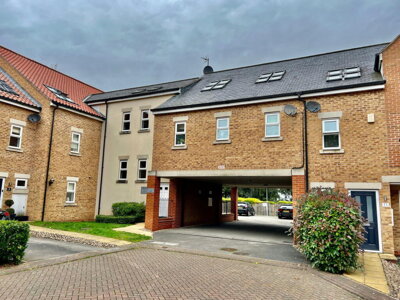
Browse 1 home for sale in Bilton-in-Ainsty with Bickerton from local estate agents.
The 2 bed flat sector typically includes two separate bedrooms, dedicated living areas, and bathroom facilities. Properties in Bilton In Ainsty With Bickerton span purpose-built blocks, converted period houses, and modern apartment complexes on various floors.
homedata.co.uk records point to a market shaped more by individual houses than by large volumes of turnover, which is exactly what many buyers expect from a parish of this size. The overall average sold price of £777,500 for Bilton-in-Ainsty sits above the wider local average of £801,667 for Bilton-in-Ainsty, York YO26, although the difference between those figures reflects the small sample size and the way rural sales can vary from year to year. Prices have also eased from earlier highs, with last year’s sold prices in Bilton-in-Ainsty 16% down on the 2019 peak of £955,500. In YO26 7NN, the fall from the 2019 peak of £1,536,000 is even steeper at 48%, which shows how sharply the top end has cooled.
Detached homes dominate the published pricing data, which is typical for a parish where bigger homes and period houses shape the market. The detached average of £584,929 is based on 35 sales since 2018, while separate figures for semis, terraces, and flats were not readily available for this precise area. That lack of depth suggests buyers should read each sale on its own merits rather than assume there is a broad, uniform pattern. In practical terms, the market looks stable rather than fast-moving, with limited stock and a strong emphasis on one-off properties.
New-build activity is limited, and that scarcity matters because it keeps the village character intact. A reserved matters planning application for Turnpike Lane in June 2021 followed outline permission, while an earlier 2019 update referred to a judicial review linked to a proposed 21-house scheme in Bickerton. The research does not confirm a large, active pipeline of new homes, so most buyers will still be looking at existing housing rather than volume development. That makes the parish attractive to buyers who prefer older homes with individuality, but it also means well-presented properties can stand out quickly.

Bilton-in-Ainsty with Bickerton feels properly rural, with two villages set among surrounding farmland in the Vale of York. The parish sits on gentle ground rising from Sike Beck, and the local soil is described as loam, which helps explain the mix of traditional building materials across the settlement. Most original two-storey houses are brick with pantile roofs, although some properties use slate or rendered finishes, and a number of older landmarks are built from warm yellow limestone. That blend gives the parish a distinctly local look, rather than a uniform modern estate feel.
The community is small enough that everyday life still revolves around familiar places and routines. Historically, the economy was based mainly on agriculture and service to the manor and Bilton Hall, and that rural pattern still shapes the area today. Local amenities are limited, with a garage and a pub among the small number of businesses, so most residents travel to Wetherby for a fuller range of shops and services. For many buyers, that trade-off is exactly the appeal, because it keeps the parish calm, green, and relatively private.
Heritage is one of the strongest reasons people fall for this part of North Yorkshire. Most of Bilton-in-Ainsty has been in a Conservation Area since 17 March 1994, and the parish contains 15 listed buildings, including two Grade I entries. St Helen’s Church is late Norman with Anglo-Saxon sculptured stones, Bilton Hall dates from the early to mid-18th century, and the Old Vicarage and former Wesleyan chapel add to the village’s layered history. Buyers who like character homes usually find there is plenty here to explore, provided they are happy living in a place where preservation matters as much as appearance.
The parish is small, so school choices tend to be shaped by the surrounding area rather than by a long list of institutions inside the boundary. The research pack does not identify a large cluster of schools within Bilton-in-Ainsty with Bickerton itself, which is common in a rural parish of 418 residents. That means families usually widen their search to nearby villages, Wetherby, and the wider York corridor, then confirm catchments before making an offer. If schooling is a priority, it pays to ask the agent exactly how the house sits within current admission maps.
Buyers with children should treat the village as a base for broader school access rather than as a self-contained school market. That approach gives you a better view of primary and secondary options, sixth forms, and further education links across North Yorkshire and beyond. Catchments can change, especially in smaller rural areas where a single street can make a difference, so it is wise to check the latest details with the local authority. A home that looks perfect on paper can become less practical if the school run turns out to be longer than expected.
For many movers, the main question is not whether there are schools nearby, but how easily the daily routine can work around them. Families often value shorter drives, predictable rural roads, and enough parking for school mornings, especially where bus services are limited. Because the parish is not a major urban centre, education planning usually needs a bit more homework than in a town with several schools on the doorstep. That extra effort is worth it if you want village life and a workable family setup in the same move.

Bilton-in-Ainsty with Bickerton is best suited to buyers who are comfortable using a car for most journeys. The parish sits in a rural part of North Yorkshire, so transport is shaped more by road access than by frequent rail services. Commuters typically look towards Wetherby, York, Leeds, and Harrogate for work, shopping, and wider connections, with the A1(M) corridor an important route for regional travel. York station gives the broadest rail choice once you are on the road, especially for London and other long-distance journeys.
Bus services in small rural parishes are usually thinner than in larger settlements, so checking live timetables matters before you commit to a purchase. That is particularly true if you plan to commute daily or rely on public transport for the school run. Parking is also worth assessing at every viewing, because village streets can feel tight in places and older homes may not have generous driveways or garages. A house that works brilliantly by car can feel less convenient if you expect frequent bus use.
Cycling is possible on the quieter lanes, but this is not the sort of place with a dense network of urban cycle infrastructure. Instead, the appeal lies in the balance between open countryside and access to larger centres by road. Buyers who work hybrid patterns often see that as a plus, because the parish offers a calmer home base without locking you too far from major routes. If you rely on train commuting every day, it is sensible to test the journey in advance rather than assume a countryside address will be simple.
Start by comparing sold prices, village character, and conservation area rules so you understand what drives value here. Because Bilton-in-Ainsty with Bickerton is small, each street can feel different, so spend time looking at the immediate setting as well as the wider parish.
A mortgage agreement in principle helps you move quickly when you find the right home, and it shows sellers that you are serious. That matters in a low-volume market where good homes can attract attention from buyers who know exactly what they want.
Walk the street, check parking, and look at the approach to Wetherby and other key destinations you use regularly. In a rural parish, the practical parts of living there can matter as much as the house itself.
Older homes here can include brick, pantile, slate, limestone, and rendered finishes, so a thorough survey is worth the cost. If the property is listed or sits in the conservation area, ask your surveyor to comment on alterations, damp, roof condition, and any signs of movement.
Conservation area status, title boundaries, and any planning history should all be checked before exchange. Your solicitor can also confirm whether there are restrictions linked to listed status, shared access, or any unusual rights affecting the property.
Once searches, mortgage, and survey are in hand, you can move to exchange and set a completion date. Keep your removals and utilities lined up, then plan your first week so the move into a rural parish feels organised rather than rushed.
Conservation area rules should be near the top of your checklist because most of Bilton-in-Ainsty village has enjoyed that status since 1994. That does not stop you buying, but it does mean external changes, roof work, windows, and boundary treatments can need more care than in an unrestricted area. With 15 listed buildings in the parish and two at Grade I, the local built environment is closely watched. Buyers should ask for planning paperwork where any visible alteration has taken place, especially on older cottages and converted buildings.
Roofing and wall construction deserve close attention in a village where brick, pantile, slate, render, and limestone all appear in the local housing stock. Older homes can be charming, yet they can also bring damp, timber, or maintenance questions that do not always show up on a brief viewing. The gentle hill and loam soils do not automatically create problems, but any buyer should still ask about drainage, soakaways, and signs of seasonal damp, particularly on older plots close to historic lanes. If you are considering a period house, a survey is more than a box to tick here.
Flood risk was not specifically detailed in the research, so sensible buyers should check map-based flood searches and ask direct questions about the property’s history. The parish sits in the Vale of York and around Sike Beck, which makes it sensible to confirm surface water behaviour after heavy rain. Flats are not a major feature of this market, but if you find one, check lease length, ground rent, and service charges carefully because small developments can have higher per-unit costs. For houses, make sure the title is clear on boundaries, access, and any responsibility for shared walls or driveways.

homedata.co.uk records show the average sold house price in Bilton-in-Ainsty is £777,500. The broader Bilton-in-Ainsty, York YO26 figure is £801,667 over the last year, and YO26 7NN also sits at £801,667. Detached homes average £584,929 based on 35 sales since 2018 in Bilton-in-Ainsty with Bickerton parish, so prices vary depending on type, size, and age.
Council tax bands vary by individual property, not by parish name alone. In a small rural area with cottages, larger detached houses, and heritage homes, you can expect a spread of bands rather than one uniform level. The exact band is set by the local authority valuation record, so always check the specific address before you budget.
The parish is too small to have a long list of schools inside the boundary, so most families widen their search to nearby villages, Wetherby, and the wider York area. The best choice depends on catchment, age of child, and the commute you are happy to make every day. Ask the selling agent and local authority to confirm the latest admissions map before you commit to a home.
It is a rural location, so public transport is more limited than in a town or city. Most residents rely on cars for daily travel, with rail access usually approached via York and other nearby stations after a road journey. If you need a bus for commuting or the school run, check timetables carefully because rural services can be sparse.
It can be a good long-term hold for buyers who want a character village with limited supply and strong heritage appeal. The conservation area, listed buildings, and rural setting help support desirability, but the market is small and can be slower to trade than an urban area. That makes it better suited to patient owners than investors chasing quick turnover.
For 2024-25, main-residence stamp duty is 0% up to £250,000, 5% from £250,000 to £925,000, 10% from £925,000 to £1.5 million, and 12% above £1.5 million. On a property at £777,500, the bill would be about £26,375 if it is your main home. First-time buyer relief only applies up to £625,000, so at the village’s average price level you would usually fall back into the standard rates.
The research shows only limited new-build activity. A reserved matters application for Turnpike Lane was submitted in June 2021, and there was also a 2019 update about a proposed 21-house scheme in Bickerton, but the wider outcome is not clearly verified in the data. Most buyers should expect the market to be centred on existing homes rather than large modern estates.
From 4.5%
Compare mortgage rates and find the best deal
From £499
Expert solicitors to handle your purchase
From £350
Homebuyer report for your new property
From £90
Check energy performance before you buy
Stamp duty is one of the biggest extra costs to plan for, and it can make a real difference at the price levels seen in this parish. For 2024-25, the current main-residence thresholds are 0% up to £250,000, 5% from £250,000 to £925,000, 10% from £925,000 to £1.5 million, and 12% above £1.5 million. First-time buyers get 0% up to £425,000 and 5% from £425,000 to £625,000, with no relief above £625,000. Because Bilton-in-Ainsty with Bickerton sits well above those entry thresholds, many buyers here will pay standard rates rather than reduced first-time buyer rates.
On homedata.co.uk’s last-year average sold price of £777,500 for Bilton-in-Ainsty, the approximate stamp duty bill for a main residence would be £26,375. At the wider Bilton-in-Ainsty, York YO26 average of £801,667, the bill rises to about £27,583.35. Those figures are before any additional costs such as surveys, mortgage fees, conveyancing, removals, and local searches. If you are buying a second home or an investment property, the tax bill may be higher, so ask your solicitor or broker to run the numbers early.
Buyers in a rural parish often focus on the purchase price and overlook the smaller items that add up quickly. A survey, legal work, and moving costs can all sit alongside stamp duty, especially if you are buying an older house that needs extra checks. In a market with conservation area controls, listed buildings, and varied construction, a fuller budget is usually smarter than a tight one. Planning for the whole cost of ownership from the start makes the purchase feel much easier when completion day arrives.
Properties for Sale In London

Properties for Sale In Plymouth

Properties for Sale In Liverpool

Properties for Sale In Glasgow

Properties for Sale In Sheffield

Properties for Sale In Edinburgh

Properties for Sale In Coventry

Properties for Sale In Bradford

Properties for Sale In Manchester

Properties for Sale In Birmingham

Properties for Sale In Bristol

Properties for Sale In Oxford

Properties for Sale In Leicester

Properties for Sale In Newcastle

Properties for Sale In Leeds

Properties for Sale In Southampton

Properties for Sale In Cardiff

Properties for Sale In Nottingham

Properties for Sale In Norwich

Properties for Sale In Brighton

Properties for Sale In Derby

Properties for Sale In Portsmouth

Properties for Sale In Northampton

Properties for Sale In Milton Keynes

Properties for Sale In Bournemouth

Properties for Sale In Bolton

Properties for Sale In Swansea

Properties for Sale In Swindon

Properties for Sale In Peterborough

Properties for Sale In Wolverhampton

Enter your details to see if this property is within your budget.
Loans, cards, car finance
Estimated property budget
Borrowing + deposit
You could borrow between
Typical borrowing
Monthly repayment
Est. at 4.5%
Loan-to-value
This is an estimate only. Your actual budget may vary depending on interest rates, credit history, and personal circumstances. For an accurate affordability assessment, speak to one of our free mortgage advisors.
This calculator provides estimates for illustrative purposes only and does not constitute financial advice. Your home may be repossessed if you do not keep up repayments on your mortgage. Estimates based on 4.5% interest rate, repayment mortgage. Actual rates depend on your circumstances.
Homemove is a trading name of HM Haus Group Ltd (Company No. 13873779, registered in England & Wales). Homemove Mortgages Ltd (Company No. 15947693) is an Appointed Representative of TMG Direct Limited, trading as TMG Mortgage Network, which is authorised and regulated by the Financial Conduct Authority (FRN 786245). Homemove Mortgages Ltd is entered on the FCA Register as an Appointed Representative (FRN 1022429). You can check registrations at NewRegister or by calling 0800 111 6768.

We use cookies to show you personalised content and improve your experience of our website. Find out more in our Privacy policy and Cookie policy.