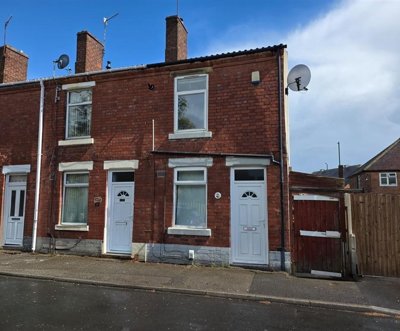
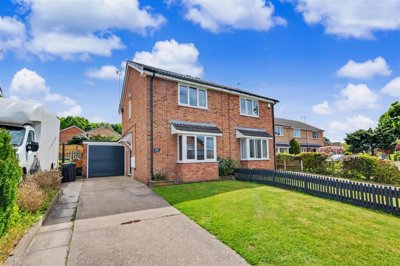
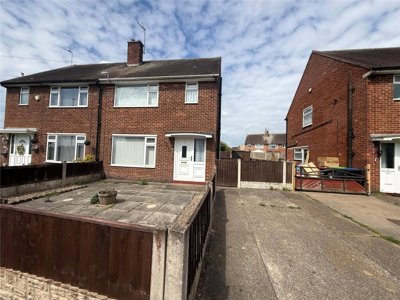
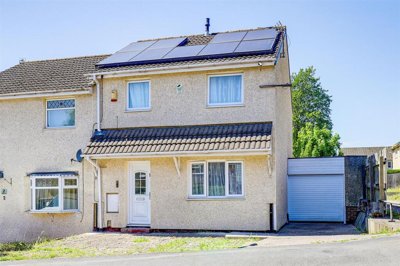
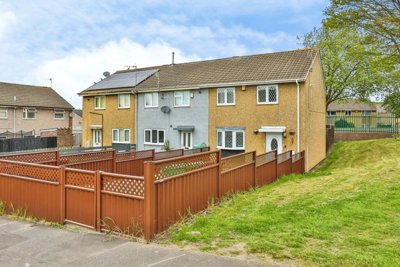
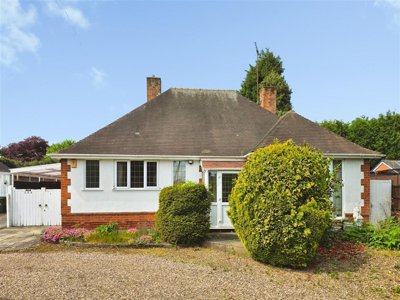
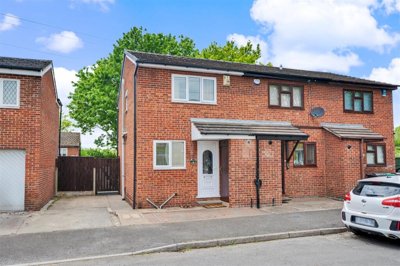
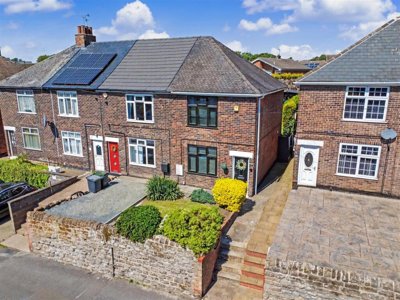
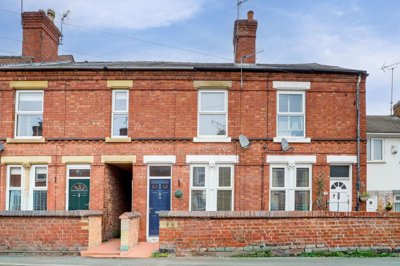
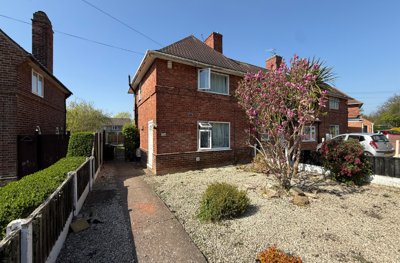
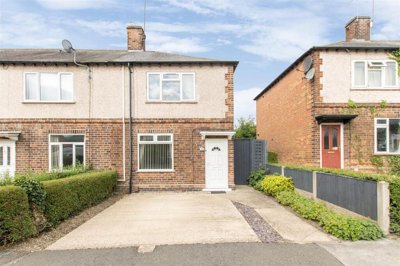
Browse 119 homes for sale in Bestwood Village from local estate agents.
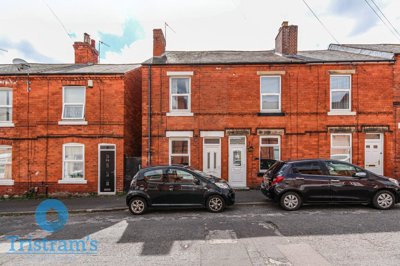
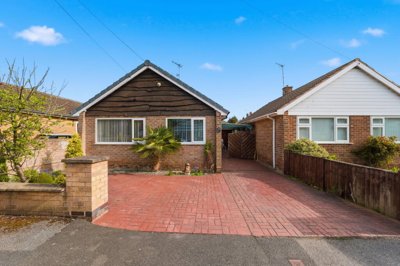
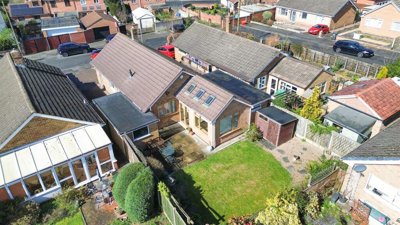
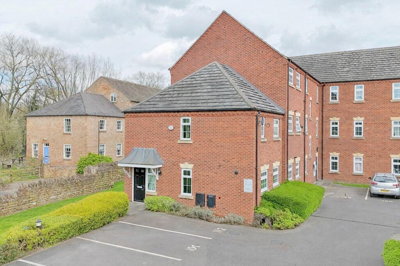
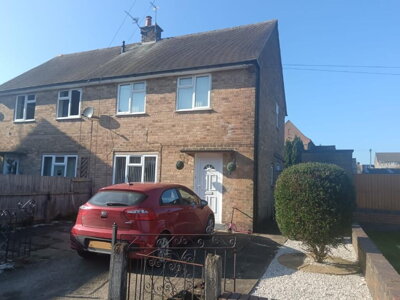
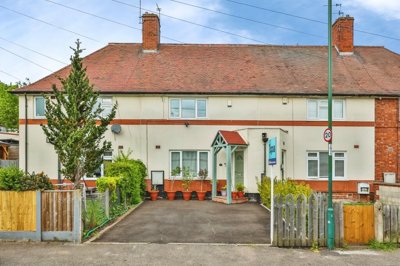
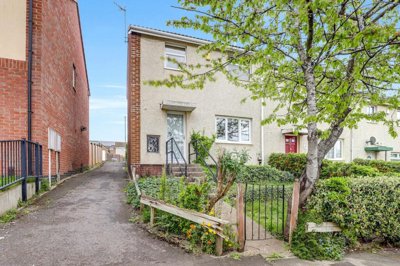
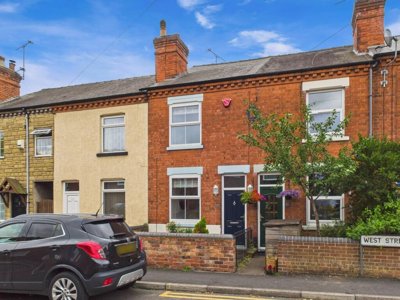
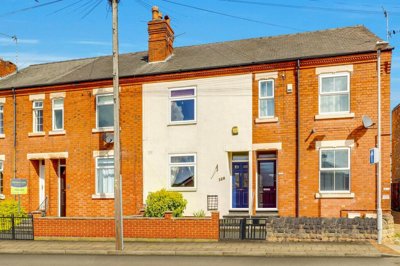
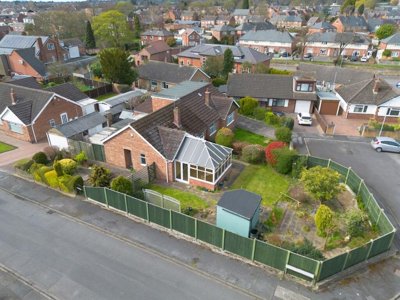
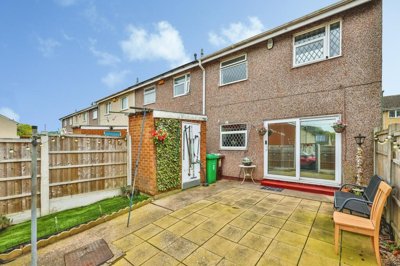
The 2 bed house market features detached, semi-detached, and terraced properties with two separate bedrooms plus living spaces. Properties in Bestwood Village range from Victorian and Edwardian period homes to modern new builds, with pricing varying across different neighbourhoods.
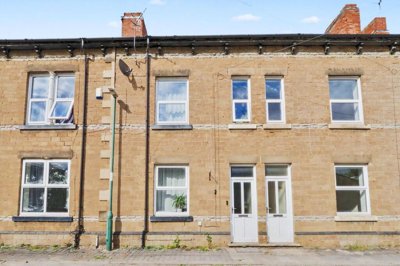
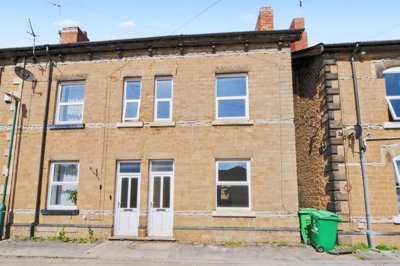
Bestwood Village’s property market offers buyers in Nottinghamshire some realistic price points and a fair bit of variety. Over the past year, 26 properties have changed hands, and terraced houses made up 40% of all sales, so they remain the most frequently traded type in the village. That pattern ties back to the old mining stock, much of it built in the late 19th and early 20th centuries, when the Bestwood Colliery was still operating.
Across property types, the figures vary quite sharply. Detached homes sit at the top end, averaging between £348,833 and £364,056, while semi-detached properties usually sell for £197,500 to £232,000. Terraced houses are the more accessible route in, at £163,844 to £194,614, and flats start from around £117,000. With an overall average house price of £244,337, Bestwood Village compares well with nearby Nottingham suburbs and can mean real savings without losing that link to the city.
The market has eased back a little since the 2022 high of £262,677, with current prices roughly 1% lower than the previous year. The 2023 average of £226,600 marked a clear drop from that peak, although values have since settled into the £233,000 to £244,000 bracket. For buyers, that correction brings a more manageable entry point than the pandemic-era highs seen across wider Nottingham.

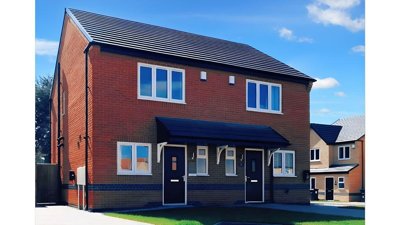
In recent years, Bestwood Village has taken on a different look thanks to new housing on former industrial land. Westhouse Farm, for instance, offers modern one-bedroom homes with open-plan living and kitchen space, which suits buyers who want newer construction, better energy efficiency, and less to maintain. First-time buyers and investors both tend to look twice at that sort of setup in a village setting.
The old Bayles and Whylie factory site, once a glue mill, has also been turned into new housing estates in Bestwood Village. It is a neat example of the area shifting from industrial use to residential living. Brownfield schemes like this often come with existing infrastructure in place, while the homes themselves are a long way from the Victorian and Edwardian properties that still define the original village centre.
Anyone considering a new build should ask about warranty cover, snagging and the developer’s track record before signing anything. Our team can point you towards developers active in the Bestwood Village area and help you weigh up whether a new build or an older house makes more sense for your budget and plans.

Bestwood Village has a character shaped by coal, industry and the landscape around it. The village grew quickly after its coal mine was sunk in the 19th century, building a community around mining and the trades that supported it. That past is still visible in the Bestwood Colliery winding house and headstock, listed structures of regional significance at the entrance to Bestwood Country Park. The Bestwood Pumping Station, built between 1871 and 1874, adds another strong Victorian marker.
Long before the industrial revolution, Bestwood Village relied on agriculture and framework knitting, and those early industries shaped the first settlement pattern. Once the coal mine arrived, the place changed fast, drawing workers from across the region and filling the village with the terraced streets that remain so recognisable now. That shift from fields to coal explains a lot about the area’s present-day feel.
Historical character and everyday convenience sit side by side here. The village has the local amenities needed for day-to-day living, while Arnold and Nottingham are close enough for broader shopping, dining and nights out. Bestwood Country Park gives residents plenty of green space for walking, cycling and time outdoors, which is part of the appeal for families and anyone who prefers a quieter setting. There is a genuine community feel too, with local events and traditions helping to keep village life connected.
Bestwood Lodge Hotel, with its Ministry of Defence heritage, now operates as a dining and events venue in the village. That kind of reuse shows how Bestwood Village has adapted older assets for modern needs, while still keeping hold of the history that gives the place its identity.

Families moving to Bestwood Village have education choices across the age range within reasonable travelling distance. For primary school age children, options include St Margaret Clitherow Catholic Primary School and several community primaries across Gedling borough. These schools cover children aged 5 to 11, although catchment areas vary, so it is sensible to check them carefully during a property search. Ofsted reports and government league tables provide a useful way to compare standards alongside location and facilities.
Secondary schools in the Gedling area include The Brite School, Arnold Lodge School and a number of others with long-standing reputations for academic performance. Carlton le Willows Academy, just over in Burton Joyce, takes students from Year 7 through Sixth Form and is often high on the list for local parents. Catchment areas and admission rules need checking properly, as both can affect school places and can shift as local demographics change.
For older students, Nottingham has sixth form colleges and further education options that broaden the picture still further. The University of Nottingham and Nottingham Trent University are both within commuting distance, which adds to the appeal for families thinking ahead to later stages of education. Those institutions also feed into the wider East Midlands employment market.

Transport links make Nottingham city centre easy enough to reach from Bestwood Village for work or leisure. The village is within reach of the A60 and M1 connections, so car travel is straightforward for commuters. Bus services run regularly through the area, linking residents with Nottingham city centre and nearby places such as Arnold, Mapperley and Carlton. That makes car-free commuting realistic for many people working in and around Nottingham.
For regular travellers, the Robin Hood Ticket from Nottingham City Transport gives combined bus and tram travel at good value. Services through Bestwood Village also link to the Park and Ride sites at Wilkinson Street and Queens Drive, so residents can head into the city without dealing with traffic or parking charges. It is a handy option during peak commuting times.
Rail users can get to Nottingham station, with onward links to London St Pancras, roughly 2 hours away, plus Derby, Leicester, Sheffield and Birmingham. From Bestwood Village, the station is usually reached by bus or road in 30-45 minutes, depending on traffic. Cyclists are well served too, with local routes and the wider National Cycle Network, plus traffic-free paths through Bestwood Country Park and on towards the Nottingham canal network.

It pays to spend some time in Bestwood Village before deciding to buy. Go at different times of day and on different days of the week, so you get a proper sense of traffic, noise and the feel of the place across the seasons. Walk the streets you are considering, pop into the local shops and cafes, and talk to residents about what it is like to live there. Check the schools if they matter to you, look at transport options and note anything nearby that could affect day-to-day life.
Before you start viewing, get a mortgage agreement in principle from a lender. That shows a lender has looked at your finances in principle and is prepared to lend up to a set amount, subject to full checks. It strengthens your position when you make an offer and tells sellers that the funding is broadly in place. It also makes sense to compare rates from different providers and speak to a mortgage broker who can look across the market and suggest a structure that fits your circumstances.
We always suggest viewing more than one property in Bestwood Village so you can compare them properly. Take a checklist with you that covers construction type, condition, room sizes and storage. Make a note of what sets each home apart, the general state of repair and any questions about lease terms, service charges, recent work or maintenance that is coming up. Photos help later, and a simple comparison spreadsheet can keep the decision clear.
For homes over 50 years old, or those showing signs of wear, we recommend a RICS Level 2 Homebuyer Report. Bestwood Village’s mining history and the number of late Victorian and Edwardian houses mean a proper survey can pick up issues such as subsidence, damp or outdated electrics, which are all common in older stock. Our surveyors understand local construction methods and can assess homes built with traditional brick, solid floors and no suspended timber underneath.
Choose a conveyancing solicitor to deal with the legal side of the purchase. They will order searches, including local authority, environmental and drainage checks, review the contracts and work with the seller’s representatives through to completion. Homemove can connect you with conveyancing services that know Nottinghamshire property transactions well, including mining search work for former coal mining areas.
Once the searches are clear and the mortgage is finalised, you exchange contracts and pay your deposit, usually 10% of the purchase price. That is the point at which the deal becomes legally binding. Completion usually follows within days or weeks, depending on what was agreed, when you collect the keys and take ownership of your new Bestwood Village home. Give yourself time for utility changes, mail redirection and the moving arrangements before completion day.
Bestwood Village’s mining history brings a few extra points for buyers to think about, compared with places without that industrial background. Former mining areas can be prone to subsidence, so a thorough survey is especially useful for spotting structural issues that may not be obvious on a standard viewing. The preserved winding house and other industrial remains at Bestwood Colliery are a constant reminder of those deep mining roots. Ask vendors about any structural repairs, underpinning or insurance claims linked to ground movement.
Knowing the age of the property and the materials used helps with maintenance planning and budgeting. Many houses in Bestwood Village date from the late Victorian and Edwardian period, using the traditional brick methods common across Nottinghamshire at the time. Solid floors are common, rather than suspended timber, and older wiring and plumbing may need updating to modern standards. It is sensible to budget for improvements while keeping the character features that give the village its distinctive look.
Because the local housing stock is older, a few defects tend to crop up again and again in Bestwood Village. Our inspectors often find damp in homes with solid walls and limited ventilation, especially in ground floor rooms and basements. Roofs also need careful checking on Victorian and Edwardian houses, where original slates or tiles may have had mixed repairs over the years. Electrical systems are another frequent issue, with many homes still relying on original or early 20th-century wiring that no longer meets modern demands.
Before you complete, check flood risk through the official sources. We have not confirmed specific flood risk data for Bestwood Village, but the topography and any nearby watercourses still need consideration. Ask for flood risk assessments and see whether the property sits in a flood risk zone on the government flood map. Insurance can be affected by flood or subsidence concerns, so getting quotes before you commit is a wise move.

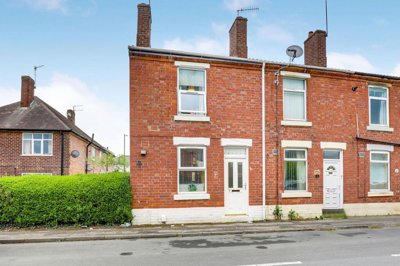
Many Bestwood Village homes share the same construction traits and defect patterns, which is hardly surprising given their age and the way the village developed. Terraced houses built for miners in the late 19th century usually have solid brick external walls, often rendered or painted, plus traditional timber roof structures with slate or tile coverings. Those methods held up well for more than a century, but they do bring particular weaknesses that buyers ought to understand before going ahead.
Our surveyors regularly come across damp penetration in Bestwood Village properties, especially in ground floor rooms where solid floor construction limits airflow beneath the house. Rising damp can occur where original damp-proof courses have failed, or were never installed in the first place. Lateral damp from driving rain affects some exposed elevations too, particularly where brick pointing is worn or the render has cracked. Timber windows and frames can show anything from light weathering to serious decay, depending on maintenance and exposure.
Older Bestwood Village homes often need electrical work. Rewiring a Victorian or Edwardian terraced house can be a major expense, so buyers should allow for it when looking at properties that have not had recent upgrades. Consumer unit replacement, extra sockets and improved earthing are all common requirements if the installation is to meet current standards. Always ask for proof of recent electrical testing, or build the cost of a full rewire into your offer if the system is outdated.
Roof defects are another regular survey finding in Bestwood Village. Original Victorian and Edwardian slate roofs often show wear after 100+ years of exposure to the weather. Chimney pointing and leadwork need ongoing attention, and flashing details may have been affected by settlement or age. Our inspectors look closely at roof condition because repair or replacement costs can change the value picture quite quickly.
The average house price in Bestwood Village sits somewhere between £233,000 and £244,337, depending on which data set is used. home.co.uk reports an average of £244,337, homedata.co.uk shows £239,934 and home.co.uk also indicates £233,000 as of early 2026. Over the past year, prices have drifted down slightly, around 1% lower than the previous year and 7% below the 2022 peak of £262,677. Detached homes average about £351,833 to £364,056, semi-detached houses around £208,571 to £232,000, terraced properties between £163,844 and £194,614, and flats usually start from around £117,000, which is the lowest entry point in the village.
Bestwood Village comes under Gedling Borough Council. Council tax bands depend on the Valuation Office Agency’s valuation band, which runs from Band A through Band H. Most terraced homes and smaller semi-detached properties fall into bands A to C, while larger detached houses are often in bands D to F. Anyone thinking of buying should check the exact band for the property, because it affects yearly running costs and the wider budget. Gedling Borough Council tax rates can be checked on the council website or confirmed by the vendor.
Children of all ages have education options in Bestwood Village and the wider Gedling area. Primary schools serving the village include St Margaret Clitherow Catholic Primary School and several community primary schools across Gedling borough. For secondary education, Carlton le Willows Academy is one option, alongside other schools with different academic profiles. It is worth checking Ofsted reports and government league tables, as well as catchment areas and admission policies, because those details can change and they matter when family moves are planned.
Bus services in Bestwood Village run regularly into Nottingham city centre, Arnold, Mapperley and Carlton, using routes operated by Nottingham City Transport and other providers. The village is close to the A60 and has straightforward access to the M1 for drivers. Nottingham railway station, which you can reach by bus or car in about 30-45 minutes, has mainline services to London, Birmingham, Sheffield, Derby, Leicester and other major cities. The Robin Hood Ticket gives combined bus and tram travel for regular commuters. Cyclists can use traffic-free routes through Bestwood Country Park and links to the National Cycle Network.
For investors, Bestwood Village has several points in its favour. The average price level of around £233,000 to £244,000 gives an entry point that is lower than many other Nottingham areas, which can mean a smaller deposit or access to more affordable mortgage options. The mix of terraced houses, semis and detached homes gives scope for different rental approaches, whether the target is families, couples or single professionals. The village’s industrial past and country park setting also appeal to tenants who want character and a quieter backdrop. Even so, investors should look closely at local rental demand, void periods between lets and the maintenance costs that can come with older homes and mining heritage when working out returns.
For standard buyers in England, Stamp Duty Land Tax, or SDLT, starts at 0% on the first £250,000 of property value, then rises to 5% on the slice from £250,001 to £925,000. Between £925,001 and £1.5 million, the rate is 10% on that portion, and it becomes 12% above £1.5 million. Because most Bestwood Village properties are below £250,000, standard buyers usually pay no SDLT on the first £250,000 of the purchase. First-time buyers get more relief on the first £425,000 at 0%, then 5% on the portion from £425,001 to £625,000, which makes Bestwood Village appealing for those taking their first step onto the property ladder. Those costs should sit alongside the purchase price and moving fees in the budget.
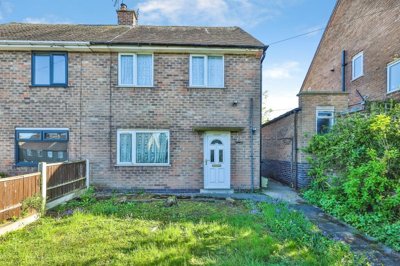
Terraced houses are the most commonly sold property type in Bestwood Village, making up 40% of all sales over the past two years according to sales data. That links back to the old housing stock created for the mining community in the late 19th and early 20th centuries. Semi-detached properties also form a sizeable share of the available homes, usually giving family-sized accommodation from later development phases. Detached houses and flats are less common, but they sit at the higher and lower ends of the price range respectively. New build homes at places like Westhouse Farm give buyers a modern alternative with contemporary specifications.
Yes, Bestwood Village has had active new build development in recent years. Westhouse Farm offers one-bedroom homes with open-plan living areas and modern specifications. The former Bayles and Whylie factory site, once a glue mill, has also been redeveloped for housing. These new build homes sit alongside the older Victorian and Edwardian stock that still dominates the village, and they bring benefits such as energy efficiency, modern layouts and lower maintenance needs. Buyers interested in new builds should check warranty details, developer credentials and completion timelines before they proceed.
Getting a clear picture of the total buying costs in Bestwood Village makes budgeting much easier and helps avoid nasty surprises during the transaction. SDLT on your purchase depends on the price and on whether you are a standard buyer or a first-time buyer. On a typical home priced at the area average of £233,000 to £244,000, a standard buyer would pay no SDLT on the first £250,000. First-time buyers buying homes up to £425,000 pay no SDLT, which makes Bestwood Village an attractive starting point for anyone taking their first step onto the property ladder in Nottinghamshire.
There are other costs to budget for beyond SDLT. Conveyancing fees usually range from £499 to £1,500, depending on the complexity of the deal and the property value. Survey costs also need to be included, with a RICS Level 2 Homebuyer Report starting from around £350 for homes in Bestwood Village. Because so much of the local stock is older, and because mining-related issues can crop up, a full survey is a sensible spend. Mortgage arrangement fees, valuation fees and broker costs may also apply, depending on the lender and product. Land Registry fees, local authority searches and environmental searches usually add several hundred pounds more. Moving costs, any renovation budget for older homes and Buildings Insurance from completion day onwards should all be in the plan too.
From £350
Our inspectors look for the defects we see most often in Bestwood Village mining heritage homes.
From £450
Detailed structural surveys for older Victorian and Edwardian homes in Bestwood Village.
From £60
Energy performance certificate checks for Bestwood Village properties.
From £499
Expert solicitors for Nottinghamshire property transactions.
From 4.5%
Competitive mortgage rates for Bestwood Village buyers
Properties for Sale In London

Properties for Sale In Plymouth

Properties for Sale In Liverpool

Properties for Sale In Glasgow

Properties for Sale In Sheffield

Properties for Sale In Edinburgh

Properties for Sale In Coventry

Properties for Sale In Bradford

Properties for Sale In Manchester

Properties for Sale In Birmingham

Properties for Sale In Bristol

Properties for Sale In Oxford

Properties for Sale In Leicester

Properties for Sale In Newcastle

Properties for Sale In Leeds

Properties for Sale In Southampton

Properties for Sale In Cardiff

Properties for Sale In Nottingham

Properties for Sale In Norwich

Properties for Sale In Brighton

Properties for Sale In Derby

Properties for Sale In Portsmouth

Properties for Sale In Northampton

Properties for Sale In Milton Keynes

Properties for Sale In Bournemouth

Properties for Sale In Bolton

Properties for Sale In Swansea

Properties for Sale In Swindon

Properties for Sale In Peterborough

Properties for Sale In Wolverhampton

Enter your details to see if this property is within your budget.
Loans, cards, car finance
Estimated property budget
Borrowing + deposit
You could borrow between
Typical borrowing
Monthly repayment
Est. at 4.5%
Loan-to-value
This is an estimate only. Your actual budget may vary depending on interest rates, credit history, and personal circumstances. For an accurate affordability assessment, speak to one of our free mortgage advisors.
This calculator provides estimates for illustrative purposes only and does not constitute financial advice. Your home may be repossessed if you do not keep up repayments on your mortgage. Estimates based on 4.5% interest rate, repayment mortgage. Actual rates depend on your circumstances.
Homemove is a trading name of HM Haus Group Ltd (Company No. 13873779, registered in England & Wales). Homemove Mortgages Ltd (Company No. 15947693) is an Appointed Representative of TMG Direct Limited, trading as TMG Mortgage Network, which is authorised and regulated by the Financial Conduct Authority (FRN 786245). Homemove Mortgages Ltd is entered on the FCA Register as an Appointed Representative (FRN 1022429). You can check registrations at NewRegister or by calling 0800 111 6768.

We use cookies to show you personalised content and improve your experience of our website. Find out more in our Privacy policy and Cookie policy.