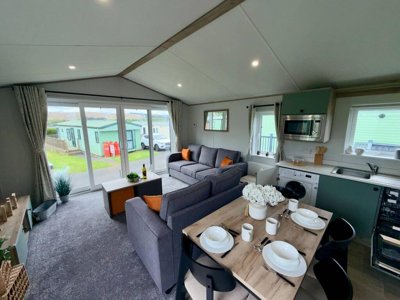
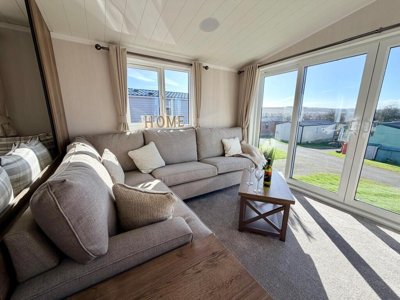
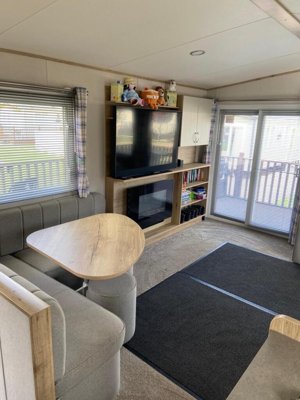
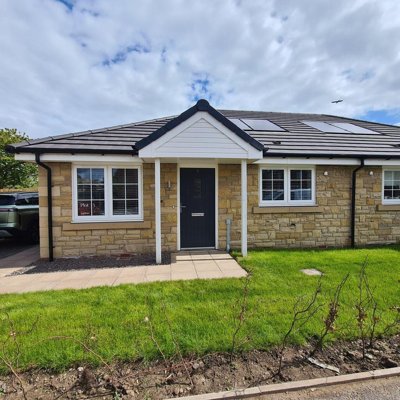
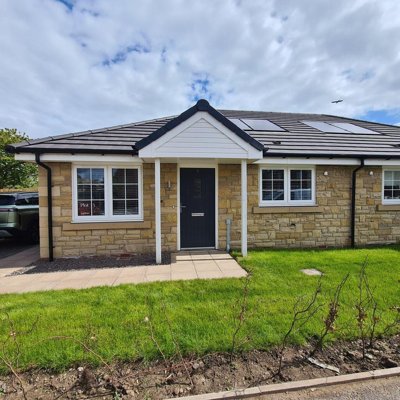
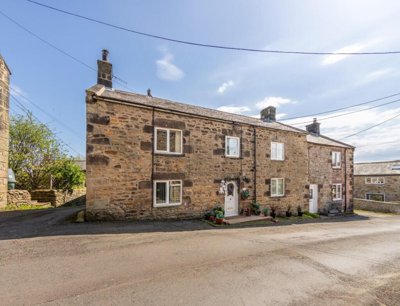
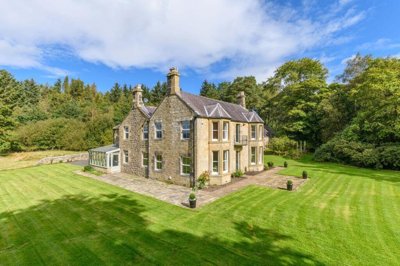
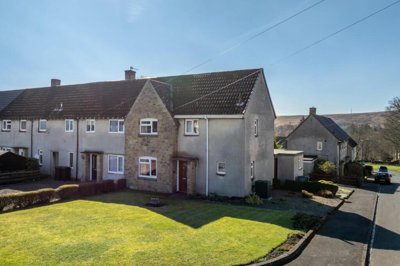
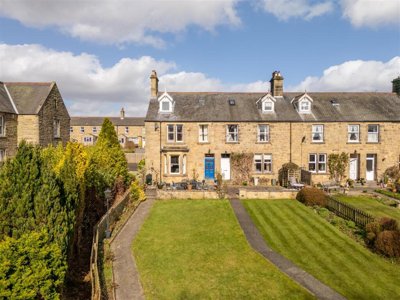
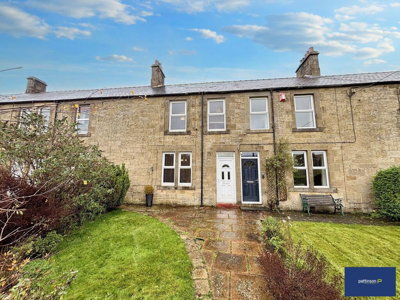
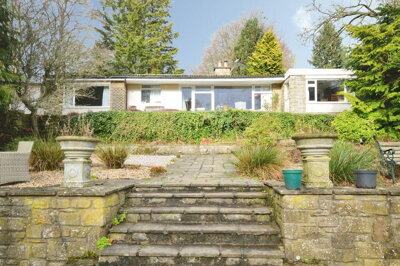
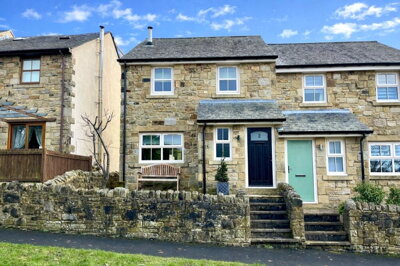
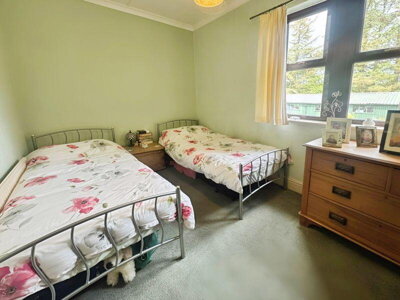
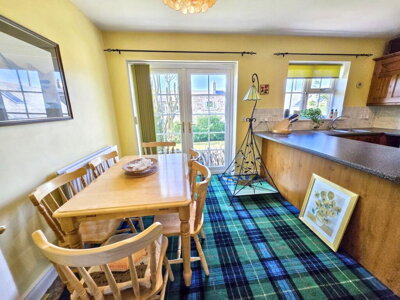
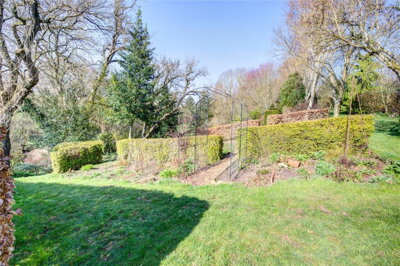
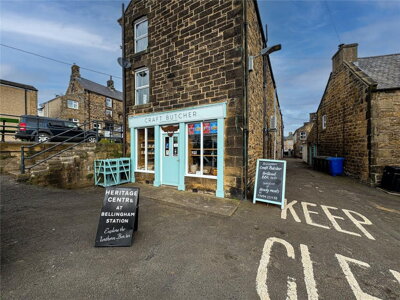
Browse 23 homes for sale in Bellingham, Northumberland from local estate agents.
£95k
13
4
79
Source: home.co.uk
Source: home.co.uk
Bungalow
2 listings
Avg £195,000
Caravan
2 listings
Avg £51,495
Detached Bungalow
2 listings
Avg £248,750
Semi-Detached Bungalow
2 listings
Avg £71,250
Terraced
2 listings
Avg £215,000
Apartment
1 listings
Avg £225,000
Lodge
1 listings
Avg £79,995
Semi-Detached
1 listings
Avg £280,000
Source: home.co.uk
Source: home.co.uk
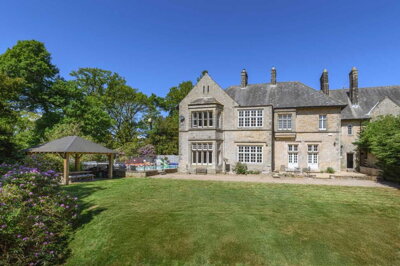
Bellingham’s property market mirrors the village, relatively small, quietly varied, and full of appeal. Much of the housing stock is made up of traditional sandstone cottages, with some homes dating from the 18th and 19th centuries, alongside mid-to-late 20th century builds. Semi-detached and terraced houses are especially common, with the occasional detached property offering bigger gardens and wide views across the valley. There are also converted barns and former farm buildings, reshaped into sought-after homes over recent decades.
Prices in Bellingham and across the North Tyne valley usually come in below the national average, which keeps the area within reach for first-time buyers who want a rural setting without city-level costs. Detached homes with land, or houses that have been recently renovated, tend to achieve stronger prices. At the other end of the market, properties needing some updating can offer very good value for buyers happy to take on improvement work. New build development is still limited here, so most of the available homes are established properties with real character. In practical terms, the lower price point often means buyers get far more for their money than in similar rural parts of southern England.
Buyer activity has stayed steady since the pandemic, particularly among people looking for a countryside base. Remote working has helped support that demand. Homes with space for a home office, reliable broadband, and easy access to outdoor pursuits are especially popular, while investment buyers continue to look at the area for holiday let potential and longer-term capital growth in a market where new housing supply remains limited.

Daily life in Bellingham is shaped by the surrounding countryside and by a community that still feels close-knit. In the village centre, the high street remains properly traditional, with a butcher, bakery, post office, and a number of independent shops that give the place its own identity. Weekly markets and annual events add to that sense of connection, and being so close to Northumberland National Park means walking, cycling, and trips into the Simonside Hills are part of normal life here. The annual Bellingham Show is one of the best-known fixtures, a longstanding agricultural show that draws visitors from across Northumberland.
The North Tyne runs through the village, and that shapes the place as much as anything else. Residents can head out for riverside walks or buy day tickets for fishing on the local beat. Beyond that, there is rolling farmland, historic moorland, and the striking landscape of the Dark Skies reserve that covers much of Northumberland. For day-to-day needs, Bellingham has a primary school, a health centre, and several pubs known for hearty local food. Newcomers are usually welcomed into village life quickly, helped by activities at the village hall and a good mix of clubs. The W.I., local football club, and society all offer straightforward ways to join in.
For leisure, Bellingham has plenty going for it. Public footpaths cross farmland, open moorland, and riverside meadows in all directions, and cyclists can pick up the Pennine Way and Sustrans National Cycle Network routes that run through the village and link into the wider region. Kielder Water and Forest Park is close enough for regular use too, with mountain biking, sailing, and forest walks all within easy reach. Wildlife enthusiasts come for red kite, peregrine falcon, and curlew sightings, and the Dark Sky status of Northumberland National Park makes this one of the best places in England for stargazing.

Education in the village centres on Bellingham Primary School. It is a small rural school serving families from Bellingham itself and the surrounding countryside, and it is well regarded for its personalised approach to learning and its links with the local community. Class sizes tend to stay small because of the rural catchment area, which many parents see as a real advantage. For secondary education, most pupils travel into Hexham, where there is a choice of schools including the well-regarded Queen Elizabeth High School.
School transport matters here more than it would in a larger town, and parents looking at Bellingham usually need to think that through early. Bus services run to secondary schools in nearby towns, and the village also has access to several nurseries and childcare providers for younger children. Some families weighing up a move look closely at Hexham’s grammar schools and independent options, especially if they are prepared for the daily journey for secondary-aged children. Quite a few households move into the Hexham area for that reason alone, although Bellingham's primary school gives younger children an excellent start.

Bellingham sits where the B6319 and B6320 meet, which gives the village useful links into the wider Northumberland road network. Hexham, the nearest town with full amenities, is around 12 miles away, and Newcastle upon Tyne is roughly 30 miles from the village. Driving to Newcastle usually takes about 45 minutes, so occasional commuting can work well for people with flexible arrangements or a work-from-home pattern. Near Hexham, the A69 dual carriageway begins and provides the quickest route east towards Newcastle, as well as onward connections to the A1 for travel further north.
Public transport is workable, particularly for a rural village. There is an hourly bus service linking Bellingham with Hexham and Newcastle, which helps residents reach larger town facilities without relying entirely on a car. From Hexham railway station, direct trains run to Newcastle and Carlisle, with further links to the East Coast Main Line. The village also suits people who prefer to get about on foot or by bike, thanks to the Sustrans National Cycle Network routes, the Pennine Way, and other long-distance trails that make Bellingham popular with hikers and outdoor enthusiasts, including many who work remotely.

We always suggest spending proper time in Bellingham and the North Tyne valley before committing to a move. Exploring the village in person helps us get a clearer sense of its character, the local amenities, and which parts might fit best with day-to-day routines. It is wise to visit at different times of day and on different days of the week as well. Seasonal conditions matter too, especially in winter, when rural roads and reduced services can change how easily daily life runs.
We can use Homemove to search all available properties in Bellingham and set up viewings through the estate agents handling each listing. Seeing several homes is usually time well spent, as it gives a better basis for comparing condition, character, and value before any decision is made. It also helps to ask agents about recent sales, how the local market is moving, and whether anything likely to suit is coming soon but has not yet been formally advertised.
Before offers go in, we recommend speaking to a mortgage broker and getting an agreement in principle in place. Some rural properties need a more specialist lending approach, especially older homes or houses built with non-standard construction methods. A broker who knows Northumberland values well can make a real difference when local quirks start to affect the application process.
For any property over 50 years old, we would book a RICS Level 2 HomeSurvey before completion. That matters in Bellingham because a large share of the housing stock is older, and a good survey can pick up issues linked to traditional building methods, roofing defects, or damp, all of which are common enough in rural property. Costs usually start from £350, and that upfront spend can prevent a far larger bill later if hidden defects come to light before purchase rather than after.
Legal work is best handled by a solicitor who knows rural Northumberland transactions well. We would usually look for someone experienced in legal searches, land registry checks, and conveyancing, but also familiar with the issues that often arise in the North Tyne valley, including septic tanks, private water supplies, and older title deeds.
Once the searches are back, everything is satisfactory, and contracts have been exchanged, the next step is to fix the completion date and get ready for the move into Bellingham. It is sensible to arrange removal firms early, especially in the summer months when market activity is often at its busiest.
Bellingham’s housing stock covers a broad spread of periods, from historic stone cottages through to post-war houses. Homes built before 1919 often need closer scrutiny, simply because construction methods and wear over time can vary so much. Traditional sandstone can perform very well, but only with the right maintenance, and any thatched properties or homes with original timber frames usually call for specialist survey input so their condition can be properly assessed. The village also has a number of Grade II listed buildings, and buyers considering one of these should allow for both the added cost and the restrictions that come with listed building consent requirements.
In the North Tyne valley, mains services are not a given. Some rural properties rely on private drainage, oil-fired heating, or LPG rather than standard mains connections, so buyers need to plan for the upkeep of septic tanks, oil tanks, and private water supplies where they apply. The agricultural setting can also mean occasional traffic from farm machinery, and homes close to the river deserve a careful look at flood risk. Outbuildings and land often add a clear premium to the asking price, but they bring extra maintenance with them as well. Many houses also retain timber sash windows and original internal details, which need ongoing care rather than quick fixes.
Energy efficiency is another point to weigh up, particularly given the age of so many homes in Bellingham. Solid wall construction does not have cavity insulation, and original single-glazed windows can push heating costs higher than some buyers expect. For that reason, it is worth building likely improvement work into the budget from the start, whether that means secondary glazing, internal wall insulation, or heating system upgrades. Recent changes to permitted development rights have also made certain energy efficiency improvements simpler to carry out without full planning permission.
In Bellingham, prices usually sit somewhere between £150,000 and £350,000, depending on the type of property and its condition. Traditional stone cottages with character features often begin at about £200,000, while larger detached houses or homes with land can rise to £400,000 or more. Even so, rural Northumberland still tends to offer stronger value than many comparable locations. Prices have nonetheless shown steady growth as more buyers look for countryside homes after the move towards remote and hybrid working.
Bellingham falls within the area governed by Northumberland County Council. Most homes in the village are in council tax bands A to C, which reflects the generally modest values seen across rural Northumberland. As a guide, band A properties usually pay around £1,200 to £1,400 each year, while band D homes may be closer to £1,600 to £1,800 annually. Regular monthly outgoings are not limited to council tax either, and many households also need to factor in costs such as oil deliveries for heating and standard household insurance.
For families, the local education picture is fairly clear. Bellingham Primary School serves the village and has a good reputation for a small rural school, while Queen Elizabeth High School in Hexham is a common choice for secondary education and is well thought of. The village is also within a practical travelling distance of grammar schools in Hexham and Ponteland for pupils applying through academic selection. Bus transport between Bellingham and Hexham schools takes around 30 minutes, which makes the daily trip manageable for many secondary-aged children.
Regular bus services connect Bellingham with both Hexham and Newcastle, and the journey to Hexham is usually about 30 minutes. From Hexham railway station, the Tyne Valley Line gives access to Newcastle and Carlisle, with Newcastle itself reached in roughly 25 minutes by train. Still, because this is a rural area with more limited evening and weekend buses, most residents find that having a car makes everyday life much easier.
Some buyers come to Bellingham looking for a main home, others for a second home, and the village has obvious strengths for both. Demand for countryside property has supported consistent value growth, and the area’s popularity with visitors also creates scope for holiday lets. Before moving ahead with any commercial letting plans, though, it is sensible to check the planning position with Northumberland County Council. In the local market, homes with land or strong character features generally hold their value particularly well.
For 2024-25, stamp duty rates apply at 0% on the first £250,000 of a property’s value, then 5% between £250,001 and £925,000, with higher rates above that point. First-time buyers can benefit from relief on purchases up to £625,000, paying 0% on the first £425,000. Because Bellingham prices are often relatively modest, a good number of purchases sit within the lower tax bands. Buyers looking at additional properties should still keep the 3% surcharge firmly in mind.
Most homes in Bellingham are priced below £250,000, so many purchases attract no stamp duty at all. Where a property falls between £250,000 and £925,000, the normal rate of 5% applies only to the portion above £250,000. That keeps SDLT costs comparatively low in much of the village, especially when set against urban markets. First-time buyers purchasing up to £425,000 pay no SDLT whatsoever, which can mean a substantial saving on qualifying transactions.
Stamp duty is only part of the buying budget. Solicitor fees for conveyancing usually run from £800 to £1,500, and there may also be mortgage arrangement fees, depending on the product, along with survey costs. A RICS Level 2 HomeSurvey generally starts at around £350 to £600 based on the size and complexity of the property, and in Bellingham that can be money very well spent given the age of so many homes. We would also allow for removal charges, mortgage valuation fees, and buildings insurance. In total, buying costs often fall between £3,000 and £6,000, excluding mortgage fees and SDLT.

Properties for Sale In London

Properties for Sale In Plymouth

Properties for Sale In Liverpool

Properties for Sale In Glasgow

Properties for Sale In Sheffield

Properties for Sale In Edinburgh

Properties for Sale In Coventry

Properties for Sale In Bradford

Properties for Sale In Manchester

Properties for Sale In Birmingham

Properties for Sale In Bristol

Properties for Sale In Oxford

Properties for Sale In Leicester

Properties for Sale In Newcastle

Properties for Sale In Leeds

Properties for Sale In Southampton

Properties for Sale In Cardiff

Properties for Sale In Nottingham

Properties for Sale In Norwich

Properties for Sale In Brighton

Properties for Sale In Derby

Properties for Sale In Portsmouth

Properties for Sale In Northampton

Properties for Sale In Milton Keynes

Properties for Sale In Bournemouth

Properties for Sale In Bolton

Properties for Sale In Swansea

Properties for Sale In Swindon

Properties for Sale In Peterborough

Properties for Sale In Wolverhampton

Enter your details to see if this property is within your budget.
Loans, cards, car finance
Estimated property budget
Borrowing + deposit
You could borrow between
Typical borrowing
Monthly repayment
Est. at 4.5%
Loan-to-value
This is an estimate only. Your actual budget may vary depending on interest rates, credit history, and personal circumstances. For an accurate affordability assessment, speak to one of our free mortgage advisors.
This calculator provides estimates for illustrative purposes only and does not constitute financial advice. Your home may be repossessed if you do not keep up repayments on your mortgage. Estimates based on 4.5% interest rate, repayment mortgage. Actual rates depend on your circumstances.
Homemove is a trading name of HM Haus Group Ltd (Company No. 13873779, registered in England & Wales). Homemove Mortgages Ltd (Company No. 15947693) is an Appointed Representative of TMG Direct Limited, trading as TMG Mortgage Network, which is authorised and regulated by the Financial Conduct Authority (FRN 786245). Homemove Mortgages Ltd is entered on the FCA Register as an Appointed Representative (FRN 1022429). You can check registrations at NewRegister or by calling 0800 111 6768.

We use cookies to show you personalised content and improve your experience of our website. Find out more in our Privacy policy and Cookie policy.