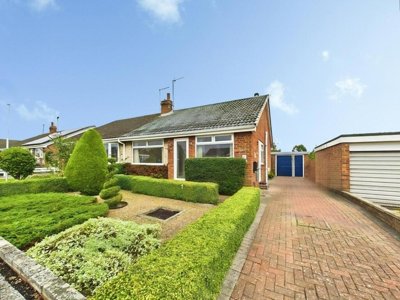
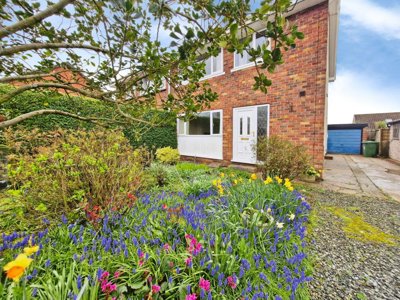
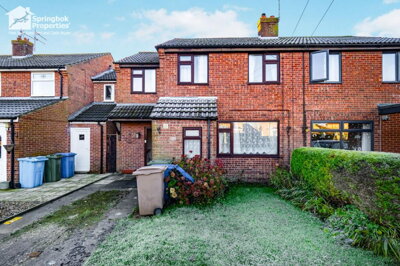
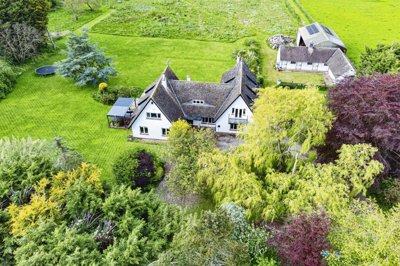
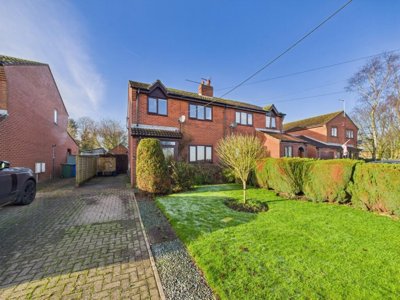
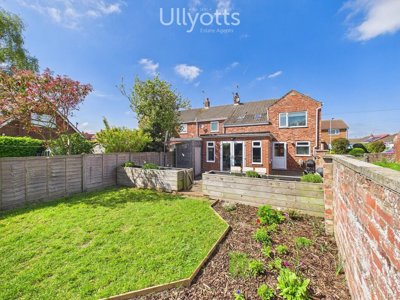
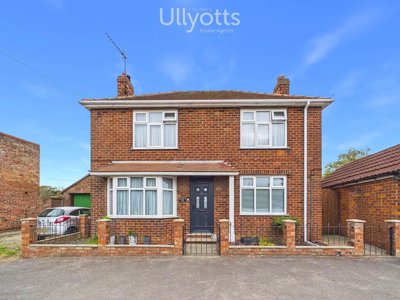
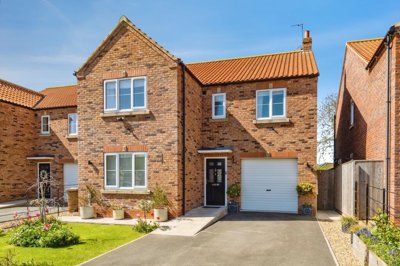
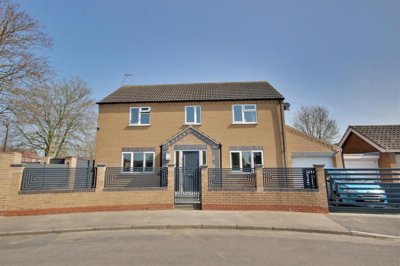
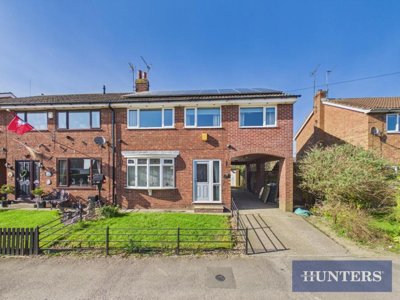
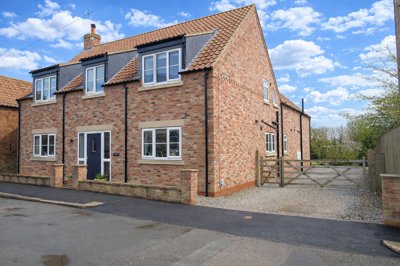
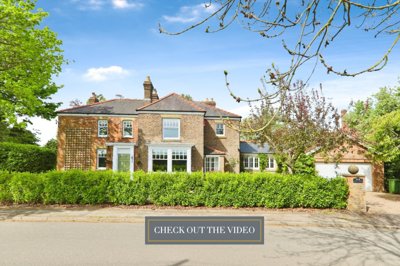
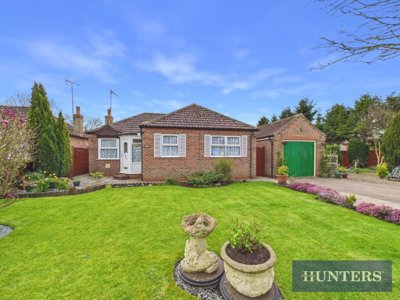
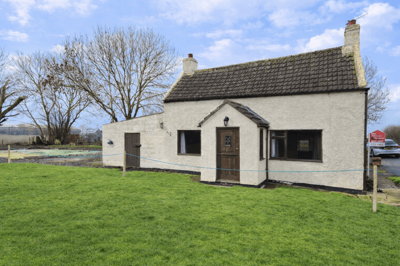
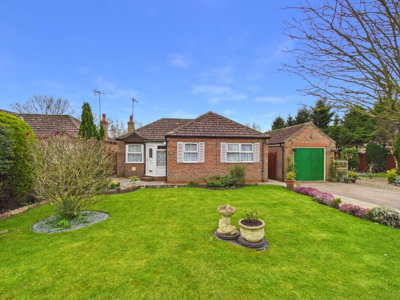
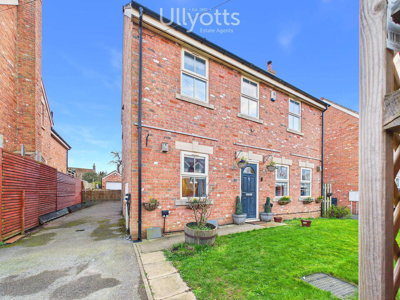
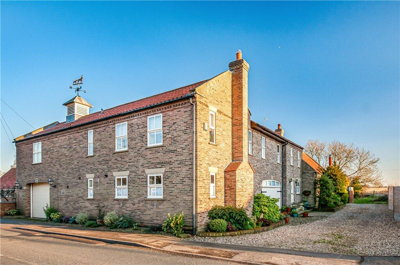
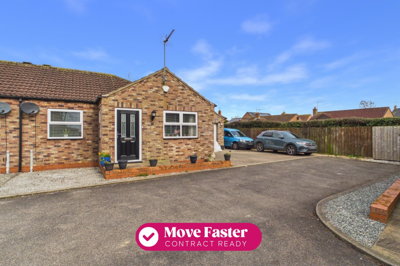
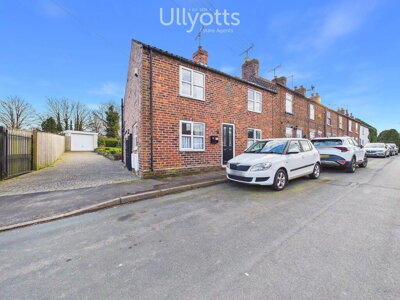
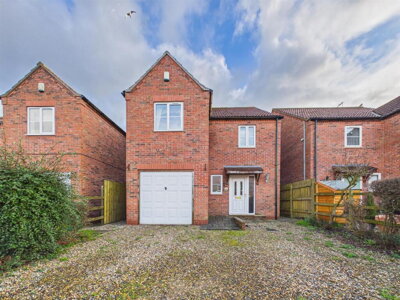
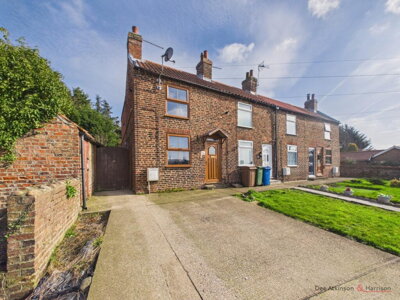
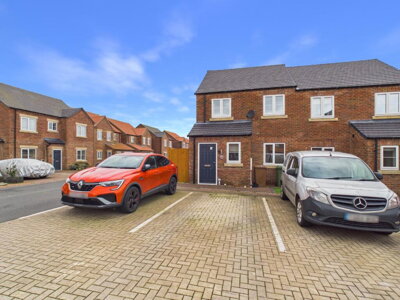
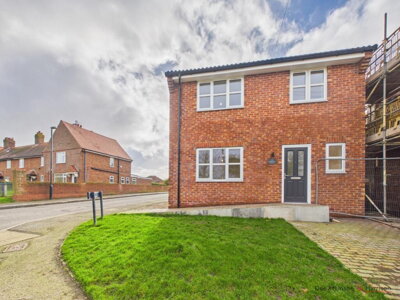
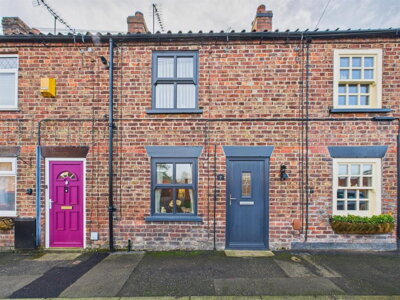
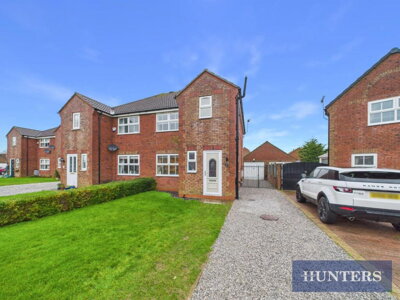
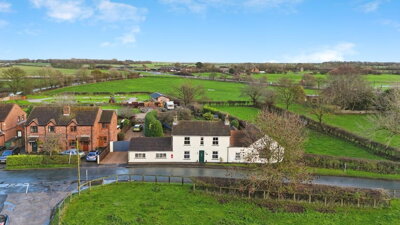
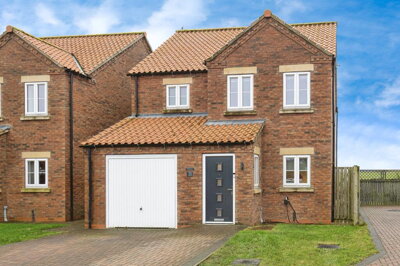
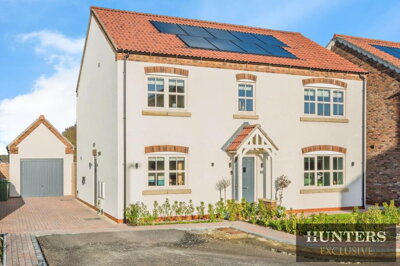
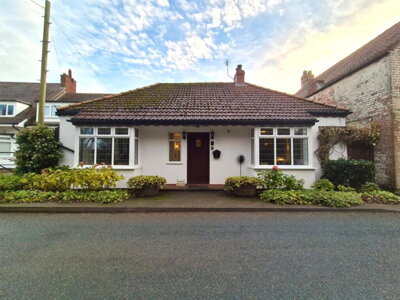
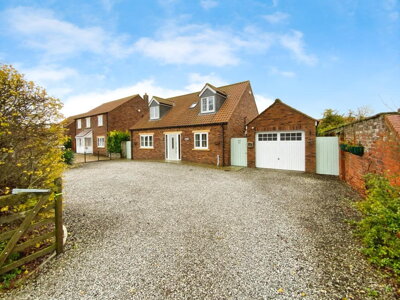
Browse 52 homes for sale in Beeford, East Riding of Yorkshire from local estate agents.
£280k
27
1
160
Source: home.co.uk
Source: home.co.uk
Detached
12 listings
Avg £513,746
Semi-Detached
5 listings
Avg £208,000
Cottage
2 listings
Avg £189,975
Detached Bungalow
2 listings
Avg £290,000
Semi-Detached Bungalow
2 listings
Avg £177,500
End of Terrace
1 listings
Avg £165,000
Link Detached House
1 listings
Avg £799,950
Terraced
1 listings
Avg £195,000
Source: home.co.uk
Source: home.co.uk
Beeford's property market has the feel of a traditional East Riding village, with semi-detached and detached family homes making up most of the stock. home.co.uk puts the average sold price at £426,439, while detached homes are fetching an average of £438,321 in PropertyResearch.uk figures for 2025. Semi-detached properties have a median sale price of £208,750, and terraced homes have moved sharply ahead, up 37.1% on 2024 to £181,667.
Prices have eased over the last 12 months, with home.co.uk showing values roughly 25% below the 2022 peak of £249,975. That leaves room for buyers who were priced out in the last upswing. homedata.co.uk data shows a 23.4% annual reduction, yet the village still draws families and professionals after countryside value. Semi-detached homes led activity in 2025, making up 10.5% of sales, with 4 transactions recorded through PropertyResearch.uk.
Terraced homes are the standout mover here, with the segment up more than 37% year-on-year to a median of £181,667. That kind of rise points to steady demand for smaller, more affordable places, often from first-time buyers or households looking to downsize from a larger family house. Detached homes still sit at the top of the market around £438,321, but they too slipped by 5.4%, so premium village property remains in play. In Beeford, the spread is wide enough to cover compact starters and substantial period homes without leaving the village boundary.

Beeford feels unmistakably like an East Riding village, set among rolling Yorkshire farmland with open countryside on all sides. Its name comes from the agricultural past that still shapes the place today. There is a traditional village pub, St. Mary's Church which dates back several centuries, and a village hall that keeps the social calendar moving through the year. That slower pace, and the strong local ties that come with it, are a big part of the appeal for families and retirees.
Outdoors, the setting is a strong selling point. Public footpaths cut across the farmland and link Beeford with neighbouring villages, and the Yorkshire Wolds, an Area of Outstanding Natural Beauty, begin just a short drive to the west. Driffield is around seven miles away for bigger shops, supermarkets, and healthcare, while Bridlington brings beaches and seaside days out within easy reach. The East Riding of Yorkshire Council looks after local services and infrastructure across the area.
Daily life is straightforward, but never dull. Beeford Primary School gives young families a natural meeting point, the local pub is the place for evening meals and a catch-up, and nearby Driffield's weekend markets pull in residents from across the surrounding villages with fresh produce and artisan goods. The village hall usually has something on, from meetings to quiz nights and seasonal celebrations, so there is no shortage of occasions to bump into people. Walks in the Yorkshire Wolds, and beach days at Bridlington, round things off nicely.

Education in Beeford revolves around Beeford Primary School, which serves the village and the wider rural area. It takes children aged five to eleven and offers a community-led setting with relatively small class sizes, so pupils get more individual attention. Anyone planning a move should check the current catchment arrangements with East Riding of Yorkshire Council, because admissions can be competitive in popular rural spots. The school has long had good links with local families, and that helps its standing in the village.
For secondary education, families usually look to Driffield, where there are several schools within a reasonable daily commute. The East Riding also runs a selective system, so grammar schools in Beverley and Hull remain an option for academically able pupils who pass the entrance exams. Sixth form and further education are available at colleges in Driffield, Beverley, and Hull, which gives students clear routes on after Year 11. Transport for pupils who live beyond walking distance is handled through the local authority.
Getting to secondary school from Beeford generally means using a bus arranged by East Riding of Yorkshire Council, with routes running into Driffield. For many families, the commute of approximately seven miles is quite manageable, at around 20 minutes by bus. If grammar school places in Beverley and Hull are the goal, exam preparation needs to start early, because competition can be fierce. Open days are well worth attending, since they give a proper feel for both academic and vocational paths.

Road links do most of the work here. Beeford sits off the B1249 principal road, which runs through the East Riding and links Driffield with the coastal towns. The A166 gives access to York, about 35 miles to the northwest, while the A165 coastal road heads straight towards Hull. For anyone commuting to Hull, a major employment centre in the region, car journeys usually take 45 minutes to an hour depending on traffic. Driffield, seven miles away, has railway services on the Yorkshire Coast Line to Hull, York, and further afield.
Public transport is in place too, with East Yorkshire Motor Services running buses to the surrounding towns. The X46 and 45 routes provide regular links to Driffield, where passengers can change for rail services, while Bridlington is served less frequently. Humberside International Airport is around 45 minutes drive to the south, with domestic flights and links into European destinations. Beeford's position in the East Riding also gives access to the M62 motorway via Hull, opening up Leeds, Manchester, and the wider national network. Parking in nearby towns can get tight at busy times, especially in the summer when coastal traffic builds.
Driffield station gives Beeford residents a useful rail link into larger employment centres. The Yorkshire Coast Line reaches Hull in about 45 minutes, with onward connections to York and the east coast main line. Plenty of people who work in Hull drive to Driffield station, park there, and take the train in, which avoids city-centre congestion and parking charges. The scenic coastal routes are attractive, but in summer holiday periods they can become busy with visitors heading to Bridlington and Filey, so it is wise to allow extra time.

We always recommend spending time in Beeford and the neighbouring villages before committing to a move. Visit in the morning, again in the evening, and if possible at weekends too. Walk the streets, stop for a chat at the village pub, and take a look at the local shops. It gives a much better sense of the place than any listing ever will.
Before viewings, speak to a mortgage broker or lender and get an agreement in principle. It strengthens an offer and shows sellers that the finances are in place. A broker who knows East Riding properties can also talk through local lender criteria and explain borrowing capacity against current interest rates.
We book viewings through Homemove so buyers can see what is available in Beeford, from traditional village cottages through to modern family homes. Take notes and photographs while you are there, it makes comparisons easier later. Garden orientation, overall condition, and any signs of maintenance issues are all worth checking carefully.
For properties over 50 years old, which is most of Beeford's housing stock, a RICS Level 2 Survey is usually the sensible next step. It picks up structural issues, damp, and repairs that may be needed. With so many older village homes, that sort of check can save a great deal of money before a purchase goes any further.
Pick a conveyancing solicitor to deal with the legal side, including searches, contracts, and title checks for the East Riding of Yorkshire. Local solicitors used to rural East Riding transactions can also deal with issues that crop up in agricultural areas, such as rights of way and drainage arrangements. That experience can make a real difference when a property has a slightly awkward history.
Once the searches are back and the mortgage offer is confirmed, the solicitor can exchange contracts and fix a completion date for the move into a new Beeford home. Removals should be lined up in good time, and buildings insurance needs to be in place from the completion date so the new investment is protected straight away.
Many Beeford homes date from the mid-twentieth century or earlier, so age and construction matter. Traditional East Riding properties may have solid brick walls, original timber windows, and older heating systems that need upgrading. A thorough RICS Level 2 Survey will pick up common issues in established village homes, including damp, roof condition, and the state of electrical wiring and plumbing. Where a property was built before 1970, asbestos can sometimes turn up in artex coatings, old pipe lagging, or garage roofs, and that calls for specialist assessment and removal by licensed contractors.
Flood risk should always be part of due diligence in the East Riding, given how close the area is to the coast and river systems. Specific flood risk for Beeford needs checking against the Environment Agency's flood maps, so buyers should confirm whether the property sits in a flood zone and look into any recorded flooding incidents. Planning restrictions can also affect what is possible, especially for listed buildings or homes in conservation areas, and East Riding of Yorkshire Council can confirm whether any constraints apply. Freehold and leasehold also need separating out, particularly for flats or newer developments, because leasehold homes can come with ground rent and service charge obligations that feed into ongoing costs.
The way homes are built in Beeford generally reflects the practical methods used across the East Riding during the twentieth century. Many semi-detached homes from the mid-century period have cavity wall construction, although earlier properties may still have solid brick walls that need different insulation and damp proofing treatment. Original fireplaces, timber floorboards, and period doors often survive in older houses, which adds character and value. Even so, they need looking after, and buyers should allow for restoration work when weighing up the overall cost. Access matters too, because some village streets have narrow lanes or limited parking, which can be awkward for households with more than one car.
Rural drainage can be different from what buyers are used to in town. In places like Beeford, some homes rely on private septic tanks or cess pits rather than mains sewerage. A survey ought to cover the drainage setup, and the cost of emptying or maintaining private systems should be built into the budget. Boundary walls, fences, and outbuildings also deserve a close look, because repairs there can be costly. If the house has a large garden, we would also check any agricultural restrictions on land use with the vendor before going ahead.

Over the past 12 months, Beeford's average sold price stands at approximately £426,439 according to homedata.co.uk property data, and home.co.uk reports the same figure at £426,439. Detached properties average around £438,321, semi-detached homes sell for approximately £208,750, and terraced properties have reached median prices of £181,667 in recent sales. The market has recorded a 23.4% price reduction over the past year, leaving values roughly 25% below the 2022 peak of £249,975. Terraced homes have been the strongest performers, rising more than 37% year-on-year and pointing to continued demand for the more affordable end of the market.
Beeford Primary School serves the village and the surrounding countryside, educating children aged five to eleven in a community-focused setting. Small class sizes mean teachers can give pupils more individual attention, which many parents appreciate when they compare it with larger urban schools. Secondary options sit in nearby Driffield, around seven miles away, and school transport is arranged through East Riding of Yorkshire Council. Beverley and Hull also offer grammar schools for pupils who pass the entrance examinations, and plenty of local families still pursue those places.
Bus services from East Yorkshire Motor Services keep Beeford connected to the surrounding towns, with the X46 and 45 routes running regular links to Driffield and Bridlington. Driffield railway station offers mainline services to Hull, York, and beyond on the Yorkshire Coast Line, and Hull can be reached in approximately 45 minutes. By car, the village is off the B1249, with the A166 heading towards York and the A165 towards Hull. Humberside International Airport is about 45 minutes drive away, with domestic flights and some European connections. Daily commuters to Hull should allow 45 minutes to an hour by car, and the A165 can vary a lot during peak periods.
For buyers after an East Riding home with decent rental demand, Beeford has a fair bit going for it. Recent price reductions have opened up more accessible entry points, while the rural setting and everyday amenities keep the area appealing for the long term. Terraced homes, in particular, have seen strong price growth, which tells us there is active demand from people priced out of larger towns. Rental yields across the East Riding typically sit between 5% and 7% for suitable property types, though current demand in Beeford itself still needs checking before any purchase. Homes near the village centre and the primary school usually draw the most interest from tenants.
Beeford properties sit within East Riding of Yorkshire Council's area, so council tax is set annually according to the band attached to each home. Bands run from A to H, and most village properties tend to fall between A and D. A typical semi-detached home in Beeford valued around £208,750 would probably sit in band A or B, with annual charges of about £1,200 to £1,400. Buyers should still check the exact band with East Riding of Yorkshire Council or the Valuation Office Agency, because the band affects what gets paid each year and can be challenged if it looks wrong.
Standard stamp duty rates apply in Beeford, as the village is outside Scotland and Northern Ireland. On residential purchases, no stamp duty is due on the first £250,000 of value. The rate then rises to 5% on the portion between £250,001 and £925,000. With the average property price in Beeford sitting at around £426,439, many purchases would not attract any stamp duty at all. First-time buyers purchasing up to £625,000 can claim relief, so they pay nothing on the first £425,000 and 5% only on the slice between £425,001 and £625,000, provided the eligibility rules are met. Properties above £925,000 would pick up higher rates, though that is rare in the village market.
From 4.5% APR
Compare mortgage rates from leading lenders
From £499
Expert property solicitors for your purchase
From £350
Professional survey for any property type
From £85
Energy performance certificate for your new home
Anyone buying in Beeford needs to think through the full cost, not just the asking price. Under the current SDLT thresholds for residential purchases, a typical home priced at the village average of £426,439 would attract no stamp duty because the whole amount falls within the nil-rate band. Once a property moves above £250,000, SDLT starts at 5% on the amount over that figure. So a £300,000 purchase would mean SDLT of £2,500 on the £50,000 above the threshold. First-time buyers can still claim relief on properties up to £625,000, with nothing due on the first £425,000 and 5% on amounts between £425,001 and £625,000.
Beyond stamp duty, buyers should allow for solicitor conveyancing costs, which usually start from £499 for standard East Riding purchases, though leasehold homes or more complex cases can cost more. Local search fees with East Riding of Yorkshire Council and title register checks usually come to between £200 and £400, covering planning history, environmental searches, and confirmation of title. Mortgage arrangement fees can also vary widely, from nothing to more than £2,000 depending on the lender and the product, so it pays to compare the full cost of each deal, not just the headline rate.
Survey costs need to go into the budget as well, with RICS Level 2 Surveys starting from around £350 for smaller properties and rising for larger homes or those needing a closer look. Buildings insurance has to be in place from the completion date, and annual premiums for village homes usually reflect the rebuild cost rather than the market value. Removals costs vary a lot depending on distance and the volume of belongings, and local firms serving the East Riding often offer competitive quotes for village-to-village moves. We would also keep a contingency fund of at least 10% of the purchase price, because unexpected costs have a habit of turning up, from survey repairs to legal issues that slow the process down.

Properties for Sale In London

Properties for Sale In Plymouth

Properties for Sale In Liverpool

Properties for Sale In Glasgow

Properties for Sale In Sheffield

Properties for Sale In Edinburgh

Properties for Sale In Coventry

Properties for Sale In Bradford

Properties for Sale In Manchester

Properties for Sale In Birmingham

Properties for Sale In Bristol

Properties for Sale In Oxford

Properties for Sale In Leicester

Properties for Sale In Newcastle

Properties for Sale In Leeds

Properties for Sale In Southampton

Properties for Sale In Cardiff

Properties for Sale In Nottingham

Properties for Sale In Norwich

Properties for Sale In Brighton

Properties for Sale In Derby

Properties for Sale In Portsmouth

Properties for Sale In Northampton

Properties for Sale In Milton Keynes

Properties for Sale In Bournemouth

Properties for Sale In Bolton

Properties for Sale In Swansea

Properties for Sale In Swindon

Properties for Sale In Peterborough

Properties for Sale In Wolverhampton

Enter your details to see if this property is within your budget.
Loans, cards, car finance
Estimated property budget
Borrowing + deposit
You could borrow between
Typical borrowing
Monthly repayment
Est. at 4.5%
Loan-to-value
This is an estimate only. Your actual budget may vary depending on interest rates, credit history, and personal circumstances. For an accurate affordability assessment, speak to one of our free mortgage advisors.
This calculator provides estimates for illustrative purposes only and does not constitute financial advice. Your home may be repossessed if you do not keep up repayments on your mortgage. Estimates based on 4.5% interest rate, repayment mortgage. Actual rates depend on your circumstances.
Homemove is a trading name of HM Haus Group Ltd (Company No. 13873779, registered in England & Wales). Homemove Mortgages Ltd (Company No. 15947693) is an Appointed Representative of TMG Direct Limited, trading as TMG Mortgage Network, which is authorised and regulated by the Financial Conduct Authority (FRN 786245). Homemove Mortgages Ltd is entered on the FCA Register as an Appointed Representative (FRN 1022429). You can check registrations at NewRegister or by calling 0800 111 6768.

We use cookies to show you personalised content and improve your experience of our website. Find out more in our Privacy policy and Cookie policy.