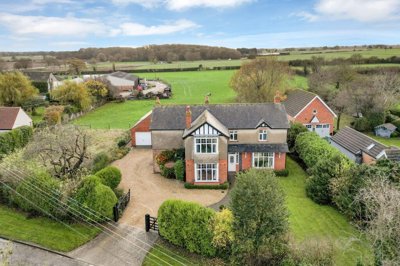
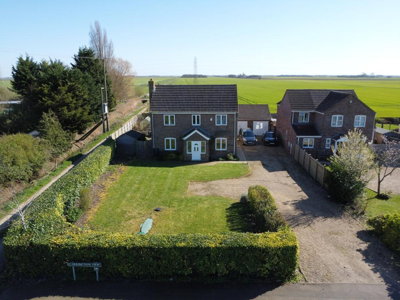
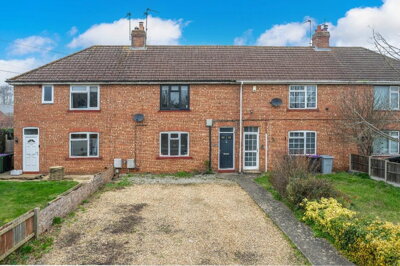
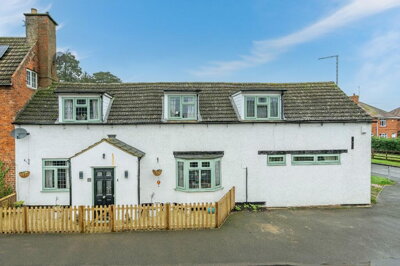
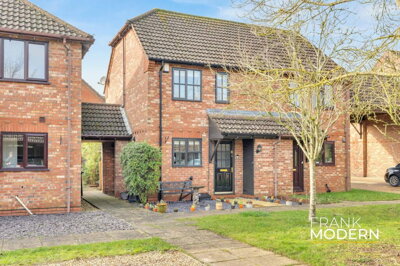
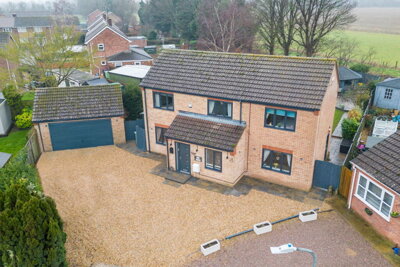
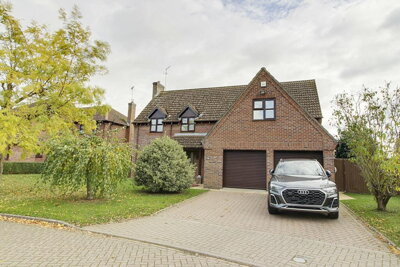
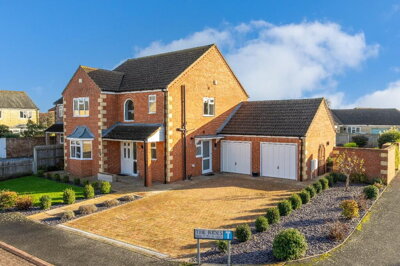
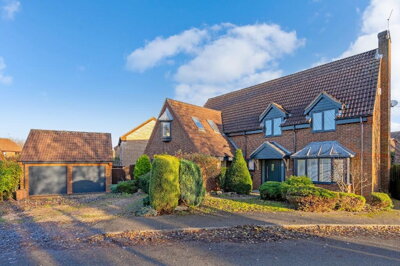
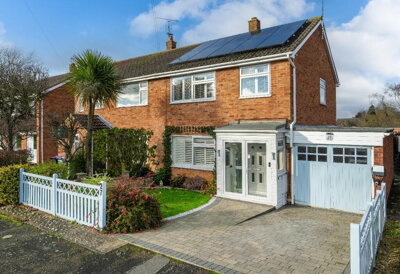
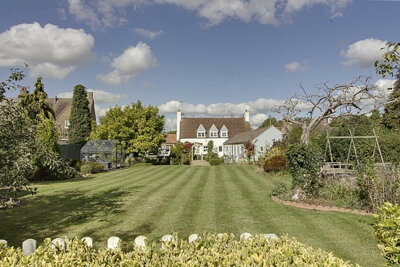
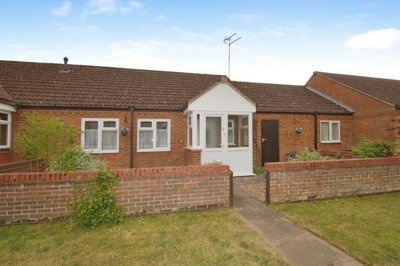
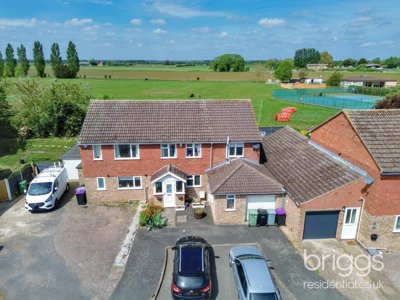
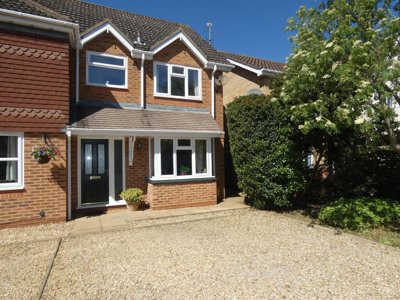
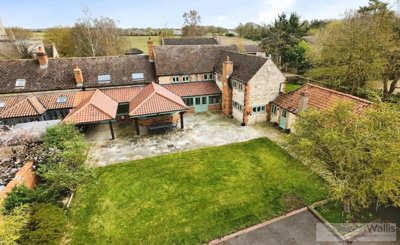
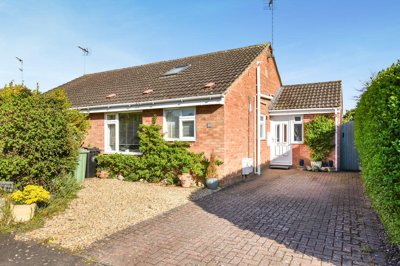
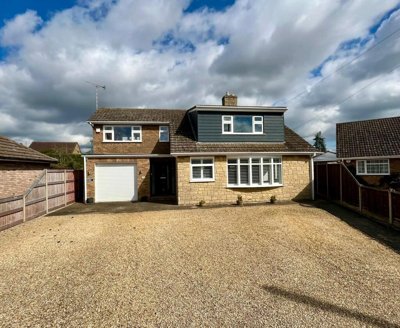
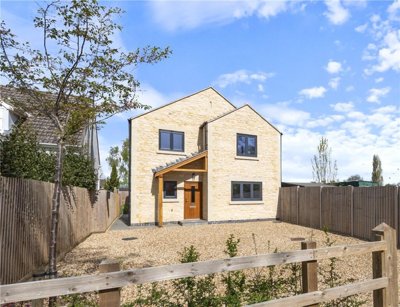
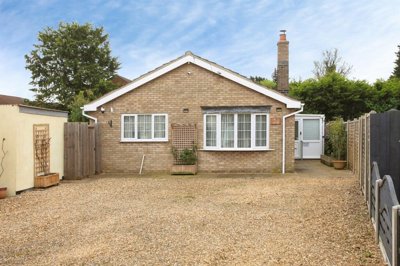
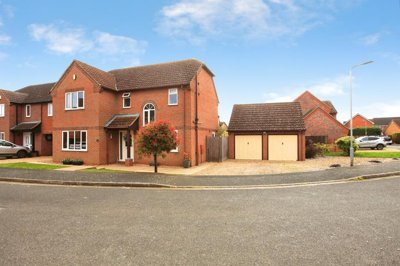
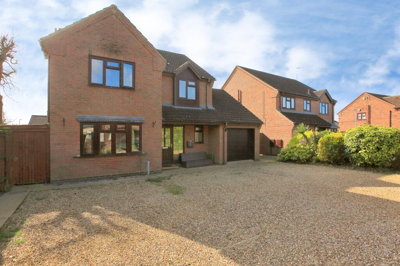
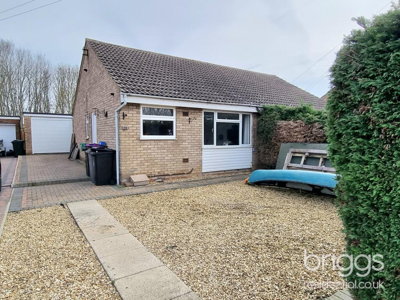
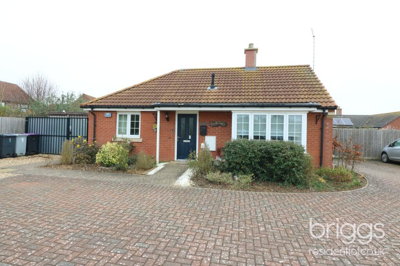
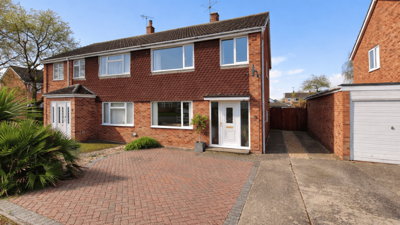
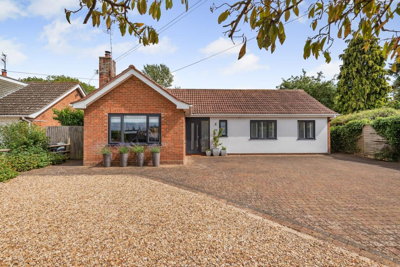
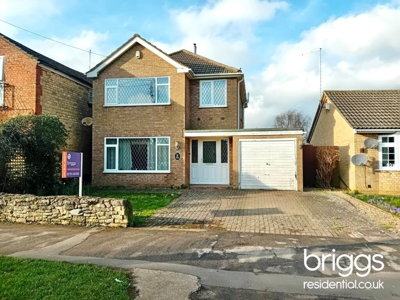
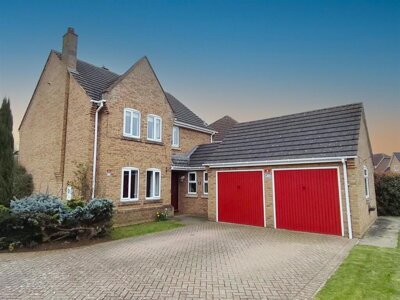
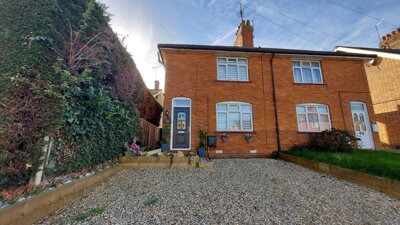
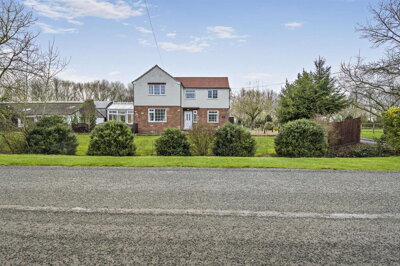
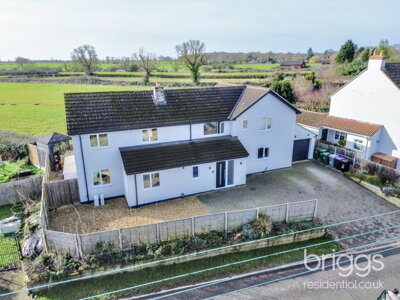
Browse 58 homes for sale in Baston, South Kesteven from local estate agents.
The Baston property market offers detached, semi-detached, and terraced houses spanning various price ranges and neighbourhoods. Each listing includes detailed property information, photographs, and direct contact with the marketing agent.
£383k
10
0
121
Source: home.co.uk
Showing 10 results for Houses for sale in Baston, South Kesteven. The median asking price is £382,500.
Source: home.co.uk
Detached
7 listings
Avg £439,999
Semi-Detached
2 listings
Avg £295,000
Terraced
1 listings
Avg £240,000
Source: home.co.uk
Source: home.co.uk
Baston has proved resilient over the past year, with the average house price at £405,667. That is 12% down from the 2023 peak of £459,000, and it opens the door for buyers who were pushed out in earlier years. Sold-price history points to steadiness rather than sharp swings, so the village looks to have settled into its own level. For anyone hoping to buy in Baston, the present market offers a decent opening.
At £399,935, Baston's average house price sits a touch lower, but the picture is much the same. The market is still 12% beneath the 2023 peak of £459,000, which gives buyers room to move after a few years of being priced out. Sold prices have stayed broadly level against the previous year, so this feels more like a settled market than a volatile one. In a village this popular, that makes now an encouraging moment to look.
New build stock in Baston is thin on the ground, with no large-scale schemes identified in the village itself. Market Deeping and Thurlby, by contrast, have seen modern development, including stone-built homes that sit neatly alongside the area's older character. Buyers set on a new build may need to widen the search, while keeping an eye on Baston's planning applications that could bring fresh homes to the market.

Baston's streets are shaped by South Kesteven's building traditions, and Stamford stone is one of the main signatures. The locally quarried limestone brings warm honey tones and exceptional durability, which is why so many period homes in Baston and the surrounding area still depend on it. Its use goes back centuries, and builders still turn to it for renovation work and new builds that want to sit naturally in the local scene. That heritage helps explain why stone-fronted properties in Baston command premium prices and call for specialist maintenance knowledge.
The village's housing stock mixes older and more recent construction, and many of the period homes rely on solid walls. That building method was standard before cavity wall insulation became common, usually in brick or stone, and it offers good thermal mass while demanding a different approach to insulation and damp control. A RICS Level 2 Survey will look closely at those walls, picking up damp penetration or structural concerns that a normal viewing may miss.
In Baston's older properties, timber still plays a big part, especially in traditional roof structures with rafters and purlins that show their age over time. Our surveyors regularly come across timber rot, woodworm activity, and pointing that has broken down on stone-fronted homes across Lincolnshire. Natural stone outside and timber inside need regular upkeep to keep water ingress at bay and avoid damage later on. Buyers should allow for maintenance costs, especially where previous owners have left work deferred.

Baston captures the feel of English village life without cutting people off from the wider world. It sits on the edge of the Lincolnshire Fens, among flat, fertile farmland and the big skies that define this part of England. Day-to-day life is supported by a village shop, a traditional public house, and community facilities, all of which help create the close-knit atmosphere that keeps families and retirees interested in places like Baston.
History still shows in the streets here, where stone-fronted period homes sit comfortably beside more modern houses. Stamford stone, the locally quarried limestone used so widely in the area, gives many of those properties their familiar look and feel. You see it not just in Baston but in nearby towns too, and it ties the village neatly into the wider building story of the region.
Local events and village organisations keep Baston's community spirit very much alive through the year. The village economy is linked closely to nearby market towns, with residents commuting to Bourne, Market Deeping, Stamford, and Peterborough for work, shopping, and leisure. That set-up gives people a useful balance, peaceful rural living on one hand, and easy access to urban amenities and employment on the other.

Families in Baston have primary schooling options in nearby villages and towns. The surrounding area includes a number of primary schools, and many villages still support their own local primaries, giving younger children a solid start. Parents should check catchment areas and admission policies carefully before buying in Baston, because school placement can make certain streets and addresses much more attractive than others.
Secondary education is available in Bourne, Stamford, and Market Deeping, with grammar school places in some catchments. Stamford, about eight miles from Baston, is particularly well regarded for education and has several primary and secondary schools serving pupils from a wider area. Families moving here should also look closely at school transport and journey times before settling on a property.
Peterborough gives Baston easy access to further and higher education, with colleges and university-level programmes all within reach. That matters for families, because it means children of different ages can stay in education without anyone having to move closer to a major city. It is one of the reasons Baston works so well as a family base.

Baston has good transport links for commuters and for anyone needing regular access to larger towns and cities. The village lies close to the A15, a main route through Lincolnshire that runs south to Peterborough and north to Lincoln. That turns Baston from a quiet rural spot into a practical place to live, with Peterborough city centre approximately 20 miles away and rail links on to London, Birmingham, and the north of England.
From Peterborough station, London King's Cross is around 45 minutes away, which makes the capital a realistic option for people who want to work there but live in the village. Peterborough also has direct trains to Cambridge, Birmingham, and various stops on the East Coast Main Line. For Baston residents, that mix of rail access and village calm is a strong combination.
Bus services do run in the surrounding area, linking Baston with nearby villages and market towns for those who do not want to drive. The flat land of the Lincolnshire Fens also suits cycling, and plenty of residents use two wheels for short trips to local facilities. School transport is generally well established too, which makes daily life easier for families with children travelling to secondary schools in Bourne, Stamford, and Market Deeping.

Detached houses sit at the top of Baston's price range, averaging £454,706. These are often substantial family homes, with stone-fronted exteriors and generous gardens, and they appeal to buyers who value space and traditional craftsmanship. Semi-detached homes average £295,000, giving families a middle ground between size and cost. Terraced properties, at £240,000 on average, are the most affordable route into the village market, often with period touches such as original fireplaces and exposed beams.
Before arranging viewings, we suggest securing a mortgage agreement in principle from a lender. It shows estate agents and sellers that the finance side is already in hand, which can make all the difference in a village like Baston where homes are keenly sought after. It also means we can move quickly once the right place comes up, because buyers here come from across the region.
Our platform can be used to arrange viewings for properties that fit your brief. Once inside a Baston home, think beyond the room layout and look at the neighbourhood, the schools nearby, and the daily commute, so the setting matches the way you live. Stone-fronted houses need a careful eye too, with damp and structural movement worth checking before anything else.
After an offer has been accepted, we recommend a RICS Level 2 Survey (Homebuyer Report) to assess the property's condition. Baston has plenty of period and stone-fronted homes, so this survey is especially useful for spotting structural issues, roof concerns, or damp problems that older houses can throw up. Our inspectors know South Kesteven well and understand the local construction methods.
It is then time to appoint a conveyancing solicitor to deal with the legal side of the purchase. They will run searches, handle Land Registry documentation, and keep the transfer of ownership moving. Local knowledge of South Kesteven district helps here, especially where planning restrictions or other local authority requirements affect the property, including conservation considerations for stone-fronted period homes.
The solicitor will then coordinate exchange of contracts and the final steps to completion. On completion day, the keys to the new home in Baston are handed over, bringing the search in this attractive Lincolnshire village to an end. We recommend arranging buildings insurance before completion and carrying out a careful inventory check of the fixtures and fittings.
Buying in Baston means understanding both the age of the house and the materials it was built from, because maintenance needs can vary quite a bit. Many homes here have stone-fronted exteriors and period construction methods, so a little specialist knowledge goes a long way when judging condition. A full RICS Level 2 Survey will pick up issues common in older properties, including damp penetration through solid walls, timber defects such as rot or woodworm, and traditional roofing materials such as clay tiles or natural slate.
Lincolnshire's clay deposits mean some properties can be affected by shrink-swell movement, especially during drought or after heavy rainfall. Buyers should watch for subsidence, including cracking to walls or door frames that no longer sit squarely in their frames. Modern building methods have dealt with many of these issues, but period homes on the village's older estates may still need close attention to foundations and any sign of historic movement.
Flood risk is another point to think about when assessing a home in Baston, given its position on the edge of the Fens. A proper flood assessment for any individual property needs professional input, but it is still sensible to look at nearby watercourses and the land level around the house. Drainage and guttering matter too, particularly on stone-fronted homes, because natural stone is porous and needs good water management to stop damp getting into the structure.

Start with our listings for property in Baston and get to know the current prices, property types, and the local market conditions. Detached homes average £454,706 and terraced properties start from £240,000, so the price picture gives a useful guide when setting a budget. It also pays to visit at different times of day and speak to local residents, because that gives a far more genuine sense of daily life in Baston before committing to buy.
For council tax, properties in Baston fall under South Kesteven District Council. Bands run from A to H depending on the property's assessed value, though most village homes tend to sit in the B to E range. Exact bands depend on individual valuations and can be checked through the South Kesteven District Council website or with the solicitor during conveyancing. Knowing the band is useful for budgeting, since annual charges vary quite a lot and form a meaningful part of the cost of owning a home here.
Baston has access to primary schools in the surrounding villages, while secondary education is available in Bourne, Stamford, and Market Deeping. Stamford, in particular, is known for the quality of its schools, with several strong primary and secondary options serving pupils from the wider area. Grammar school places are available in some catchments, so parents should check admission policies and boundaries for any property they are considering. For many families, the chance to be near Stamford's schools is a major draw, and some are willing to pay more for a home in the right catchment zone.
The village's position close to the A15 gives it strong road links to Peterborough, Lincoln, and the wider network beyond. Local buses connect Baston to nearby towns and villages, although most households still rely on a car for everyday commuting. Peterborough railway station, about 20 miles away, offers fast services to London at 45 minutes, as well as Birmingham and destinations on the East Coast. Those connections make Baston especially appealing to people working in Peterborough or commuting further afield while keeping a rural base.
Over the past year, Baston's average property price was £399,935. Detached homes average £454,706, semi-detached houses average £295,000, and terraced homes average around £240,000. Prices are still roughly 12% below the 2023 peak of £459,000, even though the market has held steady against the previous year, which gives buyers a better opening than they had not long ago. That correction has made Baston more approachable for people who once saw it as out of reach, and the market looks likely to stay broadly stable as conditions settle.
Baston has strong investment appeal because it combines village character with good transport links to major employment centres. At £399,935 on average, it offers a fairly accessible entry point into a desirable village within commuting distance of Peterborough and its growing job market. Period features, especially stone-fronted homes, tend to hold value well in the Lincolnshire market. The limited supply of new builds within the village helps support demand for existing homes, while rental yields stay competitive with similar villages nearby, which suits both capital growth and rental income plans.
Period homes in Baston, especially those with stone fronts, can bring problems such as damp penetration through solid walls, timber defects that need treatment, and roofing issues associated with older construction. The local clay geology also creates a risk of shrink-swell movement at foundations, which may show itself as cracking or doors that no longer close properly. Our surveyors strongly recommend a comprehensive RICS Level 2 Survey before purchase so structural or maintenance concerns can be identified early, and we would also budget for possible repairs on any period property in the village.
Stamp Duty Land Tax (SDLT) is charged according to the purchase price: 0% on the first £250,000, 5% on £250,001 to £925,000, 10% on £925,001 to £1.5 million, and 12% above £1.5 million. First-time buyers get enhanced relief, with the zero-rate threshold lifted to £425,000 and the 5% band running from £425,001 to £625,000. For a typical £399,935 property in Baston, most buyers would pay no SDLT on the first £250,000, with the rest attracting a 5% charge, while first-time buyers receive full relief under the current thresholds. That first-time-buyer position can free up useful savings for moving costs, home improvements, or furnishings for the new home.
Keeping sight of the full purchase cost in Baston matters, especially when buyers are planning for taxes and fees. For 2024-25, Stamp Duty Land Tax (SDLT) is 0% up to £250,000, then 5% from £250,001 to £925,000, 10% from £925,001 to £1.5 million, and 12% above £1.5 million. On a typical Baston home at £399,935, a buyer would pay nothing on the first £250,000, and 5% on the remaining £149,935, which comes to £7,496.75.
First-time buyers benefit from enhanced SDLT relief, with the zero-rate threshold lifted to £425,000 and the 5% band running from £425,001 to £625,000. That means first-time buyers purchasing at the Baston average of £399,935 would pay no SDLT at all, which is a sizeable saving compared with buyers who do not qualify for the relief. The relief disappears entirely above £625,000, so it is worth confirming eligibility before working out the budget. We recommend speaking with a mortgage broker or financial adviser to understand the available tax reliefs and how they apply to a specific purchase.
Properties for Sale In London

Properties for Sale In Plymouth

Properties for Sale In Liverpool

Properties for Sale In Glasgow

Properties for Sale In Sheffield

Properties for Sale In Edinburgh

Properties for Sale In Coventry

Properties for Sale In Bradford

Properties for Sale In Manchester

Properties for Sale In Birmingham

Properties for Sale In Bristol

Properties for Sale In Oxford

Properties for Sale In Leicester

Properties for Sale In Newcastle

Properties for Sale In Leeds

Properties for Sale In Southampton

Properties for Sale In Cardiff

Properties for Sale In Nottingham

Properties for Sale In Norwich

Properties for Sale In Brighton

Properties for Sale In Derby

Properties for Sale In Portsmouth

Properties for Sale In Northampton

Properties for Sale In Milton Keynes

Properties for Sale In Bournemouth

Properties for Sale In Bolton

Properties for Sale In Swansea

Properties for Sale In Swindon

Properties for Sale In Peterborough

Properties for Sale In Wolverhampton

Enter your details to see if this property is within your budget.
Loans, cards, car finance
Estimated property budget
Borrowing + deposit
You could borrow between
Typical borrowing
Monthly repayment
Est. at 4.5%
Loan-to-value
This is an estimate only. Your actual budget may vary depending on interest rates, credit history, and personal circumstances. For an accurate affordability assessment, speak to one of our free mortgage advisors.
This calculator provides estimates for illustrative purposes only and does not constitute financial advice. Your home may be repossessed if you do not keep up repayments on your mortgage. Estimates based on 4.5% interest rate, repayment mortgage. Actual rates depend on your circumstances.
Homemove is a trading name of HM Haus Group Ltd (Company No. 13873779, registered in England & Wales). Homemove Mortgages Ltd (Company No. 15947693) is an Appointed Representative of TMG Direct Limited, trading as TMG Mortgage Network, which is authorised and regulated by the Financial Conduct Authority (FRN 786245). Homemove Mortgages Ltd is entered on the FCA Register as an Appointed Representative (FRN 1022429). You can check registrations at NewRegister or by calling 0800 111 6768.

We use cookies to show you personalised content and improve your experience of our website. Find out more in our Privacy policy and Cookie policy.