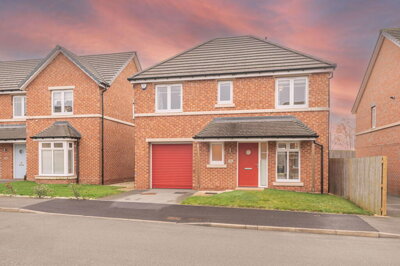
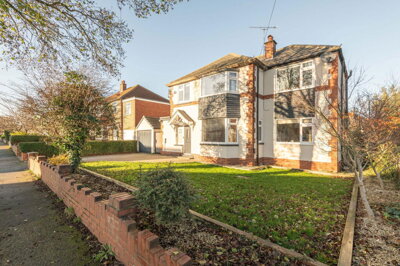
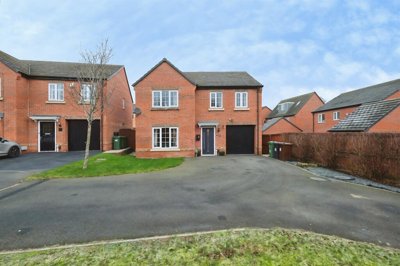
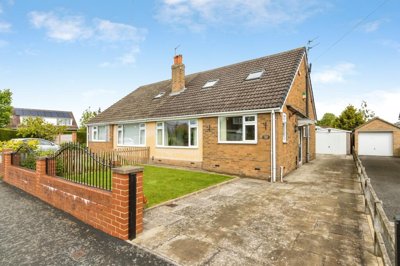
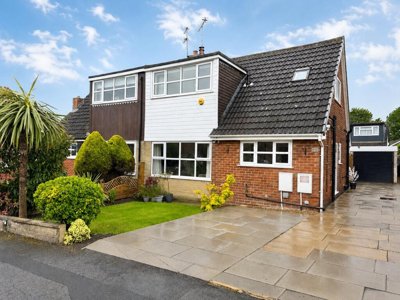
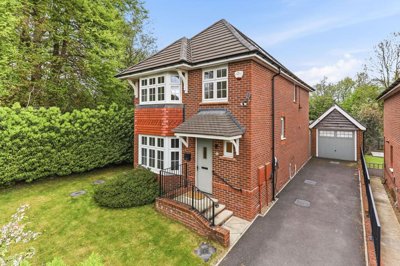
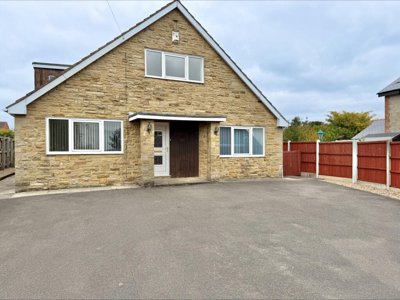
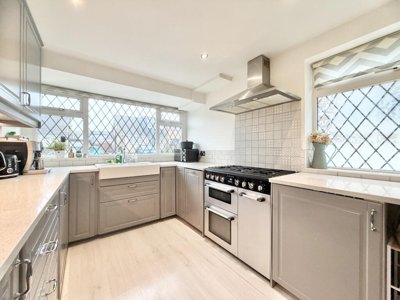
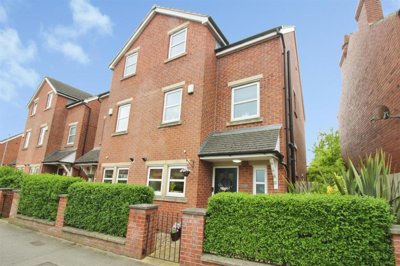
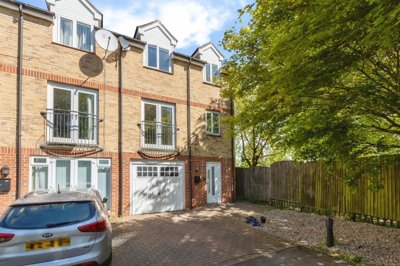
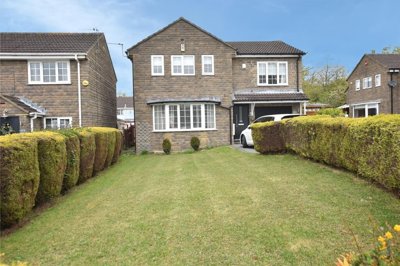
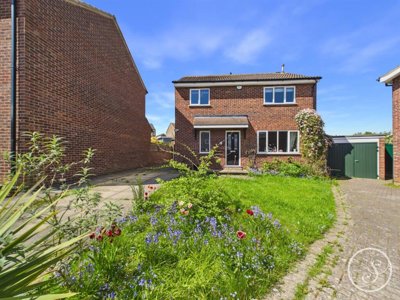
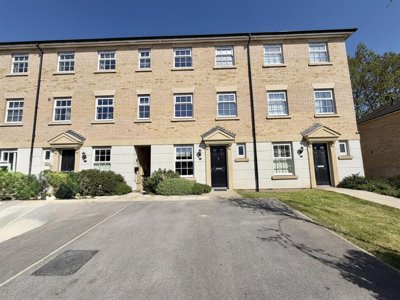
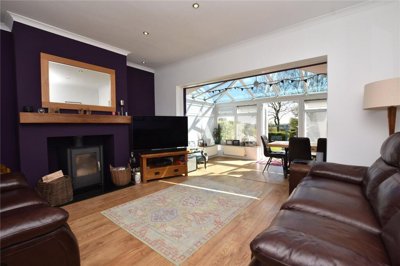
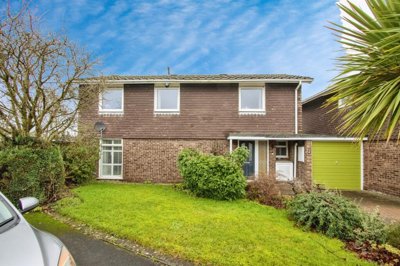
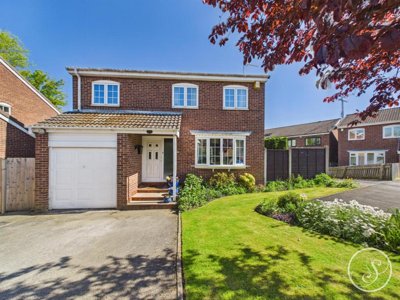
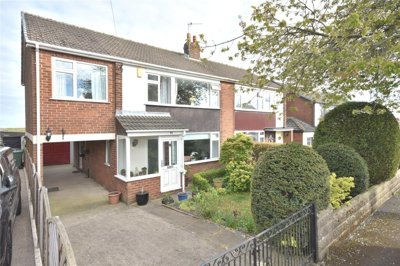
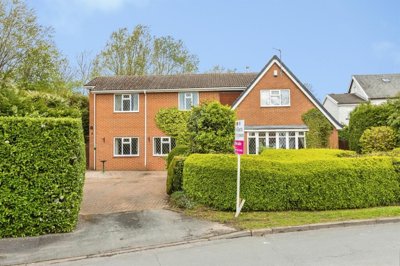
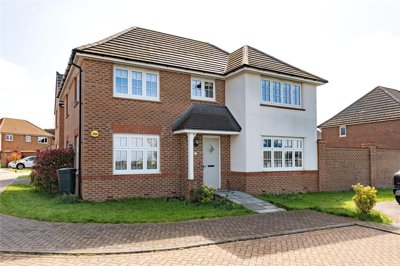
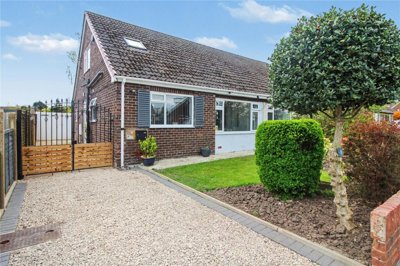
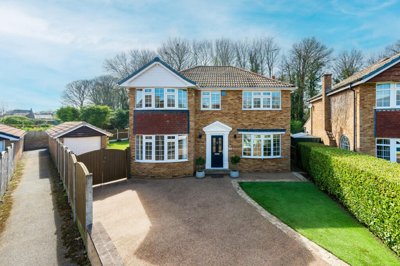
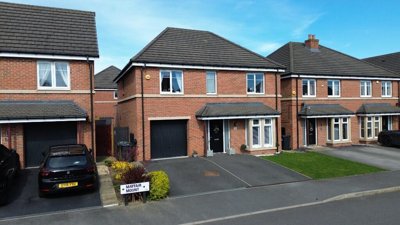
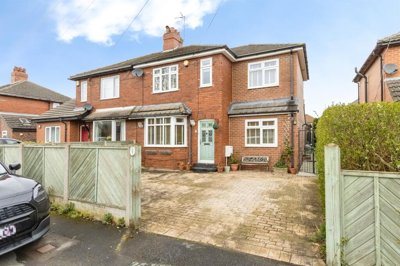
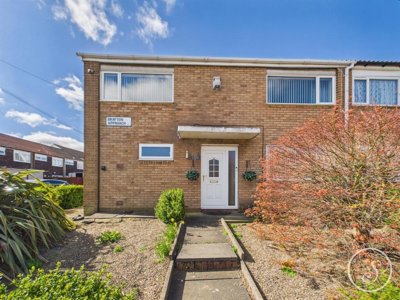
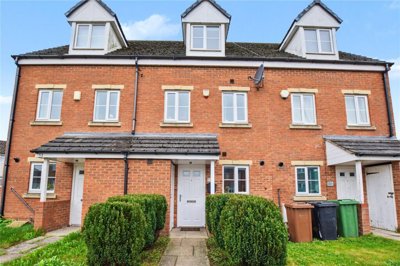
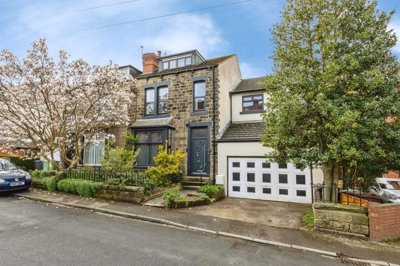
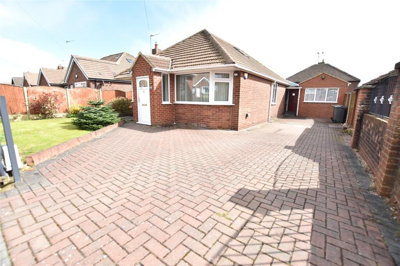
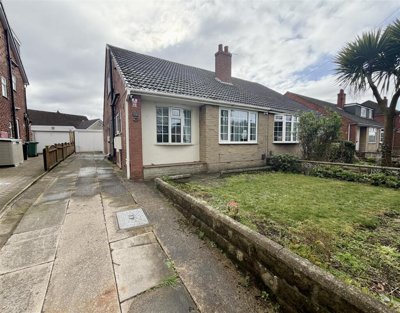
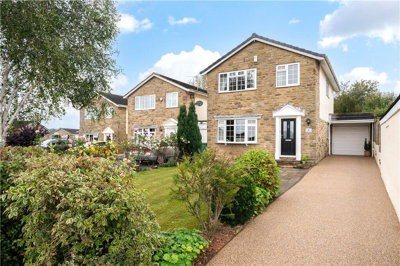
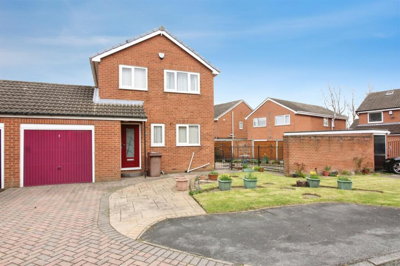
Browse 97 homes for sale in Barwick in Elmet and Scholes from local estate agents.
The larger property sector typically features multiple bathrooms, substantial reception space, and private gardens or off-street parking. Four bedroom houses in Barwick In Elmet And Scholes span detached, semi-detached, and occasionally terraced configurations, with styles ranging from period properties to modern executive homes.
homedata.co.uk shows that sold prices in Barwick in Elmet and Scholes are down by 12.5% over the last 12 months, so this is not a market that feels overheated. The average price paid, £365,000, sits around the middle of the local spread, and that spread still runs from smaller family homes up to much larger detached properties. Recent sales have included £242,500 and £300,000, as well as £570,000 and £610,000. For buyers weighing different budgets, that range gives the parish genuine choice.
Recent sales tell a clear story. In November 2025, homes sold for £325,000, £242,500 and £319,000, while October 2025 saw deals at £570,000 and £610,000. Earlier in 2025, prices of £452,000 and £300,000 showed that established family housing was still moving across the parish. We have not identified any active new-build developments with named schemes, developer details or live price brackets in the research results, so the market currently appears to lean heavily towards older stock. That will suit plenty of buyers, especially those after settled streets, mature plots and homes with more character.
Demand here looks steady rather than speculative, which is useful to know if you are setting this parish against newer suburbs on the edge of Leeds. That softer movement in sold prices may create an opening for buyers who were previously priced out, particularly if their deposit is ready and the mortgage decision is already in place. Even so, the upper end still has enough strength to support detached family houses with bigger gardens and parking. To judge value properly, we would compare the latest homes on home.co.uk with the sold evidence on homedata.co.uk.

Geology has left a visible mark on Barwick-in-Elmet. The village stands on the edge of the Southern Magnesian Limestone ridge, and hard grey limestone still gives many parts of the place their look, with stone boundary walls turning up throughout. Brick and rendered finishes appear as well. Scholes, by contrast, has more of a brick character, which ties in with its later development and the coming of rail links in the 19th century. Put together, the parish carries both old village texture and more practical suburban housing.
What sits below the houses matters just as much here. To the west and south of Barwick, coal measures sandstone and local coal seams are close to the surface, while glacial till and head deposits add sandy clay, gravel and boulder material to the soil profile. Scholes also stands on rough rock formation, sandstone and lower coal measures. That is why buyers should think carefully about drainage and possible building movement. Older properties can reward a thorough survey, because local geology and historic mining activity may shape maintenance issues over time.
On the ground, this feels more like a village district than a busy urban neighbourhood. That is a large part of why people look here. There are green edges, quieter roads and a strong local identity, which appeals to buyers wanting more room without cutting ties with Leeds. The housing stock also feels settled, built up over generations rather than arriving in one sweep. If that kind of setting suits you, this part of east Leeds deserves a closer look.
For many buyers in Barwick in Elmet and Scholes, schools are part of the plan for the next few years, not just the next move. The research pack did not include live Ofsted grades or current catchment maps, so we would always check the latest Leeds City Council admissions information before an offer goes in. In villages, school place boundaries can carry extra weight, and even small postcode differences may affect where a child can apply. Early checking matters every bit as much as the viewing.
Most families start with the local primary schools serving the parish, then widen the search to the secondary options used across east Leeds and the broader Garforth and Leeds corridor. If a particular catchment matters, it makes sense to shortlist homes only after checking the route to school, the admissions zone and the latest school transport rules. Houses close to the right school often hold value well, simply because family demand stays consistent. We also find that a mortgage agreement in principle helps, as popular family homes can move quickly once school-year planning begins.
Anyone new to the parish should ask how the school journey works in real life, not just where the building is on a map. Morning traffic matters. Walking routes matter. So does whether a child can travel independently. In a place like this, where village roads and commuter routes meet, the right home is often the one that gets the balance right between space, school access and a manageable daily routine. That balance is one reason family demand tends to stay steady in established parts of Leeds.

Barwick in Elmet and Scholes works best as a road-led commuter spot, with most everyday travel centred on the car and local bus links. The parish is within reach of Leeds, and the wider east Leeds road network also gives access towards York and the A1 and M1 corridor. There is no major station within the parish itself, so rail commuters usually look outside the village boundary for the nearest options. For some buyers, that is no drawback at all, because it often means less rail noise and a calmer residential setting.
Parking is not a side issue here. For households with two cars, or with regular visitors, it can be central to the buying decision. Older village streets may be tighter than newer estates, so it is worth paying close attention to driveways, garages and on-street space when viewing. Cycling can work on quieter local roads and surrounding lanes, though school-run traffic can make certain stretches feel much busier at key times. If the commute matters, we would test the route at the same time of day you expect to travel, because a short journey on paper can feel very different in rush hour.
Many buyers weigh this parish against more urban parts of Leeds and decide the trade-off works in its favour. The pull is fairly obvious, quieter residential surroundings, more breathing space around the house and a stronger village feel, while still keeping access to the city's jobs market. If public transport is part of everyday life, check the timetable against your routine before committing to a purchase. In households that mix car use with rail travel, the transport plan can matter just as much as the asking price.
We would start with the current listings on home.co.uk and set them against sold evidence from homedata.co.uk, then decide whether the limestone character of Barwick, the more brick-led feel of Scholes, or something between the two suits you best.
Before arranging serious viewings, get a mortgage agreement in principle in place. Village homes can draw quick interest when the pricing is fair and the plot or parking stands out.
Try to visit more than once if possible, and see the road, the parking situation and the pressure from the school run at different times of day. That gives a much truer read on daily life.
Older stone, brick and mixed-material homes in this area often justify a careful RICS survey, especially where local geology, historic mining or drainage could affect the building fabric.
It helps to have a good conveyancer early on. They can check title, searches, boundaries, conservation issues and any leasehold terms before matters get too advanced, which can head off last-minute delays.
After the offer is agreed, keep the paperwork, funds and mortgage offer in order so exchange and completion can move smoothly once everyone is ready.
Older homes in Barwick in Elmet can be very appealing, but they need a careful look. Hard grey limestone, brick and rendered finishes weather differently, and tidy-looking repairs can still conceal problems if the wrong materials have been used. In stone buildings, breathable walls are important, so hard cement pointing or non-breathable paint may trap moisture where the structure needs to dry naturally. A surveyor with a sound grasp of traditional Yorkshire housing can be worth every penny here.
Survey stage is also the point to ask the right questions about the ground beneath the property. Glacial till, sandy clay, coal measures and near-surface seams can all affect movement, drainage and the risk of historic subsidence-related issues. We would want to see evidence of repairs, insurance history and any previous claims where a property has a more complicated past. If the house is close to a conservation area, or in a notably traditional part of the parish, check whether windows, roofs, boundary walls and extensions needed permission before the work was carried out.
Houses are more common than flats in this part of Leeds, but any leasehold purchase still needs slow, careful reading of the service charge and ground rent paperwork. Village properties can also come with outbuildings, shared drives or informal arrangements that a solicitor should pin down properly. Even a purchase that looks straightforward can hide boundary or access issues, especially around stone walls, narrow plots and older lanes. Taking a more forensic approach at the start often saves money later.
As of 18 February 2026, homedata.co.uk shows an average price paid of £365,000 in the area. Recent sold prices run from £242,500 up to £610,000, which points to a wide mix of property types and plot sizes. Sold values have also fallen by 12.5% over the last 12 months, so buyers may have slightly more room to negotiate than they did a year ago. For the clearest view of the market, compare those sold figures with the latest listings on home.co.uk.
Council tax is set by the individual property rather than the village as a whole, and the local authority here is Leeds City Council. The band depends on the home's assessed value at the relevant valuation date, which is why two nearby houses can sit in different bands. It is worth checking the exact address before budgeting, because a detached family house and a smaller terrace will often land in different band levels. We would expect your solicitor to raise this during conveyancing as well.
The research pack did not include live school rankings, so the safest route is to check current Ofsted reports and Leeds City Council catchment maps on the day you view. Families tend to begin with the local primary options serving the parish, then move on to secondary schools across east Leeds and the Garforth corridor. The right choice often comes down to current admissions zones rather than reputation alone. If school access is high on the list, ask the agent how the route works at peak times and during the school run.
This parish is more car-led than central Leeds, though it can still suit people commuting into the city or across east Leeds. There is no major station inside the parish itself, so rail users generally depend on nearby stations outside the village boundary. Road routes and bus links do much of the work here, and many buyers like the quieter roads and easier parking that often come with that arrangement. If travel is part of the daily routine, test the journey before offering.
It can be a good place to buy, especially for people after a steady village market, family appeal and not much new-build competition. homedata.co.uk records 40+ recent sales and a 12.5% annual fall in sold prices, which may give some purchasers a more comfortable entry point. Demand from households looking for space, character and access to Leeds tends to underpin the area over time. Still, the better investment usually comes from buying the right house at the right price, not from chasing a postcode on its own.
On a purchase at £365,000, a standard buyer would pay 5% on the portion between £250,000 and £365,000, giving a stamp duty bill of £5,750. A first-time buyer pays 0% up to £425,000, so at the local average there would usually be no stamp duty to pay. Above £425,000, that relief starts to taper, and above £625,000 it disappears altogether. We would also budget for legal fees, survey costs and moving expenses.
We did not find any active new-build developments with named schemes, developer details or live price brackets in the research results. So at present, the market appears to be weighted more towards existing homes than brand-new stock. For plenty of buyers, that is part of the attraction, because older homes here often come with stronger character and more established plots. If a new-build is the goal, keep an eye on home.co.uk and widen the search to nearby eastern Leeds locations.
Pay close attention to the structure, drainage and any signs of movement in older stone or brick walls. Local geology here includes limestone, sandstone, coal measures and glacial deposits, so a sensible survey should take a careful look at cracks, damp and any record of subsidence or repair. Where the property has been altered, ask to see the paperwork for extensions, replacement windows and roof works. A solid survey and a capable solicitor can save a good deal of time later on.
Stamp duty is one of the larger costs to plan for in Barwick in Elmet and Scholes, especially if you are moving up the ladder. For standard residential purchases in 2024-25, the bands are 0% up to £250,000, 5% from £250,000 to £925,000, 10% from £925,000 to £1.5 million and 12% above £1.5 million. First-time buyers pay 0% up to £425,000 and 5% from £425,000 to £625,000, with no relief above £625,000. Those thresholds matter locally because the average paid price of £365,000 still sits within the range where a first-time buyer can avoid SDLT.
A standard buyer paying the average price would face a £5,750 stamp duty bill, based on 5% of the amount above £250,000. At that same purchase level, a first-time buyer would pay nothing, which can make a noticeable difference to deposit planning and monthly affordability. Higher-value homes in the recent market, including £570,000 and £610,000, will come with a bigger tax bill, so it is worth calculating that cost before committing. Add in legal fees, survey costs, moving costs and any mortgage arrangement fees to see the full picture before you make an offer.
Properties for Sale In London

Properties for Sale In Plymouth

Properties for Sale In Liverpool

Properties for Sale In Glasgow

Properties for Sale In Sheffield

Properties for Sale In Edinburgh

Properties for Sale In Coventry

Properties for Sale In Bradford

Properties for Sale In Manchester

Properties for Sale In Birmingham

Properties for Sale In Bristol

Properties for Sale In Oxford

Properties for Sale In Leicester

Properties for Sale In Newcastle

Properties for Sale In Leeds

Properties for Sale In Southampton

Properties for Sale In Cardiff

Properties for Sale In Nottingham

Properties for Sale In Norwich

Properties for Sale In Brighton

Properties for Sale In Derby

Properties for Sale In Portsmouth

Properties for Sale In Northampton

Properties for Sale In Milton Keynes

Properties for Sale In Bournemouth

Properties for Sale In Bolton

Properties for Sale In Swansea

Properties for Sale In Swindon

Properties for Sale In Peterborough

Properties for Sale In Wolverhampton

Enter your details to see if this property is within your budget.
Loans, cards, car finance
Estimated property budget
Borrowing + deposit
You could borrow between
Typical borrowing
Monthly repayment
Est. at 4.5%
Loan-to-value
This is an estimate only. Your actual budget may vary depending on interest rates, credit history, and personal circumstances. For an accurate affordability assessment, speak to one of our free mortgage advisors.
This calculator provides estimates for illustrative purposes only and does not constitute financial advice. Your home may be repossessed if you do not keep up repayments on your mortgage. Estimates based on 4.5% interest rate, repayment mortgage. Actual rates depend on your circumstances.
Homemove is a trading name of HM Haus Group Ltd (Company No. 13873779, registered in England & Wales). Homemove Mortgages Ltd (Company No. 15947693) is an Appointed Representative of TMG Direct Limited, trading as TMG Mortgage Network, which is authorised and regulated by the Financial Conduct Authority (FRN 786245). Homemove Mortgages Ltd is entered on the FCA Register as an Appointed Representative (FRN 1022429). You can check registrations at NewRegister or by calling 0800 111 6768.

We use cookies to show you personalised content and improve your experience of our website. Find out more in our Privacy policy and Cookie policy.