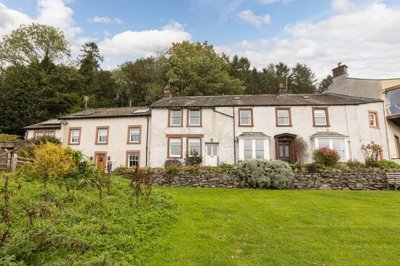
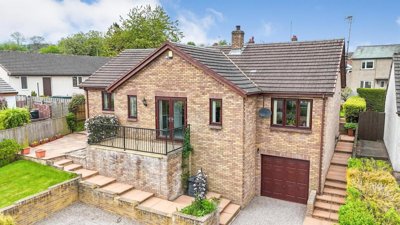
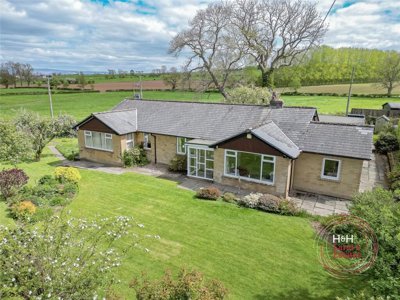
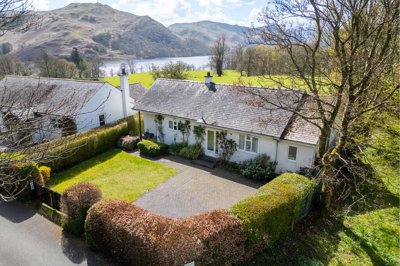
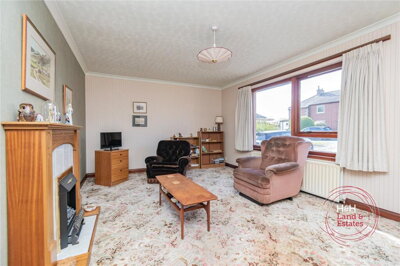
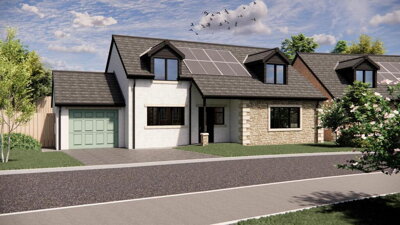
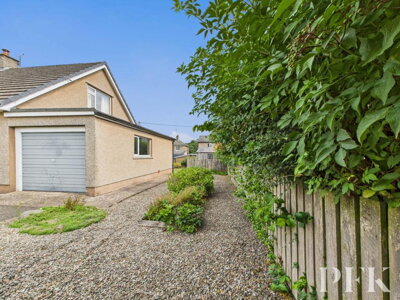
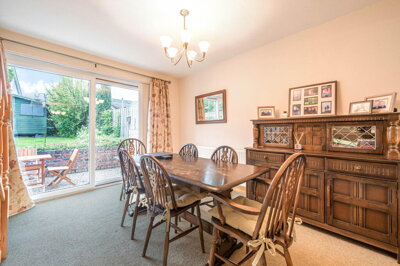
Browse 14 homes for sale in Barton from local estate agents.
Three bedroom properties represent a significant portion of the Barton housing market, offering space for families with multiple reception rooms and gardens in many cases. Browse detached, semi-detached, and terraced options ranging from period character homes to contemporary developments.
We see the Westmorland and Furness property market as a fairly nuanced one for buyers looking at Barton. Over the past twelve months, prices across the wider district have stayed notably steady, with the average at £228,000 as of December 2025, only 1.0% down on the previous year. That kind of resilience says plenty about Cumbrian life, where the draw is quality of life rather than investment chatter. For buyers, it points to a market where patience and judgement count for more than speed.
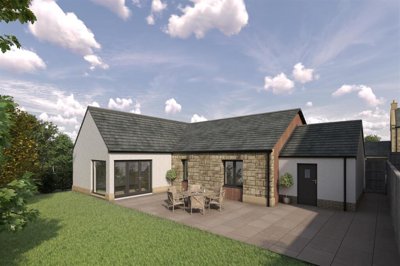
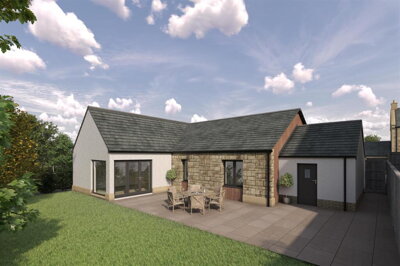
Homes here come in a wide spread of types, so different budgets do have room to breathe. Semi-detached properties average around £247,000, which is why families often favour them for a sensible mix of space and value. Detached houses, often built in the stone style seen throughout this part of Cumbria, sit at approximately £386,000 and usually bring the larger gardens and extra room that many buyers want. Flats and maisonettes are less common in this rural setting, but they start from around £133,000 and can suit first-time buyers or people downsizing. At Barton View in Penrith, recent data shows contemporary detached homes around the £400,000 mark in locations that are in strong demand.
Price movement over 12 months tells a slightly different story by property type. Detached homes have shifted the most, while semi-detached houses have stayed impressively stable, which suggests families still see clear value in this part of the market. Flats have dropped by 4.5%, and that may open a door for first-time buyers or investors focused on the lower end. Reading those figures well gives buyers a better chance to time a purchase sensibly and negotiate with confidence.

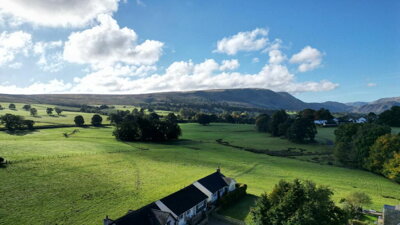
Life in Barton and the wider Westmorland and Furness area follows the pace of rural Cumbria. Rolling farmland, dry stone walls cutting across the hillsides, and the Lake District fells in the distance shape the landscape. Village pubs, churches, and community halls still act as the social centre of many settlements. People know their neighbours here. That matters.
Agriculture, tourism, and the service businesses that support both make up much of the local economy. Village life often includes farm shops selling local cheese, meat, and preserves, while the Lake District National Park brings a steady flow of visitors who use hotels, restaurants, and outdoor activity firms. For residents, that means access to fresh produce, striking scenery for daily walks, and a tourism economy that helps keep local services viable in places where purely residential villages can struggle.
Seasons shape this corner of Cumbria more than they do in many other parts of England. Spring brings lambs into the nearby fields, summer stretches out into long evenings for fell walks or pub gardens, autumn turns the hills into a sweep of colour, and winter, while harder going, gives the fells and villages a particular beauty. Each season brings a different tempo, along with local events, traditions, and a shared appreciation of living in one of England's most beautiful counties.

Education in the Barton area of Westmorland and Furness serves a scattered rural population. Small village primary schools tend to be close-knit places, where teachers know pupils by name and older children often help younger ones through mixed-age activities. For secondary school, families usually travel on to larger places such as Penrith or nearby market towns, where the curriculum is broader and specialist facilities are easier to provide.
Parents thinking about a move to Barton should look carefully at catchments, because distances can be significant in a rural area. Many families weigh up the advantages of a village primary school against the commute to secondary education, and that can shape what they choose to buy. Smaller class sizes are common, which can mean more individual attention, although facilities are often more modest than in urban schools.
Independent schools are also part of the picture for some families in Westmorland and Furness, with options available in nearby towns. Specific schools can be checked on the Ofsted website, and travel should be part of the decision too, as rural distances may mean bus transport is needed. We always find that visiting schools and speaking to parents already there gives a clearer view than official figures alone.

Transport from Barton and the wider Westmorland and Furness area reflects its position on the edge of the Lake District, so there is a clear trade-off between rural calm and access to larger places. The M6 motorway runs through the eastern part of the district, giving relatively straightforward routes to Manchester, Liverpool, and the wider motorway network. Reaching it still means a decent drive, or using the A66 or A591 trunk roads that tie the area into the rest of the road system.
Public transport in rural Cumbria is, by necessity, thinner on the ground than in towns and cities, with bus services running less frequently because the population is so spread out. Mainline train services are available at Penrith and possibly other larger towns within reasonable driving distance, with East Coast Main Line links to Edinburgh, Newcastle, Leeds, and London. For residents who work from home, or whose employers are flexible, the broadband now available in the area can make rural living compatible with professional life. Anyone who needs a daily city commute should think carefully about travel times and rail station parking.
For people who travel regularly for work, proximity to the M6 corridor is a major factor when choosing where to buy in Barton. Homes nearer the A66 trunk road give quicker access to the motorway network, while more remote spots offer more peace but need better planning for any commute. Many residents feel the quality of life in this part of Cumbria more than makes up for the travel, especially now that flexible and remote working are increasingly common.

Start by looking through property listings across the Barton area so you can get a feel for the price range by type. With average prices from £185,000 for terraced homes up to £386,000 for detached properties, it helps to know exactly what your budget covers here. Take time to learn the different villages too, because each one has its own character and price pattern.
Before you book viewings, speak to lenders or brokers and get an agreement in principle. That confirmation of your finances can make your offer stronger, especially in a market where local buyers who know the area may be chasing the same homes. Rural mortgage specialists may also know about products that fit older or non-standard construction, which is common around here.
Once you have a shortlist, arrange viewings and use them to judge more than just the house itself. The street, local amenities, transport links, and the feel of the village community all matter. Ask the selling agent about the area, recent sales nearby, and anything that could affect value. We always recommend making notes, because details blur quickly when you compare several properties.
Before you complete the purchase, arrange a Level 2 Survey (Homebuyer Report) on the property. A qualified RICS surveyor will check for defects, construction or material concerns, and anything that needs further investigation, giving you crucial information before you commit. For older stone-built homes in Barton, that professional review is especially useful.
Choose a solicitor who knows Cumbrian property transactions well to handle the legal work. They will carry out searches, deal with contracts, speak with the seller's representatives, and guide you through exchange and completion. Local solicitors are usually familiar with the specific issues that can affect homes in the Westmorland and Furness area.
When the searches come back clear and contracts are exchanged, the last step is to arrange final payment and transfer the property. On completion day, the keys are handed over and your new home in Barton is yours, ready for the next chapter in this part of Cumbria.
Traditional Cumbrian construction is common in Barton and across Westmorland and Furness, and it gives homes plenty of character, though it also calls for a careful eye. Stone-built properties are sturdy and attractive, but older building methods can bring maintenance needs of their own. Roofs deserve close attention, because repairs to slate or stone tile coverings can be more expensive than modern alternatives. A RICS Level 2 Survey gives the professional assessment needed before you buy.
The rural setting also means we would always check practical matters that might not show up in a short viewing. Villages without mains sewage need drainage arrangements checked properly. Access roads and driveways may come with rights of way or maintenance responsibilities that affect both cost and day-to-day use. In places that feel winter weather more sharply, it is sensible to look at heating capacity, insulation quality, and the condition of any oil or LPG gas systems where mains gas is not available.
Many homes in Barton pre-date modern building regulations, so electrics, plumbing, and insulation may not meet current standards. Wiring in properties from before the 1960s or 1970s often needs updating, and solid wall construction without cavity insulation can mean heating bills are higher than buyers expect. Getting to grips with that before purchase helps with budgeting and avoids nasty surprises after moving day. A thorough RICS Level 2 Survey will flag any electrical installations that need attention and assess the overall state of services throughout the home.

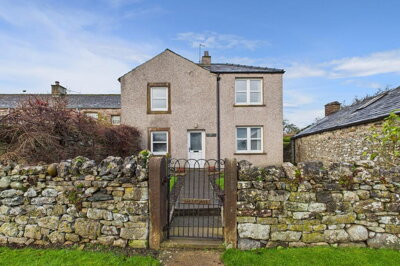
Centuries of occupation and gradual development have given the housing stock in Barton and Westmorland and Furness a real mix of property types. Traditional Cumbrian stone cottages are a defining part of the local scene, with thick walls, slate or stone tile roofs, and layouts that can feel delightfully quirky because of their age. They are full of character, but they may need regular maintenance investment if they are to stay in good condition.
Terraced homes, averaging around £185,000, are the most affordable way into the local market. They often use the same traditional building methods as detached houses, but shared walls can help with thermal performance. Many terraces here have been carefully modernised over the years, so period features sit alongside newer kitchen and bathroom fittings. That relative affordability makes this type especially appealing to first-time buyers wanting a foothold in this desirable part of Cumbria.
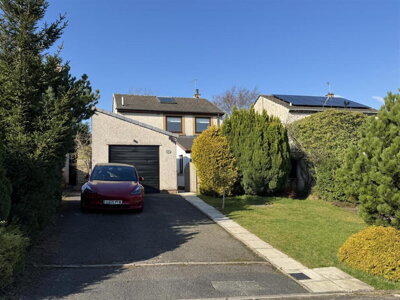
Semi-detached and detached family houses sit at the centre of the middle market, with average prices of £247,000 and £386,000. They often come with bigger gardens, extra parking, and more generous accommodation, which suits growing families or people working from home. Newer schemes in the area, including Barton View in Penrith, show how modern construction can sit comfortably beside traditional looks, with contemporary layouts in a Cumbrian setting. Characterful older homes and newer properties with warranties both have a place here, and we would always advise buyers to explore both.

Buying in Barton involves more than just finding a home that fits your budget. Stamp Duty Land Tax is a significant part of the calculation, although buyers in this part of Cumbria are often in a better position than many others. With the average property price in Westmorland and Furness at £228,000, many purchases fall entirely within the zero-rate band, so no SDLT is due. First-time buyers buying up to £425,000 also get full relief, which makes Barton especially accessible for those stepping onto the ladder for the first time.
Beyond Stamp Duty, there are solicitor fees for conveyancing to plan for, usually from £500 to £1,500 depending on how complex the deal is and whether the property is freehold or leasehold. A RICS Level 2 Survey typically costs from around £350 to £600, depending on the size of the property, and that money is well spent if it uncovers defects before you commit. Surveyors in Cumbria know traditional construction methods well and can give advice that fits local building practice. You should also allow for removal costs, possible redecoration or renovation spending, and utility connection charges at the new address.
Homes with non-standard construction, including those with thatched roofs or listed building status, may need extra specialist surveys, which adds to the total cost but gives useful protection before you buy. We also advise allowing for buildings insurance from completion, which can be dearer on older properties, as well as the cost of any immediate repairs or improvements highlighted by the survey. A budget that includes all of that gives a much smoother route to completion and helps stop financial surprises disrupting the move.
Across the Westmorland and Furness district, the average house price is approximately £228,000 as of December 2025, with terraced homes at around £185,000, semi-detached homes at £247,000, and detached properties at approximately £386,000. Flats and maisonettes average around £133,000. The market has held up well, with only a 1.0% annual decline over the previous twelve months, which shows steady demand for Cumbrian property even while broader national conditions have moved around more sharply.
Council tax bands in Westmorland and Furness follow the standard Valuation Office Agency classifications. Homes in this part of Cumbria sit across all bands depending on value and features, although the mainly rural stock means plenty fall into bands A through C, which reflects lower property values than you would usually see in urban areas. Before you make an offer, check the specific details on the local authority website or ask the selling agent for the council tax band, because it will shape the ongoing running costs that need to sit in your monthly budget.
Primary education in the Barton area is provided by village schools that parents often praise for their community feel and the attention given to pupils as individuals. Secondary pupils usually move on to schools in nearby towns, where the facilities and curriculum options are broader. The Ofsted website is the place to check the quality of specific schools, and travel arrangements matter too, since rural distances can mean bus transport adds time to the school day. Local visits and conversations with current parents often tell a fuller story than official statistics.
Rural Cumbria does not have the same level of public transport as a town or city, which is hardly surprising given the scattered villages and low population density that make frequent services difficult to run economically. Buses do operate, but not at frequencies that work well as a primary commuting method for most people. Penrith and possibly other larger towns within reasonable driving distance have the nearest mainline railway stations, with connections to major cities on the East Coast Main Line. The M6 motorway runs through the eastern side of the district, so for most residents who need to commute or reach larger centres, cars remain the most practical option.
Property in Barton and the wider Westmorland and Furness area offers a different kind of value from the urban investment stories that tend to dominate the market conversation. Rental yields may be more modest than in cities, yet the stability shown by only a 1.0% annual price change points to lower volatility and less risk. Demand is supported by the enduring appeal of Cumbrian living and by the growth in remote working, which lets more professionals live where there is good broadband rather than close to an office. Homes with character, good gardens, and easy access to the Lake District tend to hold their value well over time.
Stamp Duty Land Tax on standard purchases starts at 0% on the first £250,000 of property value, then rises to 5% on the portion between £250,001 and £925,000. For homes above £925,000, the rates increase further to 10% and then 12% on amounts above £1.5 million. First-time buyers have higher thresholds, paying 0% on the first £425,000 and 5% between £425,001 and £625,000. With the average property price at £228,000 across Westmorland and Furness, many buyers here will pay no SDLT at all, which is a significant saving compared with more expensive parts of the country.
Older houses in this part of Cumbria were often built with traditional methods and local materials, including Cumbrian stone walls and slate roof coverings. They are usually solid and long-lasting, but common issues include roof coverings that may need re-pointing or renewal, damp linked to solid walls without modern damp-proof courses, and timber windows and doors that have either been replaced or may still need attention. In properties from before the 1960s or 70s, electrics may need updating to meet current standards and regulations. A RICS Level 2 Survey is the essential professional check before you go ahead.
New build activity right in Barton is limited, mainly because the area is rural and planning rules protect the character of villages within and near the Lake District National Park boundary. Even so, developments such as Barton View in Penrith show that new homes are available across the wider Westmorland and Furness district, with contemporary detached houses in that development priced around £400,000. New builds bring modern construction standards, stronger energy efficiency, and manufacturer warranties, although they often carry a premium over older equivalents. Existing homes can still offer better value per square foot, along with the character that defines the Cumbrian look.
From £350
We carry out a detailed inspection of the property condition so defects can be identified before purchase.
From 4.5%
Expert mortgage advice tailored to your circumstances
From £499
Solicitors experienced in Cumbrian property transactions
From £60
Energy performance certificate for your new home
Properties for Sale In London

Properties for Sale In Plymouth

Properties for Sale In Liverpool

Properties for Sale In Glasgow

Properties for Sale In Sheffield

Properties for Sale In Edinburgh

Properties for Sale In Coventry

Properties for Sale In Bradford

Properties for Sale In Manchester

Properties for Sale In Birmingham

Properties for Sale In Bristol

Properties for Sale In Oxford

Properties for Sale In Leicester

Properties for Sale In Newcastle

Properties for Sale In Leeds

Properties for Sale In Southampton

Properties for Sale In Cardiff

Properties for Sale In Nottingham

Properties for Sale In Norwich

Properties for Sale In Brighton

Properties for Sale In Derby

Properties for Sale In Portsmouth

Properties for Sale In Northampton

Properties for Sale In Milton Keynes

Properties for Sale In Bournemouth

Properties for Sale In Bolton

Properties for Sale In Swansea

Properties for Sale In Swindon

Properties for Sale In Peterborough

Properties for Sale In Wolverhampton

Enter your details to see if this property is within your budget.
Loans, cards, car finance
Estimated property budget
Borrowing + deposit
You could borrow between
Typical borrowing
Monthly repayment
Est. at 4.5%
Loan-to-value
This is an estimate only. Your actual budget may vary depending on interest rates, credit history, and personal circumstances. For an accurate affordability assessment, speak to one of our free mortgage advisors.
This calculator provides estimates for illustrative purposes only and does not constitute financial advice. Your home may be repossessed if you do not keep up repayments on your mortgage. Estimates based on 4.5% interest rate, repayment mortgage. Actual rates depend on your circumstances.
Homemove is a trading name of HM Haus Group Ltd (Company No. 13873779, registered in England & Wales). Homemove Mortgages Ltd (Company No. 15947693) is an Appointed Representative of TMG Direct Limited, trading as TMG Mortgage Network, which is authorised and regulated by the Financial Conduct Authority (FRN 786245). Homemove Mortgages Ltd is entered on the FCA Register as an Appointed Representative (FRN 1022429). You can check registrations at NewRegister or by calling 0800 111 6768.

We use cookies to show you personalised content and improve your experience of our website. Find out more in our Privacy policy and Cookie policy.