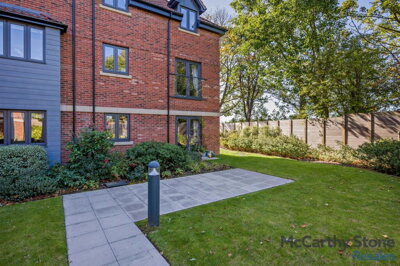
Browse 1 home for sale in Barton Turf from local estate agents.
One bed apartments provide a separate bedroom alongside distinct living space, bathroom, and kitchen areas. Properties in Barton Turf are available in various building types including mansion blocks, contemporary developments, and house conversions.
Barton Turf's market has held up well, even with wider UK housing pressures biting elsewhere. Prices in the village were 4% higher than a year earlier, which points to steady demand in this popular Broads setting. That said, values have slipped back from the 2022 peak of £765,000, and current figures sit roughly 22% below that high. For buyers who were shut out during the last run-up, that opens a few more doors, with several well-kept homes now sitting in more reachable price bands.
The listings in Barton Turf show just how varied the housing stock is in this small village community. A detached three-bedroom family home was recently advertised at £425,000 to £450,000, giving modern space in a traditional setting. For anyone after extra income potential or room for multigenerational living, a wisteria-clad cottage with a self-contained annexe came to market at £550,000 to £575,000. At the more modest end, three-bedroom end-terraced homes are available from £300,000 to £325,000, which gives first-time buyers and investors chasing holiday lets a more accessible starting point. The NR12 area, covering Barton Turf and nearby villages, has also seen a 30% fall from the 2021 peak of £1,200,000.
New build activity in Barton Turf itself is still very limited, with no active construction projects verified inside the village boundary. Even so, the wider NR12 postcode does include new schemes, such as Bureside Quay in neighbouring Hoveton, where two to four-bedroom waterside homes are priced from £450,000 to £1,050,000. Buyers who want brand-new accommodation may need to widen the search into nearby villages, because Barton Turf still leans towards character homes that newer developments simply cannot match. That tight supply of new housing helps keep traditional cottages and farmhouses, the ones that shape the village streets, in strong demand.

Life in Barton Turf is shaped by the Norfolk Broads, a protected wetland landscape of national importance that pulls visitors in from across the UK. The village sits beside Barton Broad, one of the largest Broads, so residents have direct access to sailing, kayaking, fishing and birdwatching on the water. The Broads Authority looks after this landscape, balancing conservation with public enjoyment, and Barton Turf also benefits from local efforts such as volunteer groups clearing rubbish from the waterways. Otters, bitterns and marsh harriers are all part of the picture, which makes the area a draw for anyone who likes the outdoors and a slower pace.
Barton Turf's population profile suggests a community that has appealed to both families and retirees looking for a quieter rural life. Census figures show the parish has stayed fairly steady over time, with 448 residents recorded in the 2021 Census, down slightly from 467 in 2011. There is still a strong local identity here, with cattle grazing on the marshes and reed and sedge growing for thatching continuing as long-standing traditions. Tourism drives much of the local economy, while boatyards keep alive the boatbuilding heritage that has defined the Broads for centuries. A handful of pubs and community facilities serve residents, and Wroxham, not far away, provides the everyday shops people need.
Brick, flint and pantiles give Barton Turf much of its character, and the built environment tells a long story of settlement and change. Most homes are brick-built, while earlier properties sometimes bring in local pebbles or flint, especially in farm buildings. Reed thatch was once the usual roof covering, although most houses now carry the black glazed pantiles so closely linked with Norfolk. Barton Hall, a Grade II listed country house built in 1742, is a good example of the Georgian style seen across the village, with brickwork that was originally plastered to imitate ashlar stone. Conservation area status helps protect that heritage, and it means any new development has to sit comfortably with the traditional look that buyers here value.

Families thinking about Barton Turf will find schooling across the wider North Norfolk area, with primary places offered by village schools in nearby communities. The nearest options include St Peters Church of England Primary School in West Runton and St Michael's Primary School in Neatishead, both serving the local catchment. These smaller rural schools often offer strong links with the community and good teacher-to-pupil ratios, although parents should check the latest Ofsted ratings and catchment boundaries with Norfolk County Council before buying, since admissions can be competitive in popular villages.
Secondary education in North Norfolk includes schools such as St Peter Maddermarket Academy in Stalham, which serves the broader Broads area, Barton Turf included. For families looking at grammar school places, the Norfolk grammar school system has schools in nearby towns, though entry depends on entrance exams and catchment rules. North Walsall County High School and other secondary modern schools provide another route for pupils who do not move on to grammar school. It is well worth checking transport too, because the journey from Barton Turf to secondary school can involve a bus ride into a nearby town.
Further education is available at colleges in Norwich and Great Yarmouth, both reached via the A47 trunk road that links North Norfolk with those larger centres. The University of East Anglia in Norwich gives older children a higher education option, and the campus is about 15 miles from Barton Turf. For families who put education first, timing a purchase around school admission cycles makes sense, and we would suggest early contact with Norfolk County Council admissions team to get a clear picture of the current catchments and any changes planned for local provision.

Barton Turf keeps rural peace and quiet, but it still offers reasonable access to bigger employment centres, especially Norwich, which lies about 12 miles to the southwest. The A47 trunk road is the main route, linking North Norfolk villages with Norwich city centre and then on to the A11 for Cambridge and London. Traffic can build during peak hours, though, and the drive into Norwich usually takes 25 to 40 minutes depending on conditions. For commuters working in the city, the village can offer lower property prices than places closer to Norwich, while keeping the trip manageable.
Public transport in Barton Turf is fairly thin on the ground, which is what you would expect from a small rural village rather than a major settlement. Bus services do run to nearby communities and market towns, although they are much less frequent than urban routes, so most residents find a car is effectively essential. The nearest railway stations are in North Walsham and Worstead on the Bittern Line, with trains to Norwich taking around 30 minutes. From Norwich station, the East Anglian mainline runs direct to London Liverpool Street in under two hours, so day commuting to the capital is technically possible for people with flexible arrangements.
The Broads add another layer to daily life here, because the waterways offer a way of getting around that feels completely different from road travel. Many residents own boats, or can hire one, and spend time on the network that links Barton Broad to other villages and towns across the Broads. Cycling is strong too, with marked routes and quiet lanes giving scenic rides into surrounding places. Norwich Airport sits about 15 miles away near Sprowston, with domestic flights and a limited number of European connections.

Start by looking through Barton Turf property listings so you can get a feel for current availability, price ranges and the sort of homes on offer. Average prices are around £597,300, and the market runs from terraced homes at £300,000 through to character cottages with annexes above £550,000, so the budget you set will shape the search. We suggest using our property search alongside major portal listings, because seeing both together gives a fuller picture of what is available.
Before viewing homes, get a mortgage agreement in principle from a lender so you know your borrowing limit and can back up any offer you make. Barton Turf includes listed buildings and period homes, and some lenders may want specialist valuation work, so that needs to sit in your timetable. Speaking to a mortgage broker who knows rural Norfolk property can help when you are looking for lenders who are comfortable with non-standard construction.
Arrange viewings for properties that fit your brief, and pay close attention to Broads-specific issues such as flood risk, condition and any planning restrictions. Barton Turf homes often use traditional materials and building methods, so it is important to think through maintenance and insurance implications as well. We would suggest visiting at different times of day and in different weather, so you can see how the property and its surroundings behave.
Before you exchange, book a RICS Level 2 Home Survey so the property's condition is properly checked. Many Barton Turf homes are old, and the local geology brings shrink-swell clay risks, so a detailed survey matters here. Surveyors in Norfolk usually charge from £395 for standard properties, with higher fees for larger or more complicated homes. Our team can arrange a survey at a time that suits you, and reports are typically returned within five working days of inspection.
Appoint a solicitor who has experience with rural property transactions, because they will deal with the legal side of the purchase. That includes local authority searches, environmental checks looking at flood risk, and enquiries into any conservation area or listed building matters that could affect your plans. Barton Turf has a high number of listed buildings, so heritage designations often need extra attention, and it helps to choose someone who knows Norfolk property work well.
Once the searches come back clean and the mortgage is fully approved, contracts are exchanged and a completion date is set. On completion day, your solicitor transfers the remaining money and you receive the keys to your Barton Turf home. We suggest arranging buildings insurance before completion, especially because of the flood risk around Barton Broad.
Flood risk is a major consideration in Barton Turf, given the village's position on the edge of Barton Broad and the wider flooding vulnerability of the Norfolk Broads. The Environment Agency classifies almost all of the Broads as flood zones, and planning applications in the area face strict flood resilience rules. Buyers should look closely at the flood history of any specific property, check whether flooding has happened before, and allow for flood insurance in their budget. Basements are especially exposed and should be carefully assessed in a survey. Barton Turf has seen flash flooding in the past, and low-lying spots including the cricket ground can turn into lakes during heavy rain.
The ground beneath Barton Turf brings its own issues for buyers, with Cretaceous chalk below layers of silts, clays and peat that can react to moisture changes through shrink-swell behaviour. That clay-rich soil can make foundations heave or settle, especially in older houses with shallow footings. Trees can make the problem worse, because roots draw moisture from clay and cause it to shrink in dry spells. A proper RICS Level 2 survey should look for structural movement, cracking or earlier foundation work, with special care around homes close to mature trees. British Geological Survey GeoSure data points to areas of possible ground movement linked to shrink-swell in the locality.
Listed buildings and conservation area status have a real bearing on buying in Barton Turf, where many properties carry heritage designations, including Grade I, Grade II*, and Grade II listings. Homes in the Neatishead and Hall Road Conservation Area need planning permission for certain changes and have to keep their architectural character intact. Listed building consent is required for any work that affects the special architectural or historic interest of a designated property, inside or out. That can limit renovation plans and push up maintenance costs, but it also helps protect values by preserving the character that makes Barton Turf so attractive. Barton Hall, Grade II, 1742, Turf Fen Mill, Grade II*, 1880, and numerous farmhouses and cottages are among the notable examples.
Barton Turf's housing stock varies a great deal in materials and construction, from timber-framed homes that predate the 18th century to Victorian brick houses and more recent development. Older features such as thatched roofs, now rare, need specialist maintenance knowledge and the right insurance arrangements. Many period properties do not have modern damp-proof courses and may show penetrating or rising damp, particularly in the humid Broads climate. Electrical wiring and plumbing may also need updating to meet current safety standards, which can add to renovation budgets that buyers need to keep in mind. Our inspectors often see the usual Norfolk construction issues here, including weathered brickwork, tired roof coverings and old drainage systems.

Current averages put the Barton Turf house price at about £597,300. Even so, the average price paid for a home in the village is £355,000, which shows a wide gap between asking figures and completed sales. Prices are still 22% below the 2022 peak of £765,000, although they remain 4% higher than last year. Individual homes vary a lot, with terraced properties starting around £300,000, detached family houses at £425,000 to £450,000, and character cottages with annexes above £550,000.
For council tax, Barton Turf falls under North Norfolk District Council. The band for any individual home can be checked through the Valuation Office Agency website using the property address or council tax reference number. In rural Norfolk villages, banding usually follows the national pattern, with smaller homes in lower bands and larger period properties in higher ones. We would always advise checking the council tax band during conveyancing for any particular property.
Schooling in Barton Turf is limited locally, so families mostly rely on primary schools in nearby villages such as St Michael's Primary School in Neatishead. Secondary places come from schools including St Peter Maddermarket Academy in Stalham, which serves the wider Broads area. The Norfolk grammar school system offers selective places for able pupils, with entry decided by examination. Parents should check current Ofsted ratings and confirm catchment arrangements with Norfolk County Council before buying, because travel to secondary school from Barton Turf can involve a long journey.
Rail and bus links from Barton Turf are fairly limited, which reflects the village's small size and rural setting. Bus services do connect it with surrounding communities, but they run less often than routes in town, so most residents rely on a car. The nearest railway stations are North Walsham and Worstead on the Bittern Line, with trains to Norwich taking about 30 minutes. Norwich station then gives mainline services to London Liverpool Street and other major destinations. Driving into Norwich usually takes 25 to 40 minutes on the A47, depending on traffic.
For investors, Barton Turf has a few clear attractions, not least the appeal of the Norfolk Broads and the fact that there is very little new development in the village. Tourism supports the holiday let market, with visitors drawn by the waterways, wildlife and rural feel. Flood risk has to be weighed carefully, though, because it affects insurance costs and could shape future climate exposure. Supply is tight and demand from buyers who want the Broads lifestyle has stayed steady, so values have shown some resilience, even if the village size means sales volumes are low and liquidity can be patchy. Homes with annexes, or those suited to holiday lets, may give the strongest rental income prospects.
Stamp Duty Land Tax for 2024-25 is zero percent on the first £250,000 of residential purchases, with five percent charged from £250,001 to £925,000. For homes priced between £925,001 and £1.5 million, the rate is ten percent, and it rises to twelve percent above £1.5 million. First-time buyers get higher thresholds, paying zero percent on the first £425,000 and five percent between £425,001 and £625,000, although the relief does not apply above £625,000. Most Barton Turf homes below £600,000 would therefore attract SDLT of roughly five percent on the amount above £250,000, which works out at an effective rate of around 1.5 to 2 percent for standard purchases.
From 4.5% APR
Get mortgage advice and comparison rates
From £499
Expert property solicitors for Barton Turf purchases
From £395
Professional home survey for Barton Turf properties
From £85
Energy performance certificate for your new home
The real cost of buying in Barton Turf needs more than just the asking price. The biggest extra charge is Stamp Duty Land Tax, and for a typical home priced around the village average of £597,300, SDLT would be worked out at five percent on the slice from £250,001 to £597,300. That gives a tax bill of roughly £17,365 for standard buyers, or about £8,615 for first-time buyers who can use relief on properties up to £425,000. Homes above £625,000 do not qualify for first-time buyer relief, so the full standard rate applies from the start.
Professional fees are another major part of the budget, with conveyancing for a property deal usually starting from £499 for basic legal work. Solicitors handling Barton Turf purchases will need to carry out searches including local authority checks, environmental searches that look at flood risk and contamination, plus water and drainage searches. Because many properties in the village sit within a conservation area or carry listed building status, extra work may be needed on heritage matters, which can lift legal costs. Survey fees also need to be allowed for, with RICS Level 2 Home Surveys in Norfolk running from around £395 for standard properties to £800 or more for larger homes or complex period properties.
After purchase, the ongoing bills include council tax, utility costs, buildings insurance and, where relevant, service charges for any leasehold element. Buildings insurance is especially important in Barton Turf because properties near Barton Broad carry flood risk, and premiums can be higher than average in designated flood zones. Thatched roofs and listed building status can limit the choice of insurer, so specialist cover may be needed and costs can rise. Homes with annexes or multi-unit potential may also attract business rates if they are used for holiday letting, which should sit in the investment numbers. Maintenance for period homes can be higher too, because traditional materials and construction call for tradespeople with specialist experience.

Properties for Sale In London

Properties for Sale In Plymouth

Properties for Sale In Liverpool

Properties for Sale In Glasgow

Properties for Sale In Sheffield

Properties for Sale In Edinburgh

Properties for Sale In Coventry

Properties for Sale In Bradford

Properties for Sale In Manchester

Properties for Sale In Birmingham

Properties for Sale In Bristol

Properties for Sale In Oxford

Properties for Sale In Leicester

Properties for Sale In Newcastle

Properties for Sale In Leeds

Properties for Sale In Southampton

Properties for Sale In Cardiff

Properties for Sale In Nottingham

Properties for Sale In Norwich

Properties for Sale In Brighton

Properties for Sale In Derby

Properties for Sale In Portsmouth

Properties for Sale In Northampton

Properties for Sale In Milton Keynes

Properties for Sale In Bournemouth

Properties for Sale In Bolton

Properties for Sale In Swansea

Properties for Sale In Swindon

Properties for Sale In Peterborough

Properties for Sale In Wolverhampton

Enter your details to see if this property is within your budget.
Loans, cards, car finance
Estimated property budget
Borrowing + deposit
You could borrow between
Typical borrowing
Monthly repayment
Est. at 4.5%
Loan-to-value
This is an estimate only. Your actual budget may vary depending on interest rates, credit history, and personal circumstances. For an accurate affordability assessment, speak to one of our free mortgage advisors.
This calculator provides estimates for illustrative purposes only and does not constitute financial advice. Your home may be repossessed if you do not keep up repayments on your mortgage. Estimates based on 4.5% interest rate, repayment mortgage. Actual rates depend on your circumstances.
Homemove is a trading name of HM Haus Group Ltd (Company No. 13873779, registered in England & Wales). Homemove Mortgages Ltd (Company No. 15947693) is an Appointed Representative of TMG Direct Limited, trading as TMG Mortgage Network, which is authorised and regulated by the Financial Conduct Authority (FRN 786245). Homemove Mortgages Ltd is entered on the FCA Register as an Appointed Representative (FRN 1022429). You can check registrations at NewRegister or by calling 0800 111 6768.

We use cookies to show you personalised content and improve your experience of our website. Find out more in our Privacy policy and Cookie policy.