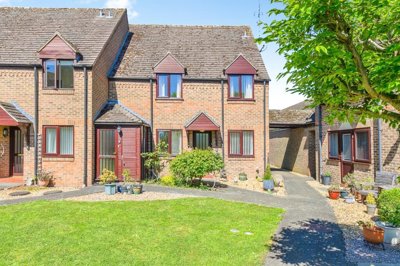
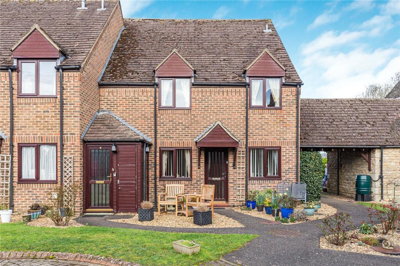
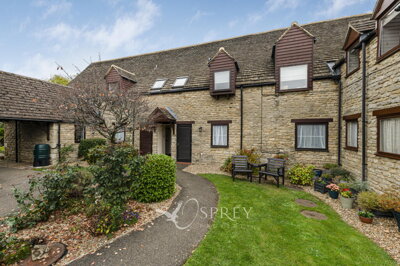
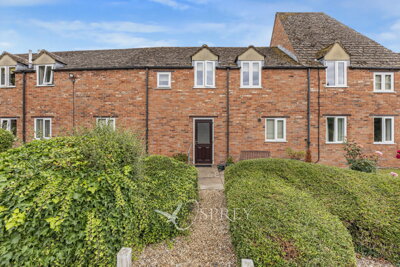
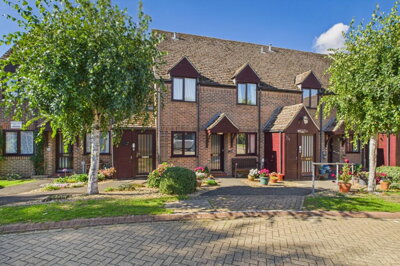
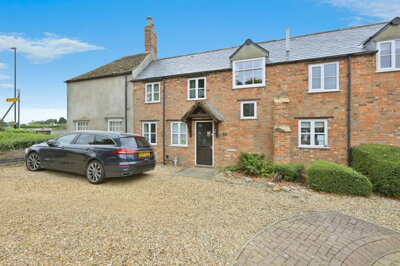
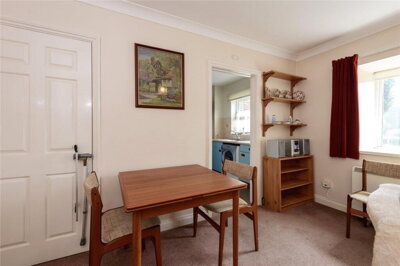
Browse 7 homes for sale in Barnwell, North Northamptonshire from local estate agents.
The 2 bed flat sector typically includes two separate bedrooms, dedicated living areas, and bathroom facilities. Properties in Barnwell span purpose-built blocks, converted period houses, and modern apartment complexes on various floors.
£0k
0
0
0
Source: home.co.uk
Showing 0 results for 2 Bedroom Flats for sale in Barnwell, North Northamptonshire.
Barnwell's property market offers a broad spread of homes, and our home.co.uk listings show detached houses sitting at a median of £293,000 based on recent 2025 sales data. Semi-detached properties reached £515,000 in 2024 after a strong run of price growth, while terraced homes have traditionally traded around the £290,000 mark. That gives buyers a few different entry points. Values are now down 46% on the previous year and 52% from the 2024 peak, so there may be chances for buyers stepping in at this stage.
The village still has solid residential fundamentals. homedata.co.uk records indicate approximately 111 total sales in the area, which is a decent level of activity for a place of this size. Barnwell also has a wide age range of homes, from the medieval origins of Barnwell Castle and Manor through to additions built in the early 2000s. There are no dedicated new build developments within the village boundary, so anyone looking for a brand new home will need to look towards nearby Oundle. That shortage of fresh supply helps keep the existing character intact.
Stone, thatch and old plaster are common here, because Barnwell's housing stock reflects its Northamptonshire roots. Several period properties use stone walls and thatched roofs, while older cottages may have lathe and plaster internal construction with horsehair infill. They are attractive materials, and they can perform well when maintained, but they need a proper eye. We would always suggest a thorough RICS Level 2 survey for any period property in Barnwell before a buyer commits.

Barnwell feels properly rural, and the figures show just how quiet it is. The name comes from the Old English "Berghyll", meaning "stream of the hill", a nod to the Barnwell Brook running through the settlement. With a population density of only 26.79 people per square kilometre across the 14.03 square kilometre parish, the village has a very calm atmosphere. The average resident age of 44.1 years points to a balanced mix of families and longer-established older residents, which helps give the place its social cohesion.
At the centre of the village sits an unusual concentration of listed buildings. Barnwell Castle, a Grade I listed building dating from around 1266, is one of the region's best examples of medieval military architecture. Barnwell Manor, a Grade II listed country house, adds further weight to the village's history, and the Church of St Andrew, which predominantly dates from the 13th century, brings important ecclesiastical heritage. These are not simply visitor sights, they shape everyday life in Barnwell. A village hall and parish church cover the basics locally, with broader amenities available in nearby Oundle.
Community events and local activities keep the village ticking over through the year. Barnwell Brook adds to the pastoral feel, although buyers should note that homes close to the watercourse sit within a Flood Warning Area. No Flood Warnings have been recorded in the past 5 years, but it is still sensible to think about the exact plot and setting of any property. Barnwell remains largely self-contained in character, yet it benefits from being close to larger towns for extra services.

Families are well served here from early years through to further education. Primary facilities sit within reasonable distance, while secondary schooling is available in surrounding towns. The village demographics show a healthy mix of family households alongside couples and individuals, which fits the general feel of the place. Parents choosing Barnwell often value the small class sizes and the close links between schools, parents and pupils that tend to define village education.
For secondary education, North Northamptonshire gives families a fair spread of options. Oundle offers further schooling choices, while Peterborough and the surrounding area provide additional routes into secondary education. Sixth form and further education are also within easy reach of nearby towns, and the road network makes daily travel workable for older students. We would advise buyers with school-age children to check current catchment areas and admissions criteria carefully, as they can change and may affect which schools their children can attend. Property prices in specific catchment zones often reflect the strength of local educational provision, so this should sit alongside the rest of the budget.
School ratings are another detail we would check early. Schools serving the village include options rated Good and Outstanding, though those ratings can change and we always suggest checking the current position directly. Homes in higher-performing catchment areas often attract premiums, so education can have a real effect on the search. Journey times and transport arrangements matter too, especially for secondary pupils travelling further afield from a village setting like this.

Barnwell may be rural, but it still has practical transport links for commuters. The village sits in the PE8 postcode area, which places Peterborough within reasonable reach, and the city offers rail services to London, the North and the Midlands. Oundle acts as the local bus hub, linking Barnwell with nearby villages and towns, while the A605 gives road access to major routes such as the A1 and A14 for those travelling by car. In practice, residents can keep the quieter village lifestyle without giving up access to work or wider amenities.
Peterborough is the obvious workplace for many residents, and the trip is straightforward. The city offers jobs across retail, manufacturing, public services and professional sectors. The wider area is helped by improving road infrastructure, with the A14 linking towards Cambridge and the Midlands, while the A1 gives access to the north-south corridor. Cyclists can use rural lanes between Barnwell and neighbouring places, although the hilly Northamptonshire terrain does call for a bit of fitness. That blend of countryside living and access to urban employment keeps demand steady, even after the recent market corrections.
Rail access sits outside the village, but it is still usable. The nearest mainline stations are in Peterborough and Corby, both of which connect into the national rail network and offer regular services to London. Peterborough station has direct trains to London King's Cross with journey times of around 50 minutes, which makes regular commuting possible. Barnwell itself does not have a railway station, so private transport is generally considered essential for full mobility within the area. Bus services run from Oundle for those without cars, although current timetables and frequencies are worth checking.

Spend time on the pricing picture before booking viewings. The median price of £275,000 gives a useful starting point, but individual homes vary widely depending on condition, size and period features. Check our home.co.uk listings regularly and keep an eye on price changes. With values down 52% from 2024 peaks, some homes that have sat on the market for a while may look appealing, although they may also need more money spent on them.
A mortgage broker is the next call. An agreement in principle puts you in a stronger position when it comes to making offers, particularly in a village where desirable homes can draw interest from more than one buyer. Current mortgage rates are more affordable than in recent years. For a typical Barnwell property at £275,000, you would need a deposit of at least 5% to 15%, meaning £13,750 to £41,250 upfront, plus the other buying costs.
We always suggest seeing more than one property in Barnwell so you can compare the options properly. Proximity to the village centre, listed building status and any flood risk near Barnwell Brook all matter. Take notes and photographs, because the details can blur after a few viewings. Pay particular attention to the construction type and the condition of period properties, as they may need more maintenance than modern equivalents.
After an offer is agreed, book a RICS Level 2 survey to check the property condition. Barnwell has a large amount of older housing stock, including period and listed homes, so this step matters. A Level 2 survey usually costs between £350 and £600 depending on property size and complexity, but it can save a buyer a great deal by spotting problems early.
The legal work sits with our solicitor, who handles searches, contracts and registration. Local knowledge of North Northamptonshire helps when checking planning matters or environmental issues that may affect the property. Conveyancing fees typically range from £500 to £1,500 plus disbursements, and the process usually takes between 8 and 12 weeks for a standard transaction.
Once the survey is satisfactory and the legal work is complete, contracts are exchanged and the deposit is paid. Completion usually follows within weeks, after which the keys are handed over and the move into your new Barnwell home can begin. Stamp Duty Land Tax also needs to be budgeted for, and on a median-priced Barnwell property that would be £1,250 for a standard buyer or £0 for qualifying first-time buyers.
Barnwell is not a modern new-build market, and that matters. The village's exceptional concentration of listed buildings means many properties carry listed status, with both benefits and obligations attached. Grade I, Grade II and Grade II* listed buildings are protected because of their national importance, and even minor alterations need Listed Building Consent from the local authority. If you are looking at a period property, the costs and restrictions linked to a listed building should be part of the decision, because insurance, repairs and renovations usually cost more than they do for non-listed homes.
Flood risk sits high on the checklist for some Barnwell addresses. Homes near Barnwell Brook fall within a Flood Warning Area, although no Flood Warnings have been recorded in the past 5 years. Our survey should look closely at flood resilience and any history of water ingress or damp. The older construction methods seen in Barnwell, including stone walls and thatched roofs where present, need specialist assessment. We strongly recommend a RICS Level 2 survey for any property in the village, and conservation area restrictions may also apply to certain homes, limiting permitted development rights and future changes.
Older Northamptonshire homes often share the same set of problems. Damp can pass through solid walls, which were built without cavity insulation. Roofs need careful checking on period homes, especially where thatch is present, because re-thatching is specialist work and expensive. Electrical systems in older houses may also be outdated and need bringing up to current standards. Stone-built properties can show movement or weathering that deserves proper assessment from a qualified surveyor. Our surveyors are used to these traditional construction methods and can talk through the likely maintenance and repair costs.

Prices have moved around quite a bit here. homedata.co.uk shows the average house price in Barnwell over the last year at £293,000, with a median price of £275,000. Detached properties have sold at a median of £293,000 in 2025, while semi-detached homes reached £515,000 in 2024. Recent market data also shows that prices have corrected sharply from the 2023 peak of £710,000, with current values approximately 52% below 2024 levels. That shift may open doors for buyers, though home prices still vary a lot depending on size, condition and exact position in the village.
Council tax in Barnwell comes under East Northamptonshire District Council. Band allocations vary by property depending on value and characteristics, and most village homes are likely to fall within bands B through E. You can check the exact council tax band for any specific property through the Valuation Office Agency website, and we would recommend doing that early so you can budget properly alongside mortgage payments and utility bills. Council tax bands affect the overall cost of ownership, so it is worth confirming the position before you buy.
Primary places are available in the village, while secondary choices sit wider across North Northamptonshire. The best school for a child will depend on age, needs and catchment area, so we would always suggest checking current Ofsted ratings and admissions policies. For families who put education first, homes near good primary schools often command premiums, and being close to secondary grammar schools can influence property values across the village. A school visit and a chat with local parents can tell you more than official statistics alone.
Barnwell's transport links are simple rather than flashy. Bus services connect the village with Oundle and other nearby towns, while the nearest mainline stations are in Peterborough and Corby, both of which provide access to national rail services including London. The A605 gives direct access to the A14 and A1, so car travel works well for most residents. Barnwell does not have its own railway station, which means private transport is generally considered essential for full mobility within the area. Commuters working in Peterborough should find the city easy to reach by car, with parking available at the railway station for those mixing road and rail travel.
Barnwell still has a few investment angles that are hard to ignore. Its heritage assets, calm village environment and proximity to growing employment centres all help. Limited new build supply supports demand for existing homes, and although prices have fallen from the 2023 peaks, the underlying drivers remain sound. Shrinking household sizes across the wider Peterborough area should continue to underpin interest in village properties, while listed buildings and period homes may suit certain buyers even if they bring higher maintenance costs. With no new build developments inside the village boundary, character homes should stay in demand. As ever, we would suggest speaking with a local property expert before making any investment decision.
Stamp Duty Land Tax rates for 2024-25 apply to properties in Barnwell just as they do elsewhere in England. Standard rates are 0% on purchases up to £250,000, 5% between £250,000 and £925,000, 10% up to £1.5 million, and 12% above that threshold. First-time buyers get relief on purchases up to £625,000, paying 0% on the first £425,000 and 5% between £425,000 and £625,000. For a typical Barnwell property at the median price of £275,000, a standard buyer would pay £1,250 in stamp duty, while first-time buyers would pay £0 if they are buying within the relief threshold. If a first-time buyer purchases above £625,000, no relief applies above that point.
With Barnwell's older stock, a survey is not a box-tick. Many homes were built using traditional methods such as stone walls, thatched roofs and lathe and plaster construction, and those details can hide defects that a visual inspection will miss. That can include structural issues, damp penetration and outdated services. A RICS Level 2 survey gives a detailed view of the property condition and flags any concerns, so a buyer can make a proper decision or negotiate repairs before completion. For listed buildings, extra specialist surveys may also be sensible to check historic features and any maintenance obligations.
Buying here means budgeting beyond the asking price. For a property priced at the Barnwell median of £275,000, a standard buyer would pay £1,250 in Stamp Duty Land Tax under the current 2024-25 thresholds. First-time buyers purchasing within the £425,000 relief threshold would pay £0 stamp duty, which makes village property more accessible for those entering the market. If the purchase is above £625,000 as a first-time buyer, no relief applies above that threshold, so the whole deal is taxed at standard rates.
There are several extra costs to set aside before completion. Mortgage arrangement fees typically average 0.5% to 1.5% of the loan amount, although lenders vary quite a lot. Survey costs for a RICS Level 2 HomeBuyer Report usually range from £350 to £600 depending on property size, and larger or more complex homes cost more. Given Barnwell's older housing stock and its period properties, a thorough survey is especially important for spotting hidden defects before you buy. Conveyancing fees for Northamptonshire property typically start from around £500 to £1,500 for standard transactions, plus disbursements including local authority searches, title registration fees and bankruptcy checks. We recommend budgeting about 3% to 5% of the purchase price for these extra costs so there are no nasty shortfalls at completion.
For a typical Barnwell property purchase at the median price of £275,000, total buying costs would be approximately £8,250 to £13,750, made up of stamp duty of £1,250, survey costs of around £400 to £600, conveyancing fees of £500 to £1,500, and mortgage arrangement fees of £1,375 to £4,125 depending on the lender. Those figures assume a 5% to 15% deposit of £13,750 to £41,250. Buyers should have these funds available on top of the deposit before going ahead. Our recommended mortgage brokers and conveyancers can give detailed quotes based on the property type and your own circumstances.

Properties for Sale In London

Properties for Sale In Plymouth

Properties for Sale In Liverpool

Properties for Sale In Glasgow

Properties for Sale In Sheffield

Properties for Sale In Edinburgh

Properties for Sale In Coventry

Properties for Sale In Bradford

Properties for Sale In Manchester

Properties for Sale In Birmingham

Properties for Sale In Bristol

Properties for Sale In Oxford

Properties for Sale In Leicester

Properties for Sale In Newcastle

Properties for Sale In Leeds

Properties for Sale In Southampton

Properties for Sale In Cardiff

Properties for Sale In Nottingham

Properties for Sale In Norwich

Properties for Sale In Brighton

Properties for Sale In Derby

Properties for Sale In Portsmouth

Properties for Sale In Northampton

Properties for Sale In Milton Keynes

Properties for Sale In Bournemouth

Properties for Sale In Bolton

Properties for Sale In Swansea

Properties for Sale In Swindon

Properties for Sale In Peterborough

Properties for Sale In Wolverhampton

Enter your details to see if this property is within your budget.
Loans, cards, car finance
Estimated property budget
Borrowing + deposit
You could borrow between
Typical borrowing
Monthly repayment
Est. at 4.5%
Loan-to-value
This is an estimate only. Your actual budget may vary depending on interest rates, credit history, and personal circumstances. For an accurate affordability assessment, speak to one of our free mortgage advisors.
This calculator provides estimates for illustrative purposes only and does not constitute financial advice. Your home may be repossessed if you do not keep up repayments on your mortgage. Estimates based on 4.5% interest rate, repayment mortgage. Actual rates depend on your circumstances.
Homemove is a trading name of HM Haus Group Ltd (Company No. 13873779, registered in England & Wales). Homemove Mortgages Ltd (Company No. 15947693) is an Appointed Representative of TMG Direct Limited, trading as TMG Mortgage Network, which is authorised and regulated by the Financial Conduct Authority (FRN 786245). Homemove Mortgages Ltd is entered on the FCA Register as an Appointed Representative (FRN 1022429). You can check registrations at NewRegister or by calling 0800 111 6768.

We use cookies to show you personalised content and improve your experience of our website. Find out more in our Privacy policy and Cookie policy.