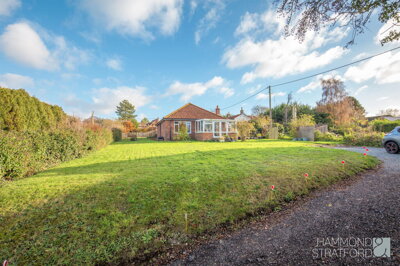
Browse 1 home for sale in Barford from local estate agents.
The 2 bed house market features detached, semi-detached, and terraced properties with two separate bedrooms plus living spaces. Properties in Barford range from Victorian and Edwardian period homes to modern new builds, with pricing varying across different neighbourhoods.
Barford’s sold-price story has been mixed, which is exactly what many village markets look like when a small number of transactions shape the picture. homedata.co.uk records show average prices down 24% over the last year and 33% below the 2021 peak, while another sold-data view points to a 30.7% annual fall. A separate tracking snapshot suggests a milder 10% year-on-year decline and prices 11% below the 2023 peak. That spread does not mean the market is unclear, only that buyers should read the figures as a range rather than a single fixed answer.
Property type matters in Barford, because detached homes and larger family houses can pull the average up quickly when just a few sales complete. On one set of records, detached homes averaged £430,833, semis £234,250, and terraced homes £305,249, while another dataset pushed detached homes to £628,800 and semis to £331,000. For the wider South Norfolk area, the average house price was £313,000 in December 2025, up 2.8% from December 2024, which gives useful context for buyers comparing the parish with nearby settlements. The wider county also saw 11,600 sales in the previous 12 months, down 14.1%, so the market remains selective rather than overheated.

Barford is a small South Norfolk village rather than a busy town, and that shapes both daily life and the type of homes buyers tend to seek out. The setting is quieter, with countryside character, a more personal local feel, and fewer of the pressures that come with larger urban centres. Research for the parish did not return precise population or household figures, which is common with smaller places, so the best way to understand Barford is to think in terms of village scale and a close-knit local environment. That tends to attract buyers who want space, calmer roads, and a home that feels rooted in the Norfolk landscape.
Housing in the wider county shows a strong bias towards detached homes, which accounted for 39.9% of sales in Norfolk in the year to December 2025, followed by semis at 26.0% and terraced homes at 25.0%, with flats making up 9.0%. Barford itself does not have a verified parish-level breakdown in the research, but the local market appears to sit comfortably within that broader Norfolk pattern, with detached and semi-detached homes doing much of the work. Countywide, newly built homes made up 4.5% of sales, and most new-build transactions landed in the £300,000 to £400,000 range, which is useful context if you want a modern home but still like the village setting. Buyers who value a slower pace often prefer this kind of market because it offers a clearer choice between character and convenience.
The research did not return Barford-specific school performance data, so families usually need to assess the wider South Norfolk and Norwich education offer by postcode, catchment, and admissions rules. That is normal in smaller villages, where the nearest primary, secondary, or sixth-form option may sit outside the parish boundary. Buyers should check how far the chosen school is from the front door, how the route works in winter, and whether a school bus is available. If education is a priority, the practical test is not just Ofsted, but the daily journey to and from school.
Because Barford is a village, many households look to nearby settlements for day-to-day schooling choices, then widen the search to Norwich for broader secondary and sixth-form options. The research did not confirm any specific Ofsted ratings for local schools, so it is sensible to verify catchments before making an offer, especially if you are moving with children already in a school place. A family home with a slightly longer commute can still work well if the route is simple and the school places are reliable. For buyers using Homemove, the best next step is to shortlist homes first, then match each one against the schools that matter most to your family.

Barford is best understood as a car-led village, with commuting patterns shaped more by road access than by major rail infrastructure in the parish itself. The research did not return a confirmed station for the village, so buyers should check their exact route to work before they commit to a home. For many movers, that means judging the drive to Norwich, the surrounding South Norfolk road network, and the ease of reaching the wider county. If you need regular rail travel, it is sensible to compare the village with nearby locations that offer a clearer station connection.
Public transport in smaller Norfolk villages can be limited, so bus availability and timetable reliability matter more than they do in urban areas. That makes parking space, turning room, and road access part of the buying decision, not just a nice extra. A house with off-street parking can feel far more practical here than a similar property in a town centre, especially if you commute daily or have school runs to manage. Before arranging viewings, buyers should map out the journey at rush hour, at school time, and in poor weather, because that is when a village location shows its real strengths and weak spots.
Start by learning how the village works day to day, because Barford is small enough that location within the parish can matter as much as the property itself. Walk or drive the route to nearby services, check how far the home sits from the roads you will use most, and think about what the setting feels like after dark and in winter. A mortgage agreement in principle should be in hand before you book viewings, since sellers in a village market often prefer buyers who can move quickly. This first stage helps you decide whether you are buying for lifestyle, long-term family use, or a quieter place to downsize into.
Once you have a shortlist, arrange viewings at different times of day so you can judge traffic, parking, and the general pace of the area. In a smaller parish like Barford, the same property can feel very different on a weekday morning than it does on a sunny weekend. Ask about the property age, the level of updating, and any signs of damp, movement, or drainage issues, since village homes can vary widely in construction and maintenance history. If the house is older or has been extended, a survey becomes even more valuable because cosmetic charm can hide structural work that needs attention.
After you have chosen a property, instruct your solicitor early and keep the chain moving, especially if you are competing with cash buyers or local movers who already understand the area. Conveyancing is where title checks, searches, and contract questions can slow things down, so having the paperwork ready matters. Use the waiting time to finalise your survey, review your mortgage offer, and budget for stamp duty, legal fees, and moving costs. Barford buyers who stay organised usually find the process less stressful, because the village market rewards people who can make calm decisions without rushing the essentials.
Village properties often look straightforward at first glance, yet the practical details can differ from one house to the next. In Barford, the research did not identify specific flood zones, geology, or conservation constraints, so buyers should make these checks during conveyancing rather than assume the risk profile is low. A surveyor can help spot roof wear, damp patches, timber issues, and signs of settlement that are harder to see during a short viewing. Older Norfolk homes can be attractive because of their character, but they also deserve a careful inspection before you commit.
Leasehold status is less common in small villages than in urban areas, though flats and converted homes can still appear from time to time. If a property is leasehold, check ground rent, service charge, repair obligations, and the remaining lease length before you proceed. For freehold houses, the focus shifts more towards boundaries, access, drainage, and any rights of way that affect the plot. That due diligence matters here because the village setting can bring shared lanes, private drives, or rural boundary arrangements that are easy to overlook in the excitement of buying.
Planning history is another point worth checking, especially where a house has been extended, modernised, or altered over time. The research did not confirm a concentration of listed buildings or conservation areas in Barford, but older village homes anywhere in Norfolk can carry restrictions that affect windows, outbuildings, or roof changes. If you are buying a home with outbuildings, a garden office, or a converted barn-style layout, ask how much has been signed off and what is still pending. A strong offer is useful, but a well-checked property is what protects your budget after completion.
homedata.co.uk sold-price records put the average house price in Barford at £352,200 over the last year. Another sold-data snapshot placed the average at £479,605, which shows how much the result can move when the sample is small. Detached homes have ranged from £430,833 to £628,800 in the available data, while semis have ranged from £234,250 to £331,000. If you are comparing homes in the village, it helps to look at both the average and the property type, because Barford’s mix can skew the figures.
Council tax banding for Barford falls under the local valuation system used by South Norfolk, and each property is banded individually. Smaller cottages and flats are more likely to sit in lower bands, while larger detached homes usually sit higher, but there is no single band for the whole village. The safest approach is to check the band shown on the listing and confirm it with the local authority before you budget. That way you can compare the monthly cost of different homes properly.
The research did not return confirmed parish-level school data for Barford, so buyers usually need to check the wider South Norfolk and Norwich area for the best fit. For families, the most useful factors are catchment area, route time, and the availability of places rather than just headline ratings. If you are moving for a school place, line up the postcode search with admissions criteria before you make an offer. That gives you a better view of which homes will actually work for your family.
Barford is more limited on public transport than a town or city, so most buyers will rely on driving for commuting and day-to-day travel. The research did not confirm a village station, so rail users should plan on using nearby larger settlements for mainline services. Bus availability can help with local trips, but timetable checks are essential before you commit to a home. If transport is a priority, test the route at the time you would normally travel.
Barford can suit buyers looking for a long-term village hold rather than a fast-moving urban investment play. homedata.co.uk records show softer sold prices over the last year, with values 24% down on the previous year and 33% below the 2021 peak, so short-term capital growth has not been the main story. That said, village homes with good parking, usable space, and sensible access can still attract steady demand from lifestyle buyers. For investors, the key is to buy a property that is easy to let or resell rather than chase a headline price alone.
On current rates, you pay 0% up to £250,000, then 5% from £250,000 to £925,000. For a £352,200 home, the stamp duty bill would be £5,110, assuming you are not a first-time buyer and no extra surcharges apply. First-time buyers pay 0% up to £425,000, so on that same price they would pay no SDLT at all. On a £479,605 purchase, a first-time buyer would usually pay £2,730.25 under the current rules.
The research did not verify a named new-build development within Barford itself. Countywide, Norfolk saw 521 sales of newly built properties in the previous 12 months, which was 4.5% of total sales, and most of those transactions were in the £300,000 to £400,000 range. That suggests new homes are available in the wider area, but not necessarily inside the parish boundary. If a modern home matters to you, widen the search to nearby South Norfolk locations as well as Barford.
Ask about the property’s age, any extensions, drainage, parking, and whether there are rights of way or shared access arrangements. The research did not identify specific flood or conservation data for the parish, so these checks should sit alongside your survey and solicitor’s searches. It is also sensible to compare asking price with the sold-price range, because the local market has shown sizeable swings. A careful offer is usually stronger than an aggressive one that ignores the practical details.
Compare properties, road access, parking, and the feel of each part of Barford so you understand how the parish suits your daily routine.
Secure a mortgage agreement in principle before you view homes, because it makes your offer more credible and helps you move quickly.
Visit at different times of day, check the approach roads, and judge whether the setting feels right for family life, commuting, or retirement.
Use a RICS Level 2 survey for most standard homes, or consider a more detailed report if the property is older, altered, or visibly complex.
Ask your conveyancer to check title, searches, and any access or boundary issues early so there are fewer surprises later.
Once the legal work is done and your mortgage is ready, exchange contracts, complete, and organise removals for a smooth move.
Stamp duty needs a place in your budget from the start, especially if you are buying in the mid-range or above. Current thresholds mean 0% applies up to £250,000, 5% applies from £250,000 to £925,000, 10% applies from £925,000 to £1.5 million, and 12% applies above that. First-time buyers receive 0% up to £425,000 and 5% from £425,000 to £625,000, with no relief above £625,000. That means a buyer who focuses only on the asking price can end up underestimating the real cash needed to move.
For a typical Barford purchase at £352,200, the SDLT bill would be £5,110 for a standard buyer, while a first-time buyer would usually pay nothing under the current rules. If you were buying at £479,605, the standard bill would be about £11,480.25, and a first-time buyer would usually pay £2,730.25. Add legal fees, searches, survey costs, moving expenses, and mortgage arrangement charges, and the purchase budget can rise quickly even in a village setting. Planning those costs early makes your offer stronger and helps you compare homes in Barford with a clear head.

Properties for Sale In London

Properties for Sale In Plymouth

Properties for Sale In Liverpool

Properties for Sale In Glasgow

Properties for Sale In Sheffield

Properties for Sale In Edinburgh

Properties for Sale In Coventry

Properties for Sale In Bradford

Properties for Sale In Manchester

Properties for Sale In Birmingham

Properties for Sale In Bristol

Properties for Sale In Oxford

Properties for Sale In Leicester

Properties for Sale In Newcastle

Properties for Sale In Leeds

Properties for Sale In Southampton

Properties for Sale In Cardiff

Properties for Sale In Nottingham

Properties for Sale In Norwich

Properties for Sale In Brighton

Properties for Sale In Derby

Properties for Sale In Portsmouth

Properties for Sale In Northampton

Properties for Sale In Milton Keynes

Properties for Sale In Bournemouth

Properties for Sale In Bolton

Properties for Sale In Swansea

Properties for Sale In Swindon

Properties for Sale In Peterborough

Properties for Sale In Wolverhampton

Enter your details to see if this property is within your budget.
Loans, cards, car finance
Estimated property budget
Borrowing + deposit
You could borrow between
Typical borrowing
Monthly repayment
Est. at 4.5%
Loan-to-value
This is an estimate only. Your actual budget may vary depending on interest rates, credit history, and personal circumstances. For an accurate affordability assessment, speak to one of our free mortgage advisors.
This calculator provides estimates for illustrative purposes only and does not constitute financial advice. Your home may be repossessed if you do not keep up repayments on your mortgage. Estimates based on 4.5% interest rate, repayment mortgage. Actual rates depend on your circumstances.
Homemove is a trading name of HM Haus Group Ltd (Company No. 13873779, registered in England & Wales). Homemove Mortgages Ltd (Company No. 15947693) is an Appointed Representative of TMG Direct Limited, trading as TMG Mortgage Network, which is authorised and regulated by the Financial Conduct Authority (FRN 786245). Homemove Mortgages Ltd is entered on the FCA Register as an Appointed Representative (FRN 1022429). You can check registrations at NewRegister or by calling 0800 111 6768.

We use cookies to show you personalised content and improve your experience of our website. Find out more in our Privacy policy and Cookie policy.