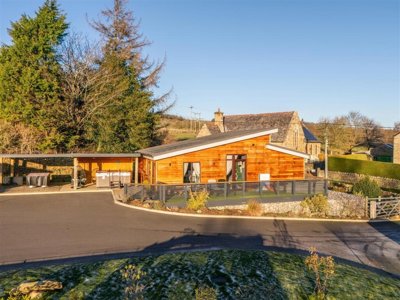
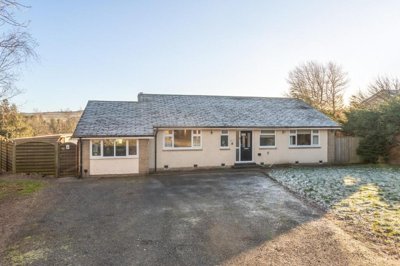
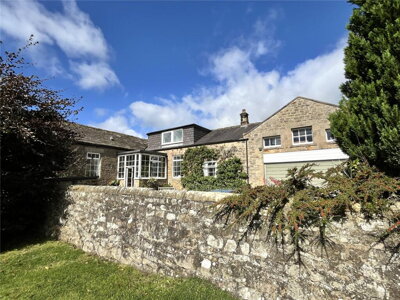
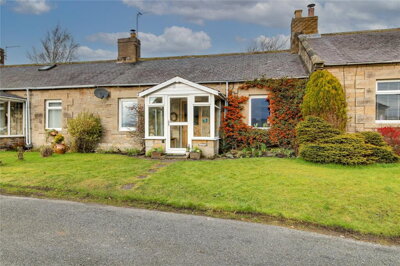
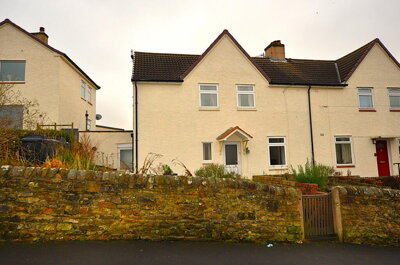
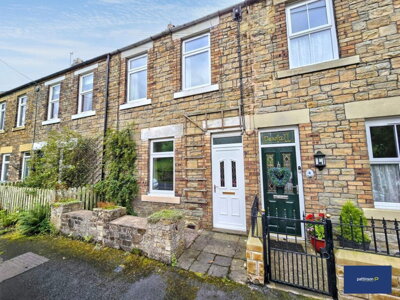
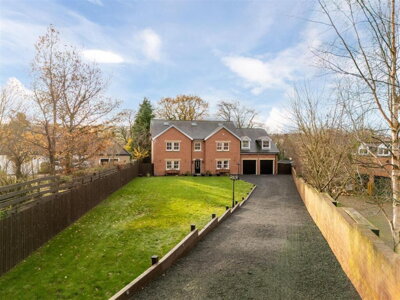
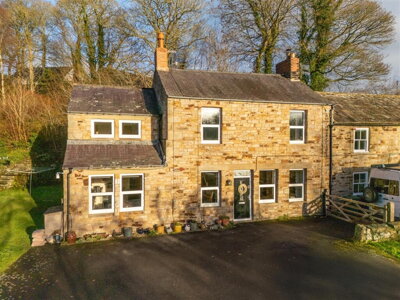
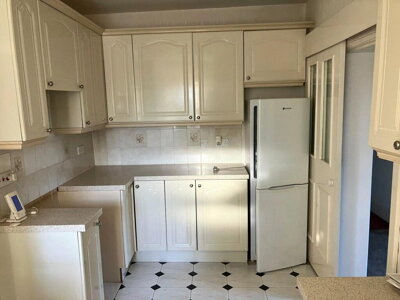
Browse 9 homes for sale in Bardon Mill from local estate agents.
The Bardon Mill property market offers detached, semi-detached, and terraced houses spanning various price ranges and neighbourhoods. Each listing includes detailed property information, photographs, and direct contact with the marketing agent.
Bardon Mill’s housing market has the same distinctive feel as the village itself. Detached homes here reach an average of £675,000, while semi-detached properties come in at around £275,000 and terraced homes also average £275,000. Sold-price evidence for NE47 7 shows values have climbed 45% on the previous year and now sit 23% above the 2019 peak of £310,000, a clear sign of firm, sustained growth in this sought-after spot.
Sales volumes are modest, which is typical for a village market. Across the wider NE47 7 postcode area covering Bardon Mill and Haydon Bridge, 22 property sales were recorded over the past 24 months, with 4 sales in Bardon Mill itself in the last twelve months. In NE47 7ER, 100% of recorded transactions were detached properties. New build choice in the village is limited, although standout six-bedroom detached houses do reach the market from time to time for buyers who want modern living in a historic setting.
Housing in Bardon Mill is overwhelmingly made up of houses and bungalows, which account for 97.8% of the stock according to the 2011 Census. Flats and maisonettes make up only 0.5%, so this is very much a house-led village. There is real architectural interest too, with Grade I and Grade II listed buildings including the Church of St Cuthbert, Beltingham House, and bastle houses from the 16th, 17th, and 18th centuries. Buyers drawn to period homes often come here for thick stone walls, traditional Northumbrian detailing, and genuine character.

Life here is shaped by the seasons, the landscape, and a deep sense of Northumbrian history. Bardon Mill sits in the South Tyne Valley, with broad views over farmland and towards the Pennine hills. Its name comes from the medieval corn mill that once stood on the site, and that long craft tradition still shows through at Errington Reay Pottery, established in 1878 and still the only commercial pottery in the UK licensed to produce traditional salt glaze pottery. That living heritage brings visitors from across the country and supports a lively local mix of pubs, cafes, and places to stay.
Community life has a strong footing in Bardon Mill. The Bardon Mill and Henshaw Village Hall, a recently built venue using traditional stone and glass, reflects the local building style while giving residents a practical shared space. For anyone who likes the outdoors, Hadrian's Wall Path National Trail, Northumberland National Park, and Kielder Water are all close by, with excellent walking, cycling, and wildlife watching. The Twice Brewed Inn and Vallum Lodge Hotel cover dining and accommodation locally, and Hexham and Haltwhistle provide supermarkets, healthcare, and weekly markets.
Tourism plays a big part in the local economy, largely because Bardon Mill sits between major Roman sites such as Vindolanda and Housesteads Roman Fort. Accommodation businesses benefit from a reliable flow of visitors exploring Hadrian's Wall, while Errington Reay Pottery draws people from across the UK for its shop and workshop experiences. Even the village pub tells part of the story, the Twice Brewed Inn takes its name from its place on the Military Road that follows the line of the Roman Wall.

Construction style matters here, and we always suggest buyers take note of it early. Traditional Northumbrian buildings in and around Bardon Mill are chiefly stone-built, with bastle houses standing out in particular, these fortified farmhouses are unique to the Anglo-Scottish border region. They were built in massive rubble construction with thick walls, ground-floor byres for livestock, and defensive details that reflect the long era of border raiding between England and Scotland.
The village has a notable collection of Grade II listed bastle houses. Among them are Millhouse Grange and Grandys Knowe Farmhouse, together with the ruined bastle immediately to the west. A good number of these old farmsteads have been converted carefully for residential use, keeping features such as heavy lintels, small windows by modern standards, and solid flagstone floors. Around Bardon Mill, Henshaw, and Thorngrafton, roofs are commonly traditional slate or stone tile, with some older buildings still using lead or stone slab roofing.
Not every local building is historic, and newer work can still sit comfortably in its setting. The Bardon Mill and Henshaw Village Hall, completed in recent years, is a good example, using stone and glass externally with a steel and timber frame and sheep's wool insulation from local farms. For buyers, the bigger practical point is that many older homes have solid walls rather than cavity construction. That affects insulation choices and can call for more specialist damp assessment and remedial work.
Families moving to Bardon Mill need to plan a little more around schooling, as the village’s rural setting means education is largely provided nearby rather than in the village itself. Primary-age children usually attend schools in surrounding villages or in Haltwhistle, where there is a broader range of facilities. For secondary education, most routes lead to Hexham or Brampton, with school transport services running from Bardon Mill to those larger centres.
In the wider Northumberland area, there are several schools that families speak highly of. Hexham Grammar School and Queen Elizabeth High School in Hexham are the main secondary choices for many Bardon Mill households, and both offer strong academic courses along with sixth-form study. Hexham Grammar School, founded in 1330, is particularly well known for its academic reputation and draws pupils from across Northumberland. For younger children, primary schools in Haydon Bridge and Haltwhistle provide the nearest local options, with dedicated bus links serving Bardon Mill.
Before committing to a purchase, we recommend checking catchment areas and admissions rules directly with Northumberland County Council, because they do change and can have an effect on values in particular streets. From Bardon Mill, school transport usually serves Haltwhistle Primary School and Hayden Bridge Primary School for younger pupils, while secondary-age children generally travel to Hexham. Early buses make that workable, but journey times of 20-30 minutes need to be built into the day. Some village families also opt for independent schools in Newcastle, which means longer travel but access to a wider mix of educational choices.

Bardon Mill railway station is on the Tyne Valley line, giving the village a direct rail link across the region. Trains run to Carlisle, Newcastle upon Tyne, and stations in between including Hexham, Prudhoe, and MetroCentre. Newcastle is about 45 minutes away by train, which keeps commuting and regular day trips very manageable. By road, the A69 trunk road runs through the village and gives straightforward access east to Newcastle and west to Carlisle.
For longer journeys, Newcastle Airport is roughly 45 minutes away by car and offers flights to European destinations. Edinburgh is reachable in around two hours by road, and Newcastle’s port has ferry services to Amsterdam. Closer to home, Arriva and other local operators run buses linking Bardon Mill with Hexham, Haltwhistle, and nearby villages, although services are less frequent than in urban areas. Cycling provision is improving too, helped by the Hadrian's Wall Path and a network of country lanes used by both leisure riders and regular cyclists.
Rail services on the Tyne Valley line have historically run at about one train per hour in each direction, although current timetables can vary and are always worth checking. For people travelling into Newcastle for work, the train journey of around 45 minutes can be an efficient part of the day, and some services have room for bicycles as well as comfortable seating. Hexham station, not far away, adds further rail options and parking for those who prefer to drive to the train. The A69 also gives direct access towards the A1(M) at Newcastle, which helps with wider regional and national travel without a long urban run first.

We suggest starting with the live market. Browsing current Bardon Mill listings and setting alerts makes it easier to catch new instructions quickly, and an average property price of £512,500 gives useful context when weighing an asking price. Current availability can also extend across the wider NE47 7 postcode area, including nearby Haydon Bridge, where the value equation may look a little different.
Once a property catches your eye, contact local estate agents and book viewings. It is sensible to visit at different times of day so you can judge the setting properly, from natural light to background noise. In a rural location like this, evening and weekend appointments often work best for buyers coming from urban areas, and a return visit can pick up things the first one misses, such as sound from the A69 or the railway.
Before offering, we advise having a mortgage agreement in principle in place. It gives sellers confidence and puts you in a stronger position when negotiations begin. With Bardon Mill homes averaging £512,500, many purchasers will be borrowing £300,000 or more, so a broker used to rural property can be particularly helpful, especially where stone-built or listed homes bring extra lender requirements.
Because so much of Bardon Mill’s housing is older and stone-built, we strongly recommend a Level 2 Home Survey in many cases. It is a useful way to identify structural movement, damp, or roof defects before you are legally committed. Most of the local stock predates 1900 and uses traditional stone construction, so surveys here often pick up issues that are more typical of historic Northumbrian property than of newer homes elsewhere.
Legal work is another key step, and we recommend appointing a conveyancing solicitor to deal with searches, contracts, and title registration. In Bardon Mill, local searches will draw on Northumberland County Council records, and mining searches are a sensible extra because Bardon Mill Colliery operated here from 1940 to 1972. A conveyancer who knows listed and historic buildings can also help with the added legal and practical points that often come with this kind of purchase.
After the searches are back, the mortgage is confirmed, and the paperwork is in order, your solicitor can exchange contracts and agree a completion date. On completion day, the balance is transferred and the keys are released. We usually remind buyers to leave time for the practical side as well, redirecting post, informing utility providers, and signing on with local services such as the GP surgery in Haltwhistle or Haydon Bridge.
Historic property is a major part of the Bardon Mill market. Grade I and Grade II listed buildings include the Church of St Cuthbert, Beltingham House, and a range of bastle houses dating from the 16th, 17th, and 18th centuries. Anyone buying one of these homes needs to know that alterations, extensions, and significant repairs generally require Listed Building Consent from Northumberland County Council, and some mortgage lenders apply extra conditions. For more complex buildings, we often recommend a specialist RICS Level 3 Building Survey so the construction and condition are properly assessed.
Some site-specific checks matter more here than they would in a standard suburban purchase. Homes in the South Tyne Valley, particularly those nearer the river, can have different flood risk profiles and should be looked at carefully. The village also stands on the former Bardon Mill Colliery, which operated from 1940 to 1972, and while there are no widely documented subsidence problems, mining searches remain advisable. Stone-built homes are common throughout Bardon Mill, so thick walls, smaller windows, and solid floors are all part of the expected fabric. We would always review local authority, environmental, and water and drainage search results before moving ahead.
Damp is one of the most frequent issues we see in older stone-built homes across Northumberland. A proper survey should assess walls, floors, and roofs for signs of rising damp or penetrating damp, particularly where age and exposure are both factors. Roof coverings need close attention too, as traditional slate and stone tile roofs can demand more upkeep than modern alternatives. Older electrical installations are another regular finding, and a thorough inspection can highlight wiring that may need upgrading either before purchase or soon afterwards.
Over the last year, the average house price in Bardon Mill was £512,500. Broken down by type, detached properties averaged £675,000, semi-detached homes £275,000, and terraced properties £275,000. Prices are up 6.0% over the past year, and longer-term figures show values now sit 23% above the 2019 peak of £310,000, pointing to continued growth in this rural Northumberland village. Across NE47 7, sold prices are 45% higher than the previous year, which underlines the strength of demand along the Hadrian's Wall corridor.
Bardon Mill falls within the area administered by Northumberland County Council. Council tax runs from band A to band H according to property value, and many family homes in the village sit within bands B to E. Larger detached stone houses and old farmhouses often fall into the higher bands, while smaller terraced cottages and retirement properties may be in band A or B. We suggest checking the exact band directly with Northumberland County Council or on the government valuation website before you commit.
There is no primary or secondary school in Bardon Mill itself, so families usually look to nearby centres. Primary-age children often go to school in Haydon Bridge or Haltwhistle, and many secondary pupils travel on to Hexham Grammar School or Queen Elizabeth High School in Hexham. Hexham Grammar School is selective and has a strong academic record with a broad extracurricular offer, while Queen Elizabeth High School provides comprehensive education with good facilities for pupils across the ability range. Before buying, it is wise to confirm both catchment arrangements and transport with Northumberland County Council's education department.
Transport links are good by rural standards. Bardon Mill has its own station on the Tyne Valley line, with direct trains to Carlisle and Newcastle in around 30-45 minutes. The A69 trunk road runs through the village and links onwards to the A1 motorway, giving road access in both directions towards Newcastle and Carlisle. Bus routes serve Hexham and Haltwhistle as well, although they are less frequent than town services and some only run on particular days of the week. Newcastle Airport is about 45 minutes away by car, and for some trips the train to Newcastle is the easier public transport option for reaching it.
From an investment angle, Bardon Mill has several strengths. Annual price growth of 6.0%, proximity to visitor draws such as Hadrian's Wall and Vindolanda, and a restricted supply of new build homes all support the market. The stock is mainly detached and owner-occupied, which can help steady demand, while homes near the station attract commuters wanting a rural base with city access. Character houses and listed buildings have their own appeal for buyers seeking period detail and Northumbrian architecture. The counterpoint is scale, with only 4 recorded sales in the past twelve months, liquidity can be lower than in larger towns, so returns are often better judged over the longer term.
Stamp duty rates from April 2024 apply across England. Standard rates are 0% up to £250,000, 5% on £250,001 to £925,000, 10% on £925,001 to £1.5 million, and 12% above £1.5 million. First-time buyers pay 0% up to £425,000 and 5% on £425,001 to £625,000. On a typical Bardon Mill purchase at £512,500, a first-time buyer would pay no stamp duty, while someone who has owned before would pay £13,125. We would also allow for mortgage charges, survey fees of £395-£1,250 depending on value, and conveyancing costs starting from around £499.
From 4.5%
Expert mortgage advice tailored to your purchase
From £499
Specialist solicitors for Bardon Mill property purchases
From £395
Professional survey for modern and older properties
From £600
We usually recommend a more detailed survey for historic and listed properties.
Working out the full buying cost matters just as much as agreeing the purchase price. In England, Stamp Duty Land Tax applies to all purchases, with the current threshold at £250,000 for standard buyers and £425,000 for first-time buyers using relief. On the average Bardon Mill price of £512,500, a first-time buyer would qualify for that relief and pay no SDLT, while a buyer who has owned before would pay £13,125.
There are other costs to add in as well. Mortgage arrangement fees can range from £0 to £2,000 depending on the lender and the product selected. For surveys, a RICS Level 2 Home Survey on a Bardon Mill property will usually cost between £395 and £1,250, depending on size and value. Legal fees covering conveyancing work, local searches, and title registration often start from about £499 for a standard purchase. We also suggest leaving room in the budget for removals, any estate agent costs if you are selling at the same time, and a contingency for repairs or improvements highlighted during the survey.
In Bardon Mill, there can be a few extra costs beyond the usual buying budget. Mining searches are sensible because of the village’s colliery history, and listed buildings or older historic homes may need specialist surveys that uncover issues requiring remedial work. As a rule of thumb, allowing around 2-3% of the property value for these extras is a practical approach. On a property at £512,500, that means setting aside roughly £10,300-£15,400 on top of the price for mortgage fees, survey costs, legal work, and moving expenses.

Properties for Sale In London

Properties for Sale In Plymouth

Properties for Sale In Liverpool

Properties for Sale In Glasgow

Properties for Sale In Sheffield

Properties for Sale In Edinburgh

Properties for Sale In Coventry

Properties for Sale In Bradford

Properties for Sale In Manchester

Properties for Sale In Birmingham

Properties for Sale In Bristol

Properties for Sale In Oxford

Properties for Sale In Leicester

Properties for Sale In Newcastle

Properties for Sale In Leeds

Properties for Sale In Southampton

Properties for Sale In Cardiff

Properties for Sale In Nottingham

Properties for Sale In Norwich

Properties for Sale In Brighton

Properties for Sale In Derby

Properties for Sale In Portsmouth

Properties for Sale In Northampton

Properties for Sale In Milton Keynes

Properties for Sale In Bournemouth

Properties for Sale In Bolton

Properties for Sale In Swansea

Properties for Sale In Swindon

Properties for Sale In Peterborough

Properties for Sale In Wolverhampton

Enter your details to see if this property is within your budget.
Loans, cards, car finance
Estimated property budget
Borrowing + deposit
You could borrow between
Typical borrowing
Monthly repayment
Est. at 4.5%
Loan-to-value
This is an estimate only. Your actual budget may vary depending on interest rates, credit history, and personal circumstances. For an accurate affordability assessment, speak to one of our free mortgage advisors.
This calculator provides estimates for illustrative purposes only and does not constitute financial advice. Your home may be repossessed if you do not keep up repayments on your mortgage. Estimates based on 4.5% interest rate, repayment mortgage. Actual rates depend on your circumstances.
Homemove is a trading name of HM Haus Group Ltd (Company No. 13873779, registered in England & Wales). Homemove Mortgages Ltd (Company No. 15947693) is an Appointed Representative of TMG Direct Limited, trading as TMG Mortgage Network, which is authorised and regulated by the Financial Conduct Authority (FRN 786245). Homemove Mortgages Ltd is entered on the FCA Register as an Appointed Representative (FRN 1022429). You can check registrations at NewRegister or by calling 0800 111 6768.

We use cookies to show you personalised content and improve your experience of our website. Find out more in our Privacy policy and Cookie policy.