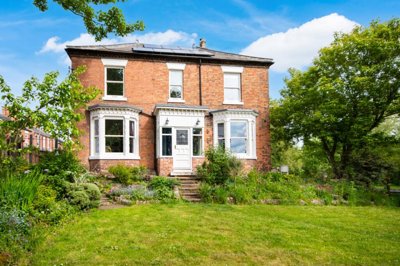
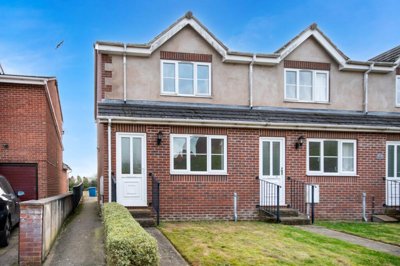
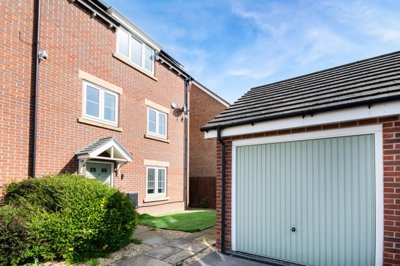
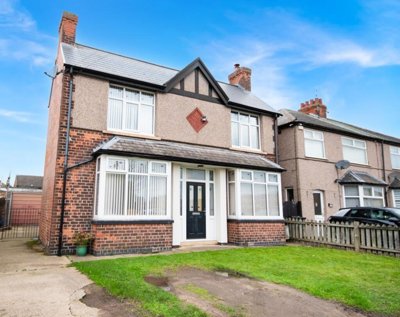
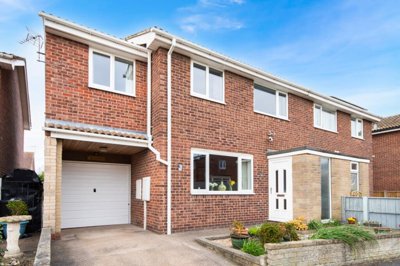
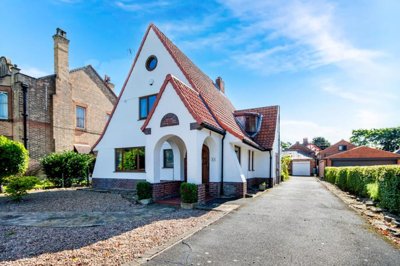
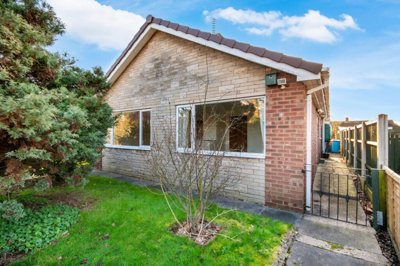
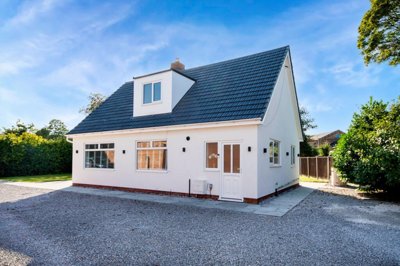
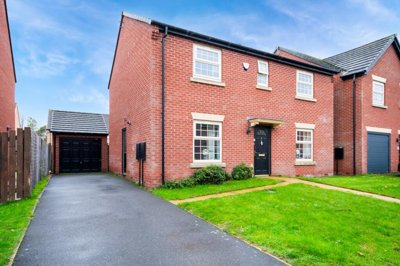
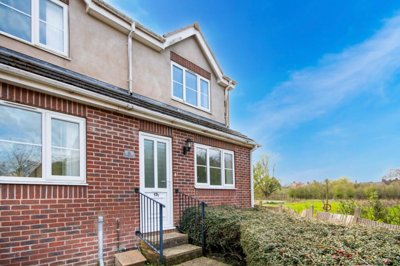
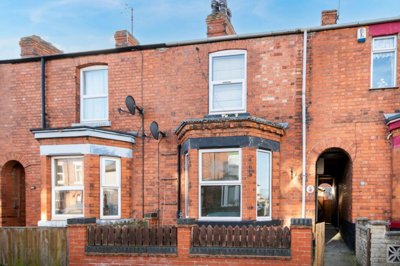
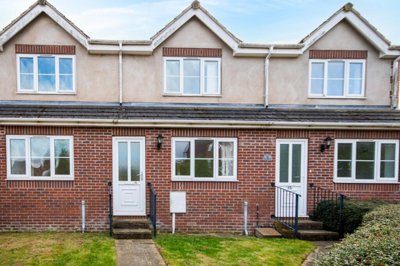
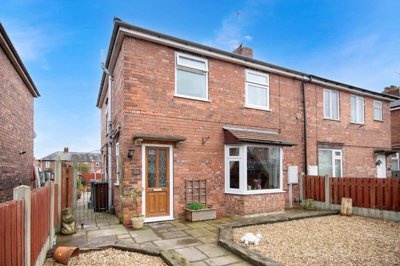
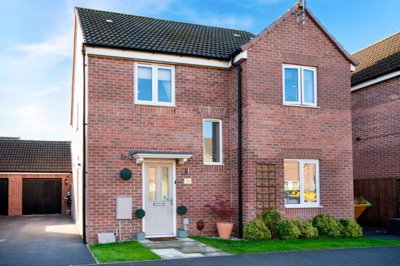
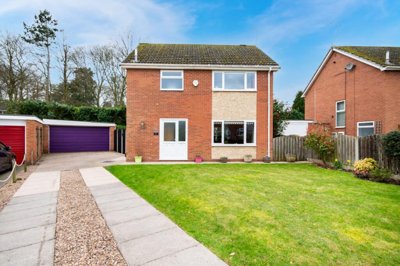
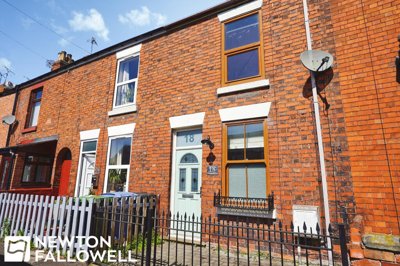
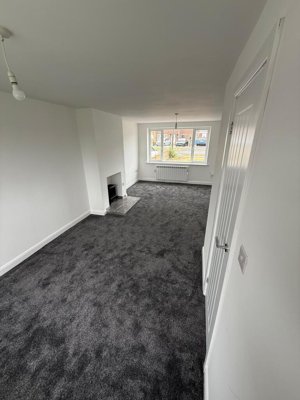
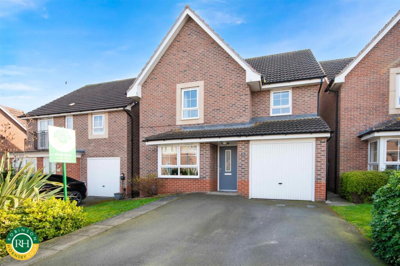
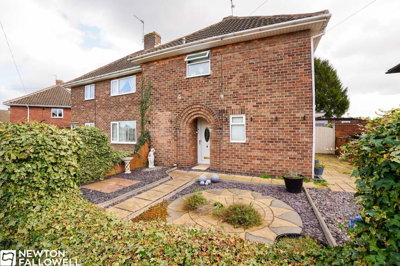
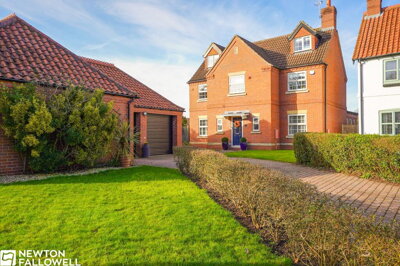
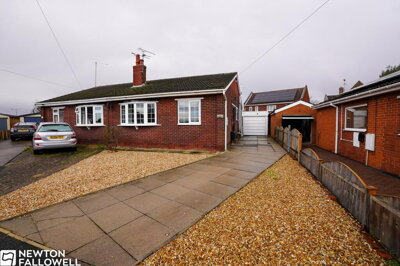
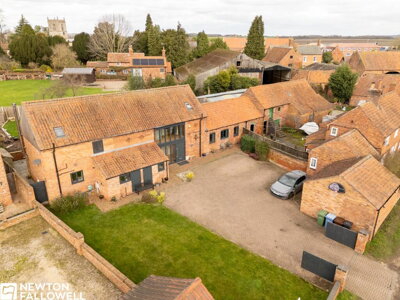
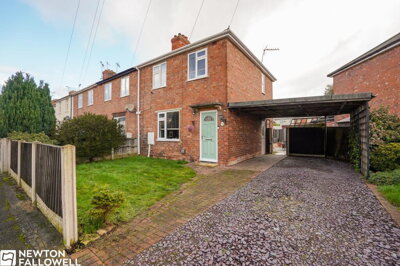
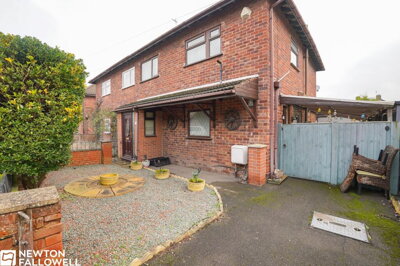
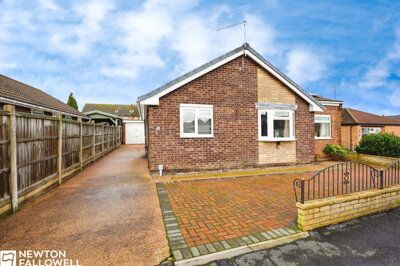
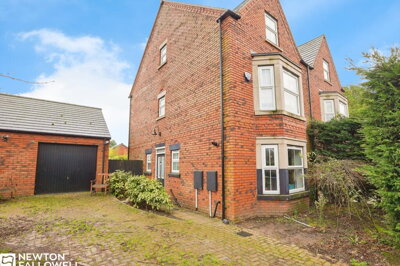
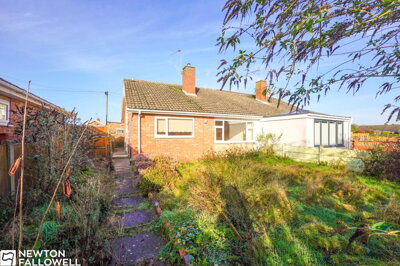
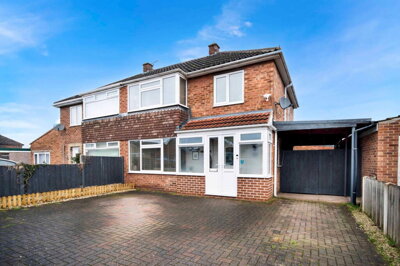
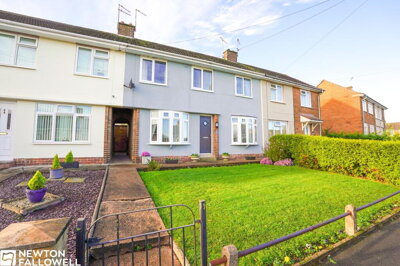
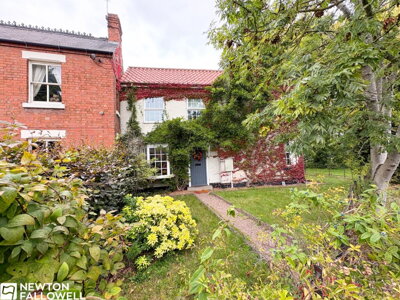
Browse 165 homes for sale in Babworth, Bassetlaw from local estate agents.
The Babworth property market offers detached, semi-detached, and terraced houses spanning various price ranges and neighbourhoods. Each listing includes detailed property information, photographs, and direct contact with the marketing agent.
£838k
2
0
34
Source: home.co.uk
Showing 2 results for Houses for sale in Babworth, Bassetlaw. The median asking price is £837,500.
Source: home.co.uk
Detached
2 listings
Avg £837,500
Source: home.co.uk
Source: home.co.uk
Babworth’s property market has shifted notably over the last few years, with house prices sitting at around £1,128,333 on last year’s figures. Terraced homes in the village have averaged £210,000, and semi-detached properties have also come in at about £210,000. Detached houses vary far more, with individual sales ranging from roughly £800,000 to £1,050,000, depending on size, condition and where they sit in the parish. Over the past twelve months, values in Babworth have dropped by about 52% against the previous year, a move that mirrors wider national adjustments and may give buyers a useful opening into this sought-after village market.
That said, Babworth has still shown strong long-term performance, with the 2021 peak averaging £743,744 across the area. From that point, prices are down by around 79%, which has brought the market back to levels not seen for some time. For buyers with a longer view, that matters. Babworth has often performed well within the Nottinghamshire property scene, and the current pricing could suit those looking for a more measured entry. Most sales over the past year have been terraced houses, which tells us demand for that style remains firm among first-time buyers and investors.
Semi-detached homes also account for a decent share of activity, giving growing families more room without the cost of a detached place. New build supply is limited within the parish itself, so much of the stock is made up of established period homes with traditional construction and sizeable plots. Nearby Retford opens the door to newer schemes such as The Brambles on London Road, where The Dunstanburgh has sold for around £570,000 and The Tonbridge for approximately £387,000. For those after something self-build, Trinity Fields on North Road in Retford has development plots from £219,995, still within the wider DN22 postcode area.
According to the 2012-2021 Housing Needs Assessment, 89.3% of local households live in homes with at least one extra bedroom. That says a lot about the village housing stock. Babworth properties tend to offer larger rooms and broader plots than urban alternatives, which is part of the appeal. Families needing space to grow, or people working from home and wanting a proper office, often find the layout far easier to live with than tighter town properties.

Babworth is a civil parish in the Bassetlaw district of Nottinghamshire, about two miles east of Retford town centre. It has the feel of classic rural England, with historic stone churches, traditional red brick cottages and farmland running across the parish. The geology in the wider Bassetlaw area is mainly non-cohesive drift deposits over sandstone to the west and Triassic mudstone, including Keuper Marl, to the east. That mix shapes the rolling farmland and pastoral fields around Babworth. Domestic subsidence risk in Bassetlaw sits at roughly 0.796 times the UK average, placing it 231st out of 413 districts nationally, so the overall risk for owners is moderate to lower than average.
At the centre of village life is All Saints' Church, a Grade I listed building and one of Babworth’s most important historic landmarks. Its link to Robert Aske, leader of the Pilgrimage of Grace rebellion in 1536, gives the village a national historical connection that few places its size can match. Babworth Hall and Babworth Rectory are also strong architectural examples, with the Hall built in red brick and ashlar with slate roofs, and the Rectory finished in brick and stucco with ashlar coped gables. Those buildings help set the tone here, where traditional materials still dominate throughout the parish.
Bassetlaw district has 33 designated conservation areas, and Babworth and Ranby are closely tied to listed buildings and heritage protection. That conservation setting helps the village keep its character and historic integrity, though buyers do need to understand the planning controls that come with listed status. The community itself is active, with local events, pub nights and village hall functions giving residents plenty of chances to meet. Retford is close by too, with supermarkets, independent shops, restaurants and healthcare facilities all within easy reach.

For families thinking of moving to Babworth, the local education picture is reasonably broad, with primary schools serving the village itself and secondary choices nearby in Retford. Several primary schools across the wider Bassetlaw district sit within catchment, and Ofsted-rated good and outstanding schools give parents confidence in the standard on offer for younger children. The surrounding area also includes primary schools with positive inspection results. Because Retford is so near, secondary school options are straightforward to access, including schools with full curricula and sixth form provision for older pupils continuing their studies locally.
Retford’s secondary schools draw pupils from across Bassetlaw and provide specialist subjects, sports facilities and creative arts programmes alongside classroom teaching. Families planning a move to Babworth should check current catchment boundaries and admission policies with Nottinghamshire County Council, because these can affect school places depending on the exact address within the parish. The Travel Plan for Babworth shows that car use is the main way children get to school, which reflects the rural setting and the distances involved. Even so, cycling to nearby schools is realistic for older children, and the quiet country lanes give families routes they often feel comfortable using with younger cyclists too.
Childcare and early years provision is available in the Babworth area, with nurseries and preschool settings offering practical support for working parents. Having several primary schools within a manageable commute makes the village attractive to families who want rural living without losing day-to-day convenience. Sixth form students can look both locally and to nearby towns, where colleges offer A-level courses and vocational qualifications for different routes through education. Across the wider Bassetlaw area, the school network keeps developing, with strong community links and extracurricular activities that add to life for young people growing up in the village.

One of Babworth’s biggest strengths is transport. Retford railway station is only two miles away, and it runs direct services on the East Coast Main Line. From there, London King's Cross is roughly 90 minutes away, which makes the village workable for commuters who want countryside living without giving up capital access. The station also links to Sheffield, Lincoln, Nottingham and Doncaster, connecting residents with major employment centres across the North and Midlands. That level of rail access is a big reason Babworth and the wider Bassetlaw area stay popular with professionals looking for a balance between work and quality of life.
Road access is strong too. The A1 trunk road runs close by, giving direct routes north to Newcastle upon Tyne and south to London. The M18 is also within reasonable driving distance, which opens up connections to Leeds, Sheffield and the wider motorway network. Local bus services link Babworth with Retford and neighbouring villages, so people without a car are not cut off. The village layout means many daily needs can be met without driving, yet the road network still works well for longer journeys and weekend trips. Cycling is popular here as well, with quiet country lanes used by both leisure riders and commuters who like the scenery through Nottinghamshire.

Before starting a search in Babworth, we always think it pays to get a feel for local prices, property types and what each part of the village offers. With average prices around £1,128,333 for terraced properties and £210,000 for semi-detached homes, a realistic budget matters from the outset. Mortgage affordability needs a careful look, and it is wise to allow for extra costs such as stamp duty, solicitor fees and survey charges. The difference between freehold and leasehold should also be clear, because some homes in the wider Bassetlaw area may have less usual arrangements.
We would usually suggest speaking to a mortgage broker or lender and getting an agreement in principle before any viewings. It shows estate agents and sellers that finance is already in place and that you are serious about proceeding. Mortgage rates move around, so comparing lenders can save a lot over the life of the loan. Having the paperwork ready can make a real difference when the right property comes up. For buyers looking at higher-value detached homes, or those with non-standard income, a specialist rural mortgage broker can be particularly helpful.
After that, the next move is to work with local estate agents and arrange viewings for properties that fit your brief. Babworth has limited stock, so it often pays to move quickly when something suitable comes to market. While viewing, ask about the boiler age, roof condition and any renovation work already completed. It also helps to spend time around the neighbourhood at different times of day. For period homes, check closely for damp, timber decay or structural movement, as those signs can point to deeper problems that need attention.
Once an offer is accepted, we advise instructing a qualified surveyor to inspect the property. For many homes, an RICS Level 2 survey gives a solid condition check without the cost of a full building survey. In Babworth, that is especially useful because the stock is older and includes many listed buildings and period houses, where structural or maintenance issues can hide beneath a tidy finish. Our team can put you in touch with qualified RICS surveyors who understand local construction methods and the defect patterns often seen in Bassetlaw properties.
Your solicitor takes care of the legal side of the purchase, from searches and contracts through to registration with the Land Registry. Conveyancers who work regularly in Bassetlaw district will already know the local authority requirements that can crop up. A standard transaction usually takes 8-12 weeks, although chain-free purchases can move faster. Searches normally cover drainage and water, local authority checks and environmental reports, all of which help identify anything that could affect the property.
When the legal work is complete and the finance is confirmed, contracts are exchanged and the deposit is paid. Completion usually follows within days or weeks, depending on what was agreed. Before collecting the keys, it is sensible to book removals and let utility providers know. At that point, you are a Babworth homeowner. Our team can also point you towards local utility providers, removal companies and tradespeople who can help once you have moved in.
Knowing the main construction types in Babworth helps buyers understand what they are taking on. The village’s historic and listed buildings are mainly stone-built with slate roofs, as seen at All Saints' Church. Across the parish, traditional cottages and farmhouses usually have solid brick walls without cavity insulation, which reflects building methods used before modern standards came in. Those walls do hold heat well, but they need a different approach to insulation and ventilation than newer houses do.
Babworth Hall is a good example of local brick craftsmanship, built in red brick and ashlar with slate roofs. Ashlar stone dressings on brick buildings are a familiar feature in the village, giving homes extra visual interest while mixing two practical materials. Babworth Rectory shows another variation, being brick and stuccoed with slate roofs and ashlar coped gables. That kind of stucco finish was common in the Victorian period, providing weather resistance and a neater appearance. Any property with original stucco should be checked for cracking or delamination, which can hint at movement or water ingress.
The geology across Bassetlaw has played a part in the materials used for building over the years. With sandstone to the west and Triassic mudstone, including Keuper Marl, to the east, local quarry stone was available for churches and larger houses, while clay deposits supported the red brick used in many village cottages. In the wider DN22 area, modern schemes such as The Brambles in Retford use current construction methods, including cavity wall insulation and modern roofing materials, so their performance is quite different from Babworth’s historic core.
Babworth’s architectural heritage means many homes are either listed buildings or sit within conservation areas, so buyers need to think carefully before committing. Listed buildings are protected by special rules that restrict external changes, and it is important to understand those limits in advance. Planning consent may be needed for works that would normally be allowed on unlisted homes, and some renovation jobs can be restricted or need approval from heritage bodies. For anyone considering a period property, those implications should be built into both the renovation plan and the budget.
Clay soils are present across parts of Bassetlaw, and they can be prone to subsidence when moisture levels change, even though the overall risk is rated below the UK average at 0.796 times the national figure. During viewings, watch for cracks in walls, doors that stick or floors that feel uneven. Trees and heavy planting close to buildings deserve particular attention, as roots can alter soil moisture and contribute to movement in clay ground. A proper survey by a qualified professional will pick up any existing subsidence and assess the foundations. Properties on, or near, ground with variable geology also benefit from good drainage and regular maintenance of trees and vegetation.
Property construction in Babworth runs from traditional stone buildings with slate roofs through to brick-built homes from different periods of local growth. Older houses may have solid brick walls without modern cavity insulation, which affects both how they hold heat and how they need to breathe. When we look at these homes, roof condition, gutters and drainage systems deserve attention because repairs can be costly. Many properties also come with generous plots and gardens, which is attractive but does mean more outside upkeep. Tenure matters too, as some homes are leasehold or carry shared ownership arrangements that can affect purchase costs and future flexibility.
Our inspectors regularly come across the same sorts of issues in the Babworth area. Period roofs often need repointing or chimney stack repairs, because weathering can let in water. Original timber windows in listed buildings may need restoring rather than replacing, so the character stays intact and listed building consent rules are met. Solid floors, which are common in older homes, may have no damp proof course or may have failed original membrane systems. Electrical systems in period properties also often need updating, since wiring fitted decades ago may no longer cope with modern use.
Based on last year’s sales data, the average house price in Babworth is around £1,128,333. Terraced homes sold at an average of £210,000, while semi-detached houses achieved about £210,000 as well. Detached properties show much more spread, with individual sales ranging from £800,000 to £1,050,000 depending on size and location. The market has adjusted by 52% from the previous year and sits about 79% below the 2021 peak of £743,744, so entry points are more accessible than they were in recent years.
For council tax purposes, properties in Babworth fall under Bassetlaw District Council. Bands run from A through H, and most traditional terraced and semi-detached homes usually sit in bands A to C. The exact band depends on the property’s valuation, so buyers should check the specific band with Bassetlaw District Council or through the Valuation Office Agency website. Those payments support local services such as education, waste collection and community facilities across the Bassetlaw area.
Babworth has a decent selection of primary schools within the Bassetlaw district, and several are rated good or outstanding by Ofsted. Schools in nearby Retford and surrounding villages serve the local community, with catchment areas depending on the precise address within the parish. Secondary education is available in Retford too, including sixth form provision for pupils staying on locally. Families should check current catchment boundaries and admission policies with Nottinghamshire County Council when looking at school places, as those details can change and affect eligibility.
Despite its rural feel, Babworth has strong public transport links. Retford railway station, two miles away, provides direct East Coast Main Line services to London King's Cross in around 90 minutes. Trains also run regularly to Sheffield, Lincoln, Nottingham and Doncaster. Local bus routes connect Babworth with Retford and nearby villages, which gives useful daily travel options for people without a private car. The Travel Plan for Babworth shows that car use is still the main choice for many journeys, but public transport does cover day-to-day commuting needs.
Babworth has several features that make it attractive for investment, from its rural village character and strong transport links to the way property values have held over time. An average price of £1,128,333 still gives an entry point that compares well with many other areas within commuting distance of major cities. Listed buildings and conservation areas restrict new development, which helps preserve the character that draws buyers in the first place. Rental demand is supported by professionals commuting to London, Nottingham and Sheffield, while tenants are often after the village lifestyle. The wider DN22 postcode also gives investors the option of new build homes if they prefer modern construction.
Standard Stamp Duty Land Tax rates begin at 0% on the first £250,000 of a property’s value, then rise to 5% on the slice from £250,001 to £925,000. First-time buyers get higher thresholds, paying 0% on the first £425,000 and 5% on the amount between £425,001 and £625,000. A typical terraced property in Babworth at £210,000 would attract no stamp duty for any buyer type. Semi-detached homes at £210,000 also sit below the standard nil-rate point, which makes Babworth particularly appealing for first-time buyers and those buying at lower price levels. Higher-value detached homes above £250,000 would pay stamp duty on the part above that threshold.
There are 21 listed buildings in Babworth parish, which underlines the village’s strong historical importance. They include the Grade I listed Church of All Saints, the Grade II* listed Ranby Hall, and a number of Grade II listed properties such as Babworth Hall, Babworth Rectory, Rushey Inn Cottages and several lodges and farmhouses. These protected buildings add to Babworth’s distinct character, but buyers need to understand the consequences of listed status before they buy, because certain works need consent from conservation authorities. Across Bassetlaw district there are 33 conservation areas in total, which gives extra protection to the historic environment.
No confirmed new build residential schemes were identified within the Babworth parish boundary, because the village’s conservation character keeps development tightly controlled. Even so, the wider DN22 postcode area, including nearby Retford, offers several options. The Brambles on London Road in Retford includes The Dunstanburgh at around £570,000, The Tonbridge at approximately £387,000, The Windsor at £356,000 and The Edlingham at £550,000. Trinity Fields on North Road in Retford has development plots from £219,995 for self-build buyers. There is also a site at Green Mile, Babworth with planning permission for 31 holiday lodges rather than permanent homes.
Buying in Babworth means looking beyond the asking price, because stamp duty, solicitor fees, survey costs and other charges can add several thousand pounds to the budget. For most buyers at current Babworth price levels, stamp duty is likely to be modest. Standard buyers pay nothing on the first £250,000, so terraced homes at £210,000 and semi-detached homes at £210,000 sit fully within the nil-rate band. Only buyers purchasing higher-value detached properties at £400,000 or above would pay stamp duty on the amount over £250,000.
First-time buyers get even better treatment, with relief at 0% up to £425,000 before the 5% rate applies to amounts between £425,001 and £625,000. In practice, that means most properties in Babworth would carry no stamp duty for first-time buyers, leaving more of the deposit available for other costs. Conveyancing fees usually sit somewhere between £500 and £1,500, depending on how complex the transaction is and whether the home is leasehold or freehold. Survey fees vary with the level of inspection, with RICS Level 2 surveys starting from around £350 for standard properties, while Level 3 building surveys cost more but go into greater depth.
It is also sensible to allow for mortgage arrangement fees, which can range from zero to over £2,000 depending on the lender, land registry registration fees, search costs from Bassetlaw District Council and removal expenses. Buildings insurance needs to be in place from completion, and you may also need money for immediate repairs or renovations flagged by the survey. A contingency fund of at least 10% of the purchase price gives some breathing room across those extra costs, so you are less likely to be caught short during the transaction. Our related services section links you with trusted providers for mortgages, conveyancing and surveys, helping us handle the financial side of a Babworth purchase with confidence.

Properties for Sale In London

Properties for Sale In Plymouth

Properties for Sale In Liverpool

Properties for Sale In Glasgow

Properties for Sale In Sheffield

Properties for Sale In Edinburgh

Properties for Sale In Coventry

Properties for Sale In Bradford

Properties for Sale In Manchester

Properties for Sale In Birmingham

Properties for Sale In Bristol

Properties for Sale In Oxford

Properties for Sale In Leicester

Properties for Sale In Newcastle

Properties for Sale In Leeds

Properties for Sale In Southampton

Properties for Sale In Cardiff

Properties for Sale In Nottingham

Properties for Sale In Norwich

Properties for Sale In Brighton

Properties for Sale In Derby

Properties for Sale In Portsmouth

Properties for Sale In Northampton

Properties for Sale In Milton Keynes

Properties for Sale In Bournemouth

Properties for Sale In Bolton

Properties for Sale In Swansea

Properties for Sale In Swindon

Properties for Sale In Peterborough

Properties for Sale In Wolverhampton

Enter your details to see if this property is within your budget.
Loans, cards, car finance
Estimated property budget
Borrowing + deposit
You could borrow between
Typical borrowing
Monthly repayment
Est. at 4.5%
Loan-to-value
This is an estimate only. Your actual budget may vary depending on interest rates, credit history, and personal circumstances. For an accurate affordability assessment, speak to one of our free mortgage advisors.
This calculator provides estimates for illustrative purposes only and does not constitute financial advice. Your home may be repossessed if you do not keep up repayments on your mortgage. Estimates based on 4.5% interest rate, repayment mortgage. Actual rates depend on your circumstances.
Homemove is a trading name of HM Haus Group Ltd (Company No. 13873779, registered in England & Wales). Homemove Mortgages Ltd (Company No. 15947693) is an Appointed Representative of TMG Direct Limited, trading as TMG Mortgage Network, which is authorised and regulated by the Financial Conduct Authority (FRN 786245). Homemove Mortgages Ltd is entered on the FCA Register as an Appointed Representative (FRN 1022429). You can check registrations at NewRegister or by calling 0800 111 6768.

We use cookies to show you personalised content and improve your experience of our website. Find out more in our Privacy policy and Cookie policy.