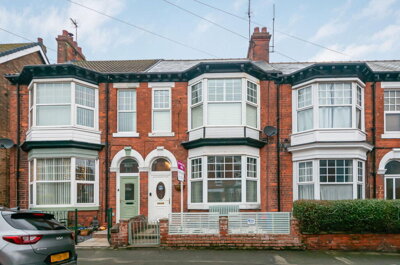
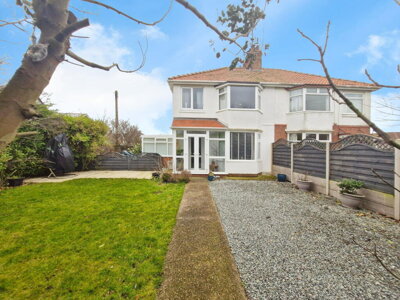
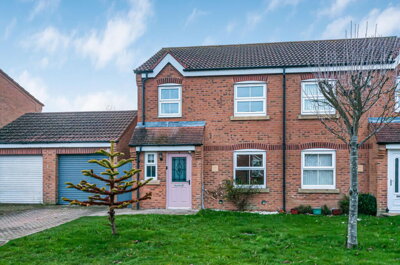
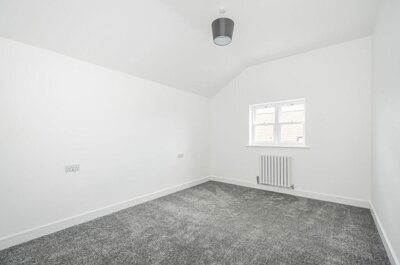
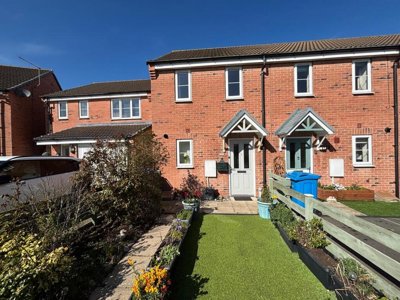
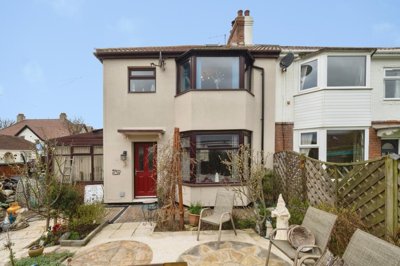
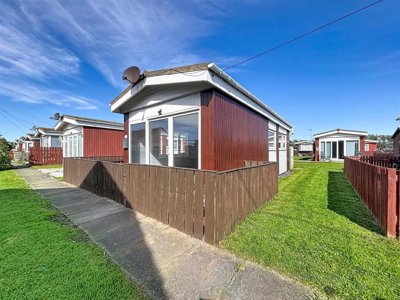
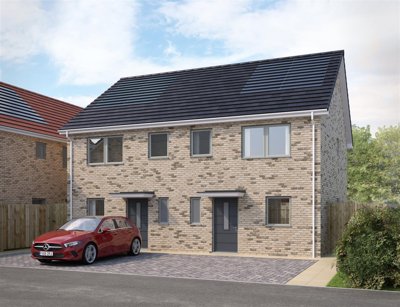
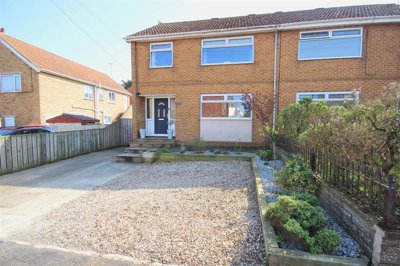
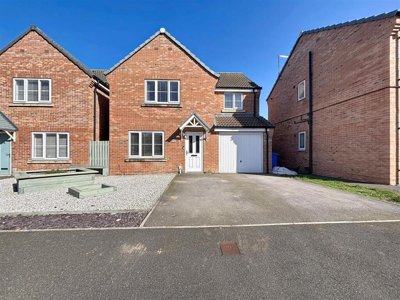
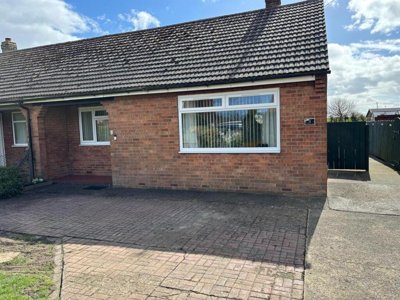
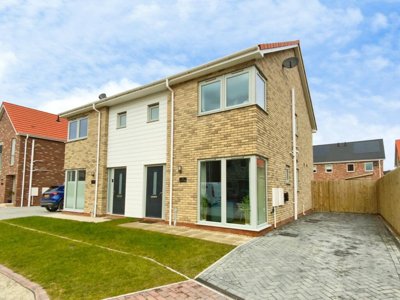
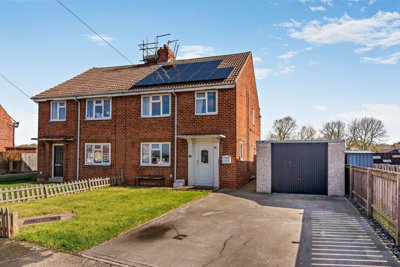
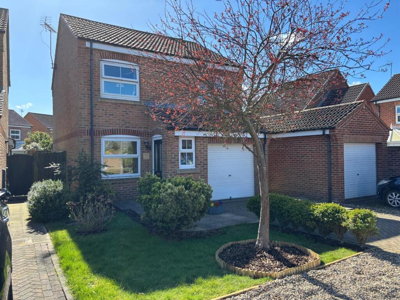
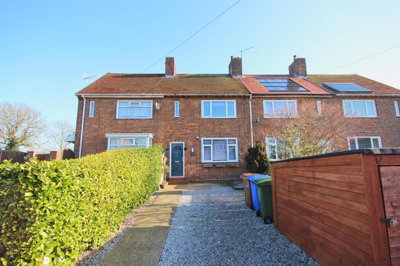
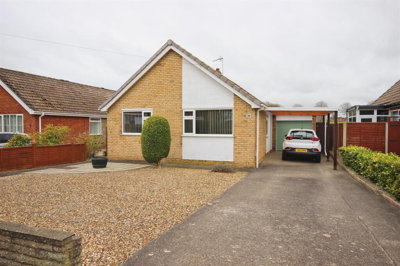
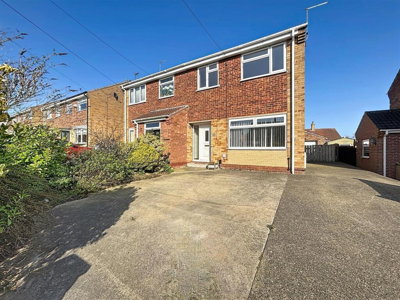
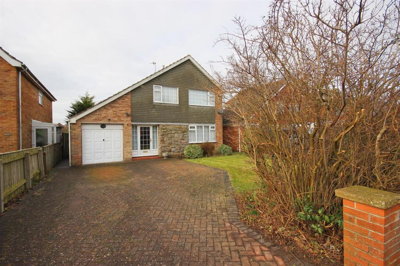
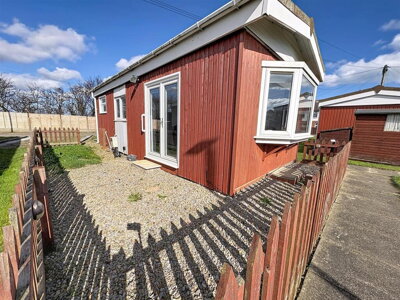
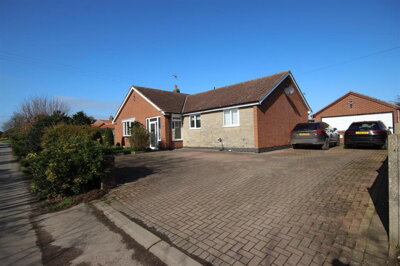
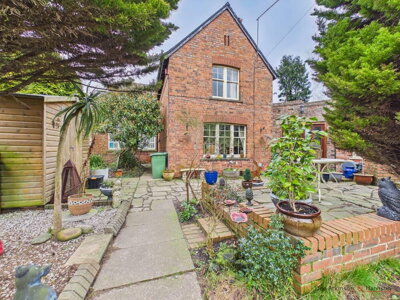
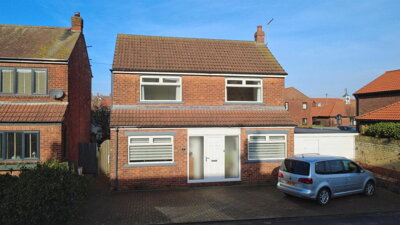
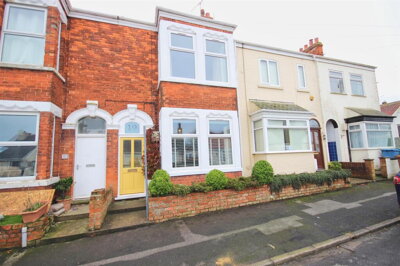
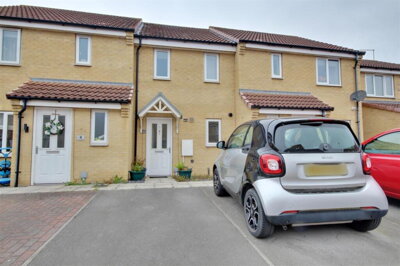
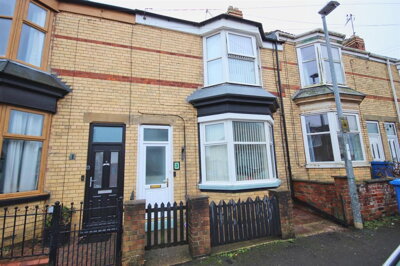
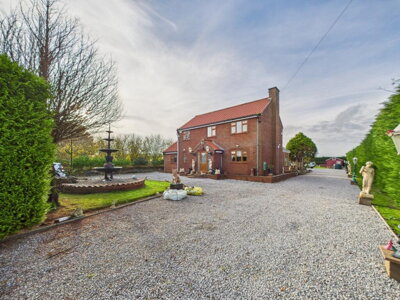
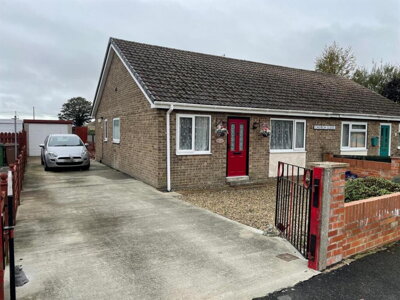
Browse 34 homes for sale in Atwick, East Riding of Yorkshire from local estate agents.
The Atwick property market offers detached, semi-detached, and terraced houses spanning various price ranges and neighbourhoods. Each listing includes detailed property information, photographs, and direct contact with the marketing agent.
£250k
3
0
142
Source: home.co.uk
Showing 3 results for Houses for sale in Atwick, East Riding of Yorkshire. The median asking price is £250,000.
Source: home.co.uk
Semi-Detached
2 listings
Avg £210,000
Detached
1 listings
Avg £475,000
Source: home.co.uk
Source: home.co.uk
Atwick’s property market mirrors the feel of this small coastal settlement, with semi-detached and terraced homes taking most of the stock and sitting at accessible price points. Our data puts semi-detached properties at around £180,000 on average, while terraced homes usually reach approximately £144,000. That makes Atwick a relatively affordable corner of the East Riding of Yorkshire property landscape, especially beside the pricier coastal spots further down the coast. Detached homes in the nearby HU18 postcode around Atwick Road in Hornsea command higher figures, averaging £485,000, although they sit just outside the YO25 postcode area.
Atwick’s property market mirrors the feel of this small coastal settlement, with semi-detached homes and bungalows forming much of what is available at approachable price points. Our data shows semi-detached properties averaging around £215,000, while bungalows typically fetch approximately £180,000. That keeps Atwick firmly in the more affordable part of the East Riding of Yorkshire property landscape, particularly when set against coastal favourites further down the coast. Detached homes in the nearby HU18 postcode around Atwick Road in Hornsea command higher figures, averaging £512,500, although they sit just outside the YO25 postcode area.
New build activity in the YO25 postcode area is still limited, and most available homes are existing properties rather than freshly built schemes. Individual homes, including barn conversions on Bewholme Road, offer modernised accommodation inside characterful traditional buildings. Holiday lodges and park homes in the surrounding area give buyers another route in, though these usually fall outside standard residential mortgage criteria. On the market in Atwick, the choice runs from old village cottages to converted agricultural buildings, so there are characterful options for buyers prepared to take on renovation work.

Atwick captures the feel of rural Yorkshire coastal living, giving residents a quiet break from city noise while keeping basic amenities within reach. The village sits just inland from the dramatic North Sea coastline, so beaches and coastal walks are close at hand and help define this stretch of Yorkshire. Around it, the landscape is all rolling hills and farmland, a very East Riding backdrop for everyday life. Local footpaths and public rights of way link the village to the surrounding countryside, and walkers use them to head out into the Yorkshire Wolds.
Agriculture and tourism shape the local economy, with the village serving farming communities as well as visitors drawn to the coast. Many residents value the slower pace that village life brings, and local pubs and community facilities act as social anchors for the neighbourhood. Hornsea is about five miles away, so supermarkets, healthcare and extra shops are still easy enough to reach without giving up the quieter home setting. Weekly markets in Hornsea and Driffield also give people a chance to pick up local produce and crafts.
For small villages like Atwick, the demographic profile usually includes established families, retired couples and professionals who work in nearby towns but prefer a countryside setting. The sense of community stays strong, with neighbours knowing each other and local events bringing people together throughout the year. Buyers who want real community ties and a proper feeling of belonging often find that Atwick gives them an authentic Yorkshire village experience that larger developments struggle to match. The village hall holds regular activities, from coffee mornings to craft groups, and it acts as a useful social centre.

Families looking at a move to Atwick will find schooling centred on the nearby market towns of Hornsea and Driffield. Primary education is available within an easy commute, and several schools offer solid teaching for younger children. Because of the rural location, parents should check catchment areas and admission policies carefully, especially when planning school transport or choosing a move date. Hornsea Primary School covers the immediate area, while a number of primary schools in Driffield serve families across the wider rural community.
Secondary education is available in Hornsea and Driffield, where schools offer full curricula and extracurricular activities for students. These schools serve the wider rural patch, and transport links help connect outlying villages to the main campuses. Parents ought to check current Ofsted ratings and think about the journey times involved, especially in winter when rural roads can be less forgiving. By car, the drive from Atwick to Hornsea secondary schools takes approximately fifteen minutes in normal conditions.
For families with more specific educational priorities, such as grammar school access or faith-based schooling, the nearby towns offer extra choices worth a closer look. Sixth form provision in the surrounding area supports further education, while Hull and Beverley provide colleges for older students aiming for vocational or academic qualifications beyond GCSE level. Bishop Burton College near Beverley also offers land-based and agricultural courses that fit the local economy well.

Atwick’s transport links reflect its rural village status, and for most residents private car travel is the main way about. The village lies approximately ten miles from Hull, which opens up the city’s wider transport network and employment opportunities. Routes toward Beverley and Bridlington provide the main road connections, linking Atwick into the broader East Yorkshire system. The A165 gives a direct coastal route to major employment centres, while the A166 provides access toward York for those working further inland.
Public transport in rural East Yorkshire is, by its nature, more limited than the urban alternative, though bus services do connect Atwick with nearby towns on set routes. People commuting to Hull or travelling further afield usually depend on the car, and under normal traffic conditions the trip to Hull city centre takes approximately thirty minutes. The East Yorkshire Motor Services timetable sets out the bus options, although services may be limited to several per day rather than hourly departures.
Without a direct railway station in Atwick, rail travel means heading to the nearest stations in Hull or Bridlington. Hull Paragon station links through to major destinations including London Kings Cross, Leeds, Sheffield and Manchester. For commuters who want coastal living but still need city employment, the relatively short drive to Hull makes a daily commute possible. Cyclists and walkers can make use of the scenic countryside lanes that join Atwick to nearby villages, although the hilly terrain does call for a decent level of fitness. The Yorkshire Wolds offer tough but rewarding cycling country for keen riders.

Homes in Atwick and across the YO25 postcode area often use traditional construction methods that are quite different from modern building standards. Our inspectors regularly come across solid wall construction in older village properties, where brick or stone walls were built without the cavity gaps seen in contemporary homes. That construction style can affect insulation performance and moisture management in ways buyers should understand before they purchase. Properties along Bewholme Road and in the village centre especially tend to show these traditional building methods.
The geology of the East Riding of Yorkshire includes substantial clay deposits, and these can influence foundations in properties across the area. Clay soils are vulnerable to shrink-swell movement during drought or heavy rainfall, which can lead to subsidence or settlement in buildings whose foundations were not designed for that kind of ground movement. Our surveyors advise checking for cracking, doors that no longer align properly, or evidence of previous underpinning works when viewing homes in Atwick and the nearby villages.
Atwick’s coastal setting brings its own pressures, including salt-laden winds and the chance of moisture penetration. Older roofs can be especially affected, showing slipped tiles, degraded felt underlay and failing lead flashing around chimneys and junctions. Our inspectors often find roof condition issues in village properties that need attention, so a thorough roof check matters before anyone commits to a purchase.
Older Atwick properties frequently have electrical and plumbing systems that sit below modern standards and need updating for safety and compliance. Wiring installed before the 1970s may still use rubber or fabric insulation that has deteriorated over time, which creates a fire risk. Plumbing with lead or early copper piping can also need replacement. Buyers should factor those upgrades into the real cost of buying an older village home.

Over the past year, Atwick’s market has seen a notable correction, with house prices falling 38% compared with the previous twelve months. The 2021 peak took average prices to £292,703, and the present market is a more balanced place for buyers looking for value. Even so, transaction levels remain healthy, with 86 sales completed in the past year, which shows continued interest in this seaside location. home.co.uk data gives a different average to homedata.co.uk, with sold prices at £183,000, so timing and source can change the picture.
Before you view anything, get a mortgage agreement in principle from a lender. It shows estate agents and sellers that you are ready to buy, which can strengthen an offer in a competitive situation. Given the recent price correction in Atwick, lenders may pay close attention to valuation assessments on older homes with traditional construction.
See properties that fit what you need, and keep a close eye on construction quality because the village has a strong mix of older homes. Check for damp, roof condition, and the state of windows and doors while you are there. A RICS Level 2 Survey can flag structural concerns before you commit to the purchase, and it is especially useful given the age of many village properties.
Once you have found the home you want, put in a formal offer through the estate agent. With the recent market adjustment, there may be room to haggle on price, especially where a property has been listed for some time or needs maintenance. Homes that need electrical work, plumbing updates or roof repairs may give you extra room for negotiation.
Appoint a conveyancing solicitor to deal with the legal side of the purchase. They will carry out searches including local authority checks, drainage and water searches, and environmental searches that matter in a coastal location. The solicitor then reviews the contracts and handles the transfer of ownership through to completion.
After the survey results are satisfactory and the legal checks are complete, contracts are exchanged and your deposit is paid. Your solicitor will confirm completion dates with everyone involved, and you will usually get the keys to your new Atwick home on the agreed day of completion. Leave extra time in the plan in case the survey throws up anything unexpected.
Anyone buying in Atwick should think carefully about the coastal location and what that means for each individual property. While no specific flood risk data was found for the village, homes near the coastline or in low-lying areas may be more exposed to surface water and coastal flooding risks. The village sits on the North Sea coast, so tidal surge events can affect low-lying places, and buyers ought to look closely at the elevation and drainage characteristics of any home they are considering.
Because housing in rural villages like Atwick is often older, many homes will have been built using traditional methods that differ from modern standards. Older properties may use solid walls rather than cavity construction, different foundation approaches, and electrical and plumbing systems that need updating. The East Riding geology includes clay deposits that can trigger foundation movement in vulnerable properties, so signs of cracking or settlement are worth checking during a viewing.
Across the East Riding, building materials usually mean traditional brick construction, although some barn conversions and older farmhouses may use local stone or traditional brickwork. In this area, homes generally have pitched roofs with tiles or slate coverings. Because so many village homes are older, buyers should look closely at roof condition, including felt underlay, tile condition and lead flashing around chimneys and joints. Our inspectors often advise taking a close look at roof spaces during surveys.
Buyers should also check whether any property sits in a planning zone or close enough to the coast to affect future development options or insurance costs. New build activity in the YO25 postcode is limited, so most homes will be resale properties, where the history of maintenance and any past planning permissions matters quite a bit for informed decision making. The planning department at East Riding of Yorkshire Council can confirm any relevant permissions or enforcement notices.

Begin by looking through property listings in Atwick and the surrounding villages to get a feel for current prices and the types of homes available. With average prices around £390,556, you can judge what your budget might buy in terms of size and condition. We also recommend registering with local estate agents in the Hornsea and Driffield areas who handle village properties, because they may know about homes before they appear on major portals.
Atwick falls under East Riding of Yorkshire Council, and council tax bands range from A through H according to property value. Most village homes sit in bands A to C because values are relatively modest, although converted barns and larger detached houses may attract higher bands. Prospective buyers should check the exact band for any property through the East Riding of Yorkshire Council website or the listing details.
There are no schools within Atwick itself, so primary and secondary education is provided in nearby towns. Hornsea primary schools serve the local area, with Hornsea Primary School the closest option at approximately five miles from the village. Secondary choices include schools in Hornsea and Driffield, and parents should check current Ofsted ratings and admission catchment areas, since these affect school placement eligibility for village residents. It is also wise to confirm school transport arrangements before completing a purchase.
Atwick’s public transport links reflect its rural setting, with scheduled bus services connecting the village to nearby towns including Hornsea and Driffield on the East Yorkshire Motor Services network. Frequency is limited compared with urban areas, with perhaps two to three services per day rather than hourly departures. Most residents depend on private vehicles for daily commuting. The nearest railway stations are in Hull and Bridlington, and both need onward transport connections.
For buyers seeking affordable coastal property in Yorkshire, Atwick has real appeal, especially after recent price corrections have brought values down to more accessible levels. The village suits people who put lifestyle ahead of investment return, and rental demand is likely to come from those after rural coastal living. Still, the limited local employment base and the small population mean capital growth may be slower than in better-connected urban locations. Property investors may want to look at the holiday let market as an alternative to standard residential rental.
According to recent market data from home.co.uk, the average house price in Atwick is approximately £390,556, while homedata.co.uk reports sold prices averaging £183,000. Semi-detached homes typically sell for around £215,000, and bungalows average £180,000. The market has corrected sharply, with prices down 38% over the past year from previous levels. That shift has brought values closer to more sustainable ground after the 2021 peak of £292,703.
We did not find specific Environment Agency flood data for Atwick in our research, but the coastal location means homes near the sea or in low-lying areas could face higher flood risk from tidal surges, surface water and coastal erosion. The village faces the North Sea, and low-lying parts may be vulnerable during severe weather. Buyers should request an official flood risk assessment for any property through the government flooding check service, and also confirm whether it sits in a flood zone when thinking about insurance implications.
From £400
A detailed inspection of the property condition before you buy
From £600
A full structural survey for older or more complex properties
From £60
An energy performance certificate is required for all property sales
From £499
Solicitors to handle your legal work
From 3.5%
Competitive mortgage rates from approved lenders
For standard residential purchases, stamp duty starts at 0% on the first £250,000 of property value, then moves to 5% on amounts between £250,001 and £925,000. First-time buyers benefit from higher thresholds, with 0% on the first £425,000 and 5% charged between £425,001 and £625,000. Given Atwick average prices around £390,556, many buyers may qualify for first-time buyer relief and remove their stamp duty liability entirely.
For buyers in Atwick, the stamp duty land tax (SDLT) position is often favourable because the current average price point sits at approximately £390,556. Standard SDLT rates charge 0% duty on the first £250,000 of the purchase price, with 5% applied to amounts between £250,001 and £925,000. So a buyer paying at or near the current Atwick average may only pay SDLT on the portion above £250,000, or potentially nothing at all if the purchase sits below that threshold.
First-time buyers have enhanced relief, with SDLT at 0% on the first £425,000 and 5% on amounts between £425,001 and £625,000. For someone buying their first home in Atwick at current market prices, that relief usually removes stamp duty altogether. Relief does not apply above £625,000, so anyone buying a higher-value property in the area needs to include SDLT in the budget. Properties above £625,000 would include larger detached homes or converted barns.
Properties for Sale In London

Properties for Sale In Plymouth

Properties for Sale In Liverpool

Properties for Sale In Glasgow

Properties for Sale In Sheffield

Properties for Sale In Edinburgh

Properties for Sale In Coventry

Properties for Sale In Bradford

Properties for Sale In Manchester

Properties for Sale In Birmingham

Properties for Sale In Bristol

Properties for Sale In Oxford

Properties for Sale In Leicester

Properties for Sale In Newcastle

Properties for Sale In Leeds

Properties for Sale In Southampton

Properties for Sale In Cardiff

Properties for Sale In Nottingham

Properties for Sale In Norwich

Properties for Sale In Brighton

Properties for Sale In Derby

Properties for Sale In Portsmouth

Properties for Sale In Northampton

Properties for Sale In Milton Keynes

Properties for Sale In Bournemouth

Properties for Sale In Bolton

Properties for Sale In Swansea

Properties for Sale In Swindon

Properties for Sale In Peterborough

Properties for Sale In Wolverhampton

Enter your details to see if this property is within your budget.
Loans, cards, car finance
Estimated property budget
Borrowing + deposit
You could borrow between
Typical borrowing
Monthly repayment
Est. at 4.5%
Loan-to-value
This is an estimate only. Your actual budget may vary depending on interest rates, credit history, and personal circumstances. For an accurate affordability assessment, speak to one of our free mortgage advisors.
This calculator provides estimates for illustrative purposes only and does not constitute financial advice. Your home may be repossessed if you do not keep up repayments on your mortgage. Estimates based on 4.5% interest rate, repayment mortgage. Actual rates depend on your circumstances.
Homemove is a trading name of HM Haus Group Ltd (Company No. 13873779, registered in England & Wales). Homemove Mortgages Ltd (Company No. 15947693) is an Appointed Representative of TMG Direct Limited, trading as TMG Mortgage Network, which is authorised and regulated by the Financial Conduct Authority (FRN 786245). Homemove Mortgages Ltd is entered on the FCA Register as an Appointed Representative (FRN 1022429). You can check registrations at NewRegister or by calling 0800 111 6768.

We use cookies to show you personalised content and improve your experience of our website. Find out more in our Privacy policy and Cookie policy.