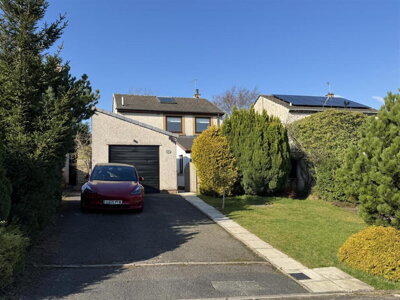
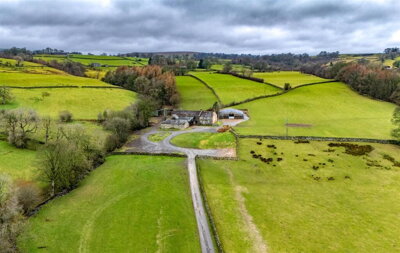
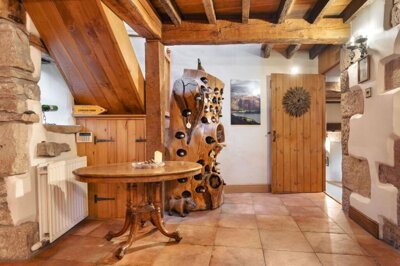
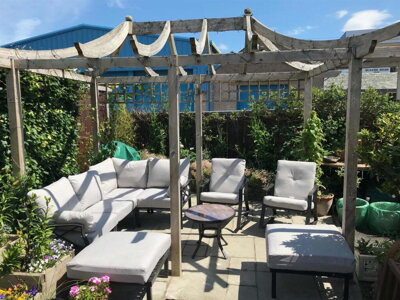
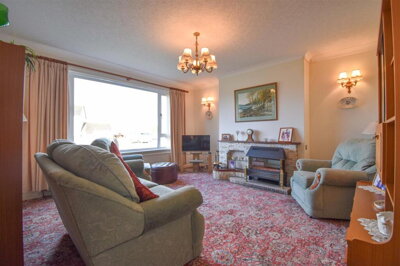
Browse 27 homes for sale in Askham, Westmorland and Furness from local estate agents.
£1.03M
2
1
212
Source: home.co.uk
Source: home.co.uk
Character Property
1 listings
Avg £750,000
Country House
1 listings
Avg £1.30M
Source: home.co.uk
Source: home.co.uk
Askham tends to attract buyers who want period character in a location that has proved consistently desirable. Average house prices sit at around £555,000, which reflects both the area’s traditional building stock and the premium that comes with being so close to the Lake District. The village sits within the CA10 postcode area, and although recent sales evidence for Askham itself can be thin because the village is small, the wider market still shows steady activity and firmly held values.
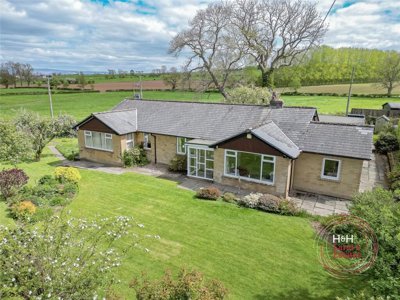
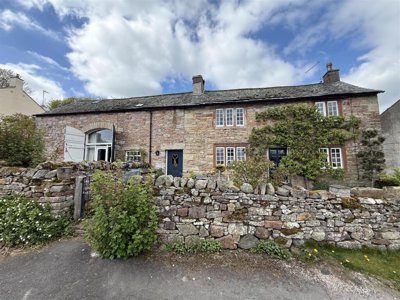
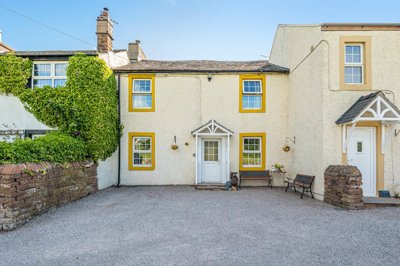
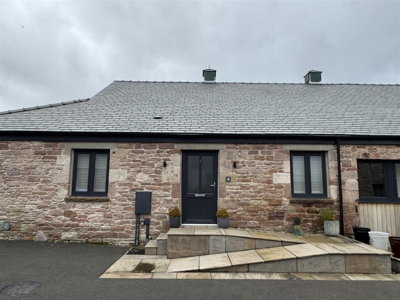
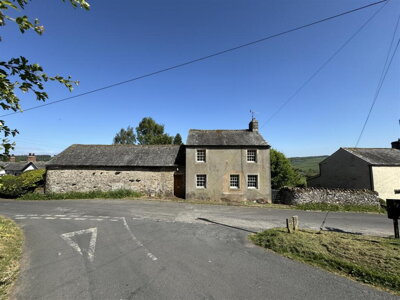
In Askham, the housing stock is mostly made up of traditional stone-built homes, with detached and semi-detached houses accounting for much of what buyers will see. Conservation Area status helps preserve that historic feel, but it also means there can be extra planning considerations if you are thinking about alterations or an extension. There are terraced cottages too, many from the pre-1919 period, and beyond the centre of the village the surrounding countryside includes larger detached homes with generous gardens and open rural views.
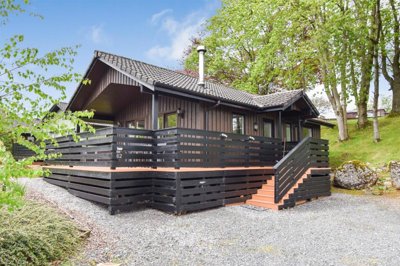
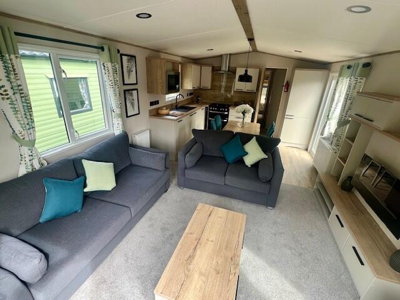
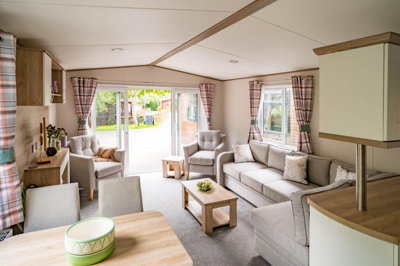
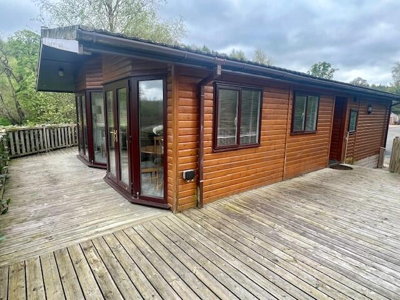
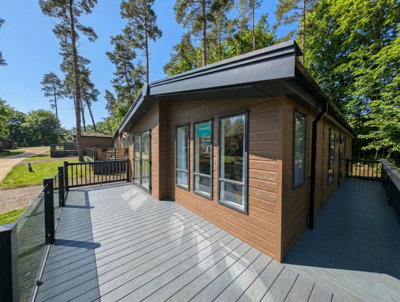
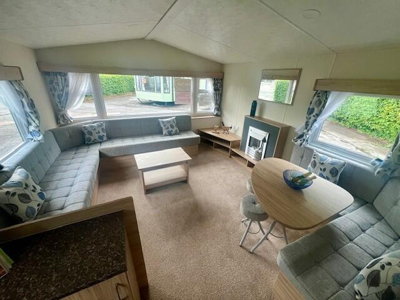
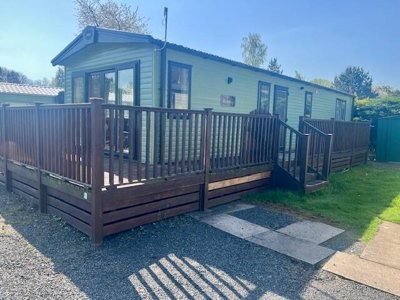
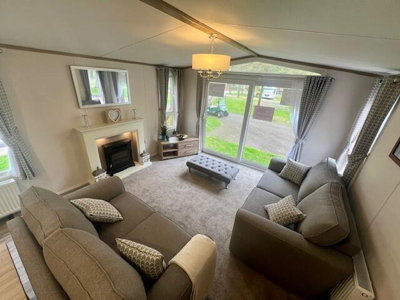
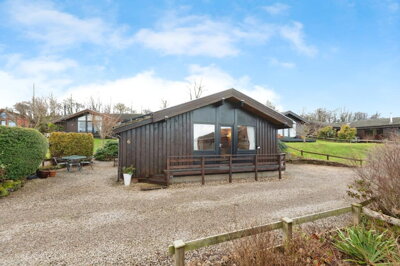
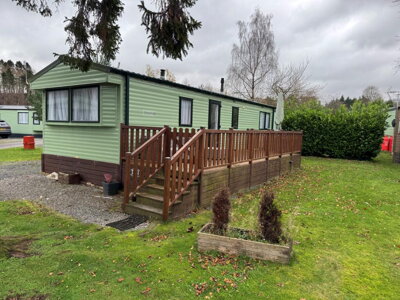
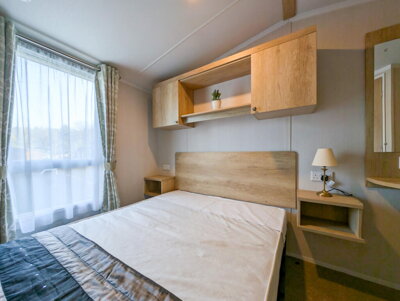
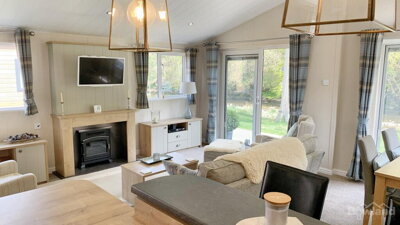
There is not much new build activity within Askham itself. In the surrounding CA10 area, though, buyers will find options such as holiday lodges at Lowther Holiday Park in nearby Eamont Bridge, where prices start from approximately £79,995 for residential-style caravans and lodges. Anyone focused on more conventional new homes can also look towards nearby developments in Sockbridge and Tirril, which include Georgian-style detached properties in settlements immediately next to Askham. Even so, most transactions here involve older housing stock, and that is often exactly where a thorough RICS Level 2 Survey comes into its own.

Daily life in Askham revolves around the enduring pull of a rural Cumbrian village, where strong community ties sit alongside striking natural surroundings. Much of the built environment uses local sandstone with slate roofs, a combination that speaks to centuries of local building tradition. Askham Hall adds another layer to village life, operating as a hotel, restaurant, and wedding venue while also providing local jobs and drawing visitors in throughout the year.
The village economy is shaped by Askham’s position between Penrith and the Lake District, with tourism, agriculture, and local services all playing a central part. People living here can use village amenities day to day, while Penrith remains close enough for wider shopping and services. Outside, there is no shortage of routes for walking, cycling, and other outdoor activities, and the River Lowther gives residents access to scenic stretches and wildlife habitat. Ullswater and the broader Lake District National Park are also close by, so some of England’s most dramatic scenery is easy to reach.
Askham’s population includes long-established families, retired couples, and buyers who have moved in for the lifestyle as much as the property. Its Conservation Area status, along with numerous Grade I and Grade II Listed Buildings, means the village’s past is part of everyday life rather than something separate from it. Local facilities, community events, and the social activity connected with Askham Hall all help create the strong sense of belonging that often stands out to buyers looking at this part of Cumbria.

To understand property in Askham properly, it helps to start with how these buildings were put together. Most older homes in the village use local sandstone, often laid in random rubble or ashlar form, and they were traditionally pointed with lime mortar rather than cement. That detail matters. Lime mortar lets the walls breathe, while hard modern cement pointing can trap moisture and gradually damage the surrounding stonework.
Traditional roofs in Askham are usually finished in slate, historically sourced from Lake District quarries. Many also include lead flashings and ridges, which are important heritage features but do need periodic maintenance. We commonly see issues such as slipped or missing slates, worn leadwork around chimneys and valleys, and moss build-up that holds moisture against the roof covering. Beneath the slates, the timber roof structure, usually rafters, battens, and in some cases sarking, can be vulnerable to rot where prolonged wet weather has been allowed to take hold.
Inside older Askham homes, solid wall construction without cavities is typical, and wall thicknesses are often in the 300-450mm range using the same local stone seen externally. These walls can offer strong thermal mass, but they do not perform in the same way as modern cavity construction. At ground-floor level, some properties have suspended timber floors, which may suffer from damp or timber defects where ventilation is inadequate. First floors are often formed with timber joists spanning between solid walls, with floorboards fixed perpendicular to those joists.
Families moving to Askham have access to schooling both in the village and nearby. Askham itself has a primary school serving the local community, giving younger children an early education setting that many parents value for its rural character. Because the village is small, children often benefit from close local connections and from outdoor learning opportunities that sit well alongside classroom teaching.
For secondary education, most families look towards Penrith, which can be reached by local bus services and offers a choice of schools with well-regarded reputations. Nearby grammar schools in Penrith also provide an option for families considering that route. Catchment areas and admissions policies should always be checked carefully, as they can change and may affect which schools are available from Askham.
Penrith is also where students can access sixth form and further education, with a range of A-level subjects and vocational courses available. Queen Elizabeth Grammar School in Penrith provides secondary education through to sixth form, which can give families a continuous pathway if they plan to stay in the area. Independent schooling is another possibility, with several choices within reasonable driving distance across Cumbria, though separate applications and fee payments will apply.

Although Askham feels quiet and tucked away, it is not cut off. The nearest railway station is in Penrith, where regular services run to major cities including Carlisle, Newcastle, and London Euston on the West Coast Main Line. Travel time from Penrith to London is approximately three hours, which keeps day trips to the capital realistic for buyers who work remotely or have flexible working arrangements.
By road, Askham is served by the A6, which passes through the village and links northwards to Penrith and on to the M6 at junction 40. From there, the wider motorway network gives direct routes towards Manchester, Liverpool, and Birmingham. One of the attractions of living here is that everyday drives often pass through particularly attractive countryside between the Lake District and the Eden Valley, although buyers should bear in mind that busy tourist periods can bring heavier traffic through Penrith and on roads heading towards popular destinations.
Bus services in the area connect Askham with Penrith, which is useful for shopping, healthcare appointments, and leisure trips. For flights, the nearest major airports are Newcastle and Liverpool, both offering domestic and international routes. Cycling provision is more limited than in an urban area, but the quieter rural lanes are popular with recreational cyclists, and the National Cycle Network links through to nearby villages and places of interest. Parking is generally what we would expect in a rural settlement, with most homes having off-street parking.

Start by getting to know Askham in detail. We suggest looking closely at matters such as how near a property is to the River Lowther and whether that has any flood risk implications, the age and condition of the traditional stone housing stock, and how the location fits your commute. Before viewings begin in earnest, it is also sensible to have a mortgage agreement in principle in place, as that can strengthen your position when you are ready to make an offer in this sought-after village.
Once you have narrowed down what you want, arrange viewings through local estate agents. Homes in Askham often come with period features and one-off quirks, so it helps to view with a clear understanding of traditional construction, Conservation Area limits, and the likely value of a RICS survey. That puts you in a better position to judge each property on its merits.
Because so much of Askham’s housing is older and traditionally built, we would strongly recommend a RICS Level 2 Survey. It can highlight defects regularly seen in this kind of property, including damp in solid walls, roof problems, timber defects, and wider structural concerns. Having that detail before you commit makes a real difference.
After you have found the right property and reviewed the survey report, the next step is to put your offer forward through the selling agent. In a village such as Askham, supply can be limited, so it helps to be ready for negotiation. That is particularly true where the survey has brought up issues that may need repair or further expenditure.
At that stage, we would expect a conveyancing solicitor to take over the legal side of the purchase. Their work will include the usual searches, along with flood risk and drainage checks that can be especially relevant near the River Lowther, raising enquiries with the seller’s solicitors, and dealing with exchange and completion.
Once the outstanding enquiries are settled and your mortgage offer is in place, contracts are exchanged and a completion date is agreed. On the day itself, your solicitor sends the balance of the funds across, and the keys to your new Askham home are released. Simple in outline, even if the run-up rarely feels it.
Buying in Askham calls for a bit of extra care because the village has some very specific local factors. One of the main ones is the River Lowther. Not every property is affected, but homes in lower-lying spots near the river may be vulnerable to fluvial flooding during heavy rainfall, so flood risk needs to be part of your due diligence from the outset. We would also want to see any drainage considerations reviewed properly before a purchase goes ahead. Surface water flooding can be an issue as well, especially in places where drainage is poor after sustained rainfall.
The Conservation Area covering much of Askham is a real part of the village’s appeal, but it comes with obligations as well as benefits. Alterations, extensions, and external changes may be restricted and can require consent from the local planning authority, so anyone planning works should understand that position before buying. Some homes also have the added layer of being Listed Buildings, which brings further heritage controls over what can and cannot be done. Any works to Listed Buildings require Listed Building Consent from Westmorland and Furness Council.
Older Askham properties rely on traditional materials and methods, mainly local stone walls, slate roofs, and lime mortar pointing, and they need to be maintained in a way that respects that construction. Damp penetration through solid walls is a recurring issue in the area, particularly where moisture has been trapped by unsuitable modern finishes or cement pointing. Where lime mortar has deteriorated, repairs should use compatible lime-based mortars rather than cement, because cement can damage the adjacent stone. On roofs, slipped slates should be dealt with quickly to avoid water ingress, and any signs of woodworm or rot in structural timbers need assessment by a qualified surveyor.
Solid wall properties can behave very differently from modern homes in terms of insulation and energy efficiency, so heating costs and comfort levels deserve careful thought. Older electrical wiring and plumbing may also fall short of current standards, which is why checks by a qualified electrician or plumber are often worthwhile. A RICS Level 2 Survey should pick up these points and give you a firmer basis for budgeting for works or renegotiating with a seller before you complete.

Recent market evidence puts the average sold price in Askham, Cumbria, at approximately £555,000. That level reflects the premium attached to traditional Cumbrian housing in a Conservation Area village with strong access to the Lake District. Prices do vary, sometimes quite widely, depending on type, size, condition, and where exactly a property sits within the village or in the surrounding countryside. Detached houses and homes with larger gardens generally command more, while smaller period cottages can come in at lower levels. Because transactions are limited in a village this size, we think buyers should look closely at the pricing of each individual property rather than rely on averages alone.
For council tax, properties in Askham fall under Westmorland and Furness Council. As a broad guide, smaller period homes and traditional stone cottages often sit in bands A to C, while larger detached houses and higher-value homes are more commonly found in bands D to F. The exact band for any property can be checked on the Westmorland and Furness Council website or in property listings, which often include council tax band details. That banding sets the annual charge due to the local authority.
Schooling is one of the practical points many buyers ask us about in Askham. The village has its own primary school for local children in the early years and Key Stage 1. For secondary education, most families travel into Penrith, where there are both state and grammar school options, including Queen Elizabeth Grammar School, which also provides sixth form education. Admission arrangements should be checked carefully, and school transport matters too, as secondary pupils will usually need to travel to Penrith each day. School performance data and Ofsted ratings are also worth reviewing before decisions are made.
Public transport from Askham is centred on local bus links to Penrith, and that is where the nearest railway station gives access to the national network. Penrith station is on the West Coast Main Line, with direct services to places including Carlisle, Newcastle, and London Euston. Drivers can join the M6 at junction 40 near Penrith, which opens up road travel across the wider north-west region. For air travel, Newcastle Airport and Liverpool John Lennon Airport are both within reasonable reach, at approximately 90 minutes to two hours by car.
There are a few reasons Askham catches the eye of both homebuyers and investors. Its place within the Lake District catchment area, the protection that comes with Conservation Area status, and the limited supply of homes can all help underpin values over time. Askham Hall also plays a part, drawing guests as a wedding and events venue and feeding into the local economy. Across the wider CA10 postcode area, nearby holiday parks and tourist attractions help sustain demand for accommodation. Rental demand within the village itself may come from people needing temporary housing while they search locally, although Askham’s small scale naturally limits the volume of rental opportunities compared with larger towns. Long-term plans and personal circumstances still matter most.
For residential purchases in England in 2024-25, Stamp Duty Land Tax (SDLT) is charged at 0% on the first £250,000, 5% on the portion from £250,001 to £925,000, 10% on the portion from £925,001 to £1,500,000, and 12% on any amount above £1,500,000. First-time buyers can claim relief on the first £425,000 at 0%, with 5% payable from £425,001 to £625,000, subject to the usual conditions. On a typical Askham purchase at £555,000, that would mean approximately £15,250 for a standard buyer, or around £6,500 for a first-time buyer. Specific liability should always be checked with professional advice, particularly where reliefs or exemptions might apply.
Stamp duty is only one part of the overall buying cost, but it is a significant one. Using the local average price of £555,000, a buyer purchasing a main residence at standard rates would pay 5% on the slice above £250,000, giving an estimated bill of approximately £15,250. That assumes no first-time buyer relief applies and that the property will be used as the buyer’s primary residence. These rates apply from October 2024 onwards, although any government can change them in future.
First-time buyers in Askham currently benefit from a zero-rate threshold of £425,000. On a purchase at £555,000, the first £425,000 would therefore be free of stamp duty, and the remaining £130,000 would be charged at 5%, producing a total of approximately £6,500. HMRC sets the definition of first-time buyer status, and it requires that the buyer has never owned residential property anywhere in the world before. If someone has previously owned and sold a property, standard rates may apply instead, so the detail of individual circumstances matters.
Beyond stamp duty, there are several other costs to allow for. Conveyancing solicitor fees typically start from around £499 for a standard purchase, although they can rise where the transaction is more complex. Searches for the Westmorland and Furness area are usually arranged by your solicitor and often cost between £200 and £400. In Askham, a RICS Level 2 Survey on a property at this value will usually fall between £400 and £900, depending on size and complexity. Mortgage arrangement fees, valuation fees, and removals should also go into the budget. Buyers of traditional homes in a Conservation Area may also need to plan for ongoing maintenance to stone walls, slate roofs, and heritage-appropriate upgrades that do not match the costs of a modern property.

Properties for Sale In London

Properties for Sale In Plymouth

Properties for Sale In Liverpool

Properties for Sale In Glasgow

Properties for Sale In Sheffield

Properties for Sale In Edinburgh

Properties for Sale In Coventry

Properties for Sale In Bradford

Properties for Sale In Manchester

Properties for Sale In Birmingham

Properties for Sale In Bristol

Properties for Sale In Oxford

Properties for Sale In Leicester

Properties for Sale In Newcastle

Properties for Sale In Leeds

Properties for Sale In Southampton

Properties for Sale In Cardiff

Properties for Sale In Nottingham

Properties for Sale In Norwich

Properties for Sale In Brighton

Properties for Sale In Derby

Properties for Sale In Portsmouth

Properties for Sale In Northampton

Properties for Sale In Milton Keynes

Properties for Sale In Bournemouth

Properties for Sale In Bolton

Properties for Sale In Swansea

Properties for Sale In Swindon

Properties for Sale In Peterborough

Properties for Sale In Wolverhampton

Enter your details to see if this property is within your budget.
Loans, cards, car finance
Estimated property budget
Borrowing + deposit
You could borrow between
Typical borrowing
Monthly repayment
Est. at 4.5%
Loan-to-value
This is an estimate only. Your actual budget may vary depending on interest rates, credit history, and personal circumstances. For an accurate affordability assessment, speak to one of our free mortgage advisors.
This calculator provides estimates for illustrative purposes only and does not constitute financial advice. Your home may be repossessed if you do not keep up repayments on your mortgage. Estimates based on 4.5% interest rate, repayment mortgage. Actual rates depend on your circumstances.
Homemove is a trading name of HM Haus Group Ltd (Company No. 13873779, registered in England & Wales). Homemove Mortgages Ltd (Company No. 15947693) is an Appointed Representative of TMG Direct Limited, trading as TMG Mortgage Network, which is authorised and regulated by the Financial Conduct Authority (FRN 786245). Homemove Mortgages Ltd is entered on the FCA Register as an Appointed Representative (FRN 1022429). You can check registrations at NewRegister or by calling 0800 111 6768.

We use cookies to show you personalised content and improve your experience of our website. Find out more in our Privacy policy and Cookie policy.