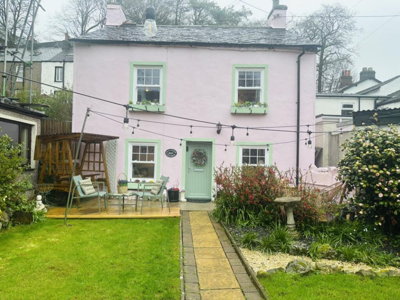
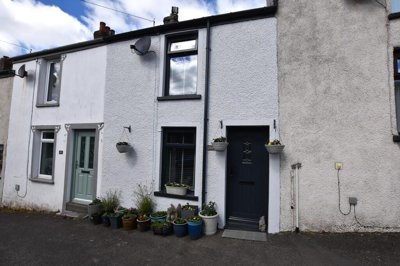
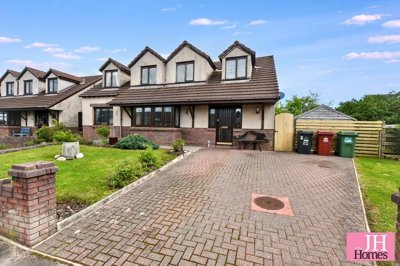
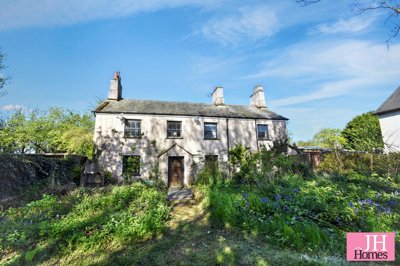
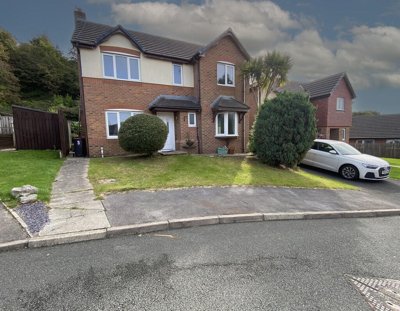
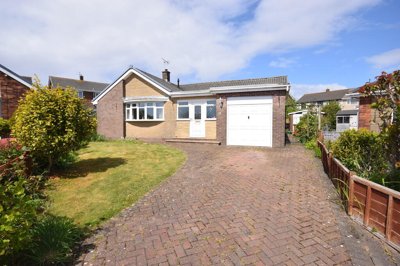
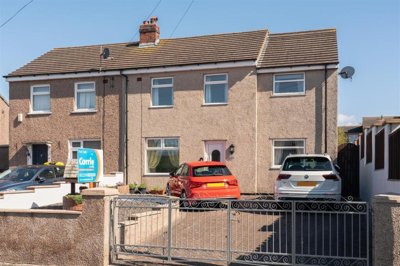
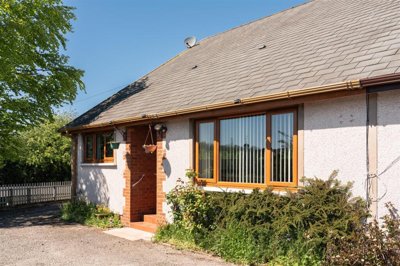
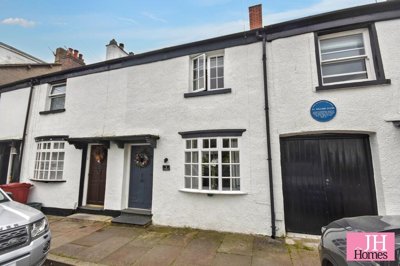
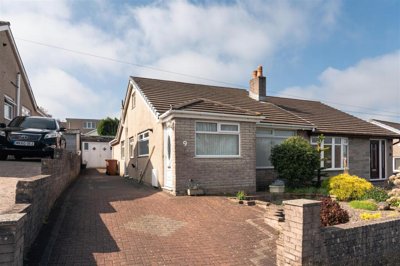
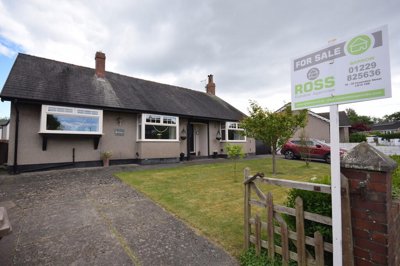
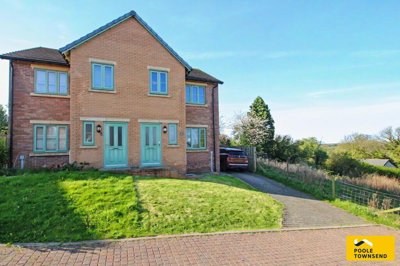
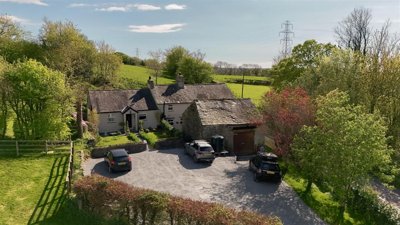
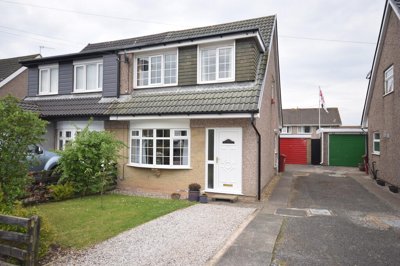
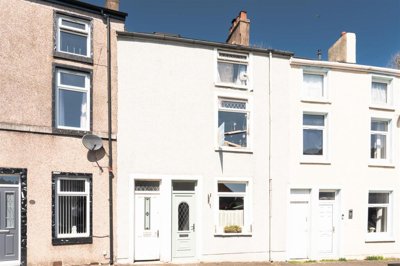
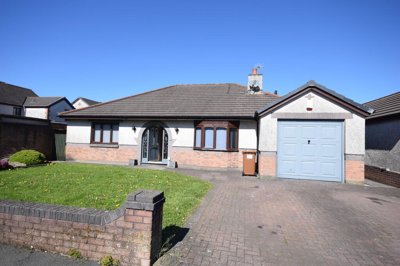
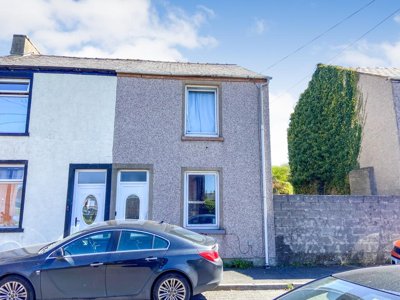
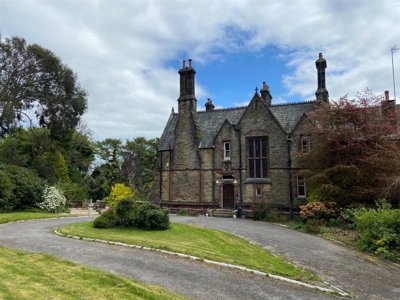
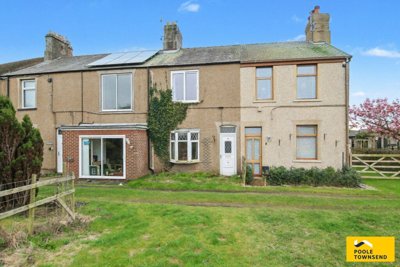
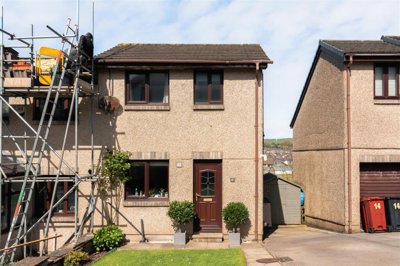
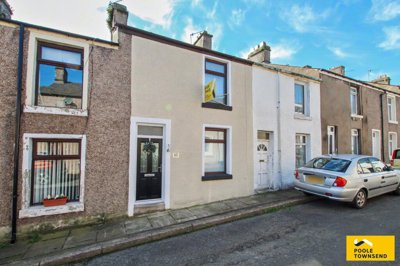
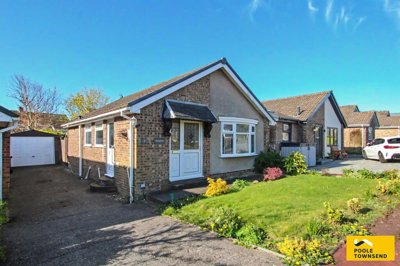
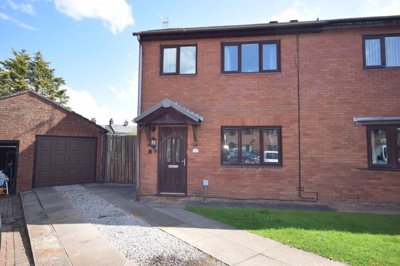
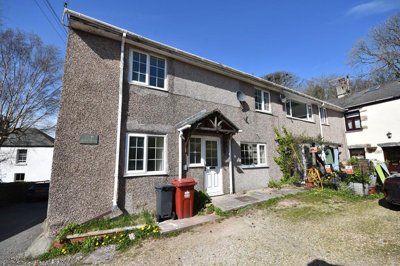
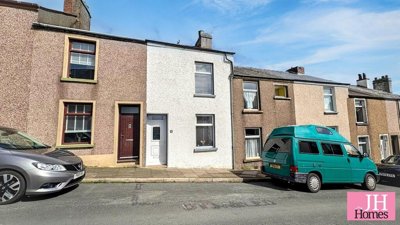
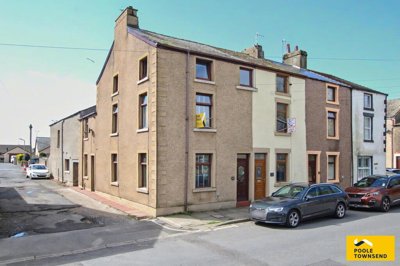
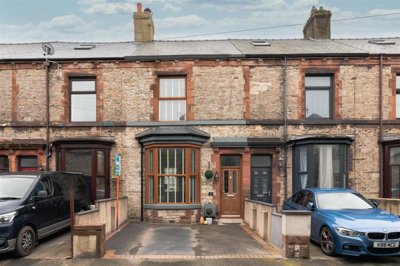
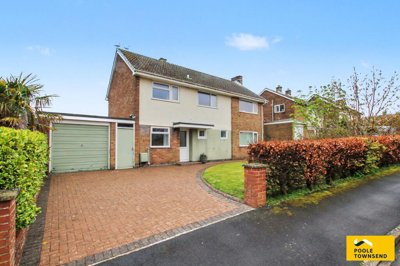
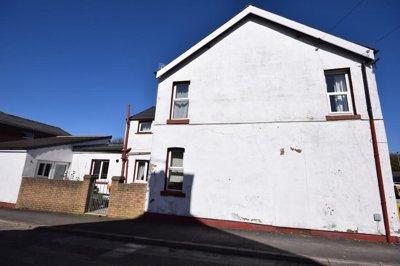
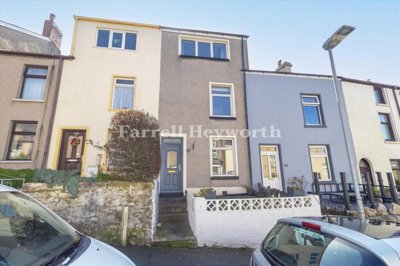
Browse 157 homes for sale in Askam and Ireleth from local estate agents.
The Askam And Ireleth property market offers detached, semi-detached, and terraced houses spanning various price ranges and neighbourhoods. Each listing includes detailed property information, photographs, and direct contact with the marketing agent.
Askam and Ireleth’s property market has kept moving in the right direction, with house prices up by 2.62% over the past twelve months. That comes on top of 12% growth since the 2021 peak of £162,912, which points to sustained demand in this appealing coastal spot. homedata.co.uk puts the current average property value at £442,209, while home.co.uk shows a figure of £245,000, so the numbers sit within a useful range. For buyers, that sort of steady uplift suggests homes here have generally held their value well, which is part of the reason the village appeals to both homeowners and investors.
Askam and Ireleth’s housing stock still reflects its Victorian and Edwardian roots, with 39.8% terraced properties, 30.2% semi-detached homes, 21% detached houses, and 8.9% flats and maisonettes according to the 2021 Census. Terraced homes usually sit around £123,990, which gives first-time buyers a relatively affordable way into the market. Semi-detached properties average £250,000 and suit growing families needing a bit more space, while detached homes at £848,750 sit at the upper end for those after privacy and larger plots. Flats start from roughly £154,975, although they make up a smaller slice of what is available. We found no active new-build developments in the LA16 postcode area, so most homes on the market are established properties with plenty of character.
The Askam and Ireleth market also works as a commuter base for major employers such as BAE Systems in Barrow-in-Furness and the Sellafield Nuclear Processing Plant. That demand from workers who want more space and better value than town-centre housing has helped support price growth over recent years. The village’s closeness to the Lake District, along with its estuarine setting, keeps pulling in buyers from farther afield, especially those looking for countryside living without losing job access. With 58 sales recorded in the past year, it is an active market, but not one that forces buyers to rush every decision.

To understand homes in Askam and Ireleth properly, it helps to look at how they were built and what that means for upkeep. Most Victorian and Edwardian houses here use solid wall construction, usually local stone or brick, rather than the cavity wall build used in newer homes. That can mean weaker thermal performance, so heating bills may be higher unless the walls have been insulated internally or externally. Our inspectors also find that original solid wall construction can hide damp problems where ventilation has been interrupted by modern changes, such as double glazing fitted without enough trickle vents.
Timber suspended floors were standard in properties built before the mid-20th century, with ground floors formed from boards laid on joists spanning the width of the house. They can be vulnerable to damp coming up from below, especially where sub-floor ventilation has been blocked by debris or by solid flooring extensions. Our surveyors often come across woodworm activity or wet rot in floor timbers during inspections, particularly where damp-proof courses have failed or ground levels have been raised next to the property. When viewing, lift any accessible floorboard edges, check the joists and bearers, and look for timber decay or signs of treatment.
Roofing in Askam and Ireleth usually follows traditional patterns, with pitched roofs covered in slate or clay tile. The dark blue slate found on properties on the upper slopes near Ireleth often came from local quarries, which adds to the area’s distinct look. Lead flashing around chimneys, valleys, and roof intersections needs regular checking, because deterioration can let damp into the roof structure and the ceiling below. Our inspectors look closely at roof coverings, flashings, gutters, and fascias during every survey, as roof defects are among the more common issues we identify in older homes across the village.
Askam and Ireleth has several listed buildings that speak to its industrial past and architectural value. The remains of Askam Iron Works, including the historic blast furnaces, are listed structures and form a key part of the village’s identity. The war memorial in the centre of the village is another protected landmark, commemorating those who served in conflicts. Properties in the village may sit within or close to the Askam Conservation Area, where planning controls are in place to protect the character of the built environment. These heritage designations shape what owners can change, so specialist surveys are a sensible step before buying period property.
Listed buildings in Askam and Ireleth deserve extra care during the buying process because modifications are restricted and maintenance tends to be more specialised. Properties listed at Grade II include a range of residential and commercial buildings across the village, each protected for their architectural or historical interest. Before making changes that might affect character, including extensions, window replacements, and internal alterations, owners must obtain consent from Westmorland and Furness Council. Repairs usually need traditional materials and methods, which can push upkeep costs above those of standard homes.
For heritage properties in Askam and Ireleth, we would recommend a RICS Level 3 Building Survey rather than a standard Level 2 report. The Level 3 survey looks more deeply at construction, condition, and defects, with particular focus on historic fabric and traditional materials. Our surveyors have experience of listed buildings across Cumbria and understand the issues that often affect homes built with lime mortar, local stone, and traditional joinery. The extra cost is usually justified by the more detailed assessment, which helps buyers see both urgent repairs and the longer-term maintenance picture for heritage homes.
Askam and Ireleth ward had a population of 3,622 according to the 2021 Census, with 1,607 households spread across this close-knit coastal community. The estimated parish population for 2024 is 3,351, which points to a fairly stable demographic picture with little fluctuation. Residents often talk about the strong sense of community here, with local events, village organisations, and traditional pubs acting as social anchors. Life moves more slowly than in bigger towns, yet day-to-day essentials, including shops, schools, and healthcare, remain within the village itself or nearby Barrow-in-Furness.
The geology here shapes both the landscape and the buildings. The underlying bedrock is mainly limestone and sandstone, with significant deposits of haematite (iron ore) and shale that were once worked by local mines. Homes commonly use local stone and brick, while dark blue slate roofing is especially noticeable on houses on the upper slopes near Ireleth. Red brick made from locally quarried shale has been a familiar building material since the mid-19th century, and a brickworks established in 1845 still produces materials from those same local resources. That link between land and building gives Askam and Ireleth a look that is unmistakably Cumbrian.
Glacial deposits under much of the area include boulder clay in higher ground and alluvium in the lower-lying land near watercourses and the estuary. Those superficial geology conditions generally mean a low shrink-swell risk from clay soils, which is helpful for foundations in most parts of the village. Even so, localised pockets of clay-rich material can still be present, and the alluvial ground in flood-prone areas needs careful thought. Our surveyors take those geological factors into account when assessing foundations and possible movement across Askam and Ireleth.

Families thinking about a move to Askam and Ireleth will find schooling available in the village and across the wider Westmorland and Furness area. The local primary school serves the immediate community and provides education from Reception through to Year 6, with many parents valuing the smaller class sizes and individual attention village schools can offer. Secondary options in the wider area include schools in Barrow-in-Furness, reached by local transport links, where pupils can access a broader range of subjects and clubs. It is worth checking current catchment areas and admissions criteria before buying, as they can affect school placement.
For families needing childcare or early years provision, there are options within the village and in nearby communities. The Lake District National Park, together with the chance for outdoor learning, adds an extra dimension to childhoods in this coastal setting. Secondary-school-age children may also look at grammar schools and other selective admissions schools across the wider Cumbria region, with transport often needed for longer trips. Sixth form and further education are centred in Barrow-in-Furness, where students can take a wider mix of A-level subjects and vocational courses after GCSEs.
The outdoor learning on offer in Askam and Ireleth goes well beyond school walls. The Duddon Estuary brings regular chances for birdwatching, nature walks, and environmental studies, while the Lake District opens the door to broader recreational and educational experiences. Many families choose the area partly for the lifestyle that comes with those activities, so academic learning is often backed up by practical time outdoors in a striking natural setting.

Askam and Ireleth also serves as a commuter base for major employment centres in the surrounding region, with BAE Systems in Barrow-in-Furness and the Sellafield Nuclear Processing Plant among the main employers within reach. The A595 is the main route linking Askam and Ireleth to Barrow-in-Furness to the south and to the wider Cumbrian road network, which makes car travel to nearby towns and villages straightforward. For anyone working in Barrow-in-Furness, the commute usually takes around 20-30 minutes by car, which is one reason the village appeals to people wanting more space and better value than the town centre can offer.
Bus services link the village to Barrow-in-Furness and other nearby towns, giving commuters and anyone without a car an alternative to driving. The nearest railway stations are in Barrow-in-Furness, where national rail connections are available for longer trips. Cycling can work for local journeys because of the Duddon Estuary and the surrounding countryside, though some of the terrain is hilly and may be more demanding. Parking is generally fine for residents, although visitors in peak summer months may find spaces tighter near popular walking routes and the estuary.
The A595 also links Askam and Ireleth to the A66 and the M6 motorway at Penrith for longer-distance travel. People commuting to Lancaster, Preston, or Manchester are usually looking at journey times of around 2 hours by car, which is why remote working arrangements appeal to those in major cities. That mix of rural calm and practical connectivity is a big part of the village’s appeal, especially for buyers who can work from home for several days each week.

We recommend getting a mortgage agreement in principle before you begin looking. It shows sellers that you mean business and gives you a clear idea of what you can borrow. In Askam and Ireleth, properties range from £156,639 for 2-bed homes to £848,750 for detached houses, so having a firm budget in place matters.
It is sensible to explore current listings in Askam and Ireleth so you can see what sits within your price range. With 37 active listings and a median price of £245,000, the market is busy enough to offer choice without becoming overwhelming. We also suggest speaking to local estate agents who know the area well and may hear about new listings before they appear more widely.
We would suggest viewing properties that match your needs and paying close attention to construction materials, often local stone or brick with slate roofing, plus any flood risk areas near the Duddon Estuary and signs of age-related wear in Victorian and Edwardian homes. Take measurements and photographs as you go, so comparisons are easier afterwards.
With so many older homes in Askam and Ireleth, a proper survey is vital. RICS Level 2 surveys in Cumbria typically cost £400-700 depending on property size, and they can flag damp, roof condition issues, timber defects, and any concerns linked to the area’s mining history. For listed buildings, we would usually suggest stepping up to a RICS Level 3 Building Survey for a fuller analysis.
Appointing a conveyancing solicitor is the next step, as they will deal with the legal side of the purchase. They will carry out searches, including a mining search, which is strongly recommended because of Askam and Ireleth’s iron ore mining heritage, and they will also check flood risk and planning restrictions. Local solicitors who know the LA16 postcode area can give useful insight into property-specific issues.
Once the searches come back clean and your mortgage is in place, contracts are exchanged and your deposit is paid. Completion usually follows within weeks, when you collect the keys to your new home in Askam and Ireleth.
Buyers thinking about properties in Askam and Ireleth should keep several area-specific issues in mind. Flood risk is the biggest environmental factor, with coastal flood risk from the Duddon Estuary, river flood risk from smaller watercourses, and surface water flooding during heavy rain all affecting low-lying areas. The government flood risk checker for the LA16 postcode area gives location-specific details, and we strongly advise looking at it before committing to a purchase. Homes on higher ground away from the estuary usually face less risk, although no part of this coastal setting can be treated as completely risk-free.
Askam and Ireleth’s mining history also deserves close attention during a purchase. Iron ore mining once drove the local economy, and although most mines have been closed for many years, properties built on or near former mining land can still face risks from mine workings instability, including shaft collapse or ground settlement. A mining search is strongly recommended for every property purchase in the area and should form part of the conveyancing process. It is a relatively inexpensive search, but it can identify historic mining activity and any related risks that may affect the property or its foundations.
For Victorian and Edwardian homes, which make up a large share of the housing stock, buyers should check for common defects linked to older construction. These include dampness, whether rising, penetrating, or condensation-related, roof condition issues affecting slates, tiles, lead flashing, gutters and fascias, timber defects such as woodworm or rot, and outdated electrical systems or plumbing. Original features can also come with poor insulation and inefficient windows, which usually means higher heating bills. A thorough RICS Level 2 survey will pick up these issues and help you price in repairs or negotiate with the seller.
Homes in the Askam Conservation Area, along with listed buildings, need extra consideration before purchase. Planning restrictions may limit permitted development rights, which can affect future plans to extend or alter the property. Maintenance costs for heritage homes are usually higher than for standard houses, and some repairs call for specialist contractors using traditional materials. We would budget for those ongoing costs from the start and include them in long-term financial planning.

The average house price in Askam and Ireleth, recorded as Askam-in-Furness, was £245,000 as of January 2024 according to home.co.uk listings data. homedata.co.uk reports a current average value of £442,209. Prices vary sharply by type, with detached homes averaging £848,750, semi-detached properties £250,000, terraced houses £123,990, and flats at roughly £154,975. House prices have risen by 2.62% over the past twelve months and are 12% higher than the 2021 peak of £162,912, which shows a healthy market that has held up well despite wider economic uncertainty.
Properties in Askam and Ireleth fall under Westmorland and Furness Council, formerly Barrow Borough Council. Council tax bands run from A to H depending on value, with most terraced homes and smaller properties in bands A to C, while larger detached houses can sit in higher bands. Exact bandings can be checked on the Valuation Office Agency website using the property address, and those bands set the annual council tax due to the local authority. Current charges for typical homes run from around £1,400 per year for band A properties to over £2,800 for band F and above.
Askam and Ireleth has a local primary school serving the immediate community, providing Reception through Year 6 and the smaller class sizes often associated with village schools. Secondary education in the wider Westmorland and Furness area includes schools in Barrow-in-Furness, which can be reached using local transport links. We recommend checking current school performance data, Ofsted ratings, and catchment boundaries before making a decision, because these can change and differ from one property to another. Admission policies are handled by the local education authority, and early application is wise given the limited number of secondary schools serving the wider area.
Bus services connect Askam and Ireleth with Barrow-in-Furness and other nearby towns. The A595 is the main road route, giving access to the wider Cumbrian network for car travel. The nearest railway stations are in Barrow-in-Furness and link into the national rail system. The village is mainly car dependent, so anyone without private transport should think carefully about timetables and journey times as part of daily life. Daytime buses to Barrow-in-Furness usually run hourly, although evening and weekend services may be less frequent.
Askam and Ireleth’s property market has stayed on an upward path, with prices rising 2.62% over the past year and 12% since 2021. Even with that growth, the village remains relatively affordable compared with many places in the UK, and the average price of £442,209 sits well below the national average. Demand is supported by its role as a commuter base for BAE Systems and other major regional employers, while the Lake District and the Duddon Estuary add plenty of pull. Buyers should still take account of flood risk in low-lying spots and the area’s mining history, both of which can affect some homes and need proper checking before purchase.
England’s stamp duty rates for 2024-25 are 0% on the first £250,000, 5% on £250,001 to £925,000, 10% on £925,001 to £1.5 million, and 12% on anything above £1.5 million. First-time buyers get relief on the first £425,000 at 0%, with 5% applying from £425,001 to £625,000. For a typical terraced house in Askam and Ireleth at £123,990, no stamp duty is payable by any buyer. Most homes in the area sit below the £250,000 threshold, so standard purchases do not attract stamp duty liability, which is a useful saving compared with higher-value markets.
Askam and Ireleth faces several flood risks because of its coastal position on the Duddon Estuary. Those include coastal flood risk from the estuary, river flood risk from smaller watercourses feeding into it, and surface water flooding during periods of heavy rain. Homes in low-lying places near the shoreline face the greatest risk, while elevated positions usually carry less. The government flood risk checker, check-for-flooding.service.gov.uk, for postcode area LA16 provides location-specific details, and all buyers should review that before purchasing and budget for suitable insurance.
Askam and Ireleth does contain several listed buildings that reflect its industrial heritage, including the remains of Askam Iron Works with its historic blast furnaces and the village war memorial. A number of residential and commercial buildings across the village are listed at Grade II, protected for their architectural or historical significance. Properties within or near the Askam Conservation Area are also subject to planning controls aimed at preserving character. Buyers thinking about listed properties should allow for higher maintenance costs and specialist survey requirements, as alterations usually need consent from Westmorland and Furness Council.
Because of Askam and Ireleth’s iron ore mining past, we strongly advise every buyer to commission a mining search as part of the conveyancing process. Mining searches typically cost between £20-50 and can identify historic mine workings, shaft locations, and any recorded mining activity that could affect the property. Although most mining operations stopped decades ago, mine workings instability remains a consideration for homes built on or near former mining land. Our conveyancing partners can arrange the search as part of their standard service for properties in the LA16 postcode area.
One real advantage of buying in Askam and Ireleth is the stamp duty position for most purchasers. The majority of homes in the village fall below the £250,000 nil-rate threshold, so standard buyers pay zero stamp duty on their purchase. For terraced homes averaging £123,990 and semi-detached houses at £250,000, there is no stamp duty liability at all. Even first-time buyers buying more expensive homes within the relief threshold of £425,000 benefit from exemptions on a large part of the price.
Beyond stamp duty, buyers should plan for a few more costs when purchasing in Askam and Ireleth. A mortgage arrangement fee typically sits between £0 and £2,000, depending on lender and product, while valuation fees vary with property value and mortgage type. Survey costs for a RICS Level 2 HomeBuyer Report are usually about £395 to £700 for properties in the Cumbria area, with larger or more complex homes costing more. Given how many Victorian and Edwardian properties are in Askam and Ireleth, a detailed survey is especially sensible so defects are spotted before exchange.
Conveyancing costs in Askam and Ireleth usually begin at around £499 for basic legal work, though more complex transactions involving a mortgage, leasehold elements, or listed buildings can cost more. Your solicitor will arrange key searches, including local authority searches, environmental searches, and the strongly recommended mining search given the area’s iron ore heritage. Water and drainage searches, Land Registry fees, and Telegraphic transfer charges add modest extra costs. Buildings insurance has to be in place from exchange, and buyers should also think about removal costs, any renovation work flagged by the survey, and ongoing outgoings such as council tax, utilities, and service charges where relevant.
For buyers purchasing at the current average price of £442,209, total buying costs excluding mortgage fees usually come to around £2,500 to £4,000 once survey, conveyancing, searches, and legal fees are included. First-time buyers may be able to roll some of those costs into their mortgage, although that does increase long-term interest payments. Our recommended conveyancing partners offer competitive fixed-fee services for properties in Askam and Ireleth, with mining searches included as standard because of the area’s particular requirements.

Properties for Sale In London

Properties for Sale In Plymouth

Properties for Sale In Liverpool

Properties for Sale In Glasgow

Properties for Sale In Sheffield

Properties for Sale In Edinburgh

Properties for Sale In Coventry

Properties for Sale In Bradford

Properties for Sale In Manchester

Properties for Sale In Birmingham

Properties for Sale In Bristol

Properties for Sale In Oxford

Properties for Sale In Leicester

Properties for Sale In Newcastle

Properties for Sale In Leeds

Properties for Sale In Southampton

Properties for Sale In Cardiff

Properties for Sale In Nottingham

Properties for Sale In Norwich

Properties for Sale In Brighton

Properties for Sale In Derby

Properties for Sale In Portsmouth

Properties for Sale In Northampton

Properties for Sale In Milton Keynes

Properties for Sale In Bournemouth

Properties for Sale In Bolton

Properties for Sale In Swansea

Properties for Sale In Swindon

Properties for Sale In Peterborough

Properties for Sale In Wolverhampton

Enter your details to see if this property is within your budget.
Loans, cards, car finance
Estimated property budget
Borrowing + deposit
You could borrow between
Typical borrowing
Monthly repayment
Est. at 4.5%
Loan-to-value
This is an estimate only. Your actual budget may vary depending on interest rates, credit history, and personal circumstances. For an accurate affordability assessment, speak to one of our free mortgage advisors.
This calculator provides estimates for illustrative purposes only and does not constitute financial advice. Your home may be repossessed if you do not keep up repayments on your mortgage. Estimates based on 4.5% interest rate, repayment mortgage. Actual rates depend on your circumstances.
Homemove is a trading name of HM Haus Group Ltd (Company No. 13873779, registered in England & Wales). Homemove Mortgages Ltd (Company No. 15947693) is an Appointed Representative of TMG Direct Limited, trading as TMG Mortgage Network, which is authorised and regulated by the Financial Conduct Authority (FRN 786245). Homemove Mortgages Ltd is entered on the FCA Register as an Appointed Representative (FRN 1022429). You can check registrations at NewRegister or by calling 0800 111 6768.

We use cookies to show you personalised content and improve your experience of our website. Find out more in our Privacy policy and Cookie policy.