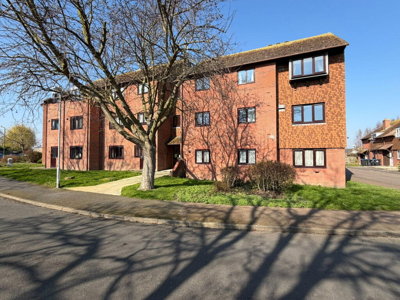
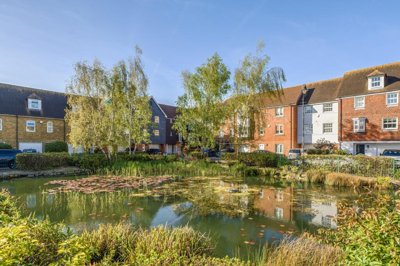
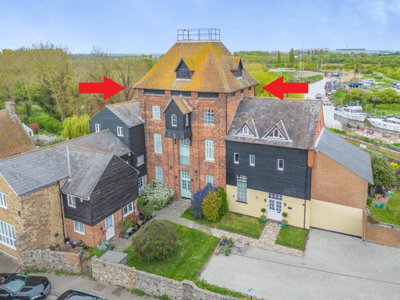
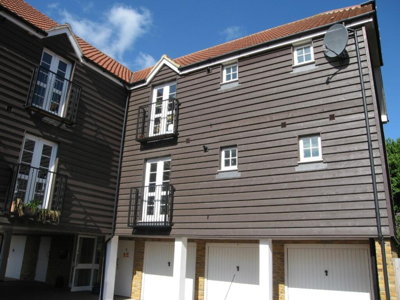
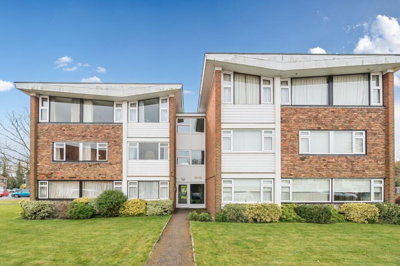
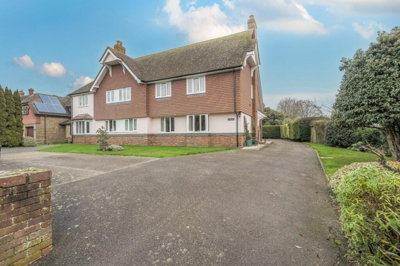
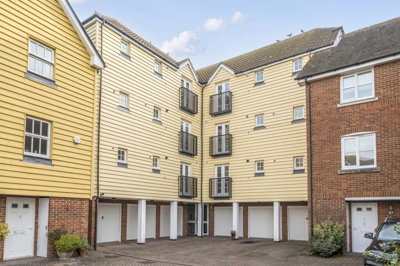
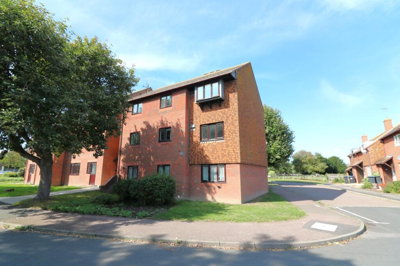
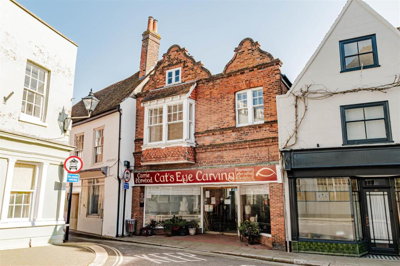
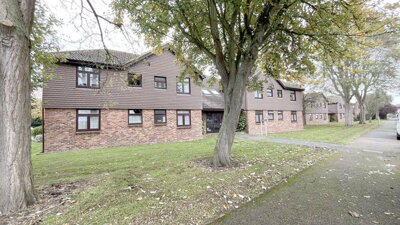
Browse 10 homes for sale in Ash from local estate agents.
Studio apartments feature open-plan living spaces without separate bedrooms, incorporating sleeping, living, kitchen, and bathroom facilities. The Ash studio market includes properties in modern apartment complexes, converted Victorian and Georgian buildings, and purpose-built developments.
Ash’s property market has kept the steady, upward feel seen across the Dover District through 2025. Prices in the district were up 3.6 percent over the year to December 2025, ahead of the 2.3 percent national average and well beyond the South East regional average, which barely moved over the same period. Semi-detached homes set the pace with 5.0 percent growth, a sign of continued demand from families wanting more room and a garden. Flats held their value, and homes bought with a mortgage averaged about £290,000.
Fresh housing stock is still coming forward in Ash, and the Mill Field development is one of the better examples. It brings seven exclusive detached family homes and two semi-detached properties to the village, all within the CT3 postcode area that serves Ash. Prices start at £495,000 for three-bedroom semi-detached houses and £775,000 for four-bedroom detached houses. Set in a private cul-de-sac with views over the Kent countryside, it suits buyers who want modern construction in a village setting, while Bovis Homes also offers three and four-bedroom new build options nearby.
Market activity across Dover has been encouraging too. In January 2026, 37 homes sold, up from 33 a year earlier, and December 2025 recorded three property transactions, a 2 percent rise year-on-year. Those numbers point to a market where homes are changing hands at a healthy pace. Even so, local data can shift more sharply than national estimates, so the clearest picture usually comes from looking at a year or longer rather than a single month.

Ash has a striking mix of buildings that speaks to its long Kentish history. There are 105 listed buildings on the National Heritage List for England, including two Grade I buildings, four Grade II* buildings and 99 Grade II listings. The Chequer Inn is a familiar landmark in the Ash Conservation Area, and it captures the traditional pub character that still matters to village life. Ash Street End, Ash Guilton and Ash The Street are all protected conservation areas, so the historic fabric of the village remains a live part of how it grows.
An AECOM Housing Needs Assessment from April 2019 gives a useful snapshot of Ash’s changing population. It pointed to stronger demand for affordable family housing, along with more one-person and couple households. The study also forecast a marked rise in the number of people aged 65 and over, and those aged 85 and above, which suggests a growing need for retirement housing and homes with easier access. Those shifts matter for buyers weighing up either an investment or a home for the long term.
The Ash Neighbourhood Development Plan helps keep the village rooted in its rural identity, and it reflects how keen residents are to have access to green space. This is an agricultural part of Kent, and many people still earn their living from the land. Around the village, the countryside opens out into walking routes, bridleways and views across the Levels. Canterbury is close enough for the Cathedral, theatres and independent shops, while Dover and Sandwich give easy options for coastal days out and leisure trips.
Tree disease is one of the more practical environmental issues affecting Ash. The Emerald Ash Borer beetle has been killing ash trees across the Dover District, and local authorities have had to remove many infected trees, with the work still continuing across the parish. For buyers, that matters because the loss of large trees near foundations can change soil moisture levels, which is especially relevant on the clay soils found here. Any recent removal work should be documented, and we would also check the remaining trees for signs of disease or infestation.

Despite its village feel, Ash is well placed for people who commute to Canterbury, Dover or elsewhere in Kent. It sits east of Canterbury, and the A28 runs through the parish, giving direct access to the cathedral city. From Canterbury West and Canterbury East, rail links are broad, and high-speed services to London St Pancras International can reach the capital in under an hour. That level of access has made Ash and nearby villages increasingly attractive to professionals who want to step away from city living without giving up London travel.
Dover and Sandwich add another layer of connectivity and employment choice. Dover’s ferry port, along with the long-standing possibility of Channel Tunnel links, has played a part in shaping property values across the wider area, while Sandwich offers a quieter and more historic market town feel. Ash is also served by the Kent bus network, though buyers without cars should check the routes and frequencies before relying on them. For drivers, the A2 gives straightforward access to the M2 motorway network and ties Ash into the rest of Kent and beyond.
Cycling has become more practical across Kent in recent years, and the flat ground around Ash and the Levels suits riders of many abilities. The surrounding countryside lends itself to scenic leisure routes, while commuters on ebikes may find Canterbury a realistic ride. Parking in the village is usually easier than in larger towns, which makes day-to-day car use fairly straightforward. Road, rail and ferry links together give Ash a useful spread of travel choices for both local and longer journeys.

Families thinking about Ash will find primary schooling in the village itself and in the surrounding area. The village sits within the Kent local education authority, which runs a network of primary schools across rural communities. It is wise to check current capacities and admissions arrangements, because places can be limited in smaller schools. Kent has long kept its selective secondary system, and grammar schools in Canterbury and nearby towns serve the Ash area. Families usually need to understand the Kent assessment process as well as the mix of grammar and non-selective options available locally.
For sixth form and further education, Canterbury provides a solid range of choices. Canterbury College offers A-level and vocational courses, while Simon Langton Grammar School for Boys and Canterbury Girls' Grammar School are well-established names serving the wider area, with students travelling in from villages such as Ash. The University of Kent campus in Canterbury adds higher education options too. Because Ash is so accessible, some students commute from home, while others move into university accommodation during term time.
Buying in Ash with children in mind means paying close attention to school catchments, which can be competitive and can push up prices close to the most sought-after schools. Heritage status and listed buildings also matter here, because some homes come with restrictions on alterations and extensions, which can be awkward if growing families need more space. Before moving, we would visit schools, study the admission rules and speak with the Kent County Council admissions team. Those steps can save a lot of uncertainty later on.

Current listings in Ash, Kent are the best starting point if you want to see what sits within budget. The average house price in the Dover District is about £294,000, and semi-detached homes have recently shown strong 5.0 percent price growth. A local estate agent who knows the village can be useful here, especially if they hear about new listings before they appear on the larger portals. The stock runs from period cottages in conservation areas to new builds at developments such as Mill Field in the CT3 postcode.
Before arranging viewings, get a mortgage agreement in principle from a lender or broker. It shows sellers and agents that your buying power has already been checked, which can help in a competitive situation. First-time buyers in the area are purchasing at an average of £248,000, so knowing the limit of your borrowing keeps the search focused. A broker who knows the Kent market can also flag lender criteria for conservation area homes or properties with listed building status.
It helps to see a broad spread of properties in Ash, from listed period cottages through to the new homes at Mill Field. We would pay close attention to conservation area controls, possible flood risk to the south and north of the village, and the general condition of older homes that may need surveys. Roofs, walls, signs of subsidence and damp all deserve a proper look, especially with the clay soil conditions found across South East England.
With 105 listed buildings and plenty of older housing, a RICS Level 2 Survey, or HomeBuyer Report, is a sensible choice for most Ash properties. Clay soils in the South East carry a higher risk of subsidence, so a structural check is valuable. For listed buildings or homes in poor condition, a RICS Level 3 Building Survey gives a fuller picture. It will look for familiar defects in older Kent properties, including subsidence, damp-related decay, roof problems and any structural movement.
After an offer is accepted, the next step is to instruct a solicitor to deal with the legal transfer of ownership. They will carry out searches with Dover District Council, check the title deeds and handle the extra layers that come with buying in a village with conservation areas and flood risk zones. We would also expect them to look into any historic mining or quarrying activity in the area that might have affected ground stability.
From there, your solicitor will bring everyone together for exchange of contracts, at which point the purchase becomes legally binding. Completion usually follows shortly afterwards, and that is when the keys are collected and the move into an Ash home begins. Buildings insurance needs to be in place from the completion date, and homes in flood risk zones may call for specialist cover.
Several local factors in Ash can catch unfamiliar buyers out, so they are worth thinking through in detail. South East England’s clay soils create a real subsidence risk because they shrink and crack in hot, dry weather and swell again when it gets wet. Trees close to a property can make that worse, since roots draw moisture from the clay and can trigger ground movement. Signs to look for include diagonal cracks that are wider at the top than the bottom, doors and windows that stick, and wallpaper that ripples away from the wall.
Flood risk needs proper checking before a purchase in Ash. The Strategic Flood Risk Assessment shows that areas south of the village along the Old Wingham River sit substantially within Flood Zone 3, while the Ash Levels to the north fall into Zone 3b, the highest flood risk classification. Some parts of the village also have surface water run-off problems. Buyers should ask for flood risk reports, check the gov.uk flood map for planning, and weigh up the effect on insurance costs and property values. In Zone 3b, mortgage lending is usually difficult without specific lender approval.
Because Ash has 105 listed buildings and several conservation areas, planning restrictions can be stricter than many buyers expect. Any work that affects the special historic or architectural character of a listed building, including repairs, repointing, gutter replacement or even taking out modern fixtures, may need Listed Building Consent from Dover District Council. Within conservation areas, development is more tightly controlled, and planning permission may be required for changes that would normally count as permitted development elsewhere. Those limits can shape both renovation ideas and budgets.
Ground stability in Ash is about more than clay soil movement. Across the Dover District there are historic mining, quarrying and pit sites that can lead to subsidence and other instability. Ash itself is not in a known coal mining area, but Kent geology means that old extraction of building materials such as chalk and clay has left underground voids in some places. A mining search should form part of the conveyancing process, and any sign of past ground movement deserves proper investigation before a purchase goes ahead.

As of December 2025, the average house price in the Dover District, which includes Ash, stands at about £294,000. First-time buyers have been purchasing at an average of £248,000, while homes bought with mortgages averaged around £290,000. Over the year, prices rose by 3.6 percent, and semi-detached homes were especially strong at 5.0 percent growth. All of that suggests a market with decent momentum and continuing demand for homes in the area.
For council tax, Ash properties fall under Dover District Council. Bands run from A through H, and the right band depends on the property’s assessed value. Smaller flats and period cottages often sit in lower bands, while larger homes and newer properties tend to fall higher up the scale. Buyers should check the exact band on the Dover District Council website or through the Valuation Office Agency. New builds at places like Mill Field are often in the higher bands because of their modern construction and stronger values.
Primary schooling in and around Ash comes under the Kent local education authority. For secondary education, Kent’s selective grammar school system applies, with options in Canterbury and nearby towns. Families should look at current school capacity, catchment boundaries and grammar school assessment arrangements before moving. Canterbury has several long-established secondary schools and sixth form colleges serving the wider area, including Simon Langton Grammar School for Boys and Canterbury Girls' Grammar School, which draw pupils from villages such as Ash. Non-selective schools are available across the wider Kent area too.
Ash has good links for a village of its size. It sits east of Canterbury, where Canterbury West station offers high-speed rail to London St Pancras in under an hour. Kent bus services connect Ash with Canterbury, Dover and Sandwich, although rural routes can run infrequently. The A2 gives road access to the M2 motorway network, and Dover ferry port adds an international travel option. It suits car owners best, though public transport is still workable for commuting to larger centres.
For investors, Ash has a few points in its favour. Its closeness to Canterbury, a growing local economy and solid transport links all support the case for capital growth. The Dover District’s 3.6 percent annual price rise in 2025 moved ahead of the national average. The AECOM Housing Needs Assessment also points to an ageing population, which may support demand for smaller, accessible homes. Even so, conservation area controls, flood risk zones and listed building obligations can narrow the options, while homes needing modernisation may offer upside but bring added consent work.
Stamp Duty Land Tax rates for 2024-25 apply to purchases in Ash, Kent. The standard bands are 0 percent on the first £250,000, 5 percent from £250,001 to £925,000, 10 percent from £925,001 to £1.5 million and 12 percent above £1.5 million. First-time buyers get relief on the first £425,000, with 5 percent charged between £425,001 and £625,000, provided it is their first property and they have not already claimed first-time buyer relief. At the average price of £294,000, most Ash homes would mean no stamp duty for first-time buyers or around £2,200 for non-first-time buyers.
Flood risk remains one of the key checks for any Ash purchase. The areas south of the village along the Old Wingham River sit in Flood Zone 3, while the Ash Levels to the north are in Zone 3b, the highest risk classification. Some parts of the village are also affected by surface water flooding. Buyers should review the gov.uk flood map for planning, request a flood risk report and build the insurance implications into their budget. High-risk properties may need specialist insurers, and mortgage lenders have specific rules for homes in Flood Zone 3b.
The Emerald Ash Borer beetle is another environmental issue linked to Ash, having killed ash trees across the Dover District. Local authorities have removed many infected trees, and that work continues across the parish. For buyers, the removal of large trees near foundations can change soil moisture levels, which matters in an area of shrink-swell clay soils. The wider Kent coastal location also brings coastal erosion into the regional picture, though Ash itself is inland and monitored in a different way by Dover District Council. Ground stability should still be checked, because old chalk and clay extraction has left underground voids in some places.
From £350
A RICS Level 2 Survey, or HomeBuyer Report, is a sensible starting point for Ash’s older homes and listed buildings.
From £600
For listed buildings and period properties, our surveyors would normally point buyers towards a RICS Level 3 Building Survey.
From 4.5%
Expert mortgage advice for your Ash property purchase
From £499
Conveyancing on Ash property often needs extra care where conservation areas and listed buildings are involved.
Budgeting for a purchase in Ash, Kent means looking beyond the asking price. Buyers need to allow for Stamp Duty Land Tax, legal fees, survey costs and other smaller expenses. On a home priced at the Dover District average of £294,000, a standard buyer would currently pay about £2,200 in stamp duty. That uses the 0 percent rate on the first £250,000 and the 5 percent rate on the remaining £44,000. First-time buyers at or below that level would usually pay no stamp duty, because their relief covers the first £425,000.
Costs rise sharply with higher-value homes such as the Mill Field new builds, where four-bedroom detached houses start from £775,000. On a £775,000 purchase, a standard buyer would pay about £26,250 in stamp duty, while first-time buyers would pay around £17,500. Anything above £925,000 attracts the 10 percent rate between £925,001 and £1.5 million, which pushes the tax bill up further. Buyers of listed buildings should also allow for the cost of bringing a property up to habitable standard or securing the right consents.
Survey fees are an important part of the budget in Ash, especially with so many older homes and the subsidence risks tied to clay soils. A RICS Level 2 Survey, or HomeBuyer Report, usually starts from £350 for a standard property and gives a useful check on condition and defects. For the older and listed houses that make up much of Ash, a RICS Level 3 Building Survey from £600 gives a fuller structural assessment. Conveyancing fees generally begin from £499 for standard transactions, although listed building purchases or homes in conservation areas may need extra work. A mortgage arrangement fee, usually 0.5 to 1.5 percent of the loan amount, also needs to sit in the overall budget.

Properties for Sale In London

Properties for Sale In Plymouth

Properties for Sale In Liverpool

Properties for Sale In Glasgow

Properties for Sale In Sheffield

Properties for Sale In Edinburgh

Properties for Sale In Coventry

Properties for Sale In Bradford

Properties for Sale In Manchester

Properties for Sale In Birmingham

Properties for Sale In Bristol

Properties for Sale In Oxford

Properties for Sale In Leicester

Properties for Sale In Newcastle

Properties for Sale In Leeds

Properties for Sale In Southampton

Properties for Sale In Cardiff

Properties for Sale In Nottingham

Properties for Sale In Norwich

Properties for Sale In Brighton

Properties for Sale In Derby

Properties for Sale In Portsmouth

Properties for Sale In Northampton

Properties for Sale In Milton Keynes

Properties for Sale In Bournemouth

Properties for Sale In Bolton

Properties for Sale In Swansea

Properties for Sale In Swindon

Properties for Sale In Peterborough

Properties for Sale In Wolverhampton

Enter your details to see if this property is within your budget.
Loans, cards, car finance
Estimated property budget
Borrowing + deposit
You could borrow between
Typical borrowing
Monthly repayment
Est. at 4.5%
Loan-to-value
This is an estimate only. Your actual budget may vary depending on interest rates, credit history, and personal circumstances. For an accurate affordability assessment, speak to one of our free mortgage advisors.
This calculator provides estimates for illustrative purposes only and does not constitute financial advice. Your home may be repossessed if you do not keep up repayments on your mortgage. Estimates based on 4.5% interest rate, repayment mortgage. Actual rates depend on your circumstances.
Homemove is a trading name of HM Haus Group Ltd (Company No. 13873779, registered in England & Wales). Homemove Mortgages Ltd (Company No. 15947693) is an Appointed Representative of TMG Direct Limited, trading as TMG Mortgage Network, which is authorised and regulated by the Financial Conduct Authority (FRN 786245). Homemove Mortgages Ltd is entered on the FCA Register as an Appointed Representative (FRN 1022429). You can check registrations at NewRegister or by calling 0800 111 6768.

We use cookies to show you personalised content and improve your experience of our website. Find out more in our Privacy policy and Cookie policy.