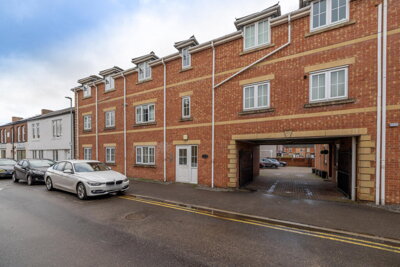
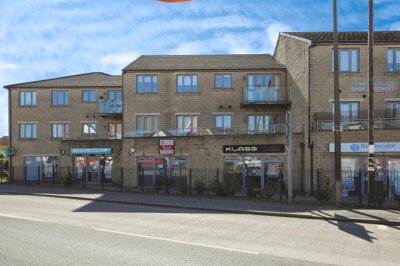
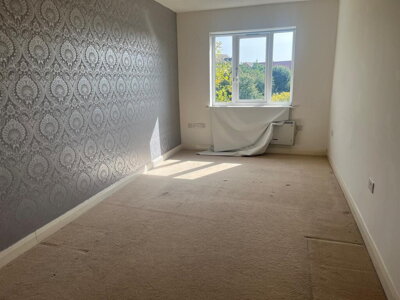
Browse 3 homes for sale in Anston, Rotherham from local estate agents.
One bed apartments provide a separate bedroom alongside distinct living space, bathroom, and kitchen areas. Properties in Anston are available in various building types including mansion blocks, contemporary developments, and house conversions.
£0k
0
0
0
Source: home.co.uk
Showing 0 results for 1 Bedroom Flats for sale in Anston, Rotherham.
Anston has been edging up steadily, with house prices rising by 1.25% over the past twelve months. Detached homes average £330,862, semi-detached properties sit at £193,803, and that puts Anston in a strong position for families who want more space without paying Sheffield or Rotherham levels. Terraced houses typically fetch £155,750, flats average around £115,000, and flats make up a smaller slice of the stock.
Anston’s housing mix tells the story of how the village grew. Census data shows 35.8% of homes are detached, 34.6% semi-detached, 18.2% terraced, and 10.9% flats or maisonettes. That spread gives buyers real choice across budgets and household sizes. Homes built before 1919 are concentrated around the historic cores of North and South Anston, while post-war building between 1945 and 1980 created the semi-detached estates that now anchor much of the residential side of the village. More recent schemes have added modern options, widening the choice again.
In North Anston, new build schemes give buyers a different route into the market. The Pastures development by Avant Homes includes 3 and 4 bedroom homes from £269,995 to £409,995, while Anston Brook by Harron Homes offers 3, 4, and 5 bedroom options from £279,995 to £474,995. One is off Nursery Road, the other off Sheffield Road. Both suit buyers who want modern construction and the energy efficiency that comes with a brand-new home.

Anston remains a busy commuter village, with around 11,507 residents living across the Anston and Woodsetts ward. Its history runs back centuries, and many homes use the local Magnesian Limestone, the same stone that was used for the Houses of Parliament. North Anston’s historic centre includes a Conservation Area covering parts of Main Street and The Green, which helps protect the character of the village. The Church of St James, a rare Grade I listed building, sits among several Grade II listed buildings and gives the area extra architectural weight.
Quarrying and agriculture shaped the local economy for years, although plenty of residents now travel to Sheffield and Rotherham for work in manufacturing, healthcare, education, and services. Retail, hospitality, and small local firms also provide jobs close to home. The Chesterfield Canal cuts through Anston, offering walks and a reminder of the village’s industrial past. Finished in 1777, it was built to move limestone from the local quarries, and it still marks the landscape today.
Day-to-day life in Anston is practical. There are local shops, pubs, and places to exercise, and larger towns nearby bring in supermarkets, healthcare, and leisure facilities without much fuss. South Yorkshire countryside sits close by too, so the Chesterfield Canal and surrounding farmland make for easy walks on the doorstep. The community has a strong local feel, with events and societies bringing people together through the year. Rother Valley Country Park is also close enough for residents who want more outdoor space.

Families looking at Anston will find a decent spread of schools in and around the village. Anston Primary School serves the local area, taking children from reception through to Year 6. It has a supportive atmosphere and close community links, which helps explain why many local families choose it. Other primary schools nearby give parents extra choice, and travel times are still manageable compared with more urban areas.
For secondary education, options in nearby Dinnington and Swinton are within reach, and many residents appreciate the shorter journeys compared with bigger towns and cities. The village sits within the catchment for several respected secondary schools in the Rotherham borough. These include Hooton Levitt Primary and the Wales High School area, with transport links making the daily run straightforward for older pupils. Wales High School in Kiveton Park is a popular pick for Anston families, with strong academic results and a broad range of extracurricular activities.
Sixth form and further education are easy enough to access in Rotherham and Sheffield thanks to the road network. The Sheffield College and Rotherham College offer vocational and academic courses, while the University of Sheffield and Sheffield Hallam University are both within commuting distance for older students. Parents ought to check catchment areas and admission criteria before settling on a property, since those factors can affect school placement. Open days and up-to-date Ofsted reports give a clearer picture of school quality before any purchase is made.

Anston has excellent transport links, which is one reason commuters working in Sheffield, Rotherham, Doncaster, or beyond often look here. The A57 trunk road runs through South Anston, putting Sheffield city centre about 20 minutes away by car. Junction 31 of the M1 is easy to reach, opening routes towards Leeds, Nottingham, and Manchester across the north and Midlands. For Sheffield commuters, the X54 bus service runs directly to Sheffield city centre throughout the day.
Rail travel is available from nearby Kiveton Park and Shireoaks station, where regular trains run to Sheffield, Lincoln, and Nottingham. From Kiveton Park, the trip to Sheffield is usually around 25 minutes, so rail commuting is realistic for everyday use. There are also links to Worksop and other destinations, which gives people more than one way to get to work. Robin Hood Doncaster Sheffield Airport is about 35 minutes away by car and offers flights to destinations across Europe and beyond.
For daily commuters, Anston’s position is a real advantage, because it keeps property prices lower than city-centre locations while still giving practical journey times. The village also links neatly to the main road network for drivers, with the M18 reachable via the A1(M) for places such as Doncaster and Hull. The A57 and local roads are generally less congested than major urban routes, though peak hours do bring more traffic on the key links. People working unsociable hours often value that, since the roads can be far easier to use outside the rush.

Our listings are the best place to start if you want to see current prices, property types, and availability in Anston, North Anston, and South Anston. Looking at recent sales and wider local market trends will help set a realistic budget and timescale. It also pays to think about age and build type, since an older stone house calls for different checks from a modern estate home.
Get a mortgage agreement in principle before you start booking viewings. Local brokers who know the South Yorkshire market can talk through rates and borrowing options, and having that paperwork ready can put you in a stronger position when you make an offer. First-time buyers should also look into government schemes that are available to eligible purchasers.
Viewings can be arranged through Homemove or directly with the estate agents listed. We always suggest seeing a property at different times of day, so you can judge the neighbourhood, nearby amenities, and commute routes properly. Older homes in North Anston may also need a closer look at conservation area restrictions. Compare several properties before deciding, because condition and value can vary a lot.
After your offer is accepted, arrange a property survey. For homes over 50 years old or within the conservation area, we recommend a comprehensive survey. In Anston, standard survey costs usually sit between £450-£650. Listed buildings may need a RICS Level 3 survey for a fuller assessment.
Choose a conveyancing specialist to deal with the legal side of the purchase. Our solicitor will carry out searches, review the contract, and work with the seller’s legal team right through to completion. Local understanding of Rotherham Council procedures can also help move things along more quickly.
Once the mortgage is finalised, pay your deposit and work with all parties towards exchange of contracts. On completion day, collect the keys and move into your new Anston home. After moving, give yourself time to sort out utilities and update your address details.
Knowing how Anston’s homes are built, and how old they are, helps buyers judge maintenance needs and possible problems. The stock runs from historic limestone cottages built before 1919 to brand new developments completed in recent years. That range gives buyers a choice between character homes with original features and newer properties built to current standards.
Older homes in North and South Anston, especially those built before 1945, usually have solid wall construction using local Magnesian Limestone or traditional brick. They often include timber floors, pitched roofs finished in slate or clay tiles, including red pantiles, and lime-based mortar. Those details add character, but they need a different approach to maintenance from modern cavity wall construction. Many Victorian and Edwardian properties still have original fireplaces, cornicing, and sash windows, all of which add charm and value, although some will need restoration.
A large share of Anston’s residential areas comes from properties built between 1945 and 1980. These homes commonly use cavity wall construction with brick exteriors, concrete tiled roofs, and suspended timber ground floors. Electrical and plumbing systems may still be original, so they can need updating to current standards. Post-war semis and detached homes on estates around Anston Road and Old School Lane offer good value for families who want space at moderate prices.
Homes built after 1980 usually bring in more modern construction methods, including cavity wall insulation, uPVC windows, and gas central heating. New build homes at The Pastures and Anston Brook have the latest construction standards and stronger energy efficiency. Even so, some newer properties have been built quickly and may need a different maintenance approach. It is always sensible to check the construction details, along with any guarantees or warranties that apply.
Because Anston’s homes vary so much in age and build, buyers need to think differently depending on the property. Older homes built before 1919 often have solid walls made from local Magnesian Limestone, timber floors, and slate or clay tile roofs. They may need more maintenance, but they also offer features that newer homes simply do not have. If you are looking at a listed building or something inside the North Anston Conservation Area, specialist surveys and planning permission may be needed before any alterations.
The local geology brings a few specific issues for buyers to keep in mind. Homes built on areas with till, or boulder clay, can be vulnerable to shrink-swell ground movement, especially where large trees are nearby or drainage is poor. Anston itself was not a major coal mining area, but the wider South Yorkshire region has mining heritage, including the nearby Harry Crofts colliery in South Anston. A mining search is a sensible step for any property, so that possible ground stability concerns from historic workings in the region can be checked.
Surface water flooding has been reported in low-lying areas near Anston Brook and other local watercourses, especially when intense rainfall overwhelms the drainage system. Both North and South Anston have seen internal flooding from surface water during severe weather. Checking flood risk maps and drainage history before buying is wise. Homes in affected areas may have higher insurance costs or need specific flood resilience measures.
For new builds at places such as The Pastures or Anston Brook, check completion dates, snagging procedures, and any leasehold terms or estate charges. Many modern homes use cavity wall construction with brick exteriors and concrete tiled roofs, so their maintenance needs differ from older stone houses. Energy efficiency can vary sharply between homes of different ages, and older limestone cottages may need upgrades to reach modern standards. A snagging inspection for a new build can pick up defects before the developer warranty runs out.
The average house price in Anston is currently £225,567, based on recent market data from the past twelve months. Detached homes average £330,862, semi-detached properties usually sell for £193,803, terraced homes average £155,750, and flats come in at around £115,000, although flats make up a smaller part of the stock. Over the past twelve months, prices have risen by 1.25%, which points to a steady market. South Anston tends to sit a little higher than North Anston on average, though both areas offer different choices depending on budget and location.
Rotherham Metropolitan Borough Council is the local authority for properties in Anston. Council tax bands run from A to H, depending on the assessed value of the home. Most residential properties in the village fall into bands A through D, which sit among the lower council tax brackets in South Yorkshire. Before deciding on a property, it is worth checking the exact band with the Land Registry or Rotherham Council, as neighbouring homes can differ quite a lot. The council also provides online tools for checking bands and estimated costs at specific addresses.
Anston Primary School serves the local area for primary education and has a reputation for a supportive learning environment. Several other primary schools are close by, while secondary options include Wales High School in Kiveton Park, which attracts pupils from across the wider area. Checking catchment areas matters, because school admissions depend on geographic boundaries and those can change from year to year. Many families pick Anston for good schools and for the chance to avoid Sheffield’s higher property prices. Current Ofsted ratings and admission policies should always be checked directly with schools or through the Ofsted website before any purchase.
Commuters in Anston have excellent transport choices. The X54 bus route runs between Anston and Sheffield city centre throughout the day, so it gives a practical alternative to driving. Kiveton Park and Shireoaks railway stations offer regular services to Sheffield, Lincoln, and Nottingham, with onward links across the rail network. The A57 trunk road passes through South Anston, giving direct access to Sheffield in about 20 minutes by car. Junction 31 of the M1 is also easy to reach, which makes journeys to Leeds, Nottingham, and Manchester practical for regular travel.
Anston has strong investment appeal because it sits between Sheffield and Rotherham and benefits from excellent transport links. The village draws commuters who want housing that is more affordable than city-centre stock but still allows practical travel to major employment areas. Price growth of 1.25% over the last twelve months points to market stability, and the wide mix of homes suits different tenant groups. New build developments continue to attract buyers who want modern amenities and better energy efficiency. Rental demand comes from commuters and local workers, although investors should still look closely at tenant profiles, local rental comparables, and void periods before buying. Properties near good schools and transport links usually achieve the strongest rents.
For 2024-25, Stamp Duty Land Tax rates are 0% on properties up to £250,000, 5% on the slice from £250,001 to £925,000, 10% from £925,001 to £1.5 million, and 12% above £1.5 million. First-time buyers get relief on homes up to £425,000, then pay 5% between £425,001 and £625,000, with no relief above that point. On a typical Anston property at £225,567, most standard buyers would pay no stamp duty, although the exact amount depends on buyer status, property price, and whether other properties are owned. A 3% SDLT surcharge applies to second homes and buy-to-let purchases.
Older Anston homes, especially those built before 1945 with Magnesian Limestone or brick, need a careful inspection for common problems. Watch for damp, whether rising, penetrating, or condensation, the roof condition on slate or clay tile coverings, outdated wiring and plumbing, and timber faults such as rot or woodworm. Many period homes still keep original features that may need updating, including fuse boards, plumbing, and heating systems. Properties in the North Anston Conservation Area or listed buildings may also face restrictions on alterations under planning rules. With the local geology, including clay deposits, and the wider South Yorkshire mining heritage, it is sensible to check for subsidence, cracking, or ground movement. We strongly recommend a RICS Level 2 Survey for homes over 50 years old.
It helps to look at the full cost of buying in Anston, so the budget is realistic from the start. In addition to the purchase price, buyers need to allow for Stamp Duty Land Tax, or SDLT, which changes with the price and the buyer’s situation. On a typical home priced around £225,567, standard buyers pay 0% SDLT on the first £250,000, so many purchases do not attract stamp duty at all. First-time buyers can claim relief on homes up to £625,000, although the relief starts to reduce between £425,001 and £625,000.
Other buying costs include mortgage arrangement fees, usually 0-2% of the loan amount, valuation fees of £150-£500 depending on the property value, and survey costs. For a standard 3-bedroom semi-detached home in Anston, a RICS Level 2 Survey usually costs £450-£650, while larger detached homes may come in at £550-£800. Conveyancing fees are generally £500-£1,500 for the legal work, including local searches, title checks, and contract preparation.
Local searches with Rotherham Metropolitan Borough Council cover drainage, environmental, and planning matters specific to Anston. Search fees usually sit at £250-£350, with extra optional searches for mining, flood risk, or drainage available if needed. We would suggest keeping an extra 1-2% of the property price aside for these ancillary costs, so the financial plan stays realistic. It is also wise to allow for removal costs, Buildings Insurance from completion date, and any immediate maintenance or renovation work once you move in.

Properties for Sale In London

Properties for Sale In Plymouth

Properties for Sale In Liverpool

Properties for Sale In Glasgow

Properties for Sale In Sheffield

Properties for Sale In Edinburgh

Properties for Sale In Coventry

Properties for Sale In Bradford

Properties for Sale In Manchester

Properties for Sale In Birmingham

Properties for Sale In Bristol

Properties for Sale In Oxford

Properties for Sale In Leicester

Properties for Sale In Newcastle

Properties for Sale In Leeds

Properties for Sale In Southampton

Properties for Sale In Cardiff

Properties for Sale In Nottingham

Properties for Sale In Norwich

Properties for Sale In Brighton

Properties for Sale In Derby

Properties for Sale In Portsmouth

Properties for Sale In Northampton

Properties for Sale In Milton Keynes

Properties for Sale In Bournemouth

Properties for Sale In Bolton

Properties for Sale In Swansea

Properties for Sale In Swindon

Properties for Sale In Peterborough

Properties for Sale In Wolverhampton

Enter your details to see if this property is within your budget.
Loans, cards, car finance
Estimated property budget
Borrowing + deposit
You could borrow between
Typical borrowing
Monthly repayment
Est. at 4.5%
Loan-to-value
This is an estimate only. Your actual budget may vary depending on interest rates, credit history, and personal circumstances. For an accurate affordability assessment, speak to one of our free mortgage advisors.
This calculator provides estimates for illustrative purposes only and does not constitute financial advice. Your home may be repossessed if you do not keep up repayments on your mortgage. Estimates based on 4.5% interest rate, repayment mortgage. Actual rates depend on your circumstances.
Homemove is a trading name of HM Haus Group Ltd (Company No. 13873779, registered in England & Wales). Homemove Mortgages Ltd (Company No. 15947693) is an Appointed Representative of TMG Direct Limited, trading as TMG Mortgage Network, which is authorised and regulated by the Financial Conduct Authority (FRN 786245). Homemove Mortgages Ltd is entered on the FCA Register as an Appointed Representative (FRN 1022429). You can check registrations at NewRegister or by calling 0800 111 6768.

We use cookies to show you personalised content and improve your experience of our website. Find out more in our Privacy policy and Cookie policy.