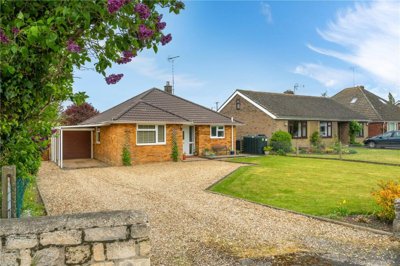
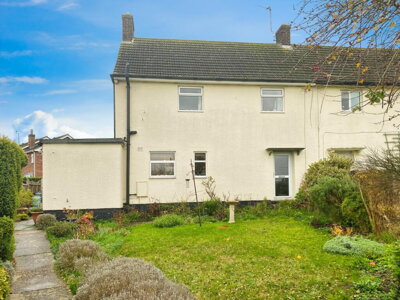
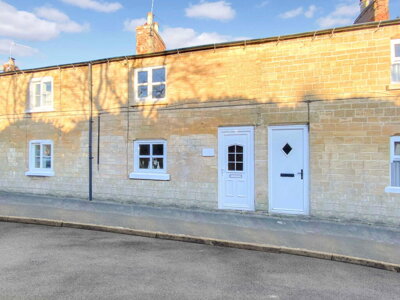
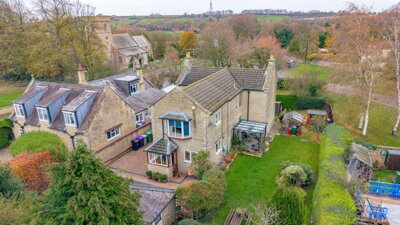
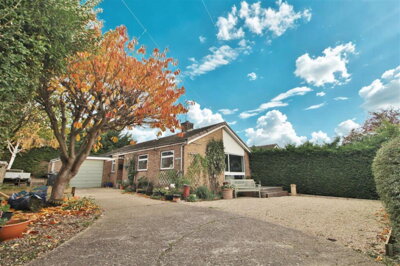
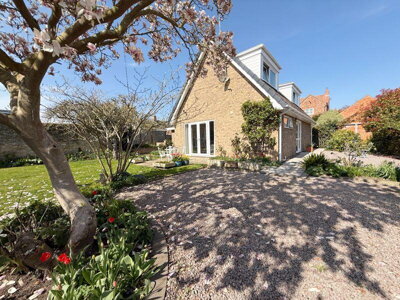
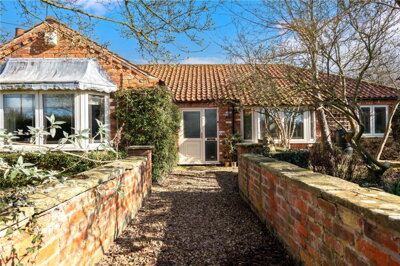
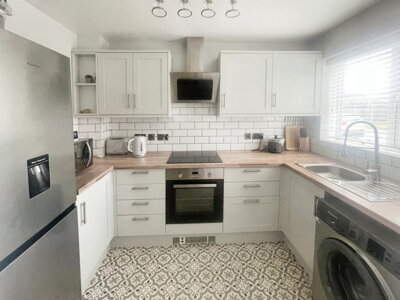
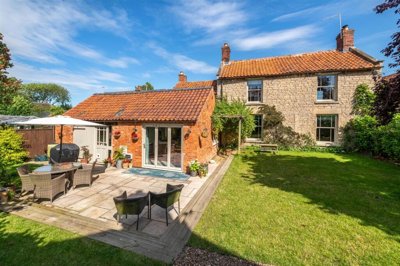
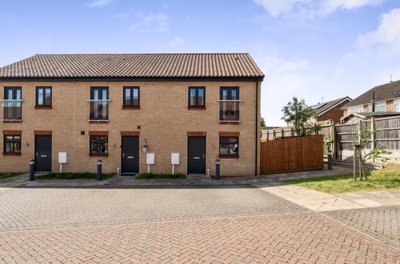
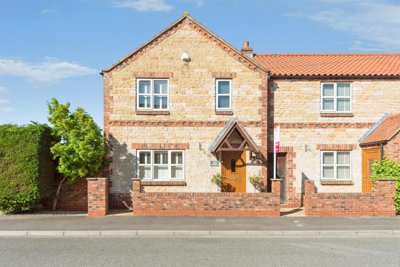
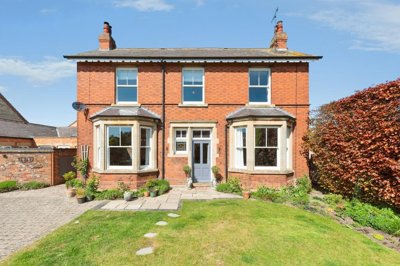
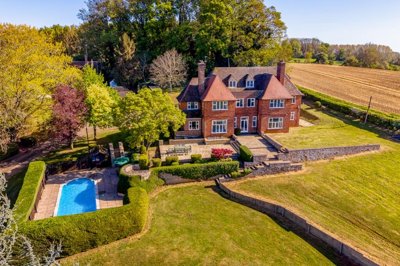
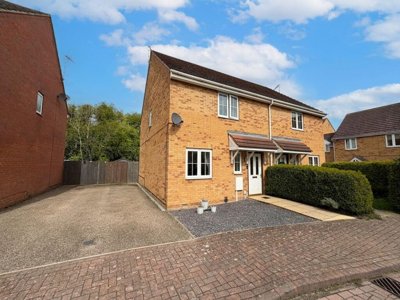
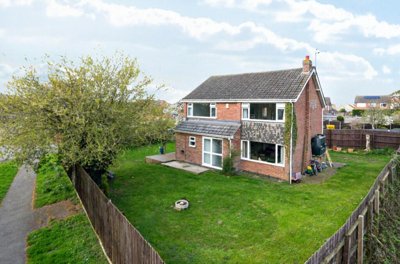
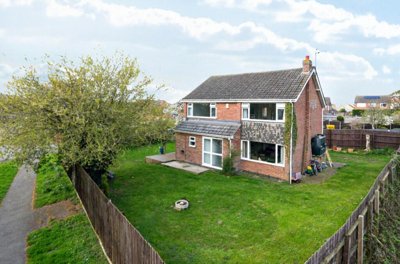
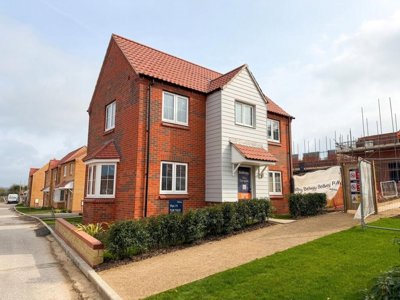
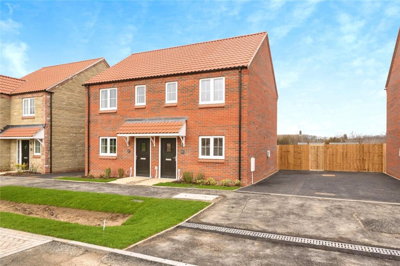
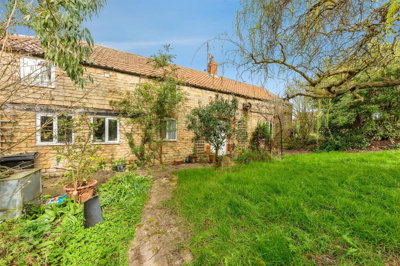
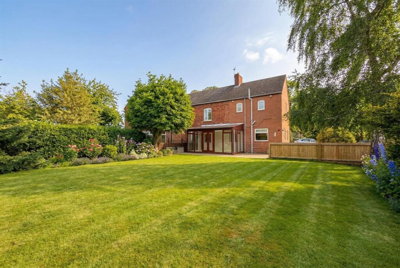
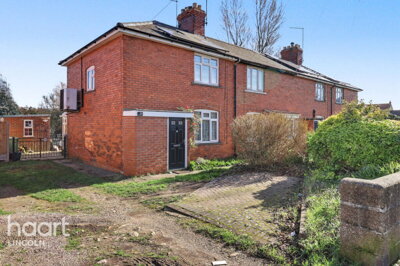
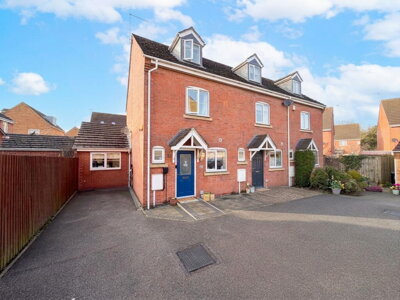
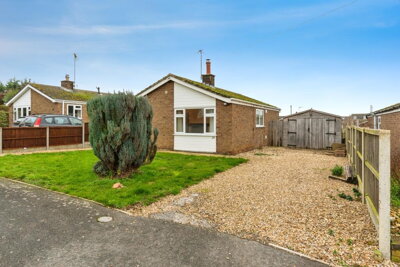
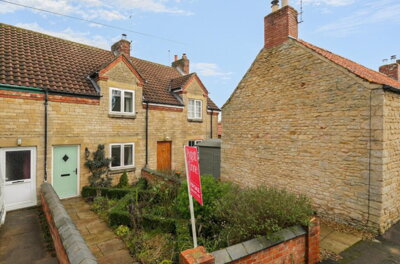
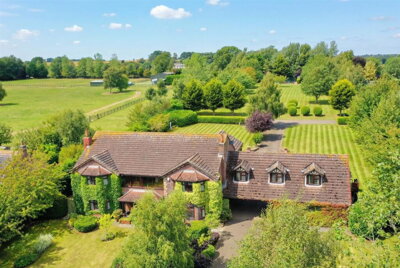
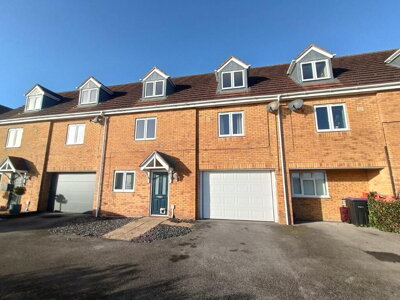
Browse 37 homes for sale in Ancaster, South Kesteven from local estate agents.
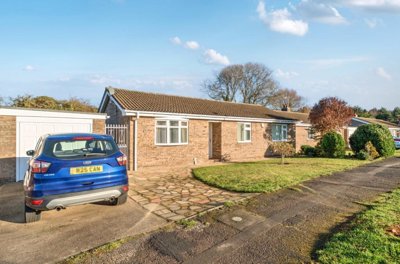
The Ancaster property market offers detached, semi-detached, and terraced houses spanning various price ranges and neighbourhoods. Each listing includes detailed property information, photographs, and direct contact with the marketing agent.
£255k
11
0
126
Source: home.co.uk
Showing 11 results for Houses for sale in Ancaster, South Kesteven. The median asking price is £254,950.
Source: home.co.uk
Detached
7 listings
Avg £323,236
Semi-Detached
2 listings
Avg £225,000
Terraced
2 listings
Avg £177,500
Source: home.co.uk
Source: home.co.uk
Detached family homes continue to dominate Ancaster, taking 58.3% of all sales in 2025. At £306,999 on average, detached property here reflects the pull of bigger gardens and a semi-rural setting. Semi-detached homes sit at £190,050, which gives them a more reachable price point for first-time buyers and people moving up from terraced houses in larger towns. Even with its modest size, the village still logged 24 property sales throughout 2025.
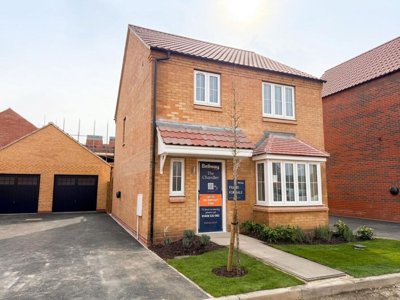
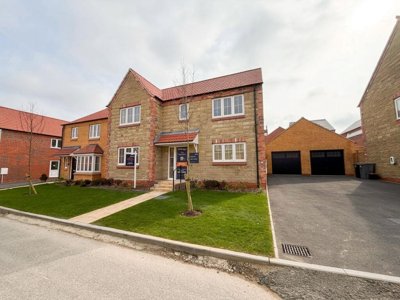
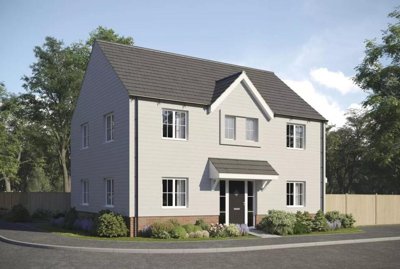
New-build buyers have a few options to look at in Ancaster. The Willows by Bellway Homes offers 3 and 4-bedroom homes between Grantham and Sleaford, with modern finishes set against a traditional village backdrop. Ancaster View by Wheatcroft Homes, an exclusive scheme of 14 two and three-bedroom properties, has now sold out, which says plenty about local demand. Looking ahead, outline planning permission has been secured for up to 73 dwellings on land north of Wilsford Lane, and a further 96 homes have been allocated on a greenfield site between Grantham and Sleaford.
Detached homes still lead the way in Ancaster, making up 58.3% of sales in 2025, but the price picture is very different here, with the average detached property at £311,255. Semi-detached homes, at £64,079, sit as the lower-cost route into the village market and are often picked by first-time buyers or movers from terraced homes elsewhere. Across the year there were 24 sales, so activity remained steady even in a small village. The pattern is clear enough.

Ancaster’s look is built around its grey limestone buildings, using locally quarried Ancaster stone that has shaped the village for centuries. Most of the stock dates from the 19th century, and the blue slate or clay pantile roofs give the place a very consistent appearance that sits neatly within the landscape. The Conservation Area protects this historic feel, and it includes four listed buildings, among them the 11th-century St Martins Church, a Grade I listed building and one of the village’s key landmarks.
The ground beneath Ancaster matters as much as the buildings above it. The village sits within a designated Minerals Safeguarding Area because the limestone bedrock is geologically important, and quarrying of Ancaster stone is still a live local industry. That silver-grey limestone is prized across Lincolnshire and further afield for building work. Step away from the stone and the picture changes, with open countryside, rural walks and the historic Ermine Street corridor giving residents a direct link to the area’s Roman past.
Local life is kept moving by the Parish Council, which deals with issues such as drainage and flood risk on Flaminian Way, where some homes sit lower down beside a drainage lagoon. Through the year, village events bring people together and help to sustain the close-knit feel that marks out life in South Kesteven. Everyday needs are covered by the primary school, village hall and local shop, while Grantham and Sleaford provide the fuller range of facilities.

Ancaster is strongest at primary level, with the village school serving local children through to Key Stage 2. For secondary education, families generally look to Grantham or Sleaford. Before making plans, we recommend checking current Ofsted ratings and admission arrangements through Lincolnshire County Council’s school admissions portal, because catchment areas and oversubscription rules can make a real difference to placement.
Secondary pupils usually travel on to Grantham or Sleaford, where there is a mix of grammar schools and comprehensive options. For academically selective families, Grantham’s King School and Kesteven and Grantham Girls’ School are the main grammar choices, while the comprehensive schools in both towns offer a broader curriculum. Journeys are usually handled by school transport or the car, and it tends to take around 15-20 minutes to Grantham secondary schools, with a similar duration to Sleaford.
After GCSEs, sixth forms and further education colleges in the nearby towns keep progression straightforward for students aged 16 and over. Sleaford Sixth Form and Grantham College both offer academic and vocational routes, so there is no shortage of post-16 options. For families weighing up education, the combination of the village primary school and the grammar school choices in Grantham makes Ancaster a practical fit at several stages of school life.

Between Grantham and Sleaford, Ancaster is well placed for rail travel into major cities. Grantham railway station sits on the East Coast Main Line, and regular services to London King’s Cross take about 75 minutes. From there, links also run to Birmingham, Edinburgh and Leeds, so the village works well for commuters who want a rural base. Sleaford station, on the Grantham to Nottingham line, adds further regional links, with journey times of approximately 20 minutes to Lincoln and 40 minutes to Nottingham.
Road access is straightforward too. The A52 runs through nearby Grantham and ties the village into the A1 trunk road for travel north and south, while the A17 gives east-west access through Sleaford and connects to the M1 motorway at Newark. Public transport is thinner than in a town, but Stagecoach and other operators do run services, and the Stagecoach 1 service links Ancaster with Grantham and Sleaford.
For most residents, a car still makes the day-to-day routine easier, especially with parking provision that is typical of a rural settlement. Because the village sits off the main roads, traffic noise is low, which adds to the calm residential feel that draws buyers here. Weekends are simple enough too, with Nottingham and Peterborough both within reach via the A46 and A1 respectively for shopping and leisure.

Values in Ancaster have held up well, sitting 3% above the 2023 peak of £249,854 even with wider market shifts elsewhere. That sort of resilience tends to appeal to buyers who want long-term stability rather than a quick gain. Most of the housing stock is built from 19th-century limestone, so the construction is solid and traditional, although older properties can bring maintenance work of their own.
Before starting a search in Ancaster, we would always suggest arranging a mortgage agreement in principle with a lender. It shows estate agents and sellers that the finance is in place, which can help when offers are being considered on village homes. With an average price of £267,077, mortgage products are usually available, but comparing lenders remains sensible because rates and terms can vary a lot.
Once a shortlist has been drawn up, viewings can be arranged through the listing agents or Homemove. It is worth seeing more than one property so condition, setting and access to local amenities can be judged properly. We would also look closely at materials, since many homes are made from local limestone and finished with blue slate or clay pantile roofs. If the property is listed, it helps to talk through any intended works with the vendor before going further.
Older homes, especially those from the 19th century, are best checked with a RICS Level 2 Survey before anything is committed to. That sort of inspection can pick up defects that are common in stone-built properties, including damp, roof problems, structural movement and timber defects. Ancaster’s position within a Minerals Safeguarding Area also means surveys may need to note ground conditions where quarrying has taken place nearby.
With an offer accepted, the legal work should be handed to a solicitor. Searches will be carried out with South Kesteven District Council, title deeds will be checked, and the conveyancing will be managed through to completion. For homes in the Ancaster Conservation Area, the solicitor should also flag any planning conditions that could affect the property.
After the survey and searches come back satisfactorily, contracts are exchanged and the deposit is paid. Completion usually follows within 28 days, at which point the keys are handed over and the move into Ancaster can begin. The solicitor then notifies the property register and arranges the utility transfers into the new owner’s name.
Ancaster homes come with some very specific things to look out for, largely because of the village’s historic stock and geological setting. With so much 19th-century limestone construction, stonework needs careful checking for weathering, mortar decay and any signs of structural movement. Roofs matter just as much, since blue slate and clay pantile coverings often need specialist judgement. A full RICS Level 2 Survey is strongly recommended for any property in Ancaster, particularly where older buildings may be hiding defects.
Flood risk should also be kept in mind, especially for properties on Flaminian Way, where the Parish Council has highlighted drainage concerns linked to a nearby lagoon. We would suggest checking official government flood maps and asking neighbours or the vendor about any local flooding history. Inside the Ancaster Conservation Area, external changes and extensions need consent from South Kesteven District Council, so the historic appearance of the village stays protected.
Listed buildings call for specialist attention, and in Ancaster that can mean going beyond a standard RICS Level 2 survey for properties such as St Martins Church, Ancaster Hall and The Rectory, which carry Grade I, Grade II* and Grade II designations. Those listings place tight controls on alterations and maintenance, with Heritage England approval needed for some works. Insurance can also be different from standard buildings cover, so those costs should sit in the budget from the start.
Older houses may also need their electrical and plumbing systems brought up to current standards, especially where the property predates modern building regulations. It is sensible to check when those systems were last updated and to allow for rewiring or plumbing work if needed. Broadband can be variable in a rural setting too, so current download speeds should be checked with providers before any purchase is agreed.

We are currently showing listings in Ancaster alongside comparable villages across South Kesteven. The local figures are worth keeping in mind, with detached homes averaging £311,255 and semi-detached properties sitting at £64,079. Conservation Area restrictions can affect renovation plans, and the Limestone Mineral Safeguarding Area designation may also have implications for any development idea.
For council tax, Ancaster falls under South Kesteven District Council. Bands run from A through to H, with the exact band depending on the assessed value of the property. Most 19th-century limestone homes in the village tend to land in bands B to D, while newer developments and larger detached houses may sit higher up the scale. Before completion, the council tax band should be checked on the Valuation Office Agency website, because it affects running costs.
Education in Ancaster starts with the village primary school, while secondary options are found in nearby Grantham and Sleaford. For academically selective families, the grammar schools in Grantham are the standout names, with King School and Kesteven and Grantham Girls’ School taking pupils from the age of 11 through to 18. Current Ofsted reports and Lincolnshire County Council admission policies should be checked alongside catchment areas, transport and curriculum specialisms, so the right fit is clear.
Because Ancaster is a rural village, bus services are limited compared with those in urban areas, although Stagecoach and other operators do run routes to Grantham and Sleaford for everyday travel. Grantham railway station gives direct East Coast Main Line services to London King’s Cross, and the trip to the capital is about 75 minutes. Sleaford station adds regional rail links to Lincoln and Nottingham, while road access through the A52 and A1 trunk road makes car travel the practical choice for most commuters.
For buyers looking at a semi-rural location with steady growth, Ancaster has plenty going for it. Prices are up 4% over the past year and remain 3% above the 2023 peak, which shows a market that has kept its footing. Planned schemes, including 73 dwellings north of Wilsford Lane and 96 homes on a greenfield site between Grantham and Sleaford, point to more homes and, in time, more local amenities. Detached demand stays strong, and Conservation Area status helps support long-term value retention.
Based on sales over the last year, the average house price in Ancaster is £267,077. Detached properties average £311,255, while semi-detached homes come in at around £64,079 and offer a more affordable route into the village. Terraced homes have sold at an average of roughly £180,000, although that figure comes from limited transactions. Against the previous year, prices are up 4% and sit 3% above the 2023 peak of £249,854, which points to a stable, growing market in this Lincolnshire village.
Flood risk across Ancaster is generally low, but there is a known concern around properties on Flaminian Way, where the Parish Council has raised issues connected to drainage from a nearby lagoon. Buyers looking at homes there should ask for flood risk reports from official government mapping services and check whether any flooding has happened before. Higher ground in the village offers a better profile, though searches should still be carried out as part of conveyancing.
Detached family homes set the tone in Ancaster, accounting for 58.3% of all sales in 2025. Alongside the 19th-century limestone stock, the village also has newer homes, including developments from Bellway Homes at The Willows. Traditional local stone walls, blue slate roofs and clay pantile roofs still shape the older streets. Semi-detached and terraced properties give a more affordable way into the market, while listed buildings in the Conservation Area suit buyers after historic character.
Stamp Duty Land Tax starts at 0% on the first £250,000 of purchase price for standard buyers, then moves to 5% on the portion between £250,001 and £925,000. Above £925,000, the rate rises to 10% up to £1.5 million, then 12% above that. First-time buyers get relief on the first £425,000, with 5% due between £425,001 and £625,000. At Ancaster’s average price of £267,077, most buyers would pay no stamp duty, while a purchase at the detached average of £311,255 would mean roughly £2,850 in SDLT.
Buying in Ancaster means looking at the wider bill, not just the purchase price. Stamp duty, legal fees, survey costs and moving expenses all need to be budgeted for. Standard SDLT applies above £250,000, although most homes in the village sit close to or below that level. A semi-detached home at £64,079 would attract no SDLT, while a detached property at £311,255 would bring in about £2,850 in stamp duty.
Conveyancing in Ancaster usually costs from £499 for a basic transaction and can rise to £1,500 or more where the purchase is more complex, such as with listed buildings or homes in the Conservation Area. There are also local authority searches with South Kesteven District Council, which cover planning history, highways and environmental matters linked to the limestone geology of the area. On top of that, disbursements such as title registration fees and bankruptcy searches add roughly £200-£300 to the legal bill.

Learn More about our mortgage partners
From 4.5%
Expert property solicitors to handle your legal work
From £499
Professional survey by qualified RICS inspectors
From £400
Energy performance certificate for your new home
From £80
Properties for Sale In London

Properties for Sale In Plymouth

Properties for Sale In Liverpool

Properties for Sale In Glasgow

Properties for Sale In Sheffield

Properties for Sale In Edinburgh

Properties for Sale In Coventry

Properties for Sale In Bradford

Properties for Sale In Manchester

Properties for Sale In Birmingham

Properties for Sale In Bristol

Properties for Sale In Oxford

Properties for Sale In Leicester

Properties for Sale In Newcastle

Properties for Sale In Leeds

Properties for Sale In Southampton

Properties for Sale In Cardiff

Properties for Sale In Nottingham

Properties for Sale In Norwich

Properties for Sale In Brighton

Properties for Sale In Derby

Properties for Sale In Portsmouth

Properties for Sale In Northampton

Properties for Sale In Milton Keynes

Properties for Sale In Bournemouth

Properties for Sale In Bolton

Properties for Sale In Swansea

Properties for Sale In Swindon

Properties for Sale In Peterborough

Properties for Sale In Wolverhampton

Enter your details to see if this property is within your budget.
Loans, cards, car finance
Estimated property budget
Borrowing + deposit
You could borrow between
Typical borrowing
Monthly repayment
Est. at 4.5%
Loan-to-value
This is an estimate only. Your actual budget may vary depending on interest rates, credit history, and personal circumstances. For an accurate affordability assessment, speak to one of our free mortgage advisors.
This calculator provides estimates for illustrative purposes only and does not constitute financial advice. Your home may be repossessed if you do not keep up repayments on your mortgage. Estimates based on 4.5% interest rate, repayment mortgage. Actual rates depend on your circumstances.
Homemove is a trading name of HM Haus Group Ltd (Company No. 13873779, registered in England & Wales). Homemove Mortgages Ltd (Company No. 15947693) is an Appointed Representative of TMG Direct Limited, trading as TMG Mortgage Network, which is authorised and regulated by the Financial Conduct Authority (FRN 786245). Homemove Mortgages Ltd is entered on the FCA Register as an Appointed Representative (FRN 1022429). You can check registrations at NewRegister or by calling 0800 111 6768.

We use cookies to show you personalised content and improve your experience of our website. Find out more in our Privacy policy and Cookie policy.