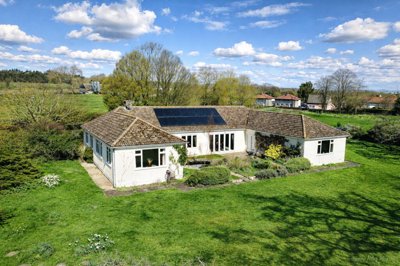
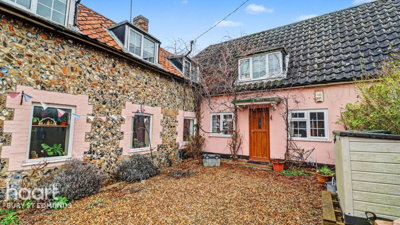
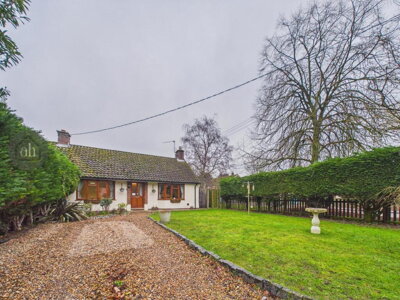
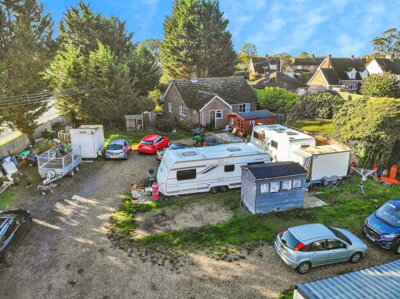
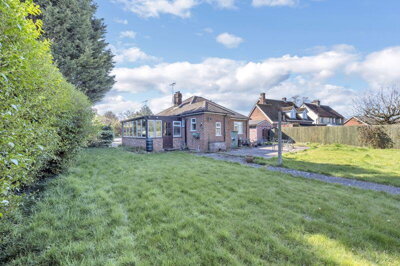
Browse 5 homes for sale in Ampton, West Suffolk from local estate agents.
£0k
0
0
0
Source: home.co.uk
Ampton is a small village market, so the number of homes available can be limited at any one time, but the properties that do come up often attract serious attention. homedata.co.uk records show that The Street in Ampton IP31 has averaged £635,245, which is a strong indicator of the village's position in the local market. Across Suffolk, the average property price is £322,000 and the median is £280,000, so Ampton sits clearly above the county norm. That usually means buyers are looking at larger detached homes, character cottages, or homes with generous plots rather than entry-level stock.
Countywide sales data also helps explain the pace of the market. homedata.co.uk records 9,700 property sales in Suffolk over the last twelve months, which is 14.1% lower than the previous year, so buyers have been operating in a thinner transaction market. Detached homes made up 35.8% of Suffolk sales, followed by semi-detached at 28.9%, terraced at 27.5%, and flats at 7.8%. New build properties in Suffolk rose by 6% over the last year, although no active new-build developments could be verified specifically in Ampton. For anyone searching in the parish, the message is simple, act decisively when a well-kept village home appears.

Ampton is the kind of place buyers choose for village calm, open countryside, and a strong sense of space. Research for the parish is naturally limited because it is such a small settlement, but the local pattern is clear, rural homes, low-density streets, and a lifestyle that leans on nearby towns for many daily needs. Traditional Suffolk building details are part of the appeal, with timber framing, brick, Suffolk pink wash, and occasional flint or other vernacular features across the wider area. That gives the village a distinctly local character that feels different from the more urban parts of West Suffolk.
The landscape matters here as much as the houses. General Suffolk geology often includes chalk, clay, and sand deposits, and clay soils can bring shrink-swell considerations for older properties and extensions. Buyers also tend to value the quieter lanes, countryside walks, and the feeling of being set slightly apart from busier centres. As a small parish, Ampton does not have the range of amenities that a town would offer, so most residents look to nearby Bury St Edmunds for shops, services, schools, and rail connections. That balance of seclusion and access is what gives the area its appeal.
Ampton is a very small rural community, so families usually look beyond the parish itself when planning school places. Nearby Bury St Edmunds is the key centre for primary, secondary, and sixth-form options, and that makes school-run logistics an important part of the buying decision. Because catchment areas can change, it is sensible to check the latest admissions map before making an offer. Suffolk County Council and individual school websites should be part of your research, especially if you need a definite route into a specific primary or secondary school.
Buyers with children often find that homes in small villages work best when there is a good car route or a manageable school commute. That is especially true in Ampton, where the village character is peaceful but the local school choice is not village-centred in the way it might be in a larger settlement. If you are prioritising education, look carefully at travel time, wraparound care, and whether the property sits inside a preferred catchment for your chosen school. A mortgage agreement in principle helps here too, because school-adjacent homes and well-kept village properties can attract quick offers.
The wider West Suffolk area has a solid mix of maintained, academy, and independent options, so most buyers can build a workable plan with enough early research. Sixth-form and further education choices are also concentrated around the nearby town network rather than within the parish itself. For many movers, that is not a drawback, it is simply part of rural life, where home choice and education planning go hand in hand. If you want the best result, compare the route to school, the route to work, and the way the house will support family life over the long term.
Road access is one of the main practical advantages of buying in Ampton. The parish is rural, so most journeys start by car, with Bury St Edmunds acting as the key transport hub for rail, bus, and wider road links. The A14 corridor is the main route buyers usually rely on for travel across Suffolk and into Cambridgeshire, while nearby town roads connect you to everyday services. If you work partly from home, this part of West Suffolk gives you a good balance of quieter living and access to a stronger commuter network.
Rail travellers generally use Bury St Edmunds for onward services, which opens up connections towards Cambridge and London via established regional routes. Bus services in small villages are usually less frequent than in town centres, so checking timetables before you buy is sensible. Parking is often easier than in urban streets, especially with wider drives, garage space, or off-road parking common in rural stock. Cyclists also benefit from quieter country lanes, although lighting and traffic conditions can vary, so a test ride at different times of day is wise.

Speak to a lender early and secure a mortgage agreement in principle before you book viewings. That shows sellers you are serious and helps you move fast if a rare village home comes to market.
Compare the exact position of each home, because life in a tiny rural village can change a lot from one lane to the next. Check driving times to Bury St Edmunds, school routes, and access to the roads you use most.
Visit at different times of day so you can judge traffic, light, noise, and privacy. In a place like Ampton, the setting is part of the value, so you want to see how the property sits within the landscape.
Older Suffolk homes can hide issues with roofs, damp, timber, or later alterations, so a RICS Level 2 survey is a sensible starting point for many purchases. If the home is listed, heavily altered, or very old, a more detailed survey can be worth considering.
Once you have chosen a home, ask your conveyancer to check title, rights of way, covenants, and any village-specific restrictions. Rural properties can come with access or boundary points that need careful legal review.
Keep an eye on the timetable, your mortgage offer, and any conditions that still need to be satisfied. When contracts are exchanged, the move becomes much more certain, and you can focus on completion and the practicalities of settling in.
Rural Suffolk homes need a slightly different buying lens from town properties. Our data does not show a confirmed flood hot spot in Ampton, but every buyer should still check the exact plot, nearby drainage, and any surface water history before committing. Clay soil can affect movement in some older buildings, so cracks, past repairs, and drainage patterns deserve attention during viewings. If the home sits on a lane or near open land, look at access, visibility, and how easily deliveries, trades, and emergency vehicles can reach the property.
Traditional village homes can also bring heritage or maintenance questions. Conservation areas were not specifically verified in the research for Ampton, yet many historic Suffolk villages include listed buildings or protected streetscapes, so it is wise to ask your solicitor and surveyor to confirm the status of the property. Older cottages can require specialist attention for roofs, chimneys, timber frames, and breathable materials, and that is one reason a Level 2 survey is often a good starting point. If you are looking at a converted barn, flat, or maisonette, check the tenure carefully, because leasehold, service charges, and ground rent can still apply even in rural locations.
New-build choice in the parish appears limited, with no active developments specifically verified in the Ampton postcode area. That means most buyers are likely to be choosing from established homes rather than fresh stock. Established properties can be rewarding, but they reward careful due diligence too, especially where extensions, alterations, or outbuildings have been added over time. A patient approach, backed by good local advice, is usually the best way to secure the right village home.
homedata.co.uk records an average sold price of £635,245 on The Street in Ampton IP31. That is much higher than the Suffolk county median of £280,000, which reflects the village's small size and the type of homes that come onto the market. The market is thin, so one sale can influence the average quite a bit. Buyers should compare each property on its own merits, especially in a parish with limited stock.
There is no single council tax band for the whole village, because each property is banded individually by the Valuation Office Agency. In Ampton, the correct band will depend on the home itself, not just the parish name. The local billing authority is West Suffolk Council, so their records and the official band lookup are the best places to check. Always confirm the band for the exact address before you budget for monthly costs.
Ampton does not have a large school network within the parish itself, so most families look to nearby schools in Bury St Edmunds and the surrounding West Suffolk area. The best choice depends on the age of your child, the admission year, and your current catchment. Because places and boundaries can change, I would always check the latest admissions data before you make an offer. A home that looks ideal on paper can become less practical if the school run is longer than expected.
Public transport is workable, but it is not the main reason people move to a rural village like Ampton. Most residents rely on car travel for everyday trips, with Bury St Edmunds acting as the main rail and bus hub. From there, you can access regional services that link into Cambridge and London routes. If you need frequent, direct public transport, it is worth testing the timetable against your daily routine before buying.
Ampton can appeal to buyers who want a scarce rural product rather than a high-turnover investment market. homedata.co.uk shows a premium average price on The Street, and that usually points to strong demand for the right type of village home. The flip side is lower transaction volume, so resale can take longer than in a busier town market. For investment, the best approach is to focus on quality, setting, and condition rather than expecting rapid turnover.
For a main home bought at the Ampton street average of £635,245, standard stamp duty would fall in the 5% band on the portion above £250,000. That works out at about £19,262 before any additional property surcharge. First-time buyer relief does not apply above £625,000, so a purchase at this level would not get that concession. If you are buying a second home or a buy-to-let, the surcharge changes the figure, so it is worth checking the exact numbers before you offer.
No active new-build developments in the Ampton postcode area could be verified from the research available. That means most buyers are likely to be looking at older village homes, cottages, or individual rural houses. If a new home does appear, it may be a one-off rather than part of a large estate. Buyers who want low-maintenance stock may need to widen their search to nearby settlements.
Yes, a survey is strongly advised, especially where the property is older, altered, or built using traditional materials. Suffolk village homes can involve timber frames, brick, and other heritage construction details that deserve a closer look. A RICS Level 2 survey is a sensible starting point for many houses, while a more detailed report may suit very old or listed homes. The small cost of a survey is usually minor compared with the risk of missing structural or maintenance issues.
Stamp duty is one of the biggest costs to plan for when you buy in Ampton, especially if you are targeting a higher-value rural home. The current standard bands are 0% up to £250,000, 5% from £250,000 to £925,000, 10% from £925,000 to £1.5 million, and 12% above £1.5 million. First-time buyers pay 0% up to £425,000 and 5% from £425,000 to £625,000, with no relief above £625,000. On a purchase at the Ampton street average of £635,245, first-time buyer relief would not apply, so you would use the standard bands.
Using that example, stamp duty would be around £19,262 on a £635,245 main-home purchase before any surcharge. If you are buying an additional property, the 3% higher-rate surcharge on top of the standard bands changes the total quite a bit, so it is worth getting advice before you commit. Purchase costs do not stop at stamp duty either, because you should also budget for mortgage fees, conveyancing, survey costs, moving costs, and any immediate repair work. Older homes in a village setting can be especially rewarding, but they are best bought with a full cost plan from the start.
Buyers who keep a close eye on the numbers are usually better placed to move confidently in a small, premium parish like Ampton. The village market can be thin, so it helps to know your ceiling before a house appears that fits your brief. A lender's agreement in principle, a clear survey strategy, and a realistic legal budget all make the process smoother. Once those pieces are in place, you can focus on the real decision, whether the home, the setting, and the long-term running costs all work for you.
Properties for Sale In London

Properties for Sale In Plymouth

Properties for Sale In Liverpool

Properties for Sale In Glasgow

Properties for Sale In Sheffield

Properties for Sale In Edinburgh

Properties for Sale In Coventry

Properties for Sale In Bradford

Properties for Sale In Manchester

Properties for Sale In Birmingham

Properties for Sale In Bristol

Properties for Sale In Oxford

Properties for Sale In Leicester

Properties for Sale In Newcastle

Properties for Sale In Leeds

Properties for Sale In Southampton

Properties for Sale In Cardiff

Properties for Sale In Nottingham

Properties for Sale In Norwich

Properties for Sale In Brighton

Properties for Sale In Derby

Properties for Sale In Portsmouth

Properties for Sale In Northampton

Properties for Sale In Milton Keynes

Properties for Sale In Bournemouth

Properties for Sale In Bolton

Properties for Sale In Swansea

Properties for Sale In Swindon

Properties for Sale In Peterborough

Properties for Sale In Wolverhampton

Enter your details to see if this property is within your budget.
Loans, cards, car finance
Estimated property budget
Borrowing + deposit
You could borrow between
Typical borrowing
Monthly repayment
Est. at 4.5%
Loan-to-value
This is an estimate only. Your actual budget may vary depending on interest rates, credit history, and personal circumstances. For an accurate affordability assessment, speak to one of our free mortgage advisors.
This calculator provides estimates for illustrative purposes only and does not constitute financial advice. Your home may be repossessed if you do not keep up repayments on your mortgage. Estimates based on 4.5% interest rate, repayment mortgage. Actual rates depend on your circumstances.
Homemove is a trading name of HM Haus Group Ltd (Company No. 13873779, registered in England & Wales). Homemove Mortgages Ltd (Company No. 15947693) is an Appointed Representative of TMG Direct Limited, trading as TMG Mortgage Network, which is authorised and regulated by the Financial Conduct Authority (FRN 786245). Homemove Mortgages Ltd is entered on the FCA Register as an Appointed Representative (FRN 1022429). You can check registrations at NewRegister or by calling 0800 111 6768.

We use cookies to show you personalised content and improve your experience of our website. Find out more in our Privacy policy and Cookie policy.