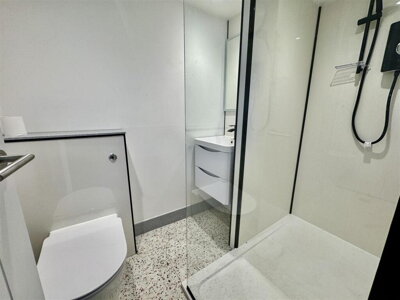
Browse 1 home for sale in Alston Moor from local estate agents.
Studio apartments feature open-plan living spaces without separate bedrooms, incorporating sleeping, living, kitchen, and bathroom facilities. The Alston Moor studio market includes properties in modern apartment complexes, converted Victorian and Georgian buildings, and purpose-built developments.
Alston Moor’s property market still offers clear appeal for buyers after rural Cumbrian living at sensible prices. Detached homes average £248,666, terraced properties sit around £112,000, and semi-detached houses come in at approximately £164,000. Our figures suggest there is still scope to find stone-built homes with character at a range of price points, from modest cottages to sizeable period houses. The market has cooled, with prices approximately 23% down on the previous year and 31% below the 2022 peak of £245,409, which may suit long-term buyers looking for value.
New build activity includes Bruntley Meadows on Front Street, where VAL Homes is selling five detached three-bedroom bungalows for £375,000, complete with air source heat pumps, solar panels, triple glazing, and NHBC warranties. On Brampton Road, Forest Drive offers executive detached homes, with three-bedroom properties priced over £400,000, and the design uses stone facades and natural slate roofs so the development sits comfortably with the traditional vernacular. These schemes sit alongside the older housing stock, which is still dominated by historic stone houses, converted barns, and traditional farmhouses scattered across the moorland landscape.
Most homes in Alston Moor date from before 1919, and a good number of buildings in the town centre were put up in the late 17th and early 18th centuries. One of the most distinctive local forms is the bastle house, a fortified farm dwelling from the mid-17th century with cattle kept at ground-floor level and living accommodation above, reached by original timber ladders. Many have been carefully converted for modern use, while keeping features such as flagstone floors on timber joists, exposed beam ceilings, and traditional lime mortar pointing. Expect a mix of these heritage properties, post-war terraces, and the odd contemporary development.

Alston Moor life centres on a close community and dramatic surroundings. With a population of approximately 2,028 residents across 959 households, the town still feels like a traditional Cumbrian market town where people know one another and local events pull everyone together. Its past as a world centre for lead mining, from Roman times until the 1980s, has left a strong mark on the architecture and on local identity, with many historic buildings, including bastle houses, showing the familiar ground-floor byres and upper-floor living space reached by original timber ladders. Today, creative industries, tourism, and agriculture have largely taken over as the main economic drivers.
Day-to-day living is supported by independent shops, traditional pubs pouring local ales, and weekly markets in the cobbled market place. The Grade II* listed market cross sits at the centre of the town and is a constant reminder of Alston’s trading past. The town also lies on the well-known Coast 2 Coast cycle route, bringing visitors all year and helping support local cafes, the cottage hospital, and accommodation businesses. There is plenty outdoors too, from cross-Pennine walking trails and fishing on the River South Tyne to the Galledge Hills, which give wide views over the North Pennines. Red squirrels, otters, and rare birds all appear in the surrounding habitats.
Since Alston Moor became the world’s first Social Enterprise Place in 2013, the local enterprise scene has grown strongly. That designation reflects the unusually high number of social enterprises in the parish, with one business for approximately every 50 households. Community-owned shops, renewable energy schemes, and craft workshops all add to the town’s economy. The Alston Victoria Hall holds regular community events, film screenings, and theatre performances, and the nearby Nenthead Engine Mill site keeps the area’s industrial past alive as a visitor attraction. Twice a year, the Alston Gala and the Christmas lights switch-on give families familiar occasions that bring generations together.

Education for families in Alston Moor is centred on the local primary school, with secondary choices spread across the wider district. Smaller class sizes and close community involvement are part of the appeal, and teachers tend to know each pupil individually. The North Pennines also gives schools a strong outdoor setting, so environmental education, local history, and countryside skills often appear in the curriculum. Parents should check current Ofsted ratings and catchment areas directly with Westmorland and Furness Council, as provision can differ across this scattered rural area.
Alston Moor Primary School looks after children from reception through to Year 6. Its setting in the North Pennines lets staff use the moorland, rivers, and historic buildings around the school as part of the national curriculum. Forest school sessions, river studies, and visits to nearby heritage sites add experiences that urban schools often cannot match. Parents often mention the calm atmosphere and the individual attention on offer, with teachers able to adapt support to each child’s learning style in classes that rarely go above 20 pupils.
For secondary education, pupils usually travel to schools in nearby towns, including QES (the Quality School) in Kirkby Stephen, or schools in Penrith, Brampton, or Haltwhistle. Westmorland and Furness Council runs dedicated school transport, and the journey usually takes between 30 and 60 minutes depending on the destination. Those longer rides along scenic rural roads can give pupils time for homework and conversation, while the local authority works with secondary schools to help children move on smoothly from small primary settings. Further education colleges in Penrith, Carlisle, and Newcastle upon Tyne offer A-level and vocational courses, and nearby sixth forms provide continuity after GCSEs.

Transport links from Alston Moor reflect its rural setting, and the nearest railway stations are in nearby towns at distances urban commuters may not expect. The A686 runs through Alston and links the town to Penrith and Hexham by way of scenic Pennine routes. Bus services are limited, so most residents find car ownership essential. Driving to Penrith takes approximately 45 minutes, where the M6 motorway and West Coast Main Line rail services open up routes to Manchester, Birmingham, and London. The scenery does make the journey feel shorter than the clock suggests.
The South Tyne railway line once linked Alston with the national network via Haltwhistle, and the narrow gauge South Tynedale Railway now runs heritage services for visitors. The full restoration of the heritage line continues, but the nearest mainline stations remain Penrith and Carlisle, each with direct services to major UK destinations. The A689 gives another route north towards Brampton and the A69, which in turn opens access to Newcastle upon Tyne and the eastern motorway network. For anyone travelling regularly, the relative isolation means it is sensible to factor in fuel and maintenance costs when comparing this with urban living.
Remote workers will find that telecommunications in Alston Moor have improved a great deal in recent years, with superfast broadband now available in parts of the parish. The peaceful setting and lack of traffic congestion suit home working, although buyers should still check broadband speeds at individual properties before they commit, since rural delivery can vary sharply. Cycling is popular too, thanks to the Coast 2 Coast route and Pennine Cycleway, both of which offer traffic-free riding. The open moorland also gives endless walking and outdoor opportunities without needing transport.

Browse property listings on Homemove, then visit the area at different times of day and on different days of the week so you can judge the neighbourhood character, traffic patterns, and general atmosphere for yourself before deciding. Walk through the Conservation Area, spend time in the market place, and talk to local residents about what makes Alston Moor stand out.
Before viewing properties, speak to lenders and get an agreement in principle, because sellers in this market often favour buyers who already have finance lined up. With average property prices at £168,375, mortgage requirements will be manageable for many purchasers, although rural homes can call for specialist lending arrangements.
Use our platform to book viewings of traditional stone cottages, converted barns, and new builds, and pay attention to construction materials, roof condition, and any possible mining-related issues. For older homes, we strongly suggest several viewings so you can get a feel for the usual condition and maintenance demands of traditional stone construction in the area.
Because so many homes here are historic and over 100 years old, it is wise to instruct a qualified surveyor to examine stone walls, traditional roofs, damp-proof courses, and any sign of structural movement or mining subsidence. Our inspectors know the traditional building methods found across Alston Moor, including bastle house conversions and stone-flagged roofs.
Appoint a solicitor who knows Cumbrian rural property transactions, and ask them to deal with local searches, title checks, and liaison with the seller’s legal team. Mining records should be included because of the area’s lead and zinc mining heritage, and any Environment Agency flood risk data for properties near the River South Tyne should be checked as well.
Once searches come back satisfactorily and finance is confirmed, your solicitor will exchange contracts and agree a completion date, usually allowing two to four weeks for the move itself. We recommend arranging building insurance to start from exchange of contracts, particularly with older stone properties.
Property in Alston Moor needs careful inspection because most buildings are old and traditionally built. Stone walls are durable, but they can suffer from penetrating damp, especially where there is no modern damp-proof course or where solid walls and lime mortar need to breathe rather than be sealed. Check for damp at low level on interior walls, staining or peeling wallpaper, and any musty smell that suggests moisture ingress. Steep-pitched roofs, historically finished with heather thatch or stone flags, can deteriorate too, so look closely at ridge lines, valleys, and flashing around chimneys during viewings.
The mining past means buyers should also think about ground stability. Properties may sit above or close to old workings for lead, zinc, iron, and silver, so asking for a mining search from the Coal Authority or the relevant records is sensible. The British Geological Survey notes that the clay rocks here are generally older and hardened, so shrink-swell risk is low, but the extent of historic underground workings means there is still potential for ground movement or collapse, especially from very old, poorly supported workings. Watch out for cracking in walls, especially diagonal cracks from door and window openings, or floors that are uneven.
With Conservation Area status and 90 listed buildings in the civil parish, any alteration or extension will need planning permission and the right materials and methods. If you are thinking about a listed building or a home inside the Conservation Area, our inspectors can talk through the extra points that apply to traditional buildings, including lime mortar instead of cement, suitable ventilation to reduce condensation in solid-walled properties, and keeping original features in good order. Older homes often have outdated electrics too, with wiring and fuse boards that do not meet current safety standards. Plumbing may also include lead or galvanised steel pipes that need replacing, so these costs should be built into the overall budget.

home.co.uk listings data puts the average house price in Alston Moor at £168,375 as of early 2026. Detached homes average £248,666, semi-detached properties reach approximately £164,000, and terraced homes average £112,000. Prices are approximately 23% down on the previous year, so buyers looking for countryside property at more accessible levels may find an opening compared with the 2022 peak of £245,409. homedata.co.uk gives a slightly lower average of £159,471 from recent sales, which suggests some negotiated prices may sit below asking in parts of the market.
Properties in Alston Moor fall under Westmorland and Furness Council, formerly part of Eden District Council before the 2023 local government reorganisation. Council tax bands are based on value and are usually bands A through D for smaller cottages and terraced homes, while larger detached houses and executive homes may land in bands E or F. Because average property values are lower here, many homes sit in the lower bands, which keeps annual council tax bills more affordable than in much of Cumbria. Buyers should check specific bandings on the Valuation Office Agency website or ask for them during conveyancing.
Alston Moor Primary School serves the local community, and its small classes allow teachers to know each pupil individually. For secondary school, families usually look to nearby towns such as QES in Kirkby Stephen, or schools in Penrith or Haltwhistle, with dedicated transport provided by Westmorland and Furness Council. The area’s schools regularly achieve good results despite their size, and parents often praise the community feel and the outdoor learning that comes with the North Pennines setting. For up-to-date ratings and performance data, the Ofsted website gives current inspection reports for schools across the Westmorland and Furness area, which helps parents weigh their options.
Public transport in Alston Moor is limited, which is exactly what you would expect in a rural setting. Bus services run on reduced timetables compared with urban areas, and the nearest railway stations are in Penrith or Haltwhistle, both about 45 minutes away by car. The A686 is the main road through the town to Penrith and Hexham, while the A689 gives another route north towards Brampton. The heritage South Tynedale Railway runs tourist services on part of the former South Tyne line, but it does not connect with the national rail network. Most residents need a private vehicle for commuting, shopping, and school runs, although the peaceful setting and better broadband make the area well suited to remote working.
For investors, Alston Moor raises different questions from those in urban areas. The lower average price point and rural setting may appeal to buyers seeking lifestyle purchases, holiday lets, or longer-term rental income tied to tourism from the Coast 2 Coast cycle route. Homes in the Conservation Area with traditional features can attract a premium, while cheaper terraced cottages may interest first-time buyers. The small population and limited employment base could restrain rental demand, so it is worth doing thorough local research before buying. There is holiday-let potential thanks to the area’s tourist attractions, but landlords should check the planning rules for short-term lets in a Conservation Area.
From April 2024, stamp duty rates begin at 0% on properties up to £250,000, then rise to 5% on the portion between £250,001 and £925,000. First-time buyers get relief on homes up to £425,000, with 0% on the first £425,000 and 5% on the rest up to £625,000. On a typical Alston Moor property at £168,375, most buyers would pay no stamp duty at all, and first-time buyers would get full relief on homes within the threshold. That makes Alston Moor especially approachable for those buying in a beautiful rural location.
As of February 2026, there are no flood warnings or alerts in the Alston CA9 area, and the five-day flood risk is very low. The River South Tyne flows through the area, with flood monitoring at the Alston station, and property flooding becomes possible if river levels rise above 2.60 metres. Low-lying land flooding is possible above 1.90 metres. Homes near the river or in lower areas should be checked against long-term flood risk data from the Environment Agency before purchase. The area is inland, so coastal flood risk does not apply, although surface water and groundwater risks can still affect some locations, as they can in any rural area.
Alston Moor was a major lead and zinc mining district from Roman times until the 20th century, and the North Pennines orefield is marked by complex mineral veins. Mining subsidence is more often linked with coalfields, but the extensive historic underground workings for lead, zinc, iron, and silver still mean there is a risk of ground movement or collapse in some places. Our inspectors always advise a mining search as part of conveyancing. Houses built over or near former mine workings may show movement, so buyers should look for wall cracking, uneven floors, or doors and windows that stick. For properties in areas with a strong mining history, specialist structural surveys can also be sensible.
From £400
Detailed property condition inspection, ideal for traditional stone homes in Alston Moor
From £600
Comprehensive building survey recommended for older homes, listed buildings, and properties with visible defects
From £60
Energy Performance Certificate required for all property sales
From £499
Solicitors experienced in Cumbrian rural property transactions
For most buyers in Alston Moor, stamp duty land tax is only a minor issue because property prices are attractive. Homes averaging £168,375 sit well within the zero-rate threshold, so standard buyers would not pay any stamp duty on purchase. First-time buyers receive full relief on properties up to £425,000, which covers the great majority of homes here. Those thresholds make Alston Moor an appealing place for first-time buyers to get on the ladder in a rural setting without the heavy upfront costs often seen in cities.
Alongside stamp duty, buyers need to plan for extra costs such as solicitor conveyancing fees, usually £500 to £1,500 depending on complexity, survey costs of £400 to £600 for a standard RICS Level 2 Home Survey, and removal expenses that vary according to distance and the amount being moved. Search fees through the local authority normally come to around £250 to £350, while Land Registry fees for registering ownership begin at approximately £20. If the mortgage lender wants a valuation, allow a further £150 to £500 depending on the property value.
For older stone homes in Alston Moor, it is especially important to set aside a contingency fund for repairs that may emerge after the survey. Traditional buildings often need regular attention to stone walls, traditional roofs, and original features, and that work can cost more than using modern materials. Conservation Area properties and listed buildings may also bring extra expense through specialist materials and contractors who understand traditional building methods. We suggest budgeting at least 10% of the purchase price for unexpected work, with a larger reserve for homes that show signs of neglect or known defects.

Properties for Sale In London

Properties for Sale In Plymouth

Properties for Sale In Liverpool

Properties for Sale In Glasgow

Properties for Sale In Sheffield

Properties for Sale In Edinburgh

Properties for Sale In Coventry

Properties for Sale In Bradford

Properties for Sale In Manchester

Properties for Sale In Birmingham

Properties for Sale In Bristol

Properties for Sale In Oxford

Properties for Sale In Leicester

Properties for Sale In Newcastle

Properties for Sale In Leeds

Properties for Sale In Southampton

Properties for Sale In Cardiff

Properties for Sale In Nottingham

Properties for Sale In Norwich

Properties for Sale In Brighton

Properties for Sale In Derby

Properties for Sale In Portsmouth

Properties for Sale In Northampton

Properties for Sale In Milton Keynes

Properties for Sale In Bournemouth

Properties for Sale In Bolton

Properties for Sale In Swansea

Properties for Sale In Swindon

Properties for Sale In Peterborough

Properties for Sale In Wolverhampton

Enter your details to see if this property is within your budget.
Loans, cards, car finance
Estimated property budget
Borrowing + deposit
You could borrow between
Typical borrowing
Monthly repayment
Est. at 4.5%
Loan-to-value
This is an estimate only. Your actual budget may vary depending on interest rates, credit history, and personal circumstances. For an accurate affordability assessment, speak to one of our free mortgage advisors.
This calculator provides estimates for illustrative purposes only and does not constitute financial advice. Your home may be repossessed if you do not keep up repayments on your mortgage. Estimates based on 4.5% interest rate, repayment mortgage. Actual rates depend on your circumstances.
Homemove is a trading name of HM Haus Group Ltd (Company No. 13873779, registered in England & Wales). Homemove Mortgages Ltd (Company No. 15947693) is an Appointed Representative of TMG Direct Limited, trading as TMG Mortgage Network, which is authorised and regulated by the Financial Conduct Authority (FRN 786245). Homemove Mortgages Ltd is entered on the FCA Register as an Appointed Representative (FRN 1022429). You can check registrations at NewRegister or by calling 0800 111 6768.

We use cookies to show you personalised content and improve your experience of our website. Find out more in our Privacy policy and Cookie policy.