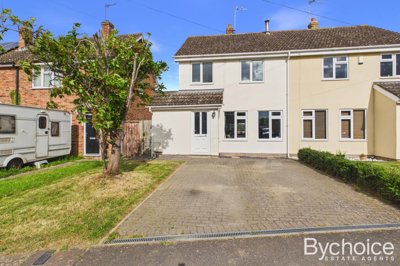
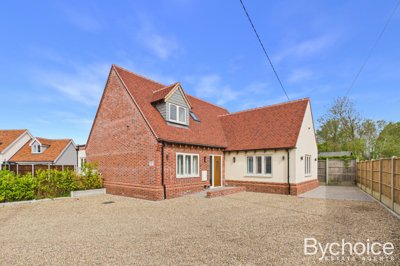
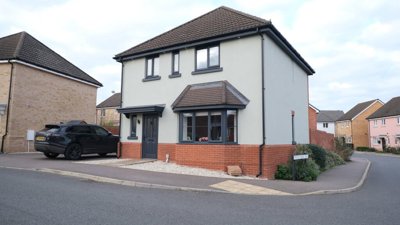
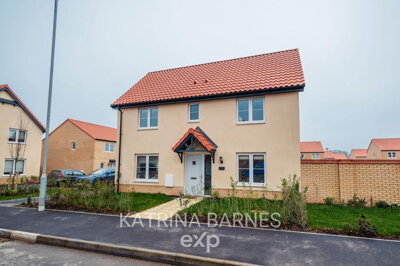
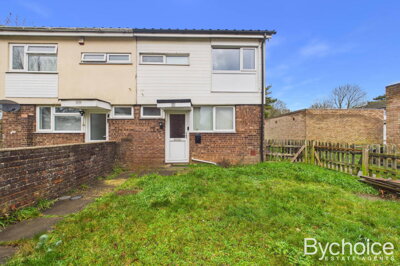
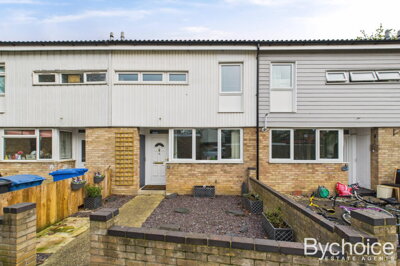
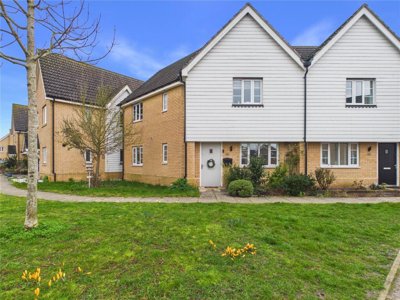
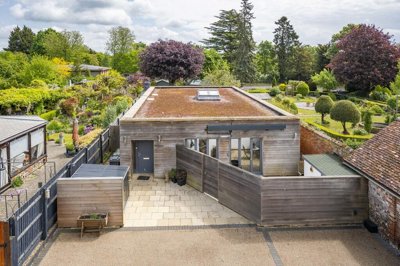
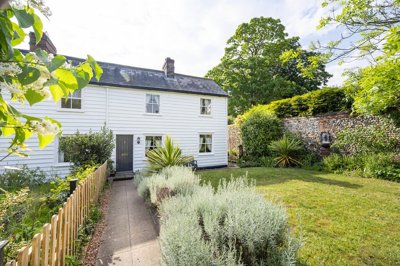
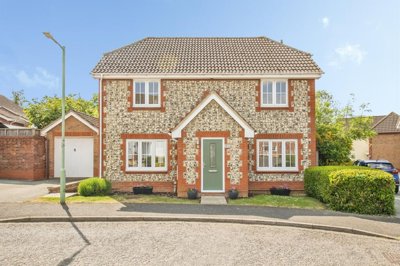
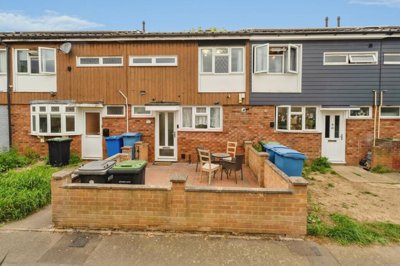
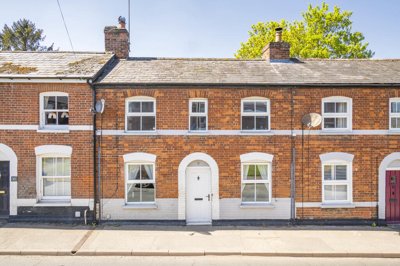
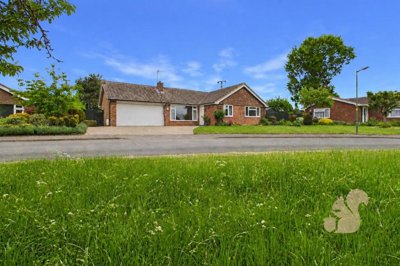
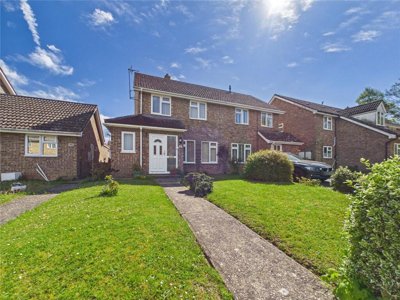
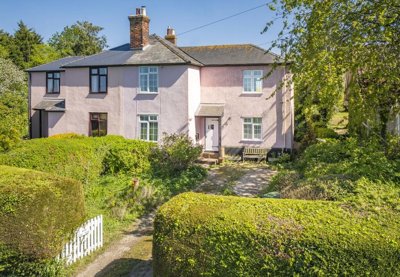
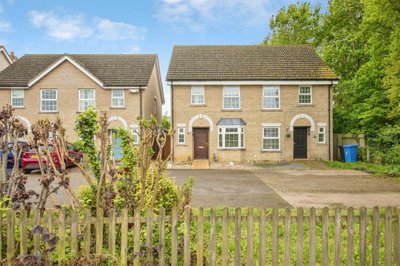
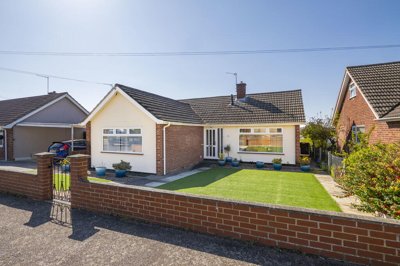
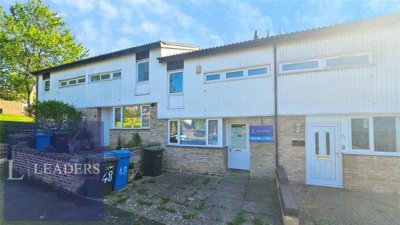
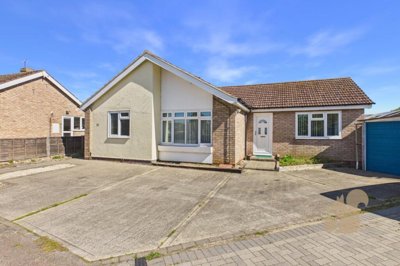
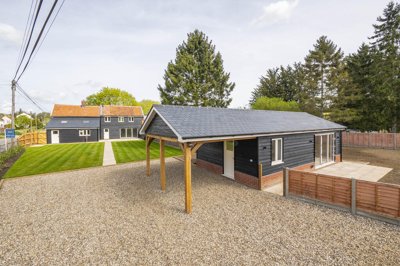
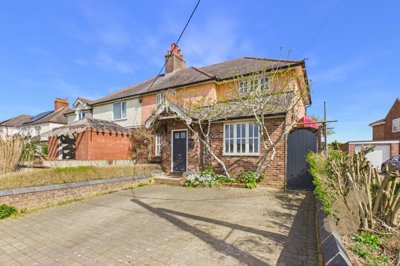
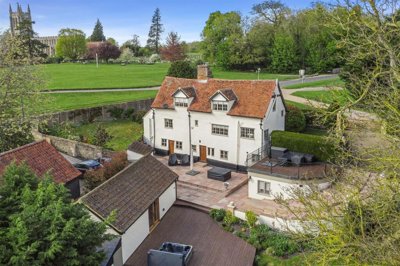
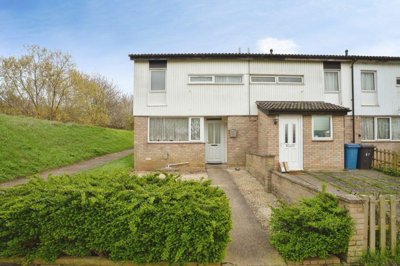
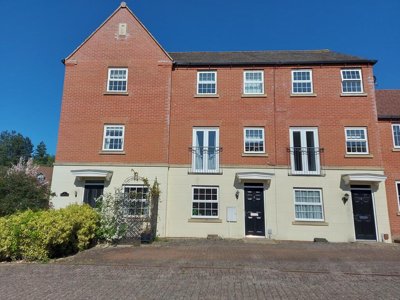
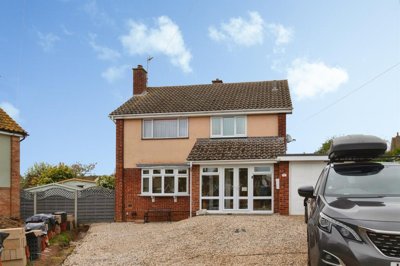
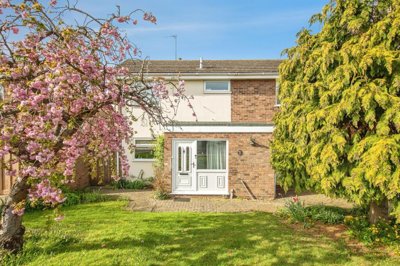
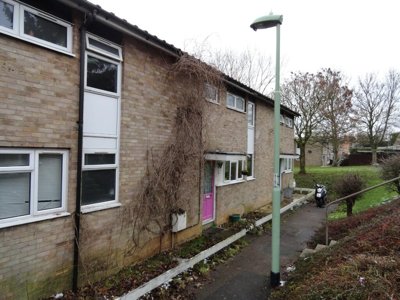
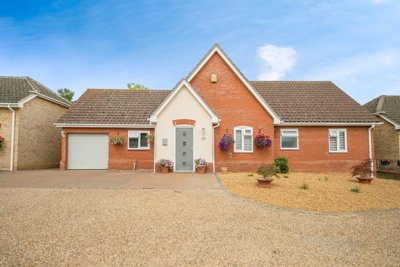
Browse 89 homes for sale in Acton, Babergh from local estate agents.
Three bedroom properties represent a significant portion of the Acton housing market, offering space for families with multiple reception rooms and gardens in many cases. Browse detached, semi-detached, and terraced options ranging from period character homes to contemporary developments.
£300k
5
1
55
Source: home.co.uk
Showing 5 results for 3 Bedroom Houses for sale in Acton, Babergh. 1 new listing added this week. The median asking price is £300,000.
Source: home.co.uk
Semi-Detached
4 listings
Avg £311,250
Terraced
1 listings
Avg £240,000
Source: home.co.uk
Source: home.co.uk
Acton in West London mirrors much of inner West London, with opportunities for buyers who want period houses, purpose-built flats, or newer apartments in a well-connected urban setting. Our inspectors survey properties across the area regularly, so we know the construction types that crop up most often here. Victorian and Edwardian terraced houses with original sash windows and solid brick walls still dominate many streets, while inter-war semis and post-war estates widen the choice. That mix means there are characterful homes needing modernisation, as well as recently built apartments with contemporary fittings.
Demand in Acton has remained steady, and terraced houses and semi-detached family homes draw particular attention from buyers who need more space than central London usually offers. Flats are popular with first-time buyers and investors too, helped by rental yields supported by strong commuter demand. A detached property in Acton averages around £1.4 million, while semi-detached homes typically sell for approximately £977,000, which reflects the premium placed on extra bedrooms and gardens in this part of West London.
Within the London Borough of Ealing, the planning approach tries to strike a balance between conserving character areas and supporting new housing. Regeneration schemes close to the station and towards White City are adding apartment blocks to the stock, and homedata.co.uk shows around 306 residential property transactions in the past year. Prices are approximately 3% above the 2021 peak, a sign that the market has stayed resilient even with wider economic uncertainty hanging around.

Life in Acton, West London feels like a traditional London neighbourhood, just with very good amenities and transport links. Along the main shopping streets you will find independent shops, popular cafes, restaurants serving a wide range of cuisines, and familiar high street names. Local markets and food halls bring in fresh produce and artisan goods, while Westfield London at White City handles the bigger shopping trips and entertainment. Despite the urban density, the area still has a strong community feel, with local events, farmers markets, and community groups bringing people together through the year.
Green space plays a big part in day-to-day life here. Acton Park gives residents 26 acres of open space, with formal gardens, a lake, and recreational facilities. It is a regular meeting point for local families and dog walkers, thanks to the playgrounds, tennis courts, and café. Mill Hill Park and the nearby conservation areas add to the leafy look of the residential streets, and that gives the neighbourhood a more intimate feel than many other West London spots. For families, professionals, and retirees, the balance between city convenience and open space is a real draw.
There is plenty of choice for going out as well, from well-regarded pubs, including historic Victorian-era establishments, to newer bars and restaurants that cater to different tastes. The local library, leisure centre, and wider community facilities cover the essentials, and regular transport links make it easy to head into Central London for concerts, theatre, or a weekend meal. Acton keeps its appeal because it pairs that community atmosphere with connectivity and relative affordability compared with neighbouring districts.

For commuters, Acton has excellent transport links into Central London and across the wider region. The Underground serves the area through two stations, Acton Town on the District and Piccadilly lines, and Acton Central on the Overground network. Acton Town also links to the Elizabeth line at Ealing Broadway, with direct services to the City, Canary Wharf, and Heathrow Airport. Nearby Shepherd's Bush and White City add Central line access, putting Oxford Street and the City within around 20 minutes.
Acton Central also gives access to rail services towards Willesden Junction and Stratford, which opens up more commuting and leisure options. The Overground links into key interchange stations where National Rail services reach destinations beyond London. Road access is strong too, with the A40 Western Avenue leading straight to the M25 motorway network and the A406 North Circular Road connecting to the rest of London. Bus routes are numerous, with direct links to Ealing Broadway, Hammersmith, and Shepherd's Bush.
Anyone working in the City or Canary Wharf gets a good degree of flexibility from the mix of Underground and Overground services. Oxford Circus is usually around 25-30 minutes away by Underground, so Acton works for daily commuting while still offering noticeably more space and value than central London postcodes. It also suits people in the creative industries, who like being close to White City's media hub and the BBC Television Centre development. Those transport links feed straight into property values and rental demand, because buyers and tenants alike see the practical advantage of a well-connected West London base.
Families looking at Acton will find a solid spread of schools in the neighbourhood and nearby. Primary provision includes St. Vincent's Catholic Primary School, which regularly posts strong Key Stage 2 results, along with Derwentwater Primary School and Ada Lovelace CofE Primary School, giving parents options across different educational approaches. Many local schools have relatively small class sizes too, which suits parents who want a more personal learning environment for their children.
At secondary level, Acton High School has had significant investment and improvement in recent years, and there are also specialist schools in neighbouring boroughs that are easy to reach by public transport. Grammar school options across Ealing and Hammersmith appeal to families who want to go through the selection process, while faith schools and academies add further choice. We always suggest checking catchments and admissions criteria carefully before buying in Acton, because school boundaries can make a big difference to where a child is placed.
Sixth form places are available at secondary schools and colleges in surrounding towns, and many students move on to A-levels before university. Being close to Central London also gives access to specialist colleges and institutions with vocational courses and professional qualifications. For families who place education high on the list, Acton brings together decent local schools, transport links to wider opportunities, and property values that stay lower than those in premium school catchment areas.
A large share of Acton's housing stock comes from the Victorian and Edwardian periods, which reflects how the area developed in the late 19th and early 20th centuries. Our inspectors often come across brick-built terraced houses with solid external walls, timber sash windows, and slate or clay tile roofs. These period homes usually have original fireplaces, cornicing, and other features that need proper care. Knowing how they were built helps buyers appreciate both the charm and the upkeep involved.
London Clay underlies Acton and much of surrounding West London, and that brings a particular set of issues for property owners. Because this clay expands and shrinks, homes without suitable foundations can be vulnerable to subsidence or heave, especially in very wet or very dry spells. Our surveyors often spot signs of movement in older properties, such as cracking to walls and distorted door and window openings. When viewing period homes in Acton, diagonal cracks running out from the corners of windows and doors are worth a close look, as they can point to foundation problems that need more investigation.
In Acton's Victorian and Edwardian housing stock, the defects we most often see include rising damp from failed or missing damp-proof courses, penetrating damp from worn pointing or damaged render, and condensation caused by poor ventilation. Roof problems also come up regularly, such as slipped tiles, failed leadwork around chimneys and valleys, and deteriorated felt underlay. Timber issues, including wet rot, dry rot, and woodworm infestation, can affect structural timbers, floorboards, and window frames where moisture has built up. Unmodernised period properties often have outdated electrical wiring and plumbing that fall short of current standards, so buyers need to allow for upgrade costs when planning a renovation.
Several designated conservation areas in Acton help protect the special architectural and historic feel of parts of the neighbourhood. The Acton Park Conservation Area covers the streets around the popular park and protects the Victorian and Edwardian villas and tree-lined avenues that give the area so much of its character. Mill Hill Park Conservation Area does something similar for residential streets with period architecture and mature gardens. Inside these areas, certain works need planning permission from the London Borough of Ealing, and exterior alterations have to respect the original look of the buildings.
Acton also includes listed buildings, usually Victorian or Edwardian villas and public buildings with architectural or historical importance from key periods in the area's growth. Listed status protects their special interest, so any work that could affect their character or structural integrity needs consent from the relevant planning authority. Buyers thinking about one of these properties should allow for higher maintenance costs and a slower planning process for any changes. A RICS Level 2 Survey will pick up common period-property defects, but with listed buildings a more detailed RICS Level 3 Building Survey is often the better choice for assessing condition and planning future work.
Owning a home in a conservation area, or buying a listed property, does mean taking on responsibilities, but there are clear benefits too. Those designations help preserve the visual appeal and character that pull many buyers towards Acton in the first place. Properties in conservation areas are often shielded from unsympathetic development by neighbours, which helps the street keep its settled feel. For buyers who value period architecture and are happy to work through the rules that come with it, Acton's conservation areas offer a level of character and charm that newer developments often cannot match.
It pays to spend time in Acton before committing to a purchase. Visit at different times of day and on different days of the week, talk to residents, and get a feel for the local amenities, transport links, and community atmosphere. Think through the daily commute and how the West London setting fits with your own lifestyle. The Underground and Overground links are strong, but the feel at street level, and the quality of local facilities, changes from one part of the neighbourhood to another.
Before you start viewing, get a mortgage agreement in principle from a lender. It strengthens your position when you make an offer and shows sellers that finance is already in place. Acton prices usually run from around £400,000 for flats to over £1.4 million for detached houses, so knowing your borrowing limit helps narrow the search properly. First-time buyers may also find shared ownership schemes in the wider Ealing area useful.
We suggest browsing listings on home.co.uk and speaking with local estate agents. Look at several properties so you can compare them, and ask about condition, history, and any planning permissions or restrictions that apply. In Acton, the age of the property, signs of movement or damp, and the condition of communal areas in flats deserve close attention.
Once an offer is accepted, appoint a qualified surveyor to inspect the property. For the Victorian and Edwardian homes common in Acton, a RICS Level 2 Survey can highlight structural issues, defects, and likely maintenance needs before you commit. Because London Clay is so widespread in the area, checking foundations and any signs of subsidence matters especially for period properties.
A conveyancing solicitor should then handle the legal side of the purchase. They will carry out searches, review the contracts, and manage the transfer of ownership so the transaction runs smoothly. It is sensible for your solicitor to check conservation area restrictions, planning history, and lease terms for the leasehold properties common in the area.
After all the legal work is complete, contracts are exchanged and the deposit is paid. Completion comes next, when the keys are handed over and you take ownership of your new Acton home.
Acton offers a mix of period cottages in conservation areas and modern apartments, and each type calls for a slightly different inspection approach. When viewing, we look closely at roofs, walls, and foundations, because older homes often have solid wall construction that needs different maintenance from modern cavity wall buildings. Signs of damp, timber defects, and cracking that might suggest structural movement all deserve attention. Our inspectors often find that properties with original features need investment in rewiring, plumbing upgrades, and insulation to bring them up to modern standards.
Leasehold homes make up a significant part of Acton's housing stock, so the lease terms, ground rent obligations, and any service charges need to be understood before you go ahead. Share of freehold arrangements have become more common and can bring advantages over a standard leasehold setup. Your solicitor should also look into the management company's performance and any planned major works that could lead to special assessments.
Flood risk in Acton is generally low from rivers and groundwater, although surface water flooding can still happen in some parts during heavy rainfall because of urban drainage limits. The Environment Agency flood maps give specific local information, and your solicitor should include them in the searches. Properties on lower ground or close to natural drainage channels may need closer scrutiny. Getting to grips with these issues helps buyers make informed decisions and budget properly for any work needed to maintain or improve the property.

Recent market data from homedata.co.uk puts the average house price in Acton, London W3 at approximately £637,000. Flats usually sell for between £400,000 and £500,000, terraced houses often go beyond £900,000, and detached properties can reach £1.4 million or more. The market has held up well, with around 4% annual growth and values now approximately 3% above the 2021 peak. There are roughly 300 property sales per year, supported by strong transport links and better value than nearby Notting Hill and Shepherd's Bush.
For council tax, Acton properties sit within the London Borough of Ealing. Bands run from A to H according to assessed value, with most flats in bands A to C and larger period houses in bands D to F. You can check the band for any individual property through the Ealing Council website, or ask the seller or their solicitor during conveyancing. Band D is usually the most common for a standard three-bedroom terraced house in the area.
Acton has several respected primary schools, including St. Vincent's Catholic Primary School and Derwentwater Primary School, both of which serve the local community with strong academic records. At secondary level, Acton High School and specialist schools elsewhere in the wider Ealing borough are accessible by public transport. Parents should compare school performance tables, Ofsted ratings, and catchment areas to find the best fit for their family, because admission criteria can vary quite a lot from one school to another.
Public transport is one of Acton's biggest strengths. Acton Town station provides District and Piccadilly line Underground services, along with connections to the Elizabeth line at Ealing Broadway. Acton Central offers Overground services to Willesden Junction and Stratford, while the Central line from nearby Shepherd's Bush and White City gives quick access into Central London. Oxford Circus is around 25 minutes away by Underground, so daily travel to the City, West End, and Canary Wharf is perfectly realistic. Bus routes add another layer of local connectivity across the neighbourhood and beyond.
Buyers looking at investment potential often find Acton appealing. Rental demand is strong from commuters and young professionals working in Central London, White City media hub, and the wider West London employment corridor. Flats generally deliver rental yields that beat central London averages, and capital growth has been steady over recent years. Regeneration projects and ongoing transport improvements, including Elizabeth line access, continue to strengthen the case. As ever with property investment, void periods, maintenance costs, and shifts in the rental market all need to be weighed up carefully.
For residential property purchases in England, Stamp Duty Land Tax is charged at 0 on the first £250,000, 5% on the portion from £250,001 to £925,000, 10% from £925,001 to £1.5 million, and 12% above £1.5 million. On a typical Acton flat priced around £450,000, that comes to approximately £10,000 in SDLT. First-time buyers buying properties up to £625,000 may qualify for relief on the first £425,000. An additional 3% surcharge applies to second properties. Current thresholds should always be checked with HMRC or your solicitor, because rates can change.
Finance your Acton purchase
From 4.5%
Legal services for your property purchase
From 499
Professional property survey for Acton homes
From 400
Detailed building survey for period properties
From 600
Energy performance certificate
From 85
Budgeting for a purchase in Acton means looking beyond the headline price. Buyers need to allow for Stamp Duty Land Tax, solicitor fees, survey costs, and disbursements. Those extra costs usually add several thousand pounds to the overall spend, so having a clear view of them from the start helps avoid unwelcome surprises during the transaction. For a terraced house priced at £900,000, the combined bill for SDLT, legal fees, survey, and moving expenses could easily come to £30,000 or more.
Stamp Duty Land Tax applies to all purchases above £250,000 at current rates, with higher rates for additional properties and different thresholds for first-time buyers. In Acton, where prices cover a wide range, it is important to work out your specific SDLT liability from the purchase price and your buyer status. Your solicitor can give you a full breakdown of the costs and see that all taxes are paid correctly to HMRC within the required timeframe. It is also wise to budget for surveys, especially on period properties where defects may lead to negotiation or repair work.
Survey fees in Acton depend on the property type and value, with RICS Level 2 Surveys for homes in the £400,000 to £600,000 range typically starting from around £400. For larger period properties, or homes in conservation areas where defects can be more complex, a more detailed RICS Level 3 Survey may be the better option. You should also factor in mortgage arrangement fees, broker fees if applicable, and buildings insurance from completion. Putting aside a contingency fund for unexpected repairs found during the survey is sensible for any purchase, but especially for Victorian and Edwardian properties where original features often need maintenance.
Properties for Sale In London

Properties for Sale In Plymouth

Properties for Sale In Liverpool

Properties for Sale In Glasgow

Properties for Sale In Sheffield

Properties for Sale In Edinburgh

Properties for Sale In Coventry

Properties for Sale In Bradford

Properties for Sale In Manchester

Properties for Sale In Birmingham

Properties for Sale In Bristol

Properties for Sale In Oxford

Properties for Sale In Leicester

Properties for Sale In Newcastle

Properties for Sale In Leeds

Properties for Sale In Southampton

Properties for Sale In Cardiff

Properties for Sale In Nottingham

Properties for Sale In Norwich

Properties for Sale In Brighton

Properties for Sale In Derby

Properties for Sale In Portsmouth

Properties for Sale In Northampton

Properties for Sale In Milton Keynes

Properties for Sale In Bournemouth

Properties for Sale In Bolton

Properties for Sale In Swansea

Properties for Sale In Swindon

Properties for Sale In Peterborough

Properties for Sale In Wolverhampton

Enter your details to see if this property is within your budget.
Loans, cards, car finance
Estimated property budget
Borrowing + deposit
You could borrow between
Typical borrowing
Monthly repayment
Est. at 4.5%
Loan-to-value
This is an estimate only. Your actual budget may vary depending on interest rates, credit history, and personal circumstances. For an accurate affordability assessment, speak to one of our free mortgage advisors.
This calculator provides estimates for illustrative purposes only and does not constitute financial advice. Your home may be repossessed if you do not keep up repayments on your mortgage. Estimates based on 4.5% interest rate, repayment mortgage. Actual rates depend on your circumstances.
Homemove is a trading name of HM Haus Group Ltd (Company No. 13873779, registered in England & Wales). Homemove Mortgages Ltd (Company No. 15947693) is an Appointed Representative of TMG Direct Limited, trading as TMG Mortgage Network, which is authorised and regulated by the Financial Conduct Authority (FRN 786245). Homemove Mortgages Ltd is entered on the FCA Register as an Appointed Representative (FRN 1022429). You can check registrations at NewRegister or by calling 0800 111 6768.

We use cookies to show you personalised content and improve your experience of our website. Find out more in our Privacy policy and Cookie policy.