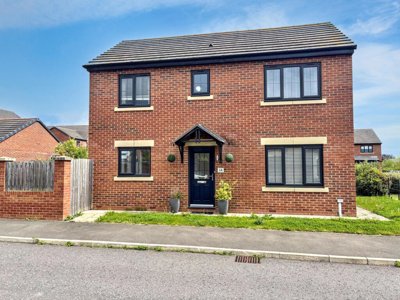
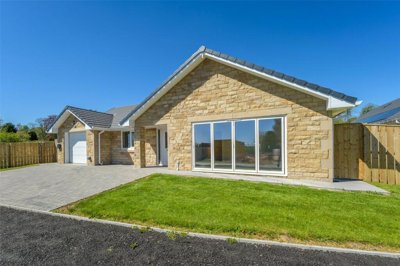
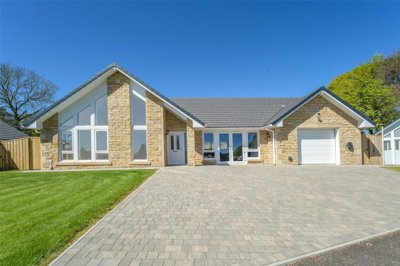
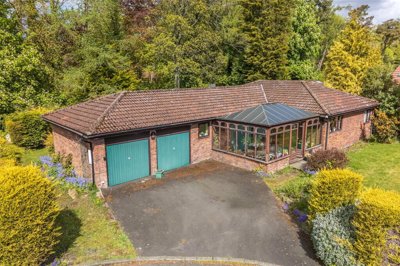
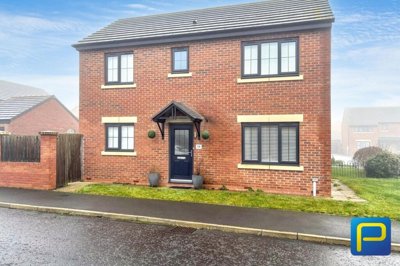
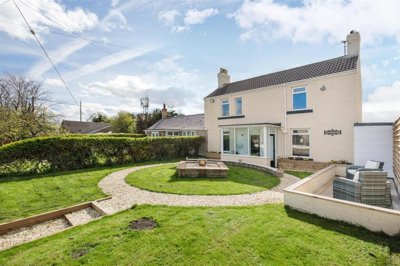
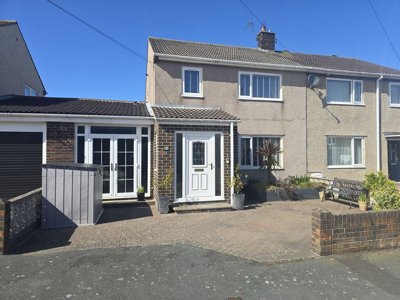
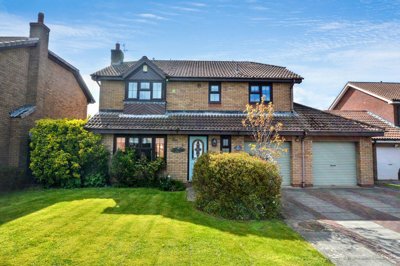
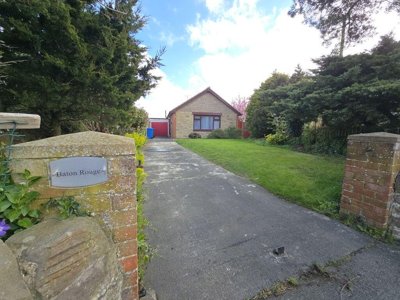
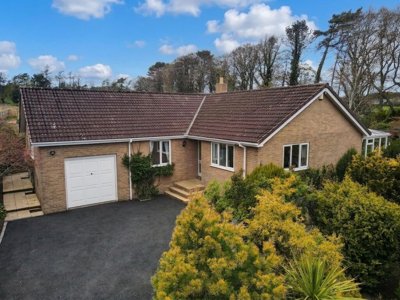
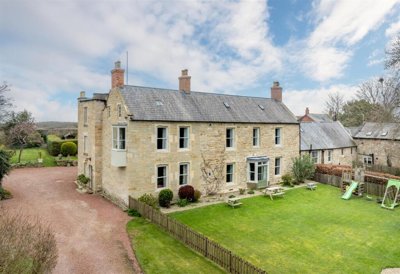
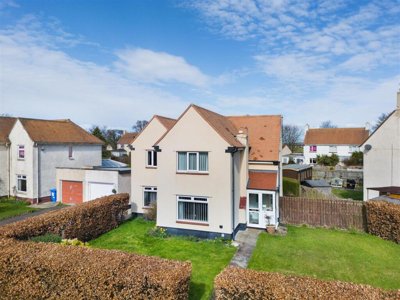
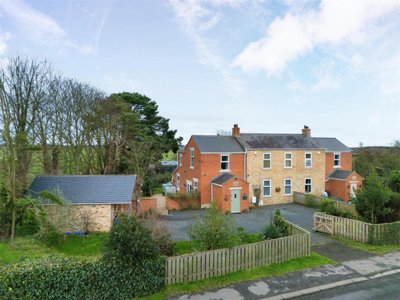
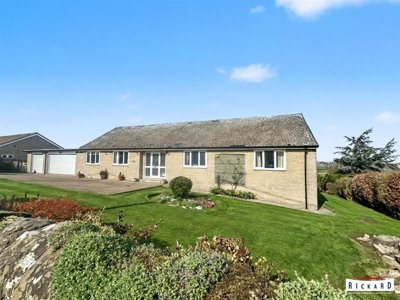
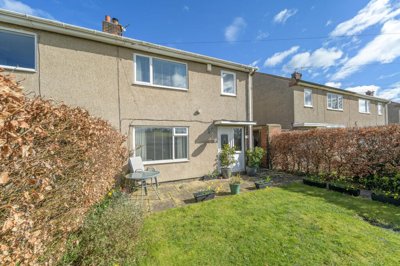
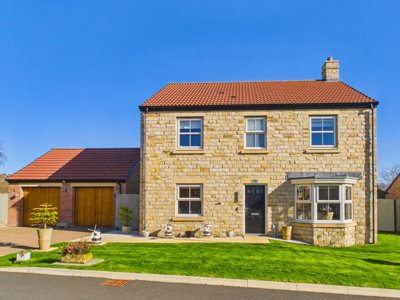
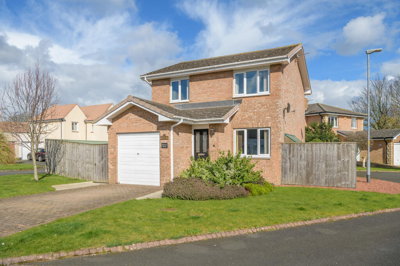
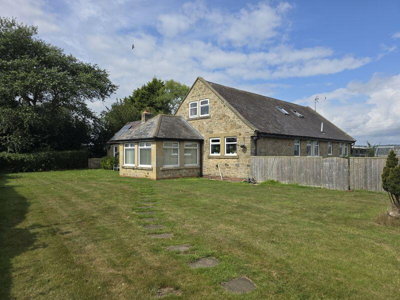
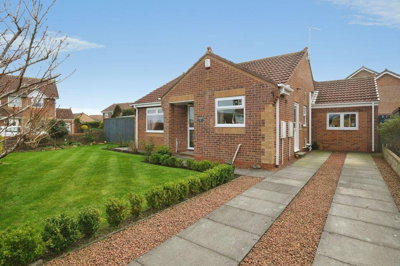
Browse 89 homes for sale in Acklington, Northumberland from local estate agents.
£370k
11
0
123
Source: home.co.uk
Source: home.co.uk
Detached
5 listings
Avg £409,000
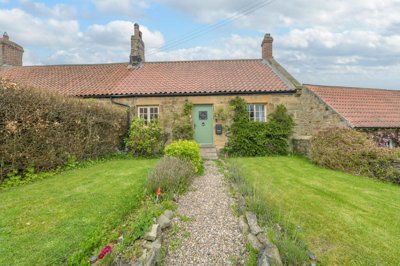
Barn Conversion
1 listings
Avg £370,000
Caravan
1 listings
Avg £30,000
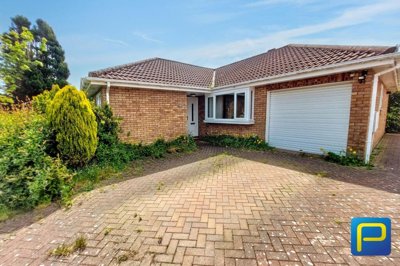
Detached Bungalow
1 listings
Avg £340,000
Semi-Detached
1 listings
Avg £250,000
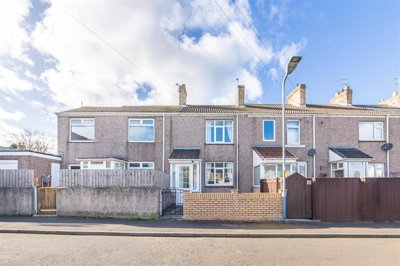
Terraced
1 listings
Avg £425,000
barn-conversion
1 listings
Avg £415,000
Source: home.co.uk
Source: home.co.uk
Acklington’s property market reflects its rural character, and the figures still offer genuine value compared with many other parts of the North East. Our data shows the overall average house price stands at £359,444, with detached properties commanding around £388,750 and semi-detached homes averaging approximately £250,000. Terraced properties in the village typically start from £220,000, so it remains an accessible market for first-time buyers looking for character without the premium attached to bigger towns. Prices have also held up well, rising by 1.6% over the past twelve months across all property types.
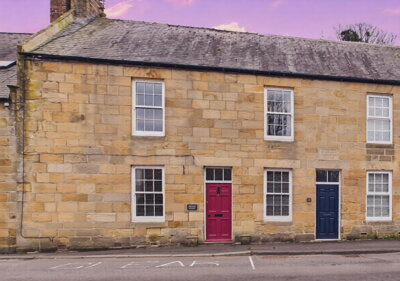
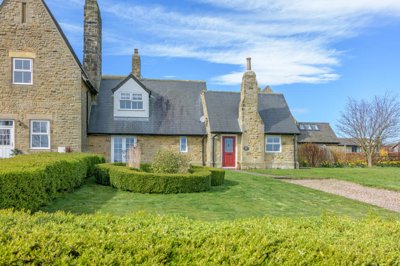
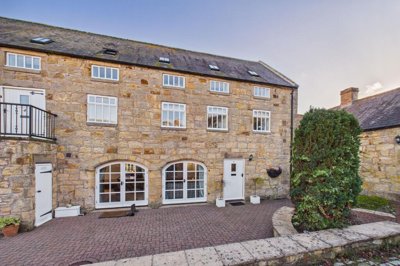
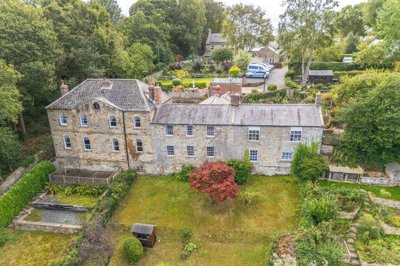
Most of the housing stock is built in traditional stone, which is one of the clearest signs of Northumberland architecture, with homes ranging from Victorian and Edwardian periods through to mid-century development. In Acklington, you often see sash windows, slate roofs and solid stone walls, all of which bring their own maintenance demands. The local sandstone used in many properties is durable, though it still needs periodic repointing and care to stop water getting in. New build activity in the NE65 9 postcode area stays limited, so buyers wanting modern specifications may need to look to nearby market towns, or accept that older homes will need varying levels of renovation and updating.
That 1.6% rise over the past year points to steady investment performance, backed by demand for rural homes that still connect well to transport routes. Acklington also looks more affordable than coastal spots such as Bamburgh or Seahouses, which makes it appealing to buyers who want Northumberland countryside living at a less eye-watering price. Six property sales have completed in the village over the past twelve months, a modest level of activity, but exactly what we would expect where stock turns over slowly.

With 547 residents recorded in the 2011 census, Acklington is a small rural community that still feels lively rather than sleepy. Agriculture sits at the centre of local life, with farms all around giving the area its working countryside feel. Small businesses and rural enterprises provide day-to-day services, while nearby Amble and Morpeth bring wider amenities within reach, so residents do not lose convenience by choosing village life. The former Acklington Airfield, now a private facility, adds another layer of local character and a slightly unexpected economic role.
The village lies in the Coquet Valley, with the River Coquet and its tributaries close by, creating pleasant walks through meadowland and farmland. Northumberland’s wider landscape is on the doorstep too, from coast to moorland and everything between. Several Grade II listed buildings add depth to the setting, including Acklington Park House and Acklington Bridge, both of which give the village a real sense of history. Community life here is built around traditional village amenities and the easy familiarity that comes with a tight-knit rural place.
Walkers, cyclists and anglers all have plenty to work with here. The River Coquet supports healthy runs of salmon and sea trout, so it is a draw for fishing as well as for riverside strolls. Around the village, farmland and moorland open out into extensive public rights of way, and the Northumberland Coast Area of Outstanding Natural Beauty is easy enough for day trips, with castles, sandy beaches and coastal villages all in the mix. Being between the Pennines and the coast gives residents a proper choice, hill walks one day, the shoreline the next.

Schooling is available within a reasonable travelling distance, with primary provision spread across surrounding villages and towns. The local catchment usually includes settings in nearby villages that serve the immediate rural community, and transport arrangements help children living in outlying areas get to and from school. Secondary education is generally taken up in market towns such as Alnwick or Morpeth, where a range of schools have solid academic reputations and good Ofsted ratings.
Older children are covered too, with sixth form and further education options available at secondary schools and colleges in Alnwick and Morpeth. Daily travel needs a bit of planning, though the A1 keeps the journey straightforward enough. Parents should still check the latest catchment boundaries and admission rules with Northumberland County Council, as these can shift and may affect placement offers. There is a bright side to the rural setting as well, since the surrounding countryside gives children plenty of scope for outdoor learning and environmental activities.
Across Northumberland, the education picture is generally well regarded, and the schools in nearby market towns often act as community hubs while producing consistently positive results for pupils. Several primary schools in the surrounding villages have a reputation for a caring approach to early years education, while secondary schools in Alnwick and Morpeth offer a broad curriculum and strong pastoral support. For families putting education first, the commute from Acklington to these schools, usually 15-25 minutes by car, is still manageable and leaves room for the benefits of rural living.

Commuters often look twice at Acklington, because a village this small has better transport links than many expect. The A1 runs close by, giving direct road access to Newcastle upon Tyne to the south and Edinburgh to the north, with Newcastle approximately 40 miles away. That position means major cities are within roughly an hour’s drive, yet property prices remain far below what those urban areas command. Morpeth is around 15 minutes by car, while Alnwick is reachable in approximately 20 minutes.
The railway is a real selling point. Acklington railway station sits on the East Coast Main Line, with services straight through to Newcastle upon Tyne, Edinburgh and the intermediate stops in between. For commuters, the trains offer a calmer alternative to driving, with regular departures across the day. Bus links cover surrounding villages and towns too, although some routes are not especially frequent, so many residents still find a car useful. Cyclists have both on-road routes and bridleways to choose from, but the rural road network does call for care. Parking is much as you would expect in a village like this, private driveways and only limited on-street space.
That rail link changes the equation for anyone working further afield. The village stays rural, but it sits close enough to the East Coast Main Line for regular travel into Newcastle to feel realistic, and even Edinburgh or other north-east cities are within reach of people who would struggle to commute from more remote countryside. The A1 adds another layer of flexibility, with its dual carriageway sections keeping journeys north and south moving more efficiently.

Spend time in Acklington itself, and also in nearby Amble and Morpeth, before settling on a property. That gives a better sense of the lifestyle, local services and day-to-day feel. It is sensible to weigh up school catchment areas, commuting needs and the distance to amenities as you narrow the search. We would also suggest visiting at different times of day, then speaking to people who already live here, because that is often where the real picture emerges.
Before viewings begin, get a mortgage agreement in principle in place. Brokers who know the North East rural market can help you understand your borrowing capacity. Having finance ready strengthens your hand if you are offering in a competitive situation. It is also wise to allow for extra costs linked to older homes, including renovation work that may be needed and specialist surveys where a listed building is involved.
Through Homemove, contact local estate agents to arrange viewings of properties that fit your brief. Seeing several homes side by side makes it easier to judge condition, character and value. It also helps to attend at different times of day, so you can get a feel for neighbourhood activity and how the light changes. For stone-built properties, pay close attention to the exterior, roof coverings, gutters and pointing in particular.
Because so much of Acklington’s housing stock is old, we strongly recommend a RICS Level 2 Survey before you buy. For older or listed properties, a more detailed RICS Level 3 Building Survey may be the better option. These surveys can pick up the usual issues found in stone-built homes, including dampness, roof condition and possible structural problems. The Carboniferous bedrock geology in this area also means mining reports are sensible.
The legal work should run alongside the survey stage. Appoint a conveyancing solicitor to deal with the purchase, and they will carry out searches such as local authority checks, drainage and water searches, and environmental assessments. Given Northumberland’s mining history, a mining report is advisable for properties in the area. Your solicitor will also look into rights of way, planning restrictions and any listed building implications that could affect the home.
Once the searches are satisfactory and the finance is confirmed, your solicitor will exchange contracts and set a completion date. On completion day, the remaining balance is transferred and you collect the keys to your new Acklington home. Buildings insurance should be arranged from the point of exchange, as lenders usually require it.
Older stone houses here need a careful eye. In properties built from solid stone walls, dampness is one of the most common issues, with rising damp and penetrating damp often affecting traditional buildings. Look out for peeling wallpaper, musty smells and tide marks on walls, especially at ground floor level and in rooms that do not ventilate well. Timber sash windows add charm, but they often point to older joinery that may need draught proofing or replacement to improve both energy efficiency and security.
The River Coquet runs close to Acklington, so some properties in the village carry a flood risk that buyers should check before going any further. The Environment Agency flood risk maps are the first place to look, and the flood history of the area also matters. Surface water flooding can happen during heavy rain, especially in low-lying spots. Homes with gardens beside watercourses, or in valley locations, deserve extra caution and a proper drainage assessment. Any flood-risk insurance position should be confirmed before completion.
A listed building changes the rulebook. Several properties in Acklington hold listed status, which limits alterations, extensions and even routine maintenance work. If you are looking at a listed home, the extra costs and planning requirements tied to preserving its special character need to be built into the budget from the start. Grade II listed buildings in the village, including Acklington Park House and various historic farmhouses, represent important architectural heritage and call for specialist conservation approaches. Conservation area status does not currently apply to Acklington, although properties within the setting of listed buildings may still need listed building consent for external alterations.
Solid wall construction also means a lot of homes lack modern wall insulation, so heating bills can be higher than buyers expect. Older properties may contain asbestos in materials such as textured coatings, insulation boards and pipe lagging, particularly where they were built before 2000. A thorough RICS Level 2 Survey should flag these issues and help with budgeting for any works. Electrical wiring and plumbing in older homes often need updating to meet current safety standards too, which can quickly add to the renovation budget for period properties in the village.

Recent market data puts the overall average house price in Acklington at £359,444. Detached properties average around £388,750, semi-detached homes approximately £250,000, and terraced properties start from £220,000. The market has seen steady growth, with a 1.6% increase over the past twelve months across all property types. Those figures reflect the village’s rural setting and the traditional character of its homes, while still offering strong value compared with coastal parts of the county.
Properties in Acklington sit within Northumberland County Council’s area, and council tax bands run from A to E depending on value and type. Most traditional stone cottages and smaller terraced homes usually fall into bands A to C, while larger detached family houses may sit in bands D or E. Buyers should check the exact band with Northumberland County Council, as it affects ongoing running costs and ought to be verified before purchase.
For families, the practical education picture is straightforward enough. Acklington is served by primary schools in surrounding villages, with the nearest likely to be in nearby communities within easy driving distance. Secondary education is available in Alnwick and Morpeth, both of which have good academic records and positive Ofsted ratings. Current catchment boundaries should still be checked with Northumberland County Council, as admission policies can change from year to year. The rural setting also gives children plenty of scope for outdoor learning and contact with nature, which sits neatly alongside classroom work.
Rail and road both work in Acklington. The village has a railway station on the East Coast Main Line, with direct services to Newcastle upon Tyne, Edinburgh and the intermediate stations. The A1 trunk road gives easy road access to the major cities, with Newcastle approximately 40 miles south and Edinburgh around 90 miles north. Bus services link the village with surrounding towns, although some routes run infrequently. The location suits commuters, while still keeping the rural lifestyle that many residents value highly.
Investors usually notice the same two things here, character and connectivity. Acklington offers both, along with steady price growth of 1.6% over the past twelve months and a level of affordability that sits well below larger North East cities. Rental demand may be moderate because the village is small and local employment is limited, although the commuting links could appeal to tenants who want rural accommodation with city access. The NE65 9 postcode and the traditional stone-built stock also add to its appeal for those seeking a character investment.
Stamp duty is one of the first numbers people ask about. For standard purchases, land tax applies at 0% on the first £250,000 of property value, 5% on £250,001 to £925,000, and 10% on £925,001 to £1.5 million. First-time buyers have relief on homes up to £425,000, paying 0% on the first £425,000 and 5% between £425,001 and £625,000. With Acklington’s average price at £359,444, many homes sit inside the zero-rate threshold for standard buyers or first-time buyers buying around the average price, which keeps the village accessible.
Geology matters here more than many buyers expect. Around Acklington, the ground is made up of Carboniferous bedrock, including sandstone, mudstone and coal seams, with glacial till deposits in some places. The shrink-swell clay risk is generally low, though localised clay deposits could present very low to low risk. Northumberland’s mining history means some areas may have historical shallow coal workings, so a mining report is advisable where properties are affected. Flood risk from the River Coquet also touches certain parts of the village and should be checked against Environment Agency data for the specific property.
Historic fabric is part of the appeal here. Acklington has several Grade II listed buildings, including Acklington Park House and Acklington Bridge, along with various historic farmhouses and cottages across the village. There is no designated Conservation Area, but the concentration of listed buildings means any listed property needs specialist advice for alterations or repairs. Planning controls exist to protect their special architectural and historic interest, so buyers should allow for the extra costs and responsibilities that come with owning period property in the village.
Budgeting properly saves headaches later. For 2024-25, the stamp duty land tax thresholds are 0% on the first £250,000, 5% between £250,001 and £925,000, 10% between £925,001 and £1.5 million, and 12% above £1.5 million. With the average property price in Acklington at £359,444, most buyers paying at or near the average would owe no stamp duty at all, or only pay on the amount above £250,000 if the property price sits over that level.
First-time buyers get a useful break. There is zero stamp duty on properties up to £425,000, and 5% on amounts between £425,001 and £625,000. That relief can cut purchase costs sharply for people entering the market in Acklington, where many terraced and semi-detached homes fall within the zero-rate band. You should also budget for solicitor fees averaging £500-£1,500 for conveyancing, survey costs of £400-£700 for a RICS Level 2 Survey on typical properties, and removal costs that vary with distance and the amount being moved.
Older stone homes can throw up a few extra costs. Energy efficiency improvements, damp treatment, window replacement and heating system upgrades are all common for traditional properties. Buildings insurance should be in place from exchange, and mortgage arrangement fees vary by lender. A thorough property survey will pick out any urgent works, which helps you build them into the overall budget and may give you room to negotiate on price if serious defects come to light. Properties affected by River Coquet flood risk may also need specialist insurance arrangements, so that should sit in the ongoing costings too.

Properties for Sale In London

Properties for Sale In Plymouth

Properties for Sale In Liverpool

Properties for Sale In Glasgow

Properties for Sale In Sheffield

Properties for Sale In Edinburgh

Properties for Sale In Coventry

Properties for Sale In Bradford

Properties for Sale In Manchester

Properties for Sale In Birmingham

Properties for Sale In Bristol

Properties for Sale In Oxford

Properties for Sale In Leicester

Properties for Sale In Newcastle

Properties for Sale In Leeds

Properties for Sale In Southampton

Properties for Sale In Cardiff

Properties for Sale In Nottingham

Properties for Sale In Norwich

Properties for Sale In Brighton

Properties for Sale In Derby

Properties for Sale In Portsmouth

Properties for Sale In Northampton

Properties for Sale In Milton Keynes

Properties for Sale In Bournemouth

Properties for Sale In Bolton

Properties for Sale In Swansea

Properties for Sale In Swindon

Properties for Sale In Peterborough

Properties for Sale In Wolverhampton

Enter your details to see if this property is within your budget.
Loans, cards, car finance
Estimated property budget
Borrowing + deposit
You could borrow between
Typical borrowing
Monthly repayment
Est. at 4.5%
Loan-to-value
This is an estimate only. Your actual budget may vary depending on interest rates, credit history, and personal circumstances. For an accurate affordability assessment, speak to one of our free mortgage advisors.
This calculator provides estimates for illustrative purposes only and does not constitute financial advice. Your home may be repossessed if you do not keep up repayments on your mortgage. Estimates based on 4.5% interest rate, repayment mortgage. Actual rates depend on your circumstances.
Homemove is a trading name of HM Haus Group Ltd (Company No. 13873779, registered in England & Wales). Homemove Mortgages Ltd (Company No. 15947693) is an Appointed Representative of TMG Direct Limited, trading as TMG Mortgage Network, which is authorised and regulated by the Financial Conduct Authority (FRN 786245). Homemove Mortgages Ltd is entered on the FCA Register as an Appointed Representative (FRN 1022429). You can check registrations at NewRegister or by calling 0800 111 6768.

We use cookies to show you personalised content and improve your experience of our website. Find out more in our Privacy policy and Cookie policy.