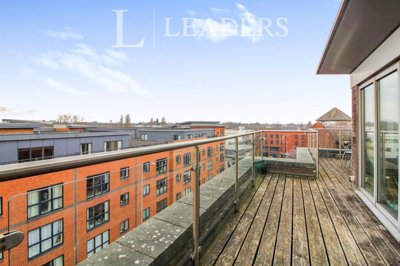
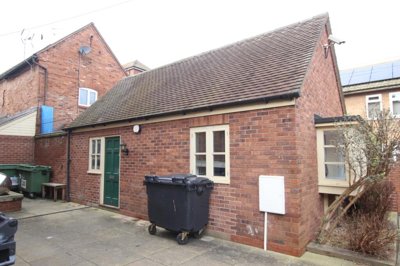
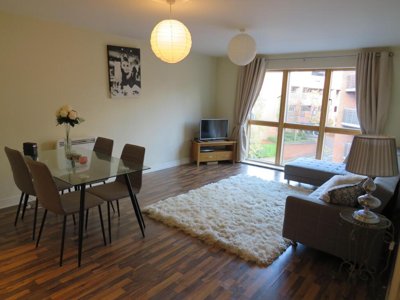
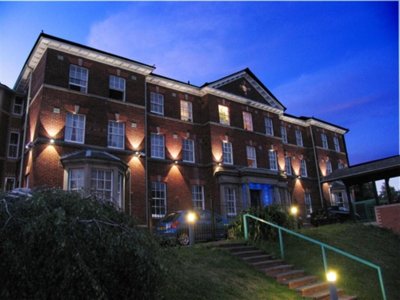
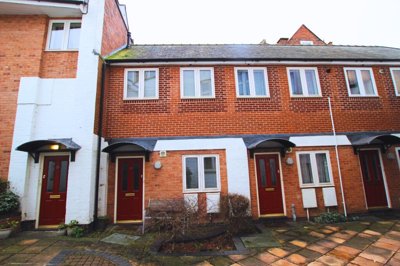
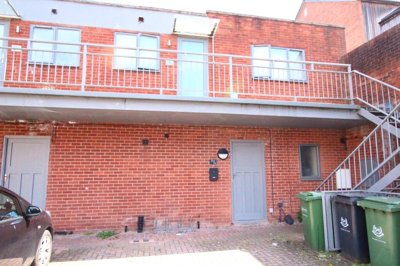
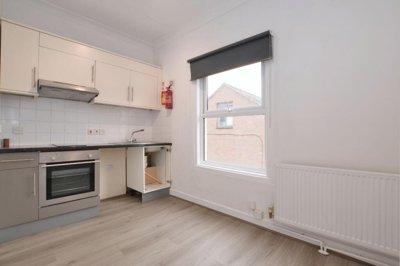
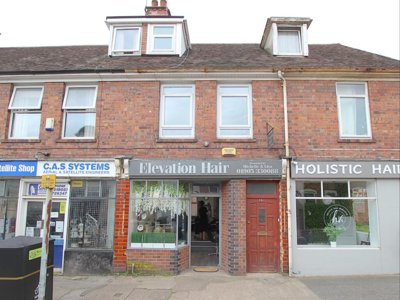
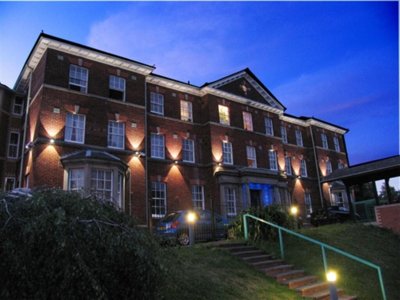
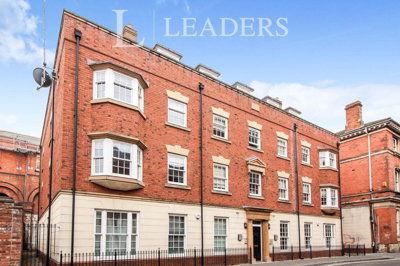
Browse 34 rental homes to rent in WR4 from local letting agents.
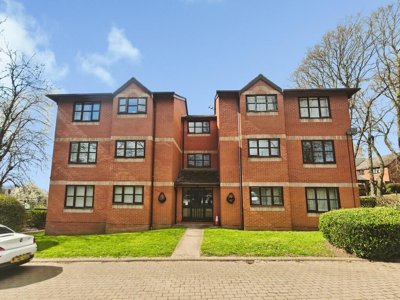
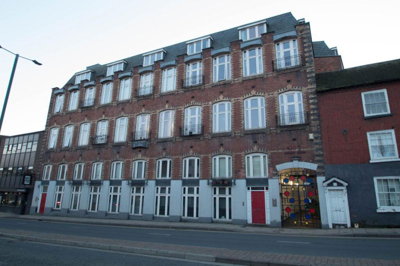
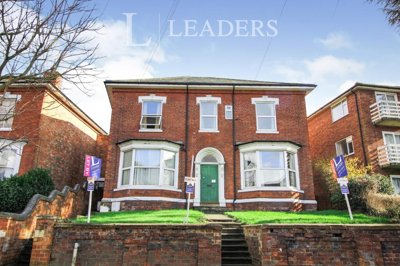
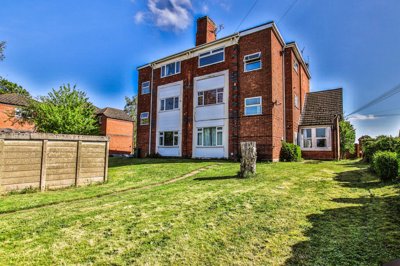
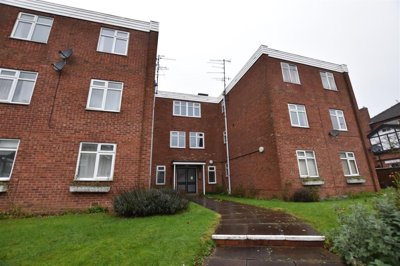
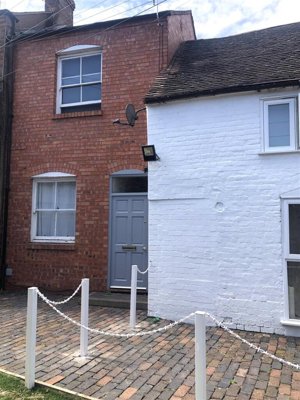
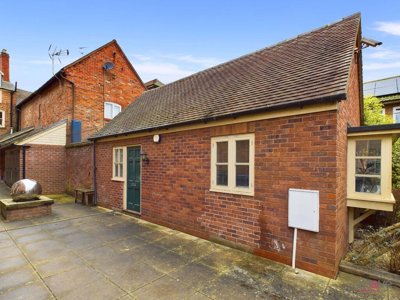
One bed apartments provide a separate bedroom alongside distinct living space, bathroom, and kitchen areas. Properties in WR4 are available in various building types including mansion blocks, contemporary developments, and house conversions.
£775/m
1
0
46
Source: home.co.uk
Showing 1 results for 1 Bedroom Flats to rent in WR4. The median asking price is £775/month.
Source: home.co.uk
Flat
1 listings
Avg £775
Source: home.co.uk
Source: home.co.uk
Over the past twelve months, the WR4 property market has stayed fairly steady, with prices easing by around 1%. The average property price sits at £290,064, though that relates to the wider sales market rather than rental costs. There were 199 property sales in the twelve months to February 2026, led by semi-detached homes with 82 sales, then terraced properties at 49 and detached houses at 46. That level of activity points to solid underlying demand, and it carries through into a rental market where similar homes hold consistent values.
Renters in WR4 will find a housing mix that mirrors the sales stock quite closely, with semi-detached homes making up 36.2% of properties, terraced houses 24.3%, detached homes 22.8%, and flats or apartments 16.2%. So there is real variety, from smaller flats for singles or couples to larger family houses with gardens. Three major new-build schemes are active in WR4, The Aspire by Persimmon Homes, with 2 to 5 bedroom homes from £269,995, The Hawthorns by David Wilson Homes, offering 3 to 5 bedroom options from £329,995, and Saxon Meadows by Barratt Homes, with 3 and 4 bedroom homes from £299,995. Those are sales prices, of course, but similar homes may come up for rent in the same developments, especially where rental demand was planned in from the start.
WR4’s rental appeal is helped by Worcester’s role as a regional employment centre, with the University of Worcester, Worcester Royal Infirmary, and various local government offices providing dependable work for residents. The age profile of the housing stock gives a good sense of what tenants can expect, with around 20.2% of homes dating from before 1919, 14.1% built between 1919 and 1945, 34.5% from 1945 to 1980, and 31.2% post-1980. That split means some renters can choose characterful period homes with original features, while others will prefer newer properties built to modern standards. Pre-1919 homes often bring high ceilings, original fireplaces, and solid brick walls, while post-1980 properties usually come with cavity wall insulation, modern heating systems, and double glazing.

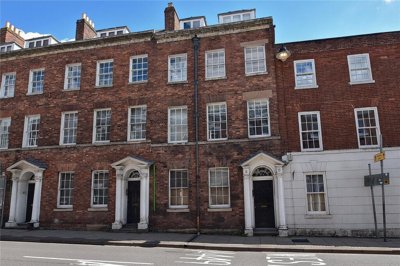
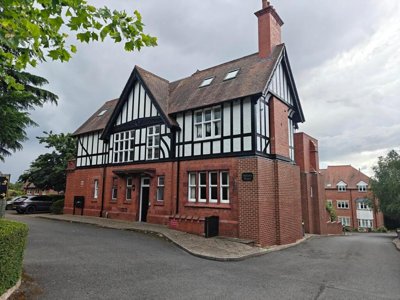
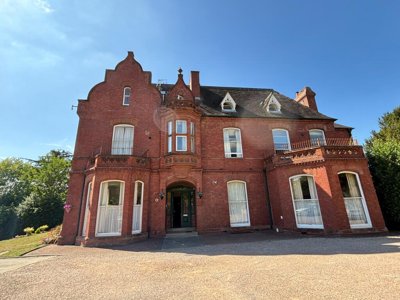
Across WR4, several distinct neighbourhoods combine to create a varied and welcoming place to live. Barbourne, which sits within or next to the Barbourne Conservation Area, is known for striking Victorian and Edwardian villas and terraces that speak to Worcester’s prosperous industrial history. Many of the properties here use the red brick common to Worcestershire, with bay windows, ornate porches, and generous gardens that make them especially attractive to families who want period character. The conservation area status helps protect the look and feel of the streets, with controls on unsuitable changes supporting both street scene and property values.
With 15,960 residents living in 6,700 households, WR4 has an average household size of around 2.4 people, which suggests a healthy mix of families, couples, and single occupants. Students from the University of Worcester are part of that picture too, and the university itself is a major local employer that feeds the rental market by drawing younger tenants close to campus and the city centre. Worcester operates as a regional centre with jobs across public services, healthcare, retail, education, and light manufacturing, and that broad base gives rental demand in WR4 a steady footing.
Daily life in WR4 is made easier by a decent spread of convenience shops, traditional pubs, and primary schools within walking distance of many streets. The Droitwich Road corridor has changed quite a bit in recent years, bringing in extra retail choices, including supermarkets and high street chains, for local residents. Worcester city centre, with its wider range of shops, restaurants, and entertainment, is close by too, reached by regular buses or a short drive. Green space is well dispersed, from Barbourne Brook, which gives the area a pleasant natural line, to the smaller parks that families with children make use of.

Families looking to rent in WR4 will find a solid choice of schools serving the area. From an education point of view, the housing age profile is useful context too, with approximately 20.2% of homes built before 1919, 14.1% between 1919 and 1945, 34.5% between 1945 and 1980, and 31.2% post-1980. Older and newer streets often correspond with schools from different eras, some with modern facilities and others in historic buildings set within established residential neighbourhoods. Catchment areas matter, so parents should check exactly which schools serve a particular address in WR4.
The University of Worcester is an important educational asset for more than just students, because staff often look for rental homes in nearby postcodes including WR4. Its Castle Street campus has a sports centre, library, and a range of eateries that add to the wider cultural life of the area. For younger children, several primary schools in WR4 serve the local community, and many occupy buildings that reflect the Victorian and Edwardian growth of the district. It is sensible to look at individual Ofsted reports before choosing a rental, since school performance can differ from one street to the next even where the homes are very close together.
Secondary schooling across Worcester includes both state options and grammar schools, and the grammar schools require the 11-plus examination for entry. Families renting in WR4 should remember that grammar school catchments can stretch across different parts of the city, so proximity can matter a great deal if older children are involved. Several Worcester secondary schools have a strong reputation and regularly post good exam results, which helps make the area appealing to families at every stage of schooling. Independent education is available too, through private school options elsewhere in the Worcester area.

One of WR4’s biggest advantages is transport, which makes the postcode useful for commuters and for people who travel often for work or leisure. The area sits well for the M5, giving direct routes to Birmingham in the north and Bristol in the south, while Worcester’s rail links from Worcester Foregate Street and Worcester Shrub Hill stations are excellent. Trains from Worcester to Birmingham New Street usually take between 45 minutes and an hour, so WR4 works as practical commuter territory for anyone employed in the West Midlands conurbation. The A38 and A44 also give further road options, linking WR4 with towns and villages across Worcestershire.
Getting around Worcester itself is straightforward from WR4, because several bus routes cover the area and connect residents to the city centre, shopping districts, and nearby suburbs. The X50 service runs directly between the city centre and the more outlying residential parts of WR4, while other routes link to the railway stations and main employment areas. From most parts of WR4, Worcester city centre is only a short bus ride or drive away, with the cathedral, shopping streets, and riverside walks all close at hand. Parking depends very much on the street or development, with some newer schemes providing allocated spaces and older terraced roads relying on on-street parking.
Cycling is easier than it used to be, thanks to improved routes linking residential areas with the city centre and local workplaces. National Cycle Route 45 passes through Worcester, giving riders access to longer leisure journeys and connections out to surrounding villages. For longer trips, Birmingham Airport is reachable by the M5 and M42, usually within an hour’s drive from most parts of WR4, which keeps overseas travel within easy reach for business and holiday trips alike.

Before starting a search in WR4, it makes sense to get a rental budget agreement in principle from a lender or our recommended financial partners. This paperwork shows how much rent you can afford, which strengthens applications and reassures landlords and letting agents that you are serious. Having it in place before you book viewings also helps narrow the search to homes within budget, rather than wasting time on properties that will not fit.
A good way to approach WR4 is to spend time in different parts of the postcode and work out which neighbourhood feels right for you. Proximity to work, schools, public transport, parks, local shops, restaurants, and the overall character of each street all matter. Barbourne has the Victorian charm, period architecture, and conservation area controls that suit some tenants, while the newer developments along Droitwich Road bring modern facilities and more contemporary construction. We would always suggest visiting at different times of day, because a place can feel very different in the morning, at school run time, or later in the evening.
Once a few properties stand out, arranging viewings gives you the chance to judge condition, layout, and location properly. Look closely at the state of repair, the amount of natural light, storage space, and any signs of damp, cracks, or maintenance issues that could point to deeper problems. Ask about the tenancy terms too, including the deposit amount, the rent payment schedule, utilities that are included, and any rules on pets, smoking, or musical instruments. Taking photographs and notes at each viewing makes comparison much easier later on.
After you find a property that works, it is wise to complete the landlord or letting agent’s application process quickly, because popular homes often have several interested applicants. Usually that means supplying identification, employment references, previous landlord references, proof of income, and your rental budget in principle. Timelines vary, but in busy periods such as the start and end of academic years, when student demand is strongest, the process can take several days to a week.
If the application goes through, the next stage is referencing, where identity, employment status, and rental history are checked. Read the full tenancy terms carefully before signing, including the deposit amount, rent payment schedule, break clause options, notice periods, and responsibilities for maintenance and utilities. The deposit is protected under a government-approved scheme within 30 days of receipt, and you should be given prescribed information explaining which scheme holds your money. We also recommend a detailed check-in inventory with photographs, since that gives you better protection for your deposit at the end of the tenancy.
Renting in WR4 means paying attention to a few local issues that can shape the tenancy experience. Mercia Mudstone lies beneath the area, a clay-rich bedrock with moderate to high shrink-swell potential, which can lead to subsidence or heave in homes with shallow foundations or mature trees nearby. When viewing a property, check walls for cracks, especially around doors and windows, and ask the landlord or agent whether there has ever been any subsidence or structural repair work. Homes in older parts of the stock, which make up 68.8% of the housing, may also have outdated electrical systems that need updating to meet current safety standards.
In parts of WR4, especially where alluvial deposits sit along the Severn corridor, the Mercia Mudstone geology can leave certain properties more exposed to ground movement during drought or heavy rain. Trees close to buildings can make shrink-swell problems worse, because their roots draw moisture out of the clay and cause it to contract. In period homes around Barbourne, it is worth looking for evidence of past structural work, such as visible steel ties, reinforced foundations, or remedial underpinning, all of which may show that movement has already been dealt with.
Flooding is another factor for renters in WR4, particularly near the River Severn and Barbourne Brook. Low-lying homes, and properties with basements, may be more vulnerable during spells of heavy rainfall. Checking the Environment Agency’s flood risk maps for a specific address gives valuable context, and contents insurance is sensible whatever the assessment says. Within the Barbourne Conservation Area, some homes are also subject to planning restrictions that can affect permitted development rights, which may limit changes without Worcester City Council’s consent.
The construction of WR4 homes varies a great deal with age and location. Victorian and Edwardian properties usually have solid brick walls, slate roofs, and timber floor structures, while post-war homes may use cavity wall construction and concrete flooring. Older buildings often still have cast iron rainwater goods and original lead pipework that may need attention, whereas modern homes generally benefit from UPVC fittings and up-to-date plumbing. Knowing the construction type helps us and renters alike judge maintenance responsibilities and possible repair costs during a tenancy.

We do not have specific rental price data for WR4, but the average property price across the area is £290,064, with semi-detached homes averaging £270,058 and terraced properties around £219,833. Rental figures usually move alongside those sales values, although the actual monthly rent will depend on condition, size, location within WR4, and the strength of demand at the time. Flats tend to be the more affordable choice, with average sale prices around £147,750. For current rental pricing, the best route is to check live listings on our platform, where available homes in WR4 are updated regularly.
Worcester City Council applies council tax bands to WR4 properties, with bands running from A through to H according to value. Most smaller flats and terraced homes usually sit in bands A to C, while larger detached and semi-detached houses often fall into bands D to F. Homes in conservation areas, or those with historic features, can have unusual valuations because of their character and location. Before committing to a tenancy, it is sensible to ask the landlord or agent to confirm the council tax band, since it is part of the ongoing cost of living there alongside rent.
WR4 has several primary and secondary schools within a reasonable distance, although quality does vary and parents should check current Ofsted ratings for the latest picture. The University of Worcester also adds higher education to the area and helps drive student demand and local rental need, with staff often looking for homes in nearby postcodes. In the wider Worcester area, grammar schools such as the Royal Grammar School and Kings School require the 11-plus examination for entry and attract families from across the region. Many WR4 primary schools serve the local community from buildings that reflect the Victorian development of the district.
Transport links are a real strength in WR4. Worcester’s Foregate Street and Shrub Hill stations provide regular services to Birmingham, Hereford, and London Paddington, while several bus routes cover the WR4 area and link residents to the city centre, retail parks, and neighbouring districts, with the X50 giving a direct route between residential areas and key destinations. The M5 is easy to reach from WR4, putting Birmingham about an hour’s drive away and Bristol at similar distance, which suits commuters who want more affordable housing but still need city-based work.
For renters who want practical connections without giving up quality of life, WR4 is an appealing choice. It offers a wide spread of housing, decent schools, local amenities, and strong links to major cities. The property market has been steady too, with annual price movement of only around 1%, which suggests balance rather than the sharper swings seen elsewhere. Worcester’s role as a regional centre, with jobs in the NHS, the University of Worcester, local government, retail, and manufacturing, supports rental demand throughout the year.
In England, standard deposits for rental homes are capped at five weeks' rent, calculated at a maximum of five times the monthly rental amount, which gives tenants an important layer of protection. As of 2024-25, first-time renters also receive relief on the usual upfront costs for properties up to £425k annual rent threshold, which helps ease the initial cost of moving in. You may still face extra charges, such as referencing fees usually between £100 and £300, admin fees from letting agents, and inventory check costs commonly between £100 and £200. We recommend arranging a rental budget agreement in principle before you begin viewing, because it helps keep the application process focused and shows landlords you are prepared.
When viewing homes in WR4, we would suggest paying close attention to the age and type of construction, because around 69% of properties were built before 1980 and may need different upkeep from newer homes. Look for cracks in the walls that could point to structural movement linked to the local Mercia Mudstone geology, and inspect windows, doors, and skirting boards for damp or woodworm. It is also wise to ask about the roof, the age and type of heating system, and whether the property has ever had flooding or subsidence issues. If you are considering a longer tenancy, our inspectors can prepare a detailed condition report.
Parts of WR4 fall inside the Barbourne Conservation Area, and that brings specific planning restrictions that affect what tenants can do without consent. External changes are often limited, including the installation of double glazing, satellite dishes, or solar panels that could alter the character of the area. If you are thinking about renting in the Barbourne Conservation Area, speak with the landlord and Worcester City Council planning department before you commit to a tenancy. Those restrictions help preserve property values and the visual character of the neighbourhood, though they can limit how far you can personalise a home.
From 4.5%
Get a rental budget agreement in principle before searching
From £199
Reference checks for rental applications
From £400
Detailed survey for properties over 50 years old
From £85
Energy performance certificate for your rental
Working out the full cost of renting in WR4 is important if you want to budget properly and avoid surprises during the application stage. The deposit, usually equal to five weeks' rent, is the biggest upfront cost and must be protected by the landlord within 30 days of receipt under the Deposit Protection Scheme. That protection means you should get the deposit back at the end of the tenancy, provided there are no valid deductions for damage beyond fair wear and tear or unpaid rent. First-time renters also benefit from relief on certain upfront costs for properties where the annual rent falls below £425k, which helps reduce the initial burden.
There can be further charges too, including referencing checks that confirm identity, employment status, and rental history, usually between £100 and £300 depending on the letting agent and how thorough the checks are. Inventory check fees, commonly £100 to £200, cover the detailed condition report at the start and end of the tenancy, helping both sides avoid disputes about deposit deductions. Some agents also charge administration fees, so it pays to compare the costs of different letting agents working in WR4, because pricing can vary a lot from one provider to another. We also recommend getting a rental budget agreement in principle before you start your search, since it strengthens your application and gives you a clear view of what you can afford.
At the end of a tenancy, the check-out inventory is compared with the check-in report to work out any legitimate deductions from the deposit. Fair wear and tear is taken into account, so ordinary deterioration from normal use should not lead to deductions, but damage caused by negligence or misuse can be charged to the tenant. We recommend documenting the property carefully at check-in with photographs and written notes, because that helps protect you from unfair deductions when you move out. If a dispute does arise over deposit deductions, the Deposit Protection Scheme offers a free dispute resolution service to help settle matters fairly.
Properties to Rent In London

Properties to Rent In Plymouth

Properties to Rent In Liverpool

Properties to Rent In Glasgow

Properties to Rent In Sheffield

Properties to Rent In Edinburgh

Properties to Rent In Coventry

Properties to Rent In Bradford

Properties to Rent In Manchester

Properties to Rent In Birmingham

Properties to Rent In Bristol

Properties to Rent In Oxford

Properties to Rent In Leicester

Properties to Rent In Newcastle

Properties to Rent In Leeds

Properties to Rent In Southampton

Properties to Rent In Cardiff

Properties to Rent In Nottingham

Properties to Rent In Norwich

Properties to Rent In Brighton

Properties to Rent In Derby

Properties to Rent In Portsmouth

Properties to Rent In Northampton

Properties to Rent In Milton Keynes

Properties to Rent In Bournemouth

Properties to Rent In Bolton

Properties to Rent In Swansea

Properties to Rent In Swindon

Properties to Rent In Peterborough

Properties to Rent In Wolverhampton

Enter your details to see if this property is within your budget.
Loans, cards, car finance
Estimated property budget
Borrowing + deposit
You could borrow between
Typical borrowing
Monthly repayment
Est. at 4.5%
Loan-to-value
This is an estimate only. Your actual budget may vary depending on interest rates, credit history, and personal circumstances. For an accurate affordability assessment, speak to one of our free mortgage advisors.
This calculator provides estimates for illustrative purposes only and does not constitute financial advice. Your home may be repossessed if you do not keep up repayments on your mortgage. Estimates based on 4.5% interest rate, repayment mortgage. Actual rates depend on your circumstances.
Homemove is a trading name of HM Haus Group Ltd (Company No. 13873779, registered in England & Wales). Homemove Mortgages Ltd (Company No. 15947693) is an Appointed Representative of TMG Direct Limited, trading as TMG Mortgage Network, which is authorised and regulated by the Financial Conduct Authority (FRN 786245). Homemove Mortgages Ltd is entered on the FCA Register as an Appointed Representative (FRN 1022429). You can check registrations at NewRegister or by calling 0800 111 6768.

We use cookies to show you personalised content and improve your experience of our website. Find out more in our Privacy policy and Cookie policy.