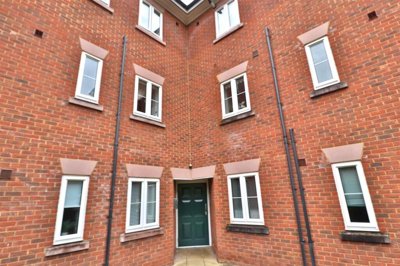
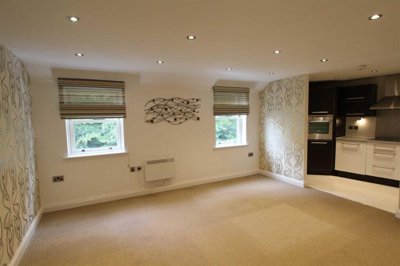
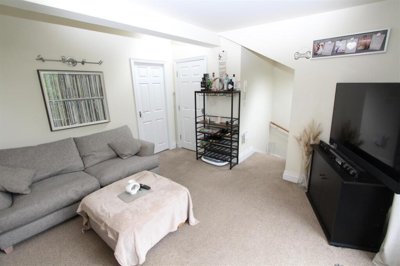
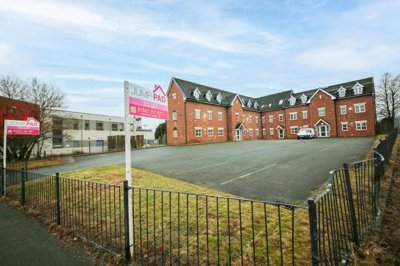
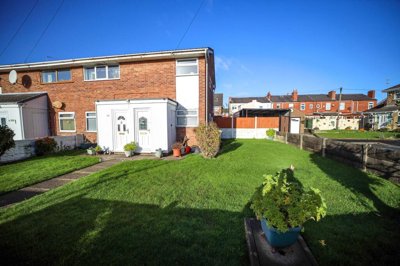
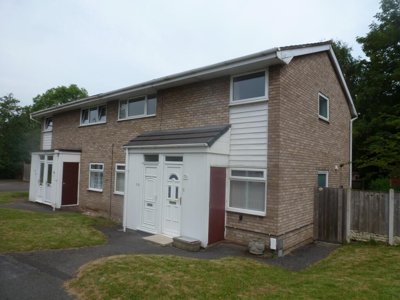
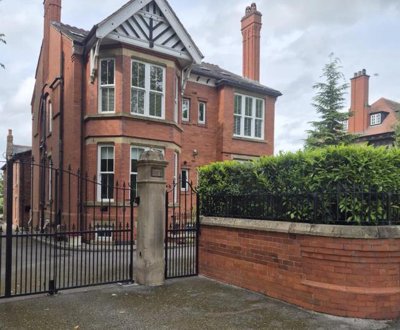
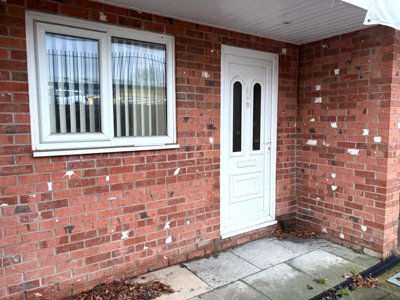
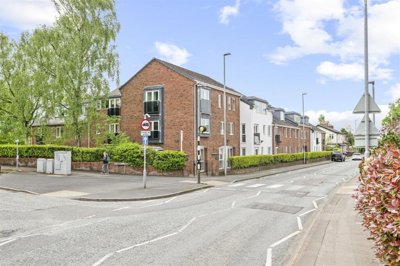
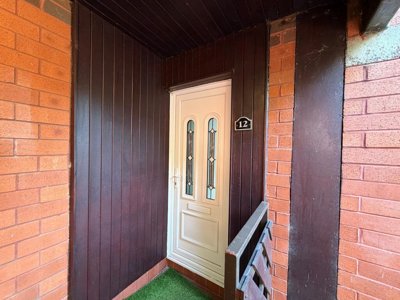
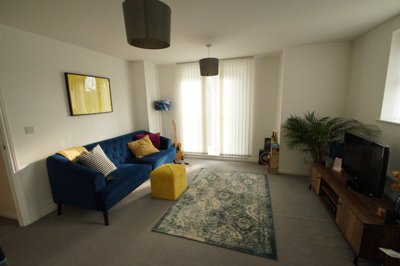
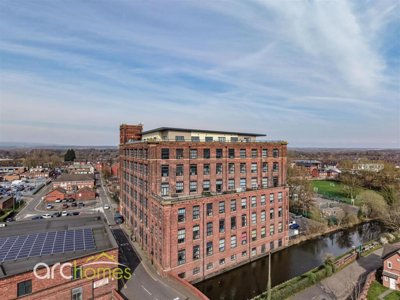
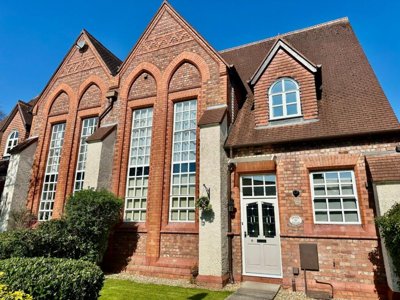
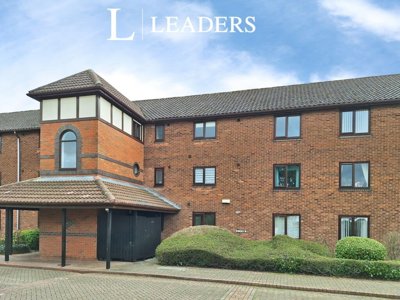
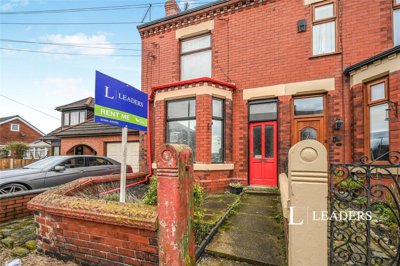
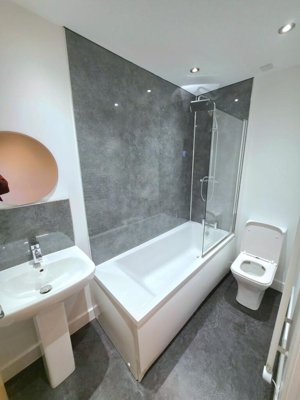
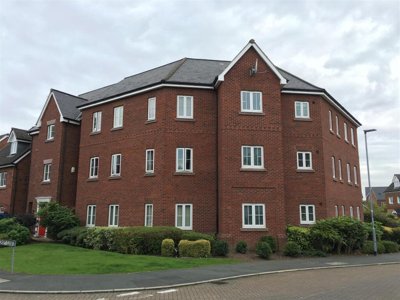
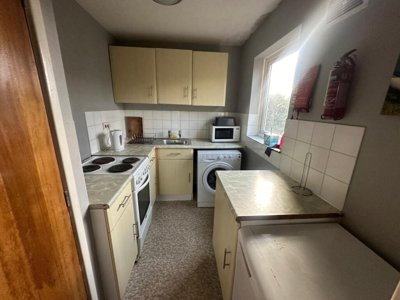
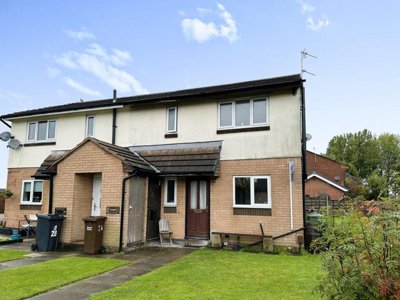
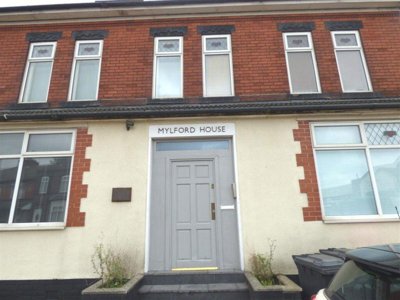
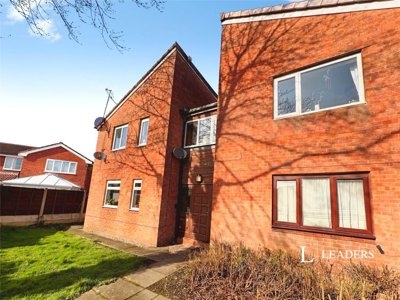
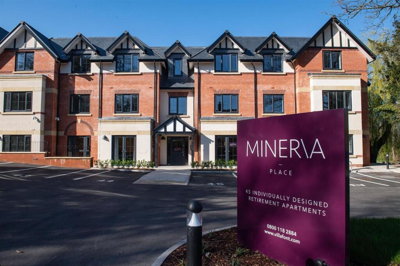
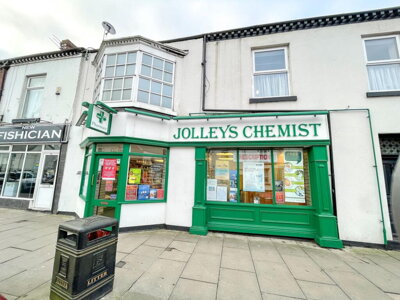
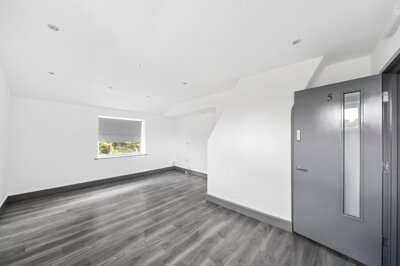
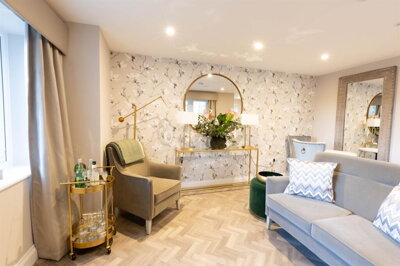
Browse 29 rental homes to rent in WA3 from local letting agents.
Studio apartments feature open-plan living spaces without separate bedrooms, incorporating sleeping, living, kitchen, and bathroom facilities. The WA3 studio market includes properties in modern apartment complexes, converted Victorian and Georgian buildings, and purpose-built developments.
£850/m
1
0
33
Source: home.co.uk
Showing 1 results for Studio Flats to rent in WA3. The median asking price is £850/month.
Source: home.co.uk
Flat
1 listings
Avg £850
Source: home.co.uk
Source: home.co.uk
WA3’s rental market mirrors the wider strength of Warrington property. Recent home.co.uk data puts the overall average house price at £288,938, while homedata.co.uk records £281,949 and Property Solvers shows £339,750, a reminder that different platforms weight the figures in different ways. Terraced homes sit around £181,623, semi-detached properties are approximately £254,699, and detached houses average £401,101 at the top end. Growth has also been steady, with Property Solvers reporting a 21.18% rise over the past five years and a further 3.62% in the last twelve months.
On home.co.uk, historical sold prices in WA3 were 5% up on the previous year and 6% above the 2023 peak of £271,809. Property Solvers logged 554 residential property sales in WA3 over the past year, though that was 98 fewer transactions than in the previous period. For renters, the message is fairly clear, demand has stayed solid and values have held up well, which makes WA3 a sensible pick for longer-term rental security. The stock ranges from older terraced cottages to modern executive homes, so there is choice across different budgets, and recent sales in WA3 6TA, covering parts of Birchwood, show purpose-built flats at around £154,500.
Families and young professionals both have a strong presence in WA3, which gives the area a lively but settled feel. Census data for the wider Warrington borough from 2011 shows approximately 76% of households were owner-occupied, although the private rental sector has expanded a good deal since then. That balance helps make WA3 attractive to anyone wanting a quieter setting than the city centre, while still keeping a community feel. Birchwood Park plays its part too, with its 200-hectare campus bringing in employers from technology, logistics, and professional services, so local work is often close to hand.
Suburban comfort and day-to-day convenience sit neatly together in the WA3 postcode area. Birchwood is one of the best-known neighbourhoods here, largely because of its 200-hectare business park and the spread of employers it hosts across technology, logistics, and professional services sectors. The wider Warrington borough recorded a population of 210,900 in the 2021 Census, and the area’s long-standing preference for home ownership is reflected in the 76% owner-occupancy rate reported in 2011. That makes WA3 appealing for families and professionals who want somewhere calmer than the city centre, but without feeling cut off.
Set 16 miles east of Liverpool and 16 miles west of Manchester, WA3 is well placed for anyone commuting in either direction. The local economy has changed sharply since heavy industry declined in the 1970s and 1980s, with light industry, retail, distribution, and technology now carrying much more weight. Road links are a major advantage, with the M62 motorway and A580 East Lancashire Road giving the area excellent access to major employment centres. Day-to-day life is helped by shopping centres, restaurants, recreational facilities, parks, and green spaces, so there is more here than a simple commuter base.
Warrington has altered a great deal since the new town development era, and that shows in the housing mix now available across the area. Around Birchwood, 1970s and 1980s estates sit alongside newer developments, which gives renters a proper range of choices. That can mean anything from characterful older terraced cottages on quiet streets to modern executive homes in settled neighbourhoods. Single professionals, couples, and families with children can all find something workable in WA3, depending on budget and priorities.
Education in WA3 covers the full range, from primary school age through to further education. Several primary schools serve different catchment areas, and many have been rated well by Ofsted. Parents looking at rentals should always check the latest school boundaries, since those can affect access in practical ways. Warrington’s further education colleges are also close enough to offer useful options for vocational training and higher study.
Childcare and early years provision are well represented in WA3, with numerous nursery and preschool settings spread across the area. Many sit within easy reach of the main residential streets, which is helpful for working parents. Secondary education includes both comprehensive schools and grammar schools, with the latter admitting pupils through academic selection. Warrington’s grammar school system means able students can access selective education, although they do need to pass the 11-plus entrance examination.
Sixth form choices are available both in WA3 and nearby postcodes, with several schools offering A-level programmes and vocational courses. Families renting in the area should look closely at admissions criteria and catchment areas, because these can shape where they choose to live for a long time. It is also sensible to line up the rental timeline with school terms and admission cycles, as a preferred school place often depends on already living in the right catchment when applications are assessed.
WA3 is especially well connected, which is one reason commuters continue to favour it. Birchwood railway station provides direct services to Manchester Piccadilly, Liverpool Lime Street, and Manchester Airport. Journey times from Birchwood to Manchester usually sit between 25-35 minutes, while Liverpool is around 30-40 minutes away. That level of access has done a lot for the area’s popularity among professionals. The station also has parking, which suits people who drive part of the way and then take the train.
Road links are just as strong. The M62 runs through the area and opens up Leeds, Liverpool, and the wider motorway network, while the A580 East Lancashire Road links WA3 directly to Manchester and Liverpool by road. The M6 adds another layer of route choice. Local bus services cover the area and connect neighbourhoods with Warrington town centre and beyond. Cyclists have improving infrastructure to work with, although anyone planning to ride regularly should check the exact routes and facilities they will rely on. For home workers, broadband is strong in most parts.
That position between two of the UK’s biggest cities gives WA3 a clear draw for professionals who want access to Manchester or Liverpool without paying city-centre prices. Birchwood station’s regular train services mean many people can keep jobs in either city while living in more spacious, and often more affordable, homes locally. It is also a practical base for regional leisure trips and family visits, thanks to the mix of road and rail connections.
Before arranging viewings, we would suggest securing a rental budget agreement in principle from a lender. It shows landlords and agents that the monthly rent, and the costs around it, are within reach. In a competitive WA3 market, that paperwork can make a real difference when applications are being compared. We would also factor in council tax, utility bills, and other housing-related costs from the start, not afterwards.
Take time to look at the different parts of WA3, including Birchwood, Culcheth, and the surrounding Warrington neighbourhoods. Proximity to work, local schools, transport links, and everyday amenities should all play a part in the decision. Each area has its own feel, so a little comparison goes a long way. Birchwood leans towards transport convenience and business park employment, while Culcheth has a more village-like atmosphere.
Once a few properties stand out, book viewings and judge each one on condition, location, and how well it fits your needs. During the visit, check the state of repair, ask about lease terms, and enquire about any service charges or maintenance fees. Photos and notes are useful later when the options start to blur together. With older WA3 homes, the structure, roof, damp, and any sign of subsidence deserve close attention.
As soon as a suitable place comes up, submit the rental application without delay. Proof of identity, income documents, employment references, and a previous landlord reference, where relevant, are usually needed. Having the rental budget in principle and the references ready can speed things up a great deal. Competition for attractive WA3 properties can be strong, so preparation matters.
Once your application is accepted, the landlord will carry out referencing checks, including credit checks and employment verification. If all goes well, a tenancy agreement follows, setting out the rent amount, deposit amount, length of tenancy, notice periods, and any restrictions on pets or alterations. It is worth reading every line before signing, so the rights and responsibilities on both sides are clear. This is the stage where the practical details start to matter.
Before moving in, we recommend a detailed inventory check so the condition of the property and its contents is properly recorded. That protects you from disputes at the end of the tenancy. If the agreement requires it, arrange buildings insurance and set up utility accounts in your name. Dated photographs of every room, plus notes on any existing damage, are a sensible precaution.
There are also WA3-specific points to think about. The Cheshire Basin geology means some areas sit on clay deposits, and those can create shrink-swell risk that affects foundations. Data for WA3 is limited, but properties built before 1980 may show structural movement or subsidence over time. A careful viewing can pick up warning signs, and it is sensible to ask about past structural work or foundation repairs. Because the North West has a history of coal mining, a mining search may also be worth considering in certain areas, as mining-related subsidence can linger long after operations have ended.
Flood risk deserves attention too, given Warrington’s position on the River Mersey. Exact flood risk maps vary across WA3 postcodes, but being near the river means some areas could face river flooding. Surface water flooding is a wider suburban issue across the UK as well. Ask landlords about any flood history and check where the property sits in relation to local flood zones. Homes on higher ground, away from watercourses, generally carry less risk.
It is also wise to check whether a property lies in a conservation area, because that can limit permitted development rights and what alterations you may be able to make during a tenancy. WA3 includes properties from a range of periods, from traditional brick-built terraced houses to more modern schemes. Brick is the main material across the area, and older homes may have solid walls rather than cavity wall insulation. Knowing the construction type helps with energy efficiency and maintenance planning. For homes over 50 years old, a RICS Level 2 survey can highlight structural issues before you commit.
Rental prices in WA3 vary by property type and exact location, but home.co.uk’s recent listings data gives the area an average house price of about £288,938. As a rule, rents sit below equivalent purchase prices, with terraced properties offering more affordable options around the £181,623 mark and semi-detached homes commanding higher rents. The clearest way to check live rental pricing is through Homemove, where filters for property type, number of bedrooms, and monthly rent range help narrow the search. Properties in Birchwood and near Birchwood Park may attract premium rents because of the transport links and nearby employment.
Council tax in WA3 depends on the property, with bands ranging from Band A for smaller homes through to Band H for the most valuable ones. Warrington Borough Council is the local authority that sets the annual charges. As a broad guide, Band A homes in Warrington usually pay around £1,200-£1,400 per year, while Band D homes are often about £1,600-£1,900 annually. It is sensible to ask the landlord or letting agent for the exact band and the associated yearly cost, because this sits alongside rent in your monthly housing budget.
Schools are one of WA3’s practical strengths, with good primary and secondary options across the area. Several local primaries serve different catchments, and many have achieved good Ofsted ratings. Secondary provision includes comprehensive schools and grammar schools with academic selection, reflecting the wider Warrington grammar system. Families should check catchment areas and admission rules before signing up for a tenancy, because school placement can depend heavily on where you live. Warrington’s further education colleges are also close enough to give older students routes into vocational training or higher education.
Public transport in WA3 is another strong point. Birchwood railway station runs direct services to Manchester Piccadilly, Liverpool Lime Street, and Manchester Airport, with typical journey times of 25-40 minutes depending on destination. Local bus routes serve the different neighbourhoods and link them to Warrington town centre. For anyone commuting to Liverpool or Manchester, the rail service gives WA3 a real edge over city-centre living costs. Buses also connect residents with local amenities and nearby districts.
There are several clear reasons WA3 continues to work well as a rental location. Transport links to Liverpool and Manchester are strong, while rental costs tend to be more affordable than in those city centres. Birchwood Park brings local employment into the picture, and the community feel, plus the range of amenities, makes the area comfortable to live in. House prices have grown by around 4.8% annually, which points to a market with decent long-term prospects. With terraced cottages, modern executive homes, and plenty in between, the postcode offers a broad spread of options.
In WA3, renters usually pay a security deposit equal to five weeks' rent, and that money is held in a government-approved deposit protection scheme. As well as rent in advance, there may be charges for referencing checks, such as credit checks, employment verification, and previous landlord references. Since the Tenant Fees Act, most letting agent fees have been banned, although some services, including inventory checks, can still carry a cost. We always advise asking for a full breakdown before signing anything. For a property at £1,000 per month, initial move-in costs could reach around £7,000, including deposit and first month's rent.
WA3 sits within the Cheshire Basin, where clay deposits can create shrink-swell risks for foundations in some places. Homes built before 1980 may show structural movement over time, so it is worth asking whether any foundation repairs or structural work has already been carried out. The wider Warrington area also sits within a North West region with coal mining history, which means mining-related subsidence remains a possibility for some older properties. A coal mining search can give clearer answers about historic activity nearby. Flood risk from the River Mersey should also be checked, particularly for properties close to watercourses and for anyone wanting to understand local resilience measures.
Renting in WA3 involves more than the monthly figure. Security deposits are normally set at five weeks' rent, and they must be protected in a government-approved scheme within 30 days of receipt. That protects both tenant and landlord during the tenancy. Before moving in, there is also the initial rent payment, usually one month in advance, to budget for. So for a home at £1,000 per month, initial move-in costs could total around £7,000, including six weeks' rent as deposit and one month's rent in advance. Referencing fees may also come into play, although most letting agent charges were banned under the Tenant Fees Act.
Inventory check costs, usually paid by the tenant, cover the detailed condition report that protects the deposit when the tenancy ends. It records the state of every room and item, and it can be very useful if there is any disagreement at check-out. Moving costs, furniture purchases, and utility setup fees should also be added to the budget, including deposits for gas, electricity, and water. Council tax needs to be arranged in your name as soon as you move in, and broadband installation can take several weeks in some parts of WA3.
For properties over 50 years old in WA3, a RICS Level 2 survey can flag structural concerns before you commit, which may save a substantial amount on repairs later. Sorting out a rental budget in principle before viewings gives a clear picture of what is affordable and helps reduce disappointment when applying. That kind of preparation matters in WA3’s active rental market, where desirable homes can draw several applications at once.
From 4.5%
Understand what you can afford before you start your property search
From £249
Comprehensive referencing checks for renters
From £376
Structural survey for older rental properties
From £85
Energy performance certificate for your rental
The homes in WA3 reflect the varied construction history of the wider Warrington region. Older stock is dominated by traditional brick construction, with many terraced and semi-detached homes built during the mid-20th century using solid brick walls. Some still have original sash windows, timber floorboards, and cast iron radiators, which add character but can mean more upkeep. Knowing the construction type helps renters think through maintenance demands and energy efficiency.
Newer developments in WA3 have taken a more modern approach, with cavity wall insulation, uPVC windows, and gas central heating now common. These homes generally perform better on energy efficiency and are often cheaper to maintain, although the rent can be higher. Semi-detached and detached properties make up much of the housing stock and many date from the 1970s and 1980s new town development era, using construction methods typical of that period, including brick outer leaves with concrete inner leaves.
For older homes, the Cheshire Basin geology means clay soils are common in some areas, and that can lead to foundation movement if nearby trees or vegetation draw moisture from the ground. Large gardens and mature trees can be a factor, so it is sensible to ask about any past underpinning or foundation repairs during the viewing. A RICS Level 2 survey for properties over 50 years old can identify existing structural concerns before you commit to a tenancy agreement.
Properties to Rent In London

Properties to Rent In Plymouth

Properties to Rent In Liverpool

Properties to Rent In Glasgow

Properties to Rent In Sheffield

Properties to Rent In Edinburgh

Properties to Rent In Coventry

Properties to Rent In Bradford

Properties to Rent In Manchester

Properties to Rent In Birmingham

Properties to Rent In Bristol

Properties to Rent In Oxford

Properties to Rent In Leicester

Properties to Rent In Newcastle

Properties to Rent In Leeds

Properties to Rent In Southampton

Properties to Rent In Cardiff

Properties to Rent In Nottingham

Properties to Rent In Norwich

Properties to Rent In Brighton

Properties to Rent In Derby

Properties to Rent In Portsmouth

Properties to Rent In Northampton

Properties to Rent In Milton Keynes

Properties to Rent In Bournemouth

Properties to Rent In Bolton

Properties to Rent In Swansea

Properties to Rent In Swindon

Properties to Rent In Peterborough

Properties to Rent In Wolverhampton

Enter your details to see if this property is within your budget.
Loans, cards, car finance
Estimated property budget
Borrowing + deposit
You could borrow between
Typical borrowing
Monthly repayment
Est. at 4.5%
Loan-to-value
This is an estimate only. Your actual budget may vary depending on interest rates, credit history, and personal circumstances. For an accurate affordability assessment, speak to one of our free mortgage advisors.
This calculator provides estimates for illustrative purposes only and does not constitute financial advice. Your home may be repossessed if you do not keep up repayments on your mortgage. Estimates based on 4.5% interest rate, repayment mortgage. Actual rates depend on your circumstances.
Homemove is a trading name of HM Haus Group Ltd (Company No. 13873779, registered in England & Wales). Homemove Mortgages Ltd (Company No. 15947693) is an Appointed Representative of TMG Direct Limited, trading as TMG Mortgage Network, which is authorised and regulated by the Financial Conduct Authority (FRN 786245). Homemove Mortgages Ltd is entered on the FCA Register as an Appointed Representative (FRN 1022429). You can check registrations at NewRegister or by calling 0800 111 6768.

We use cookies to show you personalised content and improve your experience of our website. Find out more in our Privacy policy and Cookie policy.