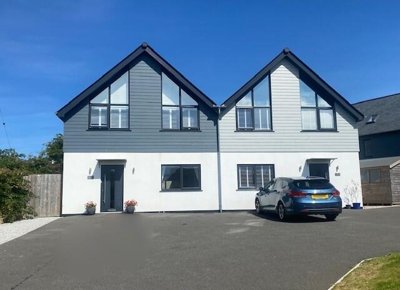
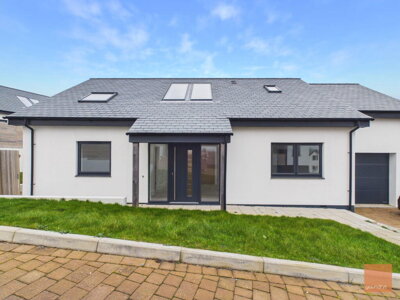
Browse 2 rental homes to rent in TR6 from local letting agents.
The larger property sector typically features multiple bathrooms, substantial reception space, and private gardens or off-street parking. Four bedroom houses in TR6 span detached, semi-detached, and occasionally terraced configurations, with styles ranging from period properties to modern executive homes.
£0/m
0
0
0
Source: home.co.uk
Showing 0 results for 4 Bedroom Houses to rent in TR6.
TR6 has tracked the wider appeal of Cornwall's north coast, with values edging up steadily over recent years. Recent homedata.co.uk data puts average property prices at approximately £384,800, although some figures sit nearer £476,632. Detached homes average around £646,532, semi-detached properties in TR6 come in at about £388,962, terraced homes average around £507,000 for a three-bedroom house, and flats and apartments average £231,160, a lower-cost way into this sought-after coastal patch.
Over the past twelve months, sold price figures on homedata.co.uk point to a 3.29% rise in TR6, a steady result in a market that has had to absorb wider national shifts. Around 50 residential sales were recorded in the last year, which keeps activity at a healthy level. The housing mix is still fairly top-heavy, with approximately 55% detached homes, 20% semi-detached and around 6% terraced properties. From old stone cottages that have stood for more than a century to newer homes built with modern materials and specifications, the stock covers a broad range of price points.
That active sales market feeds through into lettings, and landlords here tend to keep on top of maintenance and upgrades because demand stays strong. Homes nearer the beachfront, especially along Boscawen Street and Cliff Road, usually attract higher rents thanks to their sea proximity, while newer builds on the edge of town can offer a more modern spec at sharper prices. Our local agents can talk through current rental pricing as properties come to market, so the picture is clear before a viewing is booked.

Perranporth and the wider TR6 area have a way of pulling people in, especially those looking to leave city pressure behind. The beach is the main draw, stretching for three miles and giving plenty of scope for surfing, swimming, coastal walks and long pauses to take in the Atlantic. Year-round life is anchored by independent shops, cafes, pubs and restaurants on the main streets, so the place feels lived-in rather than just seasonal. Surf competitions, community festivals and other local events add to that sense of connection.
Tourism and hospitality are big parts of the local economy, alongside small businesses that serve both residents and visitors. Because the north Cornwall coast is so sought after, some homes here are used as second homes or holiday lets, something worth bearing in mind when looking at the character and availability of property in different parts of the postcode. Many houses still use traditional Cornish materials such as local granite and slate, with rendered stone walls that sit within the area’s building traditions. Perranporth also has a Conservation Area, which helps protect the town’s historic character, and that is one of the things many residents value most.
Walk up towards Liskey Hill and you get one of TR6’s more in-demand rental pockets, mainly because the seafront and local amenities are so easy to reach. Higher ground around the town brings wide views across the bay, while homes nearer the centre cut down the walk to the beach and the shops. Our team can talk through which part of TR6 fits best, depending on whether sea views, the surf school, or quick access to the convenience stores on River Street matter most.

For families moving into TR6, the schooling picture begins close to home. Perranporth Primary School serves the local community and takes children from Reception through to Year 6. Based on the school site at Chapel Hill, it draws pupils from the town and nearby villages within the TR6 postcode, so it sits at the centre of family life in the area. The school is known for strong pastoral care and for its links with the local community, with children often taking part in beach-based activities and coastal education programmes that suit the setting.
Older pupils usually travel to schools in nearby towns, with bus links connecting TR6 to secondary schools in Truro and the surrounding area. Penry Community College in nearby Pool offers education from Year 7 through to Year 13, giving a full secondary pathway within reasonable travelling distance of Perranporth. Cornwall Council runs dedicated school transport routes from Perranporth to Penry, which helps families as children move through the system. Some also look towards Truro, where Truro School and Truro High School for Girls offer longer-journey options for those who meet the entrance requirements.
Cornwall also has a small number of grammar schools, and Truro provides the route for children who pass the entrance examination. Families interested in independent education can look at several private schools across Cornwall, some of which offer boarding for those living further afield. Sixth form choices vary too, with some pupils staying on at secondary school while others move to Truro College or another further education provider in the region. Good schools in the wider area make TR6 workable for families at different stages, although secondary-school logistics do need thought.

Getting in and out of TR6 is straightforward enough, although the coastal setting does mean some journeys need a bit of planning. The A3075 links Perranporth with the main trunk roads, putting Truro about 12 miles away and giving access to the A30, Cornwall’s main arterial route. From there, the county connects to Exeter and the M5 motorway, with the drive to Exeter usually taking around 90 minutes. For longer trips, Newquay Airport offers flights to a range of UK destinations and a few European ones, which can save time on business or leisure travel.
Bus travel in TR6 is handled by First Cornwall and other local operators, with routes linking Perranporth to Truro, Newquay and surrounding villages. Route 304 runs regularly between Perranporth and Truro, calling at key points along the A3075, including Goonhaven and Trispen. It is a useful option for shopping in Truro, hospital appointments and reaching the mainline railway station without worrying about parking. Frequencies can be patchier than in urban areas, especially on evenings and weekends, so a bit of advance planning helps if public transport is part of the daily routine.
Truro station opens up rail travel to London Paddington, Plymouth and other major destinations, with the London journey taking around four and a half hours. Regional services across Cornwall also run from the station, so it works well for both work and leisure trips. Day to day, many people in TR6 still find a car the most practical choice, though the town centre is walkable and local journeys can often be done on foot or by bicycle. Cycling has a real following here, helped by the flat terrain around the centre, while the surrounding countryside offers something tougher for those who want it.

Start with the current home.co.uk listings in Perranporth and across the TR6 postcode area, so you can see what sits within budget. From there, weigh up beach access, local amenities and the commute to work. Our platform gives full access to rental properties across the area, with filters for price, property type and number of bedrooms, which makes it easier to narrow the field.
After you have narrowed the list, speak to the estate agents or landlords named on the advert to arrange viewings. Seeing a property in person gives a proper sense of the accommodation, and it lets us spot issues such as damp or maintenance problems that can crop up in older Cornish homes. It also gives time to judge the neighbourhood and the setting around it. Viewing more than one property is usually the sensible move before making a decision.
Before an application goes in, get a rental budget agreement in principle so the numbers are clear from the outset. This document from a financial provider shows that the monthly rent is affordable, and landlords and letting agents are asking for it more often. Having it ready can speed up the process and shows serious intent when several people are chasing the same TR6 property.
Once a property is the right fit, the formal tenancy application goes in through the landlord or letting agent. That usually means proof of identity, evidence of income or employment, references from previous landlords and the rental budget agreement. Homes in desirable coastal spots like TR6 can attract several applications, so having paperwork complete and sent promptly does help.
After acceptance, a tenancy agreement lands for review and signature. This legally binding contract sets out the rent amount, deposit requirements, length of tenancy and the tenant’s responsibilities. Read it closely, and ask about anything that is unclear before signing the document.
Before moving in, carry out a full inventory check and note the condition of both the property and its contents. That protects both sides, as it helps avoid disputes over pre-existing damage when the tenancy ends. Contents insurance is worth arranging, utility accounts need opening, and relevant parties should be told about the change of address, so the move into TR6 starts off smoothly.
Living in TR6 does bring a few local issues that do not come up everywhere else. The coastal environment means properties need close inspection for damp, whether it comes from penetrating moisture driven by Atlantic winds or from rising damp in older homes with poor damp-proof courses. Salt corrosion is another one to watch near the sea, since salt-laden air can speed up deterioration of metal parts, including window frames, structural fixings and utility infrastructure. On viewings, walls, ceilings and window frames should all be checked for moisture damage, staining or salt deposits that suggest exposure-related problems.
Cornwall’s mining history adds another layer to property decisions in TR6, because old mine workings beneath the surface can create ground instability. That background leaves some areas exposed to subsidence, which may not show during a viewing but can become more significant over time. The Perranporth and St Agnes Mining District, a UNESCO World Heritage Site, reflects the area’s rich mining heritage, with abandoned mine shafts and underground workings spread through the local geology. Homes in Conservation Areas gain protection for their historic character, but planning restrictions can limit changes or renovations.
For older homes, or for any property showing signs of structural movement, our team always advises commissioning the right surveys. Renting in TR6 also calls for questions about mining search history, flood risk assessments and any planning constraints tied to the property. Buildings from before 1919 often have solid wall construction, which behaves differently from modern cavity walls and affects both comfort and energy costs. Keeping those local details in view makes it easier to avoid awkward surprises later on.

While rental price data for TR6 is not published consistently, homedata.co.uk gives a useful read on local property values. Detached homes here average around £646,532, semi-detached properties around £388,962 and flats around £231,160 according to recent data. Rents usually follow a percentage of those values, although the actual figure depends on condition, location and the market at the time. Homes close to the beach along Cliff Road, or those with sea views from Liskey Hill, tend to command higher rents, while properties set back from the coast in places like Goonbell may be easier on the budget. For current pricing on a specific property, speak directly to local letting agents.
Perranporth Primary School gives the local area its primary provision and sits conveniently in Chapel Hill for families living in the town. For secondary school, pupils generally move on to schools in nearby towns such as Truro or to Penry Community College in Pool, with school transport links running between TR6 and those institutions. Truro Grammar School and other grammar schools in the Truro area give an academic route for pupils who meet the entry requirements. Catchment areas and admissions rules are worth researching early, because they can shape the options open to children in the area.
Bus services in TR6 connect Perranporth with Truro, Newquay and the surrounding villages, with First Cornwall and other local providers running routes. Route 304 gives regular links to Truro and stops at key villages on the way. Truro railway station, about 12 miles away, provides mainline connections, including direct trains to London Paddington with journey times of around four and a half hours. Newquay Airport handles domestic flights and some international ones for longer trips. Even so, bus frequencies can be limited, especially on evenings and weekends, and many residents find car ownership gives greater flexibility for everyday life.
Perranporth and the TR6 area suit renters who prioritise lifestyle and natural beauty over urban convenience. The three-mile beach, open scenery and outdoor way of life appeal to surfers, walkers and anyone who wants to be close to the coast. Local shops on the main street, cafes and pubs give the town the basics, while Truro fills the gap when bigger retail or commercial facilities are needed. The trade-off is the rural setting, which means a car is often needed for services spread across Cornwall, alongside the seasonal tourism that peaks in summer. Even so, the area offers strong value for anyone after a community feel by the sea.
Under the Tenant Fees Act 2019, standard deposits on rental homes are capped at five weeks' rent, although the exact figure still depends on the property and the landlord’s requirements. You may also come across referencing and credit check fees if the landlord or letting agent charges for application processing. A holding deposit, usually equal to one week's rent, is often needed to take a home off the market while references are checked. These charges should be set out clearly before any application is made. Ask for a written breakdown of all fees, and read exactly what is covered before handing over any money.
Council tax in TR6 falls under Cornwall Council’s jurisdiction, with bands from A through H depending on the property’s assessed value. Most homes in the area sit in bands A through D, with smaller flats usually in the lower bands and larger detached houses in the higher ones. The exact band for a property can be checked through the Valuation Office Agency website or via a solicitor during the tenancy application stage. Council tax bills include Cornwall Council services, police and fire services, and parish council contributions where they apply.
As a coastal town, Perranporth and the surrounding TR6 area face several flooding issues that renters need to understand. Coastal flooding and erosion can affect properties on or near the cliffs and foreshore, especially during severe weather and high tides. The Perranporth Stream runs through the town, so river flooding can affect low-lying areas near its banks, including parts of the town centre and homes along the lower sections. Heavy rain can also bring surface water flooding when drainage capacity is exceeded, particularly where older drainage systems are still in place. The Environment Agency publishes detailed flood risk maps for specific locations. Landlords should provide relevant information during the tenancy process, and renters should make their own enquiries before committing to a home.
Cornwall’s mining past means TR6 and the surrounding area can carry risks from old mine workings below ground. Tin and copper extraction left shafts and underground workings that can lead to instability and subsidence in some places. Homes near the old mine areas may be more exposed, so our team recommends asking for a mining search as part of due diligence. Not every property will be affected, but the geology here makes it something serious renters should understand. A specialist survey can look at the specific risk attached to any property under consideration.
From 4.5%
Get pre-approved for renting with a rental budget agreement in principle
From £120
Comprehensive referencing services for landlords and agents
From £99
Protect your deposit with a professional property inventory
From £60
Energy performance certificates for rental properties
Looking at the full cost of renting in TR6 means going beyond the monthly rent. The usual move-in costs include a security deposit equal to five weeks' rent, held in a government-approved scheme and returned at the end of the tenancy, subject to deductions for damage or unpaid rent. A holding deposit of around one week's rent may also be asked for when the application is accepted, and that is usually set against the security deposit or first month’s rent once the tenancy agreement is signed. Depending on the rent level, those upfront sums can run into several thousand pounds, so it makes sense to plan for them well in advance.
Monthly rent payable in advance is only one part of the ongoing cost of living in TR6. Council tax sits alongside utility bills for gas, electricity and water, plus internet and mobile phone services. Contents insurance is strongly recommended for personal belongings, and TV licensing must be kept up if live television is watched or recorded. Homes with stronger energy ratings will usually be cheaper to heat and power, so checking the EPC rating during a search can give a useful guide to future bills. Coastal weather does mean winter heating costs can be significant, with Atlantic systems bringing cold winds and rain, so good insulation and modern heating can make a real difference even if the rent is a touch higher.
Many renters also join local community groups and make the most of the free things on offer, from beach walks and surfing to the South West Coast Path, so life in TR6 can offer strong value as well as an obvious lifestyle pull. The local leisure centre gives affordable swimming and fitness options, while the beach itself provides endless entertainment without an entry fee. Our team can talk through the full cost of renting particular homes, including estimates of typical utility costs for properties of a similar size and specification in the area.

Properties to Rent In London

Properties to Rent In Plymouth

Properties to Rent In Liverpool

Properties to Rent In Glasgow

Properties to Rent In Sheffield

Properties to Rent In Edinburgh

Properties to Rent In Coventry

Properties to Rent In Bradford

Properties to Rent In Manchester

Properties to Rent In Birmingham

Properties to Rent In Bristol

Properties to Rent In Oxford

Properties to Rent In Leicester

Properties to Rent In Newcastle

Properties to Rent In Leeds

Properties to Rent In Southampton

Properties to Rent In Cardiff

Properties to Rent In Nottingham

Properties to Rent In Norwich

Properties to Rent In Brighton

Properties to Rent In Derby

Properties to Rent In Portsmouth

Properties to Rent In Northampton

Properties to Rent In Milton Keynes

Properties to Rent In Bournemouth

Properties to Rent In Bolton

Properties to Rent In Swansea

Properties to Rent In Swindon

Properties to Rent In Peterborough

Properties to Rent In Wolverhampton

Enter your details to see if this property is within your budget.
Loans, cards, car finance
Estimated property budget
Borrowing + deposit
You could borrow between
Typical borrowing
Monthly repayment
Est. at 4.5%
Loan-to-value
This is an estimate only. Your actual budget may vary depending on interest rates, credit history, and personal circumstances. For an accurate affordability assessment, speak to one of our free mortgage advisors.
This calculator provides estimates for illustrative purposes only and does not constitute financial advice. Your home may be repossessed if you do not keep up repayments on your mortgage. Estimates based on 4.5% interest rate, repayment mortgage. Actual rates depend on your circumstances.
Homemove is a trading name of HM Haus Group Ltd (Company No. 13873779, registered in England & Wales). Homemove Mortgages Ltd (Company No. 15947693) is an Appointed Representative of TMG Direct Limited, trading as TMG Mortgage Network, which is authorised and regulated by the Financial Conduct Authority (FRN 786245). Homemove Mortgages Ltd is entered on the FCA Register as an Appointed Representative (FRN 1022429). You can check registrations at NewRegister or by calling 0800 111 6768.

We use cookies to show you personalised content and improve your experience of our website. Find out more in our Privacy policy and Cookie policy.