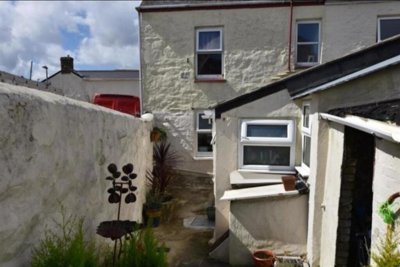
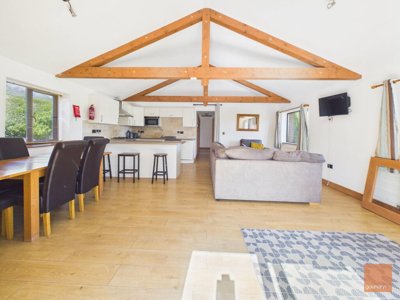
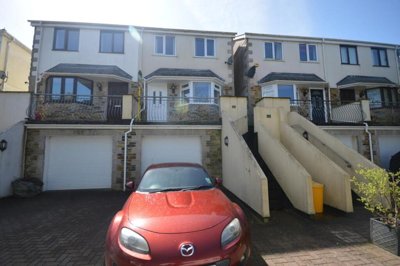
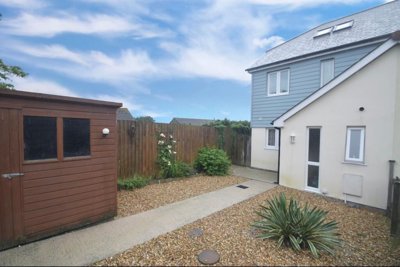
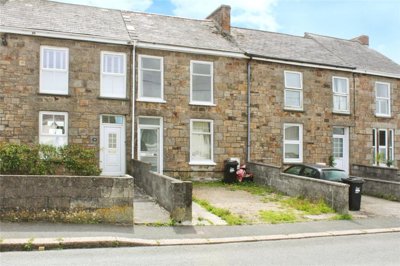
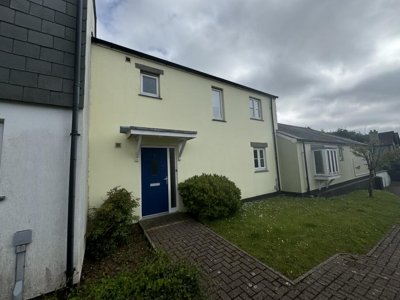
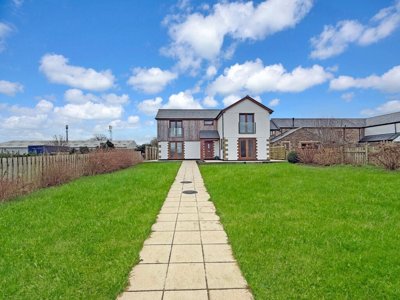
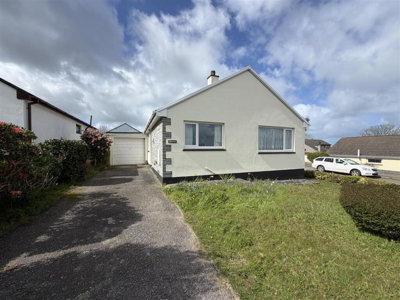
Browse 8 rental homes to rent in TR16 from local letting agents.
Three bedroom properties represent a significant portion of the TR16 housing market, offering space for families with multiple reception rooms and gardens in many cases. Browse detached, semi-detached, and terraced options ranging from period character homes to contemporary developments.
£0/m
0
0
0
Source: home.co.uk
Showing 0 results for 3 Bedroom Houses to rent in TR16.
TR16's rental market draws strength from a varied housing mix that reflects the area's long history and changing building styles. Semi-detached homes make up around 35% of stock, detached properties sit at 30%, terraced houses account for approximately 25%, and flats cover the remaining 10%. That spread gives renters real choice, from compact period cottages suited to individuals or couples to larger family homes with gardens in quieter village spots. Traditional stone-built properties sit alongside newer builds too, so rent levels can differ quite a bit depending on property type, age, and where in the postcode area the home is found.
Over the last twelve months, market analysis shows property values in TR16 have risen by approximately 3%, with semi-detached homes leading the way at 4%. The rise reflects the growing pull of mid-Cornwall as a place to live and work, helped by remote working patterns that let more people look beyond the usual commuter belts. For renters, that points to TR16 as a sensible housing choice, with steady demand helping to support the local rental market.
Older homes add another layer of interest to the TR16 market. Roughly 30-40% of properties predate 1919, a reminder of the mining past and the traditional villages, while a further 20-25% were built between 1945 and 1980. Because so much of the stock is older, renters will often come across solid stone walls, lime mortar, and original slate roofing. Knowing how these homes are put together matters when judging a property and thinking ahead to maintenance.

TR16 brings together a group of distinctive communities that give the postcode its strong Cornish character. Portreath, the main coastal settlement, has the feel of a traditional fishing village, with a sheltered beach, scenic coastal walks, and a close local community. It also carries Conservation Area designation, which helps protect its historic character and architectural heritage for future generations. In Portreath, rental properties range from granite cottages to more modern developments, though homes in this popular coastal spot can be hard to come by.
Head inland and Illogan, together with the edges of Camborne and Redruth, offers day-to-day practicality and good local amenities. Major employers include Cornwall College's Camborne campus, and road links to the Royal Cornwall Hospital at Treliske near Truro are strong. The local economy spans healthcare, education, retail, and the growing tourism sector, so TR16 works well for professionals, families, and retirees. Around 15,000 people live across roughly 6,500 households, which gives the area a friendly, village-like feel without losing the services of a larger community.
Mid-Cornwall's mining heritage shapes much of TR16. Old engine houses, chapels, and dwellings built from local granite and killas slate sit across the landscape, all of them reminders of the area's industrial story. That creates a very distinctive built environment for people who like real Cornish character, though it also means some properties may sit above or close to historic mine workings. Ground stability can be an issue in those cases, and a thorough survey can pick that up.

Families thinking about a move to TR16 will find a decent choice of schools in the postcode and nearby areas. Primary schools take children from Reception through to Year 6, and several have good Ofsted ratings along with strong links to the local community. For secondary education, pupils usually go to schools in Camborne, Redruth, or Truro, with school transport linking those places to outlying TR16 villages. Cornwall College's Camborne campus also gives older students, and adults looking to retrain, access to further education and vocational courses.
Around that core offer, the area also has several faith schools and specialist settings for different learning needs. Parents should always check catchment areas and admission policies before choosing a rental, because allocations can vary quite a bit depending on the exact TR16 location. With approximately 65-75% of homes built before 1980, many schools have deep roots in the communities and long-standing ties with local families.
For family renters in TR16, school transport routes can matter as much as the school itself. Some villages have limited public transport, so access to school bus services may decide which parts of the postcode are practical for households with secondary school children. It is worth checking those arrangements before taking a tenancy, as it can save a lot of daily hassle later on.

The TR16 area is centred on the mainline stations at Camborne and Redruth, both of which run direct services to Truro, Plymouth, Exeter, and London Paddington. Camborne station in particular gives regular links to larger cities, so the area suits commuters who want to work elsewhere while living with coastal and countryside surroundings. The A30 trunk road also runs through the area, keeping Cornwall well connected and linking onwards to the M5 motorway beyond Exeter for longer journeys.
Bus services link the villages and communities across TR16, although they are usually less frequent than in bigger towns and cities. For people with cars, the A30 opens up jobs across Cornwall, including the growing commercial centres around Truro and the business parks expanding near Camborne. Cycling links are improving too, with some routes joining coastal and inland communities, though the hilly ground in parts of TR16 may be a challenge for less confident cyclists. Parking varies by place, village centres often have limited on-street spaces, while newer estates usually include allocated parking.
Because Portreath sits on the coast and the terrain changes around it, transport issues can look different from one part of TR16 to another. In coastal areas, severe weather can disrupt road access, especially where flooding or erosion affects low-lying routes. Inland villages generally have more reliable roads, though some of the lanes are single-track and call for confident driving from anyone new to the rural network.

Before starting a search in TR16, it helps to set a clear budget that covers monthly rent, council tax, utility bills, and moving expenses. Our rental budget tool can give you a better idea of what fits before you start viewing homes in Camborne, Redruth, Illogan, or Portreath. Older TR16 properties, especially those with solid walls built before 1980, may also bring higher heating bills in Cornish winters because they tend to insulate less well than modern cavity-wall homes.
Every village and neighbourhood in TR16 has its own feel. Spend time in Portreath if coastal living, beach access, and scenic walks matter most. Look at Illogan if you want a quieter village setting away from tourist traffic. Or focus on the edges of Camborne and Redruth if shops, schools, and train services matter more. Getting a feel for each area's strengths and drawbacks will help us match the right place to the way you live.
Once you have a shortlist, get in touch with the listing agents to book viewings. We would suggest having proof of identity, right to rent documentation, and references from previous landlords or employers ready to go. Cornwall's coastal rental market can move quickly, so having everything to hand gives you a better chance of acting fast on the right property. In Portreath, where demand for rentals often outstrips supply, being prepared to move quickly can make all the difference.
For TR16 rental homes, especially older properties built before 1980, a RICS Level 2 Survey can highlight concerns such as damp, roof defects, timber decay, or signs of subsidence linked to historical mining activity. In the TR16 area, survey costs usually start at £1,388 for a standard three-bedroom property, while larger detached homes may cost £1,700 or more. Surveys are often linked with purchases, but renters committing to longer tenancies in older homes can also benefit from knowing the condition of the property before they sign.
Some homes in TR16 may sit in flood risk areas, especially near Portreath and in low-lying valleys where surface water can build up after heavy rain. Cornwall is also a high radon area, so it makes sense to ask about radon testing and any mitigation already in place. Properties in conservation areas or listed buildings can bring extra limits on alterations, and homes built before 2000 may contain asbestos in some building materials that need specialist handling during maintenance or renovation work.
After terms are agreed with the landlord, you will sign a tenancy agreement and pay a deposit, usually capped at five weeks' rent under current rules. We also advise asking for a copy of the government's How to Rent guide and reading through your responsibilities for maintenance and the end-of-tenancy process. In TR16, where a significant proportion of homes are over 50 years old, pay close attention to clauses dealing with heating systems, roof repairs, and damp treatment, since those issues come up often in the local stock.
Renting in TR16 calls for a close look at a few local factors that may not stand out in a standard viewing. Homes built from traditional Cornish stone, especially those built before 1919, often have solid walls and lime-based mortar, so they need a different maintenance approach from modern cavity-wall construction. They can be lovely and full of character, but insulation, damp penetration, and thermal efficiency can all be more challenging, and tenants should understand that before they commit.
The mining past of mid-Cornwall means some TR16 properties may lie above or near historic mine workings, which can raise ground stability concerns. Serious subsidence is not common, though localised problems can happen, particularly after heavy rain or where clay-rich soils change with moisture. TR16 is underlain mainly by Devonian and Carboniferous sedimentary rocks, including slates, shales, and sandstones, often intruded by granite, so ground conditions can vary across the postcode. A thorough survey can pick up movement or structural issues, which matters for tenants planning a longer stay in older homes.
Coastal exposure matters too, especially in and around Portreath, where salt-laden winds can wear down external details such as window frames, doors, and roof coverings. Properties close to the sea may need repainting or maintenance more often to keep them looking good and performing as they should. Tenants should look closely at these features and understand what upkeep falls to them during the tenancy. If a property has been repainted recently, or the external timber has been treated, that often says a lot about how well it has been looked after and what costs might crop up later.
Electrical and plumbing systems in older TR16 homes often need careful checking. In properties built before the 1970s, wiring and pipework may not meet current safety standards, and many older houses still run on original or only partly updated systems. When viewing, ask about the age and condition of the electrical consumer unit, whether the property has been rewired, and when the heating system was last serviced. Outdated systems can push up utility costs and may lead the landlord to carry out upgrades during your tenancy.

We cannot quote exact rental prices without current listings, but TR16 generally comes in below more sought-after Cornish spots such as Truro or St Ives. Property values in the area average around £1,439 for purchase, with semi-detached homes typically priced from £1,388 and terraced properties from £1,014. Rental levels usually track those figures, so larger family homes command higher monthly rents than one- or two-bedroom apartments. Portreath's coastal premium means rents there can sit above similar inland homes, particularly where there are sea views or easy beach access.
Cornwall Council handles council tax in TR16, and the band for each property depends on its valuation. Homes in the area fall across bands A through to H, although most family properties sit in bands B to D. You can check the band for a specific home through Cornwall Council's online council tax lookup service, using either the property address or the unique property reference number. When planning a rental budget in TR16, remember that Cornwall Council sets the council tax bills, and those charges cover refuse collection, recycling services, and local authority funding.
Several primary schools serve the villages in the TR16 postcode, while secondary pupils usually attend schools in Camborne, Redruth, or nearby areas. School performance and ratings should always be checked on the Ofsted website, as they can change over time. Cornwall College's Camborne campus is close by for further education. If you rent in TR16, check which catchment area applies to the property address, because admissions can be strict about where you live. Families should also think about transport for secondary school children, especially in the more rural parts of the postcode where school buses may run on limited schedules.
TR16 is well served by the mainline stations at Camborne and Redruth, both of which offer direct trains to Truro, Plymouth, Exeter St Davids, and London Paddington. Local bus routes connect the villages, although some services run infrequently, especially in the evenings and at weekends. The A30 trunk road gives access to the wider Cornwall road network. For day-to-day commuting to major employers, proximity to the railway stations and main roads should sit near the top of your search list. Homes in Portreath and other coastal places may involve longer journeys to the stations than properties in Illogan or near Camborne and Redruth.
TR16 brings together affordability, natural beauty, and useful transport links, which makes it a strong fit for renters. Portreath gives access to striking Cornish coastline, there is excellent walking countryside, and the road and rail links connect well with jobs across the region. The housing mix is broad enough to suit different budgets and household types, from compact flats for one person to larger family homes with gardens. Add the strong sense of community in the villages and the day-to-day amenities in nearby towns, and you get a balanced way of life for anyone looking to put down roots in mid-Cornwall.
Under current tenant protection rules, deposits for rental homes in England are capped at five weeks' rent where the annual rent is less than £1,439. Renters should not be charged fees banned under the Tenant Fees Act 2019, including referencing, administration, or inventory checks above permitted levels. Allowed payments can include a refundable holding deposit of up to one week's rent and reasonable costs for ending a tenancy early if the tenant asks for that. We always recommend getting a written breakdown of any charges before you proceed with an application.
Surface water flooding can affect parts of TR16, particularly low-lying areas, valley bottoms, and places near smaller watercourses. Portreath and other coastal locations also carry some risk of coastal flooding and erosion, especially in severe weather. Before you commit to a rental, check the Environment Agency flood risk maps for the exact address and ask the landlord or letting agent about any past flooding or drainage problems in the property or the immediate neighbourhood. Tenants should also know what flood prevention steps they are expected to take during the tenancy and whether contents insurance covering flood damage is provided by the landlord.
Cornwall is a known high radon area, and properties in TR16 may need radon testing and mitigation to provide safe living conditions. Radon is a radioactive gas that occurs naturally in some geological formations and can build up in buildings, especially where ventilation is limited or the home sits on granite-rich ground. When renting in TR16, ask whether radon testing has already been done and what the results were. If elevated levels have been identified, the property may have a mitigation system such as a sump or positive ventilation unit, and that should be maintained during the tenancy. If no testing has been carried out, renters can arrange for a measurement kit to be placed in the property, with the landlord usually covering the cost if asked.
From 4.5%
Calculate what you can afford to spend on rent each month
From £499
Comprehensive tenant checks including credit history and employment verification
From £450
Professional survey identifying defects in properties of any age
From £95
Energy performance certificate required for all rental properties
Moving into rental accommodation in TR16 brings several costs beyond the monthly rent. The initial outlay will normally include a security deposit capped at five weeks' rent, an advance payment of one month's rent, and possibly a holding deposit to reserve the property while referencing and paperwork are completed. First-time renters may also need to set aside money for removals, new furniture or appliances if the property is unfurnished, and connection fees for utilities and internet services.
Monthly costs go beyond the rent itself, so it is wise to factor in council tax, which depends on the band for your specific Cornwall property, utility bills for gas, electricity, and water, and contents insurance, which we strongly recommend even in rented homes. In TR16, homes with poor insulation, especially the older solid-walled properties common in the area, may bring higher heating costs during Cornish winters. The coastal setting can also mean higher insurance premiums because of flood or storm exposure, so it is sensible to talk through those costs with your landlord before you sign the tenancy agreement.
Looking ahead to a future purchase in TR16, property prices have shown steady growth of approximately 3% over the past year, with semi-detached homes showing particular strength at 4% appreciation. Beginning your renting journey in Camborne, Redruth, Illogan, or Portreath gives you time to save for a deposit while you build a better feel for the local property market and community before buying. With 65-75% of homes in TR16 built before 1980, renting first also gives you a chance to understand the maintenance demands and possible issues that come with older Cornish properties before taking on homeownership in this distinctive part of Cornwall.

Properties to Rent In London

Properties to Rent In Plymouth

Properties to Rent In Liverpool

Properties to Rent In Glasgow

Properties to Rent In Sheffield

Properties to Rent In Edinburgh

Properties to Rent In Coventry

Properties to Rent In Bradford

Properties to Rent In Manchester

Properties to Rent In Birmingham

Properties to Rent In Bristol

Properties to Rent In Oxford

Properties to Rent In Leicester

Properties to Rent In Newcastle

Properties to Rent In Leeds

Properties to Rent In Southampton

Properties to Rent In Cardiff

Properties to Rent In Nottingham

Properties to Rent In Norwich

Properties to Rent In Brighton

Properties to Rent In Derby

Properties to Rent In Portsmouth

Properties to Rent In Northampton

Properties to Rent In Milton Keynes

Properties to Rent In Bournemouth

Properties to Rent In Bolton

Properties to Rent In Swansea

Properties to Rent In Swindon

Properties to Rent In Peterborough

Properties to Rent In Wolverhampton

Enter your details to see if this property is within your budget.
Loans, cards, car finance
Estimated property budget
Borrowing + deposit
You could borrow between
Typical borrowing
Monthly repayment
Est. at 4.5%
Loan-to-value
This is an estimate only. Your actual budget may vary depending on interest rates, credit history, and personal circumstances. For an accurate affordability assessment, speak to one of our free mortgage advisors.
This calculator provides estimates for illustrative purposes only and does not constitute financial advice. Your home may be repossessed if you do not keep up repayments on your mortgage. Estimates based on 4.5% interest rate, repayment mortgage. Actual rates depend on your circumstances.
Homemove is a trading name of HM Haus Group Ltd (Company No. 13873779, registered in England & Wales). Homemove Mortgages Ltd (Company No. 15947693) is an Appointed Representative of TMG Direct Limited, trading as TMG Mortgage Network, which is authorised and regulated by the Financial Conduct Authority (FRN 786245). Homemove Mortgages Ltd is entered on the FCA Register as an Appointed Representative (FRN 1022429). You can check registrations at NewRegister or by calling 0800 111 6768.

We use cookies to show you personalised content and improve your experience of our website. Find out more in our Privacy policy and Cookie policy.