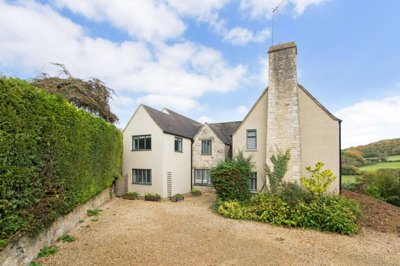
Browse 1 rental home to rent in Stroud, Stroud from local letting agents.
The larger property sector typically features multiple bathrooms, substantial reception space, and private gardens or off-street parking. Four bedroom houses in Stroud span detached, semi-detached, and occasionally terraced configurations, with styles ranging from period properties to modern executive homes.
£0/m
0
0
0
Source: home.co.uk
Showing 0 results for 4 Bedroom Houses to rent in Stroud, Stroud.
Stroud’s rental market draws strength from both period homes and newer schemes, so there is usually something to suit a wide mix of budgets and ways of living. Terraced houses tend to start from around £800 per month, while larger family homes can reach £1,400 to £2,000 or more, depending on location and features. In the town centre, flats and apartments usually sit between £650 and £1,100 per month, which keeps local shops and transport close at hand. The premium Cotswold setting keeps rents competitive in the context of demand, because the area remains highly sought after and the housing stock is strong.
New build schemes such as The Steppes on GL5 add a more contemporary choice, with energy-efficient homes and open-plan layouts that often suit young professionals and downsizers. Allocated parking and private gardens are common selling points, and in Stroud those details matter, because older housing stock often does not offer them. Old and new sit side by side here, giving renters the option of Cotswold stone character or the ease of a freshly built home. On the sales side, values have stayed relatively steady over the past twelve months, with average prices hovering between £350,000 and £370,000, and that steadiness feeds through into rental demand across the district.
For anyone focused on properties to rent in Stroud, the best value is often found a little way from the town centre. Victorian terraces on roads like Folly Lane and York Street bring plenty of character without the highest price tags. By contrast, semi-detached family homes in neighbourhoods such as Cainscross Road and The Leazes usually attract higher rents, helped by good schools nearby and larger gardens. The recent completion of the A419 corridor improvements has also made the eastern side of the district more appealing to commuters, and villages like Stonehouse have gained from better connectivity while still keeping rental costs below central Stroud levels.

Stroud district has approximately 120,000 residents across around 50,000 households, so it feels established without losing its community edge. Its story runs from wool and cloth production into a modern mix of creative industries, artisan manufacturing, and professional services. A weekly farmers market, independent bookshops, craft studios, and a cinema all speak to the town’s cultural pull. Set against the Stroud Valleys, the area also encourages a more outdoor way of life, with footpaths, cycling trails, and green spaces giving renters plenty of room to breathe.
Much of Stroud’s housing stock reflects that long history, with around 30% detached homes, 30% semi-detached, 20% terraced, and approximately 10-15% apartments and flats. That spread gives renters room to match a home to their circumstances, from a single professional wanting a compact flat to a family after a larger Victorian semi-detached house. Cotswold stone is the defining material, and many pre-1919 properties still have solid walls, original fireplaces, and period detail that newer homes cannot easily copy. For those who prefer lower maintenance and better energy performance, modern developments offer a different route, and the market remains broad across price points.
The renter base here is varied too, stretching from young creative professionals drawn to the town’s artistic reputation to retired couples downsizing from larger village homes. Stroud General Hospital and Stroud District Council provide stable public sector employment, which helps support local demand. At the same time, the creative and artisan economy attracts people who value lifestyle as much as commuting convenience. Many renters look at Stroud as an alternative to Bristol and Cheltenham, where costs can be higher, but without giving up sensible travel links or quality of life.

Families who rent in Stroud will find a strong network of schools from early years through to further education. Primary schools in the town and surrounding villages are varied, many have strong Ofsted ratings, and catchment areas can be very specific, so we always suggest checking them carefully before a tenancy is agreed. Secondary options include comprehensives and specialist schools, with performance data available through government transparency measures. Stroud Primary School and Marling School are long-established names, and they often come up when families explain why they chose the area.
For older pupils, Stroud High School sixth form and the local college keep further education within the district. The academic calendar and term dates follow the Gloucestershire Local Authority schedule, so families should check those dates if they are planning a move. Secondary school travel often relies on dedicated bus services, although many schools are near enough to residential streets that cycling and walking are realistic for older children. That education offer is a big part of Stroud’s family appeal, and homes in strong school catchments often command premium rents because of it.
Beyond mainstream schooling, Stroud has a progressive feel that shows in its extracurricular and alternative education choices. Several Waldorf and alternative primary schools serve families looking for a different approach, and the local college adds vocational courses alongside academic A-level routes. Catchment boundaries can be tricky in rural areas, so villages like Amberley and Woodchester may fall into different admission areas from what their map position suggests. Before a tenancy is finalised, we recommend checking the Gloucestershire County Council school admissions portal, so children can reach preferred schools without long daily journeys.

Stroud railway station gives the town useful rail links, with regular services to Gloucester and Cheltenham taking approximately 30 and 45 minutes respectively. There are also direct trains to Swindon and London Paddington, with journeys to the capital averaging around 90 minutes, which makes the town a workable base for London commuters who want Cotswold living. Bristol is reachable in approximately 50 minutes by train or just over an hour by road, opening up more employment options in the south west. Parking and good cycling access at the station help those who prefer to combine different travel modes.
The M5 motorway is within a short drive, so Birmingham, Exeter, and the wider national motorway network are all within reach for drivers. Bus routes run by Stagecoach and other providers connect Stroud with nearby villages and towns, giving non-drivers important local links. The Five Valleys topography can make cycling tough in places, although dedicated cycling routes and the compact town centre still make many everyday journeys practical by bike. For tenants moving from larger urban areas, the drop in traffic congestion and the shorter commute can feel like a real change for the better.
For those travelling towards Swindon or the M4 corridor, the A419 and A46 road corridors offer another route, and the improved dual carriageway has cut journey times compared with the older road layout. Renters in villages like Dursley or Stonehouse may find those roads especially useful, although the cost of commuting should still be worked into the budget. Park-and-ride facilities at Stroud station give people living a little further out a way to avoid town centre parking charges while still using direct rail services to major cities.

Before starting viewings, we suggest securing a rental budget agreement in principle. A mortgage broker or financial adviser can provide this, confirming how much rent you can afford and helping landlords see that the application is realistic. It also keeps the search focused. In a market like Stroud, where popular homes often receive multiple applications, that sort of preparation can make a real difference.
Current listings on Homemove are a good place to start, and local letting agents who manage rental properties in Stroud are worth registering with as well. Once viewings are arranged, take notes on condition, location, and the details that set one property apart from another. Agents in the area cover the full spread, from compact flats near the station to substantial family homes in surrounding villages, so there is usually a wide enough pool to compare.
Before you sign a tenancy agreement, we would suggest booking a RICS Level 2 Survey on the property. Stroud’s older housing stock, with over 70% of properties predating 1976, can hide issues such as damp, roof defects, or subsidence risk, all of which may affect your decision or the terms you negotiate. Survey costs for a typical 3-bedroom property in Stroud range from £450 to £700, and that is modest beside the cost of unexpected repairs.
Once the right property is found, the application goes through the letting agent with references, proof of income, and the rental budget agreement. Identification and permission for credit checks are usually needed as part of tenant referencing. In high-demand parts of Stroud, the supporting paperwork may be requested within 24 hours, so having everything ready in advance gives applicants a useful edge.
It is worth reading the tenancy agreement line by line before signing, particularly the clauses on rent payments, maintenance responsibilities, and the length of the tenancy term. If anything is unclear, the letting agent or a solicitor can explain it. In Stroud, standard Assured Shorthold Tenancies usually run for 6 or 12 months, with rent typically payable monthly in advance.
Before moving into a new Stroud home, arrange the deposit protection scheme registration, the inventory check, and the utility transfers. Dated photographs are sensible too, because they give a clear record of the property’s condition. That matters most in period homes, where wear may already be visible, and thorough records can prevent disputes over deposit deductions later on.
Stroud properties bring a few local points that renters should look at carefully before committing to a tenancy. Because Cotswold stone construction is so common, many homes have solid walls rather than cavity insulation, which can mean higher heating bills and condensation in winter. Damp should be checked, especially in ground floor rooms and basements where moisture ingress is more likely. Period properties often have stone-tiled roofs too, and a survey can show up defects that could later become the tenant’s responsibility under the tenancy agreement.
Flood risk is another practical issue in some parts of Stroud, thanks to the valley setting and the River Frome. Homes close to watercourses or in lower-lying spots may face higher insurance premiums or restrictions on contents cover. Many residential streets also sit within conservation areas, so external changes to rented property generally need both landlord consent and planning permission from the local authority. That matters if a tenant wants to personalise the home, because unauthorised alterations can breach the tenancy conditions and put the landlord’s planning consent at risk.
Parts of the area sit on clay geology, and that can create subsidence and heave issues, especially where mature trees or poor drainage are involved. A professional survey will assess foundation stability and look for movement that might need repair. Large gardens deserve extra attention too, because tree roots can affect foundations and underground services over time. These are the kinds of local factors that help renters judge long-term costs more accurately.
Older Stroud homes often need attention to electrical and plumbing systems, and many properties built before 1980 still have original wiring that no longer matches current safety standards. It is sensible to check the Consumer Unit (fusebox) and ask whether modern RCBO protection and recent electrical testing are in place. Plumbing from the mid-twentieth century may include materials that corrode or leak, and any property with original lead pipes should prompt a request for replacement as part of the negotiations. Properties built before 2000 may also contain asbestos, with Artex ceiling finishes, pipe lagging, and old floor tiles all needing specialist assessment before works disturb them.

Rental figures vary by property type and condition, but the market in Stroud usually sits at approximately £650-£1,100 per month for flats and apartments, £800-£1,400 for terraced and semi-detached houses, and £1,400-£2,000 or more for larger detached family homes. That pricing reflects the premium Cotswold location and the strong demand from people who want the lifestyle Stroud offers. Homes with parking, gardens, or recent renovations tend to sit toward the upper end of those ranges. Flats near Stroud railway station are often especially sought after by commuters, while villages like Painswick may price differently even where journey times are similar.
Stroud properties fall under Stroud District Council and are placed in council tax bands A through H according to assessed value. Band A homes may pay around £1,200-£1,400 annually, while Band H properties can exceed £3,600 per year. Before a tenancy is signed, the council tax band should be confirmed with the letting agent or landlord, because it is part of the ongoing cost of renting in the area. Larger period homes with multiple bedrooms often fall into the higher bands, which can push up the total cost of living in premium areas like the historic town centre.
Stroud has several well-regarded schools, including Stroud Primary School, Marling School, and Stroud High School, serving the town and nearby villages. When choosing a rental property, Ofsted ratings and performance data should be checked, since catchment areas can shape which schools children can actually attend. Parents are also advised to confirm current admission arrangements with Gloucestershire County Council before committing to a tenancy. In the Stroud valley area, schools such as Thomas Keble Primary and Redley Primary serve different village catchments, and those can differ even between places only a few miles apart.
Rail travel from Stroud station is straightforward, with direct services to Gloucester (30 minutes), Cheltenham (45 minutes), and London Paddington (90 minutes). Buses link the town to surrounding villages and towns, and the M5 motorway is easy to reach by car. For tenants who commute to larger cities or prefer lower-impact travel, Stroud has stronger connectivity than many similar Cotswold towns. Arriva and First Group buses also run routes to Dursley, Berkeley, and Thornbury, linking up with train services for onward travel.
Stroud is regularly seen as one of the most desirable places to live in the south west, and it is easy to see why. Scenic surroundings, a strong community feel, and practical access to major employment centres all come together here. The rental market covers a good spread of property types and price points, while independent shops, cafes, and cultural venues add to the day-to-day appeal. During the summer months, demand can be brisk, especially in popular areas, and the Saturday market, festivals, and nearby countryside walks make the town especially attractive to families and creative professionals who want a balanced life.
Standard deposits in Stroud are equal to five weeks rent, and they must be protected in a government-approved scheme within 30 days of the tenancy start date. Tenant referencing fees usually fall between £100-£200, although extra costs can arise for guarantors or right-to-rent checks. As of 2024-25, first-time renters paying rent on properties up to £425,000 may qualify for relief on certain upfront costs, although that depends on individual circumstances. We always recommend asking for a full fee breakdown from the letting agent before an application goes any further. Some local agents have moved to zero-fee models, so comparing costs across several firms is sensible.
During viewings for properties to rent in Stroud, pay close attention to the age and construction materials, since Cotswold stone and solid-wall homes can behave quite differently from modern cavity-wall buildings. Look for damp in corners and behind furniture, inspect the roof for slipped or missing tiles, and check whether the boiler has had a recent service. If there is a large garden, make sure the tenancy agreement is clear about maintenance, because Stroud’s clay soil can create serious subsidence problems where trees are too near the foundations.
Stroud is generally a sought-after area, although certain locations do call for extra thought. Low-lying properties near the River Frome may face higher flood risk, and insurance premiums can be substantially greater as a result. Streets near the railway station, where commuter parking is heavy, may not suit people without vehicles because spaces are limited. By contrast, higher villages in the Cotswolds may enjoy stronger mobile signal but have fewer local amenities, so residents may need to travel to Stroud centre for shopping and services.
From 4.5%
Affordability check before renting, from 4.5%
From £99
Employment and credit checks for landlords
From £450
Detailed survey for Stroud properties, from £450
From £85
Energy performance certificate for rental properties
Knowing the upfront costs of renting in Stroud makes budgeting much easier and helps avoid surprises during the application process. Under the Tenant Fees Act 2019, the security deposit is capped at five weeks rent and must be protected in a government-approved deposit scheme such as mydeposits, DPS, or TDS within 30 days of receiving it. That protection means tenants can recover the deposit at the end of the tenancy, minus any legitimate deductions for damage or unpaid rent. It is wise to hold funds equal to six weeks rent in total, because the deposit sits separately from the first months rent payment.
Tenant referencing usually costs between £100 and £200, and that typically covers credit checks, employment verification, and landlord references from earlier tenancies. Some letting agents fold those costs into their administration fees, while others ask applicants to pay them directly. If there is no UK rental history, a guarantor may be needed, which can bring extra paperwork and extra cost. First-time renters in England may be able to benefit from reduced upfront costs on properties that meet certain criteria, although eligibility should always be checked with the letting agent or a financial adviser before any assumption is made.
Moving costs also deserve a place in the budget, including removals services, utility connection fees, and contents insurance. Where a property in Stroud has a larger garden, extra maintenance costs may apply if the tenancy agreement places that responsibility on the tenant. Taking this broader view of the numbers helps new tenants settle into their Stroud home without financial strain, so they can focus on making a life in this distinctive corner of the Cotswolds. For those moving from London or other major cities, the higher monthly rents in desirable Stroud postcodes can still look reasonable once commuting, parking, and general living expenses are all taken into account.
Properties to Rent In London

Properties to Rent In Plymouth

Properties to Rent In Liverpool

Properties to Rent In Glasgow

Properties to Rent In Sheffield

Properties to Rent In Edinburgh

Properties to Rent In Coventry

Properties to Rent In Bradford

Properties to Rent In Manchester

Properties to Rent In Birmingham

Properties to Rent In Bristol

Properties to Rent In Oxford

Properties to Rent In Leicester

Properties to Rent In Newcastle

Properties to Rent In Leeds

Properties to Rent In Southampton

Properties to Rent In Cardiff

Properties to Rent In Nottingham

Properties to Rent In Norwich

Properties to Rent In Brighton

Properties to Rent In Derby

Properties to Rent In Portsmouth

Properties to Rent In Northampton

Properties to Rent In Milton Keynes

Properties to Rent In Bournemouth

Properties to Rent In Bolton

Properties to Rent In Swansea

Properties to Rent In Swindon

Properties to Rent In Peterborough

Properties to Rent In Wolverhampton

Enter your details to see if this property is within your budget.
Loans, cards, car finance
Estimated property budget
Borrowing + deposit
You could borrow between
Typical borrowing
Monthly repayment
Est. at 4.5%
Loan-to-value
This is an estimate only. Your actual budget may vary depending on interest rates, credit history, and personal circumstances. For an accurate affordability assessment, speak to one of our free mortgage advisors.
This calculator provides estimates for illustrative purposes only and does not constitute financial advice. Your home may be repossessed if you do not keep up repayments on your mortgage. Estimates based on 4.5% interest rate, repayment mortgage. Actual rates depend on your circumstances.
Homemove is a trading name of HM Haus Group Ltd (Company No. 13873779, registered in England & Wales). Homemove Mortgages Ltd (Company No. 15947693) is an Appointed Representative of TMG Direct Limited, trading as TMG Mortgage Network, which is authorised and regulated by the Financial Conduct Authority (FRN 786245). Homemove Mortgages Ltd is entered on the FCA Register as an Appointed Representative (FRN 1022429). You can check registrations at NewRegister or by calling 0800 111 6768.

We use cookies to show you personalised content and improve your experience of our website. Find out more in our Privacy policy and Cookie policy.