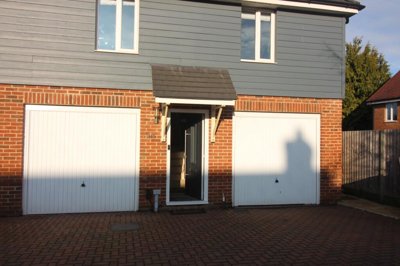
Browse 1 rental home to rent in St. Mary Bourne from local letting agents.
Mary Bourne. The 2 bed house market features detached, semi-detached, and terraced properties with two separate bedrooms plus living spaces. Properties in St. Mary Bourne range from Victorian and Edwardian period homes to modern new builds, with pricing varying across different neighbourhoods.
St. Mary Bourne’s rental stock tends to be made up of one-off village homes, not units in a big managed block or estate. We have not found any active large-scale new-build schemes in the SP11 area, so most lettings come from existing housing or small infill projects of one to three properties. That keeps supply tight. It also means the homes that do appear often offer more space, character and outside room than you might expect in a busier commuter town. Well-presented listings can draw interest quickly because turnover is low and the pool of choice is naturally limited.
The older housing here is part of what draws people in, but it also affects what we think renters should inspect with care. Traditional brick, flint, timber-framed and rendered houses are common, and some older cottages still use chalk cob or wattle and daub beneath painted finishes. Clay tiles and slate show up regularly on roofs, so condition matters just as much as kerb appeal when you view. Local geology includes chalk, with clay-with-flints in places, which can bring shrink-swell risk, and homes near the Bourne Rivulet may call for extra caution around flooding and damp.

With roughly 1,200-1,500 residents and around 450-600 households, St. Mary Bourne feels notably quieter than the nearby towns. It sits in classic north Hampshire countryside, where chalk land, hedgerows and the Bourne Rivulet shape both the view and the way the village has grown. The result is a settled rural parish with more traditional cottages, farmhouses and family houses than large apartment schemes. Renters who want space, calmer streets and a clear village identity often settle in easily here.
Much of the historic centre falls within a Conservation Area, and the number of listed buildings gives the village real continuity. St. Peter’s Church, the older lanes and the historic houses all play a part in that character, while nearby countryside paths and quiet roads make everyday life feel closely tied to the outdoors. Amenities are practical rather than wide-ranging, which suits people who prefer a village rhythm over constant high-street activity. For anyone wanting local history and landscape woven into daily life, St. Mary Bourne fits well.
Families renting here usually have to think beyond the parish itself, as St. Mary Bourne is small and school choice often comes down to where a place is actually available. Rural Hampshire can be competitive, so we would check admissions maps, transport options and current Ofsted reports before committing to a tenancy. We also suggest matching the home you like against the real school run, not just the distance marked on a map. A good house in the wrong catchment can make the move feel harder than it needed to be.
Most renters will end up looking across the wider Test Valley area for primary and secondary choices, with Andover and Whitchurch often coming into the picture. We do not want to overstate individual schools or inspection grades without current verification, so the safest route is to check each school’s latest admissions policy and Ofsted status directly before you apply. For older children, a practical route to sixth-form or college provision may matter just as much. In a rural parish like this, education planning is often about logistics as much as ratings.

Commuting tends to work best here if you are content to use nearby towns as your transport hubs. Many residents drive to Andover or Whitchurch for rail services, then travel onwards to London, Winchester or other regional centres. St. Mary Bourne itself is rural, so quiet roads, limited bus frequency and route-dependent journey times are part of the picture. That is why we advise getting a rental budget agreement in principle before you start viewing, because travel costs need to sit comfortably alongside the rent.
For drivers, the parish is well positioned for the A303 corridor and other routes across north Hampshire, handy if you travel towards Newbury, Salisbury or the wider M3 and A34 network. The local lanes can be narrow, scenic and slower than town roads, so a trip that looks short on a map may take longer in real life. Parking is often easier than in denser areas, although older cottages and Conservation Area homes can have tighter driveways or less on-street space. If the car is central to your routine, we would check access, turning room and winter conditions while viewing.
Cycling suits confident riders best, particularly for local errands and leisure trips, but the rural road pattern means visibility and traffic speeds matter. Buses help with some journeys, though they are unlikely to replace a car for day-to-day flexibility in the way a town service might. Hybrid workers often like the balance here, because a few commuting days each week can sit neatly alongside village life. The sensible call is to weigh rail, road, parking and your real timetable together, rather than leaving transport until last.
Begin with the kind of home you actually want, then weigh up cottages, semi-detached houses and larger detached properties in the village core and around the edges of the parish.
We would secure a rental budget agreement in principle early, then factor in travel, council tax, heating and broadband so the monthly total feels grounded in reality.
In a small rural market, suitable homes can go quickly, so it makes sense to arrange viewings as soon as you spot a property that matches your needs.
During viewings, ask directly about damp, roof condition, heating, flooding and any work carried out to older brick, flint or timber-framed homes.
Before applying, confirm the deposit, holding deposit, inventory, EPC rating and any rules covering pets, parking, outbuildings or garden upkeep.
It helps to line up references, set up utilities and sort access details early, so the move feels calm instead of rushed.
One of St. Mary Bourne’s biggest draws is its older housing stock, though that does mean closer inspection matters. Pre-1919 cottages, farmhouses and village houses can be full of charm, but they often call for more attention around damp, roof condition, timber repairs and heating efficiency. We would ask whether ventilation has been improved, whether windows are original or upgraded, and whether patch repairs were carried out after earlier leaks. A house that feels quaint on day one can become costly if upkeep has been allowed to drift.
Flood risk needs proper attention in this village, because the Bourne Rivulet runs through it and surface water can build up in heavy rain. Ask the landlord or agent whether the property has ever taken in water, what drainage work has been done and whether any insurance claims have been made. Ground movement is another local issue, particularly where clay-with-flints sit over the chalk, so cracks and sticking doors should be checked rather than brushed off as age alone. A RICS Level 2 survey is useful for many homes here, while listed or unusually complex buildings may need a fuller RICS Level 3 Building Survey.
Flats are uncommon here, but if you do find one, we would look closely at lease length, service charges and any ground rent that still applies. Converted village buildings may also involve shared maintenance arrangements, so it helps to know who is responsible for roofs, drains, trees and boundary walls. In conservation settings, exterior changes can be restricted, which matters if you had plans for satellite dishes, garden structures or visible alterations. The right rental choice is the one that suits your day-to-day life and comes with paperwork you fully understand.
There is no single official rental average for St. Mary Bourne, as the market is small and the homes vary a great deal. What the wider local housing picture does show is that average values sit around £600,000-£700,000, with detached homes often at £750,000-£1,000,000+ and terraced homes lower. That usually feeds through to rents which depend heavily on size, condition, parking and whether the property is a cottage, a family house or a conversion. If you want a better sense of value, compare any listing with the home’s condition and the likely cost of heating, travel and upkeep.
Council tax is not uniform across the village, as bands vary from one property to another. Homes in St. Mary Bourne come under Basingstoke and Deane Borough Council, and the final band reflects the property’s valuation and type. Because many rural homes here are older and larger than a town flat, some fall into middle or higher bands. We would always check the band on the individual listing before applying, because that monthly cost can shift a budget more than people expect.
The best school will depend on your child’s age, your catchment area and the route from the property to the school gate. As St. Mary Bourne is a small rural parish, families often look across the wider Test Valley area and nearby towns for primary and secondary options. We recommend checking current admissions maps and Ofsted reports before choosing a home, since catchment may matter more than distance. If sixth-form or college provision is part of the plan, sort the transport route at the same time as the tenancy.
For a rural village, it is connected reasonably well, but this is not a town with a dense bus or rail network. Many residents head to Andover or Whitchurch for rail services, then use those links for London, Winchester and other destinations. Buses are available, though they are usually less flexible than services in a larger settlement. A car is useful in everyday life, especially if your commute does not revolve around one nearby station.
Yes, it can be a very good fit if what you want is rural village living, traditional homes and a strong sense of place. The Conservation Area, listed buildings and countryside setting give the parish a lot of character, and many renters enjoy the quieter pace after work. Turnover is often low, so the right property may not stay on the market for long. If you are comfortable with a small local market and regular travel to nearby towns, living here can be very rewarding.
In England, tenancy costs are tightly controlled, so random admin fees should not appear. Deposits are usually capped at five weeks’ rent where the annual rent is under £50,000, and holding deposits are normally no more than one week’s rent. You may still need to budget for rent in advance, references, council tax, utilities and broadband. We would ask for a written breakdown before signing, especially if you are weighing up more than one property.
Yes, and the main concerns are flooding, damp and general building condition. Homes close to the Bourne Rivulet can be more exposed to river flooding and surface water, while older village properties may have roof or timber problems that need attention. If a property sits within the Conservation Area or has listed status, there may also be limits on the changes you can make. A careful viewing, backed by the right survey, can spare a lot of stress later.
From 4.5%
Compare rental budget rates and find the best deal
From £499
Get help with identity, income and affordability checks
From £350
Check the energy performance of a home before you commit
From £350
Get a detailed home condition report for older rentals
The biggest cost choice here is not simply the rent, but the whole monthly picture built around it. We would start with a rental budget agreement in principle, then add council tax, heating, broadband and travel to the figures. Older village homes can be more expensive to heat, especially where windows are older, insulation is thin or heritage features limit upgrades. A property that looks affordable on paper can feel far less comfortable once winter bills and driving costs are included.
In England, permitted tenancy payments are tightly regulated, so random admin fees should not be part of the process. A tenancy deposit is usually capped at five weeks’ rent for annual rents under £50,000, while a holding deposit is normally capped at one week’s rent. Ask for the full move-in total in writing, including deposit protection details, any rent payable in advance and the inventory charge if one applies. In a small rural market, that clarity matters even more, because demand can build quickly when the right home appears.
Rural renters also need to think about ongoing maintenance and day-to-day flexibility. If a house is near the river or in an older section of the Conservation Area, we would want a little spare budget for replacement furnishings, dehumidifiers or unexpected repairs. Transport costs can build up too, especially if the commute depends on driving to a station or nearby town before the working day starts. In St. Mary Bourne, the best value is usually the home that suits your lifestyle, your budget and the practical reality of village living.
Properties to Rent In London

Properties to Rent In Plymouth

Properties to Rent In Liverpool

Properties to Rent In Glasgow

Properties to Rent In Sheffield

Properties to Rent In Edinburgh

Properties to Rent In Coventry

Properties to Rent In Bradford

Properties to Rent In Manchester

Properties to Rent In Birmingham

Properties to Rent In Bristol

Properties to Rent In Oxford

Properties to Rent In Leicester

Properties to Rent In Newcastle

Properties to Rent In Leeds

Properties to Rent In Southampton

Properties to Rent In Cardiff

Properties to Rent In Nottingham

Properties to Rent In Norwich

Properties to Rent In Brighton

Properties to Rent In Derby

Properties to Rent In Portsmouth

Properties to Rent In Northampton

Properties to Rent In Milton Keynes

Properties to Rent In Bournemouth

Properties to Rent In Bolton

Properties to Rent In Swansea

Properties to Rent In Swindon

Properties to Rent In Peterborough

Properties to Rent In Wolverhampton

Enter your details to see if this property is within your budget.
Loans, cards, car finance
Estimated property budget
Borrowing + deposit
You could borrow between
Typical borrowing
Monthly repayment
Est. at 4.5%
Loan-to-value
This is an estimate only. Your actual budget may vary depending on interest rates, credit history, and personal circumstances. For an accurate affordability assessment, speak to one of our free mortgage advisors.
This calculator provides estimates for illustrative purposes only and does not constitute financial advice. Your home may be repossessed if you do not keep up repayments on your mortgage. Estimates based on 4.5% interest rate, repayment mortgage. Actual rates depend on your circumstances.
Homemove is a trading name of HM Haus Group Ltd (Company No. 13873779, registered in England & Wales). Homemove Mortgages Ltd (Company No. 15947693) is an Appointed Representative of TMG Direct Limited, trading as TMG Mortgage Network, which is authorised and regulated by the Financial Conduct Authority (FRN 786245). Homemove Mortgages Ltd is entered on the FCA Register as an Appointed Representative (FRN 1022429). You can check registrations at NewRegister or by calling 0800 111 6768.

We use cookies to show you personalised content and improve your experience of our website. Find out more in our Privacy policy and Cookie policy.