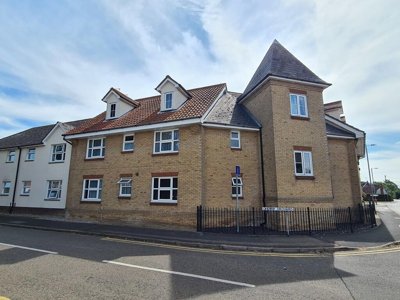
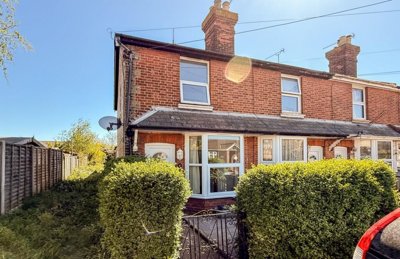
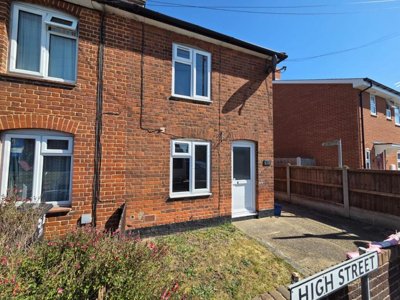
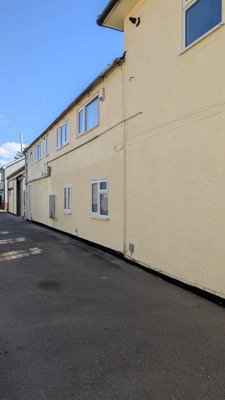
Browse 4 rental homes to rent in Southminster, Maldon from local letting agents.
£1,125/m
1
0
39
Source: home.co.uk
Source: home.co.uk
End of Terrace
1 listings
Avg £1,125
Source: home.co.uk
Source: home.co.uk
Southminster's property market gives renters a useful read on where the village is heading. Sales values often move in step with rents, and here the figures point to a solid market in this part of Essex. The average property price sits at £321,202, with detached homes at £458,983 and semi-detached properties around £308,827. Terraced homes usually sell for about £251,200, while flats average £165,000. Over the last twelve months, prices across all property types have risen by around 1%, which suggests a market that is steady rather than sharp. For renters, that points to firm demand and competitive conditions.
Two active new-build schemes add to that picture in Southminster. The Maltings on Station Road has two, three, and four-bedroom homes from Bellway, priced from £319,995 to £469,995. St Andrew's Place by Persimmon Homes on North End offers a similar family range at £299,995 to £439,995. For tenants, these schemes bring modern layouts, energy-efficient features, and developer warranties. They also help set local standards, because new-build rents often feed into the wider market. With 54 property sales recorded in the past year, the village is clearly seeing healthy movement.
A mix of different tenant groups keeps demand in Southminster lively. Young families are drawn by the village primary school and the close-knit feel, while commuters heading to Chelmsford or London like the rail link from Southminster station. Remote workers have also started to favour the village, looking for homes with a proper workspace and fast broadband. Older cottages and newer houses sit side by side, so the rental stock spans everything from compact homes for singles or couples to larger family places with gardens. Our team tracks listings across the main platforms and local agent portfolios, so users can see the full spread of homes available in Southminster.
Southminster has a strong sense of place, shaped by community life and open countryside. Set on the Dengie Peninsula, the village is framed by farmland and marshland that give this stretch of Essex its coastal feel. The 2021 Census puts the population at 4,217 residents, living in a wide mix of household types, while detached homes account for 35.2% of the stock and semi-detached homes for 30.1%. That leaves a fair range for renters, from snug terraced cottages suited to one or two people to larger family houses on generous plots. The age profile is broad too, with younger families, older residents, and long-term locals all part of the mix.
Agriculture, local services, and tourism all play a part in the local economy around Southminster. The surrounding fields remain productive, while the village centre supports independent shops, pubs, and day-to-day services. With the River Crouch and the wider Essex coast close by, sailing and watersports bring a seasonal lift to trade. Community events run through the year as well, which helps long-term residents and newcomers mix more easily. For renters, that means a village where it is fairly easy to settle in, while still having access to larger towns for work, shopping, or a night out.
Day-to-day life in the core of Southminster is straightforward, because most essentials sit within a short walk. Along the High Street, residents will find a convenience store, bakery, and other independent businesses that cover everyday needs. Pubs including The Live and Let Live and The HURT act as social anchors, whether for dinner or a catch-up with friends. The village hall keeps the calendar busy with clubs, events, and classes, from fitness sessions to craft groups. Healthcare comes via a local GP surgery and pharmacy, while the nearest hospitals are in Chelmsford and Southend. Most routine errands can be done locally, though trips to Maldon or Chelmsford still come into the picture for more specialist shopping.

The village primary school is central to family life in Southminster. It serves children from reception through to Year 6 and draws in pupils from the village and nearby hamlets. Secondary education usually means travelling to nearby towns such as Maldon, where there are several options offering academic and vocational routes. For families renting locally, that can mean short school runs and the sort of parent-teacher contact that is easier to build in a smaller community. It is wise to check the current admission arrangements and think through how catchment areas may shape the options available.
School transport deserves a closer look here, because the Dengie Peninsula is still fairly rural. Some families will need to arrange travel to secondary schools in Maldon or further afield, so bus routes, journey times, and transport costs are all part of the planning. For younger children, nursery and preschool places are available in or close to the village. Older pupils heading into further education can reach colleges and sixth forms in Chelmsford and Southend by public transport or car. Looking at school performance data, Ofsted reports, and admission policies well before a move can save a lot of stress later on.
For primary school-aged children, Southminster offers more than just lessons in a classroom. Teachers often know families personally, class sizes tend to be smaller than in larger towns, and that can mean more individual attention. After-school clubs, sports, and other activities add to the curriculum, while the school fields and nearby countryside support outdoor learning. Secondary pupils usually take a school bus to Maldon, although parents should check current routes and timings because these can change. Some families go for grammar school places in nearby towns, which may involve entrance testing and longer journeys. For sixth form and college, Chelmsford and Southend open up a wider choice of subjects and vocational courses.
Southminster railway station is the village's main rail link. It sits on the Crouch Valley Line, with direct services to Wickford and onward connections to London Liverpool Street through the Greater Anglia network. That makes the village workable for people who commute into the capital but want more space and a quieter setting at home. Journey times to London Liverpool Street usually come in at around 60 to 75 minutes, depending on the time of day and the connection. For anyone travelling to Chelmsford or other Essex towns, the station is handy and avoids the need to drive every day.
Road access from Southminster centres on the B1010 and the nearby A414, which link the village to Maldon and the wider Essex road network. Because the village sits out on the Dengie Peninsula, the A12 is roughly 20 to 30 minutes away by car, depending on traffic. Anyone commuting by road needs to factor in peak-time delays on the routes into larger employment centres. Local buses also run through the village and out to nearby towns, giving an alternative to car ownership for those who prefer public transport. Cyclists get scenic rural lanes, though some are narrow, and electric bikes are making longer journeys more realistic. Station parking includes permit and pay-and-display options for rail users.
For people heading into London, the rail service from Southminster is often a better bet than driving and trying to park in the capital. Morning peak trains are usually busier, and those travelling towards London Liverpool Street should allow extra time if they need to change at Wickford. It can pay to book peak tickets in advance, while season tickets suit regular commuters more neatly. Weekend services run to a reduced timetable, which matters for leisure trips and irregular travel. Cyclists should also note that bicycle storage at Southminster station is limited, so anyone planning to combine cycling with rail travel ought to check the facilities first.

Renting in Southminster calls for a few area-specific checks that are less of a concern in urban locations. The Dengie Peninsula's geology is relevant here, because the underlying London Clay has shrink-swell properties that can affect foundations. Older properties, especially those built before the mid-twentieth century, often have shallower foundations and are more vulnerable to movement during long dry spells or periods of heavy rain. When viewing an older home, signs such as cracking, doors that do not line up properly, or other hints of subsidence should prompt further questions. Landlords should be able to provide records of recent maintenance and any structural reports, but it still pays to look closely.
Flood risk also needs proper attention in Southminster, particularly in low-lying spots or close to watercourses. The village's position near the River Crouch estuary and the Dengie coast means tidal and surface water flooding can happen, especially in severe weather. Prospective renters should check the Environment Agency's flood risk maps for the exact property and ask landlords whether there has been any flooding or whether flood resilience measures are already in place. Parts of the High Street and Station Road sit within the conservation area, so planning restrictions may limit changes or alterations. Tenants in listed buildings will also need landlord consent for any modifications and should understand the extra responsibilities that come with heritage homes.
Many Southminster homes are older, so condition and maintenance history matter. Around 20-25% of properties date from before 1919, using traditional construction methods that are quite different from modern builds. These older homes often have solid brick walls, lime mortar, and timber floors, all of which need a different approach to upkeep from a cavity wall property. Homes built from the post-war years through to 1980 make up about 30-35% of the stock and tend to use cavity wall construction with brick or render finishes. Knowing the build type helps renters spot likely problems, such as damp in older homes or condensation in newer ones with poor ventilation. We recommend asking for the Energy Performance Certificate before signing up to a tenancy, so the current energy efficiency rating is clear from the start.

Spend some time in Southminster before you commit to a rental, because the village's feel matters as much as the numbers. Walk around at different times of day, check the shops and pubs, and get a sense of the local rhythm. Our platform has detailed area guides and market data to support that research. It is worth visiting on weekday evenings as well as at weekends, then speaking with residents if you can, because that tends to reveal what everyday life is really like.
Getting your rental budget agreed in principle before you view homes shows landlords and agents that you are ready to proceed. Pre-approval also gives you a clearer idea of what you can comfortably afford, which makes the search more focused. Speak with our recommended mortgage advisers or financial partners to arrange the assessment. Do not just think about rent, either, because council tax, utility bills, and moving costs such as the deposit, referencing fees, and inventory charges all need to sit in the budget.
Once you have a shortlist, arrange viewings and see the properties for yourself. Look closely at condition, the surrounding street, and any signs of maintenance problems. Take notes and photographs so that you can compare places later without relying on memory. View more than one option before deciding, because that gives you a better sense of what suits your circumstances. During each visit, check for damp, ask about the boiler service history, and make sure the window locks and security features are up to scratch.
Older homes, or those that show signs of structural concern, are often worth a RICS Level 2 Survey. In Southminster, a standard three-bedroom semi-detached property usually costs between £450 and £650 to survey. That is money well spent in an area where London Clay can bring subsidence or drainage issues into play. Survey fees vary by property type, with flats starting from around £350 and larger detached homes potentially going above £900.
Read the tenancy agreement carefully before you sign, and ask for clarity on anything that is unclear. The main points are the deposit amount, rent payment dates, maintenance responsibilities, and any limits on pets or alterations. Our partner solicitors can review the agreement and help protect your position throughout the process. You should also receive the inventory check report and agree the property's condition before moving in, so there is less room for dispute when the tenancy ends.
Sales data gives a good sense of the rental backdrop in Southminster, even though actual rents depend on property type, size, and condition. The average property price stands at £321,202, with terraced homes at £251,200 and semi-detached properties around £308,827. On that basis, comparable rental values would usually sit between £1,000 and £1,500 per month for family homes, while smaller flats and cottages often start from around £700 to £1,000 per month. Rents move with condition, where the property sits in the village, and the level of demand at the time. For the latest Southminster figures, check our listings.
For council tax, Southminster falls under Maldon District Council. Bands run from A to H, although most residential properties sit in bands B through E. Band A properties usually have a value of up to £40,000, while Band E covers homes valued between £88,000 and £120,000. The bill itself depends on the band and the charges set for the current financial year by Maldon District Council and Essex County Council. Renters should check the band for any property they are considering, because it is part of the ongoing cost of living there. Compared with larger urban areas, council tax in Maldon District is generally competitive.
Southminster Primary School serves the village and the surrounding area, taking children from reception through Year 6. It sits at the centre of family life and is well thought of by local residents. For secondary education, students typically move on to schools in nearby Maldon, with options including Moulton Chamberlayne Sports College and St. Mary's Catholic Primary School for younger years, while older pupils travel to facilities across the wider area. Parents should check current admission policies, school performance data, and any catchment restrictions before moving to Southminster with school-age children. School transport should be confirmed in advance, especially for secondary pupils.
Southminster railway station is the village's main public transport link. Services on the Crouch Valley Line run to Wickford, with connections on to London Liverpool Street. Trains to the capital usually take 60 to 75 minutes, depending on connections. Local bus services link Southminster with nearby towns including Maldon, which gives extra options for those without a car. Because the village is rural, public transport is less frequent than in urban areas, so timetables need checking carefully, particularly in the evening and at weekends. For London commuters, or those working in Chelmsford, the station keeps Southminster practical despite its village setting.
Southminster makes a strong case for renters who want village life without losing decent connections. Historic character, a close community, and access to countryside and coastal landscapes all come together here. With a population of around 4,200, it is large enough to support local shops, pubs, and a primary school, yet still feels intimate. The railway station keeps commuting possible for people working in London or larger Essex towns. Prices have increased by approximately 1% over the past year, which points to steady demand for housing in the area. For renters who like rural charm but not complete isolation, Southminster is an appealing choice.
Renting in Southminster usually comes with a few upfront costs in addition to the first month's rent. Standard deposits equal five weeks' rent and are held in a government-approved deposit protection scheme for the duration of the tenancy. Tenant referencing fees, background checks, and Right to Rent verification may add modest amounts, usually between £100 and £300 depending on the agency and the services included. An inventory check at the start of the tenancy, carried out by an independent clerk, generally costs between £100 and £200 and may be shared with the landlord. First-time renters, or anyone with limited UK rental history, should also factor in the possibility of a guarantor requirement or higher upfront costs. Our partner services can give detailed quotes for referencing and inventory work.
Flood risk in Southminster needs proper thought because of the River Crouch estuary and the village's low-lying Dengie Peninsula location. The Environment Agency classifies some parts of the village as at risk from surface water flooding, especially in heavy rain. Properties close to watercourses or in lower ground face a higher risk during tidal surges when river levels are also high. Renters should look at Environment Agency flood maps for the exact property and ask the landlord about any past flooding or resilience measures such as pumps or barriers. Buildings insurance normally covers flood damage, and tenants should check that the landlord has adequate cover in place. Understanding the risk helps people plan sensibly and make better decisions about the tenancy.
Several local issues can affect Southminster homes, so renters should look beyond the décor. London Clay is the main geology here, which brings shrink-swell risk, especially in older homes with shallow foundations built before modern building rules. Signs of subsidence, such as diagonal cracks wider than a few millimetres, doors or windows that stick, and rippling wallpaper, should lead to more questions. Older properties may also have damp caused by failed damp-proof courses or weak ventilation, often shown by musty smells, black mould on cold walls, or peeling paint. Roof condition matters too in pre-war homes, where tiles may have slipped or felt can deteriorate. Electrical systems in houses built before the 1980s often need updating to meet current safety standards. We recommend asking for maintenance records and thinking about a professional survey if a property shows several warning signs.
Budgeting properly makes renting much less stressful, because there is more to pay than the monthly rent. The biggest upfront cost is the security deposit, capped at five weeks' rent for properties with annual rents below £50,000. That deposit has to be protected in a government-approved scheme within 30 days of receipt, giving you protection during the tenancy. In Southminster, where monthly rents for family homes usually fall between £1,000 and £1,500, deposits work out at roughly £1,150 to £1,730. The deposit comes back at the end of the tenancy, subject to deductions for damage beyond normal wear and tear or unpaid rent.
There are several other costs to think about beyond the deposit, especially for first-time renters. Tenant referencing fees cover credit checks, employment verification, and landlord references, and although agencies vary, the total is usually between £100 and £300. A professional inventory report is completed before you move in and records the property's condition, which helps both sides if there is a dispute at the end of the tenancy. That service usually costs between £100 and £200. Some agencies still charge administration fees, although these are now less common following government guidance on transparency. Getting quotes from our recommended service providers before you commit to a tenancy makes it easier to compare prices and pick the most competitive options in Southminster.
Do not forget the ongoing costs when working out the real price of renting in Southminster. Council tax bills vary by band but usually sit somewhere between around £1,200 and £2,500 a year, depending on the property's valuation. Gas, electricity, and water will also vary with the size of the home, how well insulated it is, and how much you use, with older properties often costing more to heat. Broadband and mobile service can be patchy in some rural spots, so checking speeds before you sign is sensible. Contents insurance protects your possessions and is often required under a tenancy, while TV licence fees apply if you watch live television. The landlord is responsible for building insurance, but it is still worth checking that cover exists and understanding what it includes.

From 4.5%
Get your rental budget agreed in principle before you start viewing properties.
From £100
Full referencing service, with credit checks and employment verification.
From £100
Professional condition report to protect your deposit
From £85
Energy performance certificate for your rental property
Properties to Rent In London

Properties to Rent In Plymouth

Properties to Rent In Liverpool

Properties to Rent In Glasgow

Properties to Rent In Sheffield

Properties to Rent In Edinburgh

Properties to Rent In Coventry

Properties to Rent In Bradford

Properties to Rent In Manchester

Properties to Rent In Birmingham

Properties to Rent In Bristol

Properties to Rent In Oxford

Properties to Rent In Leicester

Properties to Rent In Newcastle

Properties to Rent In Leeds

Properties to Rent In Southampton

Properties to Rent In Cardiff

Properties to Rent In Nottingham

Properties to Rent In Norwich

Properties to Rent In Brighton

Properties to Rent In Derby

Properties to Rent In Portsmouth

Properties to Rent In Northampton

Properties to Rent In Milton Keynes

Properties to Rent In Bournemouth

Properties to Rent In Bolton

Properties to Rent In Swansea

Properties to Rent In Swindon

Properties to Rent In Peterborough

Properties to Rent In Wolverhampton

Enter your details to see if this property is within your budget.
Loans, cards, car finance
Estimated property budget
Borrowing + deposit
You could borrow between
Typical borrowing
Monthly repayment
Est. at 4.5%
Loan-to-value
This is an estimate only. Your actual budget may vary depending on interest rates, credit history, and personal circumstances. For an accurate affordability assessment, speak to one of our free mortgage advisors.
This calculator provides estimates for illustrative purposes only and does not constitute financial advice. Your home may be repossessed if you do not keep up repayments on your mortgage. Estimates based on 4.5% interest rate, repayment mortgage. Actual rates depend on your circumstances.
Homemove is a trading name of HM Haus Group Ltd (Company No. 13873779, registered in England & Wales). Homemove Mortgages Ltd (Company No. 15947693) is an Appointed Representative of TMG Direct Limited, trading as TMG Mortgage Network, which is authorised and regulated by the Financial Conduct Authority (FRN 786245). Homemove Mortgages Ltd is entered on the FCA Register as an Appointed Representative (FRN 1022429). You can check registrations at NewRegister or by calling 0800 111 6768.

We use cookies to show you personalised content and improve your experience of our website. Find out more in our Privacy policy and Cookie policy.