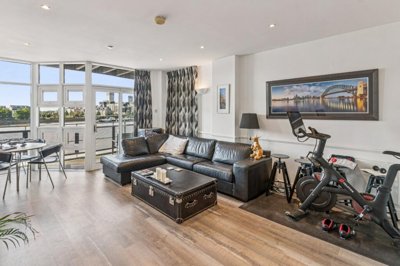
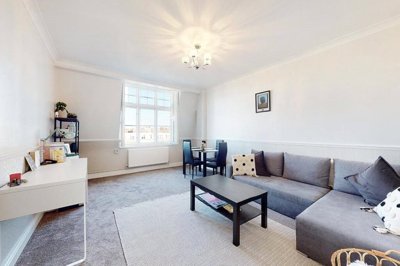
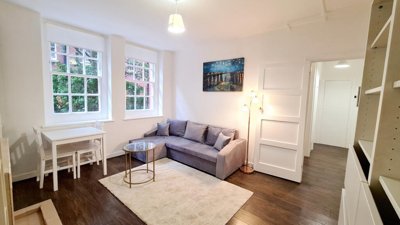
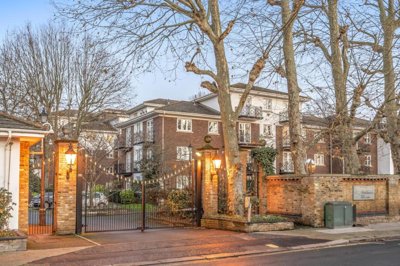
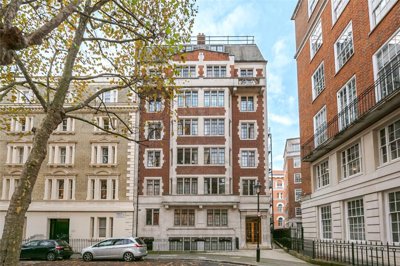
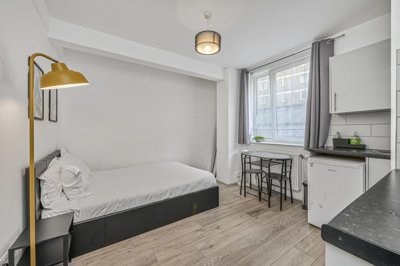
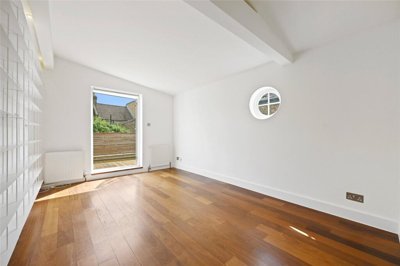
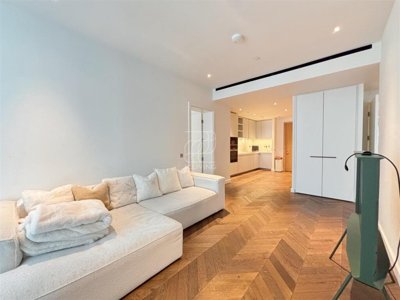
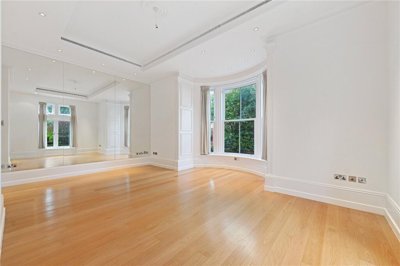
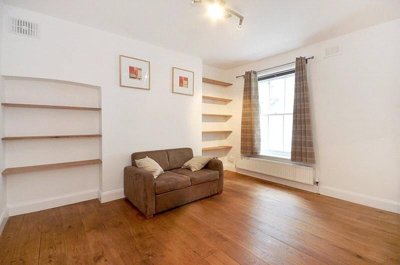
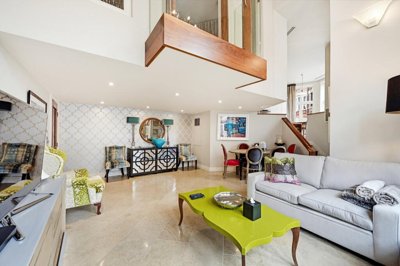
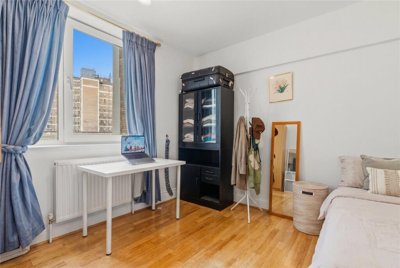
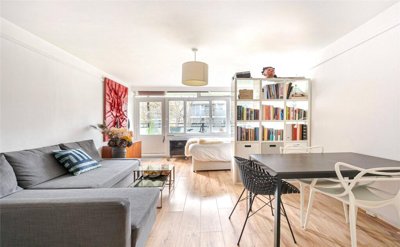
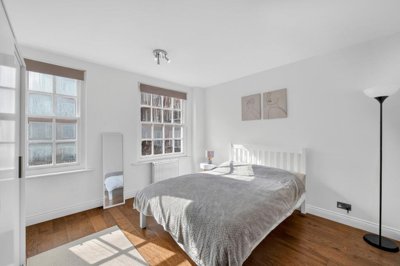
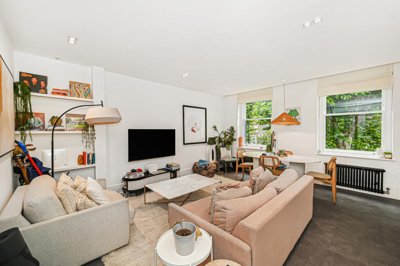
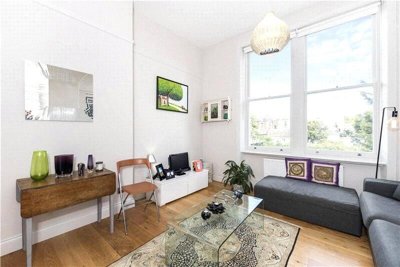
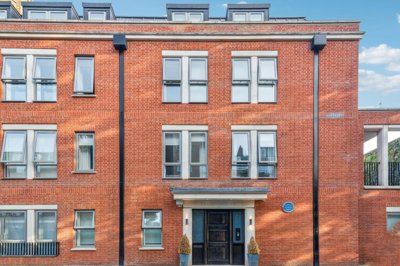
Browse 5,449 rental homes to rent in Royal Borough of Kensington and Chelsea from local letting agents.
Studio apartments feature open-plan living spaces without separate bedrooms, incorporating sleeping, living, kitchen, and bathroom facilities. The Royal Borough Of Kensington And Chelsea studio market includes properties in modern apartment complexes, converted Victorian and Georgian buildings, and purpose-built developments.
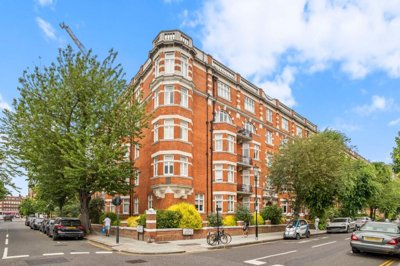
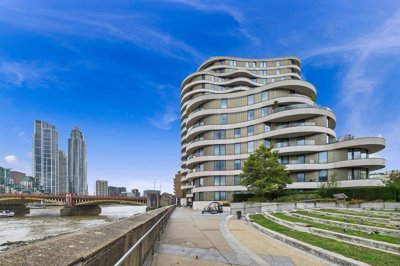
Kensington and Chelsea's rental market sits right at the top end of London. Our data shows that homes here command some of the highest rents in Britain, with one-bedroom flats in prime spots usually coming in at £3,200 to £4,200 per month, while two and three-bedroom apartments in Chelsea or Kensington can comfortably push past £6,000 to £13,000 monthly. The stock is strikingly varied too, from elegant mansion blocks on Exhibition Road and Queen's Gate to converted Victorian terraces across South Kensington and Earl's Court, plus newer schemes such as the riverside apartments near Chelsea Harbour. Sales values have softened recently, with average house prices falling around 11-14% from their 2022 peak, but rents have held up well because professionals, families, and international renters still want a home in this prestigious postcode.
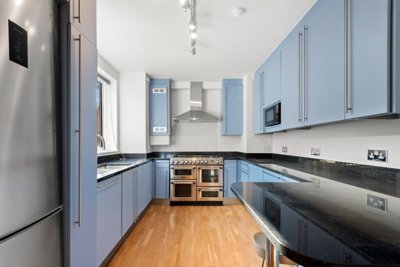
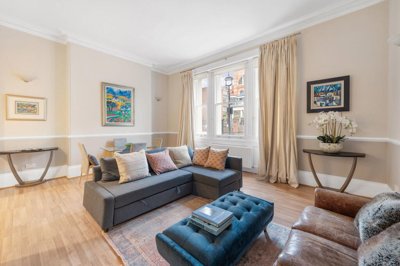
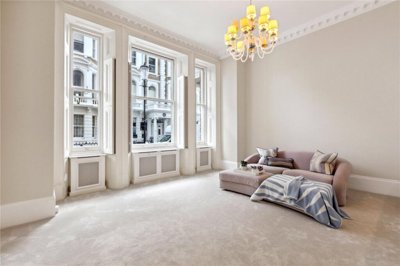
For tenants, the choice runs from compact studio apartments suited to young professionals through to generous one and two-bedroom flats in handsome period buildings with original cornicing and high ceilings, and, every so often, larger family houses tucked away in quieter spots such as Redcliffe Square or Phillimore Gardens. Victorian and Edwardian properties dominate, so sash windows, original fireplaces, and basements converted into useful living space are all common sights. Many homes have been updated with open-plan kitchens and smart bathrooms, yet keep the period character that gives these streets their appeal. Turnover stays steady through the year, although summer tends to bring a burst of activity as relocating professionals and overseas renters arrive in the capital looking for somewhere near major employers and transport links.
Recent market analysis suggests apartment values in the Royal Borough have moved sharply, with average flat prices falling by up to 17% in recent years and some homes now sitting below the £950,000 mark for sales. The rental side has been steadier, helped by strong tenant demand and a shortage of quality stock, with average two-bedroom apartment rents sitting at approximately £6,257 per month. That creates a lively, competitive market. Desirable homes can attract multiple applications within days of being listed, so quick decisions and paperwork ready to go matter if you want to secure the right place in this sought-after borough.

The Royal Borough of Kensington and Chelsea offers a quality of life that draws renters from all over the world. Dense, yes, but still remarkably elegant, it blends central London pace with neighbourhoods that feel almost village-like, where people know the local shopkeepers and leafy streets seem a long way from the City. The architecture is a big part of the draw, with Victorian and Edwardian terraces sitting alongside white stucco-fronted townhouses that have become the classic Kensington and Chelsea backdrop in films and photographs. Our local knowledge shows that the borough's population of approximately 156,000 residents across 75,000 households enjoys some of the best parks, museums, and restaurants in Britain, all within walking distance of most residential streets.
High-end retail, hospitality, and professional services drive the local economy. Kensington High Street, King's Road, and the independent shops of Notting Hill provide plenty of employment, alongside the cultural pull that brings millions of visitors each year. Young professionals like the easy reach to the City, Canary Wharf, and Westminster, while families often focus on the exceptional green space, including Hyde Park and Kensington Gardens on the borough's western edge. Food is another strong point, from neighbourhood bistros along Devonport Road to Michelin-starred restaurants on the King's Road and Pavilion Road, with Portobello Road and Pembridge Villas adding lively markets where traders sell everything from antiques to artisan food.
Exclusivity is part of the borough's reputation, but renters who value walkability, culture, and a sense of community still find plenty to like. The Royal Albert Hall, the Victoria and Albert Museum, the Natural History Museum, and the Science Museum are all here or close by, so exhibitions, concerts, and educational programmes are never far away. The Royal Hospital Chelsea, home to the Chelsea Pensioners, gives the area historical weight, and the River Thames is close enough for scenic walks as well as riverside pubs and restaurants in Chelsea and Battersea. Put simply, those amenities go a long way towards explaining why rental demand stays so firm in this part of London.

Families are drawn here for a reason, as education provision in the Royal Borough of Kensington and Chelsea is among the strongest in London. Several primary schools have Outstanding Ofsted ratings, including Hillgate Village School in the Queens Gate area and Derwentwater School in the Earl's Court neighbourhood, both serving varied local communities. Most rental homes are within walking distance of a good choice of schools, which cuts down on the daily school run in a central London setting where traffic and parking restrictions can make car travel slow and awkward.
Secondary choices are strong too. The London Oratory School in Brook Green is a notable option, admitting pupils through its Catholic selection process and known for its academic record, while Chelsea Academy serves the eastern parts of the borough with excellent facilities. Fox Primary School and Oratory Catholic Primary are also highly regarded for families looking for faith-based education. Many households in Kensington and Chelsea also choose private schooling, and the borough has several well-known independent preparatory schools, including Wetherby Preparatory School and Falkner House, both of which feed pupils into leading senior schools.
Imperial College London sits on the borough's western boundary, which strengthens its academic profile, and the wider central London university network, including King's College London, the London School of Economics, and University College London, is also within easy reach for older students. Families renting here should check catchment areas closely, because popular state schools can have long waiting lists and residency rules that affect access. Private education also needs to be built into the numbers, since annual fees for leading independent schools in the area typically range from £20,000 to over £30,000 per year, on top of rent.

Transport is another of the borough's real strengths. Multiple Underground stations make it one of the best-connected areas in London. Notting Hill Gate serves the Circle, District, and Central lines, putting the City, West End, and Canary Wharf within minutes. Lancaster Gate on the Central line gives direct access to Oxford Street and Bond Street, while Gloucester Road and High Street Kensington provide Circle and District line links into the City and the eastern districts. South Kensington, on the Piccadilly line, reaches Heathrow Airport in under an hour and also runs straight into the West End's theatre district and shopping streets.
The Elizabeth line has changed east-west travel from the borough, and nearby Bond Street, Tottenham Court Road, and Farringdon stations are the key access points. Journey times to Stratford, Abbey Wood, and Reading are shorter, which has made places like Canary Wharf and the newer business districts east of the City more practical for commuters. Bus routes fill the gaps nicely, with frequent services across London, including direct links to Chelsea, Westminster, and the West End. In practice, car ownership is far less important here than it is in outer London boroughs where public transport is more limited.
Cyclists are better served than they used to be, thanks to protected lanes along major roads such as Cromwell Road and the links into the Cycle Superhighway towards central London. For a break from traffic, Hyde Park, Kensington Gardens, and Richmond Park all offer strong recreational routes. Commuting to the City or Canary Wharf by public transport usually takes 25 to 45 minutes, depending on the route and destination, and the best station changes from one neighbourhood to the next. If you are driving, the A4 and A40 provide road links to the West and to the M4 motorway, though peak-time congestion can stretch journeys so much that the train is still the quicker option.

Before arranging viewings in this competitive market, get a mortgage in principle or have a rental budget agreed, so agents and landlords can see that the finances are in place. Proof of income or referencing is often requested before a viewing is confirmed. Our rental budget calculator helps you work out what you can realistically afford against monthly income and existing commitments, so you can keep the search focused on homes that fit your means.
Kensington and Chelsea is made up of very different pockets, from Notting Hill's boutique feel, famous market, and colourful terraced houses to Chelsea's elegant garden squares and the cultural stretch around Kensington High Street with its museums and restaurants. Each neighbourhood comes with its own character, price point, and access to amenities. Homes near Underground stations usually carry higher rents, but they also bring better connectivity. It pays to walk around first, then think about which schools, shops, and transport links matter most to the household.
Once you have a short list, move quickly. Desirable rental homes in Kensington and Chelsea can pick up multiple applications within days of being listed. Viewing in person matters, because it lets us check the condition, natural light, noise from adjoining properties and the street, and the general feel of the building and surrounding area. Take measurements too, especially here, as period homes often have room sizes and layouts that do not line up neatly with modern furniture or expectations.
Before you move in, ask for a professional inventory check. It should record the property's condition in detail, down to every scratch, mark, and defect in each room and any appliances included in the let. That paperwork is what protects your deposit when you leave, because it sets out the condition at the start of the tenancy. If the property is leasehold, the inventory also helps clarify what maintenance sits with the tenant and what remains the landlord's responsibility, as the tenancy agreement governs those obligations.
A solicitor or licensed conveyancer should look over the tenancy terms, deposit protection arrangements, and any special conditions before anything is signed. Where the property is leasehold, we also check the service charge details, ground rent obligations, and any restrictions tied to the building. Many blocks include clauses about noise, pets, and alterations, and those rules often reflect both the character of the property and the expectations of the other residents.
Once everything is agreed, pay the deposit, capped at five weeks' rent under the Tenant Fees Act 2019, along with the first month's rent, then arrange key handover and meter readings for gas, electricity, and water. The deposit must be protected in a government-approved scheme within 30 days, and it is wise to keep records of every bit of correspondence during the tenancy, including repair requests and the replies from the landlord or managing agent.
Renting in the Royal Borough of Kensington and Chelsea calls for a close eye on local detail, because the borough's geology can affect both condition and cost over time. The underlying London Clay brings a moderate to high shrink-swell risk, which can lead to structural movement, cracked walls, sticking doors, or uneven floors. Mature trees make that worse in dry spells, as they draw moisture from the soil and cause the clay to contract, which can damage foundations built for different ground conditions. When viewing, look carefully for repaired or visible cracking in walls and ceilings, and ask the landlord or agent about any history of structural issues or foundation work.
Heritage rules matter here too. Large parts of the borough sit within conservation designations, and many buildings are listed, from Grade II right through to Grade I for landmarks such as Kensington Palace, the Royal Albert Hall, and numerous church buildings across the borough. Those protections limit what tenants can change, so even minor works may need specific consent. Permitted development rights can be restricted in listed buildings, and anything that affects the external appearance or historic fabric usually needs approval from the local planning authority. Before committing, check whether permitted development rights apply and what restrictions could affect day-to-day occupation.
Asbestos-containing materials may still be found in buildings constructed or refurbished before the year 2000, often in insulation, floor tiles, pipe lagging, and some textured coatings in older properties. If you are planning significant works, or even just decoration that might disturb hidden materials, a professional survey can be sensible. Properties close to the River Thames, especially in Chelsea and along the western boundary, should also be checked for flood risk, including their position relative to flood zones and any past insurance claims for water damage. Hyde Park and Kensington Gardens bring valuable green space, but they can also mean higher moisture levels in some areas, particularly where ventilation or damp-proofing is poor.

Rental prices here sit among the highest in Britain, which reflects both the borough's status and its central London setting. One-bedroom flats usually run from £3,200 to £4,200 per month depending on location and condition, while two-bedroom homes often range from £5,500 to £7,000 or more in areas such as Chelsea, South Kensington, and the edges of Hyde Park. Premium addresses overlooking the park, or homes in desirable mansion blocks like those along Ennismore Gardens or Pelham Crescent, can go well beyond those figures. Because quality, Underground access, and current market conditions all affect the rent, comparing a few similar homes is the best way to judge fair value in your chosen neighbourhood.
Council tax bands in the Royal Borough of Kensington and Chelsea start at Band A for the smallest homes and rise to Band H for the most valuable properties in this prestigious area. Given the borough's exceptionally high property values, many rentals fall between Bands D and G, with annual charges generally ranging from around £1,500 to over £3,000 depending on the band and the property's value. Check the exact band before setting a budget, since council tax sits alongside rent and utilities in your monthly outgoings, and even average-sized flats often fall into higher bands than similar homes elsewhere in London.
Education remains a major draw. Several primary schools are rated Outstanding by Ofsted, including Hillgate Village School in the Queens Gate conservation area and Derwentwater School serving the Earl's Court neighbourhood. Secondary options include The London Oratory School in Brook Green and Chelsea Academy in the eastern areas, and families across the borough also benefit from a strong choice of highly regarded independent schools within easy reach. Many households opt for private education because the borough has such a concentration of respected preparatory and senior schools, with names like Wetherby Preparatory and Falkner House helping pupils move on to leading senior schools. Imperial College London on the western boundary adds to that academic reputation.
Public transport is excellent. The Circle, District, Central, and Piccadilly lines all serve the borough, so most London destinations are reachable without a car. Notting Hill Gate, Gloucester Road, High Street Kensington, South Kensington, and Earl's Court give broad coverage across the different neighbourhoods, and most rental homes are only a short walk from one of them. Frequent bus services run across the area, while the Elizabeth line from nearby Bond Street, Tottenham Court Road, and Farringdon has improved east-west travel to Stratford, the City, and beyond. From most parts of the borough, central London is usually 30-45 minutes away by public transport.
Living in the Royal Borough of Kensington and Chelsea means having access to one of London's most desirable lifestyles, with world-class culture, excellent restaurants, beautiful architecture, and strong transport links all close to major parks. From Notting Hill's colourful streets to Chelsea's elegant squares, the borough has a village feel in places, and residents can walk to shops, restaurants, and cultural venues that others travel across the city to reach. The rents are premium, of course, with typical one-bedroom flats starting from around £3,200 per month, but for those who can stretch to it, the convenience and quality of central London living often justify the cost. Because the market is competitive, decisions tend to be fast, and wider budget planning needs to take account of the higher cost of living in this prestigious central London location.
Deposits on UK rental homes are capped at five weeks' rent under the Tenant Fees Act 2019 for annual tenancies below £50,000, which gives some protection against excessive demands. For a typical one-bedroom flat at £3,667 per month, the deposit comes to £4,233, and the first month's rent adds another £3,667, so total initial housing costs reach £7,900 before any administrative charges. Referencing fees usually sit between £100 and £300 per tenant, while inventory report costs are often around £150 to £300, although permitted holding deposit charges are also capped by the legislation. For leasehold properties, it is important to find out whether service charges and ground rent are included in the rent or sit outside it, because those costs can add hundreds of pounds a month to your outgoings.
Homes beside the River Thames, especially along Chelsea Embankment, Cheyne Walk, and the western riverside parts of the borough, carry some river flood risk that tenants should look into before signing up. Large floods are uncommon in this area, but climate change has brought more extreme weather, and lower-floor homes near the river should be considered carefully. Surface water flooding can also hit low-lying parts of the borough during heavy rain, particularly where drainage systems are overwhelmed. Checking the property's position relative to flood zones and any history of flooding or insurance claims gives useful reassurance, and it is sensible to confirm that buildings have suitable flood-damage insurance with the landlord or managing agent.
A move to the Royal Borough of Kensington and Chelsea calls for careful financial planning, because the upfront bill goes well beyond the first month's rent in this premium London market. The Tenant Fees Act 2019 caps deposits at five weeks' rent for annual tenancies below £50,000, which does limit excessive demands, though the sum still feels sizeable given local rents. For a typical one-bedroom flat at £3,667 per month, that means a deposit of £4,233 plus the first month's rent of £3,667, taking initial housing costs to £7,900 before agency fees or moving expenses. It is sensible to set aside a further £500 to £1,000 for referencing, inventory checks, and other administrative charges allowed under the legislation, with the exact amount depending on the letting agent and landlord.
Service charges also need to sit in the budget if you are renting a leasehold flat, because they can have a major effect on affordability and are not always included in the quoted rent. In Kensington and Chelsea, service charges typically range from £2,000 to £10,000 or more each year, depending on the property type, building facilities, lift access, concierge services, and the way the block is managed. Those charges usually cover building insurance, communal maintenance, cleaning, lift servicing, and contributions to reserve funds for major works. Ground rent varies widely, from nominal sums to several hundred pounds a year, and it is important to understand both costs before signing, since they may rise over time.
Utility set-up costs, including deposits for gas, electricity, and water, can total £300 to £500 depending on the provider and your credit rating, while council tax in the Royal Borough of Kensington and Chelsea ranges from approximately £1,500 to over £3,000 annually depending on the property's council tax band. Removal costs for a move within London usually fall between £500 and £2,000, depending on how much you have and how far it is going, although that can be reduced if you own less or use self-storage. When planning a move to Kensington and Chelsea, it pays to factor in the premium cost of living in this distinguished borough, where day-to-day spending from groceries to restaurants usually sits above London averages, so the rental budget needs to cover far more than rent alone.
Properties to Rent In London

Properties to Rent In Plymouth

Properties to Rent In Liverpool

Properties to Rent In Glasgow

Properties to Rent In Sheffield

Properties to Rent In Edinburgh

Properties to Rent In Coventry

Properties to Rent In Bradford

Properties to Rent In Manchester

Properties to Rent In Birmingham

Properties to Rent In Bristol

Properties to Rent In Oxford

Properties to Rent In Leicester

Properties to Rent In Newcastle

Properties to Rent In Leeds

Properties to Rent In Southampton

Properties to Rent In Cardiff

Properties to Rent In Nottingham

Properties to Rent In Norwich

Properties to Rent In Brighton

Properties to Rent In Derby

Properties to Rent In Portsmouth

Properties to Rent In Northampton

Properties to Rent In Milton Keynes

Properties to Rent In Bournemouth

Properties to Rent In Bolton

Properties to Rent In Swansea

Properties to Rent In Swindon

Properties to Rent In Peterborough

Properties to Rent In Wolverhampton

Enter your details to see if this property is within your budget.
Loans, cards, car finance
Estimated property budget
Borrowing + deposit
You could borrow between
Typical borrowing
Monthly repayment
Est. at 4.5%
Loan-to-value
This is an estimate only. Your actual budget may vary depending on interest rates, credit history, and personal circumstances. For an accurate affordability assessment, speak to one of our free mortgage advisors.
This calculator provides estimates for illustrative purposes only and does not constitute financial advice. Your home may be repossessed if you do not keep up repayments on your mortgage. Estimates based on 4.5% interest rate, repayment mortgage. Actual rates depend on your circumstances.
Homemove is a trading name of HM Haus Group Ltd (Company No. 13873779, registered in England & Wales). Homemove Mortgages Ltd (Company No. 15947693) is an Appointed Representative of TMG Direct Limited, trading as TMG Mortgage Network, which is authorised and regulated by the Financial Conduct Authority (FRN 786245). Homemove Mortgages Ltd is entered on the FCA Register as an Appointed Representative (FRN 1022429). You can check registrations at NewRegister or by calling 0800 111 6768.

We use cookies to show you personalised content and improve your experience of our website. Find out more in our Privacy policy and Cookie policy.