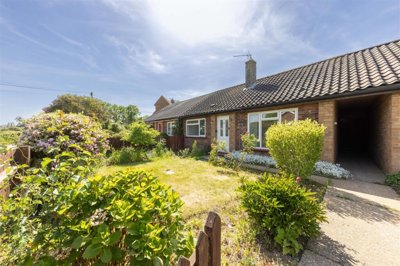
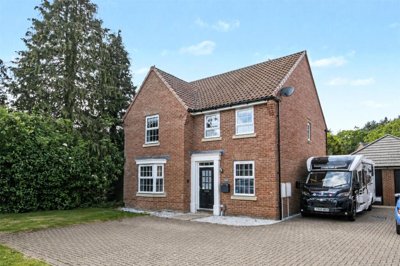
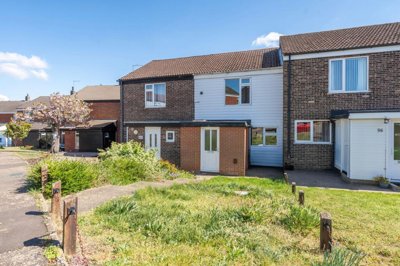
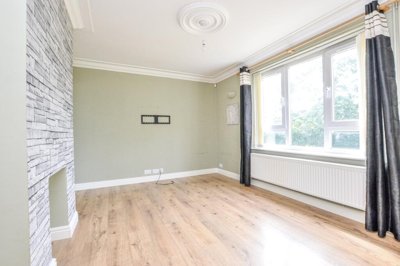
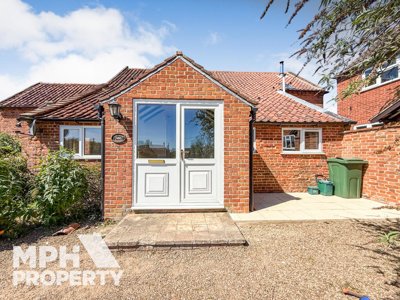
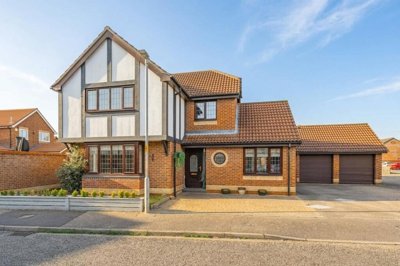
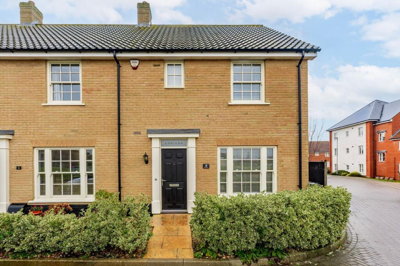
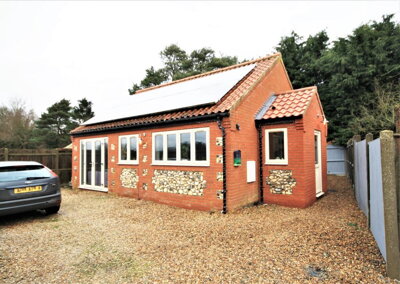
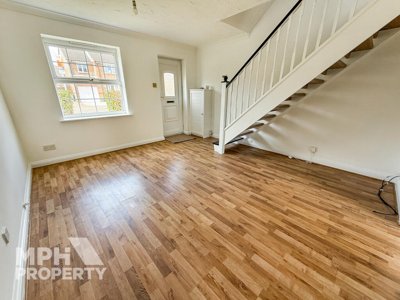
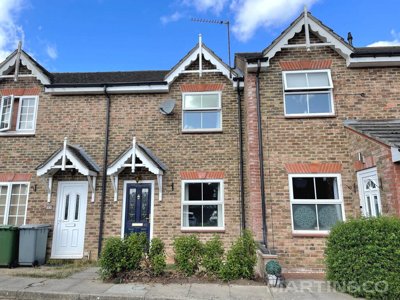
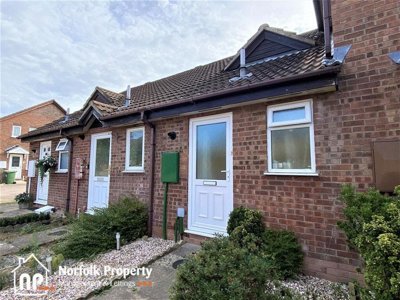
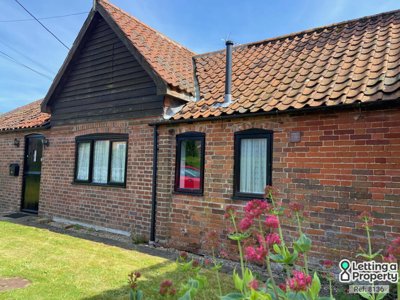
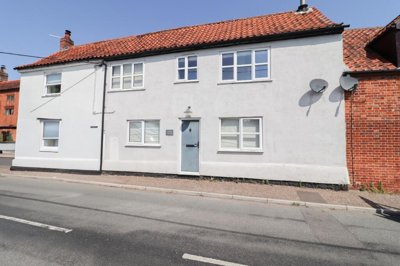
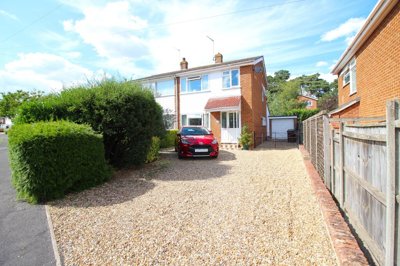
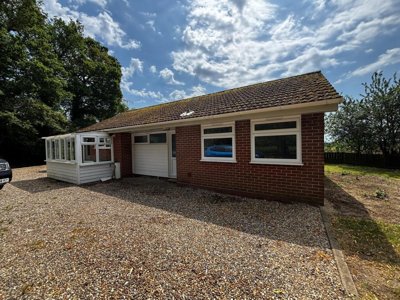
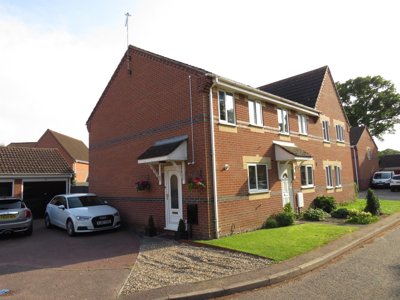
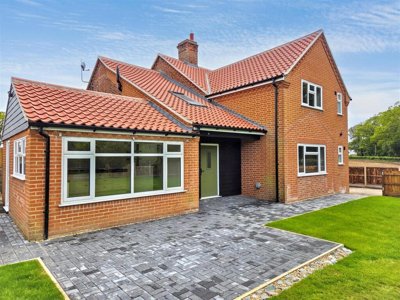
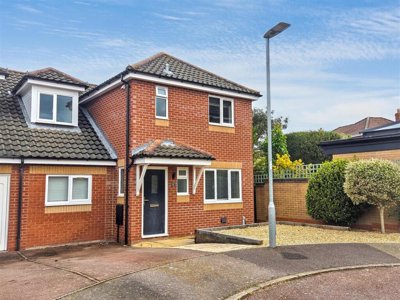
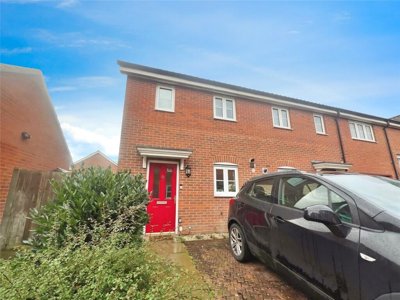
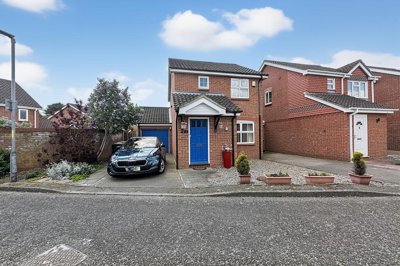
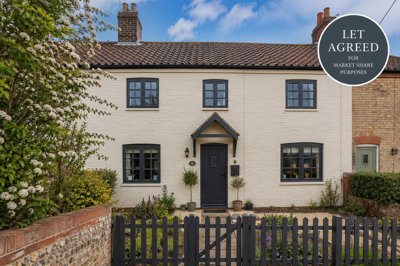
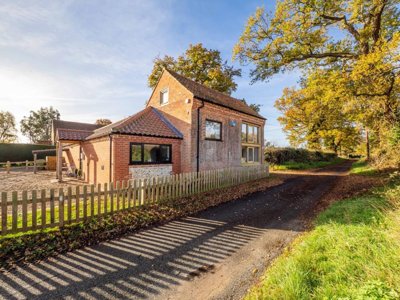
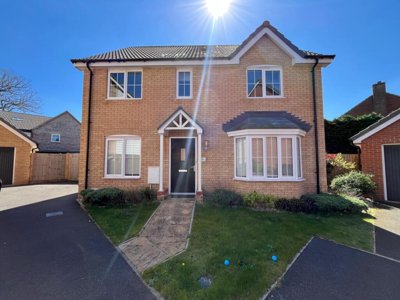
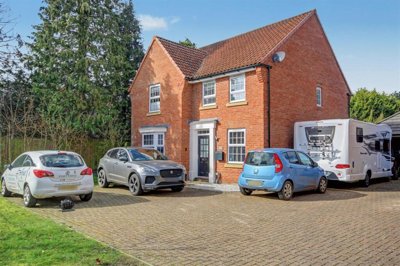
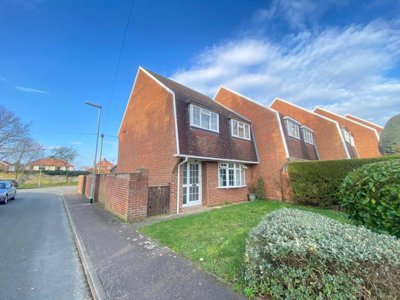
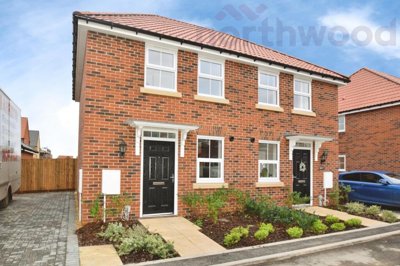
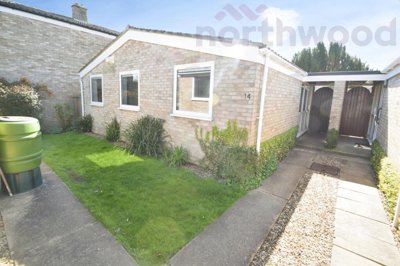
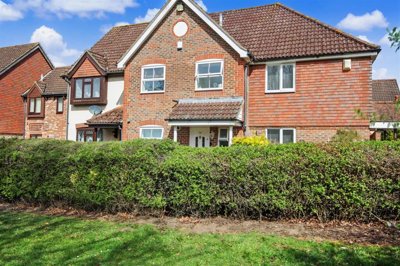
Browse 38 rental homes to rent in NR10 from local letting agents.
The NR10 property market offers detached, semi-detached, and terraced houses spanning various price ranges and neighbourhoods. Each listing includes detailed property information, photographs, and direct contact with the marketing agent.
£1,248/m
2
0
26
Source: home.co.uk
Showing 2 results for Houses to rent in NR10. The median asking price is £1,248/month.
Source: home.co.uk
Semi-Detached
1 listings
Avg £1,395
Terraced
1 listings
Avg £1,100
Source: home.co.uk
Source: home.co.uk
Our figures show the NR10 rental market benefits from its place on the commuter corridor north of Norwich. This postcode sector covers several distinct neighbourhoods, including Old Catton, Thorpe St Andrew, Hellesdon, plus the surrounding villages of Drayton, Horsford, and Hevingham. Each area has its own feel and price point, and homes on the edge of NR10 often give more space for the money than central Norwich. Older period houses, post-war estates, and newer developments all sit side by side, so the rental stock is broad and suits different needs.
Recent sales give a useful picture, too. Average property values in NR10 are currently around £319,194, while detached homes average about £395,700 and semi-detached houses sit around £260,000 to £274,000 depending on condition and location. Terraced homes usually sell for £227,000 to £229,000, and flats average £137,500. That feeds into rental valuations, because landlords tend to set rents against property values and yields. Over the past year, prices in NR10 have seen a 5% adjustment from the 2023 peak of £343,505, which has helped keep rental demand steadier as the market adjusts to wider economic conditions.
Activity in the NR10 rental market has stayed solid, as more tenants see the appeal of these northern suburbs and villages. Areas such as Old Catton and Thorpe St Andrew often draw professionals working in Norwich who would rather avoid city centre rental premiums. Horsford and Hevingham appeal to people after a more rural setting without giving up a reasonable commute. With everything from Victorian terraces to modern detached family homes, renters can often find something that fits, and usually at a lower price than comparable homes closer to Norwich city centre.

NR10 offers a pleasing mix of rural Norfolk character and day-to-day practicality. The area takes in the northern suburbs of Norwich and stretches out into villages set among farmland and open countryside. Flint-walled cottages, village greens, centuries-old churches, and old country pubs give the place a very English feel, yet a major city is still close by. The communities are settled and welcoming, with farmers markets, local events, and village activities helping to keep a strong social connection.
A family-oriented population lives across NR10, alongside professionals, retirees, and long-term residents. Everyday amenities are well covered, with supermarkets, family-run shops, garden centres, and plenty of places to eat, from traditional carveries to modern cafes. Green space is a real strength here, with parks, public footpaths across farmland, and nature reserves for walking, cycling, and fresh air. With the Norfolk Broads and the coast both within reach, NR10 works well as a base for weekends and holidays as well as the working week.
Norfolk’s geology plays a part in the way homes across NR10 are built and maintained. The ground includes chalk and glacial tills, which affect both construction methods and soil conditions. Older Norfolk houses often use brick and flint together, especially in period properties and conversions. It is a durable approach, though mortar pointing and damp penetration can need attention as buildings age. For renters, knowing how these homes were made helps explain their character, as well as the maintenance points that can come with older stock.

Families are well served on the education front in NR10, with a good range of primary and secondary schools within easy reach. Old Catton Community Primary School and St. Augustine's Catholic Primary School in nearby Norwich are among the primary options serving the area. Local families generally view these schools positively, and they add to NR10’s appeal for households with children of school age. That gives younger families a degree of confidence when settling here.
Secondary provision is also strong, with Hellesdon High School serving students from age 11 through to sixth form and offering a broad curriculum. St. Francis of Assisi Catholic School and The Open Academy are other nearby choices for local families. Norwich itself adds further options, including Norwich School and Norwich High School for Girls, both of which appear regularly in performance rankings. For older students, the University of East Anglia and Norwich University of the Arts are both easy to reach from NR10.
Families renting in NR10 with children should check current catchment areas and admissions criteria with Norfolk County Council, because these can affect where a child is placed. A property in Drayton or Horsford may sit in a different admission zone from one in Thorpe St Andrew or Hellesdon, so it pays to confirm things before agreeing to a tenancy. Many families target NR10 because it offers good schools and more generous rental homes than central Norwich, which can make the area especially busy during school term time.

Getting around from NR10 is straightforward, which is one reason commuters like it. The area sits only a few miles north of Norwich city centre, and regular bus services run by FirstGroup and other operators connect NR10 neighbourhoods with the city. Bus journeys usually take 20 to 35 minutes, depending on the village or suburb and the traffic. Drivers benefit from the Northern Distributor Road, which gives quick access around the north of Norwich, linking NR10 to the NDR and then on to the A47 for longer trips.
Norwich railway station provides direct trains to London Liverpool Street, with journey times of around 1 hour 50 minutes to 2 hours 15 minutes depending on the service chosen. Cambridge is reachable in about 2 hours, and there are also connections to Ipswich and the East Anglia coast. Norwich Airport handles domestic flights and a number of European connections. Cycling has become more practical as well, thanks to improved routes linking NR10 villages with Norwich, so pedal power is a real commuting option for some residents.
Since the Northern Distributor Road opened, access to NR10 has changed the area’s appeal for commuters. Villages that were once less convenient now feel much more connected. Homes along routes such as the A140 north out of Norwich also benefit from that improvement. Bus services run from several parts of NR10, with regular routes linking Old Catton, Hellesdon, and Thorpe St Andrew to Norwich city centre and the hospital. If you work irregular hours or weekend shifts, it is wise to check late-night and weekend timetables before settling on a location, because frequencies can vary quite a lot outside peak times.

Before you start viewing, get a rental budget agreement in principle from a mortgage broker or financial advisor. It confirms affordability and shows landlords that we are dealing with a serious tenant. These agreements usually look at monthly income, current commitments, and the rent that can be comfortably covered, often up to 35-45% of gross annual income. Having that ready means we can move quickly when a suitable property comes up, since popular rentals in desirable NR10 villages can attract multiple enquiries within days of listing.
Take time to walk or drive the different parts of NR10 before settling on one neighbourhood. Think about schools if children are involved, commute times, access to shops and services, and the overall feel of each village or suburb. Old Catton has a more suburban tone and sits close to Norwich, while Horsford feels more rural and has its own community facilities. Visiting at different times of day, by car or bike, helps us see traffic patterns and the local atmosphere before a tenancy is signed.
Homemove makes it easy to browse the rental properties currently available in NR10. Once something fits, arrange viewings through the listed agents. We always recommend viewing several homes so you can compare condition, rent, and landlord requirements before deciding. Make notes, ask about tenancy length, bills included, and any property-specific conditions. Homes in sought-after areas such as Old Catton and Thorpe St Andrew often draw strong interest, so moving promptly on the right place gives you a better chance of securing it.
After choosing a property, tenant referencing comes next. That normally covers credit checks, employment verification, and landlord references if you have rented before. Some NR10 landlords also ask for a guarantor, especially for younger tenants or people with limited rental history. It helps to have payslips, bank statements, and ID ready in advance. Referencing usually takes 3-5 working days, although some agents can move faster if the paperwork is complete from the outset.
Before move-in day, the landlord will organise an inventory check so the property’s condition is properly recorded. We advise attending in person if possible and noting any wear or damage already there. Read the tenancy agreement closely, including the rent amount, payment dates, deposit amount, and notice periods. The deposit will be protected in a government-approved scheme within 30 days of receipt, and you should get the scheme details by email shortly after paying. Dated photographs of every room at check-in give both tenant and landlord extra protection.
Once the paperwork is sorted and the keys are in hand, it is time to move into the new NR10 home. Register with doctors, dentists, and the local authority for council tax. Take meter readings on moving day and open utility accounts in your own name. NR10’s communities are friendly and established, so there are plenty of ways to meet neighbours and settle in. Village halls, pubs, and community groups often host events that help new residents become part of the area quickly.
Renting in NR10 does mean keeping an eye on a few local points that can affect day-to-day life. Homes in this semi-rural area come from several different eras, so older period properties may need a different level of care from modern builds. Traditional Norfolk houses often use brick and flint, which is generally sound but can call for attention to mortar pointing and damp penetration in older conversions. When we view properties, it is sensible to ask about the boiler age, roof condition, and any recent maintenance or improvements.
Older NR10 properties are worth checking carefully for energy efficiency. Homes with solid walls or dated insulation may have higher heating bills, so the Energy Performance Certificate rating should be looked at before you commit. Newer houses and modern apartments usually perform better on thermal efficiency, though they can bring service charges and leasehold terms that need reading through. Ground rent and annual service charges vary a lot between developments, so ask for full details of ongoing costs before signing. Broadband can also differ from village to village, so verify internet speeds if you work from home.
For properties in NR10 that predate 1976, a RICS Level 2 Survey can be a sensible step, especially if you are looking at a longer-term let. These surveys can highlight damp, roof issues, timber defects, and outdated services that are not always obvious at first viewing. In older flint and brick homes across the area, checking foundation conditions and the risk of shrink-swell from local clay soils gives extra peace of mind. The landlord still handles structural repairs, but knowing the state of the property before moving in helps set realistic expectations for maintenance and future costs.

Sales values still give a useful guide to rent levels in NR10, even though actual rents vary by property and location. Detached homes sell for around £395,700, semi-detached properties for £260,000 to £274,000, and terraced homes for about £227,000 to £229,000. Landlords often price rentals at around 4% to 6% of property value each year, which gives a rough sense of what to expect. For the most up-to-date rental figures, search Homemove for all available NR10 properties, because rent depends on condition, setting, and what is included.
For council tax, properties in NR10 sit under Broadland District Council and Norfolk County Council. The area includes homes in bands A through to H, depending on type and value. Most standard three-bedroom homes in NR10 are in bands B to D, while larger detached properties may fall into bands E to G. You can check the exact band for a property on the Valuation Office Agency website using its address, which is worth doing before you commit because council tax is part of your monthly outgoings.
The NR10 area gives families solid education choices at every stage. Primary options include Old Catton Community Primary School, St. Augustine's Catholic Primary School, and Hellesdon Primary School, all serving their local communities. For secondary education, Hellesdon High School offers sixth form provision, while St. Francis of Assisi Catholic School takes secondary students. Norwich nearby also offers further choices, including St. Christopher's School and other independent schools. Families should check current catchment areas and admissions criteria with Norfolk County Council, as these can affect placements and may change from time to time.
Bus links in NR10 are fairly strong, with regular services taking people from the villages and suburbs into Norwich city centre. The routes also connect to Norwich bus station and railway station, with typical journey times of 20 to 35 minutes depending on location and traffic. Norwich railway station has direct trains to London Liverpool Street, Cambridge, Birmingham, and other major destinations. For drivers, the Northern Distributor Road gives efficient links across the wider Norwich area and out to the A47 for travel beyond the city region.
For renters who want space, community, and convenience, NR10 offers a very good quality of life. Village atmosphere sits alongside easy access to Norwich city centre, so the area suits professionals, families, and retirees alike. Rental homes range from affordable terraced houses to larger detached properties with gardens, covering different budgets and household sizes. A strong local community, good schools, and plenty of green space make NR10 especially attractive to families and to anyone after a quieter lifestyle without giving up access to jobs and amenities. With suburban streets on one side and rural villages on the other, most renters can find a setting that suits them.
Standard deposits for NR10 rentals are usually five weeks rent, capped at five weeks where annual rent is below £50,000. You will also need the first month’s rent in advance. Referencing fees vary by agent, though £100 to £300 per applicant is common, covering credit checks and employment verification. Some agents still charge admin fees for processing the tenancy, although these have been capped under tenant fees legislation. Other costs can include inventory check fees, and if you have a pet, some landlords ask for a higher deposit or a small extra rent. We always suggest asking for a full cost breakdown before any money changes hands.
The NR10 rental market covers a wide spread of property types, so there is usually something for different needs and budgets. Victorian and Edwardian terraces in established village centres are the classic choice, often with original fireplaces, high ceilings, and period details that add character. Semi-detached and detached family homes are more common on newer developments at the edge of the area, with generous gardens and off-street parking that suit families well. Flats can be found in small blocks, especially above shops in local centres. Bungalows appeal to those after single-level living, while barn conversions and character cottages offer something more distinctive. Because the stock is mixed, renters can often match both practical needs and personal taste.
Broadband in NR10 is a mixed picture. Urban and suburban parts generally have superfast speeds of 30Mbps or higher, but some of the more rural villages can still be slower, particularly those further from the main exchange. Virgin Media fibre is available in parts of NR10, while Openreach provides standard and fibre services across most of the area. Before signing up to a tenancy, check the estimated broadband speed for the exact address using comparison websites, especially if you work from home or use a lot of data. Thorpe St Andrew and Old Catton usually have good connectivity, while more rural villages may need extra thought.
Budgeting for a NR10 tenancy starts with the deposit. That is usually five weeks rent, protected in a government-approved scheme within 30 days of your tenancy start date. The landlord must tell you which scheme is holding the deposit, and that information should arrive by email or post soon after payment. The deposit exists to cover damage beyond normal wear and tear when the tenancy ends, so take dated photographs at check-in and record the condition carefully. It protects both sides if there is a dispute later on.
There are other upfront costs as well, and we always advise tenants to factor them in early. The first month’s rent in advance is standard across NR10 and the rest of the UK. Referencing fees generally fall between £100 and £300, depending on the agent and how detailed the checks are. Those fees usually cover credit history searches, employment verification, and references from previous landlords. Some agents also charge admin fees for drafting the tenancy agreement, although these are increasingly rolled into referencing costs or capped under the Tenant Fees Act 2019. A professional inventory check may cost £100 to £200, though the landlord usually arranges and pays for that directly.
Pets in NR10 can mean extra discussion at the start. Some landlords will ask for a higher deposit, capped at five weeks rent in total, or a small weekly rent premium. Not every landlord accepts pets, so it is best to raise that early if you have animals. First-time renters moving to NR10 should also budget for furniture if the home is unfurnished, together with utility and internet connection fees. It is sensible to put money aside for removals and, if needed, storage during the move. Planning for those costs in advance means you can settle into your new NR10 home without money worries getting in the way.

From £350
A professional survey is a smart choice for older NR10 homes. It picks up defects in brick, flint, and period construction that are common across the area.
From £500
For older or more complex properties, we recommend a comprehensive building survey. It is often the better fit for period cottages and character homes.
From £85
Energy Performance Certificate required for rentals. Check property efficiency ratings.
Properties to Rent In London

Properties to Rent In Plymouth

Properties to Rent In Liverpool

Properties to Rent In Glasgow

Properties to Rent In Sheffield

Properties to Rent In Edinburgh

Properties to Rent In Coventry

Properties to Rent In Bradford

Properties to Rent In Manchester

Properties to Rent In Birmingham

Properties to Rent In Bristol

Properties to Rent In Oxford

Properties to Rent In Leicester

Properties to Rent In Newcastle

Properties to Rent In Leeds

Properties to Rent In Southampton

Properties to Rent In Cardiff

Properties to Rent In Nottingham

Properties to Rent In Norwich

Properties to Rent In Brighton

Properties to Rent In Derby

Properties to Rent In Portsmouth

Properties to Rent In Northampton

Properties to Rent In Milton Keynes

Properties to Rent In Bournemouth

Properties to Rent In Bolton

Properties to Rent In Swansea

Properties to Rent In Swindon

Properties to Rent In Peterborough

Properties to Rent In Wolverhampton

Enter your details to see if this property is within your budget.
Loans, cards, car finance
Estimated property budget
Borrowing + deposit
You could borrow between
Typical borrowing
Monthly repayment
Est. at 4.5%
Loan-to-value
This is an estimate only. Your actual budget may vary depending on interest rates, credit history, and personal circumstances. For an accurate affordability assessment, speak to one of our free mortgage advisors.
This calculator provides estimates for illustrative purposes only and does not constitute financial advice. Your home may be repossessed if you do not keep up repayments on your mortgage. Estimates based on 4.5% interest rate, repayment mortgage. Actual rates depend on your circumstances.
Homemove is a trading name of HM Haus Group Ltd (Company No. 13873779, registered in England & Wales). Homemove Mortgages Ltd (Company No. 15947693) is an Appointed Representative of TMG Direct Limited, trading as TMG Mortgage Network, which is authorised and regulated by the Financial Conduct Authority (FRN 786245). Homemove Mortgages Ltd is entered on the FCA Register as an Appointed Representative (FRN 1022429). You can check registrations at NewRegister or by calling 0800 111 6768.

We use cookies to show you personalised content and improve your experience of our website. Find out more in our Privacy policy and Cookie policy.