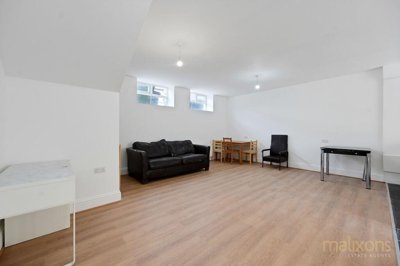
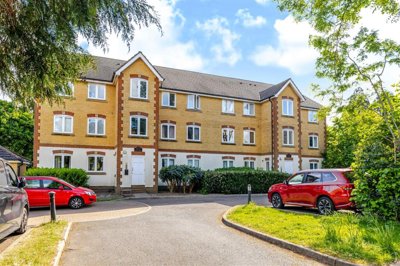
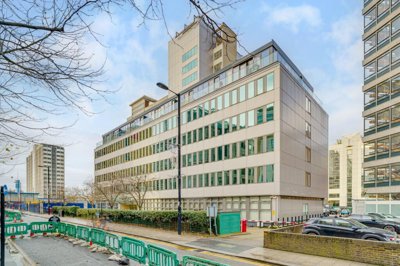
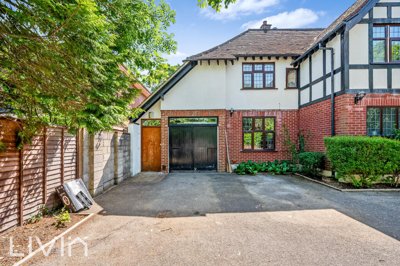
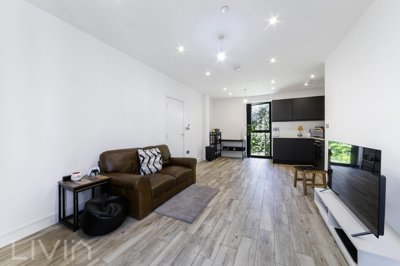
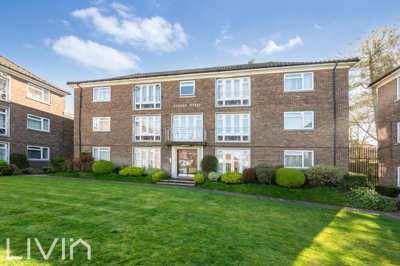
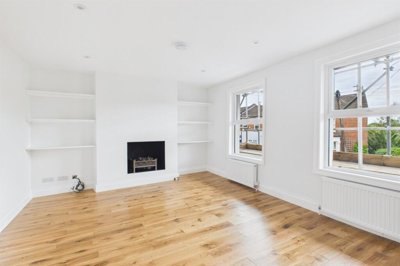
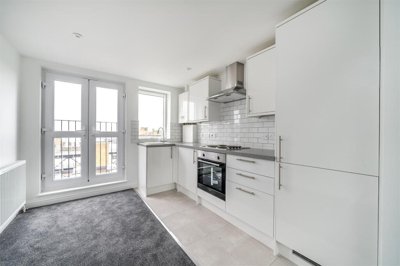
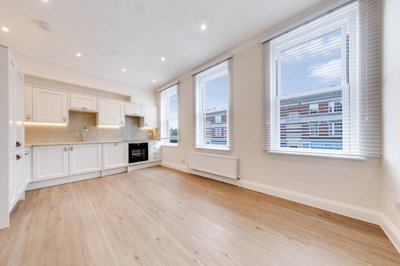
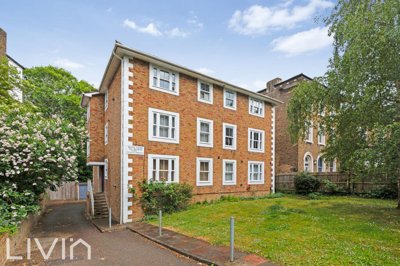
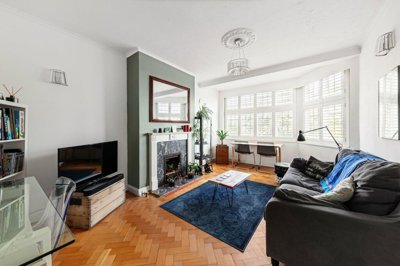
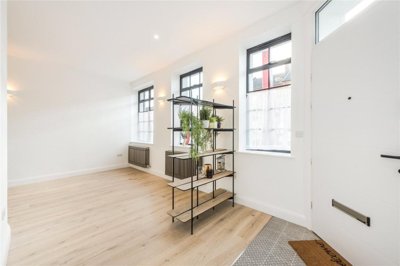
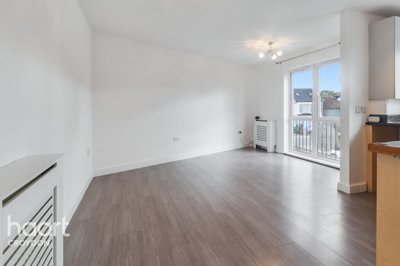
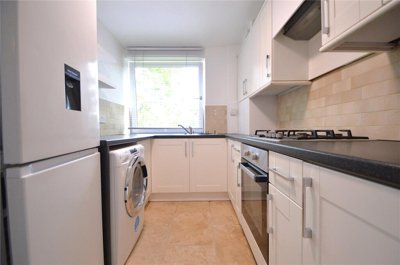
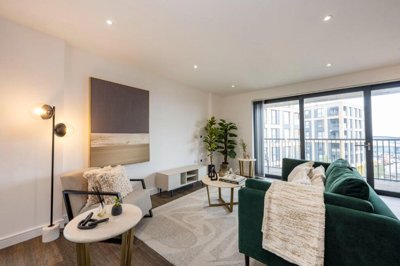
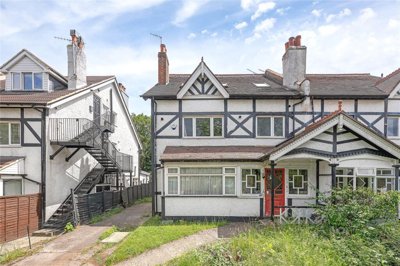
Browse 332 rental homes to rent in London Borough of Croydon from local letting agents.
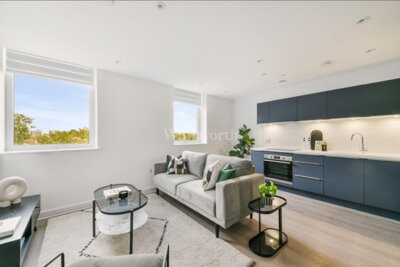
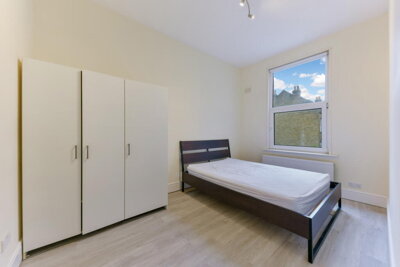
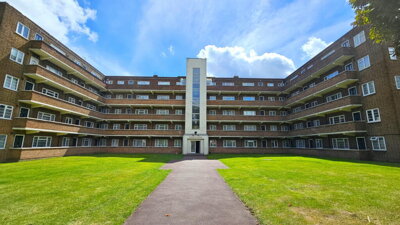
The 2 bed flat sector typically includes two separate bedrooms, dedicated living areas, and bathroom facilities. Properties in London Borough Of Croydon span purpose-built blocks, converted period houses, and modern apartment complexes on various floors.
Croydon's rental market offers a strong draw for renters in London's most affordable major borough. Average property values in Croydon sit around £2,220 per month, well below neighbouring boroughs, yet the area still has excellent links into the capital. That price gap means more space for the money, with terraced houses averaging around £2,216 per month, semi-detached properties at approximately £2,883 per month, and flats starting from £1,099. For first-time renters and anyone trying to get the most out of a realistic budget, that mix of value and room to breathe is hard to ignore.
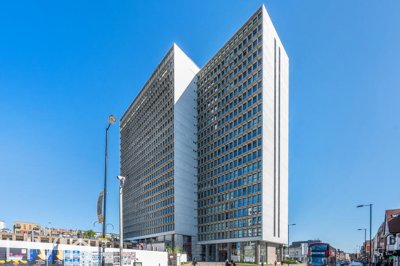
A £5.25 billion regeneration programme is changing the borough fast, with plans for up to 3,000 new homes, upgrades to East Croydon Station, and the addition of new public spaces and community facilities. Developments such as Morello, with its twin 25-storey towers and around 500 homes including 118 affordable units, alongside the completed College Road scheme with both affordable and co-living accommodation, are already altering the skyline and widening the choice of modern rentals. Sales activity has stayed steady too, with approximately 3,800 transactions in the past year, which points to a busy market offering both new-build and established homes.

Life in Croydon brings together a wide range of experiences, shaped by diverse communities and a good spread of amenities. More than 390,800 residents call the borough home, and the population has a largely younger profile that suits working professionals and families. That mix shows up in the cultural scene, from restaurants and events to venues that keep the area lively all year. Croydon Clocktower arts centre and the BOXPARK venue give plenty of options for a night out, while regular markets bring together local talent and international food that reflects the borough's multicultural feel.
Croydon's landscape changes a great deal from one district to the next. The town centre is busy, with retail areas and restaurants, while places such as Sanderstead, Shirley, and South Croydon feel quieter and more suburban. In the south of the borough, chalk bedrock forms part of the North Downs, and Croham Hurst offers wooded walks and outdoor space. The River Wandle runs through the area too, and restoration has brought parts of it back to the surface in Wandle Park. Shopping ranges from the major Purley Way retail and logistics hub to independent shops along South End and in local village centres.
Built heritage matters in Croydon, and 21 designated conservation areas help protect the character of places such as Chatsworth Road, The Waldrons, and Kenley Aerodrome. There are 168 listed buildings of national importance in the borough, including Croydon Town Hall, Croydon Clocktower, Croydon Airport, and Shirley Windmill. That mix gives each neighbourhood its own feel, from Victorian and Edwardian terraces in central Croydon to the 1930s semi-detached houses and bungalows found in Shirley and South Croydon. It is a borough with a lot of variety packed into one place.

Families renting in Croydon will find a broad choice of schools across all levels. The borough has many primary and secondary schools, and several have outstanding Ofsted ratings. Among the best-known secondary schools are Trinity School at Croham, Archbishop Lanfranc Academy, and Riddlesdown Collegiate, which serves the Purley area and has built a strong reputation for academic results and extracurricular activity. Neighbouring boroughs also offer grammar schools, giving families more scope if selective education is part of the plan, though entry depends on the 11-plus examination and catchment areas should always be checked.
For older students, Croydon has further education colleges offering A-levels, vocational qualifications, and career-focused training. The borough's education network is helped by strong links to universities in central London, with East Croydon station giving fast access across the capital. Parents looking into school catchment areas should remember that rental prices can shift quite sharply between zones, so it pays to start the search early. Primary schools in places such as Sanderstead, Kenley, and Purley are especially popular with family renters, and homes there can go quickly during busy school admission periods.

Transport is one of Croydon's clearest strengths for renters who work in central London or need access to major hubs. East Croydon station is the main railway centre, with frequent trains to London Bridge in approximately 15 minutes and London Victoria in around 20 minutes. Those journey times make the borough appealing to commuters who want to avoid central London's higher rents without losing easy access to the city's job market. Norwood Junction, South Croydon, and Purley add further options depending on where in the borough you live.
The transport picture stretches beyond the capital. Gatwick Airport is reachable in approximately 15 minutes from East Croydon, which puts Croydon in a good spot for international travel and aviation work. Around the borough, Transport for London buses link neighbourhoods well, and plans for better cycling infrastructure should give sustainable travel a boost. Drivers have the A23 and M25 close by, opening routes into Sussex, Kent, and the wider motorway system. The East Croydon Station improvement programme is still under way, with the aim of adding capacity and improving facilities for the long term.

Before starting a property search in Croydon, it is sensible to get a rental budget agreement in principle from a financial institution. That document shows landlords and estate agents that affordability has already been checked, which can give you an edge in a market where demand can be sharp, especially near strong schools or good transport links.
Take time to look at several parts of the borough before settling on a neighbourhood. Work, school catchment areas if you have children, local amenities, the character of each district, and any regeneration plans all deserve a proper look. A short list made on the basis of lifestyle, rather than just rent, usually leads to a better match.
After you have found properties that fit, book viewings through our platform or with local estate agents directly. Use the appointment to check the place properly, looking for damp, the state of fixtures and fittings, and how the building presents overall. For a ground-floor flat, ask about damp-proof courses. With older homes, it is wise to ask whether subsidence or structural repairs have ever been an issue.
Read every tenancy agreement carefully before you sign it, and make sure the rights and responsibilities are clear. The main points are the tenancy length, the deposit amount and protection arrangements, the rent payment schedule, and the process for maintenance requests and end-of-tenancy checks. In Croydon, some homes sit in conservation areas or come with planning restrictions, so it is worth knowing what changes are actually allowed.
Landlords usually ask for tenant referencing, and that can include credit checks, employment verification, and references from previous landlords. If we have those documents ready beforehand, the application can move faster and it may help you secure the property before someone else does.
We would also suggest commissioning an inventory check before moving in, so the condition of the property and its contents is recorded from day one. That record can protect you from unfair charges when the tenancy ends and gives everyone a clear starting point. In Croydon, where there is plenty of older housing stock, an inventory is especially useful for Victorian and Edwardian homes.
Renting in Croydon means paying close attention to a few local factors that can shape your tenancy experience. Ground conditions here deserve proper scrutiny. London Clay underlies much of the borough, creating a high shrink-swell clay hazard that leaves properties more vulnerable to subsidence. Victorian and Edwardian houses with shallow foundations are particularly exposed, and some may already show movement or cracking. When viewing older homes, look for diagonal cracks near doors and windows, and ask whether any subsidence work has been carried out before.
Flooding is another issue in some parts of Croydon. Parts of Purley and Brighton Road carry a higher surface water flood risk, while the south of the borough faces groundwater flooding linked to underground watercourses known as bournes. Heavy rainfall has pushed groundwater levels up, which has triggered warnings in places such as Caterham Bourne, Coulsdon, Kenley, Purley, and South Croydon. If a property in one of these areas is on your list, check its flood history and whether the insurance cover is suitable. Southern areas also sit on chalk bedrock, which usually drains well but calls for the right foundation design.
Many Croydon properties sit within planning controls, especially in one of the borough's 21 conservation areas where Article 4 Directions can limit permitted development rights. If you want to alter a rental home, check what needs planning permission or the landlord's consent first. The regeneration programme is still active, with major projects near East Croydon station, so some neighbourhoods may also have nearby building work. We would check planned development before committing to a tenancy, just to know what is coming.

The Croydon rental market has expanded strongly, with private rental prices rising by approximately 7.6% year-on-year. Rental data does vary by property type and location, but the borough still offers better value than central London. Flats start from around £1,099 per month for studio and one-bedroom units, while houses generally range from £1,500 to £2,500 depending on size and how close they are to transport. The average house price in Croydon is about £2,220 per month, which helps explain why it remains one of London's more accessible boroughs for renters looking for value without losing the link to the capital.
Council tax in Croydon runs from Band A to Band H, although most homes fall into Bands A through D. Band A properties currently pay around £1,200 to £1,400 per year, while Band D properties usually come in between £1,600 and £1,800 annually. The exact figure depends on the property's valuation and any discounts or exemptions that may apply, such as single occupancy reduction or student exemption.
Croydon has strong school provision across the board. Notable secondary schools include Trinity School at Croham, Archbishop Lanfranc Academy, and Riddlesdown Collegiate, while several primary schools in areas such as Sanderstead, Shirley, and Purley have outstanding Ofsted ratings. Parents should check catchment areas carefully, since admission usually depends on proximity, and homes in popular school zones often attract a rental premium.
Public transport is another major advantage in Croydon. East Croydon station offers fast services to London Bridge in approximately 15 minutes and London Victoria in around 20 minutes. It also has direct trains to Gatwick Airport in roughly 15 minutes. Transport for London buses provide wide coverage across the borough, and the A23 and M25 give good road access. The Croydon Partnership is due to keep improving station facilities and capacity over the coming years.
Croydon is a smart option for renters who want good value and straightforward access to central London and Gatwick Airport. A £5.25 billion regeneration programme is reshaping the borough with new homes, better public spaces, and improved facilities. It is London's third most affordable borough for those working within the borough, and it still offers plenty of amenities, varied neighbourhoods, and good schools. The main trade-offs are construction activity in some locations and the geological issues that affect certain older homes.
In Croydon, standard deposits for renting usually amount to five weeks' rent, capped at five weeks' rent where the annual rent is above £50,000. Under the Tenant Fees Act 2019, landlords cannot charge fees for referencing, credit checks, or administration beyond rent, deposit, and a refundable holding deposit. First-time renters may qualify for certain exemptions, and it makes sense to set aside money for moving costs, initial utility connections, and contents insurance as well as the deposit and first month's rent.
Anyone renting in Croydon should keep an eye on the risks linked to the borough's geography and housing stock. The high shrink-swell clay hazard raises subsidence risk for older buildings, especially those with shallow foundations near large trees, and climate change with more extreme weather is expected to make that risk worse. Flooding can affect parts of Purley, Brighton Road, and the southern neighbourhoods near groundwater sources, where rising water tables have led to flood warnings. Homes in conservation areas may face limits on alterations, and the regeneration programme means some places are dealing with significant construction activity. A thorough inventory check before moving in can protect your deposit when the tenancy ends.
From 4.5%
Compare rental budget rates and find the best deal
From £49
Expert referencing services for your rental application
From £450
Professional surveyor inspection for your rental property
From £80
Energy performance certificate for your new home
Getting to grips with the financial side of renting in Croydon helps with budgeting and keeps surprises to a minimum during the application process. The usual practice is a security deposit equal to five weeks' rent, capped at that level under the Tenant Fees Act 2019 for tenancies where annual rent is below £50,000. That deposit must be protected in a government-approved scheme within 30 days of receipt, and you should be told which scheme is holding it. The holding deposit is typically one week's rent, reserved while references are checked, and it is usually taken off either your first month's rent or the security deposit once the tenancy agreement is completed.
The Tenant Fees Act 2019 limits what landlords and agents can ask for beyond rent and deposit, so in most cases you should not be charged for credit checks, referencing, or administration. Even so, costs can still arise for late rent, contract changes agreed with the landlord, or early termination where the agreement allows it. On top of tenancy costs, first-time renters should budget for setting up gas, electricity, water, and internet, plus contents insurance to cover belongings. Council tax, based on the property's valuation band, will be due monthly with rent, and planning for those ongoing bills alongside moving expenses makes the move into a new Croydon home much easier.
Properties to Rent In London

Properties to Rent In Plymouth

Properties to Rent In Liverpool

Properties to Rent In Glasgow

Properties to Rent In Sheffield

Properties to Rent In Edinburgh

Properties to Rent In Coventry

Properties to Rent In Bradford

Properties to Rent In Manchester

Properties to Rent In Birmingham

Properties to Rent In Bristol

Properties to Rent In Oxford

Properties to Rent In Leicester

Properties to Rent In Newcastle

Properties to Rent In Leeds

Properties to Rent In Southampton

Properties to Rent In Cardiff

Properties to Rent In Nottingham

Properties to Rent In Norwich

Properties to Rent In Brighton

Properties to Rent In Derby

Properties to Rent In Portsmouth

Properties to Rent In Northampton

Properties to Rent In Milton Keynes

Properties to Rent In Bournemouth

Properties to Rent In Bolton

Properties to Rent In Swansea

Properties to Rent In Swindon

Properties to Rent In Peterborough

Properties to Rent In Wolverhampton

Enter your details to see if this property is within your budget.
Loans, cards, car finance
Estimated property budget
Borrowing + deposit
You could borrow between
Typical borrowing
Monthly repayment
Est. at 4.5%
Loan-to-value
This is an estimate only. Your actual budget may vary depending on interest rates, credit history, and personal circumstances. For an accurate affordability assessment, speak to one of our free mortgage advisors.
This calculator provides estimates for illustrative purposes only and does not constitute financial advice. Your home may be repossessed if you do not keep up repayments on your mortgage. Estimates based on 4.5% interest rate, repayment mortgage. Actual rates depend on your circumstances.
Homemove is a trading name of HM Haus Group Ltd (Company No. 13873779, registered in England & Wales). Homemove Mortgages Ltd (Company No. 15947693) is an Appointed Representative of TMG Direct Limited, trading as TMG Mortgage Network, which is authorised and regulated by the Financial Conduct Authority (FRN 786245). Homemove Mortgages Ltd is entered on the FCA Register as an Appointed Representative (FRN 1022429). You can check registrations at NewRegister or by calling 0800 111 6768.

We use cookies to show you personalised content and improve your experience of our website. Find out more in our Privacy policy and Cookie policy.