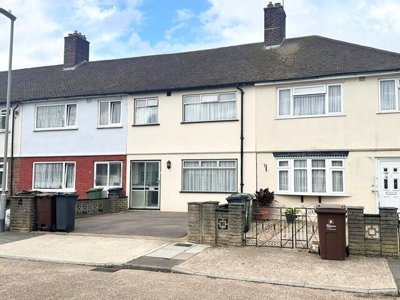
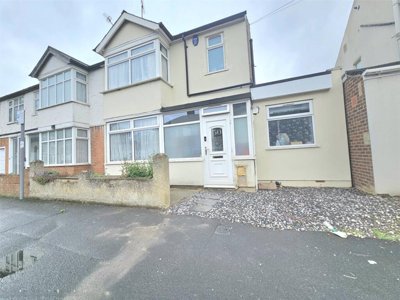
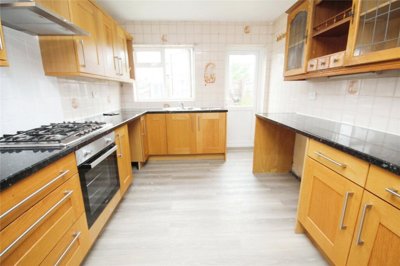
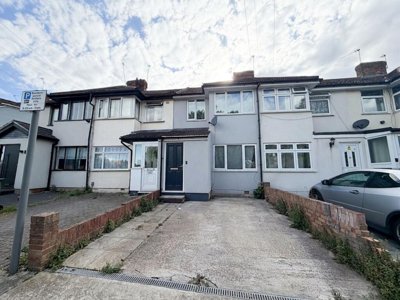
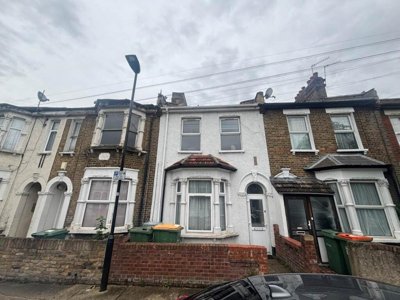
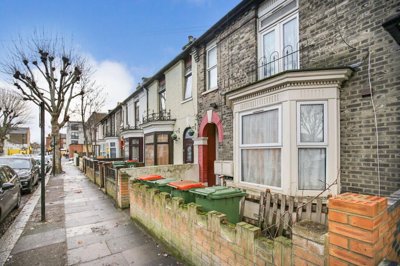
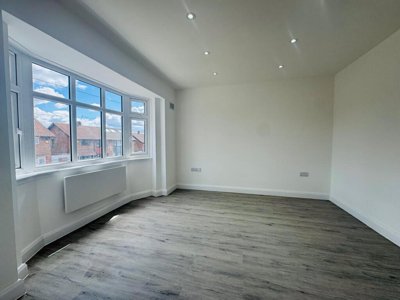
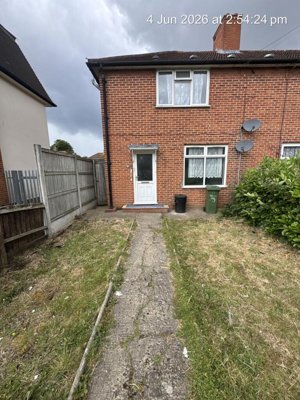
Browse 285 rental homes to rent in London Borough of Barking and Dagenham from local letting agents.
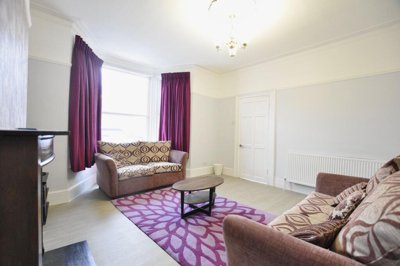
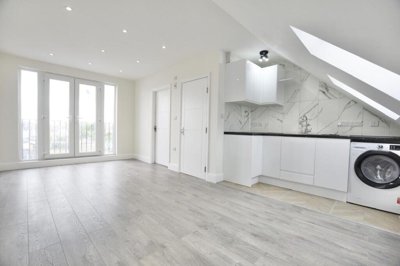
The London Borough Of Barking And Dagenham property market offers detached, semi-detached, and terraced houses spanning various price ranges and neighbourhoods. Each listing includes detailed property information, photographs, and direct contact with the marketing agent.
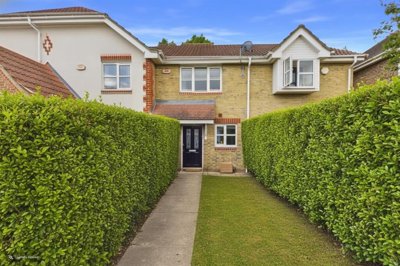
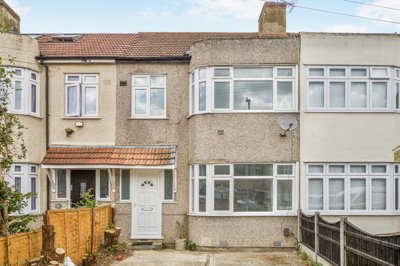
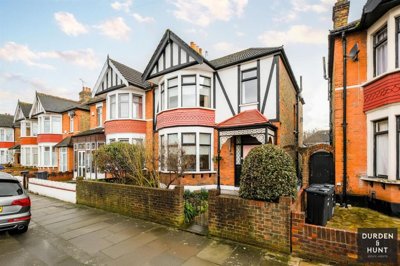
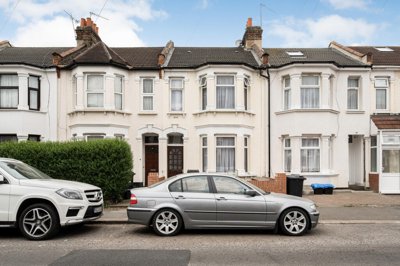
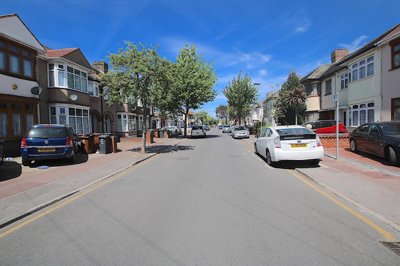
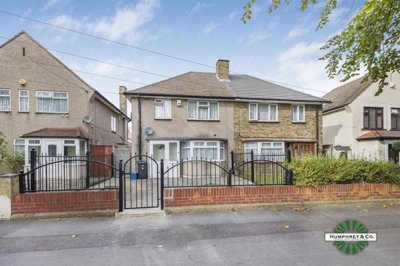
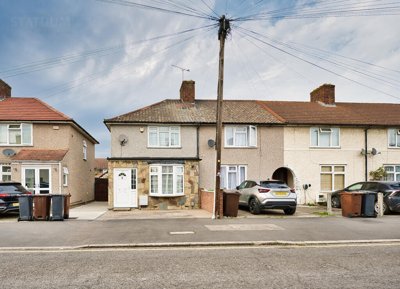
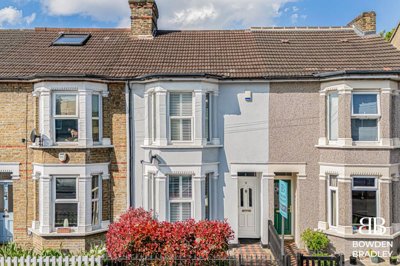
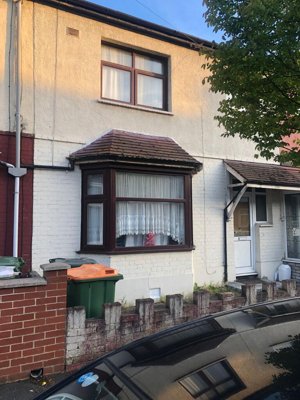
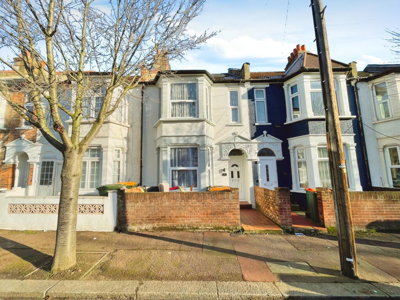
Barking and Dagenham's property market has changed a great deal in recent years, helped by regeneration and better transport links. The borough is still largely terraced, with 42.1% of homes in that category, while flats, maisonettes and apartments account for 35.8%. That mix gives renters plenty of choice, from traditional two and three-bedroom houses for families to one and two-bedroom apartments for young professionals and couples. Semi-detached houses make up 19.3% of the stock, detached homes only 2.8%, so much of the rental market sits in the more affordable brackets.
Across the borough, regeneration is reshaping what the market looks like. Barking Riverside is one of the biggest schemes, a joint venture between L&Q and the Greater London Authority that is creating thousands of new homes along the River Thames. The waterfront offers modern one to four-bedroom apartments and houses, with prices starting from approximately £290,000 for new apartments. Weavers Quarter in Barking town centre, on East Street, and Beam Park on the Dagenham border are also adding new homes, including many available for affordable rent. These newer schemes bring a different feel to an area where 81.1% of properties were built before 1980.
Sales activity suggests the buy-to-let market here is still moving. There were 1,481 property sales in the last 12 months, which points to healthy demand. Average house prices sit at around £350,757, with terraced properties averaging £360,000, semi-detached homes at £426,875, and flats at £250,000. Prices have dipped by 1.4% over the past year, which may feed through into sharper rental pricing for tenants. The result is a broad rental scene, from period homes on established streets to modern flats with river views.

East London's industrial past still shapes the borough, alongside its riverside setting. Barking and Dagenham runs along the southern bank of the River Thames, and Barking Riverside gives residents waterfront access that was long missing in this part of London. In older neighbourhoods, the community feel remains strong, with generations of families living nearby and high streets that have kept their character even as the capital has changed around them. The borough's population of nearly 219,000 reflects a diverse community with deep cultural roots.
Ford Dagenham remains a major part of the local economy, even though the area has moved on from its manufacturing peak. The plant now focuses on engine production and employs thousands of workers. Healthcare is another important sector, with the Barking, Havering and Redbridge University Hospitals NHS Trust running facilities that serve the wider region. Education brings in further jobs, and construction linked to regeneration adds both temporary and permanent roles in retail and services. Many renters can find work locally, though the transport network still makes commuting into central London straightforward.
Heritage is easy to find in the borough's conservation areas. Barking Town Centre, Eastbrook, and Old Dagenham Village each have their own feel, while Eastbury Manor House and Valence House Museum add listed-building interest. Parsloes Park and the Thames View Estate give residents access to green space, and the Thames itself opens up walking and cycling routes along the river. Day to day, there is Vicarage Field Shopping Centre, the Barking Learning Centre, and a growing number of restaurants and community facilities. For renters, that mix of value and convenience is a strong pull.

For families, schooling is one of the main reasons to look here. The borough has plenty of primary schools, taking children from Reception through to Year 6, and several perform well in Ofsted inspections. Secondary education comes through a mix of comprehensive schools and academies, with GCSE and A-Level programmes on offer. It is sensible to check each school's performance and catchment area carefully, because admission policies often give priority to children living closest to the school gates. That makes the location of a rental property especially important for households with school-age children.
Post-16 choices are decent as well. Barking and Dagenham College offers vocational courses and academic qualifications for students moving on from secondary school, giving a practical route into work or higher education without a trip into central London. The University of East London has a presence in the area, and other London campuses remain reachable by public transport. If school admissions matter to you, renting nearer to preferred schools can improve the odds, since proximity is often a deciding factor.
Admissions rules need a careful read. Many schools in Barking and Dagenham use catchment areas, so children who live within a set zone are given priority for places. Renting in the right area does not guarantee a place at the nearest school, and waiting lists can be long where schools are oversubscribed. Before committing to a tenancy, prospective tenants with children should speak to the local education authority and the schools themselves so they have a clear idea of the current criteria and the chances of getting a place.

Transport is one of the borough's strongest cards, especially for people working in central London. Barking station is served by the District line and Hammersmith and City line, with direct links to Blackfriars, Monument, and the West End. Bank is usually around 35-40 minutes away, which makes regular commuting manageable for many professionals. East Ham and other nearby stations add extra Underground access, while c2c trains from Barking run to Fenchurch Street and Liverpool Street for those who prefer National Rail.
Bus routes fill the gaps between stations and keep the borough well connected. They link homes with shopping centres, healthcare facilities, and rail stations, so even residents without easy Underground access can get around efficiently. Services also reach places such as Romford and Ilford. Drivers have the A13 for direct access to the City and Docklands, and the M25 is within reach for longer journeys. The A406 North Circular Road also cuts through parts of the borough, tying it into wider east London. Peak-time congestion can be heavy, though, and parking varies a lot from one neighbourhood to the next.
Cycling and walking are getting better as the borough invests in new infrastructure. The Thames Path gives walkers and cyclists an attractive route, especially along the riverside at Barking Riverside, where the promenade is useful for both daily travel and weekend trips. New developments are also bringing in sustainable drainage systems and better pedestrian permeability, so residents can reach local amenities without always needing a car. For those looking to cut costs and lower their environmental impact, the combination of public transport and active travel options makes Barking and Dagenham an increasingly practical place to live.

Shopping here is practical rather than flashy, which suits a lot of renters. Vicarage Field Shopping Centre in Barking town centre mixes major retailers with independent shops, while the Broadway retail area covers everyday essentials and services. Sunday markets in Barking town centre have long been part of local life, with fresh produce and goods in a traditional setting. High streets in places such as Chadwell Heath and Becontree still feel village-like too, with independent shops, cafes, and restaurants serving well-established communities.
Green space is not in short supply. Parsloes Park offers sports facilities, children's play areas, and wide open areas that are popular with families. Being close to the River Thames means residents can use waterfront walks and cycling routes, with the Thames Path linking Barking Riverside to neighbouring areas. Central Park in Dagenham, along with numerous smaller local parks, gives the borough a decent spread of outdoor space. Sports provision includes the £5 million Dagenham Park Football Centre and community sports programmes for all ages.
Culture is woven through Barking and Dagenham. Valence House Museum, a Grade II* listed building, houses the borough's local history archive and stages exhibitions and events throughout the year. The Broadway Theatre in Barking brings live entertainment, cinema screenings, and community events to the area. Skating is available at the Barking and Dagenham Ice Mermaid, and regular festivals reflect the borough's multicultural make-up. Libraries, including Barking Library and Dagenham Library, add everyday value with digital resources, educational programmes, and wider community services.

Before viewing any properties, we suggest getting a rental budget agreement in principle from a lender or broker. It shows estate agents and landlords that the monthly rent is affordable, which can help a great deal when competition is tight. Most landlords ask for proof of income at 2.5 to 3 times the monthly rent, so having the paperwork ready can make the whole application process move more smoothly.
The best way to get a feel for Barking and Dagenham is to spend time in a few different parts of it. Think about work, schools, public transport, shops, and parks, then walk the streets at different times of day and on weekends to get a sense of noise, traffic, and atmosphere. The borough ranges from the riverside developments of Barking Riverside to the older terraced streets of Becontree and Chadwell Heath, and each area has its own rhythm.
Once a shortlist is in place, book viewings through estate agents or direct with landlords. We would always ask about the condition of the property, lease terms, fixtures and fittings, and how maintenance issues are reported. Notes and photographs taken during viewings make later comparisons much easier. In a competitive market, quick responses matter, and preparation can be the difference between securing a place and losing it.
Applications move faster when the paperwork is already to hand. That usually means proof of identity, evidence of income or employment, references from previous landlords, and your credit history. Putting those documents together in advance speeds up the process and shows you are serious about the property.
If the landlord is satisfied, tenant referencing comes next. This checks credit history, employment status, and references, and once that is complete you will sign the tenancy agreement and pay the deposit, usually equivalent to five weeks rent. Keep copies of every signed document and make sure you understand both your rights and your responsibilities as a tenant.
Do not skip the inventory check before moving in. A detailed record of the property's condition and contents protects both tenant and landlord, and helps avoid arguments later over pre-existing damage. Dated photographs of every room are useful, and any existing marks or faults should be noted clearly on the inventory form.
A few local quirks are worth checking before you sign. The underlying London Clay geology affects properties across the borough, and clay soils can shrink and swell, which sometimes leads to movement in homes with shallow foundations. Look for signs of subsidence, such as cracks in walls, sticking doors, or uneven floors. Building surveys are more often linked to purchases, but renters should still document the condition carefully before moving in so they are not blamed for old issues.
Flooding is not the same everywhere in the borough, so specific properties need checking. The River Thames forms the southern boundary, and homes near it can fall into higher flood risk designations. Tributaries such as the River Roding and Beam River also bring fluvial flood risks in nearby locations, while surface water flooding can affect built-up areas with a lot of paving and limited drainage. It is worth checking Environment Agency flood maps and talking through any concerns with estate agents or landlords before committing to a tenancy. Properties in Flood Zone 2 or 3 may also need particular insurance consideration.
Planning controls are tighter in some streets than others. Barking Town Centre, Eastbrook, and Old Dagenham Village all sit within conservation areas, and if you rent a flat in a listed building or a property within one of these areas, some alterations may need consent from the local planning authority. That matters during a tenancy. Many homes in Barking and Dagenham also use traditional brick construction, with solid walls or cavity insulation that can affect thermal performance and heating costs, so it is sensible to check energy efficiency ratings before signing.
The cost side is fairly straightforward, thanks to the Tenant Fees Act 2019. Most upfront charges were removed, so you will usually just need to pay rent in advance, often one month, plus a security deposit capped at five weeks rent for annual rents below £50,000. Those deposits are held in a government-approved scheme and returned when the tenancy ends, subject to any legitimate deductions for damage or unpaid rent.
A budget agreement in principle is a useful early step. It comes from a financial provider and sets out how much monthly rent you can afford, which gives estate agents and landlords confidence in your application. In a competitive market, having that document ready can put you ahead of other tenants. The assessment normally involves a credit check and an income review, with earnings of 2.5 to 3 times the monthly rent amount usually required. That level is often easier to meet in Barking and Dagenham than in central London, given the borough's lower rental levels.
Moving home brings a few extra costs with it. Removal services, contents insurance, and initial utility setup can all add up, including deposits for gas, electricity, and internet services. Council tax and water charges are usually separate from rent unless stated otherwise. In Barking and Dagenham, council tax bands run from A to H depending on property value, with Band A paying the lowest rates. For current figures, contact Barking and Dagenham Council directly or check its website. Keeping those running costs in mind makes it easier to choose a property where the rent still works alongside the rest of the household budget, and that matters in a borough that continues to grow in popularity.
Current listings matter more than headline averages, but the borough is still generally cheaper than central London. Average property values sit around £350,757, with terraced homes at £360,000, semi-detached properties at £426,875, and flats at £250,000. Rental prices tend to track property size and location, with Barking town centre often attracting higher rates because of its transport links. To get a clear picture of today's market, search our listings and compare homes of different sizes and in different parts of the borough.
Council tax depends on the band, not just the street. In Barking and Dagenham, properties fall within bands A through H, and the borough is administered by Barking and Dagenham London Borough Council, which sets the annual rates. Banding is based on estimated 1991 values, with Band A at the lowest end and Band H at the highest. For current charges, contact Barking and Dagenham Council directly or use its website, since rates can change each year and may vary with the exact location of the property.
School results have improved, though the picture still varies from one institution to the next. The borough has a range of primary and secondary schools, and several have achieved Good or Outstanding Ofsted ratings in recent years. Families should look at individual Ofsted reports and take catchment boundaries into account when choosing a rental home, because admissions often prioritise proximity. Secondary options include comprehensive schools and academies offering GCSE and A-Level qualifications, while Barking and Dagenham College and the University of East London add further and higher education routes.
Public transport coverage is one of the borough's clear strengths. Barking station gives access to the District line and Hammersmith and City line, with direct links into central London in around 35-40 minutes. c2c rail services run to Fenchurch Street and Liverpool Street, and bus routes cover the whole borough, helping residents get to places such as Romford and Ilford even without nearby rail access. Road links are strong too, with the A13 reaching the City and Docklands and the A406 North Circular Road connecting to wider east London.
For many renters, the appeal is simple. Barking and Dagenham offers affordable accommodation with good transport links to central London, along with housing that ranges from traditional terraced houses to modern apartments in regeneration areas like Barking Riverside. Major investment through schemes such as Barking Riverside is also improving facilities and amenities, with the riverside development bringing new green spaces, shops, and community spaces. The borough attracts commuters, families, and young professionals looking for value without giving up London connectivity. Healthcare, education, and construction all provide growing employment opportunities, which helps underpin the rental market.
Upfront rental costs are limited compared with a few years ago. Standard deposits are usually equivalent to five weeks rent, capped at five weeks rent where the annual rent exceeds £50,000. The Tenant Fees Act 2019 largely banned tenant fees, so landlords cannot charge checking fees, referencing fees, or inventory fees. A tenancy amendment fee may still apply if one is requested, but the main upfront costs are normally just rent in advance and the deposit. We would still advise getting a rental budget in principle before you start viewing, so landlords and agents can see that affordability is in place.
A last check on risks can save trouble later. Homes close to the River Thames and its tributaries may sit within Flood Zone 2 or 3 designations, while the underlying London Clay can affect older properties with shallow foundations. Look out for cracking, sticking doors, and other signs of subsidence. It is also wise to review the Energy Performance Certificate rating, especially in older homes with solid walls and poorer thermal performance, and properties in conservation areas may have limits on alterations. A thorough inventory check helps protect tenants from incorrect damage charges when they move out.
Properties to Rent In London

Properties to Rent In Plymouth

Properties to Rent In Liverpool

Properties to Rent In Glasgow

Properties to Rent In Sheffield

Properties to Rent In Edinburgh

Properties to Rent In Coventry

Properties to Rent In Bradford

Properties to Rent In Manchester

Properties to Rent In Birmingham

Properties to Rent In Bristol

Properties to Rent In Oxford

Properties to Rent In Leicester

Properties to Rent In Newcastle

Properties to Rent In Leeds

Properties to Rent In Southampton

Properties to Rent In Cardiff

Properties to Rent In Nottingham

Properties to Rent In Norwich

Properties to Rent In Brighton

Properties to Rent In Derby

Properties to Rent In Portsmouth

Properties to Rent In Northampton

Properties to Rent In Milton Keynes

Properties to Rent In Bournemouth

Properties to Rent In Bolton

Properties to Rent In Swansea

Properties to Rent In Swindon

Properties to Rent In Peterborough

Properties to Rent In Wolverhampton

Enter your details to see if this property is within your budget.
Loans, cards, car finance
Estimated property budget
Borrowing + deposit
You could borrow between
Typical borrowing
Monthly repayment
Est. at 4.5%
Loan-to-value
This is an estimate only. Your actual budget may vary depending on interest rates, credit history, and personal circumstances. For an accurate affordability assessment, speak to one of our free mortgage advisors.
This calculator provides estimates for illustrative purposes only and does not constitute financial advice. Your home may be repossessed if you do not keep up repayments on your mortgage. Estimates based on 4.5% interest rate, repayment mortgage. Actual rates depend on your circumstances.
Homemove is a trading name of HM Haus Group Ltd (Company No. 13873779, registered in England & Wales). Homemove Mortgages Ltd (Company No. 15947693) is an Appointed Representative of TMG Direct Limited, trading as TMG Mortgage Network, which is authorised and regulated by the Financial Conduct Authority (FRN 786245). Homemove Mortgages Ltd is entered on the FCA Register as an Appointed Representative (FRN 1022429). You can check registrations at NewRegister or by calling 0800 111 6768.

We use cookies to show you personalised content and improve your experience of our website. Find out more in our Privacy policy and Cookie policy.