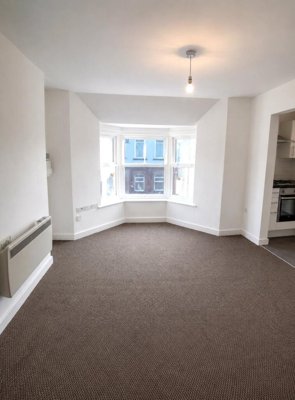
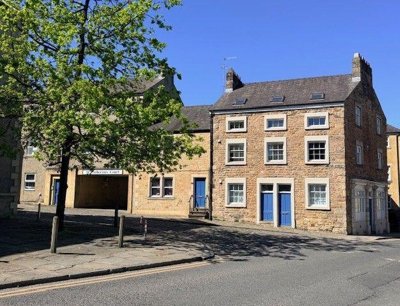
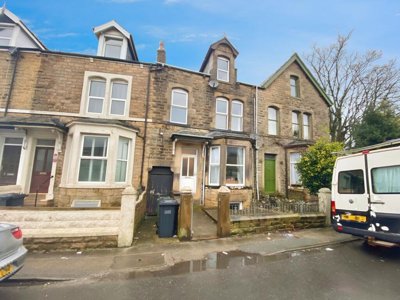
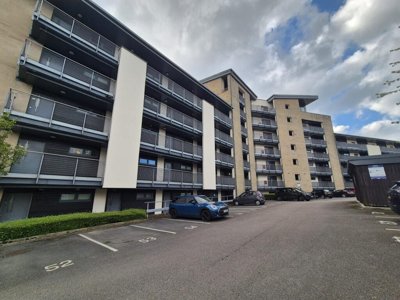
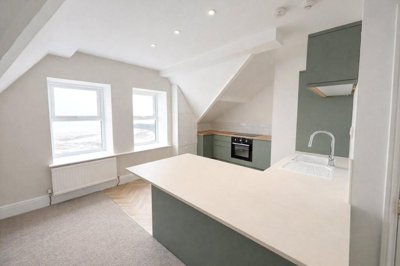
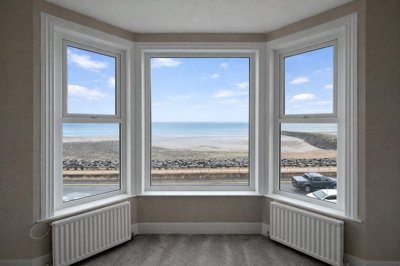
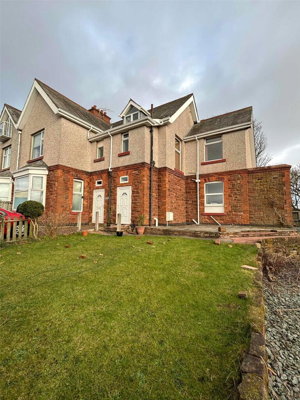
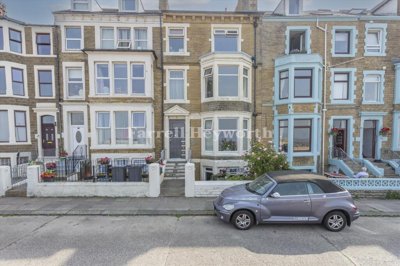
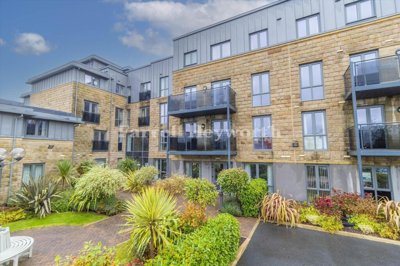
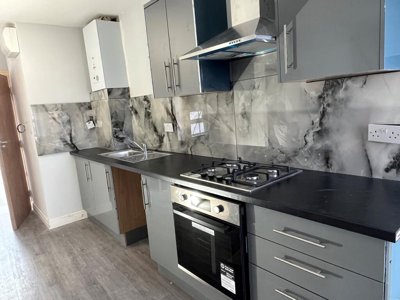
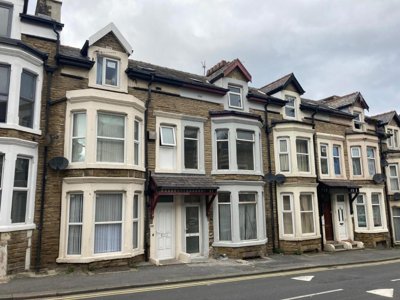
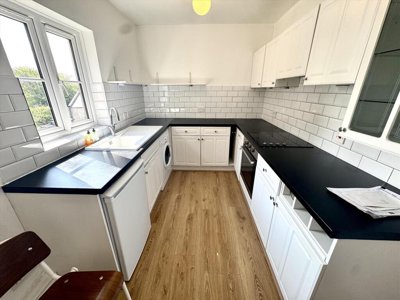
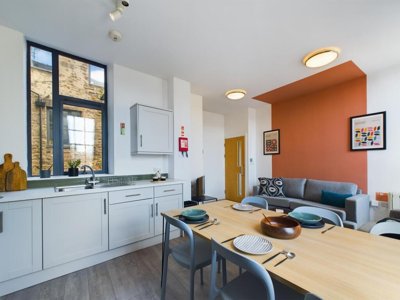
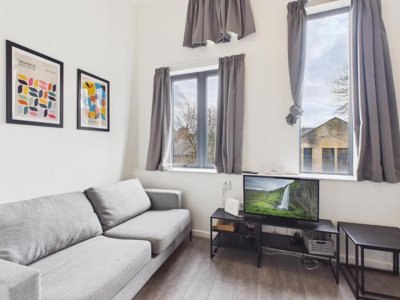
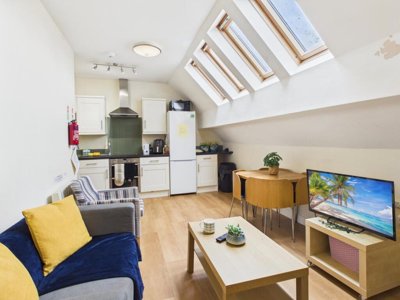
Browse 109 rental homes to rent in Lancaster, Lancashire from local letting agents.
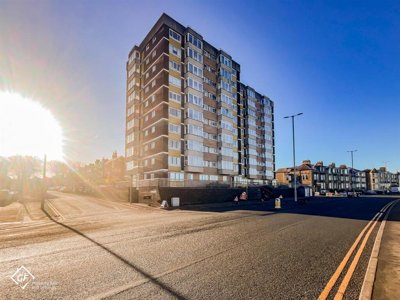
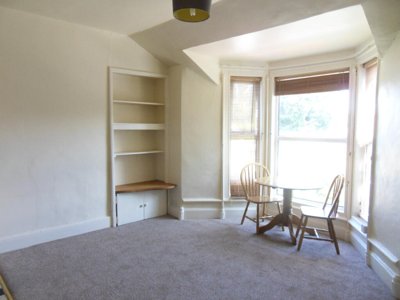
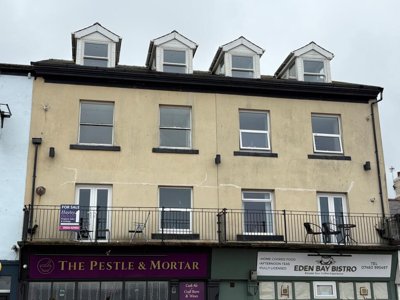
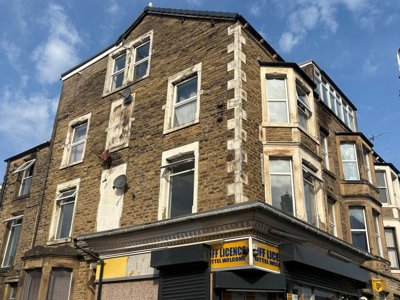
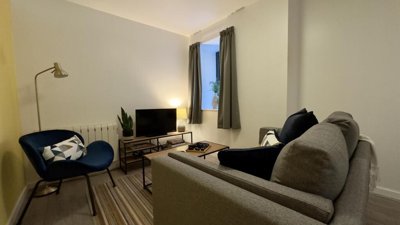
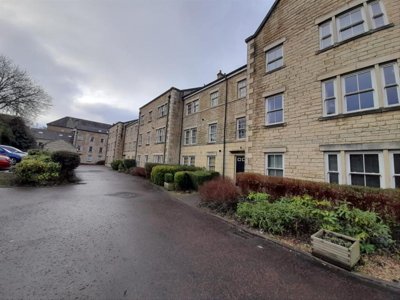
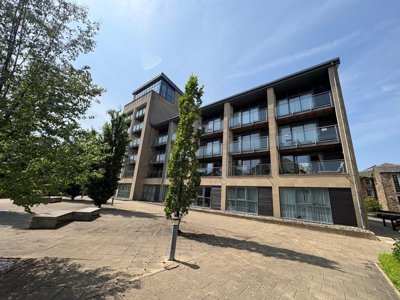
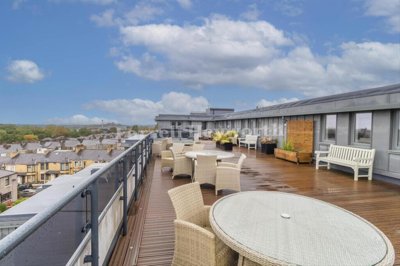
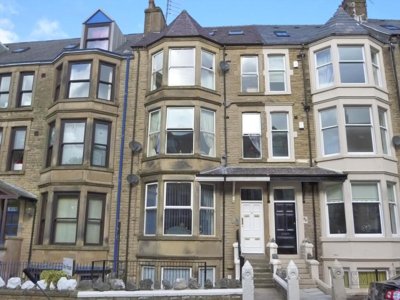
One bed apartments provide a separate bedroom alongside distinct living space, bathroom, and kitchen areas. Properties in Lancaster are available in various building types including mansion blocks, contemporary developments, and house conversions.
£800/m
7
0
37
Source: home.co.uk
Showing 7 results for 1 Bedroom Flats to rent in Lancaster, Lancashire. The median asking price is £800/month.
Source: home.co.uk
Flat
7 listings
Avg £789
Source: home.co.uk
Source: home.co.uk
Lancaster’s rental market reflects the city’s unusual mix of historic county town and university hub, so there is a broad spread of property types for different budgets and ways of living. Terraced homes are still the most common housing type in the LA1 postcode area, and they tend to sit at rents that work for first-time renters and young professionals taking their first steps in the private rental sector. Recent market data puts terraced property values in Lancaster at around £173,000 to £178,000, which helps explain why rents remain competitive beside larger regional cities. In the wider Lancaster area, the rental split is approximately 14.6% private rentals and 6.1% social housing, a sign of a healthy private market with plenty of choice for people looking for homes across this part of Lancashire.
About 4,400 property transactions have been recorded in the Lancaster postcode area over the past twelve months, although that figure covers sales, not rentals. Prices have edged down a little too, with average values falling by around 4% to 7% against earlier periods, which can leave landlords more open to discussion on rent levels. In LA1, terraced homes average £172,735, semi-detached properties £233,191, detached houses £403,515, and flats £138,132, giving a solid picture of the market that sits behind local rental pricing.
New build supply is still thin, at roughly 1.4% of total sales, so most rental homes in Lancaster come with the feel of older housing rather than a brand-new finish. Where new schemes do appear, such as the Highgrove Road site and the Guidem Park development in South Lancaster, they usually attract higher rents because of their modern layouts and facilities. Lancaster’s cathedral city status and strong heritage shape the market as well, with many homes retaining fireplaces, high ceilings, and period details that appeal to tenants after character. Lancaster University keeps demand steady too, especially close to campus and along routes with good public transport, so the rental market stays active through the academic year.

Lancaster is one of those places where the old and the new sit side by side without much fuss. The city centre is anchored by Lancaster Castle, a Norman fortress that still dominates the skyline and underlines the city’s historic role, while Lancaster Cathedral gives the community a spiritual centre and hosts services and events that welcome residents and visitors alike. Down by Luneside, the riverside walks are a real draw, with the River Lune shaping the city’s growth and still offering a green, open setting for everyday walks.
Culture is woven into Lancaster’s identity, helped by its university city status. The Lancaster City Museum gives a clear view of local history and archaeology, while the Theatre at the University and galleries across the city keep the calendar busy with exhibitions, performances, and events throughout the year. Market Square still works as a proper market space too, where local producers sell fresh food and artisan goods, continuing a trading tradition that has lasted for centuries. For day-to-day shopping, residents have independent shops, national chains, and supermarkets close at hand, so there is little need to head to larger centres. The Luneside Studios and The Storey add another layer, with art shows, live music, and other creative events filling the year.
Out beyond the city, Lancashire opens up quickly. Morecambe Bay lies to the west, while the Forest of Bowland gives easy access to Areas of Outstanding Natural Beauty for weekend walks and longer escapes. Lancaster’s compact layout is a real advantage, since most people can get to key amenities on foot or by bicycle and still stay well connected to the wider region. The university brings a lively feel to some neighbourhoods, where cafes, bookshops, and cultural spaces cater for students and long-term residents in equal measure. Williamson Park, with the Ashton Memorial and Butterfly House, is especially popular with families and anyone wanting green space without losing easy access to the city centre.

Families are well served on the education front, with Lancaster and the surrounding area offering primary and secondary schools that have strong reputations for academic results and pastoral care. Selective education still has a place here too, through Lancaster Girls Grammar School and the grammar stream at Lancaster Royal Grammar School, both of which draw pupils from across the region. We would always suggest checking school catchments carefully before choosing a rental property, since admissions rules and boundary lines can make a big difference to what is available for school-age children. Aldcliffe, Marsh, and Bulk each have state school options that many families weigh up when looking for homes.
After GCSEs, Lancaster and Morecambe College gives young people a route into vocational and academic study, with courses that can lead to work, apprenticeships, or higher education. It serves students from across the area and has facilities for a range of vocational disciplines, so it matters to families looking for rental homes that suit teenagers who need college access. Higher education is a strong point too, because Lancaster University remains one of the UK’s top institutions and offers well-regarded research and teaching across many departments. The campus sits a little outside the city centre, but regular bus services keep it linked to central Lancaster and the surrounding neighbourhoods.
For younger children, Lancaster has plenty of primary schools spread across its neighbourhoods, and Ofsted ratings can help parents narrow the field when educational quality is a priority. Lancaster Christ Church Primary, Dunmail Primary, and Willoughby Park Primary each serve different catchment areas and come up often in local family conversations about schooling. Many families choose to rent in Lancaster because of that school reputation, and homes near the strongest primary options are often especially sought after. The university also has a wider effect, with outreach and enrichment work supporting state school pupils, while staff from the university often settle in the city and add to the strength of the local educational community.

Lancaster is very well connected by rail, which makes it practical for commuters while still feeling like a regional centre in its own right. Lancaster railway station has direct services to major cities including London Euston, and the journey to the capital is typically around two and a half hours, while Manchester is usually about one hour away. That makes the city appealing to professionals in the North West who want lower rental costs than many bigger urban centres. Glasgow and Edinburgh can be reached via changes at Preston or Carlisle, and Birmingham is accessible with a single change and links into the national rail network. With West Coast Main Line services stopping here, Lancaster works well for people who travel regularly for work.
The M6 runs close to Lancaster, giving straightforward road links south towards Manchester and north towards the Lake District. For drivers, that makes weekend trips easy enough, although parking is a different matter and varies sharply from one neighbourhood to another, with city centre rentals often offering far less space than suburban homes. Lancaster bus station handles local and regional services, linking the centre with surrounding towns, the university campus, and coastal places including Morecambe and Heysham. Stagecoach runs most of the local routes, and buses to the campus are frequent through the day.
Cyclists and pedestrians have more reason than most to feel at home in Lancaster. The city has invested in active travel routes, and the flat terrain in the centre and along the riverside makes cycling realistic for many residents. The Lancaster to Morecambe cycle path gives a traffic-free route to the coast, while bridleways and footpaths reach out into the surrounding countryside. For longer journeys, Manchester Airport is around ninety minutes away by car or public transport from central Lancaster, and Liverpool John Lennon Airport gives another option for overseas travel. Morecambe is also close enough for a simple day out, reachable by bus or cycle in around thirty minutes, with the seafront and the Midland Hotel both easy attractions.

Before you view a single property in Lancaster, get a rental budget agreement in principle from a financial provider. It confirms the maximum monthly rent you can afford and shows landlords and letting agents that you are serious and financially checked. Sorting this first gives a clear boundary to your search and saves time spent looking at homes that sit above your budget.
It pays to spend time in different parts of Lancaster before settling on a neighbourhood. Think about the journey to work, school access if you have children, public transport, and the feel of each area, from the historic city centre with castle views to quieter streets in Aldcliffe, Marsh, and Skerton. Every area has its own strengths, city centre homes are usually more walkable, while suburban streets often bring extra space and parking.
Once the budget and preferred locations are clear, use Homemove to search for available rentals in Lancaster. Set up alerts for new listings that match your criteria, because the better properties in popular areas can attract several enquiries within days. The university calendar affects demand in some parts of the city, with activity often picking up around September when the academic year starts.
Book viewings for any property that looks promising, and use the visit to check the condition, ask about tenancy terms, and meet the landlord or letting agent. Go in with questions ready about maintenance responsibilities, bills, and any restrictions on the property. For period homes, ask directly about heating systems, insulation standards, and any limits that come with listed building or conservation area status.
If a property feels right, send in your rental application straight away with the documents requested, such as proof of identity, proof of income or employment, and references from previous landlords or employers. Referencing checks will follow before a decision is made, and having everything organised can make the process much quicker.
Once referencing is complete, the tenancy agreement should arrive for review and signature. Read every part carefully, including the rent amount, deposit requirements, tenancy length, and any special conditions, before signing. By law, your deposit must be protected in a government-approved scheme, and written confirmation of that protection should reach you within thirty days of the tenancy start date.
Renting in Lancaster comes with a few local points that can matter a great deal in practice. Flood risk is one of them, given the city’s position beside the River Lune and near Morecambe Bay, and some areas are naturally more exposed than others. Before you commit, check the flood risk for the exact address and ask the landlord or letting agent whether there has been any history of flooding or water damage. The Environment Agency flood maps are useful here, and insurance may also become a factor where risk is higher.
Many Lancaster homes are historic, so conservation area rules and listed building status can affect what tenants are allowed to change. If a period property is on your shortlist, check whether it is listed and what that means for decorating, fixtures, or alterations during the tenancy. Older homes can also bring different maintenance demands and issues linked to original building methods, which responsible landlords should address but tenants still need to understand before moving in. Around the Castle Conservation Area near the city centre, restrictions on external changes are especially likely.
In Lancaster city centre, parking needs careful thought because availability changes a lot between neighbourhoods and property types. Students and young professionals may prefer apartments close to nightlife and the university, while families are often happier in quieter residential streets with gardens and better parking. Aldcliffe Road and York Street each have their own character and practical trade-offs, so it is worth understanding the details before choosing. Energy efficiency also varies widely across Lancaster’s housing stock, with some older homes offering solid wall construction and others carrying higher heating bills that need to be built into the budget.

Rental price data shifts by property type and location, but the overall average property price in the LA1 postcode area is around £245,000 according to recent market figures, with terraced homes averaging roughly £172,000 to £178,000. Flats in Lancaster usually sit between £136,000 and £142,000, while semi-detached homes are higher at approximately £232,000 to £234,000. Since rental prices tend to sit at a percentage of property values, Lancaster’s relatively affordable purchase prices, compared with major cities, make it an appealing choice for renters looking for value in the private rental sector. For current listings that match your budget and needs, speak directly to local letting agents.
Council tax in Lancaster is set by Lancaster City Council, and properties across bands A through to H can be found throughout the city depending on the type and value of the home. In the city centre, newer developments and larger houses usually sit in higher bands, while flats and terraced homes often fall in bands A through D. Historic properties can carry unusual bandings because of listed status or conservation issues. We always advise prospective tenants to ask which band applies at the viewing stage and to add that cost into the monthly budget alongside rent and utilities.
Education is one of Lancaster’s stronger draws, with Lancaster Royal Grammar School and Lancaster Girls Grammar School providing well-regarded secondary provision for pupils who pass the entrance exams. Primary education is also strong, with several schools rated Good or Outstanding by Ofsted, although the exact options depend on the catchment area. Willoughby Park Primary, Dunmail Primary, and Lancaster Christ Church Primary cover different parts of the city and are often mentioned in family discussions about local schooling. Lancaster University adds further weight to the area’s educational reputation, with teaching and research across many disciplines and a long-standing place among the UK’s leading universities.
Public transport in Lancaster is excellent, with the railway station offering direct services to London, Manchester, Birmingham, and destinations across the North West and beyond. The West Coast Main Line stopping at Lancaster station gives journey times of around two and a half hours to London Euston and roughly one hour to Manchester Piccadilly. Stagecoach and other bus operators connect the city centre with the university campus, nearby towns, and the coast at Morecambe and Heysham. The Lancaster to Morecambe bus route is especially handy for anyone working or studying between the city and the coast.
For renters, Lancaster offers a very strong day-to-day quality of life. Historic character sits comfortably alongside practical amenities and good transport links to larger cities, and the rental stock ranges from city centre flats to family homes in quieter neighbourhoods. The university keeps the city lively with cultural events, restaurants, and a busy atmosphere, while the surrounding countryside and coast open the door to outdoor time and recreation. Demand stays steady because of the university’s need for accommodation and the number of professionals who want a cheaper alternative to major cities. The River Lune and Williamson Park both add to everyday life in ways residents quickly come to value.
When renting in Lancaster, a security deposit of five weeks rent is usually required, which is the maximum landlords can ask for under the Tenant Fees Act 2019. That deposit must be protected in a government-approved scheme within thirty days of receipt, and you should be told which scheme is holding it. References and credit checks are common, and some landlords ask for a holding deposit while referencing is completed, although this should be taken off your final deposit payment. Before committing, ask for a full breakdown of every fee and keep written receipts for all payments.
The LA1 postcode covers several distinct neighbourhoods, each with its own appeal for Lancaster renters. Young professionals and students often head for the city centre because of its closeness to nightlife, shops, and the university campus, and there are plenty of apartments in converted historic buildings. Aldcliffe and the Stodday area have a quieter residential feel but remain close to the centre, which makes them attractive to families wanting more space. Skerton tends to offer more affordable options and decent links to local schools, while South Lancaster, near the university, includes everything from student flats to family homes.
During viewings in Lancaster, pay close attention to the heating system, because older homes may still have boilers or systems that push up utility bills in Lancashire winters. Look out for damp and condensation too, particularly in period properties with solid walls, and ask about insulation levels inside the home. If you are viewing a city centre property, check the parking arrangements and think about how easy it will be to park nearby. It is also sensible to ask which utilities are included in the rent, whether broadband is already installed, and who handles garden maintenance if outdoor space comes with the property.
Knowing the costs of renting in Lancaster makes budgeting much easier and helps avoid surprises when the right property appears. The security deposit, capped at five weeks rent under the Tenant Fees Act 2019, is the biggest upfront cost for most renters, and it must be protected in a government-approved deposit scheme within thirty days of the tenancy starting. It protects landlords against unpaid rent or damage beyond normal wear and tear, but you should still record the property condition carefully at check-in so there is a clear basis for returning the deposit at the end. Take dated photographs of every room and any existing damage when you move in, as that evidence can matter if a dispute arises later.
Alongside the deposit, tenants in Lancaster should also plan for referencing costs, which usually cover credit checks, employment verification, and references from previous landlords. Some letting agents and landlords still charge application fees, although legislation has restricted them for most tenancies. If you are moving into a furnished property, remember the cost of setting up utilities, internet, and contents insurance, which may be included in some rents but arranged separately in others. First-time renters leaving parental homes may also need to budget for furniture and household items that would already be in place in owner-occupied or fully furnished homes. Council tax will be another monthly bill, with the band depending on the property.
Getting a rental budget in principle before you start your search gives you a clear idea of the maximum monthly rent you can afford and shows landlords and letting agents that your finances are in order. Like a mortgage agreement in principle, it confirms that you have thought through your budget and can meet the rental payments at your target price level. Lancaster’s rental market can move quickly in the more popular areas, so having your paperwork ready and your finances organised puts you in a stronger position when the right place comes up. Properties near Lancaster University often see extra competition around September, so anyone looking then should be ready to move fast when suitable accommodation appears.
Properties to Rent In London

Properties to Rent In Plymouth

Properties to Rent In Liverpool

Properties to Rent In Glasgow

Properties to Rent In Sheffield

Properties to Rent In Edinburgh

Properties to Rent In Coventry

Properties to Rent In Bradford

Properties to Rent In Manchester

Properties to Rent In Birmingham

Properties to Rent In Bristol

Properties to Rent In Oxford

Properties to Rent In Leicester

Properties to Rent In Newcastle

Properties to Rent In Leeds

Properties to Rent In Southampton

Properties to Rent In Cardiff

Properties to Rent In Nottingham

Properties to Rent In Norwich

Properties to Rent In Brighton

Properties to Rent In Derby

Properties to Rent In Portsmouth

Properties to Rent In Northampton

Properties to Rent In Milton Keynes

Properties to Rent In Bournemouth

Properties to Rent In Bolton

Properties to Rent In Swansea

Properties to Rent In Swindon

Properties to Rent In Peterborough

Properties to Rent In Wolverhampton

Enter your details to see if this property is within your budget.
Loans, cards, car finance
Estimated property budget
Borrowing + deposit
You could borrow between
Typical borrowing
Monthly repayment
Est. at 4.5%
Loan-to-value
This is an estimate only. Your actual budget may vary depending on interest rates, credit history, and personal circumstances. For an accurate affordability assessment, speak to one of our free mortgage advisors.
This calculator provides estimates for illustrative purposes only and does not constitute financial advice. Your home may be repossessed if you do not keep up repayments on your mortgage. Estimates based on 4.5% interest rate, repayment mortgage. Actual rates depend on your circumstances.
Homemove is a trading name of HM Haus Group Ltd (Company No. 13873779, registered in England & Wales). Homemove Mortgages Ltd (Company No. 15947693) is an Appointed Representative of TMG Direct Limited, trading as TMG Mortgage Network, which is authorised and regulated by the Financial Conduct Authority (FRN 786245). Homemove Mortgages Ltd is entered on the FCA Register as an Appointed Representative (FRN 1022429). You can check registrations at NewRegister or by calling 0800 111 6768.

We use cookies to show you personalised content and improve your experience of our website. Find out more in our Privacy policy and Cookie policy.