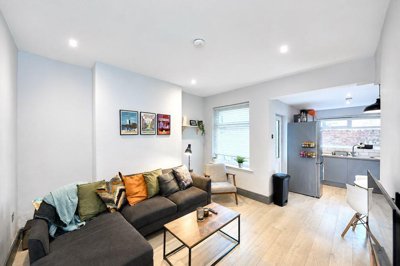
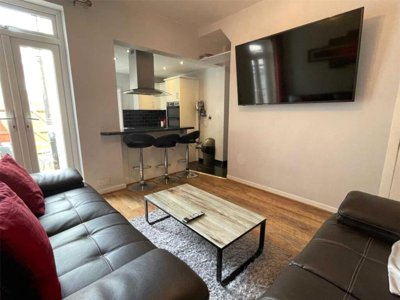
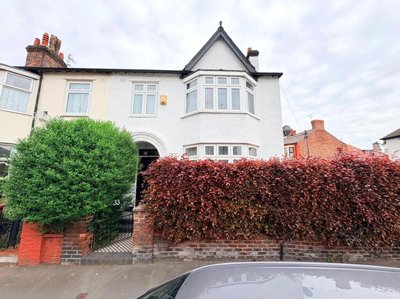
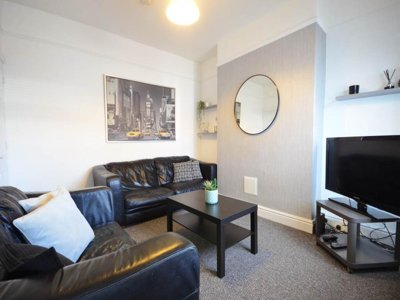
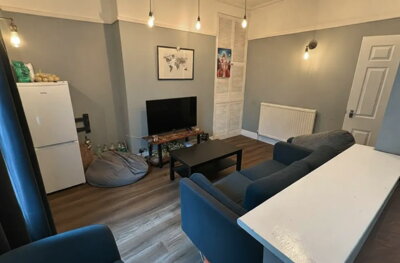
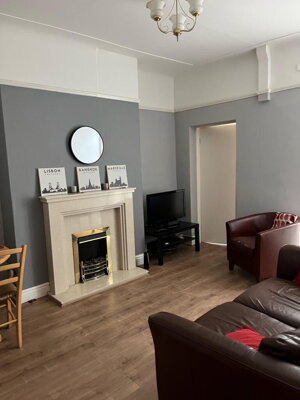
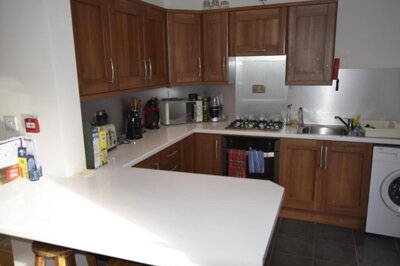
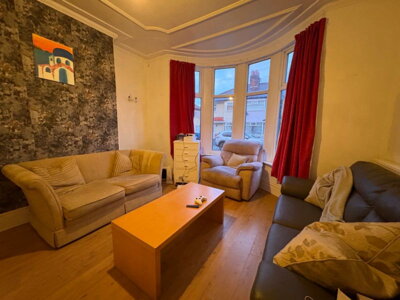
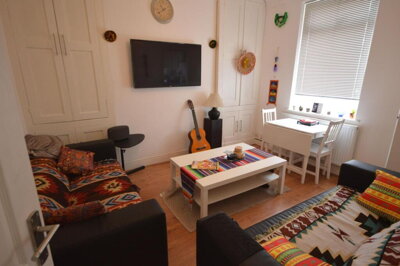
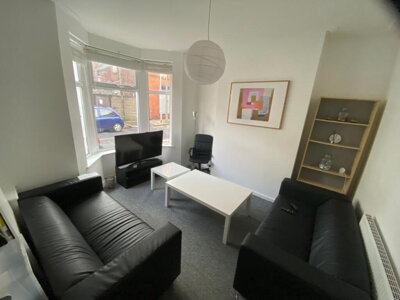
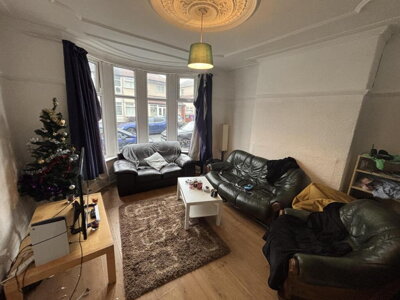
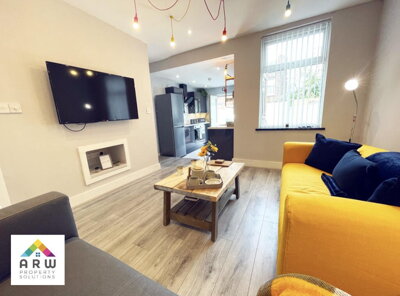
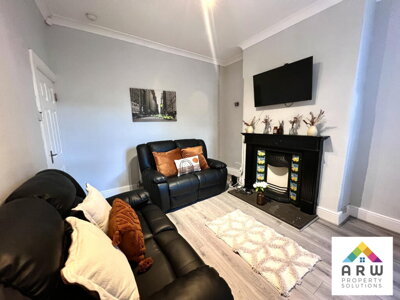
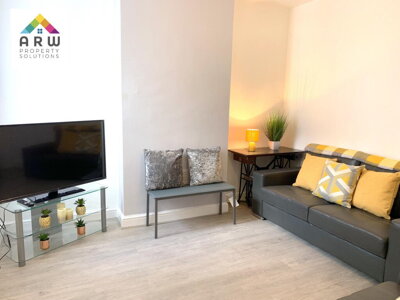
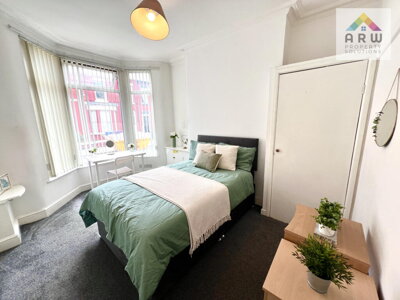
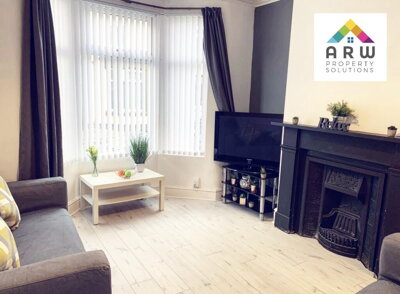
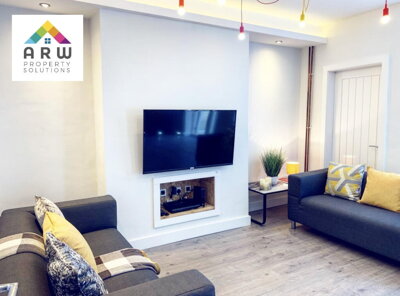
Browse 66 rental homes to rent in L17 from local letting agents.
The larger property sector typically features multiple bathrooms, substantial reception space, and private gardens or off-street parking. Four bedroom houses in L17 span detached, semi-detached, and occasionally terraced configurations, with styles ranging from period properties to modern executive homes.
£0/m
0
0
0
Source: home.co.uk
Showing 0 results for 4 Bedroom Houses to rent in L17.
L17's rental market mirrors the area’s popularity and the steady pull of Liverpool’s growing population. House prices in L17 have risen by 10 percent over the past year, and recent data puts the average sold price at £290,960. That rise carries through into rentals, where demand still comfortably outpaces supply in this sought-after postcode. Rental homes in L17 usually span one-bedroom flats at around £186,000 equivalent values to roomy four-bedroom Victorian terraces that attract premium rents. The L17 9 sector is especially strong, with prices up 17.1 percent in the last year, while the L17 1 sector saw a 14 percent fall and a little correction.
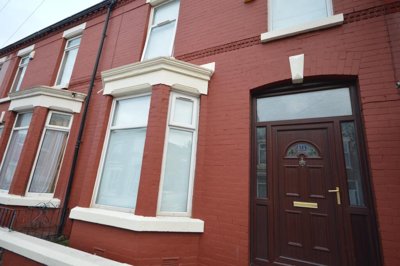
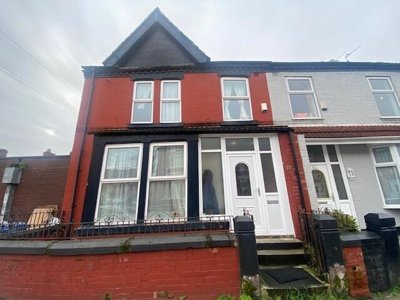
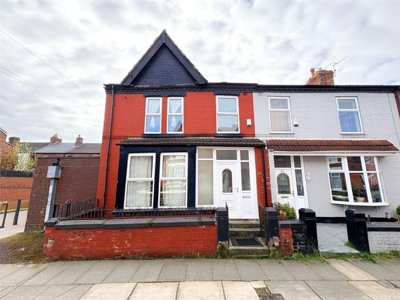
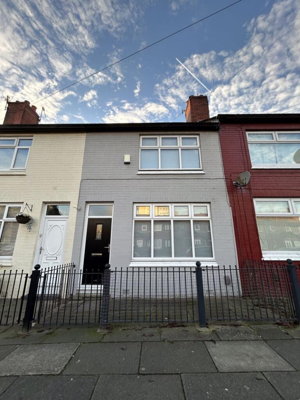
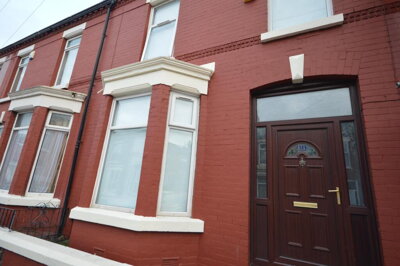
Victorian terraced houses with bay windows and original fireplaces are common here, alongside semi-detached family homes with gardens and converted apartments in handsome period buildings. In Sefton Park, the housing mix is roughly 72 percent terraced properties, 18 percent semi-detached, and 9 percent detached homes, with a small share made up by other property types. Landlords have often updated older homes to modern standards, yet left the features that give this historic neighbourhood its character. Aigburth Drive is a good example, with large detached houses frequently turned into flats or small hotels, which creates some unusual rental options.
Tramway Road in Aigburth is bringing 28 new apartments into the area for those looking beyond the older stock, including standard and duplex units with balconies. South Liverpool Homes is delivering the scheme to EPC A efficiency standards, and completion is expected in early 2027. These homes will join the rental market in time, though for now the older Victorian and Edwardian buildings remain the backbone of L17. They bring the sort of character and lived-in charm that newer developments rarely match.
Each part of L17 has its own feel, and its own set of everyday amenities. Aigburth sits by the River Mersey, so residents can enjoy waterfront walks and quick access to Otterspool Promenade. The area mixes residential streets with independent shops, cafes, and Lark Lane, the well-known stretch of bars and restaurants. Lark Lane also sits within a designated conservation area, which helps protect the character of this lively neighbourhood. For journeys further afield, Aigburth gives reasonable access to the M62 motorway network, although peak times can bring congestion on key routes.
Sefton Park is the anchor here, a 235-acre Victorian park that is Grade I on the Register of Historic Parks and Gardens. Its Palm House, lake, and year-round events programme are part of what makes it such a draw. The park was formally opened in 1872, and it remains one of the best examples of Victorian park design in the country. Around its edges, especially on Mossley Hill Drive and Ullet Road, the mansion houses sit among Liverpool's most prestigious addresses. Many of those grand properties have been converted into flats and apartments, so park-side living is still very much on offer.
St Michael's Hamlet has a quieter rhythm, with a village feel built around the distinctive Grade I listed St Michael's Church, which was built predominantly from cast iron. This remarkable building, designated a conservation area in December 1968, shows how cast iron was used for structural components, windows, door frames, fireplaces, and decorative features, making the neighbourhood architecturally unusual. Fulwood Park, a private estate developed from 1840, adds another layer, with Victorian mansions and tree-lined avenues inside its own conservation area within L17. The local demographics reflect Liverpool's young population, and the transport links make commuting straightforward.
From L17, the University of Liverpool, Liverpool John Moores University, and the city centre are all within a short journey. That proximity keeps the area popular with academics, university staff, and students who want rental accommodation close to campus. A comprehensive public transport network runs through the day and into the evening, so for most residents car-free living is perfectly realistic. Independent shops and restaurants along Aigburth Road and Lark Lane cover the day-to-day essentials without a trip into the city centre.
Families who rent in L17 have access to a broad spread of schools at every level. Among the primary options is St Michael's Church of England Primary School, which reflects the strong community ties in this part of Liverpool. The wider L17 postcode also includes other primaries serving different catchment areas, so parents should check the admissions criteria for each one before committing to a property. The Mossley Hill conservation area within L17 also gives access to well-regarded primary schools serving that particular neighbourhood.
At secondary level, the wider Liverpool area is well served, and many families choose a home largely on the basis of proximity to preferred schools and the catchment zones attached to them. Before renting in L17, it is sensible to check current admissions policies and any planned changes to catchment boundaries, because oversubscribed schools can alter eligibility quickly. The Liverpool City Council website has detailed admissions information and catchment maps, which can help you work out which L17 neighbourhood best suits your family's educational needs.
Liverpool's university presence has a big effect on L17, with around 70,000 students studying across the city's institutions. That student population drives demand for different rental property types and helps to keep the atmosphere lively in neighbourhoods near campus. For families with older children, nearby further education colleges offer strong progression routes. Both the University of Liverpool and Liverpool John Moores University attract students from across the UK and internationally, giving the area a diverse and energetic feel that benefits L17 as a whole.
There is more to L17 than classrooms and lecture halls. Sefton Park's playing fields, tennis courts, and bowling greens give residents of all ages plenty of recreational choice, while the nearby Liverpool Institute of Performing Arts and various music schools open up creative education for talented young people. When comparing rental homes in L17, families should also think about libraries, community centres, and youth clubs, not just the property itself.

Commuting from L17 is straightforward, thanks to strong transport links. Aigburth railway station runs regular services to Liverpool Lime Street, usually taking around 10-15 minutes, and there are direct connections to Manchester and other major cities. The Merseyrail network also passes through the area, providing reliable rail services across Merseyside. home.co.uk lists 174 results for properties sold in Aigburth Vale, L17, in the last year, which shows how much interest there is in this well-connected part of the city.
For people working in Liverpool city centre, the trip from L17 is quick and convenient by train, bus, or car. Several bus routes serve the area, linking L17 to the city centre, Liverpool John Lennon Airport, and nearby suburbs. Because public transport runs throughout the day and evening, living here without a car is practical for many residents. Cyclists can use the River Mersey cycle route, and the cycling infrastructure has improved in recent years.
Parking is a mixed picture across L17. Some streets have permit parking schemes, while others depend on on-street spaces. Properties along Aigburth Drive often come with off-street parking, which matters in an area where spaces can be tight at peak times. St Michael's Hamlet and Fulwood Park usually have more available parking than the busier roads, which is one reason families with multiple vehicles often look there first.
The area also connects neatly to major road and travel networks. The M62 motorway opens up routes to Manchester, Leeds, and the wider national motorway system. Liverpool John Lennon Airport makes UK and European travel accessible from L17, while the Port of Liverpool links to ferry services to Dublin and the Isle of Man. The upcoming Liverpool Baltic Railway Station will further improve connectivity for L17 residents once it opens.
Before booking viewings, get a rental budget agreement in principle so you know what you can afford. We recommend speaking with a mortgage broker or financial adviser, who can look at your income against monthly rent requirements. That preparation narrows the search to homes that fit your budget and shows landlords and letting agents that you are serious when you make an offer.
It pays to look at the different parts of L17, including Aigburth, Sefton Park, and St Michael's Hamlet. Work out how close each area is to your job, the schools you want, transport links, and the amenities you use most often. Each neighbourhood has clear strengths, Aigburth gives you riverside walks and independent shops, Sefton Park offers wide parkland and grand Victorian architecture, while St Michael's Hamlet has a village atmosphere, a cast iron church, and conservation area status.
Once you have a shortlist, arrange viewings through estate agents or directly with landlords. Take notes on the condition of the property, the natural light, and anything that worries you about the age or construction of the building. Many L17 homes are Victorian or Edwardian, so keep an eye out for damp, inspect window frames, and check the roofing materials while you are there. Our inspectors often suggest taking photographs so the property's condition is recorded at the viewing stage.
With older Victorian and Edwardian homes, which are common in L17, it is sensible to book a RICS Level 2 survey before you commit. In Liverpool, the average survey cost is around £445, and that can uncover hidden defects which may not show up during a viewing. Given L17's significant surface water flood risk and the frequency of older construction materials, a professional survey gives useful negotiating power when rental terms are being agreed.
After you settle on a property, the landlord will usually ask for references, proof of identity, and often a credit check too. Having those documents ready can speed things up and improve your chances of securing the place you want. In L17, older homes may need extra checks, including specialist surveys, because of their age and construction type. First-time renters should also allow for upfront rent in advance, moving costs, and the differences between furnished and unfurnished homes when comparing properties.
Renting in L17 calls for close attention to the character of this historic area. Most of the housing here is older, with many Victorian and Edwardian buildings built from traditional materials such as red sandstone, cream and yellow brick, and slate roofs. During viewings, check for damp and moisture penetration, which are common in period properties that lack modern damp courses. It is also worth examining original features, window frames, and roofing materials, since repair and replacement costs can affect both your living experience and the landlord's response to problems.
The geology beneath L17 is part of the story too, with Triassic Bunter Sandstone covered by variable glacial and post-glacial drift deposits, including blown sand and boulder clay. Those conditions can affect foundations, and our inspectors often identify subsidence-related issues in homes built on clay-rich soils. Although the shrink-swell clay formations most at risk are mainly in the south-east of Britain, the glacial till in L17's superficial deposits still suggests a chance of ground movement, especially during drought or heavy rainfall.
Flood risk matters in L17, because the area lies within the Liverpool and Sefton Flood Risk Area and has nationally significant surface water flooding concerns. Around 15.45 percent of properties in Liverpool are at risk from surface water flooding, and 5,369 properties are classed as high risk. Homes close to the River Mersey in Aigburth can also face tidal flooding during extreme weather, and the area sits on a sandstone aquifer. Before signing a tenancy, ask about flood history and any prevention measures already in place.
Many L17 properties also sit within conservation areas, including Sefton Park, Fulwood Park, Lark Lane, Mossley Hill, and St Michael's Hamlet. These designations can restrict certain alterations or improvements, so renters need to know what they can and cannot change during a tenancy. Listed buildings, such as the Grade I St Michael's Church and the many Grade II listed mansion houses around Sefton Park, need special consideration and may call for specialist surveys beyond a standard RICS Level 2 assessment.

Knowing how L17 properties were built helps when you are assessing potential issues. Victorian and Edwardian architecture dominates the area, and traditional masonry construction is the norm. Red sandstone from local quarries was widely used for dressings and structural elements, while cream, brown, and yellow brick formed the main walling material. Stuccoed houses also appear, especially in St Michael's Hamlet, where that render gave Victorian villas their elegant facades.
St Michael's Hamlet is marked out by its extensive use of cast iron, one of the area's most unusual construction features. St Michael's Church, a Grade I listed building, shows cast iron used for structural components, windows, door frames, fireplaces, parapets, battlements, and pinnacles. That approach influenced the residential buildings around it, which is part of why the area feels so architecturally distinct. When renting here, remember that cast iron elements may need specialist maintenance rather than the standard treatment given to more conventional materials.
Tudor Revival style buildings in L17, including the distinctive Sefton Park Library, sometimes feature timber-framed elements. Exposed timber work needs careful upkeep to avoid rot and pest infestation. Our surveyors pay close attention to timber condition in older L17 properties, looking for woodworm, wet rot, and dry rot that could affect structural integrity. Slate roofs are common across the area, although many original slates have been replaced over time with concrete tiles or other modern alternatives.
Many of the older buildings in L17 were built as solid walls rather than cavity walls, so they do not have the insulation benefits of newer construction. Those homes relied on natural ventilation and permeable materials such as lime mortars, renders, and plasters to control moisture. Modern energy efficiency measures can sometimes cut down that airflow and lead to condensation and damp. Renters should be aware that period properties may cost more to heat and often need a different maintenance approach from newer homes.

Rental figures in L17 vary, but local property values still help set the scene. Average sold prices in L17 are approximately £290,960, with terraced properties averaging around £293,375, semi-detached homes at £414,290, and flats at about £186,657. Detached properties in premium locations such as Fulwood Park and Aigburth Drive command higher values, with averages around £460,019. For the latest rental listings and pricing for your own needs, speak to local estate agents, as the market moves with conditions.
Council tax bands in Liverpool vary by property, and most Victorian and Edwardian homes in L17 usually fall into bands B through F depending on size and value. Larger detached houses along Aigburth Drive and within Fulwood Park often sit in higher bands because of their scale and prime location. Liverpool City Council handles council tax collection, and renters should check with the local authority or the property listing for the exact band. Payments are generally made monthly alongside rent, and students and some other residents may qualify for exemptions or discounts.
L17 has access to several well-regarded schools, including primary choices such as St Michael's Church of England Primary School, which serves the conservation area of the same name. The broader L17 postcode also offers further primary options across different catchment areas, so parents should look closely at admissions criteria before choosing a rental property. The area's close links to the University of Liverpool and Liverpool John Moores University also make it popular with students and academics seeking convenient accommodation. Families should check school performance data, Ofsted ratings, and catchment boundaries, because those details can have a real effect on educational opportunities.
Public transport in L17 is excellent, making commuting practical without a car. Aigburth railway station offers Merseyrail services to Liverpool Lime Street in around 10-15 minutes, with direct routes to Manchester and other northern cities. Several bus routes also run through the area, linking residents to the city centre, Liverpool John Lennon Airport, and neighbouring parts of the region. For most people, the transport network means car-free living is realistic, and the cycle routes along the River Mersey provide a good option for environmentally conscious commuters.
L17 is widely seen as one of Liverpool's most desirable rental areas, and it is easy to see why. You get historic architecture, strong green space in Sefton Park, good transport links, and lively local amenities along Lark Lane. Young professionals, families, and students are drawn here for the character, the community feel, and the proximity to major employers in the Knowledge Quarter and the growing Liverpool Waters development. Demand for rentals stays strong, so early viewing requests are wise if you want the best choice. Liverpool's graduate retention rate of 51.5 percent shows that many people who settle here end up staying.
Renting usually means paying a security deposit equal to five weeks' rent, and that money must go into a government-approved deposit protection scheme within 30 days of receipt. Tenants also pay referencing fees, which may cover credit checks, employment verification, and references from previous landlords. In L17, older homes can call for extra checks, including specialist surveys, because of their age and construction type. First-time renters should plan for upfront rent in advance, moving costs, and any difference between furnished and unfurnished properties when comparing options. Our team can talk you through the usual costs in the L17 area.
L17 sits within the Liverpool and Sefton Flood Risk Area, where surface water flooding is a nationally significant issue. Around 15.45 percent of properties in Liverpool are at some risk from surface water flooding, and 5,369 properties are rated high risk. Homes near the River Mersey in Aigburth may also face tidal flooding during severe weather. When renting, ask the landlord or letting agent about flood history, any flood prevention measures already installed, and whether the building has flood resilience features. Your contents insurance should reflect the property's flood risk profile.
Several conservation areas protect the character of L17's different neighbourhoods. Sefton Park is Grade I on the Register of Historic Parks and Gardens and includes the surrounding Victorian mansion houses. Fulwood Park, developed from 1840 as a private estate, contains impressive Victorian architecture. Lark Lane protects the eclectic commercial and residential feel of that area, while Mossley Hill preserves its suburban Victorian character. St Michael's Hamlet, designated in December 1968, protects the cast iron architecture around St Michael's Church. Properties in these areas may face restrictions on alterations.
Planning the full cost of renting in L17 makes budgeting much easier. A standard security deposit is equal to five weeks' rent and must be protected in a government-approved scheme within 30 days of receiving it. The deposit is returned at the end of the tenancy, subject to deductions for damage or unpaid rent. Tenants in period properties in L17 should remember that older homes can carry higher maintenance costs, so it is important to record the property's condition carefully at the start. We recommend asking for a detailed inventory report from the landlord or letting agent.
Referencing costs are another part of renting, and they usually cover credit checks, employment verification, and references from previous landlords. Some landlords still charge admin fees, although regulation has limited those charges in recent years. If you are renting one of the Victorian or Edwardian homes common in L17, a professional inventory report can be a sensible extra step to protect you at the end of the tenancy. That small cost can prevent major disputes when you move out. First-time renters should also allow for moving costs, furniture purchases, and utility setup charges when working out the total budget.
Utility bills in L17 can vary a lot, depending on the age of the property and the insulation standard. Older Victorian and Edwardian homes with solid walls and single-glazed windows usually cost more to heat than modern properties. Many landlords in L17 have upgraded insulation and installed modern heating systems, though that varies from one property to the next. Ask about the current Energy Performance Certificate rating and any recent improvements when viewing rental homes. Our team can advise on typical utility costs for different property types in the L17 area.
Insurance should sit alongside rent and bills in your budget. The landlord covers buildings insurance, but tenants need their own contents insurance to protect their belongings. In flood risk areas like parts of L17, contents insurance may need to include specific flood-risk cover, and that can cost more than a standard policy. It is sensible to shop around for quotes that match the property's flood risk profile and to compare excess amounts before choosing a policy.

From 4.5%
Understand how much you can afford to spend on rent each month
From £49
Credit checks and employment verification for rental applications
From £85
Energy performance certificate for your rental property
From £350
Professional survey for older Victorian and Edwardian properties
Properties to Rent In London

Properties to Rent In Plymouth

Properties to Rent In Liverpool

Properties to Rent In Glasgow

Properties to Rent In Sheffield

Properties to Rent In Edinburgh

Properties to Rent In Coventry

Properties to Rent In Bradford

Properties to Rent In Manchester

Properties to Rent In Birmingham

Properties to Rent In Bristol

Properties to Rent In Oxford

Properties to Rent In Leicester

Properties to Rent In Newcastle

Properties to Rent In Leeds

Properties to Rent In Southampton

Properties to Rent In Cardiff

Properties to Rent In Nottingham

Properties to Rent In Norwich

Properties to Rent In Brighton

Properties to Rent In Derby

Properties to Rent In Portsmouth

Properties to Rent In Northampton

Properties to Rent In Milton Keynes

Properties to Rent In Bournemouth

Properties to Rent In Bolton

Properties to Rent In Swansea

Properties to Rent In Swindon

Properties to Rent In Peterborough

Properties to Rent In Wolverhampton

Enter your details to see if this property is within your budget.
Loans, cards, car finance
Estimated property budget
Borrowing + deposit
You could borrow between
Typical borrowing
Monthly repayment
Est. at 4.5%
Loan-to-value
This is an estimate only. Your actual budget may vary depending on interest rates, credit history, and personal circumstances. For an accurate affordability assessment, speak to one of our free mortgage advisors.
This calculator provides estimates for illustrative purposes only and does not constitute financial advice. Your home may be repossessed if you do not keep up repayments on your mortgage. Estimates based on 4.5% interest rate, repayment mortgage. Actual rates depend on your circumstances.
Homemove is a trading name of HM Haus Group Ltd (Company No. 13873779, registered in England & Wales). Homemove Mortgages Ltd (Company No. 15947693) is an Appointed Representative of TMG Direct Limited, trading as TMG Mortgage Network, which is authorised and regulated by the Financial Conduct Authority (FRN 786245). Homemove Mortgages Ltd is entered on the FCA Register as an Appointed Representative (FRN 1022429). You can check registrations at NewRegister or by calling 0800 111 6768.

We use cookies to show you personalised content and improve your experience of our website. Find out more in our Privacy policy and Cookie policy.