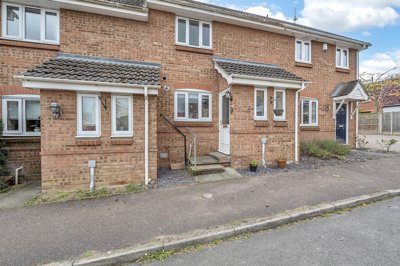
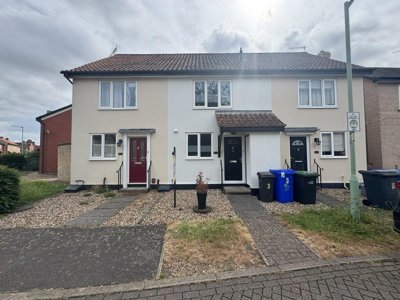
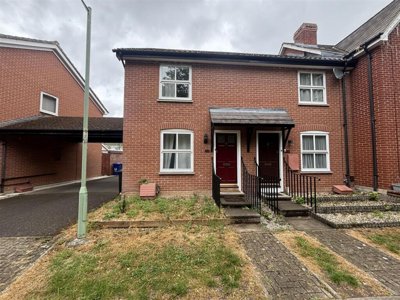
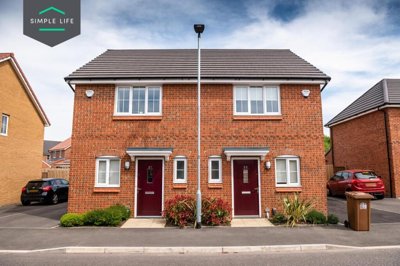
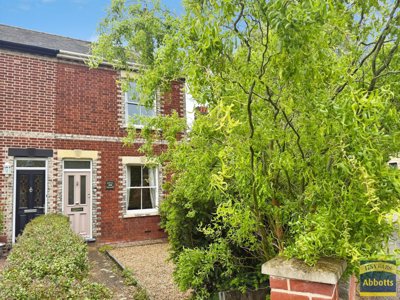
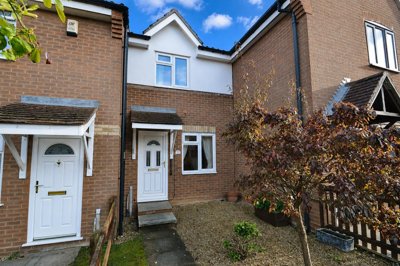
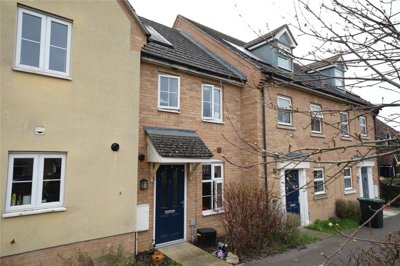
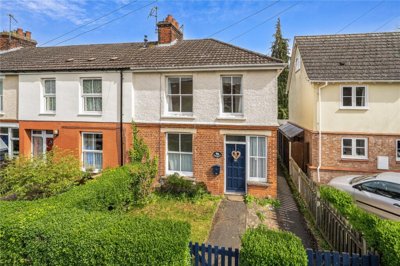
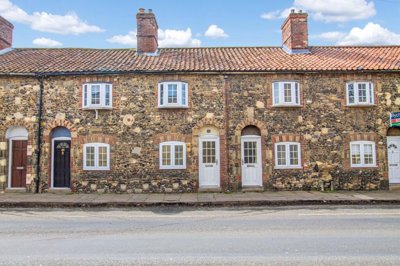
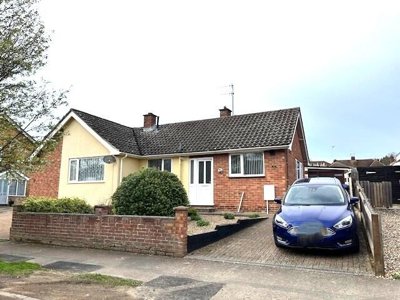
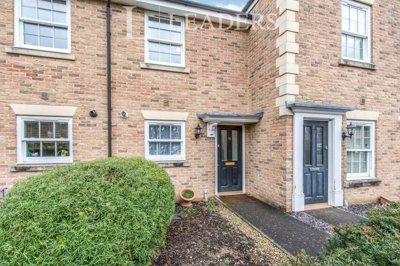
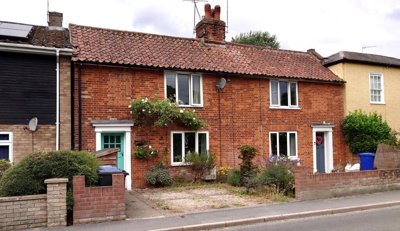
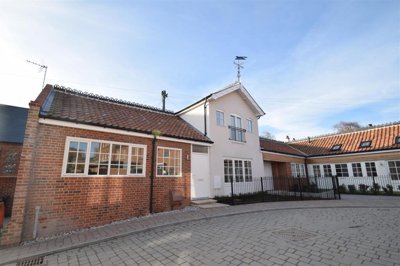
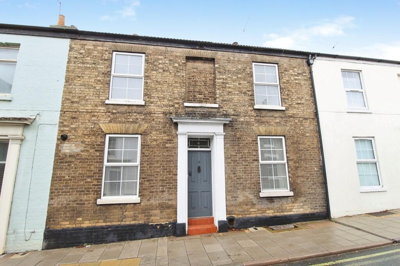
Browse 32 rental homes to rent in IP32 from local letting agents.
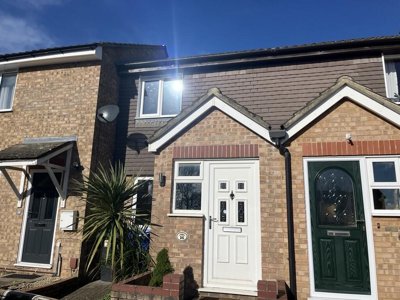
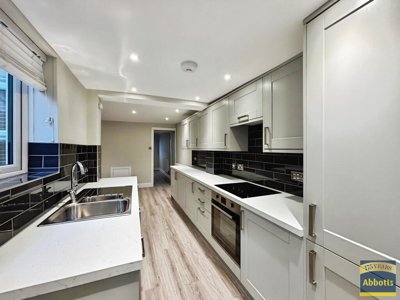
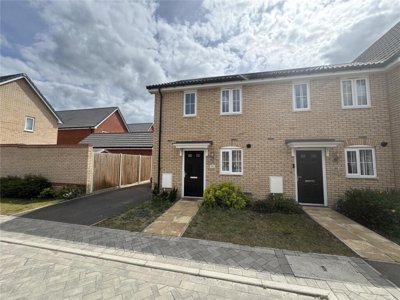
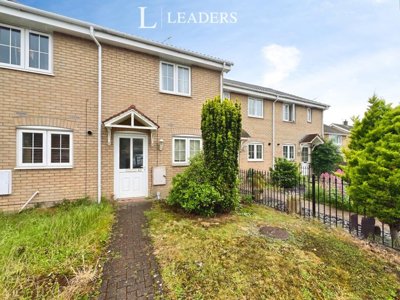
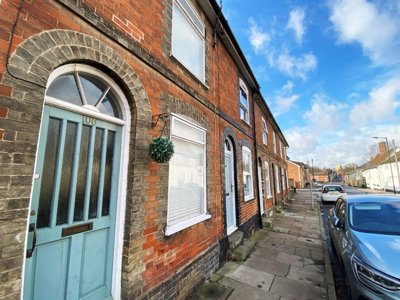
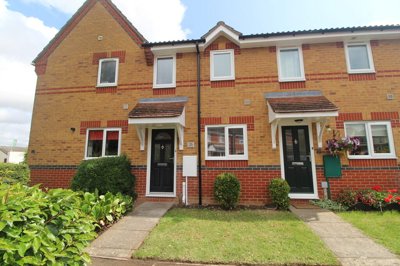
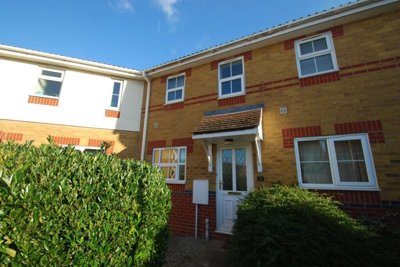
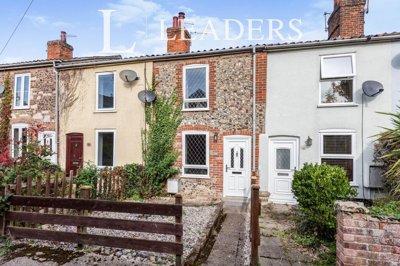
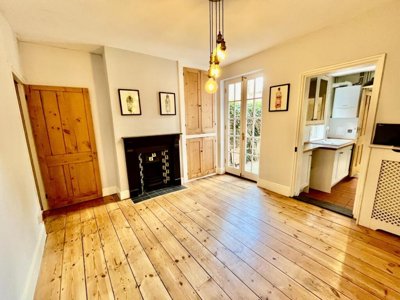
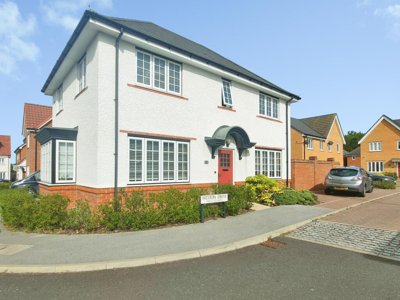
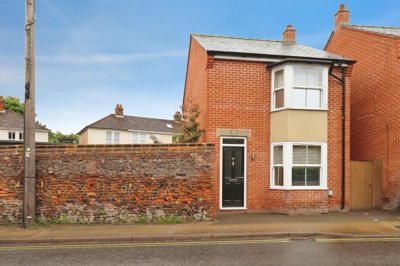
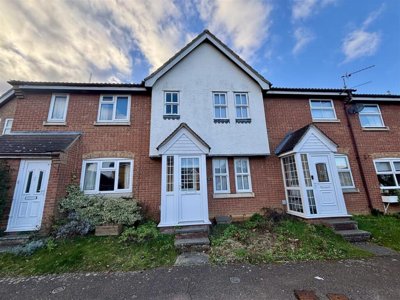
The 2 bed house market features detached, semi-detached, and terraced properties with two separate bedrooms plus living spaces. Properties in IP32 range from Victorian and Edwardian period homes to modern new builds, with pricing varying across different neighbourhoods.
£1,215/m
4
0
27
Source: home.co.uk
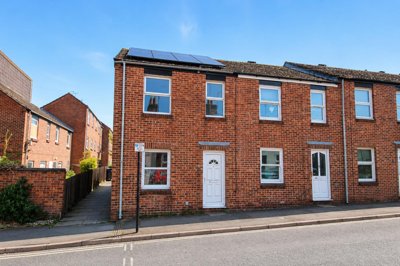
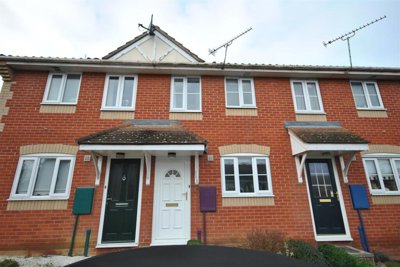
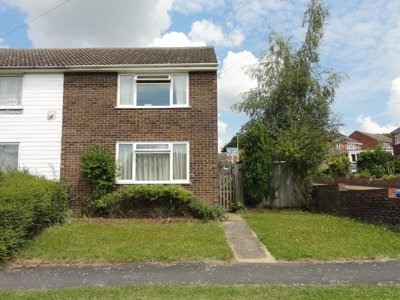
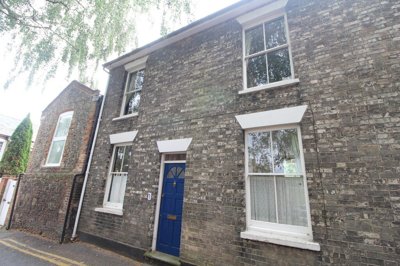
Showing 4 results for 2 Bedroom Houses to rent in IP32. The median asking price is £1,215/month.
Source: home.co.uk
Terraced
4 listings
Avg £1,195
Source: home.co.uk
Source: home.co.uk
IP32's rental market has the benefit of a varied housing mix, which suits Bury St Edmunds' long history as an important Suffolk market town. Look for property to rent in IP32 and you'll come across everything from graceful Georgian and Victorian homes in the historic centre to later arrivals, including inter-war semis and post-war estates. The wider market shows an average purchase price of £340,000-£350,000, with detached properties usually at £450,000-£480,000 and semi-detached homes around £290,000-£310,000. Those are sale prices rather than rents, of course, but they give a clear picture of the sort of quality on offer, and they go some way to explaining why certain homes in prime spots attract a premium.
Modern rental choices have also been added to the IP32 picture by several major developments. Marham Park, off Fornham Road, includes homes by Taylor Wimpey, Persimmon Homes, and Bellway, with two to five-bedroom properties priced from approximately £280,000 to over £600,000 for the largest detached houses. King Edward VII Quarter on Hospital Road, built by Hopkins Homes, brings together apartments and houses with one to four bedrooms. Then there is Skylark Place by Orbit Homes on Skylark Road, offering two to four-bedroom terraced, semi-detached, and detached homes from around £270,000 to £450,000. It all points to steady investment in Bury St Edmunds, and that feeds through into more rental choice for anyone after modern accommodation with contemporary fixtures and fittings.

Bury St Edmunds, the town covered by IP32, is a historic market town that still appears near the top of many UK places-to-live lists. Its centre is a Conservation Area, packed with listed buildings, including many Grade I and II* properties around Abbey Gardens, Angel Hill, and the old core. Living here means being surrounded by architecture that traces more than a thousand years of English history, from the striking ruins of the 12th-century Abbey, where King Henry II once worshipped, to the Georgian townhouses along the main streets. With a population of approximately 35,000-40,000 people across 15,000-17,000 households, the town feels lively without losing its neighbourly feel.
The town centre packs in shops, restaurants, and cultural attractions that pull in visitors from across Suffolk and further afield. Greene King brewery, founded in 1799, remains a major local employer and a familiar name, while the twice-weekly markets in the Corn Exchange and the monthly farmers' market show off the best of Suffolk produce. For a quieter hour, the Abbey Gardens stretch across 14 acres around the abbey ruins, and the River Lark adds riverside walks through the town. The Theatre Royal, one of the country's oldest purpose-built theatres, runs a broad programme of live shows, and the museum and gallery keep the cultural calendar busy all year. Beyond the edge of town, the Suffolk countryside, designated as an Area of Outstanding Natural Beauty, is within easy reach for weekend walks and time outdoors.

Education matters to many renters in the IP32 area, and Bury St Edmunds has a strong line-up of schools to match. Several primary schools are rated Outstanding by Ofsted, including St Mary's Church of England Primary Academy in the centre and Sebert Wood Primary School in the residential areas. For those renting in IP32, Reception and primary options are available within a sensible distance of most neighbourhoods. Class sizes are often more manageable than in larger cities too, which fits the scale of the town and its family-friendly character.
Secondary schooling is well served as well, with St Benedict's Catholic School, King Edward VI School, a long-established selective academy, and the Sybil Andrews Academy among the main names. Families looking at grammar school education can access county grammar schools, where admission is typically based on the 11-plus examination and catchment areas that may shape where people choose to rent. Sixth form provision includes Bury St Edmunds County Upper School and St Benedict's, while West Suffolk College offers further education courses for school-leavers and adult learners. For higher education, the University of Cambridge is approximately 30 miles to the west and the University of Essex in Colchester is to the south, both reachable by regular train services from Bury St Edmunds.

Commuting from IP32 has become noticeably easier in recent years, which is one reason Bury St Edmunds appeals to people travelling to London, Cambridge, or other major centres. Bury St Edmunds railway station runs regular services to Cambridge, with journey times of approximately 40-50 minutes, and to London Liverpool Street, where the quickest trains take around 90 minutes. Improvements at the station have brought useful facilities too, including parking, cycle storage, and step-free access to platforms. For anyone working in Cambridge, the rail links and the proximity of the A14 dual carriageway make Bury St Edmunds a sensible base, with lower housing costs than Cambridge itself and still manageable journey times.
The road network out of IP32 is strong, with the A14 giving dual carriageway access east to the port of Felixstowe and west to Cambridge and the M11 motorway. The A143 links Bury St Edmunds to Diss and Great Yarmouth to the north, while the A1101 runs towards Mildenhall and the Fens. If international travel is needed, London Stansted Airport sits approximately 50 miles away and has good coach connections, while London Luton Airport and London Heathrow can also be reached through the motorway network. Around Bury St Edmunds itself, the town is compact enough for walking and cycling, and the local bus network connects the town with surrounding villages. Car ownership is handy here, though renters in IP32 without a vehicle can still get to essential services and amenities through the local buses and easy rail access.

Start with a rental budget agreement in principle from a lender before you begin viewing homes in Bury St Edmunds. It shows letting agents and landlords that the rent is affordable, and it helps you work out your limit, usually up to 30-45 times your monthly salary.
Have a proper look at the different parts of the IP32 postcode so you can settle on the area that suits your day-to-day life. Think about the commute, schools, transport links, and local shops. Bury St Edmunds town centre has character properties close to the main retail streets, while places such as Marham Park offer newer homes on the edge of town.
Use Homemove to search properties to rent in IP32 and arrange viewings with local letting agents. We always suggest seeing several homes before deciding, with attention paid to the condition, maintenance, and any concerns such as damp or energy efficiency ratings.
Once a property feels right, we work with the letting agent on the application, references, and proof of identity and income. In a competitive rental market, having your paperwork ready and moving quickly when a place comes up can make all the difference.
Referencing usually means your landlord will ask an agency to check identity, credit history, employment, and previous landlord references. Keep payslips, bank statements, and permission from previous landlords close to hand, as that speeds the whole process along.
After referencing is done, read the tenancy agreement with care and note the deposit amount, rent payable, tenancy length, and any special terms and conditions. Before signing, we would always check that you understand the responsibilities for maintenance and utilities.
Renting property in IP32 calls for a bit of attention to the local conditions that can affect both comfort and the state of the home. Bury St Edmunds sits on chalk with glacial deposits on top, including boulder clay, so some properties can be prone to subsidence or heave, especially where foundations are shallow or large trees are nearby. During viewings, look for cracks in walls, doors that stick or do not shut properly, and any sign of foundation work in the past. Most homes are sound, but a little awareness of ground movement helps you make a better choice and gives you room to discuss terms with the landlord if issues crop up.
Flood risk in IP32 is generally low, since the area is not directly on a major river, although the River Lark does carry a low to medium flood risk in its immediate vicinity. Surface water flooding can still happen in low-lying spots during heavy rain, so it makes sense to check flood risk maps for the exact location, especially if a basement or ground floor flat is on your list. Many properties in Bury St Edmunds town centre sit within a conservation area, which can mean tighter controls on external alterations, more demanding planning permission rules, and higher standards of maintenance. If a listed building is being rented, there are extra duties and restrictions, and those should be set out clearly in the tenancy agreement.
Bury St Edmunds has a housing stock where many rental homes are over 50 years old, so older building methods and materials are common and often need more care than modern equivalents. Traditional Suffolk brick, timber framing, and solid brick walls are all part of the local mix, and repairs can call for specialist knowledge. With older homes, check the roof condition, look out for damp, especially rising damp in solid floor properties, and take a close look at windows and insulation. Energy efficiency can be an issue in period properties, so read the EPC rating properly and talk through any improvements the landlord might be willing to include during the tenancy.

Rental prices in IP32 do vary by property type, size, and exact position in Bury St Edmunds, but there are options across a wide range of budgets. Flats and smaller apartments generally rent for less than terraced houses, while semi-detached and detached family homes command higher rents because of their size and the area's family appeal. The purchase market shows average prices around £340,000-£350,000, with terraced homes around £240,000-£260,000 and detached properties from £450,000, which gives a useful steer on the rental value bands you might see. For current rental prices that match your needs, search the Homemove platform for available properties in IP32.
Bury St Edmunds falls within West Suffolk Council for council tax, with property bands from A to H based on the assessed value of the home. In the IP32 area, most homes sit in bands A through D, while newer developments and larger detached houses often land in higher bands. The Valuation Office Agency website can confirm the council tax band for any property, and your landlord should give you that information before you commit to a tenancy. Bills usually cover collection for Suffolk County Council, West Suffolk Council, and the local police and fire services.
Families often choose Bury St Edmunds because the town has good education at every stage. Outstanding primary schools include St Mary's Church of England Primary Academy and Sebert Wood Primary School. Secondary choices include St Benedict's Catholic School, King Edward VI School, and Sybil Andrews Academy, all with solid academic reputations. For sixth form and further education, the county sixth form and West Suffolk College both play an important role. If grammar school entry is on the table, local tutoring can help with preparation for the 11-plus examination, and catchment areas are well worth checking before deciding where to rent.
Bury St Edmunds railway station runs regular services to Cambridge, taking approximately 40-50 minutes, and to London Liverpool Street, with the fastest services taking approximately 90 minutes. The town also has decent bus links run by several operators, including routes to surrounding villages and towns across Suffolk. For car commuters, the A14 dual carriageway gives good access to Cambridge and the wider motorway network. London Stansted Airport is approximately 50 miles away and has direct coach services, so international travel from the IP32 area remains practical.
Bury St Edmunds is regularly rated among the best market towns in England, and renters tend to appreciate the quality of life it offers. Historic character sits neatly alongside modern amenities, with shopping, dining, healthcare, and leisure all well covered. The local economy is broad, with employers such as West Suffolk Hospital, Greene King Brewery, and a range of manufacturing and logistics firms. Markets, cultural events, and active local societies keep community life busy. The Suffolk countryside around the town is beautiful and easy to reach, while London and Cambridge are both within reach for commuting or the odd visit.
When renting in IP32, expect to pay a security deposit equal to five weeks' rent, held by your landlord in a government-approved deposit protection scheme. A holding deposit is also needed to secure a property, usually one week's rent, and references may bring extra charges. As a first-time renter, relief from Stamp Duty Land Tax applies to rental properties with rent up to certain thresholds. Before you work out the numbers, get a rental budget agreement in principle so you know what you can afford, then add in moving costs, any furniture you need, and the first rent and deposit payments for your move to Bury St Edmunds.
From 4.5%
Get a rental budget agreement in principle to work out how much you can afford to spend on rent in Bury St Edmunds
From £99
Complete your referencing checks quickly with our expert partner services
From £450
Consider a survey on older rental properties to identify any issues before committing
From £85
Check the energy efficiency rating of properties you are considering renting
Knowing the financial side of renting in Bury St Edmunds makes budgeting easier and helps avoid surprises once the application starts. The biggest upfront payment is usually the security deposit, which is typically capped at five weeks' rent under the Tenant Fees Act 2019. That money must be protected in a government-approved scheme, such as Deposit Protection Service, MyDeposits, or Tenancy Deposit Scheme, within 30 days of receipt, and you should be told which scheme is holding it. At the end of the tenancy, if there are no unresolved issues over damage or unpaid rent, the deposit should come back in full within 10 days of you both agreeing the amount.
There are other costs to factor in too, including the holding deposit, usually one week's rent, to take a property off the market while references are checked, application fees for referencing services, though these are increasingly being absorbed by landlords or agents as the Tenant Fees Act is enforced, and moving costs. You will also need the first month's rent in advance, often paid with the deposit at the start of the tenancy. As a first-time renter in England, you may benefit from Stamp Duty Land Tax relief on properties with rent up to certain thresholds, although that relief does not usually apply to residential rental properties in the same way as purchases. Read the tenancy agreement carefully before signing, and check exactly what is included in the rent and which utility or service charges will sit with you separately.
Monthly rent, council tax paid to West Suffolk Council, and utility bills for gas, electricity, water, and internet all continue once you have moved in. Many modern flats in IP32 developments also come with service charges and possibly ground rent that are passed to tenants, so those details need checking before you commit. Buildings insurance normally stays with the landlord, but contents insurance is worth considering for your belongings. A budget set before the move, along with a clear view of the full cost of renting in Bury St Edmunds, helps you enjoy your new home without financial strain, and Homemove's rental budget tools show exactly what you can afford based on your income and circumstances.

Properties to Rent In London

Properties to Rent In Plymouth

Properties to Rent In Liverpool

Properties to Rent In Glasgow

Properties to Rent In Sheffield

Properties to Rent In Edinburgh

Properties to Rent In Coventry

Properties to Rent In Bradford

Properties to Rent In Manchester

Properties to Rent In Birmingham

Properties to Rent In Bristol

Properties to Rent In Oxford

Properties to Rent In Leicester

Properties to Rent In Newcastle

Properties to Rent In Leeds

Properties to Rent In Southampton

Properties to Rent In Cardiff

Properties to Rent In Nottingham

Properties to Rent In Norwich

Properties to Rent In Brighton

Properties to Rent In Derby

Properties to Rent In Portsmouth

Properties to Rent In Northampton

Properties to Rent In Milton Keynes

Properties to Rent In Bournemouth

Properties to Rent In Bolton

Properties to Rent In Swansea

Properties to Rent In Swindon

Properties to Rent In Peterborough

Properties to Rent In Wolverhampton

Enter your details to see if this property is within your budget.
Loans, cards, car finance
Estimated property budget
Borrowing + deposit
You could borrow between
Typical borrowing
Monthly repayment
Est. at 4.5%
Loan-to-value
This is an estimate only. Your actual budget may vary depending on interest rates, credit history, and personal circumstances. For an accurate affordability assessment, speak to one of our free mortgage advisors.
This calculator provides estimates for illustrative purposes only and does not constitute financial advice. Your home may be repossessed if you do not keep up repayments on your mortgage. Estimates based on 4.5% interest rate, repayment mortgage. Actual rates depend on your circumstances.
Homemove is a trading name of HM Haus Group Ltd (Company No. 13873779, registered in England & Wales). Homemove Mortgages Ltd (Company No. 15947693) is an Appointed Representative of TMG Direct Limited, trading as TMG Mortgage Network, which is authorised and regulated by the Financial Conduct Authority (FRN 786245). Homemove Mortgages Ltd is entered on the FCA Register as an Appointed Representative (FRN 1022429). You can check registrations at NewRegister or by calling 0800 111 6768.

We use cookies to show you personalised content and improve your experience of our website. Find out more in our Privacy policy and Cookie policy.