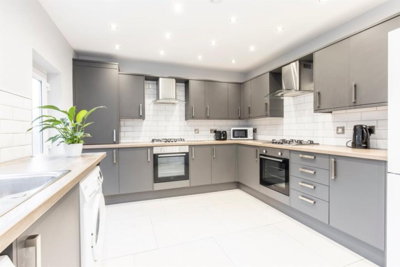
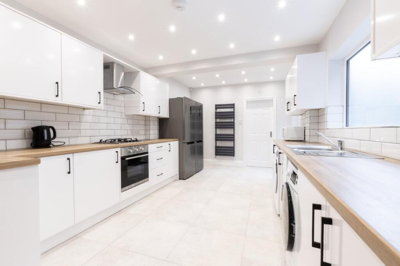
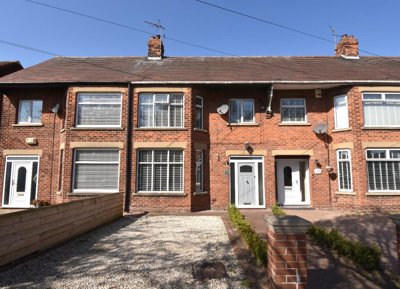
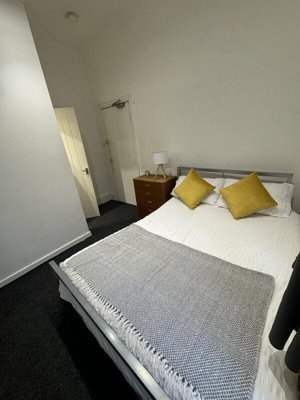
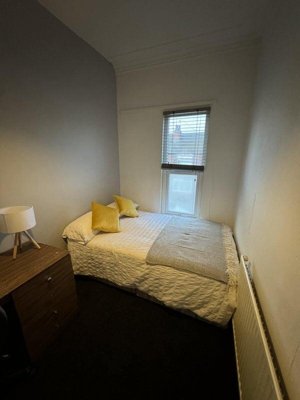
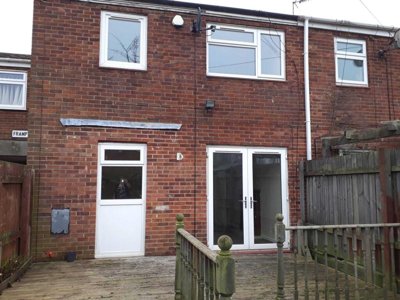
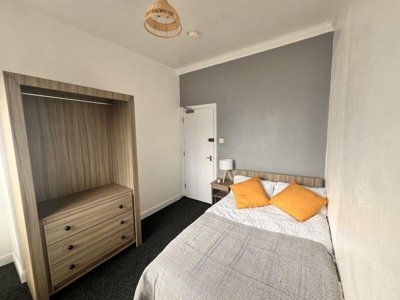
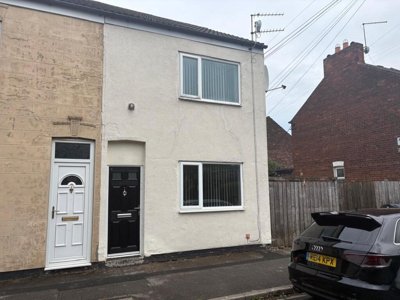
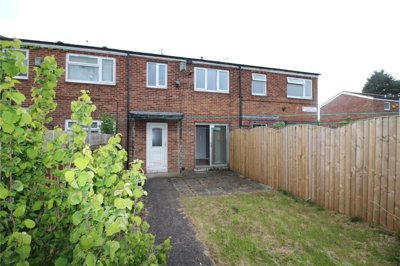
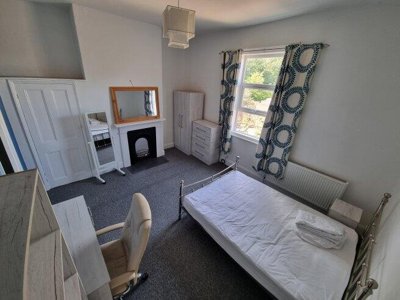
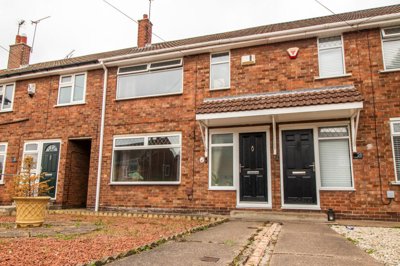
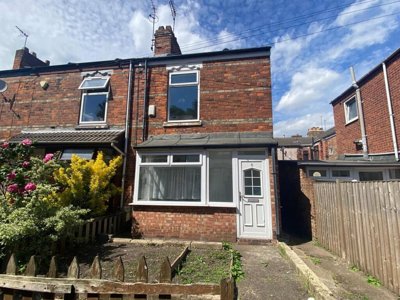
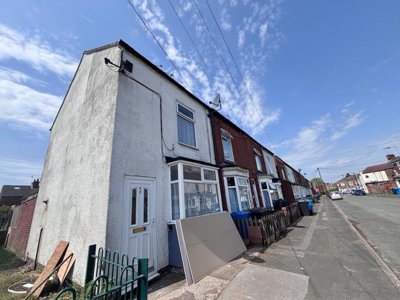
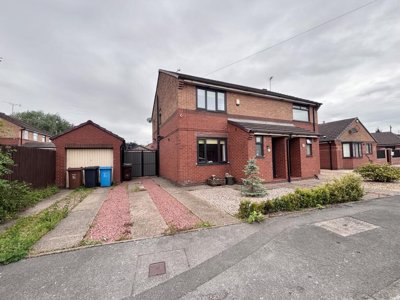
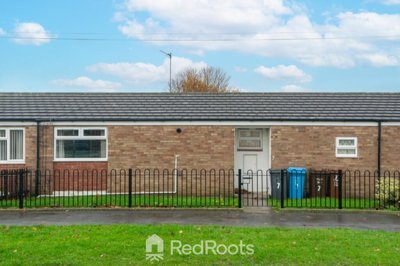
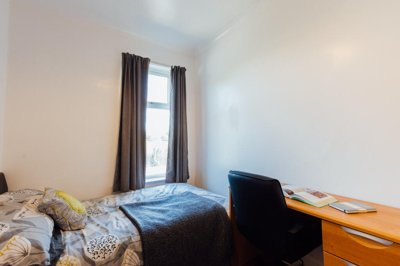
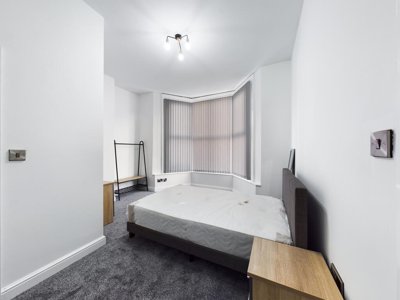
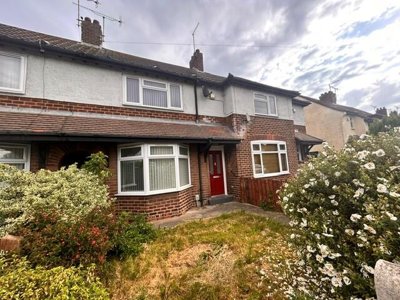
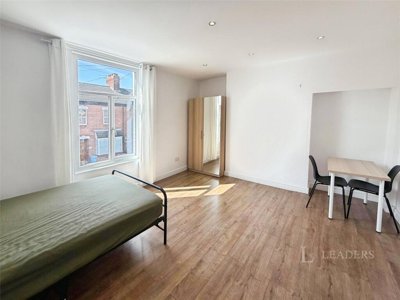
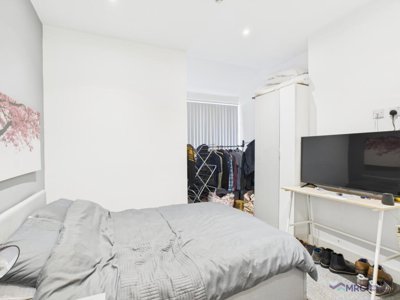
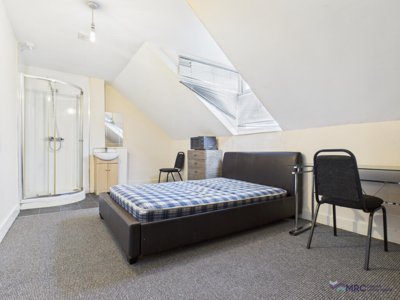
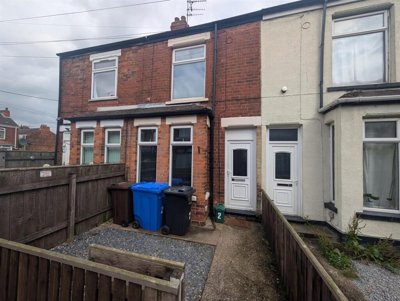
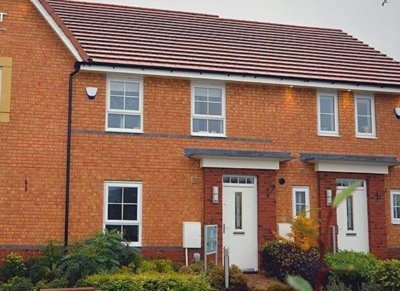
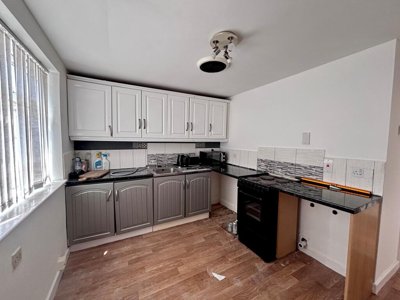
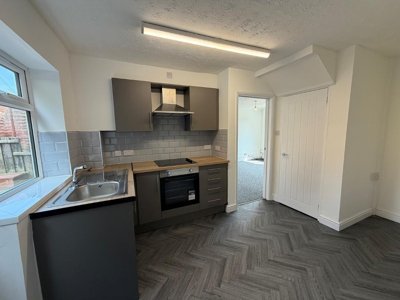
Browse 137 rental homes to rent in HU8 from local letting agents.
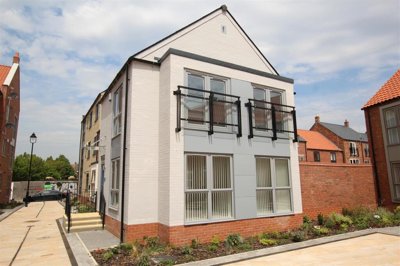
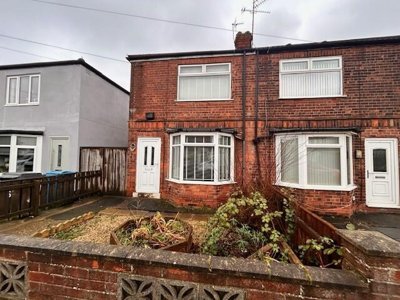
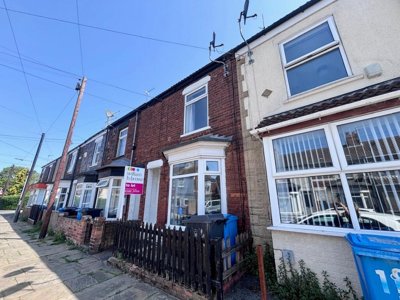
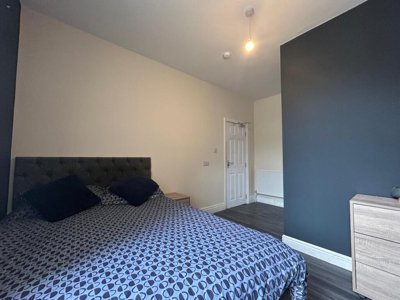
The HU8 property market offers detached, semi-detached, and terraced houses spanning various price ranges and neighbourhoods. Each listing includes detailed property information, photographs, and direct contact with the marketing agent.
£725/m
7
0
30
Source: home.co.uk
Showing 7 results for Houses to rent in HU8. The median asking price is £725/month.
Source: home.co.uk
Terraced
5 listings
Avg £708
Detached
1 listings
Avg £750
Semi-Detached
1 listings
Avg £950
Source: home.co.uk
Source: home.co.uk
HU8 sits within Hull’s wider rental picture, but the price you see can change a fair bit depending on property type and condition. Recent market analysis puts the average property price in HU8 at £132,156, which gives a useful backdrop for the local market. Terraced homes, which make up much of the housing stock, usually sit at around £110,000, semi-detached properties at approximately £147,750, and flats and apartments at about £70,000. Detached homes average roughly £229,000, with the extra rooms and garden space suiting families who need more bedrooms.
Prices in HU8 have kept moving upwards, with growth of 1.6% over the last 12 months and 15.6% across the past five years. In the last 12 months there have been 301 property sales in HU8, so activity is steady. New build schemes such as The Maltings on Holderness Road offer modern 2, 3, and 4-bedroom homes from £169,995, giving buyers a newer option. Rental costs can still vary by condition, furnishings, and appliances, so current listings on property portals and checks with local letting agents give the clearest picture.

HU8 is one of Hull’s more distinctive postcode areas, shaped by industrial history and its closeness to the River Hull. Across the area, Victorian and Edwardian housing still dominates, especially the substantial red brick terraces along Holderness Road and other main routes. Many of those older homes keep original fireplaces, high ceilings, and bay windows, details that give the neighbourhood much of its character. The area expanded strongly during the 19th and early 20th centuries as Hull grew around the docks, manufacturing, and fishing industries, and that legacy still gives HU8 a clear sense of identity.
From port-related work, manufacturing, and fishing to a broader mix of modern employment, the local economy in HU8 and across Hull has changed a great deal. Renewable energy now plays a bigger role, with firms such as Siemens Gamesa operating in the area and adding to Hull’s standing as a green energy centre. Logistics and service sector roles continue to support local jobs, while the NHS and Hull City Council remain major employers with more stable opportunities. That mix helps keep demand for rentals in HU8 consistent, drawing tenants from a range of professional backgrounds.
Day-to-day living in HU8 is straightforward, with shops, services, and community spaces spread through the area. Holderness Road gives access to supermarkets, independent shops, pharmacies, and healthcare services, so many essentials are close at hand without a trip into the city centre. Pickering Park and other green spaces offer room for walks, play, and downtime, while pubs, restaurants, and community centres help keep local life active. The area brings together young professionals in flats, families in terraced houses, and older residents who have stayed in the neighbourhood for generations.

For families, HU8 has schooling options from primary age right through to further education. Several primary schools serve local catchments and cater for children aged 5 to 11, though the right school for a child depends on the exact HU8 address. Some of these schools occupy Victorian-era buildings that have been updated and extended over time, which adds to the area’s older feel. Parents renting in HU8 should still check catchment boundaries and admission policies before settling on a property.
At secondary level, HU8 has schools that support GCSE study and the next step into further education or work. For family renters, that access to secondary education can matter a great deal when choosing where to live. Some pupils across Hull also look at selective grammar schools, which admit students through academic selection. HU8’s position means many secondary-age children have manageable journeys, whether by bus or by cycling, and families should still look at performance data and Ofsted ratings before making a decision.
Older students are also well placed, because HU8 is close to further education colleges and sixth form provision across Hull. Hull College and other nearby institutions offer vocational and academic courses in a wide range of subjects, supporting routes into university or straight into work. The University of Hull is close by too, attracting undergraduates and postgraduates from across the region. For families with older children, that access is worth weighing up when comparing parts of the postcode.

Transport links are one of HU8’s stronger points, and that makes commuting far easier for residents without a car. Holderness Road, the A165, runs through the middle of the area and gives a direct route into Hull city centre and east towards the coast. East Yorkshire Motor Services and other operators run plenty of buses along this corridor, and the FLIZZ network adds more local public transport across Hull. Bus stops are well spread out, with typical journeys into the city centre taking 15-25 minutes, depending on traffic and the destination.
From Hull Paragon station, rail travel opens up links to London, Leeds, Sheffield, Manchester, Liverpool, and Newcastle, and London King's Cross is usually reachable in around 2.5 hours. Hull Paragon interchange is the city’s main railway station, and people in HU8 can get there by bus or by driving to one of the nearby park and ride sites. For work in Leeds or Manchester, the M62 gives a direct road connection from Hull and joins the national motorway network at Junction 32 near Rothwell. Travellers heading into Lincolnshire can use the Humber Bridge, which also gives wide views across the estuary.
Active travel has improved across HU8 in recent years as Hull has put more into cycling routes and pedestrian-friendly links. Dedicated cycle paths and shared-use routes now connect homes with workplaces and shops, which makes shorter trips more practical without a car. Princes Avenue and other park and ride sites also give access to the city centre for those who prefer to leave the car outside the busiest streets. For people travelling within HU8, or into HU7 and HU9, cycling often works well, especially with the relatively flat ground across the area.

Before starting a search for rental property in HU8, we recommend confirming your rental budget with lenders or letting agents, or arranging a mortgage in principle if that is relevant to your plans. Knowing the top monthly figure in advance keeps the search focused on homes you can actually afford. Most letting agents will ask for proof of income, usually payslips or bank statements showing an annual income of at least 2.5 to 3 times the annual rent.
Take time to look at different parts of HU8, because the right street for one household may not suit another. Think about the journey to work, nearby schools if you have children, public transport, local amenities, and the feel of the road itself. Walking or driving through the area at different times of day can reveal noise, parking pressure, and how busy the streets become. Chatting to residents can also tell us a great deal that online searches miss.
Register with local letting agents and property portals so we can send alerts when new HU8 properties match your requirements. Homes in popular spots can attract several viewers and go quickly, so speed matters once a suitable listing appears. At viewings, take a checklist and ask about the condition of the property, appliances included, garden maintenance, and any rules on pets or alterations.
After finding a property we want to rent, the next step is the letting agent’s application process, which usually asks for identification, proof of income, employment references, and previous landlord references where relevant. Most agents will also carry out credit checks and may charge a tenant referencing fee. Having the paperwork ready and answering any follow-up requests promptly helps the process move along and shows you are reliable.
Before moving into a new HU8 home, it is important to read the tenancy agreement closely so we know the rent amount, deposit amount, tenancy term, notice periods, and any special conditions. The deposit will be protected in a government-approved scheme within 30 days of the tenancy start date, and we should be told which scheme holds it. A full inventory check with the landlord or letting agent is the best way to record the property’s condition and avoid disputes when moving out later.
Renting in HU8 means keeping an eye on a few local factors that can affect day-to-day living and long-term costs. The geology in Hull and the HU8 area includes boulder clay and alluvial deposits over chalk bedrock, which can bring moderate to high shrink-swell risk for foundations. Homes with mature trees nearby, or properties with a history of drainage issues, can show movement or subsidence over time. During viewings, look closely for wall cracking, sticking doors, or signs of earlier foundation work.
Flood risk is another issue worth checking in HU8, given how close the area is to the River Hull and its tributaries. Environment Agency flood mapping shows susceptibility along the river corridor and in lower-lying spots, especially when heavy rain brings surface water flooding in urban areas. Hull has substantial flood defences in place, but renters should still ask about a property’s flood history and think about contents insurance that includes flood damage. In some higher-risk locations, certain alterations or improvements may also be limited.
The age of the housing stock in HU8 brings plenty of character, though it can also mean more maintenance to think about at viewings. Victorian and Edwardian terraces often have solid wall construction, which behaves differently from modern cavity walls and can lead to higher heating costs. Older electrical wiring and plumbing may not meet current standards, so it helps to understand how the landlord handles upgrades. Ask about the roof, the boiler age, and any recent maintenance or improvements, so we know the home matches expectations for comfortable living.

Rental prices in HU8 vary according to property type and condition, but the average property price in the area is £132,156 based on recent market data. Terraced homes are usually the most affordable option to buy, while flats often provide an entry point for first-time buyers. As a rental area, HU8 generally sits below the national average, which makes it appealing for tenants who want value as well as access to Hull’s amenities and jobs. For up-to-date rental prices, current listings on property portals and local letting agents remain the best guide.
HU8 falls within Hull City Council’s area, and council tax bands run from A to H depending on the assessed value of the home. Most terraced houses and smaller properties in HU8 usually sit in bands A, B, or C, which are at the lower end of the scale. The exact band for any property can be checked on the Valuation Office Agency website using the address. Council tax payments help fund rubbish collection, social care, and other local authority services, and bills are usually paid monthly across the financial year.
Families in HU8 have access to several primary and secondary schools serving the local community, with provision for children at all Key Stages. The best school for any child will depend on the exact HU8 address and the catchment area that applies. Parents should look at Ofsted ratings, exam results, and admission policies when weighing up options. Across the wider Hull area, there is a mix of community schools, academies, and faith schools, so there are choices to suit different preferences and requirements.
Public transport in HU8 is well established, with Holderness Road acting as a key bus corridor into Hull city centre and across the rest of the city. Several bus routes run through the area and provide regular services throughout the day and into the evening. The FLIZZ network adds more options for travel around Hull without needing a car. Hull railway station provides national rail links to London, Leeds, Sheffield, Manchester, and other major cities, while the M62 gives road access to Leeds and Manchester and the Humber Bridge links Hull with Lincolnshire.
HU8 is a strong option for renters who want good value accommodation in a well-connected part of Hull with a proper sense of community. Housing ranges from traditional terraced homes to modern apartments, and rental prices are usually below the national average. Residents also benefit from useful local amenities, reputable schools, and transport links that make the city centre and wider area easy to reach. Economic variety, especially the growth of renewable energy and logistics, helps support steady employment and, in turn, the local rental market.
When renting a property in HU8, we should expect to pay a security deposit equal to five weeks' rent, and it will be protected in a government-approved scheme during the tenancy. Most letting agents also charge referencing fees for credit checks and tenant verification, typically between £100 and £300 per applicant. Other costs can include administration fees, inventory check-out fees, and early termination fees where they apply. First-time renters may also need to cover removals, furniture if the property is unfurnished, and connections for utilities and internet services.
Knowing the financial side of renting in HU8 makes budgeting much easier and helps avoid surprises once the application starts. The security deposit is usually the biggest upfront cost, set at five weeks' rent for homes with annual rents below £50,000. It must be protected in a government-approved scheme such as Deposit Protection Service, MyDeposits, or Tenancy Deposit Scheme within 30 days of receipt, and we should be told where it is held. When the tenancy ends, the deposit is returned minus any deductions for damage beyond normal wear and tear or unpaid rent, and any deduction can be disputed if it seems unfair.
Tenant referencing fees cover identity checks, credit history checks, and references from employment and previous landlords. In HU8, these fees normally run from £100 to £300 per applicant, although the amount varies between letting agents and how detailed the checks are. Some agents roll referencing into their admin fee, while others charge for each element separately. If pets are involved, or if particular furnishings stay in the property, higher deposits or pet fees may be needed to reflect the extra risk to the landlord. We always recommend asking for a full cost breakdown before agreeing to a tenancy.
When planning the total cost of moving to HU8, it is sensible to include removals, new furniture if the property is unfurnished, and setup charges for utilities and internet services. Contents insurance is still worth having in a rental home, because the landlord’s buildings insurance will not cover personal belongings. Older HU8 properties can also bring higher heating bills if solid-wall construction is less well insulated, so it is wise to allow for that in the monthly budget. An EPC from a qualified assessor can help us judge energy efficiency before committing, and Homemove offers this service from £85.

From £99
Our referencing service checks identity, income and rental history, helping landlords choose with confidence. It is essential for any rental application.
From 4.5%
We use your rental budget to keep the property search focused on homes you can realistically afford.
From £85
An EPC grades the energy efficiency of a potential rental property, which is important for heating costs and legal requirements.
Properties to Rent In London

Properties to Rent In Plymouth

Properties to Rent In Liverpool

Properties to Rent In Glasgow

Properties to Rent In Sheffield

Properties to Rent In Edinburgh

Properties to Rent In Coventry

Properties to Rent In Bradford

Properties to Rent In Manchester

Properties to Rent In Birmingham

Properties to Rent In Bristol

Properties to Rent In Oxford

Properties to Rent In Leicester

Properties to Rent In Newcastle

Properties to Rent In Leeds

Properties to Rent In Southampton

Properties to Rent In Cardiff

Properties to Rent In Nottingham

Properties to Rent In Norwich

Properties to Rent In Brighton

Properties to Rent In Derby

Properties to Rent In Portsmouth

Properties to Rent In Northampton

Properties to Rent In Milton Keynes

Properties to Rent In Bournemouth

Properties to Rent In Bolton

Properties to Rent In Swansea

Properties to Rent In Swindon

Properties to Rent In Peterborough

Properties to Rent In Wolverhampton

Enter your details to see if this property is within your budget.
Loans, cards, car finance
Estimated property budget
Borrowing + deposit
You could borrow between
Typical borrowing
Monthly repayment
Est. at 4.5%
Loan-to-value
This is an estimate only. Your actual budget may vary depending on interest rates, credit history, and personal circumstances. For an accurate affordability assessment, speak to one of our free mortgage advisors.
This calculator provides estimates for illustrative purposes only and does not constitute financial advice. Your home may be repossessed if you do not keep up repayments on your mortgage. Estimates based on 4.5% interest rate, repayment mortgage. Actual rates depend on your circumstances.
Homemove is a trading name of HM Haus Group Ltd (Company No. 13873779, registered in England & Wales). Homemove Mortgages Ltd (Company No. 15947693) is an Appointed Representative of TMG Direct Limited, trading as TMG Mortgage Network, which is authorised and regulated by the Financial Conduct Authority (FRN 786245). Homemove Mortgages Ltd is entered on the FCA Register as an Appointed Representative (FRN 1022429). You can check registrations at NewRegister or by calling 0800 111 6768.

We use cookies to show you personalised content and improve your experience of our website. Find out more in our Privacy policy and Cookie policy.