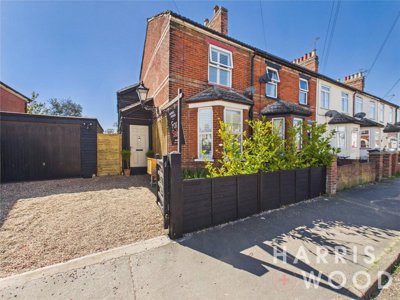
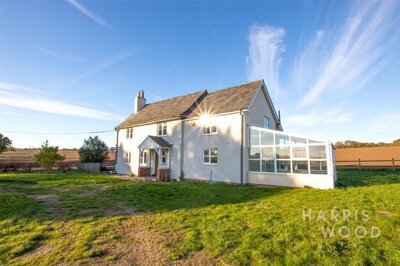
Browse 2 rental homes to rent in Harwich, Tendring from local letting agents.
The larger property sector typically features multiple bathrooms, substantial reception space, and private gardens or off-street parking. Four bedroom houses in Harwich span detached, semi-detached, and occasionally terraced configurations, with styles ranging from period properties to modern executive homes.
£1,600/m
1
0
26
Source: home.co.uk
Showing 1 results for 4 Bedroom Houses to rent in Harwich, Tendring. The median asking price is £1,600/month.
Source: home.co.uk
Semi-Detached
1 listings
Avg £1,600
Source: home.co.uk
Source: home.co.uk
The local market has been stable rather than frothy, which is useful for renters trying to plan ahead. homedata.co.uk shows sold prices rising 3.2% over the last 12 months, while asking prices have changed by -3.3% on average over the past six months. home.co.uk also reported 11 properties sold in Harwich during October 2025, which shows a smaller market where the right home can draw attention fast. For renters, that usually means it pays to have documents ready before a viewing, especially for well-kept terraces and family homes.
Price differences by property type are wide enough to shape your search strategy. Detached homes averaged £356,355, semi-detached homes £253,614 and terraced homes £198,183 over the last 12 months, so the gap between compact and larger homes is significant. Flats sit at the lower end of the market, with an average asking price of £90,500, which can help first-time renters stay within budget. New-build activity is limited but present, and the Dovercourt side of Harwich adds a small amount of fresh stock for people who want modern layouts and easier maintenance.

Harwich sits on the edge of the Stour estuary and carries a distinct maritime character that you notice straight away. The harbour, ferry links and older streets give the town a lived-in port feel, while the seafront and promenades bring in a quieter coastal rhythm after work. That mix suits renters who want somewhere practical but not anonymous, with a stronger sense of place than a generic commuter suburb. Dovercourt, right beside the town, adds extra shops and services without losing the coastal identity.
Day-to-day life here leans towards a practical coastal routine, with local shops, independent businesses and access to larger services across Tendring. Families, port workers, commuters and downsizers all tend to look at the area for different reasons, which keeps the housing mix broad. Terraces near the centre, semis in quieter streets and larger detached homes on the edge create a varied rental pattern, so the neighbourhood can work for different household sizes. Coastal weather is part of the package too, so sea air, stronger winds and a flood-aware mindset are part of everyday living.
Harwich also has a modest but appealing leisure side, from harbour views and historic streets to the open stretches around the shoreline. Renters who enjoy walking, cycling and being close to the water often find the town easier to live in than larger Essex settlements, because short trips are simple and the pace is more relaxed. At the same time, the working-port backdrop gives the area a busier feel than a pure holiday resort. That balance is one of the reasons people who know the coast often keep Harwich on their shortlist.
The supplied research pack did not include verified school ratings for Harwich, so families should check the latest admissions maps and Ofsted reports before settling on a postcode. Catchments can change quickly across a town like this, especially between Harwich, Dovercourt and the surrounding Tendring coast. A home that looks ideal on paper can sit in a different school zone to the one you expected, so postcode checks matter as much as the property itself. I would always treat school planning as part of the viewing process, not something to leave until after an offer is made.
Local education is shaped by a mix of primary provision in the town and secondary options across the Harwich and Dovercourt area, with sixth form and further education choices widening out into the rest of Tendring and Colchester. That means renters with children often balance school access against commute length, parking and the type of home they need. Detached homes and larger semis can be attractive for families, while terraces closer to the centre may suit households who want shorter daily journeys. If schooling is a top priority, check the exact address against the latest catchment rules before you commit to a tenancy.
Rail travel is a key part of living in Harwich, because the town works best as a rail-and-road mix rather than a pure motorway commuter base. Local stations, including Harwich Town, Dovercourt and Harwich International, connect residents into the wider network, with Manningtree acting as the important interchange for London-bound journeys. That makes rail planning especially useful for anyone who commutes a few days a week or travels regularly into larger Essex centres. For renters, being close to the station can be more valuable here than in many inland towns.
Road access is practical rather than fast, with the A120 giving an important route towards Colchester and onward links to the A12. Bus services help with shorter local trips, while the town's compact layout means some households can do plenty on foot or by bike. Parking deserves attention during viewings, especially in the older central streets and near the waterfront where space can be limited. If you work across the county or travel frequently, think carefully about the difference between a central terrace and a home with off-street parking.

Get a rental budget agreement in principle before you start viewing so you know what you can comfortably afford and can move quickly when the right Harwich home appears.
Decide whether you want the harbour-side streets, central Harwich or the Dovercourt edge, because each part of the local area offers a slightly different feel.
Viewings can go fast on the best-kept homes, so arrange appointments quickly and compare condition, parking, heating and noise levels at the same time.
Have ID, proof of income, references and right-to-rent documents ready, as landlords and agents often expect a complete application before they secure a tenancy.
Check the deposit amount, rent payment dates, inventory, repairs process, pets clause and any rules for parking or use of communal spaces before you sign.
Photograph meter readings, test alarms and report any issues on day one so you begin the tenancy with a clear record of the property's condition.
Harwich is a coastal town, so flood exposure and sea-air wear deserve attention on every viewing. If a property sits close to the waterfront or on lower-lying ground, ask the landlord about flood history, drainage and any measures already in place. Older windows, external timber and metal fittings can also show the effects of salt air faster than they would inland. A quick look at the surrounding street level can tell you a lot about how exposed the home may feel in heavy weather.
Older terraces and period properties often need a closer look at damp, insulation and roof condition, especially where winters are breezier and heating costs matter. For flats, ask about service charges, communal maintenance, parking permits and who deals with repairs, because those details affect day-to-day living even if you are only renting. Planning restrictions and conservation sensitivities may matter in some streets, so check whether external changes or satellite dishes are allowed before you commit. A well-priced home in Harwich is still worth a careful inspection, because the right questions at the start save hassle later.
The supplied research does not give a verified average rent for Harwich, so I would not guess at a figure. For context, homedata.co.uk records an average sold price of £250,000, while home.co.uk shows local asking prices ranging from £90,500 for flats to £356,355 for detached homes. That spread usually means the rental market also varies sharply by size, age and position within the town. The best way to judge value is to compare the live listings in Harwich with your monthly budget and commuting needs.
Harwich falls under Tendring District Council, and council tax bands run from A to H like the rest of England. Smaller terraces and flats are often in the lower bands, while larger detached homes can sit higher because of their value. The exact band depends on the individual property, not just the street or postcode. Always check the band for the specific home before you agree to the tenancy, because it changes your monthly outgoings.
The research pack did not include verified school rankings, so the safest approach is to check current Ofsted reports and the latest catchment maps. Families often look across Harwich and Dovercourt, then widen the search into wider Tendring or Colchester for sixth form and specialist options. Catchments can change street by street, so the same area may not suit every school preference. Use the exact postcode when you check admissions, not just the town name.
Harwich is reasonably well connected for a coastal town, especially if you are happy to use rail and bus rather than depending on the motorway network. Local stations and the link through Manningtree are the big advantage, because they open up onward travel to larger Essex centres and London routes. Road access via the A120 also helps for Colchester and the wider county. Parking can be tighter close to the centre and waterfront, so transport choice matters when you decide where to live.
Harwich can be a very good place to rent if you like a coastal setting, a working-port atmosphere and a market with clear price differences between property types. homedata.co.uk shows sold prices up 3.2% over the last year, while home.co.uk reports asking prices down 3.3% over the past six months, which suggests a market that is active but not overheated. Terraced homes and flats give renters lower entry points, while detached homes serve larger households. It is a practical choice for people who want character, sea views and everyday convenience in the same place.
For most tenancies in England, the holding deposit is usually capped at one week's rent and the tenancy deposit at five weeks' rent when annual rent is under £50,000. You should also budget for the first month's rent in advance, plus moving costs such as removals, utilities and any furnishings you need. Letting agents cannot charge most admin fees, but you may still face charges for things like lost keys or late payment if the tenancy agreement allows it. Before you view, it helps to get your rental budget agreement in principle so you know the true total cost.
New-build supply is limited, but there is some fresh stock around Dovercourt and the wider Harwich area. That can appeal to renters who want modern layouts, better insulation and less immediate maintenance. Even so, the local market still leans heavily on established terraces, semis and older family homes. If you want a brand-new rental, it is worth checking availability often because those homes can be taken quickly.
From 4.5%
Compare rental budget rates and find the best deal
From £499
Check affordability, income and landlord references before you sign
From £350
Check the condition of a flat, terrace or older family home before you commit
Upfront rental costs in Harwich depend on the home type you choose, because the rent itself drives the size of the deposit and the first payment. A compact flat or terrace can keep the move-in figure more manageable, while a detached house usually means a larger monthly commitment and a bigger deposit in cash terms. Holding deposits, referencing and the first month's rent are the main items to plan for, alongside moving and utility costs. That is why a rental budget agreement in principle is useful before you start viewing, not after you find a home you love.
The cheapest mistake to avoid is assuming the rent is the only number that matters. In a coastal town, you should also budget for council tax, heating, parking and any extra costs linked to a flat or managed building. If the property has communal areas, ask who pays for repairs and how quickly issues are usually handled, because service quality can change the real cost of living. A careful budget now makes the rest of the move much easier, especially when the right Harwich home appears and decisions need to be made quickly.
Properties to Rent In London

Properties to Rent In Plymouth

Properties to Rent In Liverpool

Properties to Rent In Glasgow

Properties to Rent In Sheffield

Properties to Rent In Edinburgh

Properties to Rent In Coventry

Properties to Rent In Bradford

Properties to Rent In Manchester

Properties to Rent In Birmingham

Properties to Rent In Bristol

Properties to Rent In Oxford

Properties to Rent In Leicester

Properties to Rent In Newcastle

Properties to Rent In Leeds

Properties to Rent In Southampton

Properties to Rent In Cardiff

Properties to Rent In Nottingham

Properties to Rent In Norwich

Properties to Rent In Brighton

Properties to Rent In Derby

Properties to Rent In Portsmouth

Properties to Rent In Northampton

Properties to Rent In Milton Keynes

Properties to Rent In Bournemouth

Properties to Rent In Bolton

Properties to Rent In Swansea

Properties to Rent In Swindon

Properties to Rent In Peterborough

Properties to Rent In Wolverhampton

Enter your details to see if this property is within your budget.
Loans, cards, car finance
Estimated property budget
Borrowing + deposit
You could borrow between
Typical borrowing
Monthly repayment
Est. at 4.5%
Loan-to-value
This is an estimate only. Your actual budget may vary depending on interest rates, credit history, and personal circumstances. For an accurate affordability assessment, speak to one of our free mortgage advisors.
This calculator provides estimates for illustrative purposes only and does not constitute financial advice. Your home may be repossessed if you do not keep up repayments on your mortgage. Estimates based on 4.5% interest rate, repayment mortgage. Actual rates depend on your circumstances.
Homemove is a trading name of HM Haus Group Ltd (Company No. 13873779, registered in England & Wales). Homemove Mortgages Ltd (Company No. 15947693) is an Appointed Representative of TMG Direct Limited, trading as TMG Mortgage Network, which is authorised and regulated by the Financial Conduct Authority (FRN 786245). Homemove Mortgages Ltd is entered on the FCA Register as an Appointed Representative (FRN 1022429). You can check registrations at NewRegister or by calling 0800 111 6768.

We use cookies to show you personalised content and improve your experience of our website. Find out more in our Privacy policy and Cookie policy.