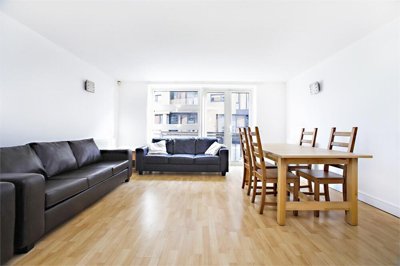
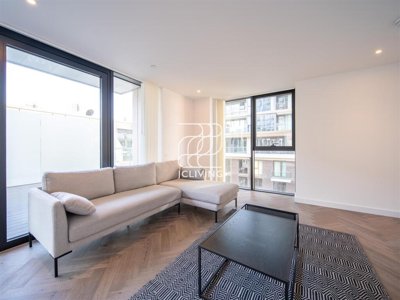
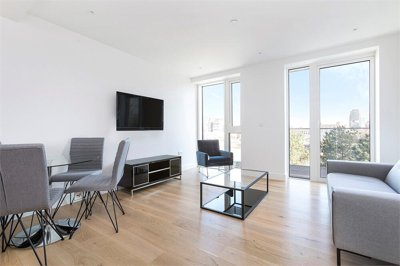
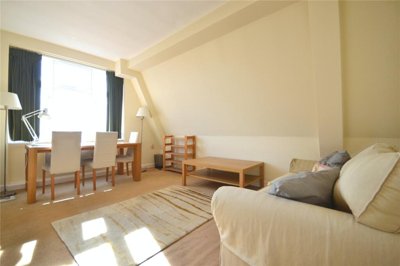
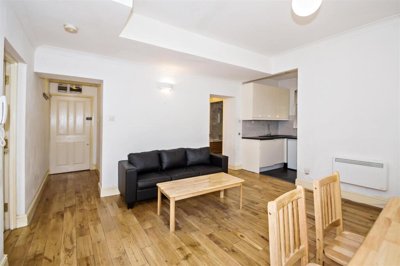
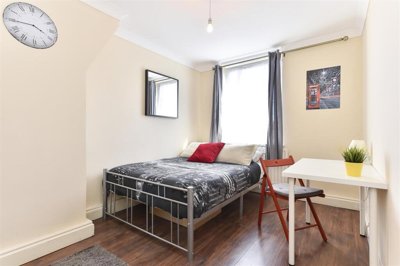
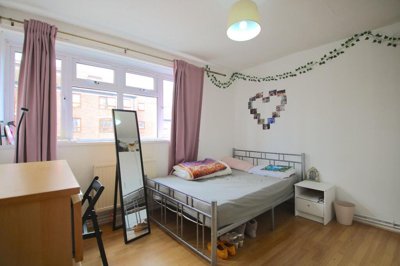
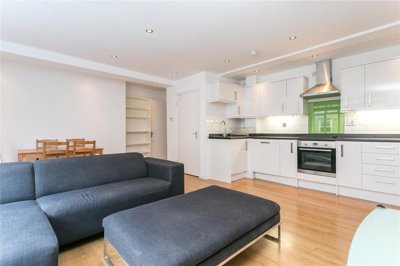
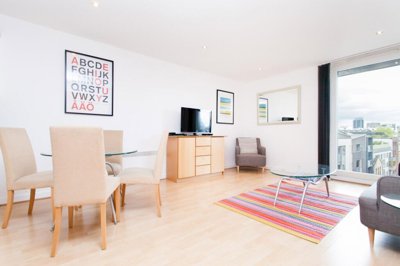
Browse 1,294 rental homes to rent in EC3V from local letting agents.
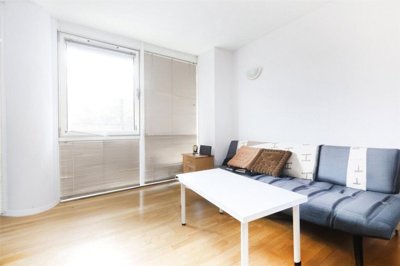
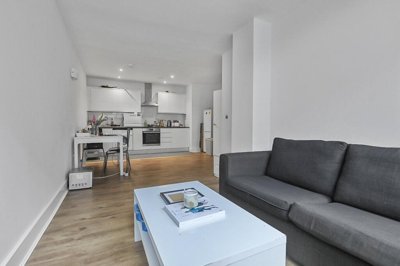
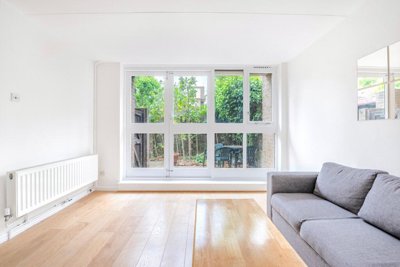
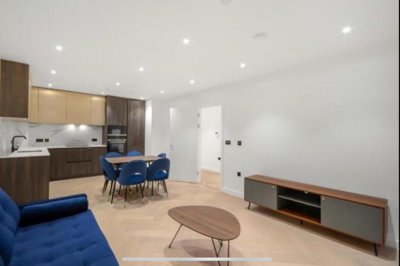
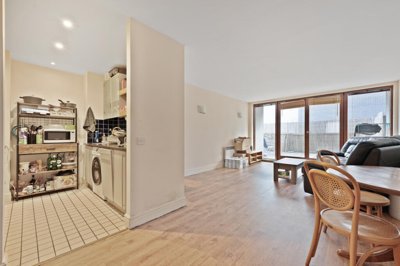
Studio apartments feature open-plan living spaces without separate bedrooms, incorporating sleeping, living, kitchen, and bathroom facilities. The EC3V studio market includes properties in modern apartment complexes, converted Victorian and Georgian buildings, and purpose-built developments.
£0/m
0
0
0
Source: home.co.uk
Showing 0 results for Studio Flats to rent in EC3V.
Extremely low (approx 7 residents in EC3V 3)
Residential Population
Almost exclusively flats and apartments
Property Types
Over 600 in the City of London
Listed Buildings
Elevated - hotspots along New Bridge Street
Surface Water Flood Risk
EC3V is one of those rare London postcodes that gives us prestige, convenience and character all at once. Set within the ancient boundaries of the City of London, it puts residents right in the middle of British commerce, history and culture. For anyone in finance, law or professional services, it cuts out the daily slog of a long commute, with most major institutions reachable within a ten-minute walk. Bank, Monument, Liverpool Street and Cannon Street stations are all only minutes away too, so travel across London and further afield is well covered.
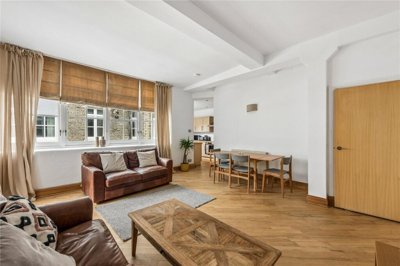
What EC3V feels like on the ground is quite different from a standard London neighbourhood. It is not residential-heavy, and that gives it a distinct urban rhythm, cobbled streets running past medieval churches, converted warehouses and gleaming towers in quick succession. In converted commercial buildings, tenants often get high ceilings, original features and room proportions that are hard to find in newer schemes. People drawn to the area tend to care more about location, character and connectivity than square footage.
At the weekend, the Square Mile changes pace. The streets are quieter, the riverside walks are less crowded, and places such as the Barbican Centre and Guildhall feel more accessible. The Royal Exchange becomes a polished shopping stop, while the restaurants and bars tend to have their best availability once the weekday rush has gone. For many newcomers, that weekend calm comes as a surprise after the daytime intensity.
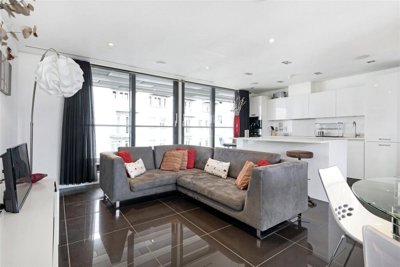
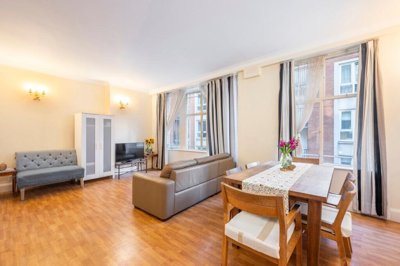
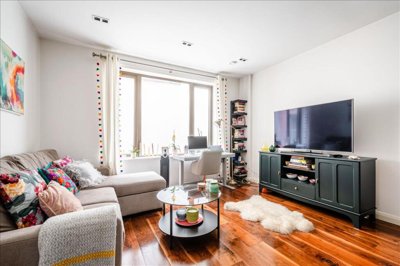
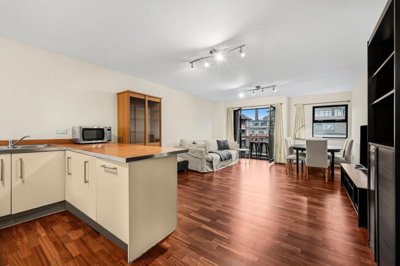
The rental market here is selective, and the properties are usually of a high standard. EC3V is dominated by flats and apartments, many in converted commercial buildings or mixed-use developments that bring together modern living and historic fabric. Our data shows that the stock typically leans towards contemporary one and two-bedroom apartments, which suits the professional crowd that is drawn to City living. Tenants are usually choosing proximity to major financial institutions, law firms and professional services over extra space.
Nearby EC1V gives a useful sense of central London pricing, with average sold prices for flats typically exceeding £974,000, while rentals in EC3V command strong premiums for their central position. Demand remains healthy from City professionals, international executives wanting a London base, and workers moving up from nearby postcodes. Available homes include glass-fronted apartments, period conversions with original features, and penthouse units.
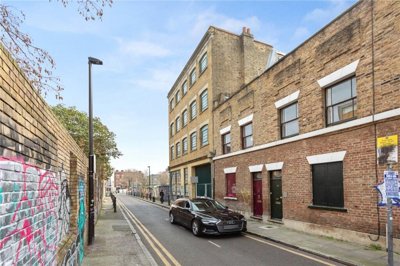
EC3V’s residential stock reflects its commercial past. Many of the properties were built for business use first, then converted to homes under permitted development rights or full planning consent. Those conversions often keep the things that give them personality, exposed brickwork, steel beams and large windows. It is worth understanding that these spaces can come with unusual layouts, different ceiling heights and configurations that are not like purpose-built apartments.

The area’s buildings also tell the story of how London was made. Across EC3V, historic properties are often built from London Stock Brick, the yellowish-brown material that underpins much Georgian and Victorian architecture in the capital. Quarried from London clay deposits, it gives many buildings a warm look, though it can also bring maintenance issues, including moisture penetration, that occupiers need to watch.
In the more premium buildings, Portland Stone appears again and again. This creamy limestone became one of London’s key architectural materials after the Great Fire of 1666, and the Royal Exchange, along with many other notable City buildings, shows it off well. It weathers gracefully, but in an urban setting it still needs care to avoid staining and weathering. Newer schemes around EC3V usually go in the opposite direction, with glass and steel curtain walling creating the sharp old-and-new contrast that defines the streetscape.
Construction methods vary a lot across EC3V, depending on age and original use. Pre-1919 buildings often have traditional brick or stone load-bearing walls and timber floors, which can bring damp penetration, woodworm and gradual movement over time. Steel and concrete framed developments come with different strengths, better thermal performance and structural stability, but fire safety compliance and service duct maintenance can be weak spots. In converted commercial buildings, knowing the original build method helps tenants read the property properly.
There are also location-specific risks that anyone renting in EC3V should know before signing up. The whole postcode sits on London Clay, which shrinks in dry weather and swells when it gets wet. That movement can affect properties with shallow foundations, especially Victorian and Edwardian buildings across the City, and it can lead to cracks, sticking doors and uneven floors. Climate change projections point to those pressures intensifying, so ground floor and basement homes deserve extra attention.
Damp and mould are not rare in older EC3V properties, especially in converted commercial buildings where modern repair work has reduced natural ventilation. Solid wall construction, common in pre-war buildings, does not have the cavity barriers found in newer homes, so condensation and penetrating damp become more likely. We would ask for evidence of recent damp surveys or independent assessments at viewings, particularly for lower floors or places with limited natural light.
The age of the building stock means electrical and plumbing systems often need checking too. In many homes built before the 1970s, original wiring is still in place and may not have residual current devices or proper earthing. Older lead or galvanised steel pipes can affect water quality and increase the risk of failure. Before a tenancy is agreed, we would want to know about recent electrical testing, plumbing renewal and any maintenance history that has been logged.
EC3V sits in one of the most remarkable parts of the City of London, where Roman walls once marked the edge of the ancient city. Streets in the postcode run past buildings such as the medieval Billingsgate Market building, the glass towers of Lloyd's of London and The Gherkin. Our neighbourhood research shows that, despite its global financial weight, the City still feels intimate, with cobbled lanes, hidden courtyards and historic churches tucked between office blocks. The residential population stays deliberately small, which gives the area a village feel that catches many visitors off guard.
Amenities are a strong part of life here. Residents can use the Royal Exchange’s luxury shopping galleries, dine along Threadneedle Street and Cornhill, and spend time in the green spaces around the Tower of London grounds and Trinity Square Gardens. The calendar is busy too, with art exhibitions, classical concerts in historic churches and the Lord Mayor’s Show each November. The EC3V community is mostly young professionals, senior executives and international residents, so the atmosphere is cosmopolitan. The Barbican Centre, museums and the historic Guildhall add a cultural layer that is not easy to match elsewhere in central London.
Heritage protection is a big reason the area still looks the way it does. The conservation areas around EC3V and the surrounding streets help safeguard the architectural character that makes the postcode distinctive. The City of London has 28 distinct conservation areas and over 600 listed buildings, with Grade I and II* listed structures appearing at roughly four times the national average. That concentration means many rentals sit in historic buildings with protected features, from ornate facades to interior details. In listed properties, any changes need consent, so personalisation is limited, but the character is preserved.

Families can rent in EC3V, but they need to be realistic about the postcode itself. It is mainly commercial, so there are limited primary and secondary school options within walking distance. Even so, the wider City of London and nearby boroughs give access to strong schools that can be reached with short journeys. The City of London Corporation runs several well-regarded schools, including the City of London School for Girls and the City of London School, both long established and highly respected. For families arriving from abroad, or those wanting a consistent education route, the academic standards and university placement records are a major draw.
There are also strong primary options nearby, including St Paul's Cathedral School, a co-educational preparatory school taking pupils from age 5, and the Guildhall School of Music and Drama, which runs Saturday morning classes for younger children. Across Hackney, Tower Hamlets and Southwark, there are further highly-rated primary schools within 20 minutes of EC3V. For secondary education, schools such as Cardinal Pole Catholic School in Hackney and the Hackney Service Centre are rated Good or Outstanding by Ofsted. Travel time matters, of course, but the transport links from EC3V make school runs across north and south London very manageable.
Its international feel is another reason some families are drawn here. Those moving from abroad can reach several international schools within a reasonable commute, including the American School in London and a range of European curriculum options across central London. With the major business districts close by, EC3V appeals to internationally mobile families who want central access and schooling that supports different curricula.

Transport is one of EC3V’s strongest selling points. Renters are within minutes of several Underground stations. Bank serves the Central, Northern and Waterloo & City lines, Monument gives access to the District and Circle lines, Cannon Street provides Southeastern rail services, and Liverpool Street links to the Elizabeth line, which reaches Heathrow, Gatwick and City Airport quickly. The DLR at Bank and Tower Gateway runs towards Stratford, Canary Wharf and London City Airport. For professionals working anywhere in Greater London, or anyone who travels internationally, that connectivity is hard to beat.
The Elizabeth line has changed the commuting picture from EC3V. Direct services now reach Heathrow Terminal 5 in approximately 38 minutes and Canary Wharf in just 11 minutes. That has taken a serious amount of time out of cross-capital travel and made the postcode even more appealing to people working in more than one part of London. Cannon Street still handles Southeastern services towards Kent and South East London, while Thameslink from City Thameslink connects to Bedford and Brighton via Farringdon and St Pancras.
Cyclists have benefited too. The City of London has put serious investment into protected bike lanes and Cycleways that link into major routes, including the Thames Path for scenic river commutes. Santander Cycles docking stations are plentiful throughout the area, so last-mile travel is easy. Bus services also cover the Square Mile and beyond, with routes serving Liverpool Street, Victoria and Waterloo. Drivers need to keep in mind that congestion charges apply Monday to Friday, and parking within EC3V is extremely limited because the district is so commercial. TfL’s network planning continues to add cycling infrastructure and improve bus services, which only strengthens the sustainable travel options here.

Current listings are the best place to see what is available, what the price ranges look like, and what landlords tend to include in rentals across this premium City of London postcode. EC3V homes move fast because stock is limited and demand from City professionals is strong. We would set up property alerts on the major portals and register with specialist City-lettings agents who already have landlord relationships in the postcode.
Before any viewings, get a rental budget agreement in principle in place. It shows landlords that you are a serious tenant with income that has been checked and is sufficient for the rent. In EC3V, landlords usually want annual incomes of 40-50 times the monthly rent, so a home at £2,500 per month would need a verified annual income of £100,000-£125,000. International tenants may also need extra paperwork or a UK-based guarantor.
Once a shortlist is in hand, arrange viewings and take the time to assess the building, the neighbours and the local amenities. Make a note of any maintenance concerns and ask about service charges, ground rent where relevant, and the building management set-up. In converted commercial buildings, we would pay close attention to noise insulation between floors, the quality of double glazing and how easy it is to access the property.
It is not just rent that needs budgeting for. A deposit is usually 5 weeks rent, and there are admin fees and moving costs to factor in as well. EC3V properties can also carry higher service charges than homes in more residential areas, so get the annual figures in full before committing. For a rental at £2,500 per month, we would expect upfront costs of around £15,000-£20,000, including the first month’s rent, deposit, referencing fees and moving expenses.
Once a property has been agreed, the letting agent will arrange tenant referencing, right to rent checks and, in some cases, a guarantor. Have the paperwork ready, including passport, proof of address and recent payslips or accounts. Self-employed applicants should be prepared to provide SA302 tax calculations and business bank statements covering at least three months.
Read the Assured Shorthold Tenancy agreement with care, and check the term, rent amount, deposit protection scheme details and any break clause. The inventory and condition report should also be completed properly at check-in, with existing damage recorded so there is no argument later. Ask for landlord contact details and make sure the process for reporting maintenance issues is clear.
Renting in EC3V means thinking about a few things that are not quite the same as in standard residential areas. Because so many homes are in converted commercial buildings, layouts can be unusual, ceilings high and period details prominent, so each property needs a close look. We would check insulation and double glazing carefully too, since older conversions can suffer from noise transfer in a dense city setting. The historic building stock, including many listed structures, may also limit alterations, so changes often need landlord consent and planning permission.
Flood risk matters here, especially for ground-floor and lower-level homes. The City of London has higher surface water flooding risk during heavy rainfall, and known hotspots include New Bridge Street and the riverside. Groundwater levels can shift seasonally across the City, which may affect basements and lower-ground floors. London Clay also brings subsidence risk for older properties with shallow foundations, particularly Victorian and Edwardian conversions. We would ask for recent surveys and maintenance records, especially for period buildings. Conservation area rules may also restrict exterior changes, window styles and satellite dishes, all of which can shape day-to-day living.
Service charges and maintenance responsibilities need to be checked closely in EC3V. Homes in mixed-use developments or converted commercial buildings often carry significant annual service charges that cover insurance, communal maintenance, lift servicing and concierge facilities. These can add a lot to the overall cost, sometimes exceeding £3,000-£5,000 each year. Ask exactly what is included, who runs the building and how maintenance requests are dealt with. If the property is leasehold, ground rent may also apply, although it is usually modest for renters.

There are several upfront costs to plan for before starting a search in EC3V. The initial outlay usually includes the first month’s rent, a security deposit equal to five weeks’ rent, and a holding deposit of one week’s rent to reserve the property while references are being completed. On top of that, inventory and check-in fees average £100-200, referencing fees are typically £100-150 per tenant, and renewal fees may apply if you stay beyond the first term. For a property at £2,500 per month, total initial costs can come to around £14,750 once the first month, deposit, fees and moving expenses are added together.
The Tenant Fees Act 2019 gives renters in EC3V important protection. Landlords and letting agents cannot charge certain fees, and the permitted payments are limited to rent, a deposit capped at five weeks' rent where annual rent is less than £50,000, a holding deposit capped at one week’s rent, and reasonable default fees for late payment or lost keys. Utility bills, council tax and communication services stay with the tenant. We would also budget for contents insurance, which usually costs £150-300 a year for a City apartment, and sort utility providers before moving day so services are live on arrival. The City of London’s relatively low council tax rates, compared with other central London boroughs, also give EC3V residents a modest ongoing saving.
Deposit protection is another point every EC3V tenant should understand. Your landlord must place the deposit in a government-approved scheme within 30 days of receiving it. The three approved schemes are the Deposit Protection Service, MyDeposits and the Tenancy Deposit Scheme. You should receive details of which scheme is holding the money, the amount protected and how to get it back when the tenancy ends. That protection means the deposit is returned, minus any legitimate deductions for damage or unpaid rent, which gives both sides some security.

It is hard to pin down exact rental data for EC3V because the residential population is so small and the area is so commercial. Even so, one and two-bedroom apartments in this prime City of London location usually rent for £1,800 to £3,500 per month depending on size, condition and specification. Premium homes with river views or penthouse status can go beyond £4,500 per month. Strong transport links, proximity to major employers and the prestige of an EC3V address all help to support those rents. Studio apartments in converted commercial buildings start from around £1,400 per month, while spacious two-bedroom units in converted warehouses or modern developments sit at the top end.
EC3V sits under the City of London local authority, which works rather differently from a normal London borough. City of London council tax bands run from A to H, and most residential apartments fall into bands C through F depending on value and size. Because the City brings in so much business rate income, it consistently has lower council tax rates than neighbouring boroughs, which helps make it one of the more cost-efficient central London postcodes for this particular charge. Before budgeting, tenants should confirm the band with the letting agent, as converted commercial spaces can have non-standard bandings.
The immediate EC3V postcode has very little schooling provision, since it is overwhelmingly commercial, but the wider City of London gives access to several respected institutions. The City of London School for Girls and the City of London School are among London’s best-known independent schools, and both take day pupils. For younger children, St Paul's Cathedral School is an option. Families need to think through travel arrangements, because pupils usually travel in from surrounding boroughs where EC3V renters live. Thanks to the transport network, journeys of 20-30 minutes to many leading schools are entirely realistic.
Public transport links are a major strength of EC3V. Bank station offers the Central, Northern and Waterloo & City lines, Monument serves the District and Circle lines, and Liverpool Street gives access to the Elizabeth line plus mainline rail. The DLR from Bank runs to Canary Wharf and London City Airport. With this network in place, commuting across London is straightforward, and typical journey times are around 15-20 minutes to Oxford Circus, 25 minutes to King's Cross and under an hour to Heathrow via the Elizabeth line.
EC3V suits renters who want central London location, professional connectivity and City amenities more than family-style residential facilities. The area has excellent transport, good restaurants and bars, cultural attractions close by and the status that comes with a Square Mile address. The trade-off is that day-to-day amenities, such as supermarkets and corner shops, are limited because the residential population is so low. Weekend quietness is also very different from weekday life, when office workers fill the streets. For young professionals, City workers or anyone wanting a London base, it is a strong rental choice that mixes convenience with character.
For anyone renting here, the usual deposit is 5 weeks' rent, and it has to be protected in a government-approved deposit scheme within 30 days. Tenant fees in England include holding deposits of up to one week's rent, referenced copy documents, and inventory costs for check-in and check-out. The Tenant Fees Act 2019 limits what landlords and agents can charge, so there should be no fees for viewing, rent arrears or general administration. A property at £2,000 per month would need roughly £10,000 upfront once the first month’s rent, deposit and reasonable moving costs are included. Ongoing costs still cover council tax, utilities and contents insurance.
Surface water flooding is the main flood risk for EC3V homes, with known hotspots along New Bridge Street and near the riverside. The City of London manages risk from surface water, groundwater and the tidal Thames, and the Thames Barrier gives substantial protection against river flooding. Ground-floor and basement homes deserve extra scrutiny because seasonal groundwater changes can affect lower levels. Over 540,000 properties in London are exposed to medium or high surface water flooding risk, so building insurance and property condition surveys are worthwhile for EC3V renters.
Many homes in EC3V are in listed buildings, and that brings specific limits for both tenants and landlords. Any alteration, including decorative changes, window replacements or structural work, needs Listed Building Consent from the City of London planning authority. External changes such as satellite dishes, signage and exterior painting are usually prohibited or tightly controlled. Tenants choosing listed properties need to accept that personalisation is limited, although the heritage value and distinctive character often more than make up for it.
From 4.5%
Calculate your renting budget with our expert planners
From £99
Comprehensive referencing for landlords and agents
From £400
Professional survey for your new rental property
From £85
Energy performance certificate for EC3V properties
Properties to Rent In London

Properties to Rent In Plymouth

Properties to Rent In Liverpool

Properties to Rent In Glasgow

Properties to Rent In Sheffield

Properties to Rent In Edinburgh

Properties to Rent In Coventry

Properties to Rent In Bradford

Properties to Rent In Manchester

Properties to Rent In Birmingham

Properties to Rent In Bristol

Properties to Rent In Oxford

Properties to Rent In Leicester

Properties to Rent In Newcastle

Properties to Rent In Leeds

Properties to Rent In Southampton

Properties to Rent In Cardiff

Properties to Rent In Nottingham

Properties to Rent In Norwich

Properties to Rent In Brighton

Properties to Rent In Derby

Properties to Rent In Portsmouth

Properties to Rent In Northampton

Properties to Rent In Milton Keynes

Properties to Rent In Bournemouth

Properties to Rent In Bolton

Properties to Rent In Swansea

Properties to Rent In Swindon

Properties to Rent In Peterborough

Properties to Rent In Wolverhampton

Enter your details to see if this property is within your budget.
Loans, cards, car finance
Estimated property budget
Borrowing + deposit
You could borrow between
Typical borrowing
Monthly repayment
Est. at 4.5%
Loan-to-value
This is an estimate only. Your actual budget may vary depending on interest rates, credit history, and personal circumstances. For an accurate affordability assessment, speak to one of our free mortgage advisors.
This calculator provides estimates for illustrative purposes only and does not constitute financial advice. Your home may be repossessed if you do not keep up repayments on your mortgage. Estimates based on 4.5% interest rate, repayment mortgage. Actual rates depend on your circumstances.
Homemove is a trading name of HM Haus Group Ltd (Company No. 13873779, registered in England & Wales). Homemove Mortgages Ltd (Company No. 15947693) is an Appointed Representative of TMG Direct Limited, trading as TMG Mortgage Network, which is authorised and regulated by the Financial Conduct Authority (FRN 786245). Homemove Mortgages Ltd is entered on the FCA Register as an Appointed Representative (FRN 1022429). You can check registrations at NewRegister or by calling 0800 111 6768.

We use cookies to show you personalised content and improve your experience of our website. Find out more in our Privacy policy and Cookie policy.