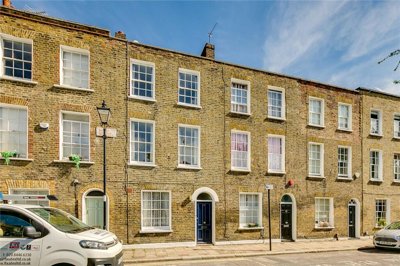
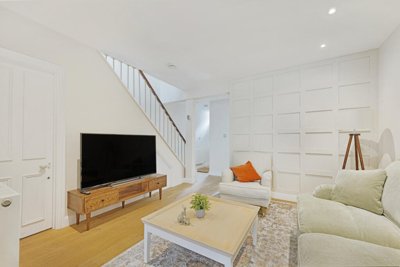
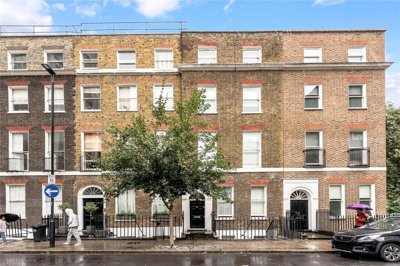
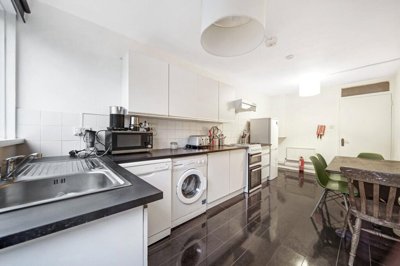
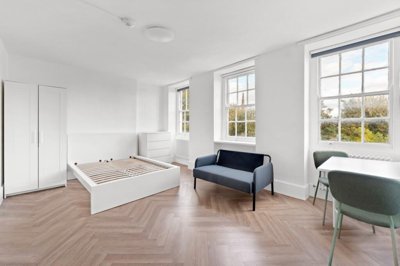
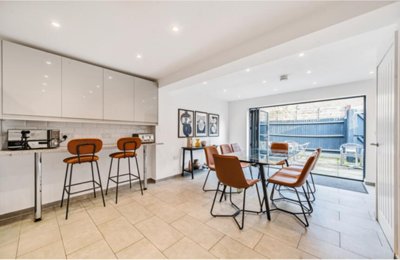
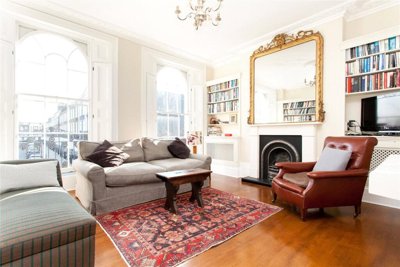
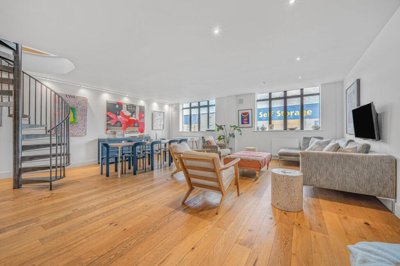
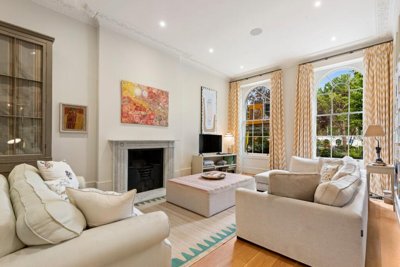
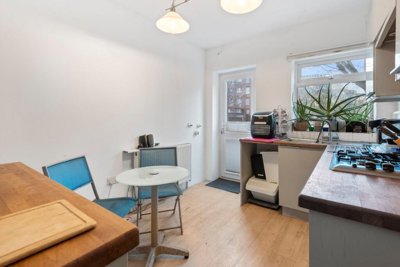
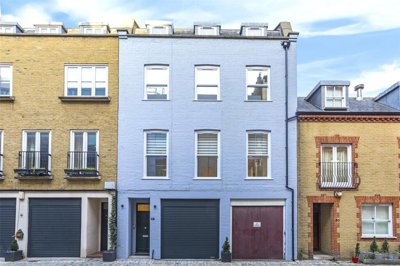
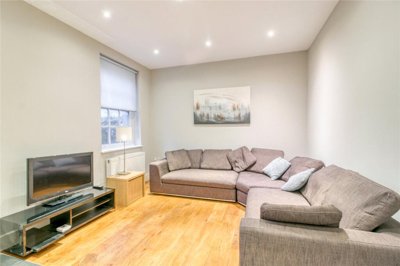
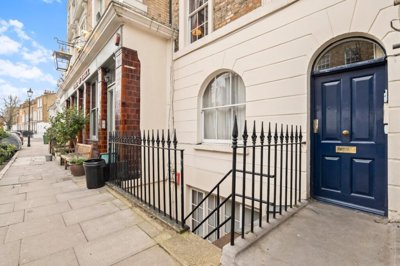
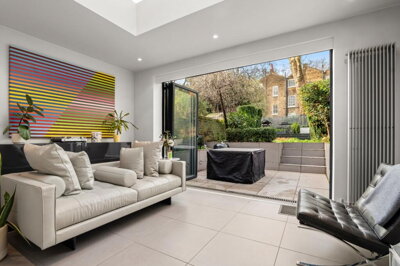
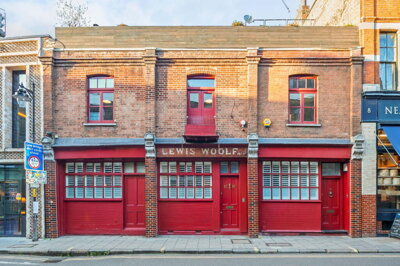
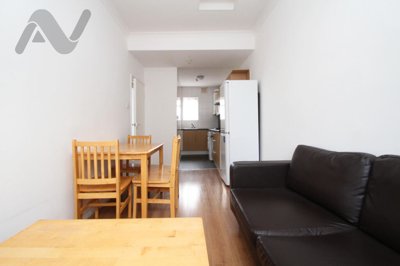
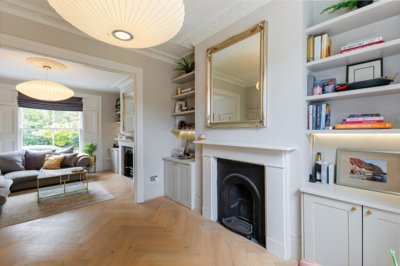
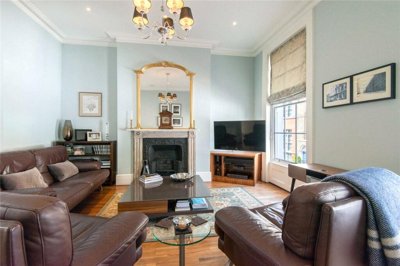
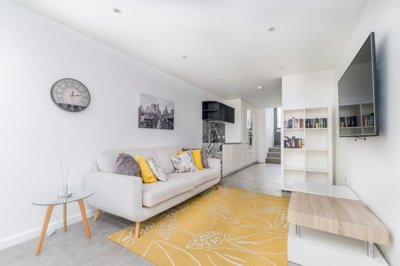
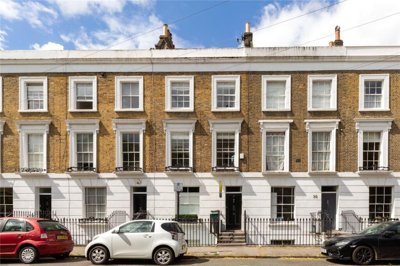
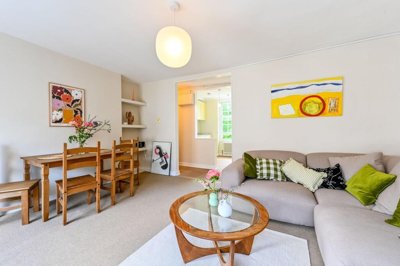
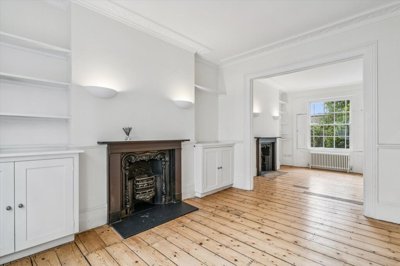
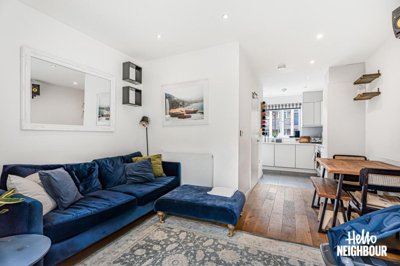
Browse 56 rental homes to rent in EC1A from local letting agents.
The EC1A property market offers detached, semi-detached, and terraced houses spanning various price ranges and neighbourhoods. Each listing includes detailed property information, photographs, and direct contact with the marketing agent.
£0/m
0
0
0
Source: home.co.uk
Showing 0 results for Houses to rent in EC1A.
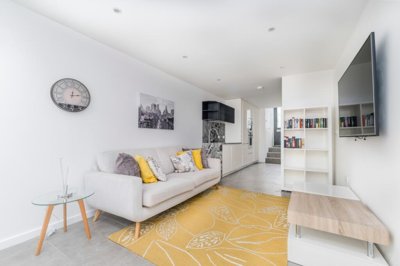
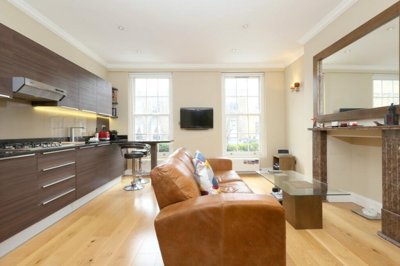
Flats make up almost the whole rental picture in EC1A, with virtually no houses on offer in this postcode sector. That density fits the commercial feel of the City of London, where homes sit in converted office blocks, purpose-built apartment towers, and the well-known Barbican complex. Our listings show the spread quite neatly, from compact studios suited to young professionals through to roomy two and three-bedroom flats in newer schemes. Expect everything from post-war Brutalist buildings to contemporary apartments with floor-to-ceiling windows and high-spec finishes.
Prices in EC1A have been notably steady over the last few years, with a 12-month fall of just 1.0% and a five-year drop of only 1.8%. That is a very different story from some other London postcodes that have seen sharper swings during economic uncertainty. Across the past decade, values have risen by 1.7%, which points to the lasting pull of this central location despite wider market shifts. For renters thinking ahead to a future purchase, that sort of stability suggests EC1A remains a dependable place to buy, with good prospects for capital growth if ownership becomes the next step.
The Denizen at 100 Barbican is one of the standout developments in EC1A, where Taylor Wimpey Central London has delivered luxury apartments priced from £735,000 to £2,100,000 for buyers seeking private ownership. Barts Square at 1 Bartholomew Close, brought forward by Helical, is another major residential scheme that is now largely complete and occupied. For renters, places like these bring modern layouts and contemporary amenities, though the rents tend to reflect both the finish and the central setting. Around Mount Pleasant, newer residential phases also sit within or close to EC1A, widening the choice for anyone looking for modern accommodation in this part of the City.

EC1A sits in a particularly interesting slice of London, where medieval streets meet mid-century modernism and fresh new architecture. Completed in the 1970s, the Barbican Estate is one of Britain’s most ambitious examples of Brutalist residential design. Its raw concrete towers, artificial lakes, and private gardens give it a distinct identity, and many residents are drawn to the sense of community as much as the look of the place. The estate also houses the Barbican Centre, one of Europe’s largest arts venues, with cinema screens, concert halls, theatres, and galleries that pull visitors in from across the capital. Live here and that cultural life is right on the doorstep, with exhibitions, screenings, and performances available without ever leaving the estate.
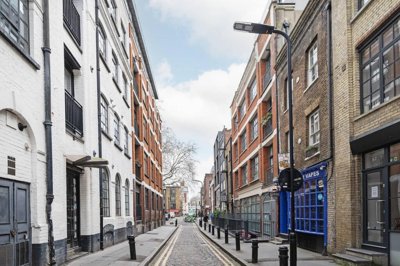
Smithfield Conservation Area gives EC1A a very different tone, with Victorian market buildings, cobbled streets, and long-established pubs. St Bartholomew's Hospital, founded in 1123, is still an active medical institution and owns several nearby residential properties. Around St John Street and Cloth Fair, Georgian and earlier buildings sit alongside the modern towers, including the Grade I listed St Bartholomew-the-Great Church, one of the oldest churches in London still in regular use. The medieval street pattern of the City of London still shows through here, with narrow lanes and courts that speak to centuries of trade and commerce.
Professionals dominate the demographics in EC1A, with high-income households often drawn by the convenience of City living. The resident population of the City of London is approximately 8,587 across around 4,900 households, which makes it one of London’s most compact and exclusive residential areas. By day, though, the workforce rises to over half a million people in the City’s offices, banks, and institutions. The effect is a very particular rhythm, busy through the week and much quieter at weekends, when many workers head back to homes elsewhere in London or the home counties.

Families looking to rent in EC1A will find only a small number of primary school options close by, which is hardly surprising given the City of London’s commercial focus. Sir John Cass's Foundation Primary School serves the local community and is rated well in Ofsted reports, although places can be hard to secure because supply is so limited. For secondary education, the City of London School for Girls and the City of London School for Boys are highly regarded independent schools within the Square Mile, though the annual fees are significant and need to be built into any family budget.
St Paul's Cathedral School provides primary education with a strong musical emphasis, and it is popular with families who value both its choral tradition and its central London setting. The independent schools nearby regularly post strong examination results and high university placement rates, with former pupils moving on to Oxford, Cambridge, and major institutions around the world. For state schools, catchment areas extend into surrounding boroughs including Islington, Hackney, and Camden, so rent may be partly balanced by commuting choices for families willing to look across borough lines.
There is no shortage of further education on the doorstep of EC1A, with the British Library and Museum of London offering learning resources that can be used throughout childhood and the teenage years. Birkbeck College and the University of London also give adults the chance to study in the evenings or part time while working in the City. Bloomsbury adds still more, with University College London and the London School of Economics within easy reach, so students of all ages have world-class resources not far from EC1A.

Transport is one of EC1A’s biggest pulls for renters who want central London access. The area is within walking distance of several Underground stations on the Circle, Hammersmith and City, Metropolitan, and Central lines. Barbican station reaches Kings Cross-St Pancras in around 5 minutes, which makes Eurostar services, national rail links, and the Gatwick Express airport connection straightforward to access. That suits professionals who travel abroad or need quick links into the wider UK rail network.
Farringdon station, which is still being expanded as part of the Elizabeth line works, adds further links across London and direct services to Heathrow Airport, Reading, and other destinations beyond the capital. The Elizabeth line has changed east-west travel across London, and Farringdon now serves as a crucial interchange that cuts journey times to key business districts including Canary Wharf, the West End, and Heathrow Airport. Moorgate and Liverpool Street are close too, opening up more Underground lines, Overground services, and national rail connections from Liverpool Street.
For cyclists, the City of London has put serious money into protected cycle routes, with dedicated lanes linking EC1A to surrounding areas, including separated routes on key corridors. Santander Cycles docking stations are spread across the neighbourhood, with several within easy walking distance of most residential buildings. Bus routes cover central London thoroughly, with links to Waterloo, Victoria, and the West End. People working in the City may find that many journeys can be made on foot, cutting commuting costs altogether and making day-to-day life easier.

Speak to a mortgage broker or use Homemove's rental budget tool to work out what you can afford to spend each month on rent in EC1A. Having a budget agreement in principle can strengthen an offer, because landlords can see that the applicant is serious and financially prepared. It is also wise to account for the full cost of renting in EC1A, including service charges, council tax, and utility bills, as these can push monthly outgoings up quite a bit in this premium central London location.
Take a look at current listings to see the rental prices attached to different property types in the Barbican, Smithfield, and the surrounding streets. Keep an eye on lease length, service charges, and whether the property actually gives you the space and amenities needed. Because the EC1A rental market moves quickly, setting up instant alerts is a sensible move so viewings can be arranged as soon as suitable properties appear. Getting to grips with the local market also makes it easier to spot which developments and streets offer the best value for a particular set of needs.
Arrange viewings for properties that fit the brief. In a busy market like EC1A, getting through the door quickly and being ready to act fast can be the difference between securing the right home and losing it to another applicant. While viewing, check the flat’s condition, ask about service charges and any planned major works, and talk to current residents if that is possible to get a sense of the building. Properties in the Barbican Estate may also come with specific viewing arrangements organised through the Barbican Centre's residential team.
Once a property has been found, submit the application through Homemove or straight to the letting agent. References, proof of income, and identification will usually be needed. Tenant referencing checks are standard in the private rented sector and commonly include credit checks, employment verification, and previous landlord references. Because demand in EC1A is high, having the paperwork ready beforehand can help the application move through more quickly.
After the application is accepted, the letting agent or landlord will verify the references. Once everything checks out, the tenancy agreement is signed and the deposit plus any upfront rent are paid. Before signing, the tenancy terms should be clear, including the length of the agreement, notice periods, and any clauses about maintenance responsibilities. The deposit is protected in a government-approved scheme within 30 days of receipt.
Renting in EC1A means taking account of a few area-specific issues that are different from those in many other parts of London. The geology here can create particular problems, and tenants should know what they are dealing with. EC1A sits on London Clay, which has shrink-swell potential and can affect foundations, especially in older buildings or where mature trees are nearby. Structural problems are still relatively uncommon, but it is sensible to check whether a property has ever suffered from subsidence or foundation movement. Our inspectors often find signs of earlier movement in older buildings, especially around Smithfield, where Georgian and Victorian structures have stood for more than two centuries on this demanding ground.
Flood risk in EC1A is mainly about surface water rather than rivers, since the area sits above the River Thames flood defences. Because the environment is so urban and so much of the surface is impermeable, heavy rain can overwhelm drainage and cause temporary flooding in lower-lying spots. It is worth checking the flood risk assessment for the property and thinking carefully about ground floor or basement flats. Many properties in EC1A fall within conservation areas, particularly around Smithfield and St Bartholomew's, so planning restrictions can limit the changes or improvements tenants may ask for. Listed buildings can have extra consent requirements too, even for small jobs such as decorations.
Service charges are a major point to weigh up when renting flats in EC1A. Newer developments usually include charges for building maintenance, cleaning of communal areas, lift servicing, and insurance. Those costs can lift the monthly total well above the headline rent. In the Barbican Estate, prospective tenants also need to understand the estate’s distinct governance structure and community guidelines. The Barbican Residents' Association is active in keeping standards high, and knowing how things work can make settling in much smoother. Our team can talk through the service charge structure for any property under consideration.
Defects in EC1A vary a great deal depending on the age and construction of the property. Victorian and Georgian buildings around Smithfield often bring damp problems, timber defects such as rot and woodworm, and old electrical and plumbing systems that may fall short of current standards. Post-war properties, including the Barbican Estate, can show concrete issues like spalling and carbonation, along with leaks from flat roofs and original services approaching the end of their life. Modern developments may raise different concerns, especially around cladding systems and the standard of workmanship during construction. A proper inspection is a sensible step before agreeing to rent any of these property types.

Our inspectors survey properties across EC1A regularly, and that experience shows clear patterns of defects linked to different building eras in this part of the City. In Victorian and Edwardian homes near Smithfield and St Bartholomew's, rising damp is one of the most common issues, often tied to failed or missing damp-proof courses that were not standard in buildings before the 1870s. Penetrating damp can also appear, especially where pointing has broken down or original brickwork has been damaged by frost cycles over many decades. Timber defects turn up in virtually every pre-war property we survey in the area, with wet rot, dry rot, and woodworm infestation appearing to varying degrees.
The Barbican Estate’s reinforced concrete construction brings its own familiar set of defects. Concrete spalling happens when the steel reinforcement inside the concrete starts to corrode, which makes the surrounding concrete crack and flake away. Carbonation of the concrete surface speeds that up, so ongoing maintenance is needed across the estate and is managed by the Barbican Centre. Flat roofs on Barbican towers have a history of leaks, so residents should ask about recent roof maintenance and any planned major works before taking a tenancy. Original lifts and building services have been upgraded over time, but some 1970s infrastructure may still be in use.
Modern developments in EC1A raise different questions, including the fire safety of external wall systems and the quality of curtain walling and cladding installation. Our surveyors have come across cases where inadequate fire stopping within concealed voids has needed remediation, so prospective tenants should ask whether any fire safety works have already been completed or are planned. The large number of listed buildings in EC1A means specialist surveys may be needed before even minor works are carried out, since any alterations need consent from the City of London planning department. Knowing about these limits helps keep expectations realistic about what can and cannot be changed in a rented property.
EC1A commands premium rents because of its central London position in the Square Mile, with monthly rents usually ranging from £1,800 for a studio apartment to £4,000 or more for spacious two-bedroom flats in prime locations. Flats in developments such as The Denizen and Barts Square usually achieve the highest rents, while homes in the Barbican Estate provide a more affordable way into this sought-after postcode. The average purchase price of £724,800 gives useful context for the rental market, although actual rents vary a lot depending on size, condition, floor level, and the building’s amenities. Current listings are the best place to check the latest pricing for properties that fit the brief.
Properties in EC1A fall under the City of London Council tax banding system, which is run by the City of London Corporation rather than one of the London boroughs. Because this is a densely built-up urban area with a large amount of commercial property, residential council tax in the City of London reflects the unusual local authority set-up. Bands generally run from A to H according to the property’s assessed value, and most flats sit in bands B to E. Before budgeting for move-in costs, prospective tenants should check the exact band with the City of London Corporation, as the billing arrangements are different from those in neighbouring boroughs.
Primary school choice within EC1A itself is limited because the area is so commercially focused, although Sir John Cass's Foundation Primary School does serve local families and holds good Ofsted ratings. Secondary provision tends to rely on independent schools, including the City of London School for Girls and City of London School for Boys, both of which have strong academic reputations. Families willing to commute can also look to state schools in Islington, Hackney, and Camden, where several good options are accessible from EC1A. Catchment areas should be researched carefully, because the City of London’s unusual geography means admissions may work differently from those in standard London boroughs.
EC1A benefits from exceptionally strong public transport, with Barbican, Farringdon, Moorgate, and Liverpool Street all serving the area. Together they give access to the Circle, Hammersmith and City, Metropolitan, Central, and Elizabeth lines, linking EC1A to all corners of London and beyond. Since the opening of the Elizabeth line, Farringdon has direct connections to Heathrow Airport and the wider rail network, while Barbican gives straightforward access to King's Cross St Pancras for Eurostar services. The bus network is extensive across central London, and cycling infrastructure has improved sharply, with dedicated lanes and Santander Cycles docking stations throughout the neighbourhood.
For professionals who want central London access and good connectivity, EC1A is a very strong rental location, with steady demand from City workers, legal professionals, and finance sector staff. The area combines the Barbican Estate and historic Smithfield, while transport links to the rest of London remain outstanding. Cultural draw is also part of the appeal, with the Barbican Centre and the Museum of London close by. The main drawback is the lack of green space and family-friendly amenities compared with more residential neighbourhoods, so it suits young professionals and couples without children best. Demand stays consistently high, which gives confidence in the security of a tenancy.
Standard deposits on rental property in England are usually five weeks' rent, capped at 50 weeks' rent for homes with annual rents under £50,000. On a typical EC1A flat with a monthly rent of £2,500, the deposit would be around £6,250, held in a government-approved scheme under the Tenancy Deposit Protection scheme within 30 days of receipt. There may also be referencing costs, administration charges, and check-out fees, although the Tenant Fees Act 2019 limits what letting agents can charge. From April 2024, tenant fee caps apply, restricting what letting agents can charge. A full fee breakdown should always be requested before any commitment is made.
Flats in the Barbican Estate come with a few unique points that prospective tenants should understand before committing. The estate is managed by the Barbican Centre and has its own governance structure, including the Barbican Residents' Association, which helps maintain community standards. Service charges can differ widely between blocks and flats, so detailed breakdowns should be requested, along with any planned major works or reserve fund contributions. Because the architecture is Brutalist, maintenance needs are specific, and some works may need consent from the Barbican Centre. Knowing these expectations in advance helps new residents settle in and reduces the chance of friction during a tenancy.
From 4.5% APR
Use our budget planning tools to work out how much you can afford to rent in EC1A
From £99
Complete referencing checks to give your rental application a stronger footing
From £500
A professional survey is recommended before renting older EC1A properties
From £80
Energy performance certificate for your rental property
Working out a budget for EC1A means looking beyond the monthly rent, and we help with those wider costs. The deposit is typically five weeks' rent, protected in a government-approved scheme under the Tenancy Deposit Protection scheme within 30 days of receipt. For flats in EC1A that command premium rents, that deposit can be substantial, often above £5,000 even for fairly modest homes. With average property prices at £724,800, landlords in this postcode usually expect quality tenants who can show financial stability through referencing checks and proof of income. Because the City workforce is so international, some landlords may ask for a guarantor based outside the UK.
Tenant referencing fees are controlled under the Tenant Fees Act 2019, which limits charges to the cost of obtaining references or a reasonable amount for the service provided. Our referencing service covers credit checks, employment verification, and previous landlord references so that the application package is complete. Inventory checks at the start and end of a tenancy protect both sides, with check-out fees deducted from the deposit at the end. A clear understanding of the tenancy agreement, including minor repair and maintenance responsibilities, helps avoid disputes when the property is eventually vacated. Photographs taken at check-in are a sensible way to keep a clear record of condition.
For anyone moving to EC1A from outside the UK, there are extra practical steps, including opening a UK bank account, arranging the right to rent documents, and possibly dealing with international credit checks. Letting agents used to central London lettings can talk tenants through those requirements, and we work with agents who understand the specific needs of international tenants heading into the City. Professional inventory services help protect the deposit and support a full return at the end of the tenancy, provided there is no damage beyond fair wear and tear. The Barbican Estate and other residential complexes may also have community rules that tenants are expected to follow, which helps preserve the harmonious living environment that makes EC1A so attractive for premium central London rental accommodation.

Properties to Rent In London

Properties to Rent In Plymouth

Properties to Rent In Liverpool

Properties to Rent In Glasgow

Properties to Rent In Sheffield

Properties to Rent In Edinburgh

Properties to Rent In Coventry

Properties to Rent In Bradford

Properties to Rent In Manchester

Properties to Rent In Birmingham

Properties to Rent In Bristol

Properties to Rent In Oxford

Properties to Rent In Leicester

Properties to Rent In Newcastle

Properties to Rent In Leeds

Properties to Rent In Southampton

Properties to Rent In Cardiff

Properties to Rent In Nottingham

Properties to Rent In Norwich

Properties to Rent In Brighton

Properties to Rent In Derby

Properties to Rent In Portsmouth

Properties to Rent In Northampton

Properties to Rent In Milton Keynes

Properties to Rent In Bournemouth

Properties to Rent In Bolton

Properties to Rent In Swansea

Properties to Rent In Swindon

Properties to Rent In Peterborough

Properties to Rent In Wolverhampton

Enter your details to see if this property is within your budget.
Loans, cards, car finance
Estimated property budget
Borrowing + deposit
You could borrow between
Typical borrowing
Monthly repayment
Est. at 4.5%
Loan-to-value
This is an estimate only. Your actual budget may vary depending on interest rates, credit history, and personal circumstances. For an accurate affordability assessment, speak to one of our free mortgage advisors.
This calculator provides estimates for illustrative purposes only and does not constitute financial advice. Your home may be repossessed if you do not keep up repayments on your mortgage. Estimates based on 4.5% interest rate, repayment mortgage. Actual rates depend on your circumstances.
Homemove is a trading name of HM Haus Group Ltd (Company No. 13873779, registered in England & Wales). Homemove Mortgages Ltd (Company No. 15947693) is an Appointed Representative of TMG Direct Limited, trading as TMG Mortgage Network, which is authorised and regulated by the Financial Conduct Authority (FRN 786245). Homemove Mortgages Ltd is entered on the FCA Register as an Appointed Representative (FRN 1022429). You can check registrations at NewRegister or by calling 0800 111 6768.

We use cookies to show you personalised content and improve your experience of our website. Find out more in our Privacy policy and Cookie policy.