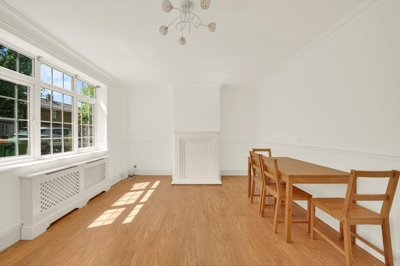
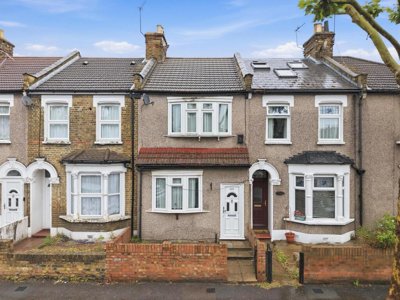
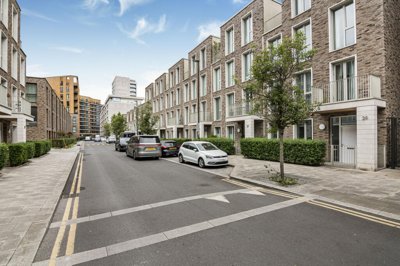
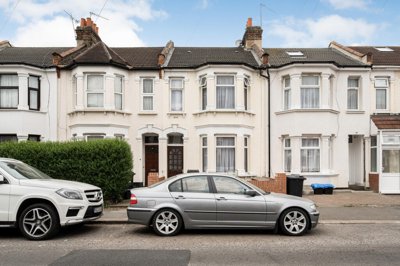
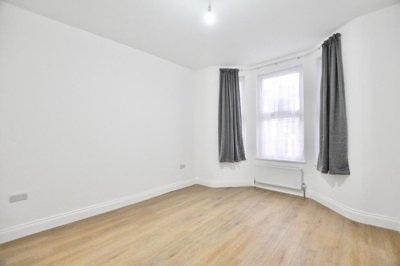
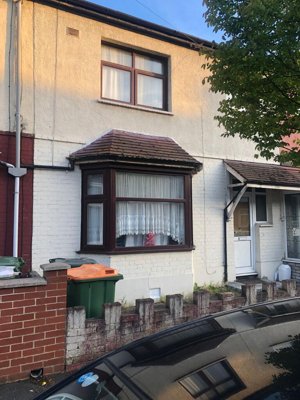
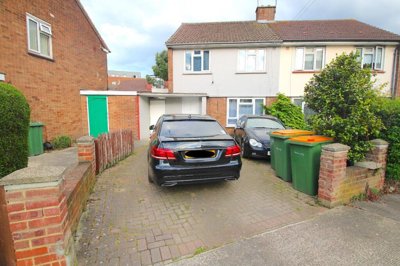
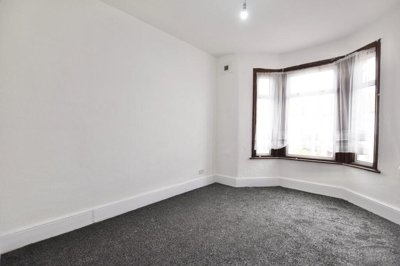
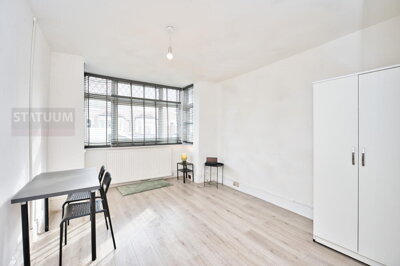
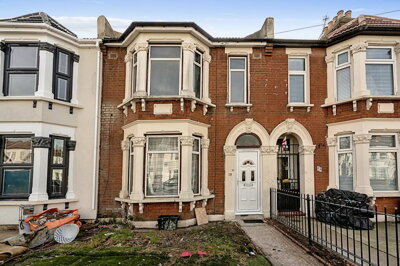
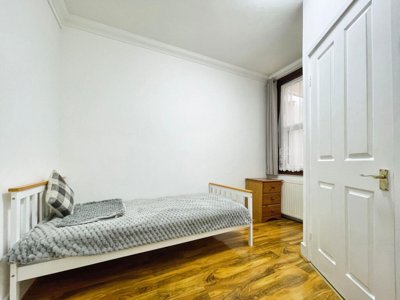
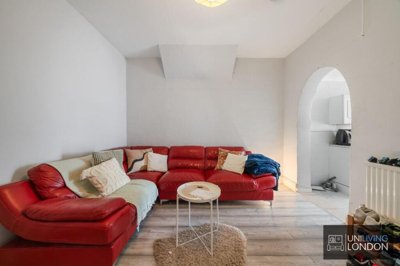
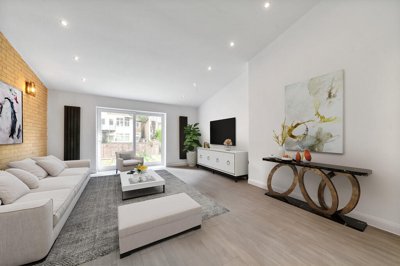
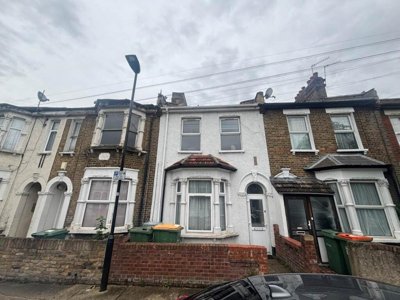
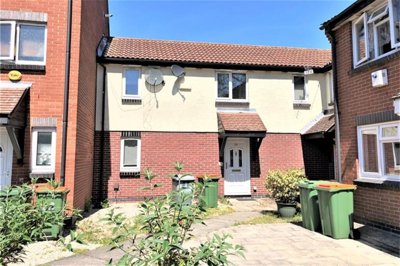
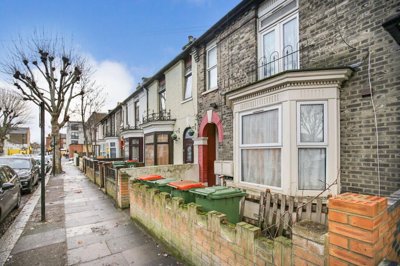
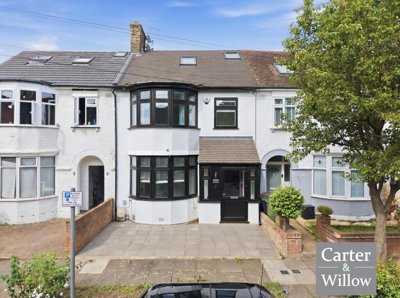
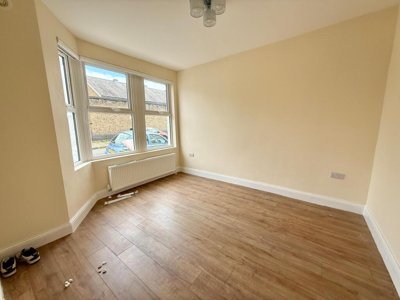
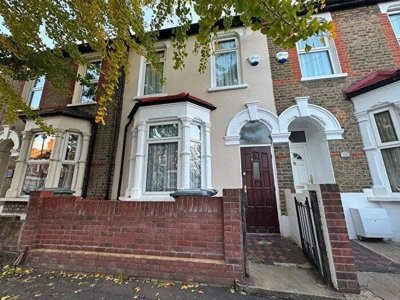
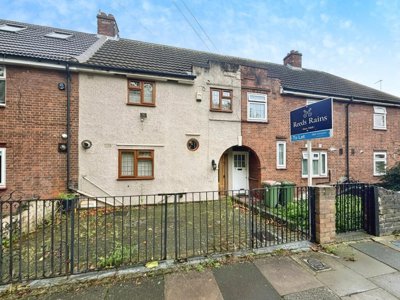
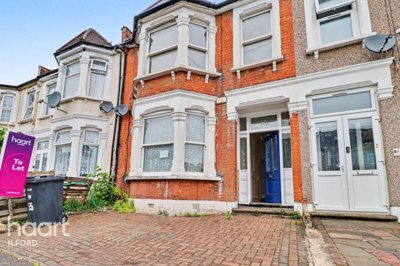
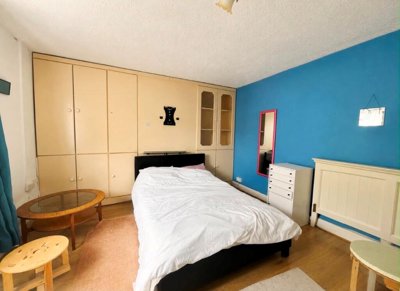
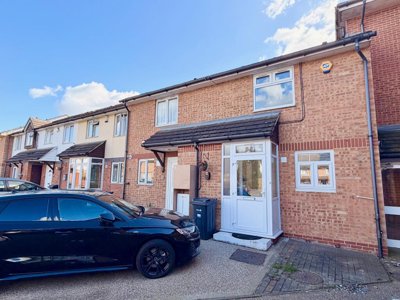
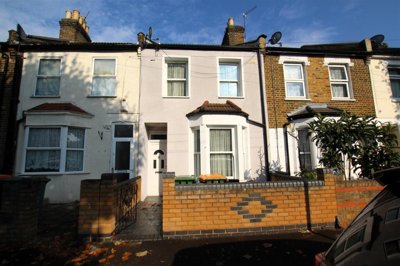
Browse 159 rental homes to rent in E6 from local letting agents.
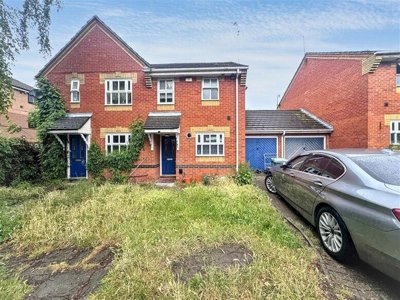
The E6 property market offers detached, semi-detached, and terraced houses spanning various price ranges and neighbourhoods. Each listing includes detailed property information, photographs, and direct contact with the marketing agent.
£2,350/m
11
1
36
Source: home.co.uk
Showing 11 results for Houses to rent in E6. 1 new listing added this week. The median asking price is £2,350/month.
Source: home.co.uk
Terraced
10 listings
Avg £2,315
Detached
1 listings
Avg £2,400
Source: home.co.uk
Source: home.co.uk
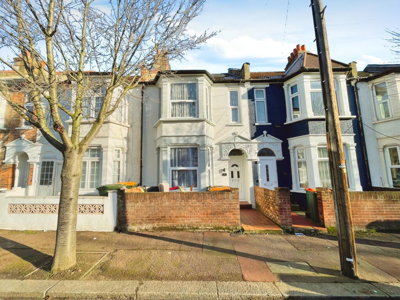
In E6, the rental picture is shaped mainly by the area’s mixed older housing, especially Victorian and Edwardian terraces. Our data shows terraced houses make up approximately 48.2% of the housing stock in East Ham, while flats, maisonettes, and apartments account for around 42%. That gives renters a real spread of choices, from period homes on tree-lined streets to newer flats in modern schemes. The balance is made up of semi-detached houses at 8% and detached properties at just 1.8%, so in practice it is terraces and flats that define most of the local rental market.
Sales figures in E6 point to an overall average property price of £408,011. Terraced houses average £426,864, and flats come in at £290,578. These are sale prices rather than rents, but they still help frame local values. Over the last 12 months, prices have edged down by 2.39% overall, which suggests a fairly steady market and reasonable value against many other London postcodes. Semi-detached homes have been especially stable, with only a 0.22% decrease, a sign that family-sized property in this part of East London continues to attract demand.
E6 data shows an overall average property price of £3,769 pcm, with terraced houses averaging £2,616 pcm and flats at £1,925 pcm. Although those figures are described as sale prices rather than rents, they still offer a useful guide to property values locally. The 12-month price trend records a modest overall decline of 2.39%, which points to a market that is holding fairly steady and still compares well with other London postcodes. Semi-detached homes have shifted very little, with just a 0.22% decrease, which hints at continuing demand for larger homes in this part of East London.

East Ham sits at the centre of the E6 postcode and has the feel of a busy, established, multicultural neighbourhood with strong day-to-day amenities. Its roots go back to Victorian and Edwardian expansion, and much of the housing stock dates from the late 19th century and early 20th century. Walking around the area, we see plenty of period detail, from red-brick terraces with slate roofs to more decorative Victorian villas on some roads. Tree-lined residential streets, local parks, and a lively high street all add to the character and keep the place grounded in the life of the local community.
A good deal of E6’s local economy is supported by public sector employment, with Newham Council a major presence. High Street North and Barking Road form the main commercial stretches, with shopping, places to eat, and everyday services ranging from independent shops and ethnic grocery stores to familiar chains and high street banks. London City Airport, close by, adds another source of jobs and business activity. Across Newham borough, regeneration is still bringing in investment and upgrading facilities, which adds to the appeal of E6 as a place to live.
Across the East Ham North and South wards, population data shows approximately 66,000 residents and around 23,000 households, creating a dense urban area that still feels lived-in and welcoming. Cultural diversity is one of the area’s defining features, with communities from South Asia, Eastern Europe, and many other backgrounds shaping the local atmosphere. Green space matters here too, with Central Park and other nearby parks giving residents room to breathe. E6 also includes conservation designations such as the Shaftesbury Road Conservation Area and parts of the Woodgrange Estate Conservation Area, helping protect the architectural character that makes some streets especially sought after.

Families looking to rent in E6 have plenty of education provision to weigh up. Local options span different age groups, and the area includes Newham Collegiate Sixth Form Centre, alongside several primary schools for younger children, with varying Ofsted ratings that parents can check for themselves. That range means people can compare faith schools, community schools, and academy converters depending on what suits them and how close they want to be to a possible rental home. Catchment matters here. In E6, primary school admissions often give priority based on proximity.
For secondary education, E6 has several long-established schools serving pupils from Year 7 through to Sixth Form. That tends to matter in the rental market, because many families make their decisions around the chances of getting into a preferred school. Older students also have access to colleges in Newham, plus routes into universities across London through the area’s transport links. Admissions policies do change, so before we commit to a rental property, it is sensible to check the latest catchment information with the London Borough of Newham.
Nursery and early years childcare is well covered across E6, with both private providers and council-run settings available. One of the advantages of renting is flexibility, and many families use that to focus on what matters most, whether that is being near a specific school or fitting around a particular childcare arrangement. We often find this especially useful for households that want time to settle children into local schools before making a longer-term buying decision. Renting in E6 can be a practical way to test the area properly.

Transport is one of E6’s biggest draws. For renters commuting into central London, Canary Wharf, or the Docklands, East Ham station is a major asset, with both the District line and Hammersmith and City line serving the area. Those links give direct access towards the City of London, the West End, and other key employment hubs. From East Ham, journey times are approximately 30 minutes to Liverpool Street and 40 minutes to Westminster, which keeps daily travel manageable for most commuters.
There is more than one route into town from E6. The DLR (Docklands Light Railway) from nearby Stratford adds another quick option for Canary Wharf and the financial district, and London City Airport is straightforward to reach for anyone travelling regularly for work or leisure. Bus coverage is also strong, with multiple routes running through the High Street North and Barking Road areas and linking E6 with surrounding districts. Drivers can get to major roads without much difficulty, although peak-time traffic in East London is often heavy.
Cycle provision in Newham has improved over recent years, and E6 now benefits from routes linking it with nearby areas, as well as dedicated bike storage at many homes. For renters who want a lower-car lifestyle, the public transport offering is good enough to make that realistic. We regularly see people accept slightly higher rents near East Ham station because the time saved on commuting makes the difference worth paying. It is often a practical trade-off rather than a luxury.

For renters who want good-quality East London housing, E6 gives plenty to work with. Terraced houses account for 48.2% of housing stock and flats make up 42%, so most available homes are either period conversions or purpose-built flats. More than 70% of properties in E6 were built before 1945, which means many rentals are Victorian or Edwardian and were constructed with solid brick walls, timber floor joists, and slate or clay tile roofs. Older stock brings character, but it also makes it more important to understand the common defects that can come with it.
The monthly rent is only part of the budget in E6. We also need to factor in council tax, utility bills, and, for flats, any service charges that may apply. Homes here fall within Newham Council tax bands, and most terraced houses and flats sit in Bands A to D. Energy costs can differ sharply between property types, with Victorian solid-wall homes often costing more to heat than newer developments built with cavity wall insulation. Checking the Energy Performance Certificate (EPC) rating before taking a tenancy is one of the simplest ways to gauge likely running costs.
Among the newer schemes in and around E6 is The Printworks on Barking Road (E6 1JD), where 1, 2, and 3-bedroom apartments start from £325,000. That development is for purchase, but similar modern flats often feed into the rental market as well. Nearby, Upton Gardens in E13 has homes from £374,000 and also influences the wider East Ham rental scene, particularly for professionals who want a more contemporary style of living with easy access to the area. These schemes offer a clear contrast to the Victorian and Edwardian housing that still gives much of E6 its identity.

Before starting a search, we recommend speaking to lenders or brokers and getting a rental budget agreement in principle in place. Knowing exactly what can be spent each month helps narrow the search to realistic E6 options and cuts out wasted viewings. In a competitive market, having finances lined up early can also make a difference with landlords and agents. It shows we are ready to move.
Not every part of E6 feels the same, so it is worth spending time in different streets and developments before deciding where to rent. We would compare how close a property is to East Ham station, local schools, Central Park, and the shops on High Street North and Barking Road, as well as the general feel of the surrounding roads. The Shaftesbury Road Conservation Area is especially known for attractive period homes. Closer to Barking Road, there is often easier access to newer developments and transport connections.
We can start by browsing listings on Homemove and arranging viewings through local estate agents. At each viewing, the condition of the property needs proper attention. In older homes, that usually means looking for damp, checking the state of the roof, assessing window quality, and watching for any visible structural movement. It is also sensible to ask about the proposed tenancy length, what the rent includes, whether there are service charges, and any rules on pets or decorating.
Most tenancy agreements in E6 begin with an initial 12-month term, although some landlords will consider longer arrangements. A deposit of five weeks' rent is standard, and it is capped at five weeks' rent where annual rent is below £50,000. The deposit must be protected in a government-approved scheme within 30 days of the tenancy start date. We always advise getting a detailed inventory at the start as well, because a clear record of the property’s condition can help avoid disputes when it is time to move out.
Referencing tends to move more smoothly if documents are ready from the outset. In E6, landlords usually ask for proof of identity, income evidence, and references, with credit checks and employment verification forming part of the standard process. Once the referencing is complete and the references have been confirmed, the tenancy agreement can be signed and the keys released. Straightforward, but worth preparing for early.
After the tenancy is agreed, the next steps matter. The deposit should be protected in a government-approved scheme within 30 days, and we should go through a detailed inventory check covering walls, floors, fixtures, and appliances. Taking the time to note condition properly at the beginning can make a big difference later. It helps protect our position and supports the return of the full deposit at the end of the tenancy.
With rental homes in E6, especially Victorian or Edwardian houses, a professional survey can still be worth considering before committing. Many local properties were built before 1945, and common issues include damp, roof defects, outdated electrics, and timber problems. In E6, RICS Level 2 Surveys usually cost between £400 and £700, depending on the size and type of property. A survey can highlight repair concerns early and give us useful leverage in discussions, while also making future maintenance costs easier to judge.
All properties in E6 sit within the London Borough of Newham council tax system. In Newham, bands run from Band A for lower-value homes up to Band H for the most expensive. Most terraced houses and flats in East Ham fall into Bands A to D, with Band A attracting the lowest charges. Before taking a tenancy, we should check the exact band on the Newham Council website or ask the landlord or agent directly, because council tax is an ongoing part of the cost of renting.
School choice remains a major factor for many renters in E6. The area has several primary schools and secondary schools serving local families, and the London Borough of Newham publishes information on admissions, catchment areas, and Ofsted ratings across the borough. We suggest checking current performance data and thinking carefully about how distance to school may affect where to rent, since admissions policies often favour nearby residents. Homes inside the catchment areas for popular schools serving the East Ham North and South wards can command a premium.
E6 is very well connected by London standards. East Ham station gives direct access to the District line and Hammersmith and City line, putting central London within easy reach. Travel to Liverpool Street takes approximately 30 minutes, and Canary Wharf can be reached via the DLR from nearby Stratford. London City Airport is also close enough to be genuinely useful, especially for frequent travellers. Around the postcode, bus routes add another layer of access, linking E6 with places such as Stratford, Beckton, and Ilford.
For many London renters, E6 strikes a good balance. It offers period character, solid transport links, and the benefits of continued regeneration spending across Newham. The local community is notably multicultural, which gives the area much of its energy, and the housing stock ranges from Victorian terraces to more recent developments, so there is scope for different tastes and budgets. As investment in the wider borough continues to improve amenities and facilities, E6 is becoming an even stronger option for renters who want quality accommodation without stretching to some higher-priced postcodes.
Rental prices in E6 vary with property type, size, and condition, but there is a spread of options across the market. Flats are usually the more affordable starting point, while terraced houses tend to achieve higher rents because they offer more space. The overall average sale price in E6 is listed at £3,769 pcm, with terraced houses averaging £2,616 pcm and flats at £1,925 pcm, which gives some sense of relative values between property types. For the most accurate picture of what is available now, we would check current listings on Homemove.
Much of E6’s housing dates back to the Victorian and Edwardian eras, so many rentals are now well over 100 years old. That age profile brings a familiar list of risks, including damp, whether rising, penetrating, or caused by condensation, along with roof defects, outdated electrical wiring, and timber issues such as rot or woodworm. Local ground conditions matter too. E6 sits on London Clay, which can increase the risk of subsidence or heave, particularly where properties have shallow foundations or large trees nearby. Some locations also face surface water flooding in heavy rain, and homes in conservation areas may come with restrictions on alterations. A careful viewing, and in some cases a professional survey, can help uncover existing problems before we commit.
From 4.5%
Get pre-approved for your rental budget to streamline your property search
From £149
Complete referencing checks required by landlords in E6
From £400
Professional survey for older properties in E6, covering common defect types
From £80
Energy performance certificate for E6 rental properties
There are a few local points worth keeping in mind when renting in E6. One is the London Clay geology beneath the area, which can make some properties more vulnerable to subsidence or heave, especially older homes with shallow foundations or trees close to the building. During viewings of terraced houses and other period homes, we would look out for cracking to walls, sticking doors, and similar signs of movement. Plenty of these properties have stood for more than a century without major trouble, but understanding the risk is still part of making a sound decision.
Flood risk can also affect parts of E6. In some locations, surface water flood risk is classed as medium to high during heavy rainfall, so it is worth checking the Environment Agency flood maps for any address under consideration. Ground floor homes in higher-risk spots need a closer look, and properties near Central Park or in lower-lying parts of East Ham may be more exposed during exceptional weather events. Before signing, we should also be clear on insurance and maintenance responsibilities, because landlords usually deal with structural issues while tenants are generally responsible for damage caused by negligence.
If we are looking at a home inside one of E6’s conservation areas, restrictions may come into play. That includes the Shaftesbury Road Conservation Area, Woodgrange Estate Conservation Area, and Central Park Conservation Area. Any listed buildings in E6 will have tighter controls still over what can be changed. This matters most where tenants plan to decorate or make alterations during the rental period, so it is worth asking clear questions before committing. At viewings in these locations, we would always check with the landlord or agent about any planning restrictions affecting day-to-day use of the property.

In E6, the usual deposit is equivalent to five weeks' rent, and the cap remains five weeks' rent where the annual rent is less than £50,000. That deposit must be placed in a government-approved scheme within 30 days of the tenancy start date, which gives legal protection if there is a dispute at the end of the lease. Tenants should also allow for referencing fees, typically charged by letting agents for credit checks and employment verification. One cost that does not apply, though, is stamp duty land tax. For first-time renters, that is worth knowing from the outset.
Alongside the deposit, renters in E6 are often asked to cover referencing fees through the letting agent, usually for credit checks and employment verification. Some agents may try to add administration fees for tenancy processing as well, although regulations have limited which fees can be charged. For anyone new to renting, there is one less expense than with a purchase. Stamp duty land tax does not apply to rental agreements, so moving into a rental property in E6 does not bring that extra cost.
Once the tenancy is under way, the regular budget needs to cover more than just rent. In E6 that usually means monthly rent, council tax set by Newham Council in bands from A to H, utility bills, and internet services. Running costs can vary quite a lot between homes, since Victorian terraces often have solid walls and can be more expensive to heat than modern developments with cavity wall insulation. We would always check the Energy Performance Certificate (EPC) rating before committing, as it gives a better sense of likely energy bills. It also helps to have a rental budget in principle ready before viewing, so we know exactly what is affordable and can move quickly when the right E6 property appears.
Properties to Rent In London

Properties to Rent In Plymouth

Properties to Rent In Liverpool

Properties to Rent In Glasgow

Properties to Rent In Sheffield

Properties to Rent In Edinburgh

Properties to Rent In Coventry

Properties to Rent In Bradford

Properties to Rent In Manchester

Properties to Rent In Birmingham

Properties to Rent In Bristol

Properties to Rent In Oxford

Properties to Rent In Leicester

Properties to Rent In Newcastle

Properties to Rent In Leeds

Properties to Rent In Southampton

Properties to Rent In Cardiff

Properties to Rent In Nottingham

Properties to Rent In Norwich

Properties to Rent In Brighton

Properties to Rent In Derby

Properties to Rent In Portsmouth

Properties to Rent In Northampton

Properties to Rent In Milton Keynes

Properties to Rent In Bournemouth

Properties to Rent In Bolton

Properties to Rent In Swansea

Properties to Rent In Swindon

Properties to Rent In Peterborough

Properties to Rent In Wolverhampton

Enter your details to see if this property is within your budget.
Loans, cards, car finance
Estimated property budget
Borrowing + deposit
You could borrow between
Typical borrowing
Monthly repayment
Est. at 4.5%
Loan-to-value
This is an estimate only. Your actual budget may vary depending on interest rates, credit history, and personal circumstances. For an accurate affordability assessment, speak to one of our free mortgage advisors.
This calculator provides estimates for illustrative purposes only and does not constitute financial advice. Your home may be repossessed if you do not keep up repayments on your mortgage. Estimates based on 4.5% interest rate, repayment mortgage. Actual rates depend on your circumstances.
Homemove is a trading name of HM Haus Group Ltd (Company No. 13873779, registered in England & Wales). Homemove Mortgages Ltd (Company No. 15947693) is an Appointed Representative of TMG Direct Limited, trading as TMG Mortgage Network, which is authorised and regulated by the Financial Conduct Authority (FRN 786245). Homemove Mortgages Ltd is entered on the FCA Register as an Appointed Representative (FRN 1022429). You can check registrations at NewRegister or by calling 0800 111 6768.

We use cookies to show you personalised content and improve your experience of our website. Find out more in our Privacy policy and Cookie policy.