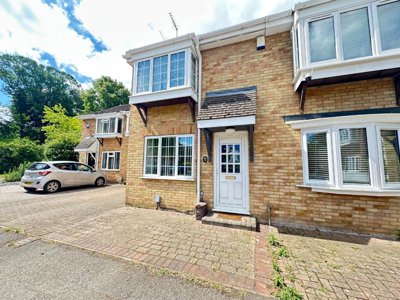
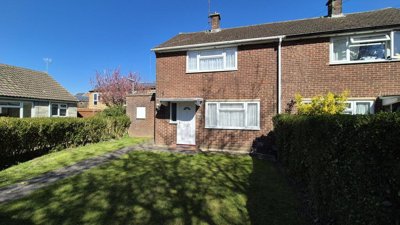
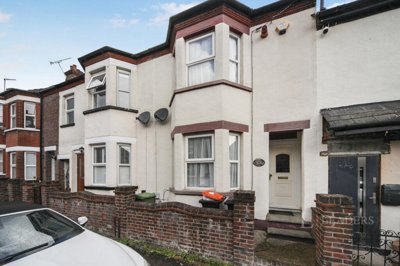
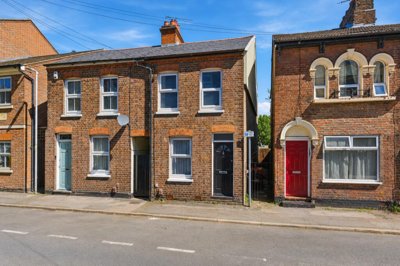
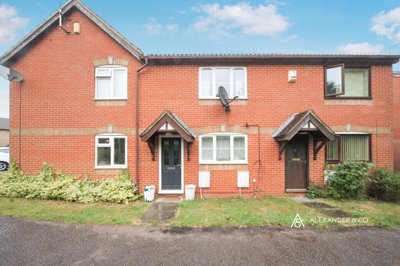
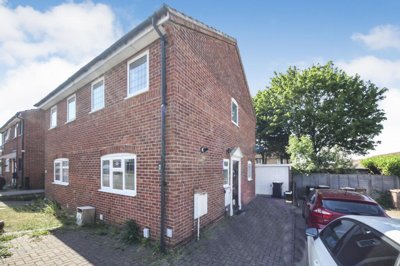
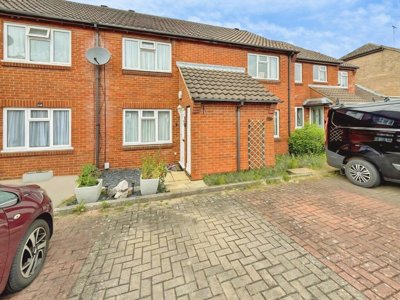
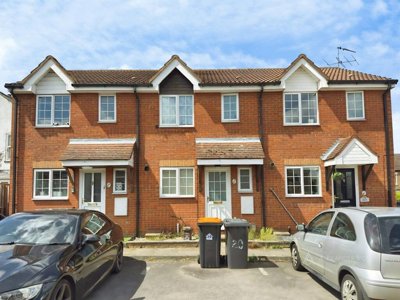
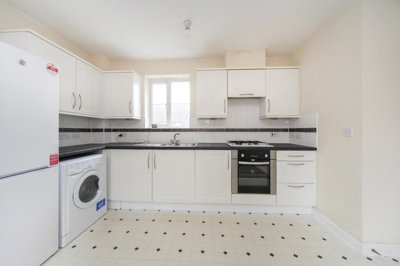
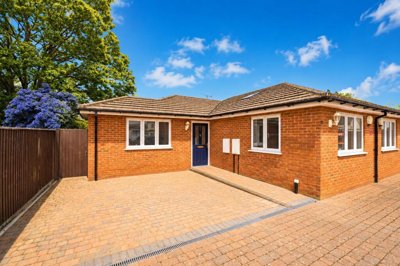
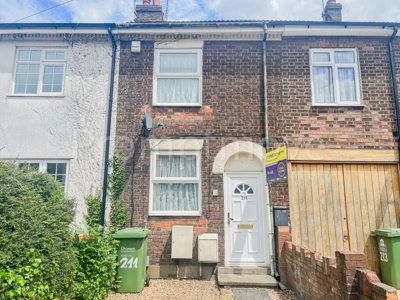
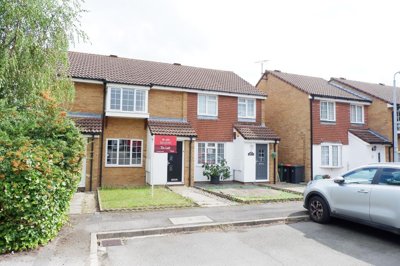
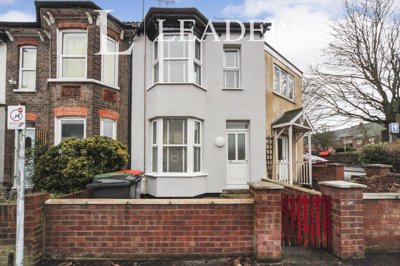
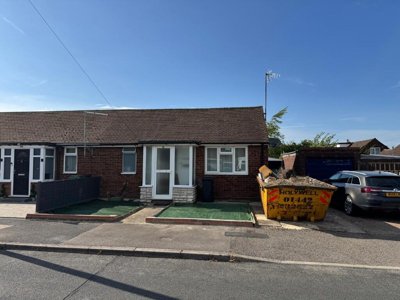
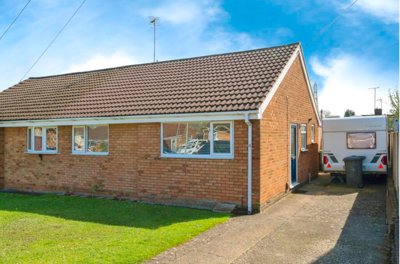
Browse 15 rental homes to rent in Dunstable, Central Bedfordshire from local letting agents.
The 2 bed house market features detached, semi-detached, and terraced properties with two separate bedrooms plus living spaces. Properties in Dunstable range from Victorian and Edwardian period homes to modern new builds, with pricing varying across different neighbourhoods.
£1,400/m
1
0
61
Source: home.co.uk
Showing 1 results for 2 Bedroom Houses to rent in Dunstable, Central Bedfordshire. The median asking price is £1,400/month.
Source: home.co.uk
Terraced
1 listings
Avg £1,400
Source: home.co.uk
Source: home.co.uk
homedata.co.uk shows Dunstable's housing market has remained busy, with 369 residential sales across the last 12 months and 930 sales in 2025. In 2025, semi-detached homes accounted for 36.8% of all sales, which says a lot about the town's core housing stock and the sort of streets many renters check first. Average values came in at £488,635 for detached homes, £370,707 for semis, £318,548 for terraces and £179,692 for flats, giving the market a wide spread from lower-cost apartments to larger family houses. For renters, that usually means more choice in size and layout, not just one dominant type of home.
Price changes have been fairly contained. homedata.co.uk reports house prices up 3.02% over 12 months, while asking prices shifted by -1.9% over the past six months. That points to a market that is still active without becoming too fast for people who need time to get organised. New build supply adds another layer, with 8.7% of Dunstable sales in 2025 coming from new homes. Close to the town centre, the Peabody scheme at Tavistock Place adds 44 affordable rent homes and 11 shared ownership homes, a useful boost for anyone after a modern place to live.
Beyond the centre, several schemes help shape supply and keep Dunstable in view for people planning a move. Hampden Fields East, Chaulden Meadows, Salden Place East and Barratt Homes in Dunstable all point to the scale of demand in and around the area. Even where a development is aimed mainly at buyers, it still affects the rental market by adding new homes, upgraded streetscapes and fresh infrastructure. For renters, that can make a difference in places that are evolving but already feel properly established.

Underfoot, Dunstable is built on chalk, with clay-with-flints to the south-east and limestone to the north-west, and that geology has left its mark on both the landscape and the built fabric. Older properties often feature clunch, brickwork and timber-framed details, while buildings such as Priory House speak to the town's long history. The conservation area, first established in 1976 and extended in 1995, covers 28.067 hectares and includes 53 listed buildings plus one scheduled monument. That gives the centre a character of its own, particularly for renters drawn to period streets and heritage settings.
Size helps Dunstable feel balanced. The 2011 Census recorded 36,250 residents, 15,060 households and a population density of 39.5 people per hectare, so the town feels settled without feeling too much. Dunstable-Central ward on its own has 5,132 residents and 2,329 households, showing how much everyday life is concentrated around the main streets and amenities. For anyone after a genuine town atmosphere rather than a placeless commuter spot, that matters.
Dunstable has long had a working identity, with historic links to straw hat and bonnet making through Luton's hat-making industry. These days, the pull is more about practical living, access to major routes and a town centre that keeps its own pace. English Heritage identified the town centre as a conservation area at risk in 2009, so we would still look carefully at the condition of older buildings and shared spaces. For many renters, the appeal comes down to three things, character, convenience and a location that keeps daily life simple.
For families renting in Dunstable, the starting point is usually catchment, admissions and journey time, not just postcode. Central Bedfordshire Council handles local school admissions, and the right fit can shift with the year group, the road you pick and the exact type of home. As the research pack does not include live school-by-school Ofsted data, we would advise parents to confirm current inspection grades directly before making an offer. That extra step can be especially helpful if a home needs to work across several school years.
In day-to-day terms, Dunstable suits households that want access to the wider Bedfordshire education network while remaining based in one town. Primary and secondary places across the area can be competitive, so early planning helps, especially on streets close to the most sought-after routes into town. Sixth form and further education options are part of the picture too, which gives the town added appeal for families with older children as well as younger pupils. A quick viewing day often turns into a school-run trial as well, so we would check the route at the same time as the room sizes.
With children, a rental choice is rarely about one school rating alone. Bus routes, walkability, parking and the time it takes to get across town in the morning can matter just as much as the classroom itself. Homes near central Dunstable can make services and secondary travel easier, while quieter streets on the edge of town may suit families wanting more space and a calmer setting. Our local search helps us weigh those trade-offs before we commit to a tenancy.

Commuters often favour Dunstable because it sits near the M1 and gives straightforward access towards Luton, London and Luton Airport. The town has no railway station of its own, so many residents use nearby rail links in the Luton area when they need fast trains into the capital. That setup suits people who are happy to drive part of the journey or mix bus, rail and road travel. It also leaves Dunstable feeling more self-contained than some nearby commuter hubs.
For people who do not want to drive every day, bus services connect the centre with surrounding parts of Central Bedfordshire and the wider Luton corridor. If we are looking at homes by car, motorway access is one of Dunstable's strongest practical advantages, especially for regular trips to Milton Keynes, Luton or London. Parking, though, can separate one property from another, particularly on older terraces and streets near the centre. Newer developments often provide simpler off-road parking, well worth checking if commuting is part of the weekly routine.
Cycling and local walking routes matter too, especially for shorter journeys into town or between neighbourhoods. Because Dunstable is fairly compact, many everyday errands can be done locally even where the main commute depends on a road link. Renters who work shifts or travel frequently often value that flexibility, as it gives them more than one way to get around. When we compare homes, we would think about the route to the nearest bus stop as much as the front door itself.
We would begin with the streets that matter most, then weigh up the town centre, the conservation area and the newer estates around Dunstable. Parking, walking routes, local shops and school access all deserve a look before we book viewings.
Monthly affordability needs to cover more than rent alone, so we would price in council tax, utilities and travel costs as well. A rental budget agreement in principle can help us move quickly when the right home comes onto the market.
Some homes in Dunstable do not stay available for long, especially those with parking, newer interiors or simple commuter access. We would visit at different times of day to get a proper sense of traffic, noise and the feel of the street.
Older properties can need a closer check of damp, roofing, windows and heating. Flats call for a look at management arrangements and service charges. We would pay extra attention where a building sits in or near the conservation area.
Before applying, we would have references, proof of income and right-to-rent documents ready. That can speed things up and lower the chance of losing a home to another applicant.
Before collecting the keys, we would read the tenancy agreement, confirm the inventory and note the meter readings. Once that is all in place, moving into a Dunstable home tends to come with fewer day-one surprises.
Anyone renting near listed buildings or within the conservation area should give Dunstable's historic core a careful second look. External changes can be restricted, and listed homes often come with tighter rules on windows, rooflines and repairs. That does not make them a poor fit for tenants, but it does mean we need to be clear about who handles maintenance and what permissions are required for alterations. A well-kept period property can be a pleasure to live in, as long as the responsibilities are clear from the outset.
Geology is part of the story here as well. Chalk lies beneath much of the town, while clay-with-flints to the south-east can bring potential shrink-swell considerations, and some older houses use clunch and timber framing that need regular upkeep. In properties like these, a close look at walls, roofs and windows is time well spent, especially where a building has already had a long life in the town centre. The research pack does not identify a named flood hot spot, but we would still check drainage, surface water history and any low-lying access routes before committing.
Flats need to be judged a bit differently. Service charges, building insurance arrangements, ground rent and management standards can all change the real monthly cost, even where the headline rent looks appealing. Parking allocations, bin storage, communal heating and cycle space can also affect everyday life more than people expect. If we are choosing between an older terrace and a newer apartment, the lease or tenancy details need a close read so we know exactly what is included and what costs extra.

The research pack does not provide a live average rent figure, so the firmest data available is from the sales market. homedata.co.uk records an average house price of £331,247 over the last year, with flats at £179,692 and terraced homes at £318,548. That usually suggests a rental market where apartments sit at the lower end and family houses command more, rather than one single rent point across the town. For current asking rents, we would check the live listings on home.co.uk.
Council tax bands in Dunstable vary by property size, age and valuation, and the town falls under Central Bedfordshire Council. Flats in the town centre are often in lower bands than larger semis or detached homes, but each property has to be checked on its own merits. The band should appear in the listing, the tenancy details or the council's records. We would always confirm it before signing, as it feeds straight into the monthly budget.
The best answer usually depends on the year group, the route to school and the current admissions round. Our research pack does not include live Ofsted ratings for individual schools, so we would verify inspection grades directly with each school and with Central Bedfordshire Council. Catchment areas can change, especially around popular routes into the town centre and the wider Bedfordshire network. Where school access is a priority, it needs to be part of the viewing shortlist from the beginning.
For road travel, Dunstable is well placed, with the M1 nearby and solid access to Luton and the wider commuter network. There is no railway station in the town itself, so most rail passengers depend on nearby stations in the Luton area. Bus services support local travel, and Luton Airport is straightforward to reach as well. For many renters, that combination is one of the main reasons the town stands out.
Dunstable suits renters looking for history, practical amenities and uncomplicated commuter links in one place. The housing stock is mixed, from historic streets within the conservation area to newer developments and affordable rent homes at Tavistock Place. homedata.co.uk also records 369 sales in the last 12 months and 930 sales in 2025, which suggests a market with steady movement. Established, but not stuck, that is part of the town's appeal.
Across most rentals in England, the main upfront costs are a holding deposit, a tenancy deposit and the first month's rent. The tenancy deposit is usually capped at five weeks' rent for annual rents below £50,000, and standard referencing and inventory checks can add to the initial outlay. If we later move from renting to buying in Dunstable, the 2024-25 stamp duty thresholds are 0% up to £250,000, 5% from £250,000 to £925,000, 10% from £925,000 to £1.5 million and 12% above that. First-time buyer relief sits at 0% up to £425,000 and 5% from £425,000 to £625,000.
Older homes in Dunstable can be full of charm, especially around the conservation area, but they are worth inspecting closely. We would look for damp, roof wear, outdated electrics, old windows and any signs of movement where clay-with-flints may affect the ground. If a building is listed or falls within the conservation area, it is sensible to ask who takes responsibility for repairs and whether any changes need permission. A careful viewing now can save a lot of frustration later.
From 4.5%
Compare rental budget rates and find the best deal
From £499
We can help keep your application moving with expert tenant referencing support
From £350
Useful when we are comparing older homes and want a professional condition check
The biggest moving costs in Dunstable are usually similar to those elsewhere, but the type of home can change how they feel in practice. A flat near the centre might keep the rent lower while bringing service charge or parking issues, whereas an older house may cost more to heat and run day to day. That is why we would build a full monthly budget before committing, not just compare the headline rent. The right home needs to work on paper as well as in person.
Running costs can be higher in older terraces and period houses if energy efficiency is weaker, especially through winter when heating becomes more important. Newer homes may look pricier at first glance but prove easier to manage each month if insulation, glazing and parking are already in place. During a viewing, we would ask about EPC details, meter type, council tax band and any charges outside the rent. Small questions like these often show the real gap between one property and the next.
Anyone thinking about renting now and buying later should keep the current 2024-25 stamp duty thresholds in view. Standard rates are 0% up to £250,000, 5% from £250,000 to £925,000, 10% from £925,000 to £1.5 million and 12% above that, while first-time buyer relief gives 0% up to £425,000 and 5% from £425,000 to £625,000. Even if buying is not the next step, that context can still help with longer-term planning in a town where homes range from flats under £200,000 to detached properties above £480,000. For now, we would keep it simple, set the budget, shortlist the right streets and book viewings with confidence.
Properties to Rent In London

Properties to Rent In Plymouth

Properties to Rent In Liverpool

Properties to Rent In Glasgow

Properties to Rent In Sheffield

Properties to Rent In Edinburgh

Properties to Rent In Coventry

Properties to Rent In Bradford

Properties to Rent In Manchester

Properties to Rent In Birmingham

Properties to Rent In Bristol

Properties to Rent In Oxford

Properties to Rent In Leicester

Properties to Rent In Newcastle

Properties to Rent In Leeds

Properties to Rent In Southampton

Properties to Rent In Cardiff

Properties to Rent In Nottingham

Properties to Rent In Norwich

Properties to Rent In Brighton

Properties to Rent In Derby

Properties to Rent In Portsmouth

Properties to Rent In Northampton

Properties to Rent In Milton Keynes

Properties to Rent In Bournemouth

Properties to Rent In Bolton

Properties to Rent In Swansea

Properties to Rent In Swindon

Properties to Rent In Peterborough

Properties to Rent In Wolverhampton

Enter your details to see if this property is within your budget.
Loans, cards, car finance
Estimated property budget
Borrowing + deposit
You could borrow between
Typical borrowing
Monthly repayment
Est. at 4.5%
Loan-to-value
This is an estimate only. Your actual budget may vary depending on interest rates, credit history, and personal circumstances. For an accurate affordability assessment, speak to one of our free mortgage advisors.
This calculator provides estimates for illustrative purposes only and does not constitute financial advice. Your home may be repossessed if you do not keep up repayments on your mortgage. Estimates based on 4.5% interest rate, repayment mortgage. Actual rates depend on your circumstances.
Homemove is a trading name of HM Haus Group Ltd (Company No. 13873779, registered in England & Wales). Homemove Mortgages Ltd (Company No. 15947693) is an Appointed Representative of TMG Direct Limited, trading as TMG Mortgage Network, which is authorised and regulated by the Financial Conduct Authority (FRN 786245). Homemove Mortgages Ltd is entered on the FCA Register as an Appointed Representative (FRN 1022429). You can check registrations at NewRegister or by calling 0800 111 6768.

We use cookies to show you personalised content and improve your experience of our website. Find out more in our Privacy policy and Cookie policy.