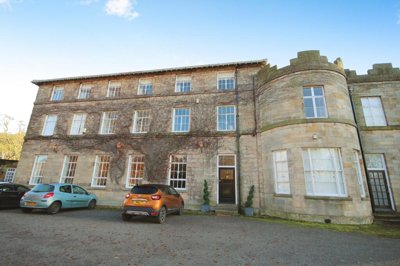
Browse 1 rental home to rent in DL13 from local letting agents.
The 2 bed flat sector typically includes two separate bedrooms, dedicated living areas, and bathroom facilities. Properties in DL13 span purpose-built blocks, converted period houses, and modern apartment complexes on various floors.
£0/m
0
0
0
Source: home.co.uk
Showing 0 results for 2 Bedroom Flats to rent in DL13.
DL13’s rental market mirrors the wider shape of this rural postcode, where period properties and family homes tend to outnumber high-density apartment blocks. home.co.uk listings data shows terraced properties have taken the biggest share of recent sales activity here, so it is likely those homes will also play a big part in the rental stock. According to homedata.co.uk property data, average sold prices in DL13 reached approximately £190,748, with terraced properties averaging around £152,256 and semi-detached homes sitting near £171,876. Detached properties usually sit higher again, at around £296,848, reflecting the extra space and privacy that renters are often willing to pay for.
The DL13 market has seen a correction over recent months, with sold prices down 14% year on year and sitting 3% below the 2023 peak of £192,547. Asking prices now average £316,392, which is a 2% reduction from six months ago, and that can give renters a little more room if landlords are adjusting to conditions. New build activity includes The Old Foundry development by Bellway Homes on Durham Road, where bungalows and family homes range from 2 to 5 bedrooms and some plots start from £234,995. These newer schemes sit alongside the area’s older housing stock, much of it built in traditional stone from the 18th and 19th centuries, when lead mining and agriculture shaped local life.
Our team keeps a close eye on rental availability across DL13, checking fresh listings as they appear in Stanhope, Wolsingham and the surrounding Weardale settlements. Because rural lettings are seasonal, the number of homes available can swing quite a bit, with spring and summer usually bringing more movement as house moves are easier. That means we can talk tenants through realistic expectations, from likely property types and typical rental ranges to the paperwork landlords in this area often ask for before a tenancy is agreed.

DL13 offers a very real slice of rural County Durham, where villages are tightly knit and daily life moves at an easier pace. The postcode covers several distinct settlements, each with its own feel and facilities. Stanhope is one of the main villages, with shops, pubs and primary schooling set in a striking position by the River Wear. Wolsingham, another important village, has a conservation area with Article 4 Directions that protect its architectural heritage, so planning permission may be needed for certain external changes if the street scene is to be preserved. Protected places like these show how strongly the community values the character that draws people to DL13 in the first place.
There is a remarkable spread of historic architecture across DL13, with Grade I, II and II* listed buildings dotted through its villages. Hamsterley is home to the Grade I listed Church of St James, while Wolsingham and Stanhope contain many Grade II listed houses, bridges, farmhouses and public houses built from local stone. That heritage ties directly to the area’s mining and agricultural history, and to the years when the North Pennines was one of the worlds leading producers of lead. For renters, that can mean living in homes of real historical interest, often with stone walls, flagstone floors and timber roof structures that need a bit of knowledge and care.
We often talk to tenants moving into DL13 about the practical side of village life in this part of County Durham. Broadband speeds can differ sharply from one settlement to another, and some places still rely on slower connections that may frustrate remote workers or anyone depending on reliable streaming and video calls. Mobile signal can be patchy too, especially in valleys and more isolated spots where only certain networks work well. It is worth checking services at the exact address, not just relying on what is said for the village as a whole.

Families thinking about a move to DL13 will find a choice of primary schools serving the villages in this rural postcode. These smaller, community-led schools often mean smaller class sizes and closer links between teachers, pupils and families. Primary education in the area includes schools in Stanhope, Wolsingham and surrounding villages, giving children a solid base before secondary school. Parents should look closely at individual school Ofsted ratings and performance data to see what suits their childrens needs, as provision varies across these scattered settlements.
Secondary school options for DL13 residents usually mean travelling on to larger places such as Bishop Auckland or Consett, where comprehensive schools serve wider catchment areas. From villages like Stanhope or Wolsingham, the journey can take 20-40 minutes by car, depending on the school and the exact location within the postcode. Sixth form provision is available at secondary schools in nearby towns, and further education colleges across the region offer both vocational and academic courses for older students. The County Durham local education authority holds information on catchment areas, admissions policies and transport arrangements for pupils who need to travel beyond their home village.
Transport costs and journey times matter a great deal for families with secondary-age children, especially in winter when rural roads can be affected by weather. Some households choose a village so they can walk to a primary school, while others build the secondary school run into their decision about which part of DL13 best suits them. Moving with school-age children calls for proper research into current school placements, waiting lists and transport logistics if the change to rural living is to go smoothly. Our team can help with the usual catchment areas and the day-to-day practicalities families face when they make this move.

DL13’s transport links reflect its rural setting, so most residents depend on private vehicles for daily travel and commuting. The A68 trunk road passes through the area and gives direct access to larger centres including Bishop Auckland, Durham and Newcastle upon Tyne. By car, Durham city centre is around 45 minutes away in normal traffic, while Newcastle can be reached in approximately one hour, depending on the starting point and destination. These runs through the North Pennines are scenic enough to soften the trip, though winding roads and single-carriageway sections mean it is wise to allow extra time.
Public transport is thinner on the ground in DL13 than it would be in an urban area, with bus services acting as the main alternative to the car. Local routes link villages within the DL13 postcode to market towns, where railway stations connect into the wider rail network. Bishop Auckland station offers services on the Tees Valley Line, with routes to Darlington and Middlesbrough, while larger stations in Durham and Newcastle provide extensive national rail links. Anyone without a car should check timetables and service frequency carefully, because evening and weekend services can be very limited in rural places.
For commuters headed to Durham or Newcastle, life in DL13 means thinking carefully about both travel time and cost, particularly for anyone in a full-time office role. Even so, housing is usually much cheaper than in those employment centres, which can make the extra travel expense worthwhile for remote workers and for people who put rural living ahead of commuting convenience. We have seen more tenants choosing DL13 because remote or hybrid working makes the daily trip less of a burden, leaving them free to enjoy the countryside while still working in the larger cities.

Before searching for properties in DL13, obtain a rental budget agreement in principle from a lender or broker if you plan to claim housing benefit or require formal budget verification. This document demonstrates your financial capacity to prospective landlords and strengthens your application when you find the right property. Average rental prices in rural County Durham typically fall below urban equivalents, making DL13 an affordable option for renters with modest budgets. We recommend calculating your maximum affordable monthly rent by accounting for rent, council tax, utilities, and other regular costs.
Explore the different villages within DL13 to find the community that best suits your lifestyle. Consider proximity to schools, shops, public transport, and your workplace. The area features conservation restrictions in certain locations, so understanding local planning policies can help you choose a property that meets your needs without unexpected complications. We advise visiting different villages at various times of day and week to get a genuine feel for community life and local amenity availability.
Browse available rentals in DL13 through Homemove and local estate agents. Schedule viewings of promising properties, taking time to assess the property condition, its surroundings, and any factors specific to rural living such as flood risk from nearby watercourses or access during winter weather conditions. When viewing period properties common in DL13, pay particular attention to signs of damp, roof condition, and the age and condition of heating systems which may be older than those found in modern homes.
For period properties common in DL13, we strongly recommend commissioning a thorough property survey before committing to a tenancy. Older stone properties may have issues including damp, structural movement, or outdated electrics and plumbing that are not apparent during a standard viewing. A RICS Level 2 survey costs around £455 nationally and can reveal defects that might not be apparent during a standard viewing, potentially saving you significant expense and stress. Given the age of many properties in DL13, our inspectors often find issues related to traditional construction methods that require specialist knowledge to assess properly.
Once your offer is accepted, you will need to pass tenant referencing checks, provide proof of identity and income, and sign a tenancy agreement. Budget for upfront costs including deposit (typically 5 weeks rent), first months rent, and any agency fees. Ensure you receive a detailed inventory report documenting the property condition at move-in, as this protects both you and the landlord regarding any disputes at the end of tenancy. We can arrange tenant referencing services for DL13 renters, typically from around £40.
Arrange your move carefully, considering that rural addresses may require additional time for utilities and services to be connected. Take meter readings, familiarise yourself with property heating systems (often oil or LPG in rural areas), and introduce yourself to neighbours who can provide valuable local knowledge about living in your new community. Utility connection times for rural properties can be longer than in urban areas, so we recommend arranging electricity, gas, and internet services well in advance of your move date.
Renting in DL13 calls for close attention to property condition, given the age and construction methods found across this historic rural postcode. Most homes available here will have been built in traditional ways, with local stone walls, solid brick internal structures and timber roof frameworks that are very different from modern cavity-wall construction. Those period properties have plenty of character, but they also come with maintenance needs. Prospective renters should look out for damp, which remains common in older homes without modern damp-proof courses, and check the condition of roofs, gutters and windows, which may need more regular attention than they would in newer houses.
Our inspectors often pick up damp in DL13 properties, especially rising damp in ground floor rooms where original damp-proof courses have broken down or were never fitted. Penetrating damp can also affect stone walls, particularly where pointing has failed or gutters and downpipes have been left unchecked. We suggest looking closely at corners and the spaces behind furniture for staining, peeling wallpaper or that damp, musty smell that points to moisture trouble. Solid walls lose heat faster than cavity-walled homes too, so heating bills may be higher than tenants expect from modern property benchmarks.
Flood risk needs careful thought when renting in DL13, because the area includes the River Wear and several tributaries such as Killhope Burn, Rookhope Burn, Linburn Beck and Bradley Burn. Homes in low-lying spots near these watercourses may be vulnerable during heavy rainfall, and insurance costs can reflect that risk. The geology of the area also matters, with clay-rich soils found across much of County Durham meaning some properties can experience ground movement, especially in drought when soil moisture changes sharply. Our surveyors are used to spotting signs of subsidence and ground movement that may affect rural homes in this part of Durham.
Knowing your rights and responsibilities matters when renting period properties. Conservation area rules may limit the exterior changes you can make to a rental home, even where landlord consent has been given. Listed building status brings extra requirements around maintenance and alterations that both landlords and tenants must follow. Service charges and ground rent for any leasehold properties in the area should be understood before you commit to a tenancy, because these costs can vary widely and affect the real affordability of a home beyond the monthly rent.

Specific rental price data for DL13 is not publicly aggregated in the same way as sales data, but the sales market provides useful context for rental values. Average sold prices in DL13 stand at approximately £190,748 according to recent homedata.co.uk data, with terraced properties averaging £152,256, semi-detached homes around £171,876, and detached properties reaching approximately £296,848. Rental prices in rural County Durham typically offer good value compared to urban centres, with typical monthly rents for a two-bedroom property likely ranging from £450 to £650 depending on location, condition, and amenities. Properties in villages closer to Bishop Auckland or with easier commuting connections to larger employment centres command premium rents within the local market.
Properties in DL13 fall within County Durham Council's jurisdiction, with council tax bands ranging from A through to H depending on property value and type. Rural properties with historic status or smaller values may fall into lower bands, offering savings on monthly outgoings compared to equivalent properties in urban areas. Band A properties in County Durham currently pay approximately £1,380 annually, while Band D properties face charges around £2,070 per year. Prospective renters should verify the council tax band with the letting agent or landlord before committing, as this forms part of the regular monthly costs alongside rent and utility bills. Energy Performance Certificate ratings should also be checked, as inefficient properties may incur higher heating costs that significantly affect overall affordability.
Primary schools within the DL13 postcode area include establishments in Stanhope, Wolsingham, and surrounding villages, each serving their local community with typically small class sizes and strong parental involvement. For secondary education, pupils usually travel to schools in nearby towns such as Bishop Auckland or Consett, which serve wider catchment areas across rural County Durham. Researching individual school Ofsted reports and performance data is essential for families, as provision and standards vary. Transport arrangements for secondary school pupils may add complexity and cost to family life in DL13, particularly for those without private vehicle access.
Public transport connectivity in DL13 is limited compared to urban areas, reflecting the rural character of the postcode. Bus services connect villages to larger towns where railway stations provide onward connections to regional and national rail networks. Bishop Auckland offers train services via the Tees Valley Line, while Durham and Newcastle provide comprehensive rail connections for longer-distance travel. Residents without private vehicles should carefully assess bus timetables, service frequency, and journey times before committing to a rental in DL13, as daily commuting by public transport can be time-consuming. Many DL13 residents rely on private vehicles as their primary transport mode, and this should be factored into household budgeting and lifestyle planning.
DL13 offers an exceptional quality of life for renters seeking countryside living with access to natural beauty and strong community bonds. The North Pennines setting provides immediate access to stunning landscapes, walking routes, and outdoor activities that urban renters can rarely match. Properties offer genuine character through traditional stone construction and historic architecture that distinguishes this postcode from generic suburban developments. The main trade-offs for renters include the need for private vehicle transport, limited public transport options, and acceptance of the maintenance requirements that come with period properties. For those working remotely, retired individuals, or families prioritising space and natural environment over urban convenience, DL13 represents an excellent renting destination within County Durham.
Standard deposits for rental properties in England are capped at five weeks rent, calculated based on annual rent above £50,000. For properties with annual rent below this threshold, the maximum deposit is five weeks rent. In addition to deposit, tenants typically pay the first months rent upfront, along with any agency fees which have been restricted under the Tenant Fees Act 2019. Additional costs to budget for include tenant referencing fees (if not covered by the landlord), inventory check costs, and potential fees for mid-tenancy changes or early termination as specified in your tenancy agreement. Pre-tenancy costs can amount to six weeks rent or more, so prospective tenants should ensure they have adequate savings before commencing a rental property search in DL13.
Period properties in DL13 commonly exhibit issues related to their traditional construction, and our inspectors are experienced in identifying these defects during surveys. Rising damp affects many properties built before modern damp-proof courses were standard, particularly ground floor rooms with solid floors rather than suspended timber. Timber decay including dry rot and wet rot can develop where moisture has penetrated or where ventilation is inadequate in roof voids and under-floor spaces. Roof defects are frequently identified, with missing or slipped tiles, deteriorating lead flashings, and sag in roof structures all common concerns in older stone properties. Electrical systems may be outdated, with older wiring types that would not meet current standards for new installations. We recommend a thorough survey before committing to any tenancy on a property that may be 50 years old or more, as these issues can prove expensive if not identified early.
While most rental properties in DL13 come from the existing housing stock of traditional stone cottages and Victorian-era homes, new build activity in the area does create opportunities for tenants seeking modern accommodation. The Old Foundry development by Bellway Homes on Durham Road offers new properties including bungalows and family homes with contemporary construction standards and energy efficiency ratings that older properties cannot match. Rental properties in new developments may command higher monthly rents but typically offer lower maintenance requirements and utility costs. Hamsterley Pastures in nearby Hamsterley village represents another newer development in the DL13 postcode, offering detached properties that may occasionally become available for rent as landlords complete initial tenancies. Our team monitors available rentals across both traditional and new build properties throughout the DL13 postcode.
Thinking about the full cost of renting in DL13 means looking beyond the monthly rent to the deposit, upfront fees and ongoing outgoings that shape what you can really afford. In England, standard deposits are capped at five weeks rent, so a property with monthly rent of £550 would need a deposit worked out from the weekly equivalent. That deposit must be protected in a government-approved scheme within 30 days of receipt and is returned at the end of the tenancy, subject to any proper deductions for damage or unpaid rent recorded in the check-out report. We recommend photographing every room and any existing damage when you move in, so you have a clear record if questions arise later.
First-time renters in England may get relief on stamp duty land tax when buying, but that does not apply to renting. Renting in DL13 does, however, avoid the upfront stamp duty costs tied to property purchases, where the current thresholds mean buyers pay nothing on homes up to £250,000, then 5% on the portion between £250,001 and £925,000. For renters, the immediate barrier is much lower, with typical upfront costs made up of the deposit, first months rent, and modest referencing or administration fees capped under the Tenant Fees Act 2019. Energy Performance Certificate ratings should still be checked, because minimum standards apply and inefficient homes can bring higher utility bills that affect the overall cost.
Budgeting for life as a renter in DL13 means taking account of utilities, council tax, insurance and everyday lifestyle costs as well as rent and deposit. Rural homes can cost more to heat because solid wall insulation is not as effective as modern cavity wall construction, and some properties rely on oil or LPG heating systems that need separate fuel arrangements. Contents insurance is sensible even in rented homes, to protect your belongings, and broadband and mobile coverage should be checked for the specific village within DL13 because rural connectivity varies. Looking at the full picture before you commit to a tenancy helps you enjoy this beautiful corner of County Durham without financial stress getting in the way of your new home.

Properties to Rent In London

Properties to Rent In Plymouth

Properties to Rent In Liverpool

Properties to Rent In Glasgow

Properties to Rent In Sheffield

Properties to Rent In Edinburgh

Properties to Rent In Coventry

Properties to Rent In Bradford

Properties to Rent In Manchester

Properties to Rent In Birmingham

Properties to Rent In Bristol

Properties to Rent In Oxford

Properties to Rent In Leicester

Properties to Rent In Newcastle

Properties to Rent In Leeds

Properties to Rent In Southampton

Properties to Rent In Cardiff

Properties to Rent In Nottingham

Properties to Rent In Norwich

Properties to Rent In Brighton

Properties to Rent In Derby

Properties to Rent In Portsmouth

Properties to Rent In Northampton

Properties to Rent In Milton Keynes

Properties to Rent In Bournemouth

Properties to Rent In Bolton

Properties to Rent In Swansea

Properties to Rent In Swindon

Properties to Rent In Peterborough

Properties to Rent In Wolverhampton

Enter your details to see if this property is within your budget.
Loans, cards, car finance
Estimated property budget
Borrowing + deposit
You could borrow between
Typical borrowing
Monthly repayment
Est. at 4.5%
Loan-to-value
This is an estimate only. Your actual budget may vary depending on interest rates, credit history, and personal circumstances. For an accurate affordability assessment, speak to one of our free mortgage advisors.
This calculator provides estimates for illustrative purposes only and does not constitute financial advice. Your home may be repossessed if you do not keep up repayments on your mortgage. Estimates based on 4.5% interest rate, repayment mortgage. Actual rates depend on your circumstances.
Homemove is a trading name of HM Haus Group Ltd (Company No. 13873779, registered in England & Wales). Homemove Mortgages Ltd (Company No. 15947693) is an Appointed Representative of TMG Direct Limited, trading as TMG Mortgage Network, which is authorised and regulated by the Financial Conduct Authority (FRN 786245). Homemove Mortgages Ltd is entered on the FCA Register as an Appointed Representative (FRN 1022429). You can check registrations at NewRegister or by calling 0800 111 6768.

We use cookies to show you personalised content and improve your experience of our website. Find out more in our Privacy policy and Cookie policy.