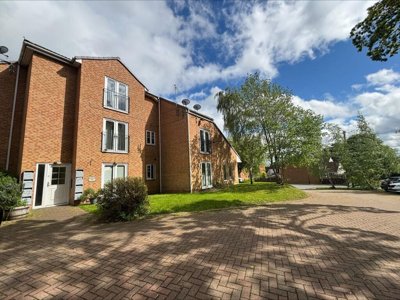
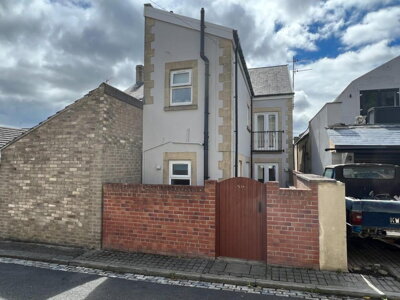
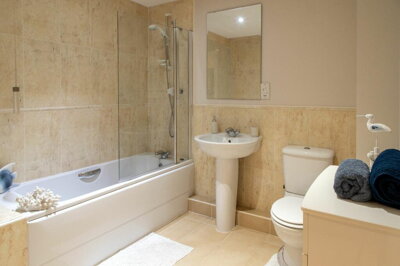
Browse 3 rental homes to rent in DH7 from local letting agents.
One bed apartments provide a separate bedroom alongside distinct living space, bathroom, and kitchen areas. Properties in DH7 are available in various building types including mansion blocks, contemporary developments, and house conversions.
£0/m
0
0
0
Source: home.co.uk
Showing 0 results for 1 Bedroom Flats to rent in DH7.
DH7's rental market covers a good spread of homes across its villages, from traditional stone-fronted terraces in former mining communities to roomy detached houses on newer estates. homedata.co.uk data shows over 10,000 properties with sales history in DH7, which gives a sense of how deep the housing stock runs, and a lot of that stock is also let out through local agents. Around 199 property sales took place in the last twelve months, with terraced homes making up most of the transactions, a clear nod to the Durham coalfield communities they were built for. For renters, that means a choice that runs from compact terraces for singles or couples to larger family homes with gardens.
New-build schemes are still reshaping the rental picture, with The Pastures in Esh Winning, The Meadows in Ushaw Moor, and The Brambles in Kelloe bringing in modern 2, 3, and 4-bedroom homes from Ascent Homes. Purchase prices on those developments sit at roughly £169,950 to £299,950, and similar homes are appearing for rent in the surrounding villages. Homes by Carlton are active too, with Beauford Park offering bigger detached properties such as The Chelmsford, The Dorchester, and The Hereford. The Woodlands in Bearpark adds more choice, including 2-bedroom bungalows as well as family houses, and some plots come with shared ownership. It is a useful spread of stock at a range of price points and specification levels.
Prices in DH7 have edged up by around 0.5% over the past year, while the DH7 7 postcode around Ushaw Moor has moved faster at 7.3%, which points to stronger demand in some village pockets. Average property values are broadly in the £161,515 to £171,833 range, depending on the source, with terraced homes averaging around £118,000 to £126,000, semi-detached properties at £141,000 to £169,000, and detached houses reaching £259,000 to £285,000. That steady backdrop is one reason DH7 appeals to renters who may later think about buying, since values have held up well while still sitting below nearby Durham City and Newcastle.

DH7 life is shaped by its villages, and each one brings a slightly different feel. The area sits in the River Browney catchment, with rolling countryside all around and plenty of routes for walking and getting outdoors. Lanchester has shops, pubs, and day-to-day services, while Durham City is close enough for residents to use its wider retail, dining, and cultural offer without paying city-centre rents. Employment in the area is helped by Durham University and the University Hospital of North Durham, both of which draw workers from across the region. That mix of village living and city access suits plenty of people.
An estimated 25,000 to 30,000 people live across roughly 10,000 to 12,000 households in DH7, so it is the sort of place where neighbours tend to know one another and local events still matter. Much of the housing dates from the pre-1919 and interwar periods, when the Durham coalfield drove fast village growth. Local red or brown brick, often with stone detailing, gives many streets their familiar look. Underneath, the geology is Carboniferous, with coal measures, sandstones, and shales, and superficial deposits often include glacial till or boulder clay, which can affect ground conditions in some spots.
Ushaw Moor and Esh both have conservation areas that protect the look and feel of those communities, and Ushaw Historic House with its gardens is a regular draw for visitors through the year. Across DH7 there are listed buildings too, from churches and farmhouses to other historic structures in older village centres. County Durham has over 3,000 listed buildings in total, and homes inside conservation areas or with listed status face tighter planning controls on changes that tenants might want to make. For renters, knowing the status of a property matters if modifications are on the cards, and landlords of these homes carry specific maintenance duties.

Families looking to rent in DH7 will find schooling at primary and secondary level, with local villages served by their own primary schools and older pupils able to move on to a wider choice. Individual Ofsted ratings are worth checking, because catchment areas shape school places and proximity alone does not guarantee acceptance. Ushaw Moor, Esh Winning, and Lanchester all have primary schools serving their immediate communities, while secondary pupils often travel to nearby towns or into Durham City for specialist subjects and grammar school options. Popular schools can be highly competitive, especially in villages with strong reputations.
For older students, Durham City is close enough to open up Durham University, one of the country's most prestigious institutions, along with further education colleges that offer vocational and academic study. The university brings in students and staff from across the UK and internationally, which feeds into the wider regional economy and housing market. Renting in DH7 gives university employees, or families with older children looking at higher education, an affordable base and a shorter commute than living in Durham City, where rents are usually higher. Many homes here suit families of all ages too, with gardens and the extra space often found in newer estates and traditional semis.
For renters with school-age children, it makes sense to check the exact catchment arrangements with the local education authority, because boundaries move and reviews do happen from time to time. Homes near strong primary schools often attract higher rents and sharper competition, especially in places like Lanchester where results have long been solid. Some families rent in DH7 specifically for grammar school access in Durham City, and school transport plus bus services can give secondary pupils workable routes. If that matters to you, check the transport option for the exact address before making a move.

DH7 has strong transport links, which is one reason commuting to bigger employment centres is so practical here. The area acts as a commuter belt for Durham City, with regular bus services linking the villages to the city centre and giving access to the wider North East rail network from Durham station. Ushaw Moor, Esh Winning, Lanchester, and Bearpark all have bus routes, and the trip to Durham city centre is usually between 20 and 45 minutes, depending on the village and the time of day. Drivers can use the A691 and A68 for direct runs to Durham and Newcastle, while the A1(M) opens up longer journeys south and beyond.
Drivers will find parking varies from village to village, with newer estates usually providing allocated spaces and older terraces often relying on on-street parking. The road network is generally in good order, although some rural lanes need a bit more care, particularly in winter when less-treated routes can be affected by weather. Cyclists get a mixed picture, with countryside lanes giving scenic rides that can also be demanding, while the trip to Durham is still manageable by bike for the energetic. Plenty of people who work in Durham City or Newcastle choose DH7 because it gives them affordable housing, rural character, and good links in one place.
Those transport options make DH7 a sensible pick for renters who need flexibility over how they travel to work, college, or services. Having a car gives the most freedom across the region, though car-free living is entirely possible for people based mainly in Durham City. From Durham station, the East Coast Main Line opens up direct services to Newcastle, York, Leeds, and London Kings Cross. For commuters headed to Newcastle, the journey is manageable, and DH7 remains attractive to people who want lower rents than they would find in Newcastle itself.

A few DH7-specific points deserve attention when we look at rental homes, because they can save trouble later and help you make a more grounded decision. County Durham's mining heritage means some properties may sit above former shallow mine workings from the Durham coalfield era, and reputable landlords ought to be able to give information on the mining history of the property or a mining report if one has been commissioned. The Coal Authority holds records of historic mine workings, and we suggest asking for that information before signing up in places like Ushaw Moor, Bearpark, or Esh Winning, where mining activity was especially concentrated.
Parts of DH7 sit on significant boulder clay deposits, and in periods of very wet or very dry weather that can bring a shrink-swell risk that affects foundations and sometimes leads to structural movement. Homes in areas with a lot of clay should be watched for signs of subsidence or ground heave, and renters should check external walls and foundations during any viewing. Carboniferous rocks, including sandstones and shales, also shape the local ground, and that matters most with older houses whose foundations may have been built for conditions that differ from modern standards.
Flood risk is not the same everywhere in DH7. Properties beside the River Browney and its tributaries can face a higher fluvial flood risk, while lower-lying areas may see surface water flooding during heavy rain. We would advise checking Environment Agency flood maps for the exact address before committing to a tenancy, and weighing that risk against the other features of the home. Conservation areas such as those in Ushaw Moor and Esh also bring planning restrictions on changes tenants can make, so those rules matter if you are thinking about alterations during the tenancy. Listed status brings extra requirements too, and changes usually need specific consents from Durham County Council.
A lot of the housing stock in DH7 is older, so many properties still have traditional construction features such as solid walls, older plumbing systems, and electrical wiring that may not meet current standards. Common faults in older DH7 homes include damp, including rising damp and penetrating damp through ageing brickwork, as well as condensation where ventilation is poor. Roofs are another common area to check, since older ones may show wear, slipped tiles, or defective flashings. Outdated electrics are common in homes built before the 1980s, and timber problems such as wet rot, dry rot, and woodworm can turn up where damp is present. During viewings, ask about recent renovation work, the roof condition, and whether the property has been treated for damp or timber issues. A detailed inventory at the start of the tenancy is vital for protecting the deposit, and asking for paperwork on condition and recent maintenance gives extra protection as a tenant.
Spend time looking at the different villages in the DH7 postcode so you can pick the one that fits best. Commute times, local amenities, school catchment areas, and the type of property you need all matter. Our platform lets you filter by location, property type, and price range so the search becomes much more focused. Ushaw Moor's conservation areas feel very different from the newer developments in Bearpark, so taking time to compare the options helps us focus on homes that genuinely match the brief.
Before we start viewings, it helps to have a rental budget agreement in principle from a lender, because that gives landlords a clear picture of affordability. In DH7, most rentals need referencing, proof of income, and a security deposit usually equal to five weeks rent. Having the paperwork ready can speed the application process a great deal and gives you a better chance against other applicants, especially for homes in popular villages or close to good schools where demand can be strong.
Get in touch with local letting agents or private landlords to book viewings for the homes that interest you. Make notes at each one, check the condition properly, and ask about the length of the current tenancy and any planned maintenance. Plenty of DH7 villages are best judged in person, and visiting at different times of day can tell you more about traffic, noise, and the feel of the place than a single visit ever will.
Once you have found a suitable property, put in your application promptly and include all the documents asked for. That usually means identification, proof of income or employment, references from previous landlords, and your rental budget agreement. Properties in popular DH7 villages can draw a lot of interest, especially near good schools and transport links, so having your finances checked in advance gives you an edge in a competitive market.
Your letting agent will then carry out tenant referencing, which usually takes a few days. After approval, you will review and sign the tenancy agreement, pay the deposit and first month's rent, and collect the keys to your new DH7 home. Before signing, make sure you understand your rights and responsibilities as a tenant, and ask about the property condition report, deposit protection arrangements, and maintenance procedures during the tenancy.
Renting in DH7 comes with costs beyond the monthly rent, and getting them straight early on helps us budget properly for a move. Security deposits in the DH7 area are typically set at five weeks rent, and they are held in a government-approved deposit protection scheme for the full tenancy. The deposit is refundable at the end, subject to deductions for damage beyond fair wear and tear or unpaid rent. The three approved schemes are the Deposit Protection Service, MyDeposits, and the Tenancy Deposit Scheme, and landlords must protect the deposit within 30 days of receiving it.
Tenant referencing fees are standard when renting through a letting agent, and they cover credit checks, employment verification, and landlord references. These costs usually sit between £100 and £200, depending on the agency. Some landlords may also ask for an administration fee, although regulations cap what agents can charge and many have now moved to a fee-free model. When you work out your total upfront cost, remember moving expenses, furniture if the property is unfurnished, and connection fees for utilities and internet services. DH7 can still be cheaper than nearby Durham City or Newcastle, but planning for every cost makes the move much smoother.
Council tax bands in DH7 are set by Durham County Council and depend on the property's assessed value. Most terraced homes and smaller semi-detached houses fall into bands A to C, while larger detached properties and newer homes may sit in bands D to F. The specific band for any DH7 property can be checked on the Valuation Office Agency website using the address or postcode. Durham County Council sets the annual council tax rates, so renters should include that in the monthly budget alongside rent and utility bills. Homes in lower bands carry lower annual charges, which can make a real difference across a tenancy.

Specific rental prices in DH7 vary by property type and village, but the sales market still gives a good sense of context. Overall average property prices sit at approximately £161,515 to £171,833 depending on the source, with terraced homes averaging around £118,000 to £126,000, semi-detached properties at £141,000 to £169,000, and detached homes reaching £259,000 to £285,000. Rents will sit below those purchase figures and will shift according to property size, condition, location within DH7, and whether the home is furnished or unfurnished. Villages such as Ushaw Moor and Lanchester, especially where transport links or schools are strong, may see higher rents. For current figures, speak to local letting agents, because the rental market moves quickly and prices can change with the seasons.
Council tax bands in DH7 are set by Durham County Council and depend on the property's assessed value. Most terraced homes and smaller semi-detached houses fall into bands A to C, while larger detached properties and newer homes may sit in bands D to F. The specific band for any DH7 property can be checked on the Valuation Office Agency website using the address or postcode. Durham County Council sets the annual council tax rates, so renters should include that in the monthly budget alongside rent and utility bills.
There are several primary schools across the DH7 area, and the best fit will depend on your address and the relevant catchment area. Parents should look at Ofsted reports for each school and, if possible, visit on open days to see whether the setting feels right. For secondary education, families can look to schools in nearby towns or grammar schools in Durham City, reached by school transport or the bus network. Proximity to Durham City also brings Durham University into play for higher education, which makes DH7 appealing to families at different stages of education. Catchment boundaries can be complicated, and acceptance is not guaranteed by distance alone, so checking with Durham County Council education services is sensible.
DH7 is served by regular buses that link the villages to Durham City, where the wider regional rail network is easy to reach. Routes cover Ushaw Moor, Esh Winning, Lanchester, and Bearpark, with the trip to Durham city centre usually taking 20 to 45 minutes depending on the village and the time of day. The A691 and A68 give drivers direct routes to Durham and Newcastle, and the A1(M) is available for longer journeys. Durham railway station provides East Coast Main Line services to Newcastle, York, Leeds, and London. That mix of bus routes and road links means car-free living in DH7 can work, although having a vehicle gives more freedom for employment and services across the region.
DH7 offers a strong mix of affordability, community spirit, and accessibility, which is why it suits such a wide range of renters. Compared with Durham City and Newcastle, it offers better value, and the housing stock runs from traditional terraces in former mining communities to modern homes on new-build estates. Villages have the shops, pubs, and community facilities people need, while the countryside setting appeals to those who like outdoor time, including walking in the River Browney valley. Major employers such as Durham University and the University Hospital of North Durham, together with solid transport links to Durham and Newcastle, support the rental market and make DH7 a good fit for commuters, families, and anyone after a quieter pace without losing access to urban amenities.
DH7 sits within the historic Durham coalfield, and former mine workings can cause ground instability, including subsidence, in some locations. Homes in Ushaw Moor, Bearpark, and Esh Winning may be more exposed because mining activity was concentrated there. Reputable landlords should be able to give details of the mining history of a property, and we recommend asking the Coal Authority for a mining report before committing to a tenancy if one has not already been provided. Any signs of subsidence or ground movement should be noted at the viewing, and properties with a history of mining-related problems may need ongoing maintenance or specialist insurance. Not every home will be affected, but the mining background is important to understand when renting in DH7.
During a DH7 viewing, check the roof, walls, and foundations for damp, cracking, or structural movement. In older homes, look for timber defects such as rot or woodworm, and ask about the state of the electrics and plumbing. Double glazing and insulation are worth checking too, since older properties may cost more to heat. Ask about recent maintenance, any history of flooding or mining issues, and whether the property sits in a conservation area or is listed, because that affects which changes are allowed. Outside, think about parking, public transport access, and how close the local shops and schools are. A careful viewing with a checklist helps us understand the condition before we commit.
From 4.5% APR
Our rental budget service shows what you can afford to rent in DH7 once income, expenses, and deposit requirements are set alongside each other. Expert guidance for tenants.
From £99
Our referencing service supports rental applications in DH7 with credit checks and employment verification, helping to speed things up. Speed up your application process.
From £400
If you are thinking about buying after renting, our RICS Level 2 surveys look at condition and pick out defects common in DH7 housing stock, including mining-related issues.
From £85
Energy Performance Certificates are needed when renting, and our assessors prepare detailed reports for properties across DH7, including traditional and modern construction.
Properties to Rent In London

Properties to Rent In Plymouth

Properties to Rent In Liverpool

Properties to Rent In Glasgow

Properties to Rent In Sheffield

Properties to Rent In Edinburgh

Properties to Rent In Coventry

Properties to Rent In Bradford

Properties to Rent In Manchester

Properties to Rent In Birmingham

Properties to Rent In Bristol

Properties to Rent In Oxford

Properties to Rent In Leicester

Properties to Rent In Newcastle

Properties to Rent In Leeds

Properties to Rent In Southampton

Properties to Rent In Cardiff

Properties to Rent In Nottingham

Properties to Rent In Norwich

Properties to Rent In Brighton

Properties to Rent In Derby

Properties to Rent In Portsmouth

Properties to Rent In Northampton

Properties to Rent In Milton Keynes

Properties to Rent In Bournemouth

Properties to Rent In Bolton

Properties to Rent In Swansea

Properties to Rent In Swindon

Properties to Rent In Peterborough

Properties to Rent In Wolverhampton

Enter your details to see if this property is within your budget.
Loans, cards, car finance
Estimated property budget
Borrowing + deposit
You could borrow between
Typical borrowing
Monthly repayment
Est. at 4.5%
Loan-to-value
This is an estimate only. Your actual budget may vary depending on interest rates, credit history, and personal circumstances. For an accurate affordability assessment, speak to one of our free mortgage advisors.
This calculator provides estimates for illustrative purposes only and does not constitute financial advice. Your home may be repossessed if you do not keep up repayments on your mortgage. Estimates based on 4.5% interest rate, repayment mortgage. Actual rates depend on your circumstances.
Homemove is a trading name of HM Haus Group Ltd (Company No. 13873779, registered in England & Wales). Homemove Mortgages Ltd (Company No. 15947693) is an Appointed Representative of TMG Direct Limited, trading as TMG Mortgage Network, which is authorised and regulated by the Financial Conduct Authority (FRN 786245). Homemove Mortgages Ltd is entered on the FCA Register as an Appointed Representative (FRN 1022429). You can check registrations at NewRegister or by calling 0800 111 6768.

We use cookies to show you personalised content and improve your experience of our website. Find out more in our Privacy policy and Cookie policy.