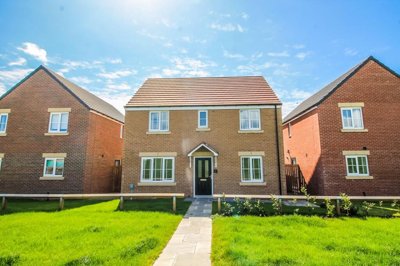
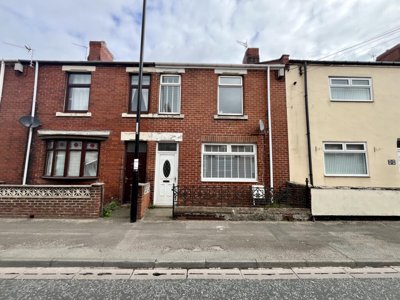
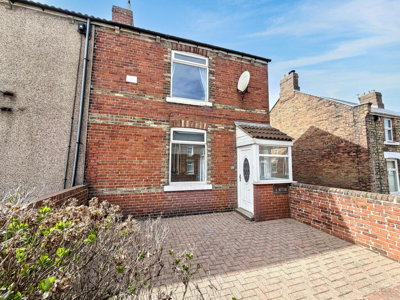
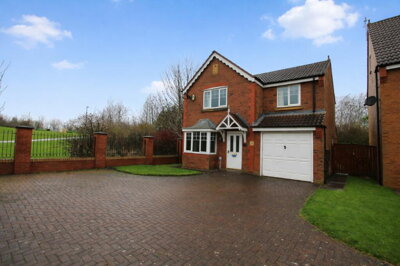
Browse 4 rental homes to rent in DH4 from local letting agents.
The larger property sector typically features multiple bathrooms, substantial reception space, and private gardens or off-street parking. Four bedroom houses in DH4 span detached, semi-detached, and occasionally terraced configurations, with styles ranging from period properties to modern executive homes.
£1,300/m
3
0
74
Source: home.co.uk
Showing 3 results for 4 Bedroom Houses to rent in DH4. The median asking price is £1,300/month.
Source: home.co.uk
Detached
2 listings
Avg £1,450
Terraced
1 listings
Avg £675
Source: home.co.uk
Source: home.co.uk
DH4’s rental market mirrors the wider feel of this long-established North East residential area, where the housing stock still reflects the region’s industrial past. Sales data points to semi-detached homes as the mainstay, with approximately 125 of the 290 total sales recorded in the past 12 months. That pattern fits the post-war growth that shaped much of Chester-le-Street, where semi-detached houses from the 1950s and 1960s became the bedrock of family accommodation. Terraced homes also account for a sizeable slice, with 104 sales, and they remain in demand on the older streets, especially around the town centre conservation zone and the rows built for miners during the coal industry boom.
Recent movement in DH4 suggests relative price stability, with values slipping by 1.27% over the past 12 months. For renters, that softer backdrop can mean landlords are more willing to talk over terms and consider longer tenancies to keep dependable occupants in place. Detached homes sit at the top end, averaging £1,173 pcm, while semi-detached properties come in at about £800 pcm. Terraced accommodation averages £685 pcm, which keeps it as a well-established and widely available option across different parts of DH4. Flats remain the lowest-cost entry point, around £648 pcm, and are often favoured by first-time renters and young professionals looking for independence without the monthly strain seen in regional cities.
Within the postcode itself, new-build supply is very limited, according to our searches of active developments. The nearest sites sit over in DH3, including Lambton Park by Miller Homes and The Aspens by Persimmon Homes off Blind Lane. As a result, most rental homes in DH4 come from the existing stock, much of it dating from the Victorian period through to the 1980s. Properties built before 1919 make up a notable share of the terraced streets, while post-war semi-detached homes dominate family lets. Knowing the age and build of a property helps prospective renters judge what sort of maintenance and day-to-day quirks may come with it.

DH4 is centred on Chester-le-Street, a town with roots reaching back to Roman times, when it acted as an important crossing point on the River Wear. The town sits beside the River Wear, and the Lumley Park Burn runs through the area, creating green corridors and parkland that shape the local feel. The historic Chester-le-Street Conservation Area protects the architectural character of the town centre, including the medieval St. Mary and St. Cuthbert Church and the Georgian and Victorian buildings around it that speak to its past as a market town. Outside that core, residential streets carry the imprint of the industrial age, with many homes from the Victorian and Edwardian eras, built when coal mining dominated the local economy and influenced the layout of terraced housing and miners' cottages.
DH4 has a settled, mixed community, with families, professionals, and older residents who have put down roots over generations. Mining shaped the area for years, and although active mining ended decades ago, that sense of working-class community still comes through on the residential streets. Day to day, people rely on supermarkets around the town, independent shops on Front Street, cafes, traditional pubs serving real ales, and restaurants with a broad mix of cuisine. Lambton Castle and its extensive estates bring wide open green space, while the town centre keeps the calendar busy with markets and community events, including the Chester-le-Street Food Festival and Christmas market, both of which draw visitors from across the region.
Families renting in DH4 have plenty of places to keep children occupied, from local parks to the Chester-le-Street Cricket Club ground, which hosts county matches, and the Riverside complex, with swimming and fitness facilities. Bowes Lane library serves the town with resources for all ages, while smaller libraries in the surrounding villages keep services close to hand across the DH4 postcode. Station Road’s community centre runs activities and events, which says a lot about the strength of the voluntary sector here. Tenants often tell us they value the easy welcome, and that it does not take long to feel part of neighbourhood life through local schools, sports clubs, and community groups.
There is a practical side to DH4 as well, because the area sits close to major employment centres while keeping its residential character. The industrial estates on the edge of Chester-le-Street create local work in manufacturing, logistics, and retail. For public sector workers, Durham County Council offices and the NHS hospitals in Durham and Newcastle are reachable via the A1(M) or public transport. That mix has made the town a dormitory base for Newcastle and Durham, letting residents keep housing costs more manageable while still having access to larger cities’ jobs and cultural life.
For families, DH4 offers a broad spread of educational options, from early years through to further education. In and around Chester-le-Street, primary schools such as Bullion Lane Primary School, Chester-le-Street CofE Primary School, and Cestus Primary Academy serve children aged 5 to 11 across local catchment areas. Schools with strong Ofsted ratings underline the area’s commitment to education, though parents should still check current ratings and catchment boundaries with Durham County Council, since those details can affect which school a child can attend. Many of the primaries occupy older buildings that have been extended and updated over time to cope with rising pupil numbers and modern teaching needs.
Secondary education in DH4 is covered by schools in Chester-le-Street and nearby areas, including The Hermitage School, which serves the community with a broad curriculum across Key Stages 3 and 4. Some students may sit the eleven-plus to access grammar school provision, and schools in nearby Durham may be within reasonable travelling distance for families prepared to commute. St. Mary's Catholic School in Argent Road provides faith-based secondary education, while other County Durham options bring different approaches to learning. For post-16 study, sixth form provision in secondary schools allows pupils to stay local, and Durham College, along with other further education providers in the region, supports vocational qualifications, A-levels, and apprenticeships.
Childcare is well spread across DH4, with nurseries and preschools operating from church halls as well as purpose-built childcare centres. That sort of provision matters to working families, and it helps younger children get ready for the move into primary school. We often hear from tenants with young children that good childcare and nearby primary schools were key reasons for choosing DH4 over larger cities, where costs would be much higher.

Among DH4’s strongest selling points is transport, which makes the area a solid choice for commuters across the North East. The A1(M) runs close by, giving direct access north to Newcastle upon Tyne and south to Durham, with Newcastle city centre typically about 30 minutes away by car during off-peak periods. That location has long made Chester-le-Street popular with workers who want access to major employment hubs but prefer housing outside the city centre where prices are lower. At busy times, traffic on the A1(M) can slow, especially near the Durham interchange and the Newcastle approach, so commuters may need to allow extra time and, where possible, keep some flexibility in their working day.
Public transport is decent too. Go North East and other operators run regular buses linking Chester-le-Street with Durham, Newcastle, Washington, and Sunderland, while routes through the town provide access to jobs, shopping, and leisure across the region. The bus station on Central Street in Chester-le-Street town centre acts as the main hub for inter-regional services, and local routes connect the surrounding villages within DH4. For rail, Chester-le-Street railway station has Northern Rail services to Newcastle, usually around 20-25 minutes, and to Durham, where the East Coast Main Line opens up longer-distance travel to Leeds, York, and London.
Newcastle International Airport is also within reach, typically about 40 minutes via the A1(M), depending on traffic. From there, domestic and international flights make DH4 a sensible base for frequent travellers. If you work in Newcastle city centre, the rail link and the A1(M) give you options, so you can switch between road and rail depending on timings and weather. Tenants value that flexibility, and we see it often in the way people choose homes here to fit modern working patterns.

Start any search with a firm budget in mind, and remember to include rent, council tax, utilities, and possible increases over the tenancy term. We suggest having proof of income ready, because landlords and letting agents will usually want to see that you can afford the tenancy, and a strong application always helps in a competitive market. In DH4, rents vary by property type and condition, with terraced homes usually coming in below the monthly costs of larger semi-detached or detached houses.
It pays to spend time looking at different parts of the DH4 postcode, with proximity to work, schools, amenities, and transport links all worth weighing up. Chester-le-Street and the surrounding area each have their own character, from the town centre conservation area with its historic buildings to the post-war streets of Waldridge and the quieter villages heading towards Durham. We can help you work out which parts line up best with your own priorities and circumstances.
Once suitable homes are on the shortlist, arrange viewings so you can check condition, size, and whether the place really works for you. Look closely at the state of repair, the natural light, storage space, and the feel of the neighbourhood at different times of day. Many DH4 properties were built in periods when standards were different from today, so understanding the age and construction of any potential rental gives a better sense of likely maintenance needs.
Before signing up to an older property, it can be sensible to commission a RICS Level 2 Survey to pick up defects or maintenance issues that are not obvious at first glance. In the DH4 area, survey costs usually sit between £400 and £700, depending on property size. That can be especially useful here, given the age of much of the housing stock and the possibility of issues tied to the area’s mining heritage and clay geology, both of which can affect foundations and structural integrity. Our team can arrange surveys through qualified local inspectors who understand the specific character of properties in DH4.
Take time to read the tenancy terms properly before you sign, especially deposit amounts, notice periods, maintenance responsibilities, and any restrictions on pets or alterations. The standard deposit is equal to five weeks' rent for properties with annual rent below £50,000, and it must be protected in a government-approved scheme for the duration of the tenancy. We will talk you through the key terms and help you understand your rights and responsibilities as a tenant in the DH4 area.
Renting in DH4 means keeping a close eye on a few area-specific details that can shape the whole tenancy. Properties here were built using traditional methods, mainly brick cavity wall construction with slate or concrete tile roofs. Many homes date from the Victorian, Edwardian, and post-war periods, so older properties may call for more maintenance than newer ones. Knowing the age and build of a home helps you judge likely upkeep and whether the rent matches the condition and demands of the property. In DH4, the typical brickwork is red or brown, with some stone in older houses and render on certain street elevations.
The geology in DH4 is worth a look too, especially because of the area’s mining history. The ground sits on Carboniferous rocks, including coal measures, sandstones, and shales, with glacial boulder clay deposits that can bring shrink-swell risks for foundations. Past mining activity means some properties may have foundations affected by old workings, and unrecorded mine shafts or tunnels could still create ground instability in some places. We always suggest requesting a mining report for any property in DH4, as it highlights historical mining activity that might affect the stability of the home and its grounds. Landlords usually handle insurance and structural matters, but knowing this background helps you understand any disclosed issues and the maintenance history.
Flood risk is another part of the picture in DH4. Homes near the River Wear or Lumley Park Burn carry a higher flood risk, and surface water flooding can hit low-lying spots during periods of heavy rainfall. The postcode is inland, so coastal flooding is not a concern here, but river proximity and heavy rain can still leave some places with standing water. Checking flood maps for a specific address, and speaking to current tenants or the landlord about any history of flooding, gives useful context. Properties in Flood Zone 2 or 3 may need special insurance arrangements that affect overall costs, and our team can help you make sense of the flood risk for any home you are considering.
Older homes in DH4 can bring a familiar set of defects, shaped by age and construction. Rising damp can affect solid-walled Victorian terraces that lack modern damp-proof courses, penetrating damp may appear where rainwater goods need attention or pointing has failed, and roof conditions on slate coverings may show wear that needs ongoing maintenance. Properties built before the 1980s often have electrical systems that now need updating to meet modern standards. Timber problems, including woodworm and rot, can affect floor joists and window frames where damp is present. We strongly recommend a RICS Level 2 Survey before any rental agreement, especially since well over 60-70% of properties in DH4 are more than 50 years old and sit squarely in the group where such surveys are most useful.

Our research on the DH4 market gives a useful sense of the rent landscape even where exact live pricing was not available for every property. With average rents at £738 pcm across all property types, terraced homes at £685 pcm, semi-detached homes at £800 pcm, and flats at around £648 pcm, DH4 remains more affordable than nearby Newcastle upon Tyne and Durham city centres, where similar homes tend to command higher monthly rents. Costs still move around according to property type, size, condition, and position within the postcode, and homes in the Chester-le-Street conservation area may attract premiums because of their character and location. Speaking to local letting agents is still the best way to get up-to-date pricing for your own search, because the market shifts and seasonal changes can affect both availability and rents.
Council tax in DH4 falls under Durham County Council, and the bands run from A to H depending on a property’s value at the time of assessment. Most terraced homes and smaller semi-detached properties here usually sit in Band A, B, or C, while larger semi-detached houses and detached homes may fall into Bands D through F. Durham County Council’s rates can be checked on their website, where you can search by property address to confirm the exact band for any rental. Knowing the band helps with budgeting, and if a home appears to have been placed in the wrong category, there is sometimes scope to appeal.
The area has decent educational provision, with several primary and secondary schools serving local communities across DH4. Primary schools including Bullion Lane Primary, Chester-le-Street CofE Primary, and Cestus Primary Academy cover different catchment areas in the town, and Ofsted ratings give one useful measure of quality. For secondary education, The Hermitage School and St. Mary's Catholic School offer options for Key Stages 3 and 4, with sixth form provision available for post-16 students. Grammar school provision may be available in nearby Durham for pupils who pass the eleven-plus, with Durham School and other grammar schools in the city potentially within a reasonable commute. Parents should always check current Ofsted reports and catchment boundaries, as both can change and directly affect eligibility for places.
Transport links in DH4 are strong, with bus services run by Go North East and other providers operating across Chester-le-Street and connecting to Durham, Newcastle, Washington, and Sunderland. Chester-le-Street railway station offers direct services to Newcastle, usually about 20-25 minutes, and Durham, with onward connections into the wider East Coast Main Line network for longer trips. By road, the nearby A1(M) gives access to major employment centres such as Newcastle, Durham, and Sunderland, and car journeys to Newcastle city centre are usually around 30 minutes outside peak hours. Newcastle International Airport can be reached via the A1(M) in roughly 40 minutes, with domestic and international flights available. Put together, those options make DH4 especially appealing for commuters working in different places across the North East.
DH4 is a good rental base, offering solid value compared with larger regional cities while still keeping excellent links to the main employment centres. There is a broad mix of property types here, from affordable terraced homes in the town centre to larger family houses in the suburbs and surrounding villages. The town centre brings together shops, restaurants, leisure facilities, and regular markets, while green spaces such as the Lambton Estate and Lumley Park provide room to relax. Community life is active too, with regular events and a friendly atmosphere that helps newcomers settle in quickly. For people working in Newcastle, Durham, or Sunderland, DH4 gives them a practical place to live without city centre prices, which is why it remains popular with young professionals, families, and anyone seeking more affordable housing with good transport links.
Standard practice in DH4 follows national rules, with deposits capped at five weeks' rent for properties with annual rent below £50,000. That deposit must be protected in a government-approved scheme, DPS, MyDeposits, or TDS, within 30 days of receipt, and you should receive the prescribed information for the scheme. Most landlords ask for a holding deposit equal to one week's rent while referencing checks are carried out, and that is usually offset against the final deposit. Tenant referencing, right-to-rent checks, and inventory preparation can all carry costs, although the Tenant Fees Act 2019 limits what landlords and agents can charge, and many fees, including for viewing, checkout, or administration, are no longer allowed. Budget for the initial outlay, including deposit, first month's rent in advance, and, if you arrange one yourself, a RICS Level 2 Survey, which we can organise on your behalf.
Flood risk in DH4 changes quite a bit from one street to the next, so any property under consideration deserves its own assessment. Homes near the River Wear and the Lumley Park Burn face higher fluvial flood risk, especially in low-lying areas close to those watercourses. Surface water flooding can also affect lower ground during heavy rainfall, when drainage systems are under strain. Because DH4 is inland, coastal flooding is not part of the picture, which removes one risk seen in coastal parts of the North East. It is sensible to ask landlords or letting agents about any flooding history, since flood events can affect basements, ground floors, and gardens. Insurance may cost more where flood risk is significant, and landlords must provide an Energy Performance Certificate, which may note relevant property details.
Many properties in DH4 have the sort of traditional construction that can throw up age-related issues during a tenancy. Damp is a common concern, whether that appears as rising damp in solid-walled Victorian homes without modern damp-proof courses, penetrating damp from damaged pointing or rainwater goods, or condensation damp where ventilation is poor in properties built before modern insulation standards. Slate or tile roofs may show wear, slipped tiles, or damaged flashing, all of which can lead to leaks if left alone. In homes pre-dating the 1980s, electrical wiring may need updating because consumer units and wiring standards have changed so much since then. The clay geology and historical mining activity in DH4 can also create the risk of subsidence or foundation movement, often seen in wall cracking or distorted door and window frames. Woodworm and rot can affect floor joists, roof timbers, and window frames, particularly where damp has been a long-running issue. A RICS Level 2 Survey gives a proper assessment before you commit and helps you understand the maintenance responsibilities that may arise during the tenancy.
Knowing how homes in DH4 are built gives prospective tenants a clearer idea of what to expect from day to day. The area is largely made up of traditional brick construction, with red brick common on Victorian and Edwardian houses and brown brick more often seen on post-war homes. Many properties use cavity wall construction, which became standard from the early 20th century onwards, although the oldest terraced homes built before widespread cavity wall adoption are solid wall. Roofs usually use slate or concrete tiles, with slate more common on older homes and concrete tiles on post-war builds. Timber floor joists support the floors in most properties, and suspended timber floors are especially common in older terraces.
A lot of DH4’s housing stock was built before modern building regulations brought in requirements for insulation, damp-proof courses, and better ventilation. Homes built pre-1919 often have solid walls without cavity insulation, higher ceilings, bigger windows, and decorative details that reflect the styles of the period. Properties built between 1945 and 1980 usually have cavity wall construction, smaller rooms by modern standards, and original features that may now need maintenance or updating. Those differences affect energy efficiency, heating costs, and upkeep, all of which tenants should weigh up when looking at rental homes in DH4.
For homes inside the Chester-le-Street Conservation Area, or close to listed buildings such as Lumley Castle and St. Mary and St. Cuthbert Church, planning controls can affect what changes a tenant is allowed to make during a tenancy. Listed building consent may be needed for exterior alterations or significant changes to internal features, and conservation area status can also affect paint colours, signage, and other visible changes. That matters most for longer-term tenants who want to personalise a home, but it is still worth understanding the status of the property so there are no arguments later with the landlord or planning enforcement.
Getting the full cost picture right is a key part of renting in DH4, because it helps you budget and avoids surprises once you move in. Initial costs usually include the first month's rent in advance, a security deposit capped at five weeks' rent for properties with annual rent below £50,000, and, in some cases, a holding deposit equal to one week's rent while referencing is completed. Inventory check costs are normally paid by the landlord rather than the tenant, and referencing fees are restricted under the Tenant Fees Act 2019, which bans many charges that used to be standard. You may still come across agency fees if you use a letting agent, although many now work on no-fee models. We always recommend asking for a full cost breakdown before you commit to any tenancy, so there are no unexpected charges.
DH4 can offer very good value compared with nearby markets, with average property values at £156,056, which translates into more affordable rental levels than similar homes in Newcastle or Durham city centres. Terraced homes averaging £116,211 and flats around £74,000 are accessible entry points, while larger semi-detached family houses provide extra space for households that need more bedrooms. If you are renting an older home, it is sensible to budget for heating costs where insulation falls short of modern expectations, because many properties here pre-date the 1980s and can use more energy than newer builds. Council tax also varies by band, and most residential properties in DH4 fall into Bands A through D under Durham County Council's system.
At about £400 to £700 depending on property size and complexity, a RICS Level 2 Survey is often money well spent, because it picks up defects before you commit, especially in an area with a long housing history and possible issues linked to mining heritage and clay soils. Surveys are often associated with buying, but tenants can benefit too, since the report gives a clear picture of the home’s condition. Our team can arrange one through qualified local inspectors who know the particular characteristics of DH4 properties. It also gives you written evidence of the condition at the start of the tenancy, which can be useful if there is any dispute over deposit deductions at the end.

🏠
Our inspectors look at rental properties with the sort of detail DH4 homes need, picking up defects such as damp, roofing issues, and mining-related subsidence risks. From £400
💷
Work out your rental budget and get a clear view of the full cost of renting in DH4, including deposit, fees, and ongoing outgoings. From 4.5% APR
✓
We complete the referencing checks landlords require, including credit checks, employment verification, and right-to-rent compliance. From £99
📋
An Energy Performance Certificate assessment is required for all rental properties, and it gives an energy efficiency rating from A to G. From £85
Properties to Rent In London

Properties to Rent In Plymouth

Properties to Rent In Liverpool

Properties to Rent In Glasgow

Properties to Rent In Sheffield

Properties to Rent In Edinburgh

Properties to Rent In Coventry

Properties to Rent In Bradford

Properties to Rent In Manchester

Properties to Rent In Birmingham

Properties to Rent In Bristol

Properties to Rent In Oxford

Properties to Rent In Leicester

Properties to Rent In Newcastle

Properties to Rent In Leeds

Properties to Rent In Southampton

Properties to Rent In Cardiff

Properties to Rent In Nottingham

Properties to Rent In Norwich

Properties to Rent In Brighton

Properties to Rent In Derby

Properties to Rent In Portsmouth

Properties to Rent In Northampton

Properties to Rent In Milton Keynes

Properties to Rent In Bournemouth

Properties to Rent In Bolton

Properties to Rent In Swansea

Properties to Rent In Swindon

Properties to Rent In Peterborough

Properties to Rent In Wolverhampton

Enter your details to see if this property is within your budget.
Loans, cards, car finance
Estimated property budget
Borrowing + deposit
You could borrow between
Typical borrowing
Monthly repayment
Est. at 4.5%
Loan-to-value
This is an estimate only. Your actual budget may vary depending on interest rates, credit history, and personal circumstances. For an accurate affordability assessment, speak to one of our free mortgage advisors.
This calculator provides estimates for illustrative purposes only and does not constitute financial advice. Your home may be repossessed if you do not keep up repayments on your mortgage. Estimates based on 4.5% interest rate, repayment mortgage. Actual rates depend on your circumstances.
Homemove is a trading name of HM Haus Group Ltd (Company No. 13873779, registered in England & Wales). Homemove Mortgages Ltd (Company No. 15947693) is an Appointed Representative of TMG Direct Limited, trading as TMG Mortgage Network, which is authorised and regulated by the Financial Conduct Authority (FRN 786245). Homemove Mortgages Ltd is entered on the FCA Register as an Appointed Representative (FRN 1022429). You can check registrations at NewRegister or by calling 0800 111 6768.

We use cookies to show you personalised content and improve your experience of our website. Find out more in our Privacy policy and Cookie policy.